36+ Unusual Barbies We Didn't Know Existed
Barbie has been around for as long as we can remember, but there's no doubt that her popularity skyrocketed after Greta Gerwig's *Barbie* hit theaters around the world. After the movie's release, fans couldn't stop talking about Barbie and her legacy. From hilarious missteps to health and safety controversies to reinforcing harmful gender stereotypes, Mattel has released some unusual and unforgettable Barbies over the years. We bet you didn't know some of these Barbies existed!
Teen Talk Barbie
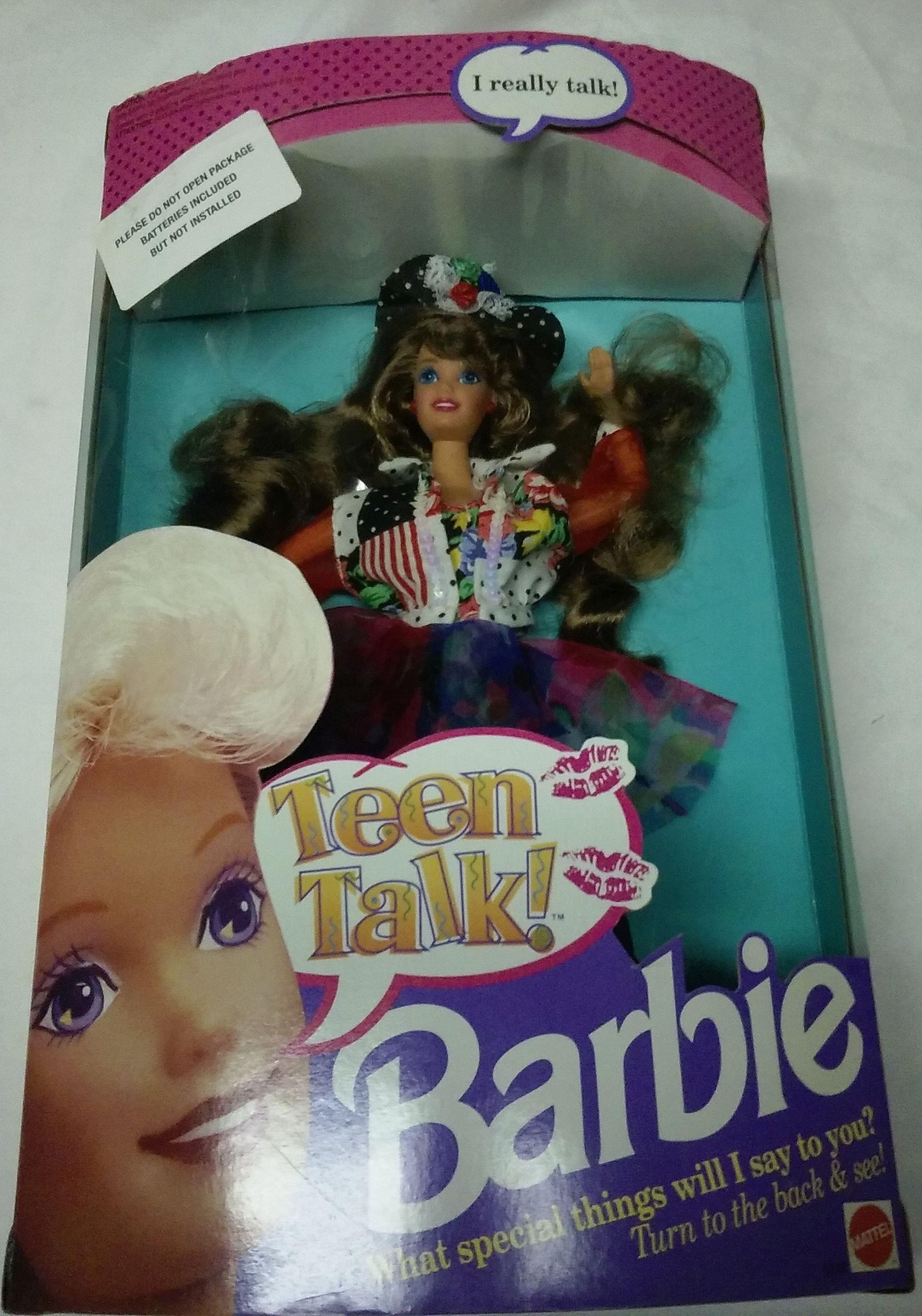
Introduced in 1992, Teen Talk Barbie included a voice box with randomly chosen phrases to say when a button was pressed. Controversially, one of the phrases was “Math class is tough!” Thought to reinforce gender stereotypes about women’s aptitude for science and math, the American Association of University Women criticized these dolls. It’s amazing to see how far Mattel has come since this poor choice, with the *Barbie* movie empowering women in every scene.
Midge and Baby
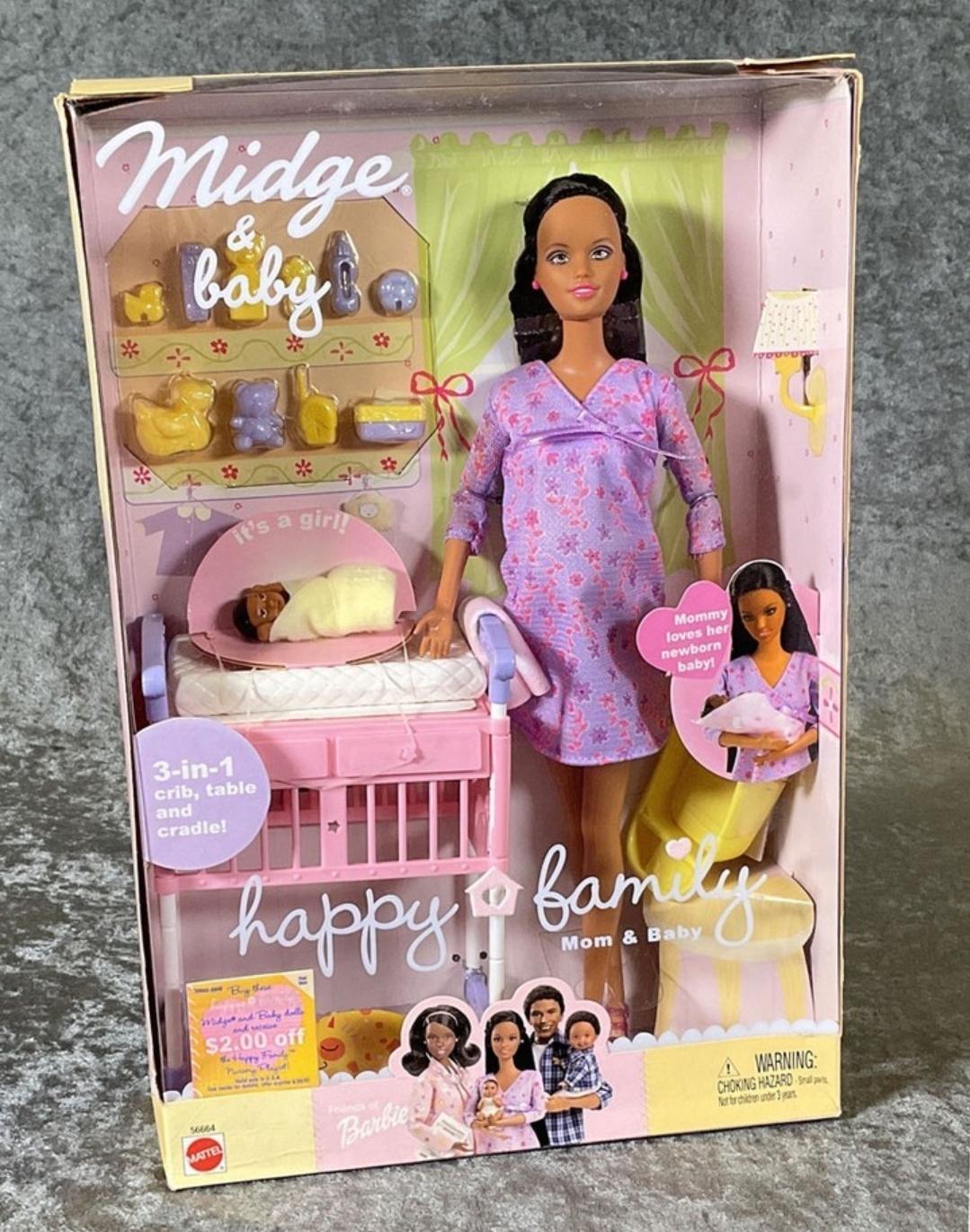
Marketed as Barbie’s best friend, Midge had red hair and freckles, and, yep, you’ve guessed it, a pregnancy bump with a newborn baby doll inside. This pregnant Barbie’s backstory included a marriage to Allan and four children. However, some parents saw Midge as promoting teen pregnancy, especially as—shock, horror—she was initially sold without a wedding ring. Midge was later rebranded as a non-pregnant version so concerned parents could rest easy.
Rollerblade Barbie
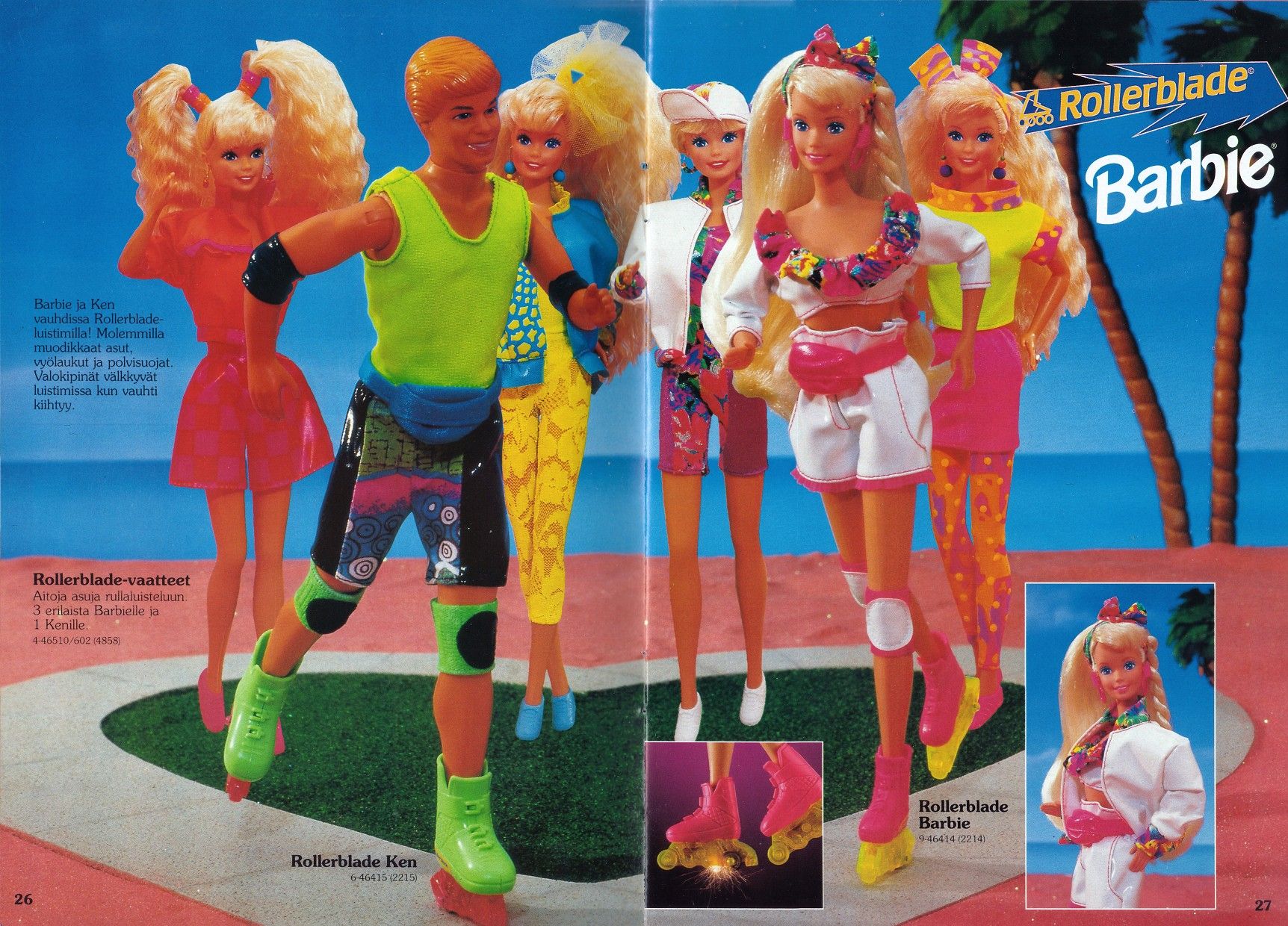
In 1991, Mattel released a Barbie dressed bedecked in neon and sporting bright pink inline skates, capitalizing on the roller rink craze sweeping the nation. But a less well-thought-through feature was having the skates produce sparks when dragged back and forth over a flat surface. Safety concerns about the sparks igniting flammable materials (think of all that '90s hairspray and polyester) meant that this Barbie rolled off the shelves sharpish.
Becky
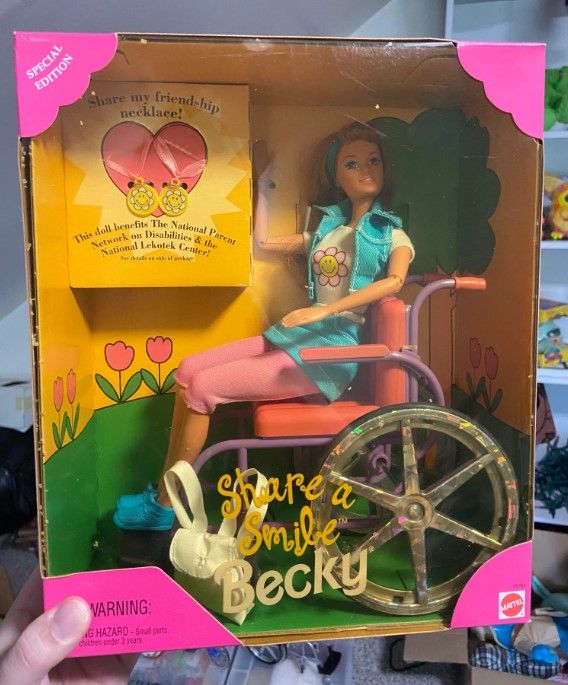
Amid a lot of fanfare and celebration of representation, Becky was introduced in 1997 as the first Barbie in a wheelchair. Her bright pink wheelchair was equipped with realistic mylar wheels and a matching backpack. However, it quickly became apparent that Mattel had not considered accessibility when making this groundbreaking disabled doll as the wheelchair couldn’t fit through the door of the Barbie Dreamhouse. Fortunately, Mattel has rectified this problem and is working to make the Barbie collection as diverse as possible.
Frida Kahlo Barbie
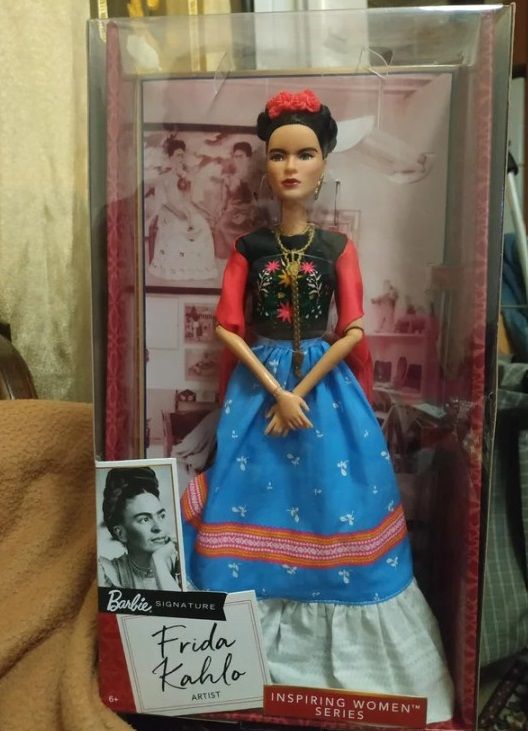
As part of their “Inspiring Women” collection, designed to honor women’s accomplishments throughout history, Mattel launched a Frida Kahlo Barbie. While the company’s intentions might have been good, the execution of this doll left a lot to be desired. As well as using Kahlo’s likeness without permission, much to the anger of her family, Mattel also changed Kahlo’s image according to Western beauty standards. From minimizing her monobrow to giving her a “perfect” Barbie body, this doll represents a lot of the repressive values that the iconic artist was fighting against.
Video Girl Barbie
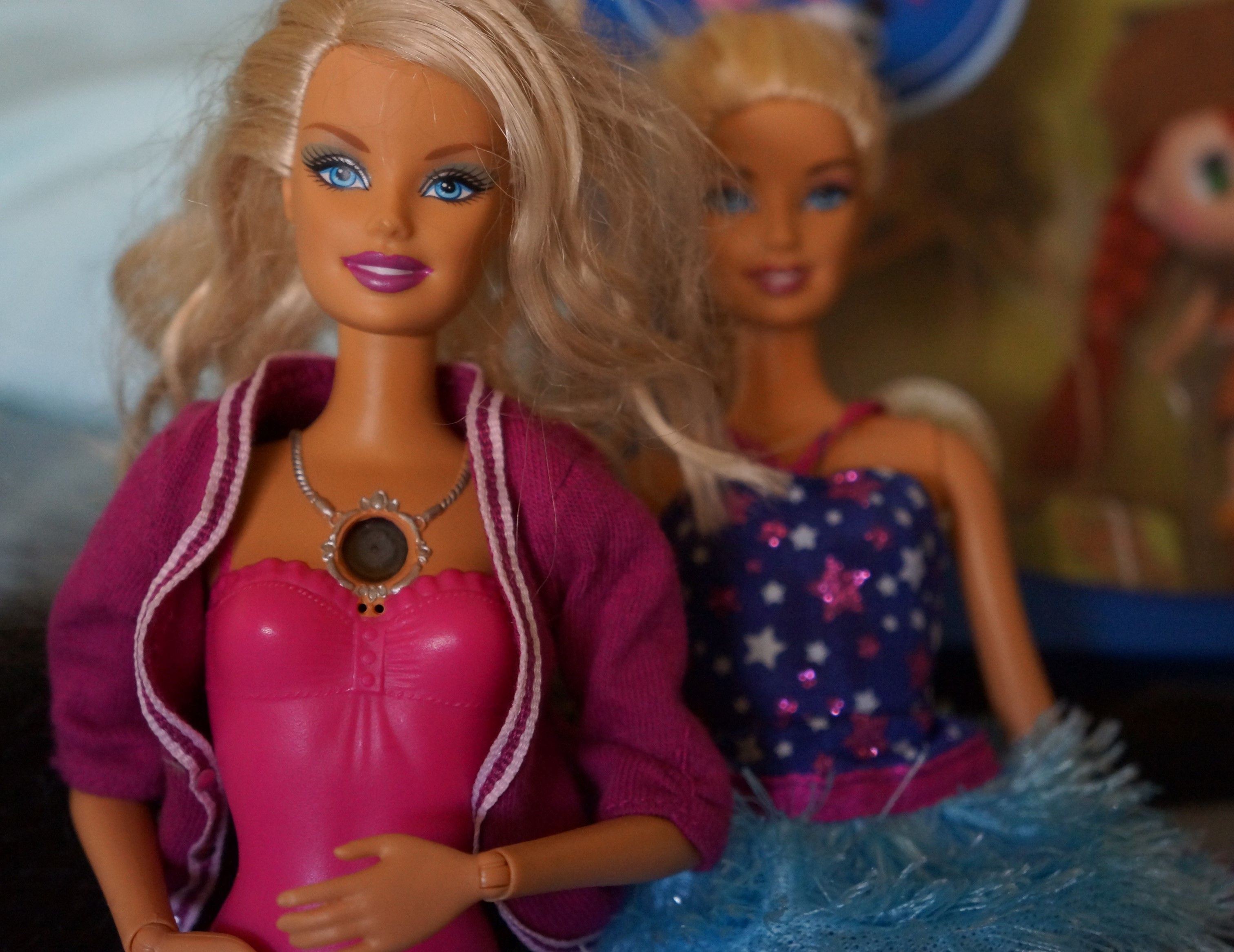
A misstep from Mattel, this Barbie came with a video camera embedded in her sternum and a small screen stuck on her back and was able to record up to 30 minutes of footage. Produced to encourage budding filmmakers, this doll was quickly discontinued amid safety concerns. The FBI warned that the doll could be exploited by criminals to film inappropriate content, while parents weren’t keen to have any embarrassing moments recorded by their kids. The doll was discontinued two years later.
Growing Up Skipper
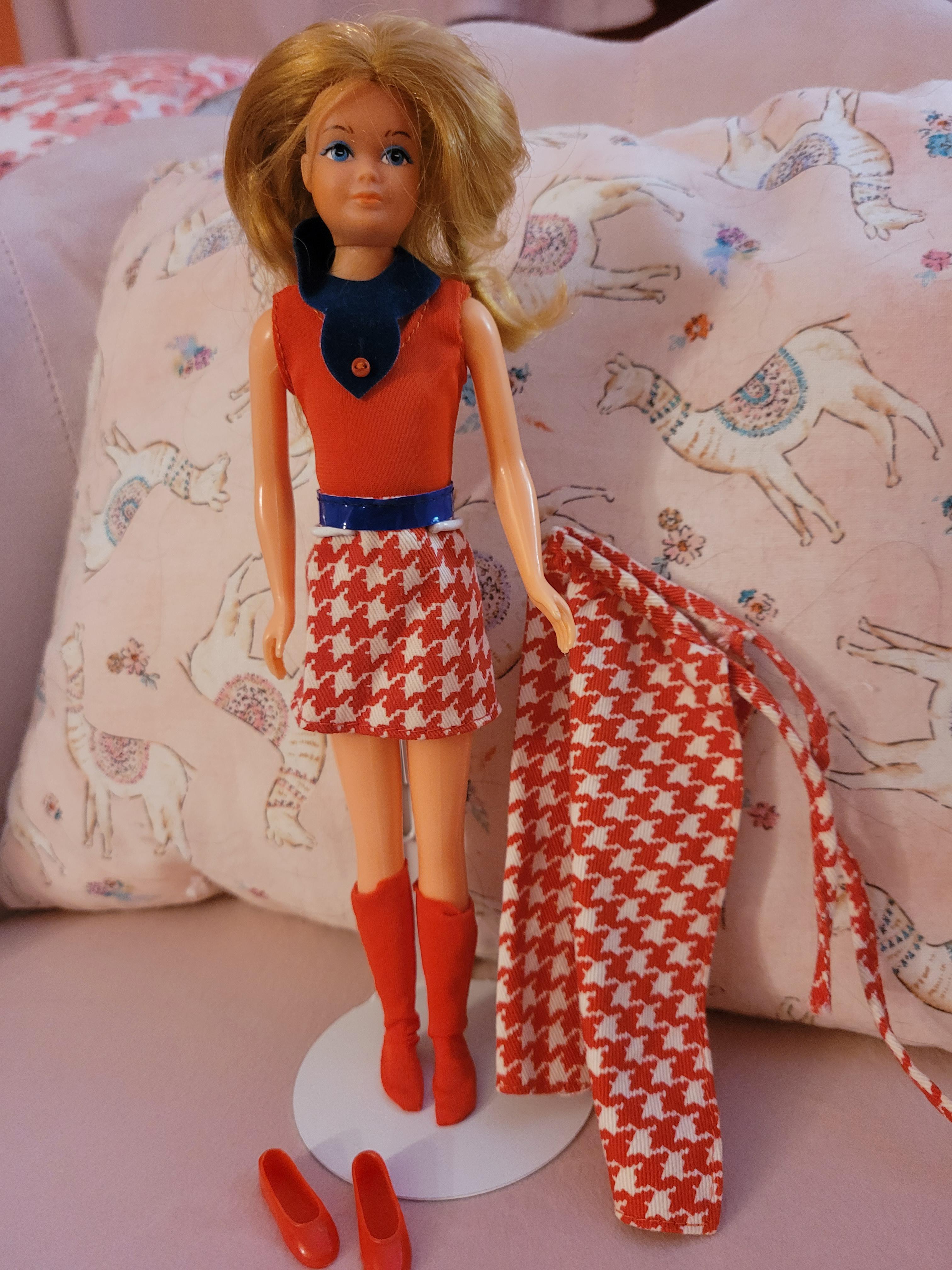
Released in 1975, this version of Barbie’s younger sister Skipper was designed to educate young Barbie fans about the realities of being a teen going through puberty. By rotating Skipper’s arm, she could magically grow taller and gain breasts. However, consumers decided that this simplified vision of “growing up” sent a confusing message to impressionable young girls, and the doll was quickly discontinued amid heavy criticism. If only puberty were that painless.
Oreo Fun Barbie
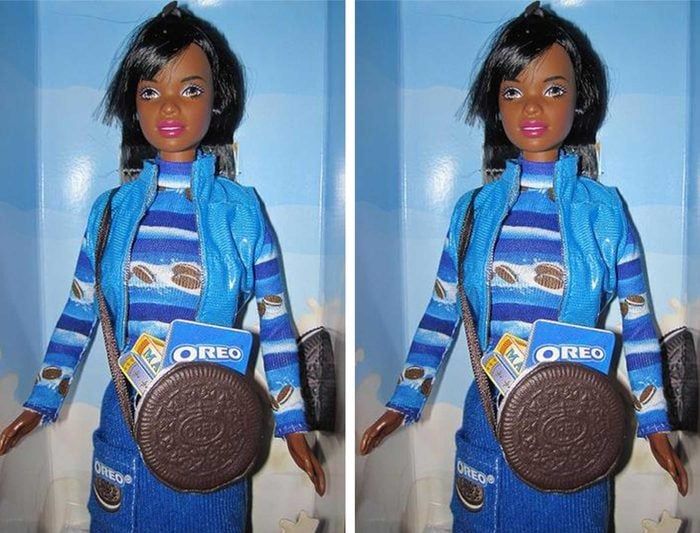
Made in collaboration with OREO-producers Nabisco, this Barbie was intended as a fun-loving gal who loved to snack on her favorite black and white cookies. The white version of the doll was released with no issues, but when Mattel released an African-American version, alarm bells started to ring. “Oreo” can be used as a slur against people of color accused of “acting white”. Realizing their mistake, Mattel quickly recalled Oreo Barbie for good.
Barbie’s Dog Tanner
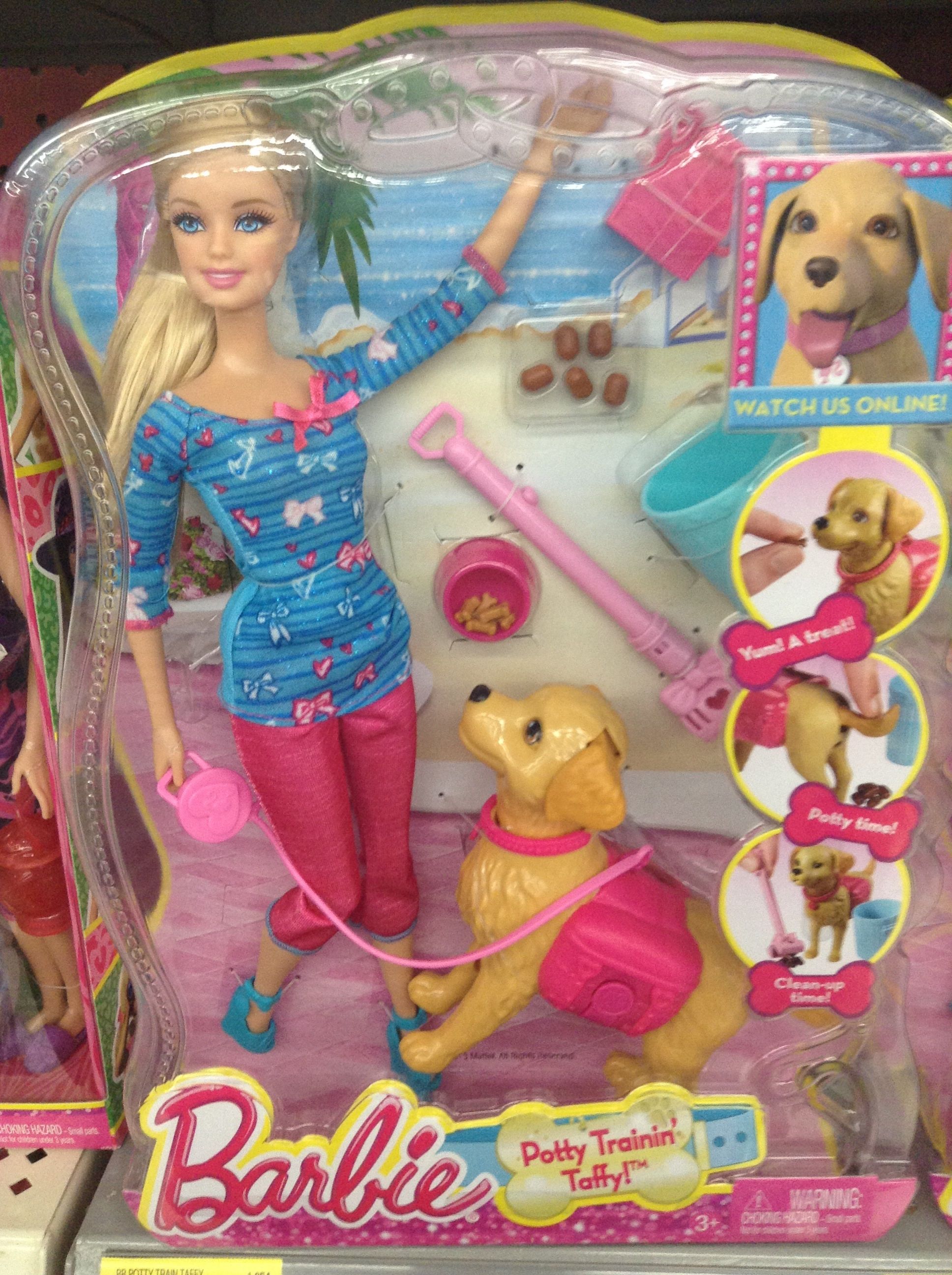
In 2006, Mattel released a playset of Barbie and her loyal golden retriever Tanner. It came equipped with a magnetic pooper scooper and treats that the dog could poop out the other end. Although it might have been a good toy for teaching kids about cleaning up after their furry pals, it was recalled after concerns that the small magnets in the accessories posed a health and safety risk to kids who might swallow them.
Slumber Party Barbie
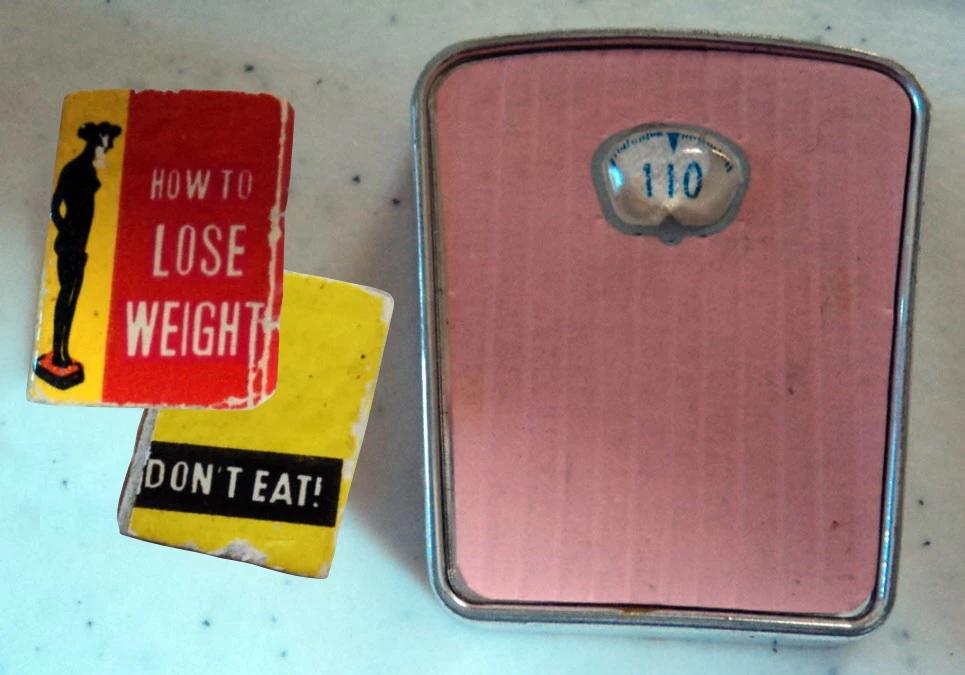
Things were very different back in 1965, especially society’s ideas about gender roles. This was the year Slumber Party Barbie was introduced, along with a selection of fun slumber party accessories. These included a book called “How to Lose Weight” and a bathroom scale permanently set to just 110 pounds. We’re happy to say that things have changed a lot since then and a doll like this would never survive in this day and age.
Earring Magic Ken
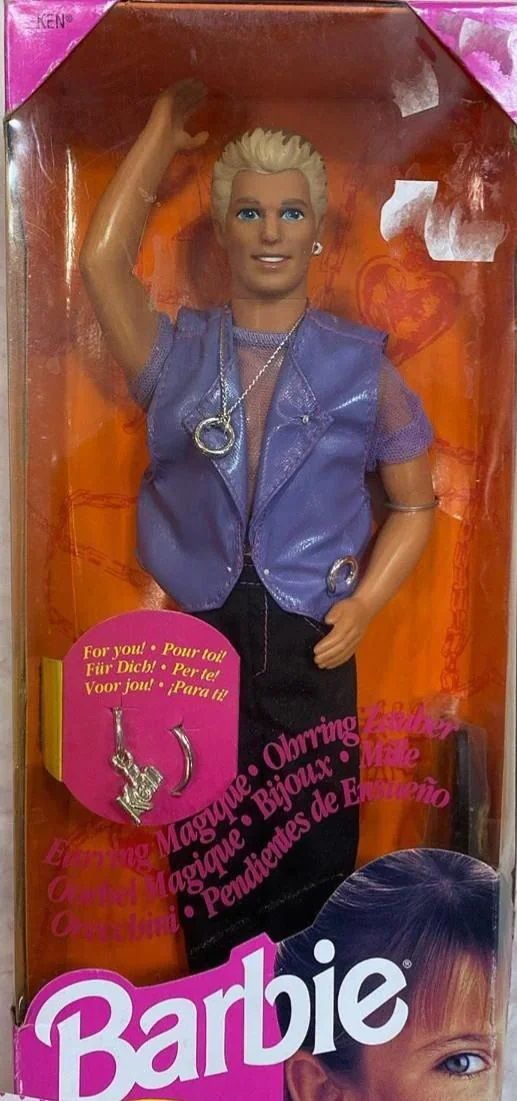
This version of Ken was intended to be a cooler version of Barbie’s male companion. Accordingly, they dressed him in a purple mesh shirt, a pleather vest, a necklace, and an earring. This undeniably (but unintentionally) queer-coded look led to much backlash from folks who thought the doll should stick to more conservative outfits. However, Ken’s flamboyant rebrand also led to LGBT+ men buying the doll in record numbers, meaning Earring Magic Ken was one of the best-selling Kens of all time before he was sadly discontinued.
Brunette Barbie
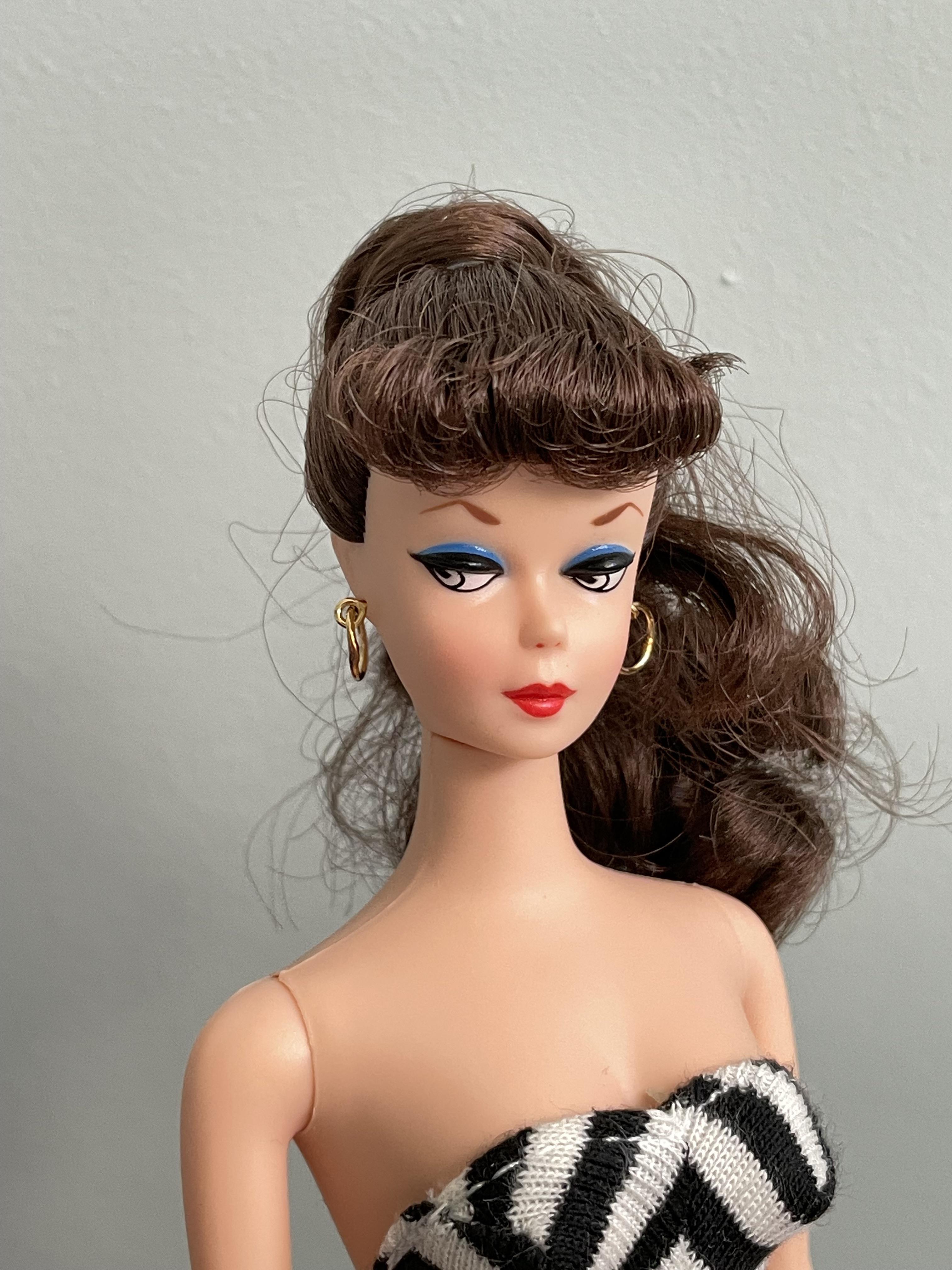
It’s hard to picture Barbie without her trademark long blonde hair. Barbie and blonde are almost synonymous. But once upon a time, Barbie was also available as a brunette. It turned out that blondes really do have more fun as consumer interest in the brown-haired doll was much lower than in the classic. As such, Mattel decided to cut their losses and drop brunette Barbie from their line-up until she was reintroduced years later.
Classic Barbie
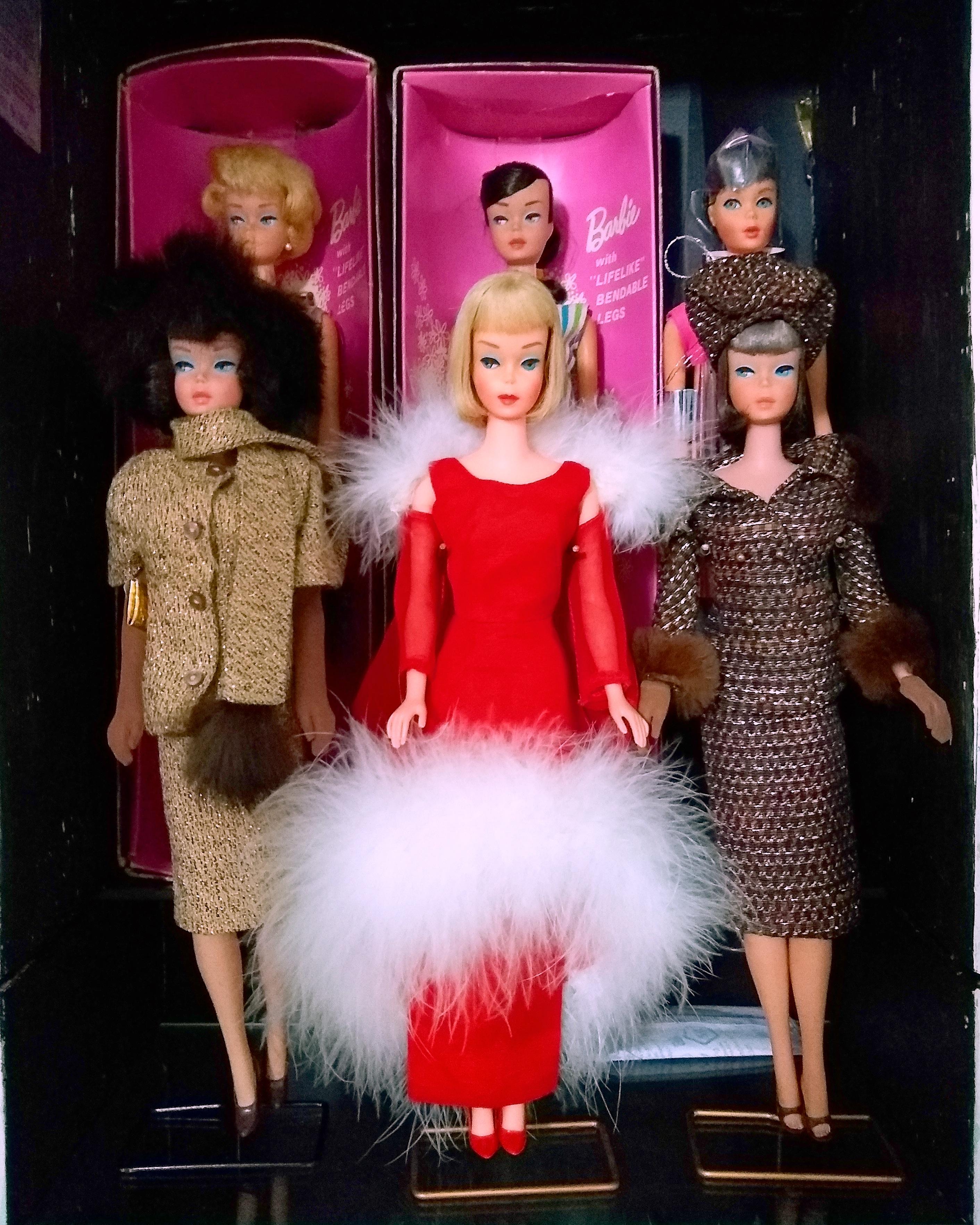
Most of us grew up with a Classic Barbie doll—one of the only dolls designed for children with an adult appearance. Classic Barbie has changed outfits and hairstyles over time, but always retains a very feminine look. Although Classic Barbie has faced criticism over the years for encouraging unrealistic ideals of beauty, she has continued to endure. The popularity of Classic Barbie has recently skyrocketed through Margot Robbie’s performance as the iconic doll in the much-celebrated *Barbie* movie.
Busy Gal Barbie
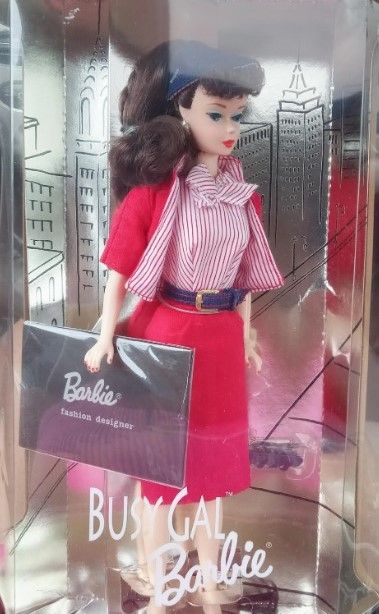
Debuting in 1960, Busy Gal Barbie features a vintage red blouse and skirt, cat-eye specs, and gold hoop earrings. Busy Gal Barbie was a career girl with a flourishing profession as a fashion designer, as shown by her sketchbook. It’s great to see that Busy Gal Barbie has been followed by Barbies with a diverse range of professions in different fields, encouraging little girls to dream big. Busy Gal is now available as a reproduction.
Bubblecut Barbie
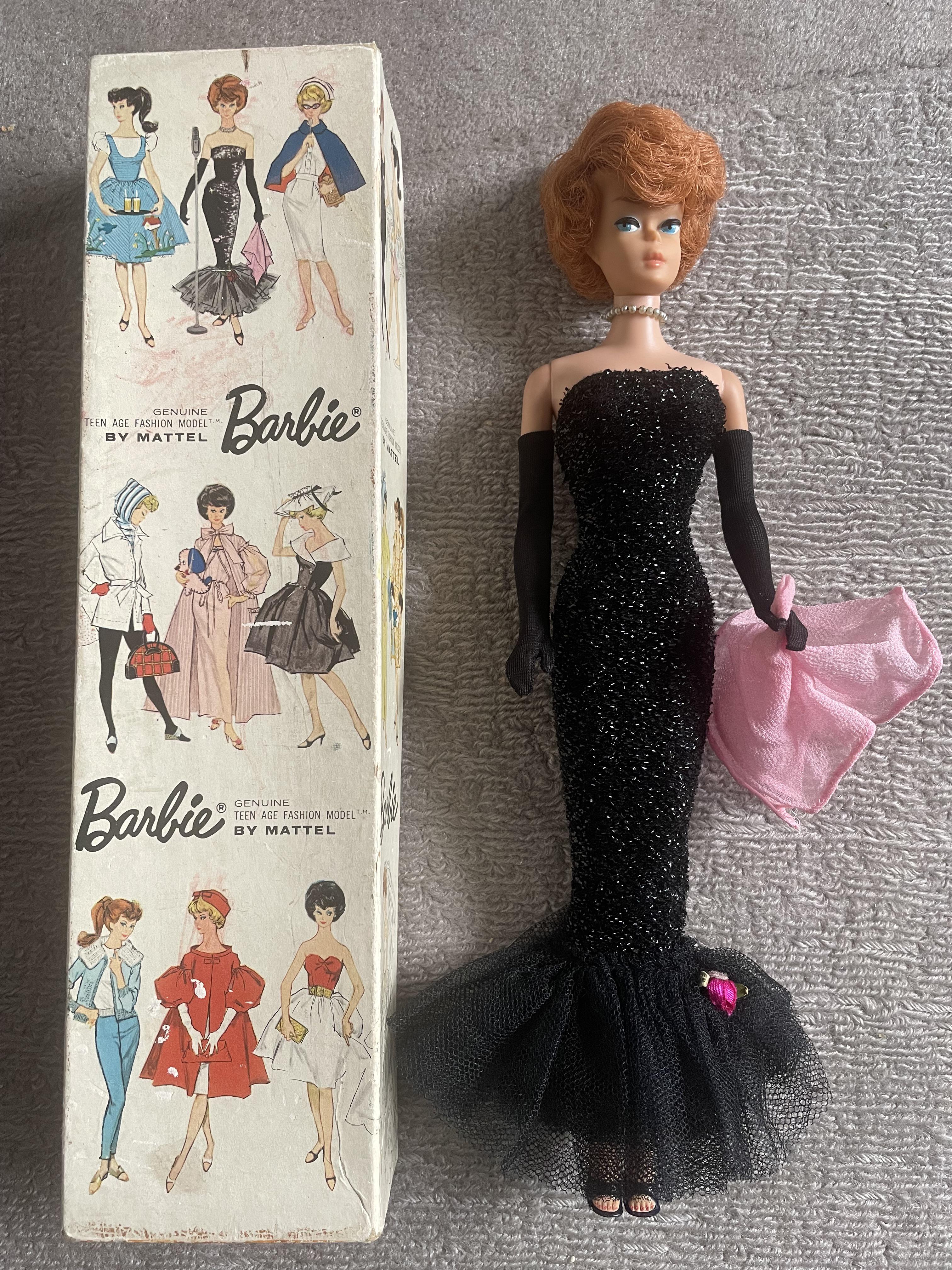
In 1961, Barbie got an on-trend update with a fashionable bubble haircut, pearl earrings, and a bright red lip. The bubble hairstyle was a staple of the '60s, with women teasing out their ‘dos to be bigger and more voluminous than ever before. Although the Bubblecut Barbie was discontinued in 1967 to keep up with changing trends, she’s still a popular collector's item and comes in blonde, brunette, and rare red-headed editions.
Nurse Barbie
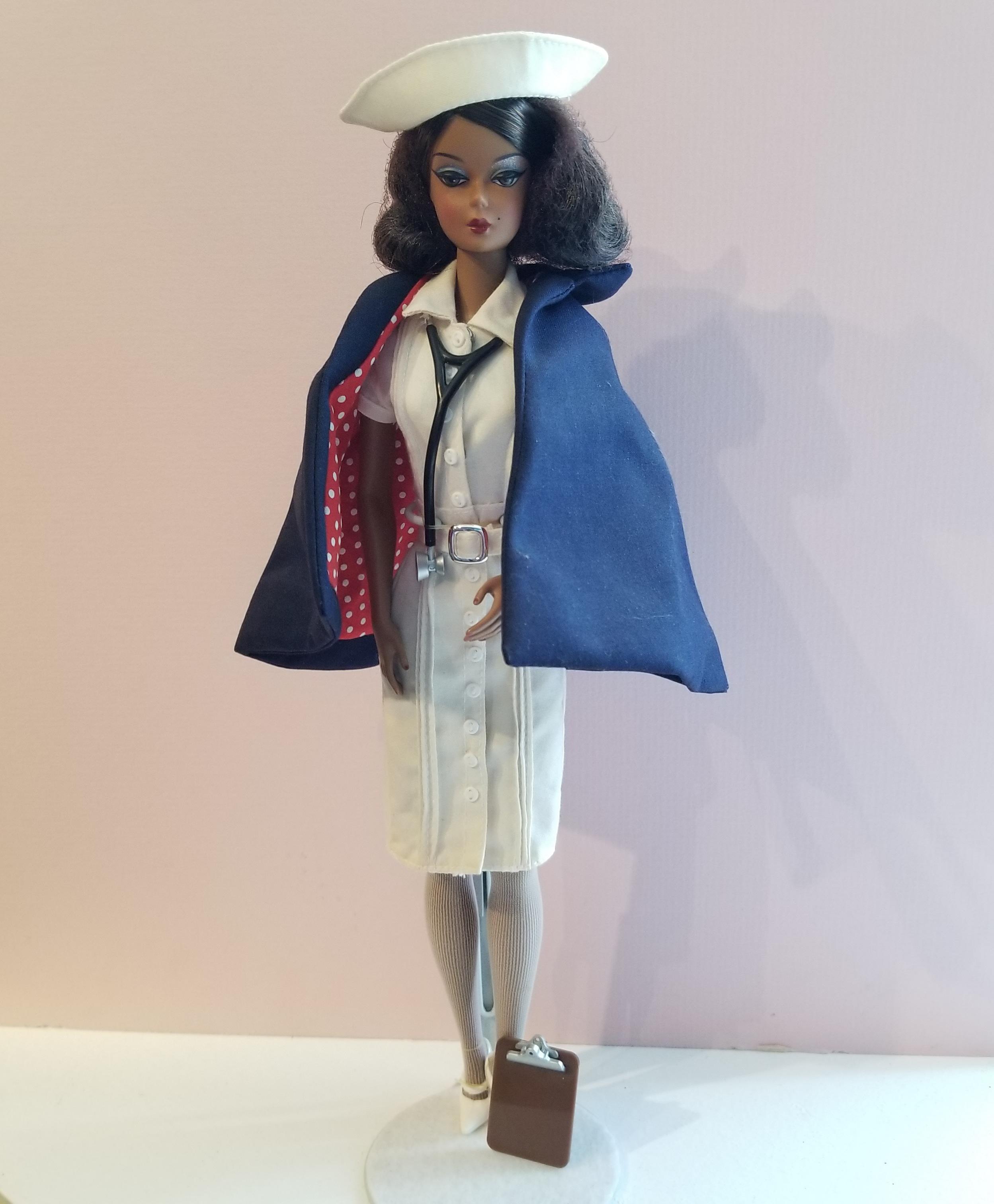
In 1961, Barbie expanded her horizons and qualified as a nurse. The doll came with a sleek white nurse’s outfit, complete with a Nursing School diploma, hot water bottle, medicine bottle, and spoon. While early iterations of Barbie didn’t have many career opportunities, this Barbie represents one of the few “respectable” professions for women at this time. We’re happy to say that these days, she has a much wider array of professions to choose from.
Washing Dishes Barbie
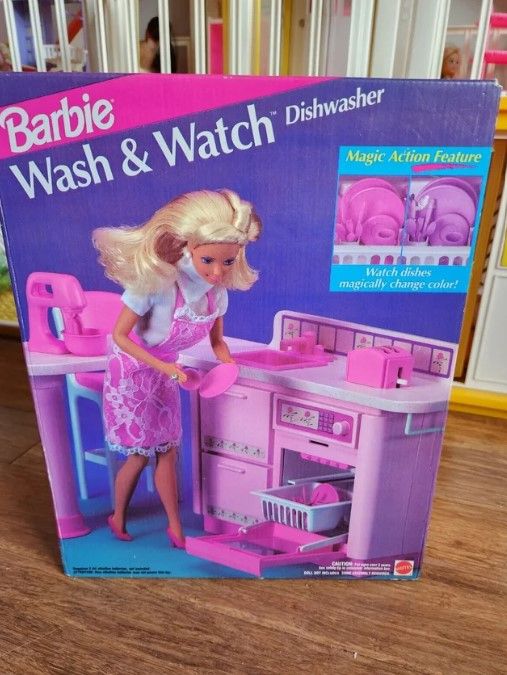
We thought Barbie dolls were supposed to encourage young girls around the world to reach for the stars and achieve their dreams, no matter what they were. If there’s ever been anyone whose dreams are simply to wash dishes and wait for them to be done, we’ve never met them before. Hey, we’ll admit we’re impressed with the dishes changing colors. That’s a cool feature. But come on, can’t they give her anything else to do?
Allan
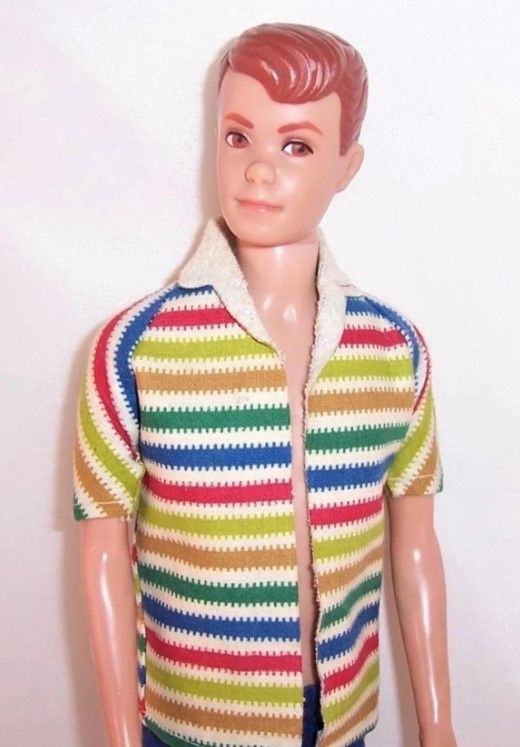
Made legendary by Michael Cera’s screen-stealing performance in the movie, Allan was introduced as Ken’s buddy in 1964. Although Mattel later sold Allan as part of the “Happy Families” set with his wife Midge and their kids, there was a lot of speculation about the Allan doll’s relationship with Ken and whether they were a little more than “best buddies” after all. The two were so close that they even shared clothes! From his short shorts to his rainbow-striped button-up and bare chest, it’s no surprise that Allan has lately become a queer icon.
Red Flare Barbie
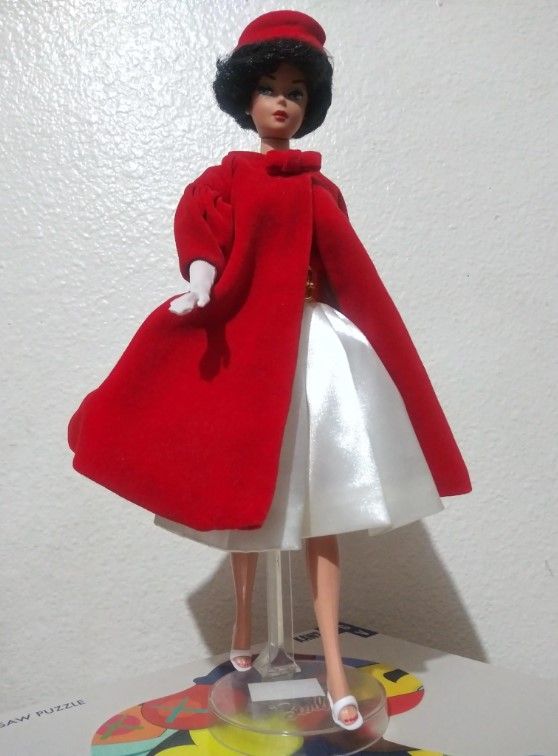
In a nod to style icon Jackie Kennedy, Red Flare Barbie was released in 1962. Her bright red swing coat, pillbox hat, and clutch purse were designed as a tribute to the First Lady who was known for her fearless fashion choices. We don’t know who Mattel’s fashion designer was at the time but they got everything spot on. Since then, other first ladies have been given the Barbie treatment.
Astronaut Barbie
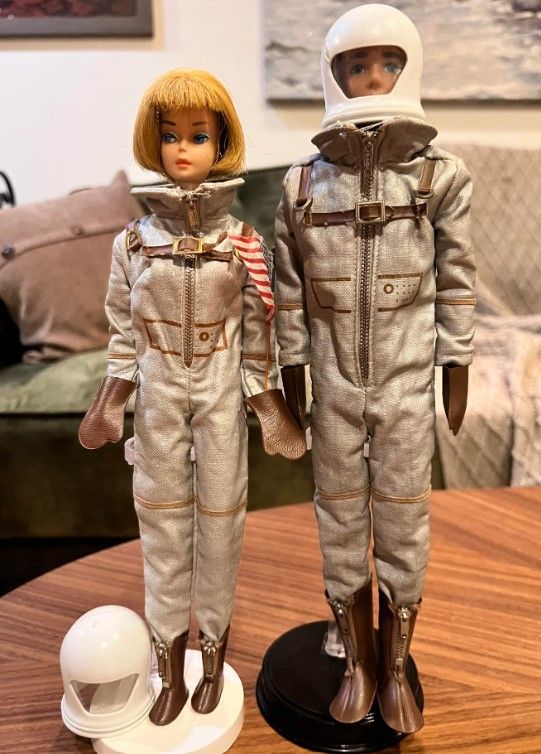
Barbie shattered the proverbial glass ceiling and launched herself into the stars when an astronaut version of the doll was released in just 1965. This made Astronaut Barbie the second woman in space (after the real Soviet astronaut Valentina Tereshkova). Even chic in the celestial plain, her silver space suit was complete with brown leather mitts and stylish gold buckles. In 2022, Astronaut Barbie was finally sent into space for real, with two of the dolls accompanying NASA to the International Space Station.
Malibu Barbie
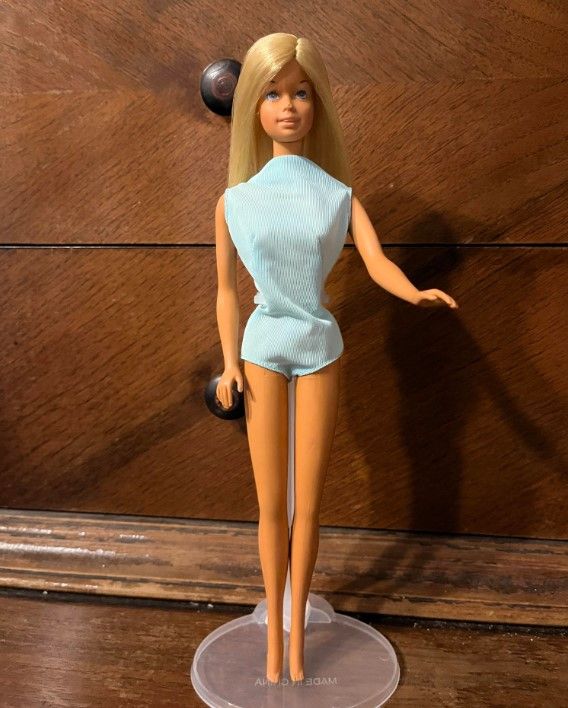
Barbie never got left behind when it came to keeping up with fashion trends. In 1971, Malibu Barbie hit the shelves with a laid-back, beachy update. Now one of the most recognizable models, Malibu Barbie had a fresh new face mold with forward-facing eyes, rather than the coy side-eye of earlier editions. With her golden tan, platinum blonde hair, and simple blue tricot suit, Malibu Barbie quickly became an icon of surf-tastic southern California style.
Miss America Barbie
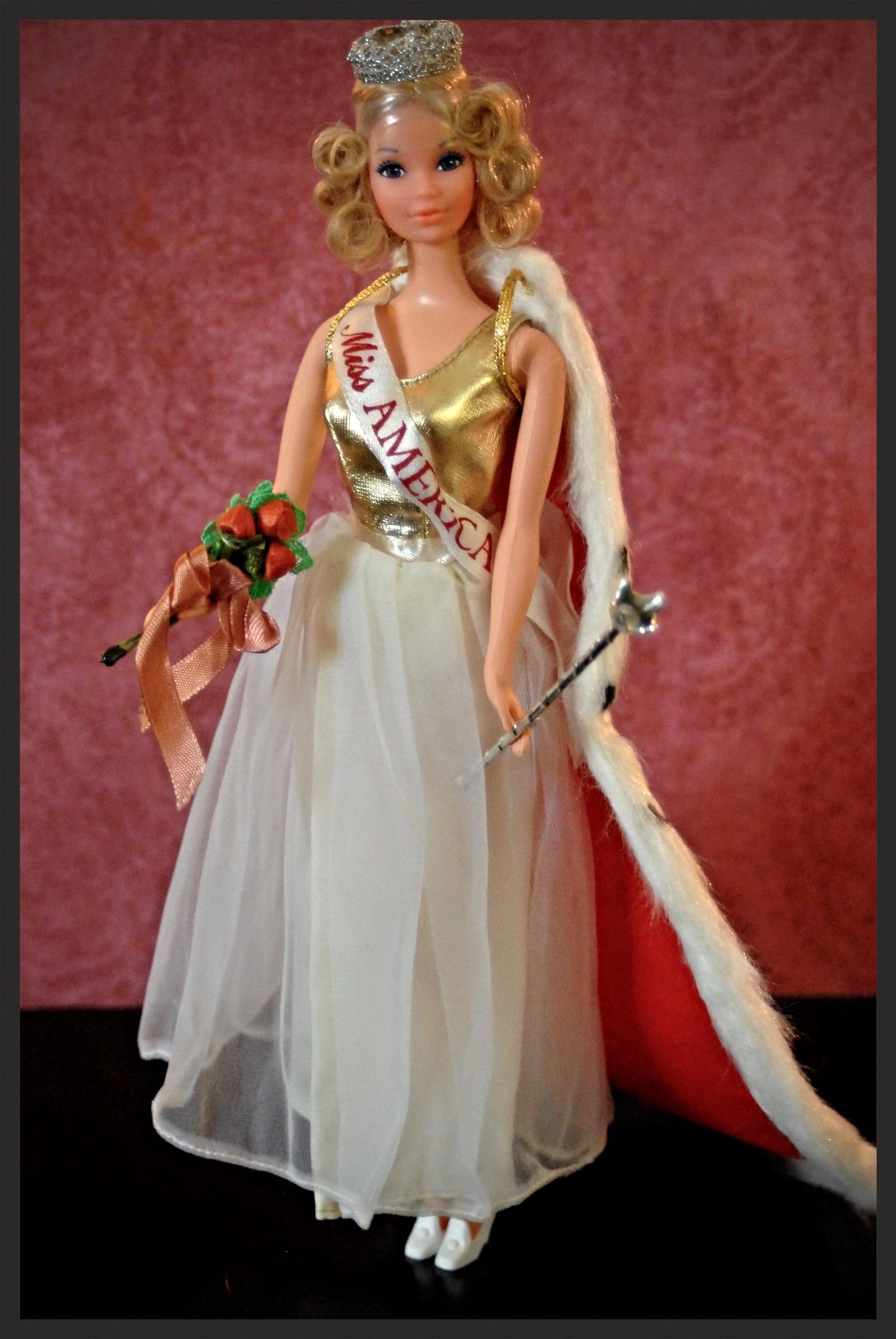
In 1974, Mattel joined forces with that other controversial standard-setting representation of women: the Miss America pageant, and released a beauty queen Barbie. Miss America Barbie combined a classic Barbie body with a more pouty Steffie head mold. She came equipped with a crown, sash, and a hair curling set. It’s been much debated whether this was a progressive or regressive move for Barbie, but it should be noted that Surgeon Barbie was released a year earlier, showing the doll’s diverse career options.
Superstar Barbie
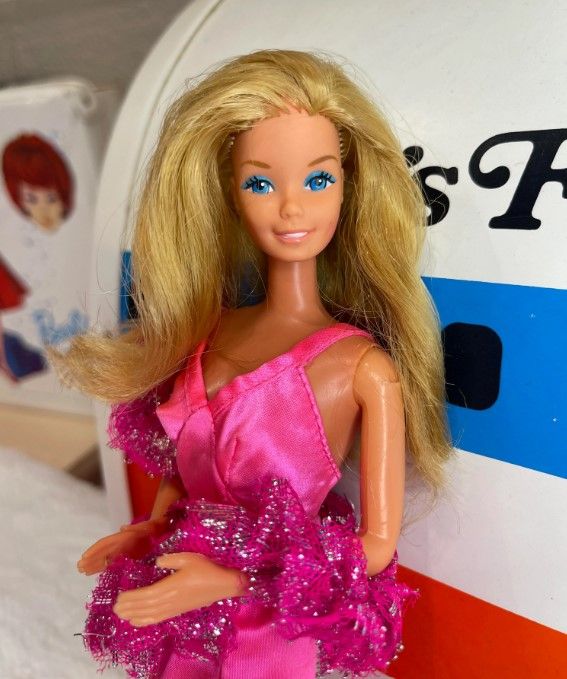
We all know that Margot Robbie caused a splash with her Superstar Barbie-inspired look at the 2024 Golden Globes after party and we’re not surprised she chose to emulate this legendary look. Taking the stage in 1977, Superstar Barbie marked a new era of glitz and glamor for the doll. Bedecked in a hot pink dress with a matching feather boa and strappy heels, this iconic Barbie quickly became a fan favorite for kids and collectors alike.
Black Barbie
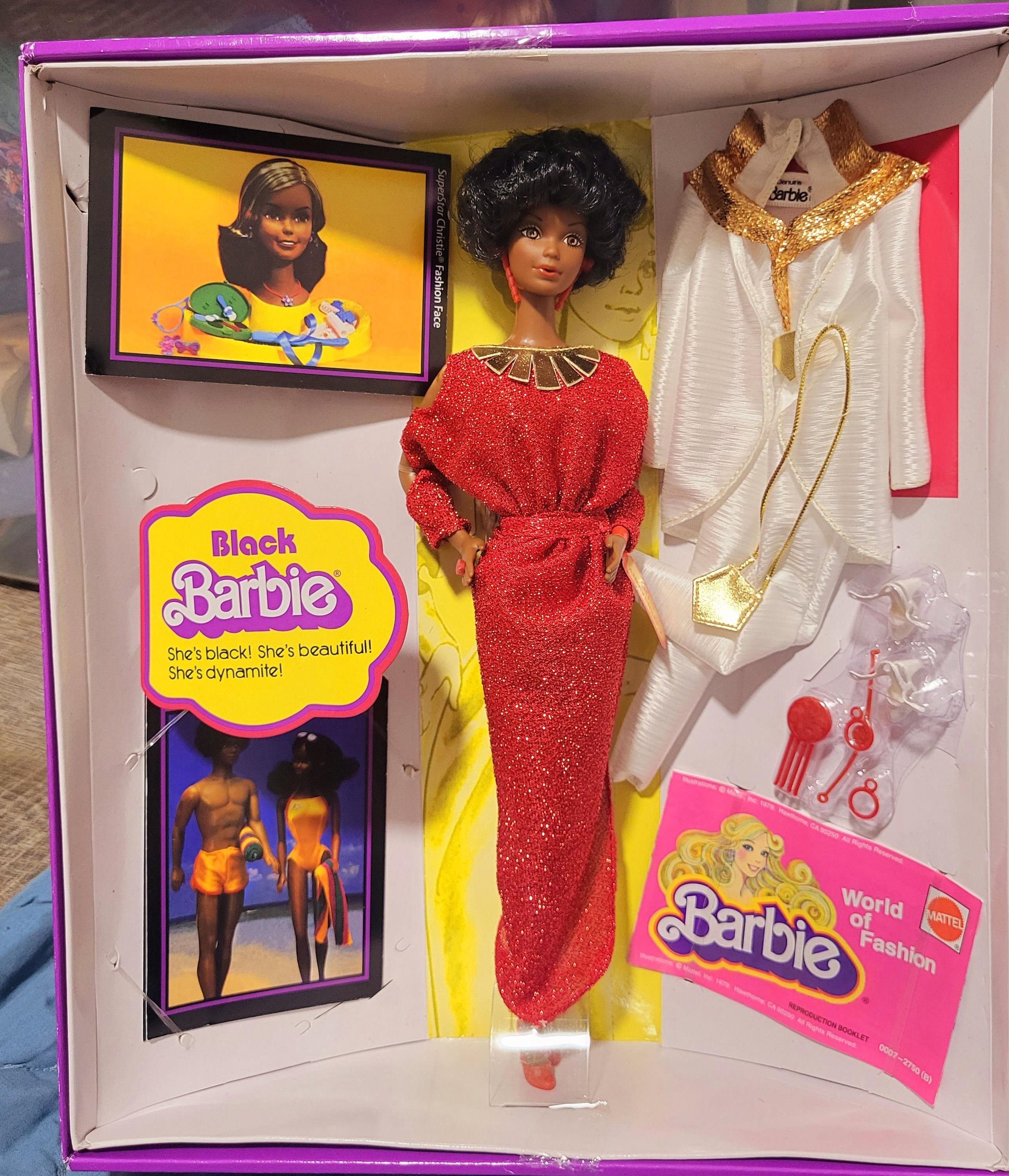
In 1978, Mattel hired their first African-American fashion designer Kitty Black Perkins. Black Perkins created the first African American Barbie to have the name Barbie (rather than being one of Barbie’s friends). Black Barbie was groundbreaking when it came to representation and marked Mattel’s move to be more inclusive. Black Barbie was followed by Shani and Friends, a line of Black dolls with more accurate Afrocentric features and different hair textures.
Day-to-Night Barbie
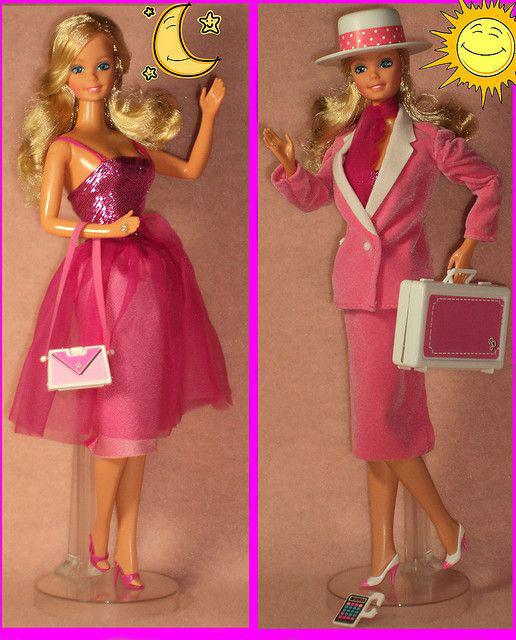
Appearing on the scene in 1985, Day-to-Night Barbie was created as part of the workplace revolution that characterized life for women in the eighties and nineties. With a pink business suit and briefcase that transformed seamlessly into a glitzy evening frock, this chameleon Barbie was supposed to represent women’s newly earned right to have it all. Margot Robbie donned this look while promoting *Barbie* in South Korea, even changing her outfit halfway through the event in true Day-to-Night Barbie style.
Barbie and the Rockers
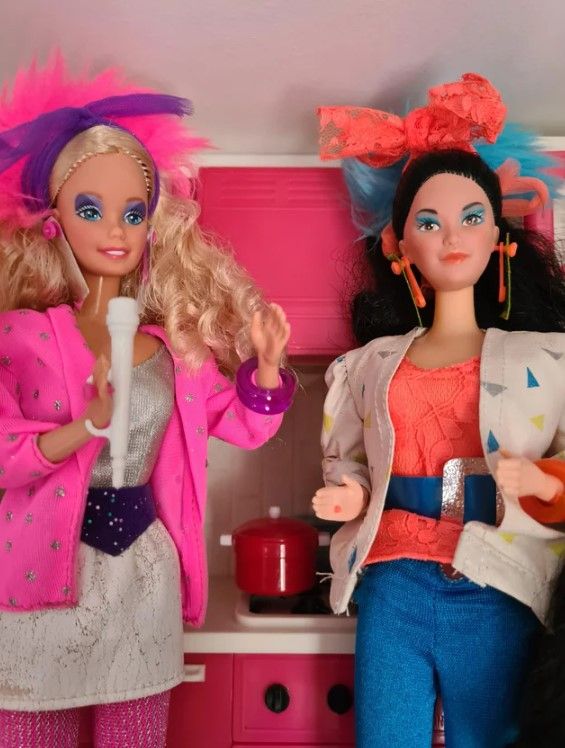
It was only a matter of time before Barbie hit the screens in her own feature and in 1987, the animated made-for-TV special *Barbie and the Rockers* aired for the first time. Based on a rock chick line of dolls released a year previously, *Barbie and the Rockers* features Barbie doing a successful world tour with her ethnically diverse pals Diva, Dana, and DeeDee. The band concludes the run by performing in space to promote world peace. We need to watch this film as soon as possible.
Marine Corps Barbie
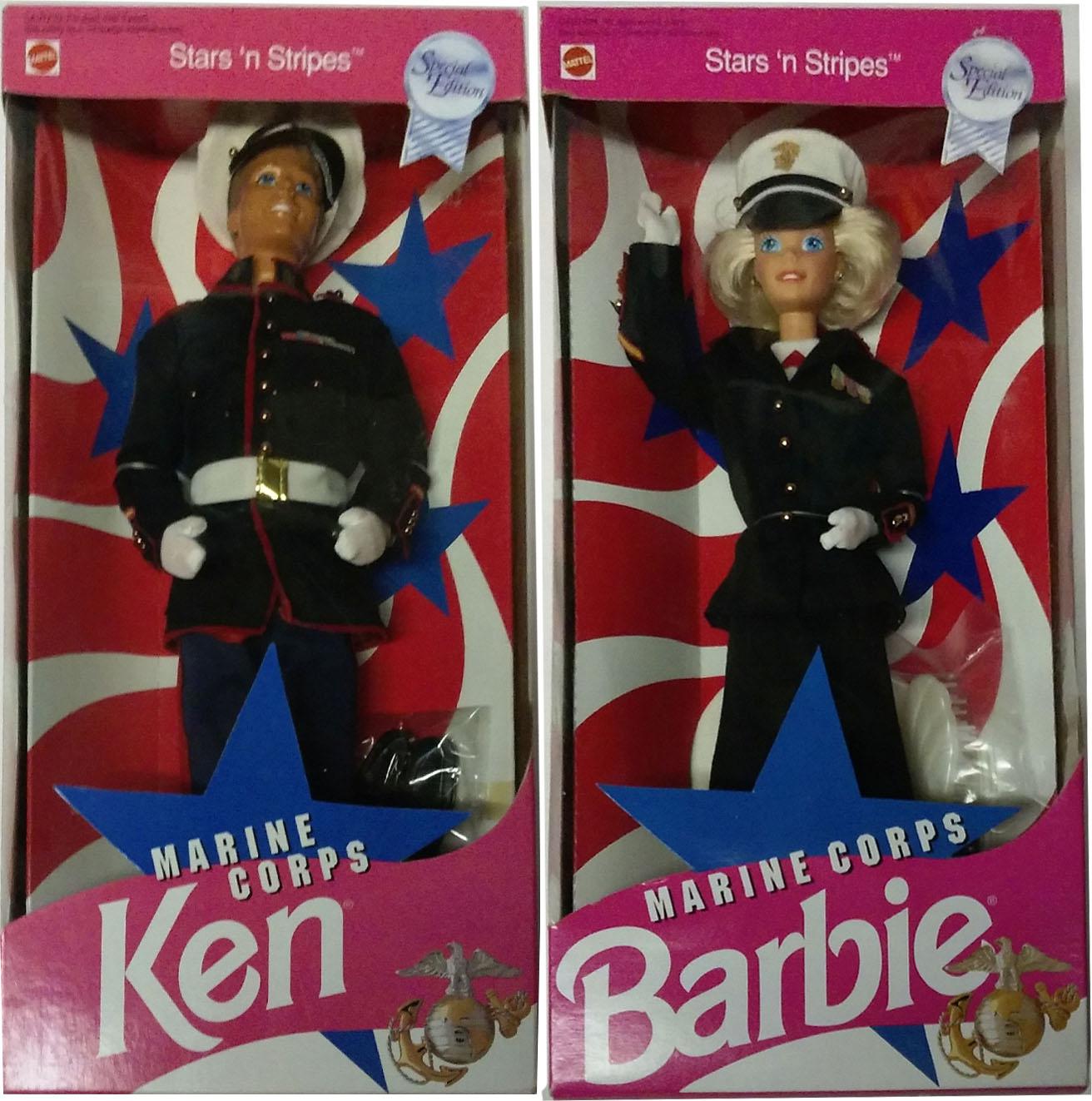
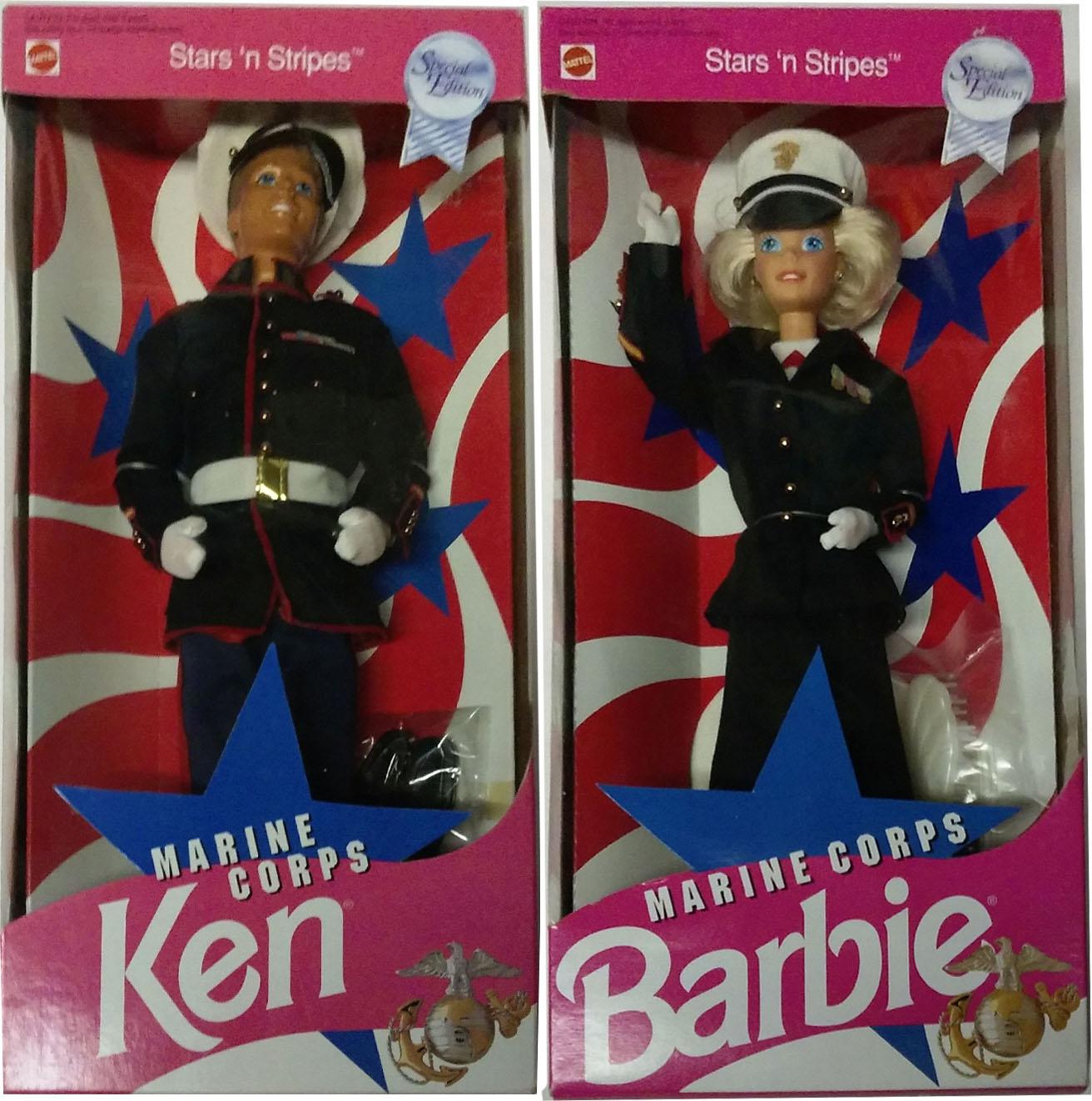
By 1991, Barbie already had an impressive array of careers under her belt. However, Mattel decided it was time for her to break through yet another set of barriers by enlisting in the military. This special edition Marine Corps Barbie could be purchased alone or with a matching Ken and featured Barbie in an authentic sergeant’s uniform that had to be approved by the Pentagon. Barbie has also had military careers in the Air Force and the Navy.
Totally Hair Barbie
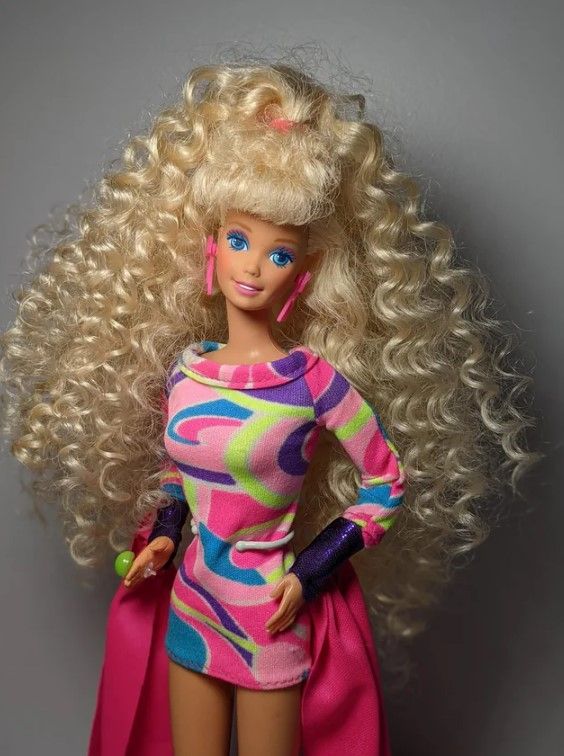
Mattel caught on to the fact that lots of Barbie fans love playing with their doll’s hair. Released in 1992, Totally Hair Barbie had hair all the way down to her toes and became the best-selling Barbie of all time. With accompanying hair accessories and styling gel, kids could style her 11.5 inches of hair again and again. Although we’re sure some budding hairdressers got a little scissor-happy and gave her a permanent haircut.
Japanese Barbie
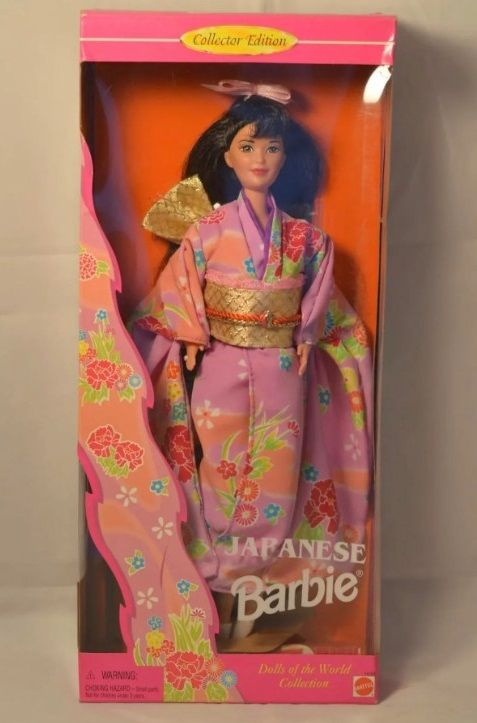
Despite their efforts to produce a more diverse range of dolls, Mattel continued to face criticism throughout the late 20th century for not being inclusive enough. In the nineties, they launched the Dolls of the World range, with Barbies representing heritage from China, Kenya, the Netherlands, Germany, Polynesia, and more. Supposed to reflect traditional clothing and features, Japanese Barbie had long black hair and was dressed in a pink floral kimono and obi (sash).
Talk With Me Barbie
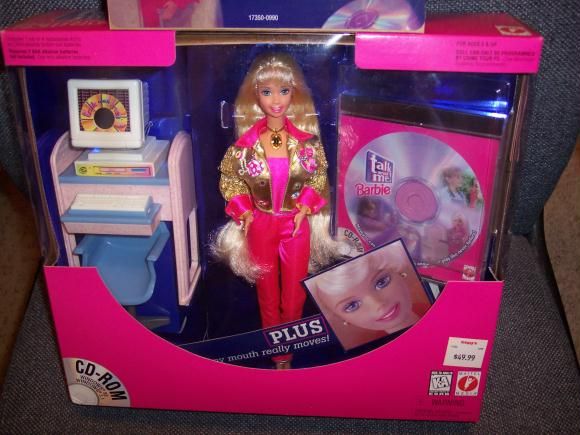
In the late 1990s, the world had gone tech crazy. Computers were becoming more and more common and the internet was just taking off. Talk With Me Barbie joined the tech revolution and came with her own computer and desk. This ultramodern doll also came with a CD-ROM and could even be connected to a computer in order to program phrases into her voice box. Unfortunately, the $90 price tag was enough to put people off embracing this new high-tech Barbie.
Barbie for President
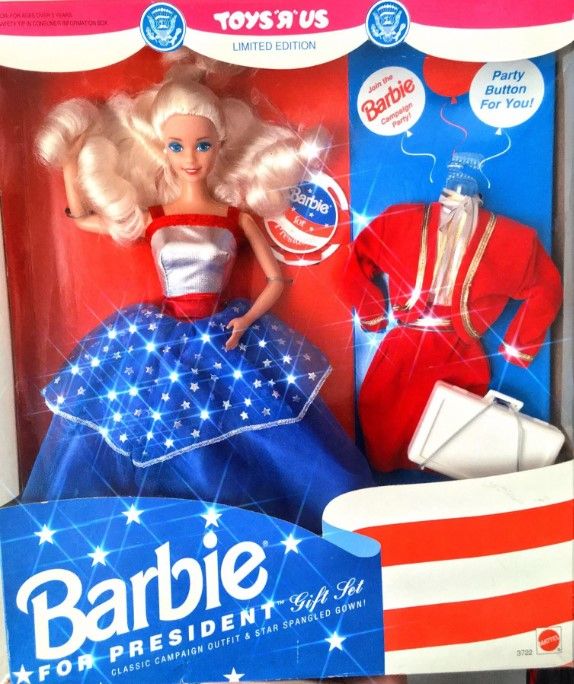
You may be surprised to learn that Barbie has been running in pretty much every presidential election since 1992. Dressed in a star-spangled dress, the initial Barbie For President Barbie came looking ready for a ball, rather than a debate. However, since then, Mattel has created several Barbies ready to take on this powerful role. We love the idea that young girls are being raised to see this as a life goal.
Princess of Ancient Mexico Barbie
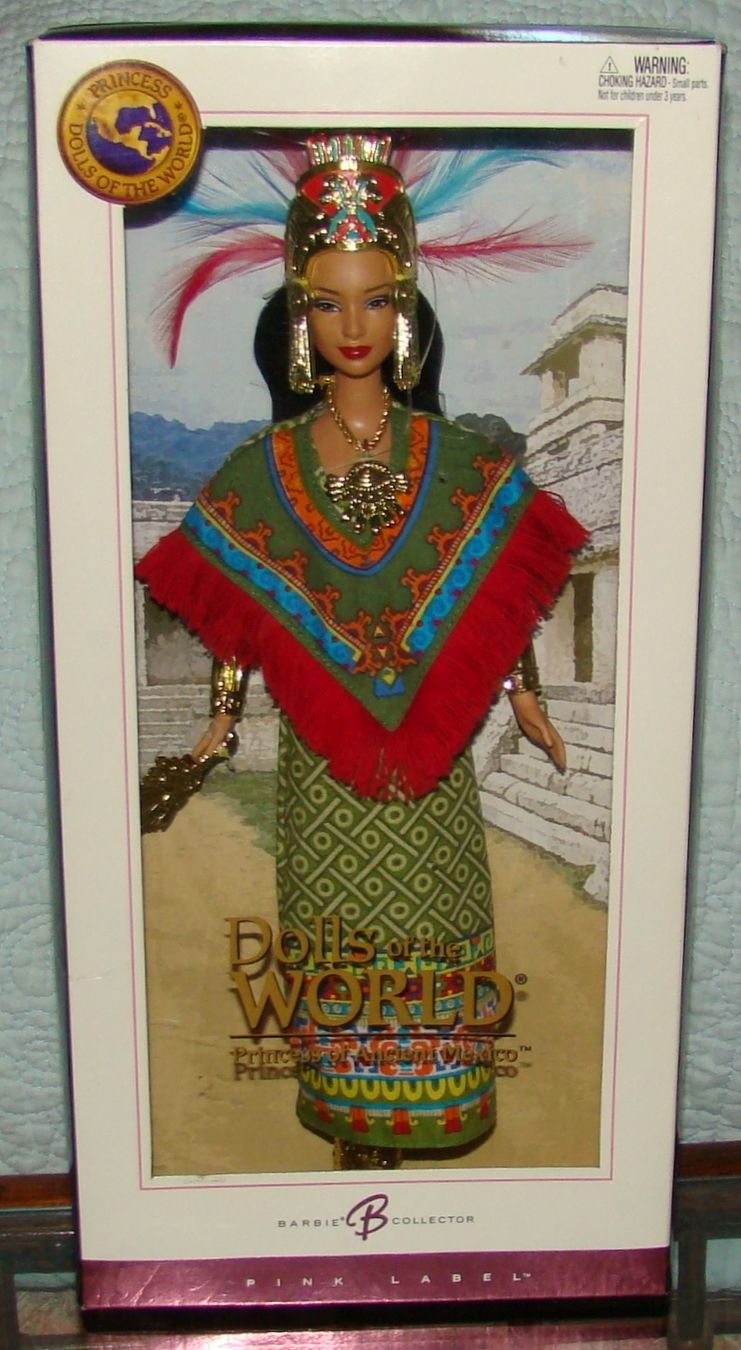
As part of their popular Dolls of the World series, Mattel introduced the Princess Collection, featuring royal women from contemporary and ancient civilizations all around the world. The Barbie costume designers really outdid themselves with this stunning take on traditional Aztec costume. Princess of Ancient Mexico Barbie wears colorful robes, a ceremonial feather headdress, and eye-catching gold accessories for one of the most visually impressive Barbie dolls ever made.
Generations of Dreams of Barbie
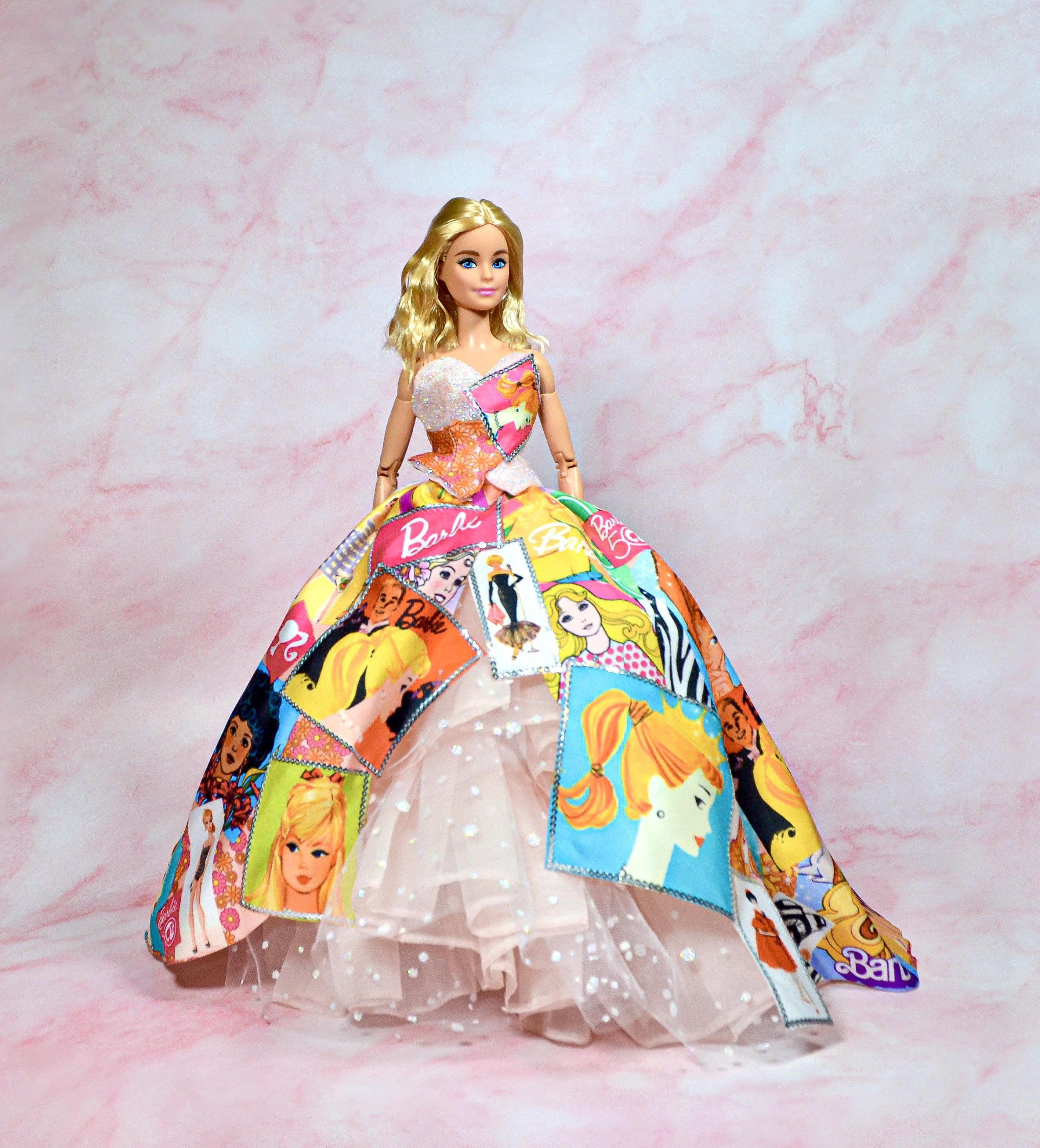
2009 was an important year for Barbie as Mattel celebrated the iconic doll’s 50th anniversary. To honor this milestone, they released Generations of Dreams Barbie, a special edition doll designed exclusively for adult collectors. This Barbie donned a dress featuring illustrations of the doll’s most important moments during her half-century reign over the toy industry. The packaging also came with a biography that chronicled the way Barbie has grown and changed over the years and the phenomenal impact she has had.
Computer Engineer Barbie
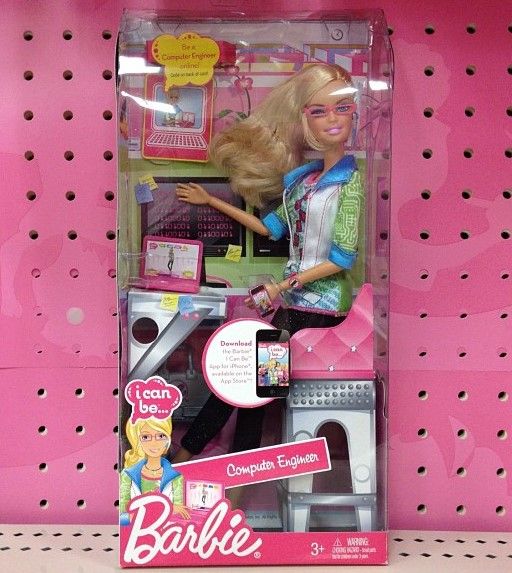
In recent years, Mattel has made an effort to get more Barbies working in STEM. Computer Engineer Barbie was created in 2010 after an online poll to choose the doll’s next career. The company faced criticism for the accompanying book “I Can Be a Computer Engineer” which some saw as suggesting Barbie was incompetent in her field and needed help from friends. However, Computer Engineer Barbie still works to break down barriers and encourages girls to consider careers in Computer Science.
Zendaya Barbie
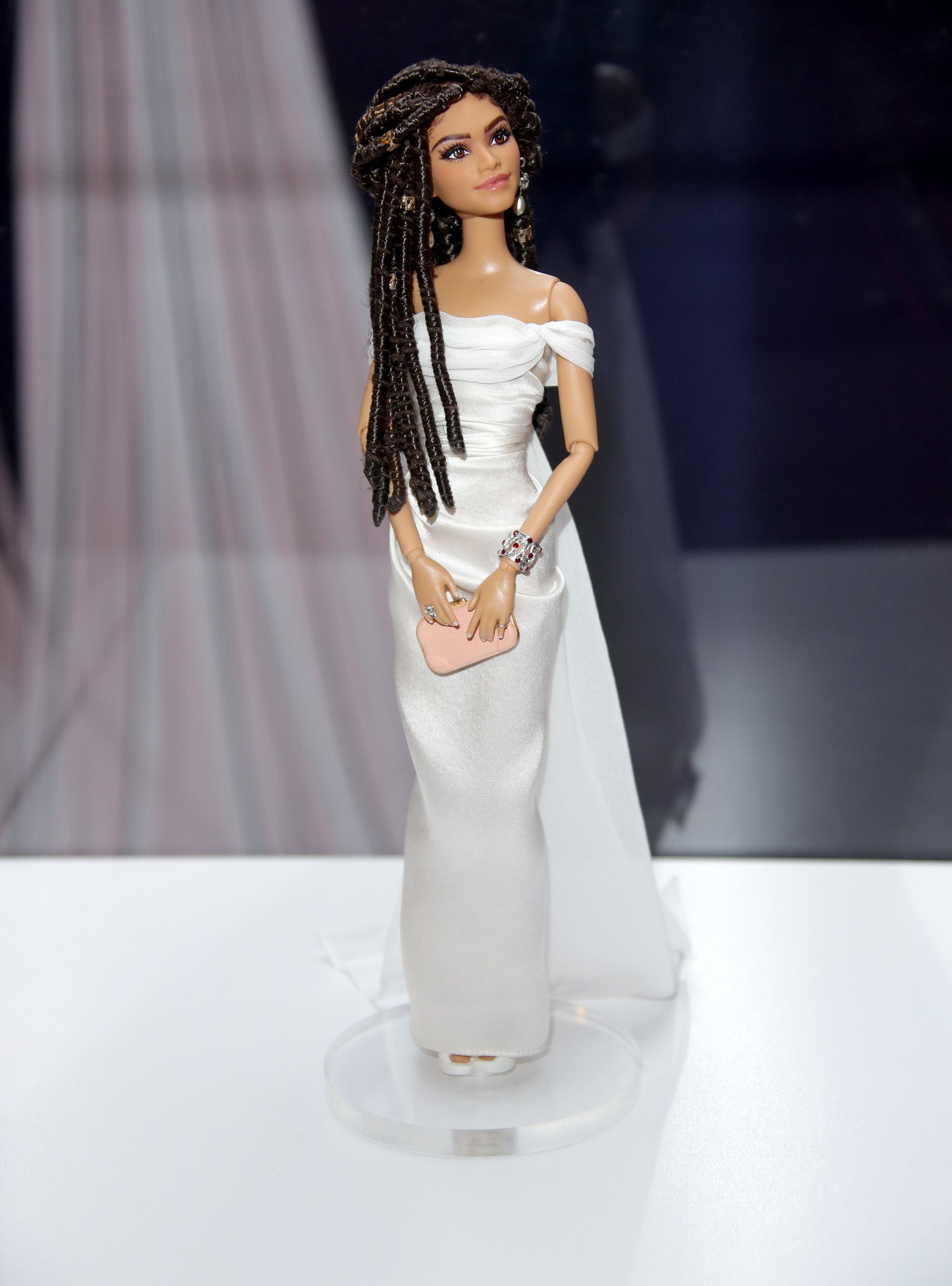
Singer, actress, and model Zendaya was thrilled when Mattel released a doll in her likeness, modeled exactly on her gorgeous look for the 2015 Oscars. Complete with a stunning pearly white gown and the star’s mane of cascading locs, Zendaya took to social media to thank Mattel for allowing her to “be a part of [their] diversification and expansion of the definition of beauty.” We couldn’t have put it better ourselves—nice work, Mattel.
Curvy Barbie
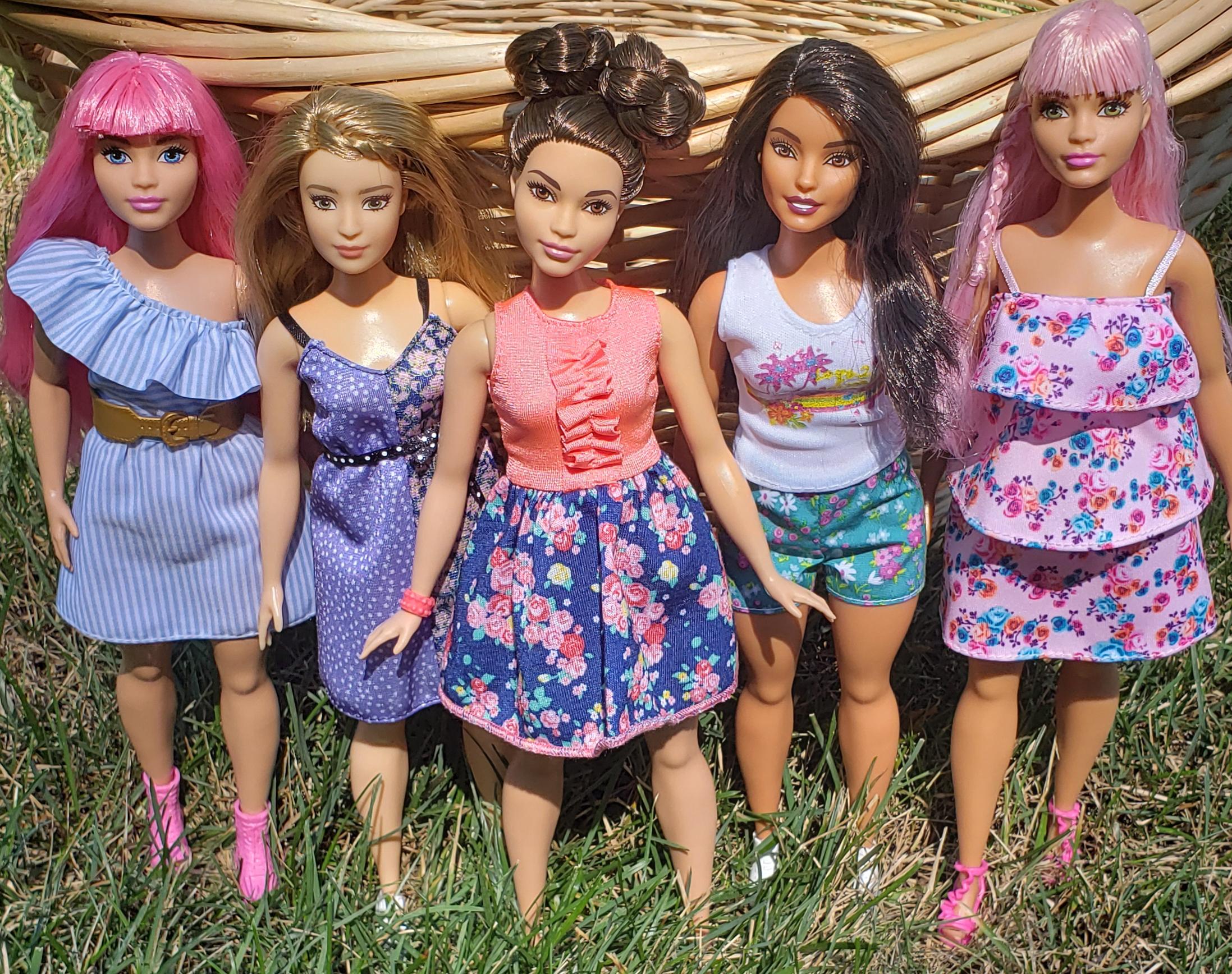
In 2016, Mattel decided it was time to give Barbie an update to represent a more diverse range of body types. They introduced four new figure options: original, curvy, petite, and tall, as well as new skin tones and hairstyles. "We are delighted to truly revolutionize the brand's image. These new dolls represent a broader spectrum that mirrors the world girls observe around them. We believe it is our duty to present a more inclusive definition of beauty to both girls and their parents," they announced when launching the range.
Ibtihaj Muhammad Barbie
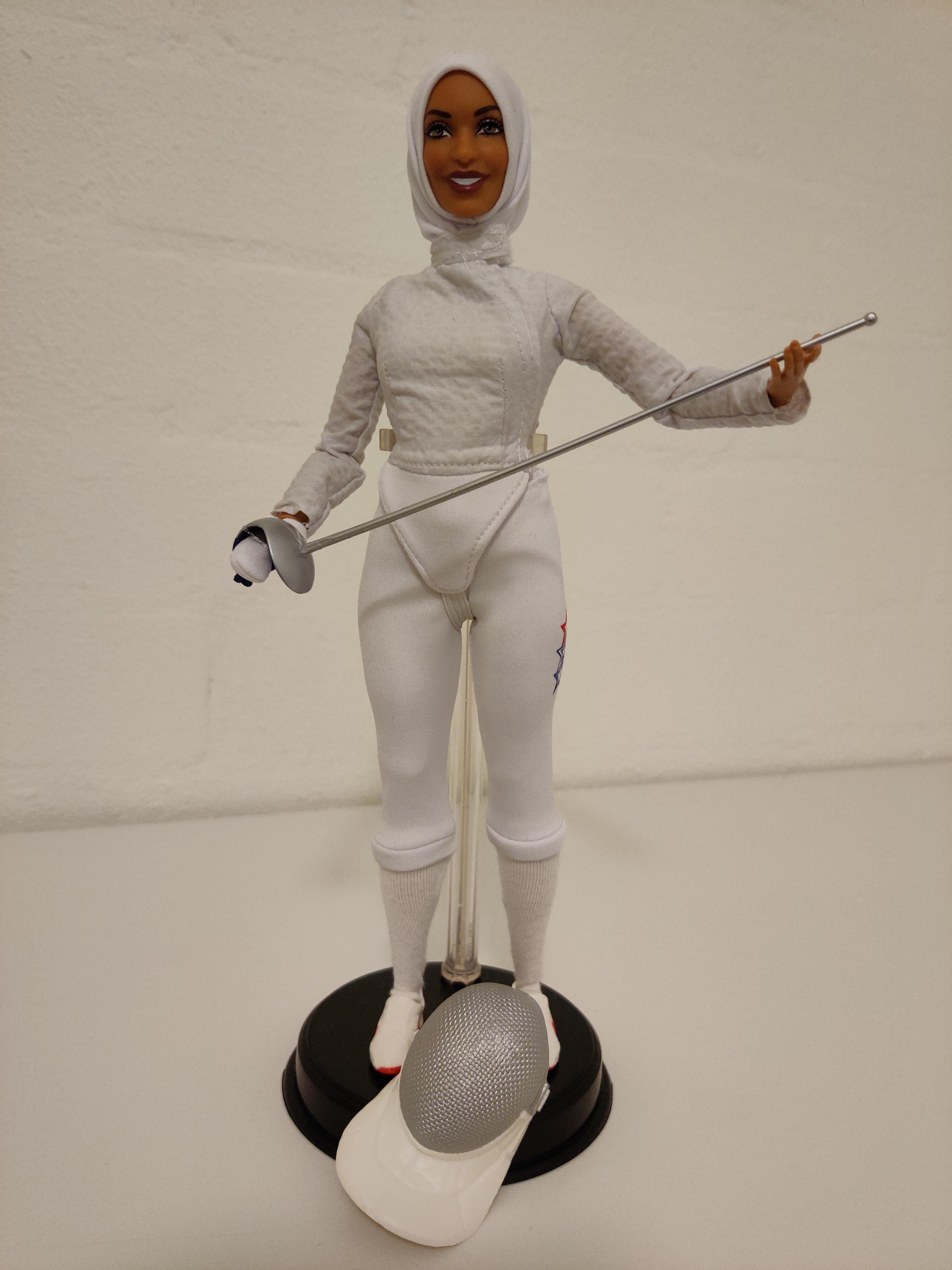
In 2017, Mattel broke down yet more cultural barriers by introducing the first-ever Barbie with a hijab. This groundbreaking doll is a Barbie of American fencing champion Ibtihaj Muhammad, known for being the first Muslim-American woman to wear a headscarf while competing in the Olympics. Dressed in a fencing uniform and accompanied by a saber and mask, this athletic Barbie made her debut at the Women of the Year summit hosted by *Glamour* magazine.
Barbies With Disabilities
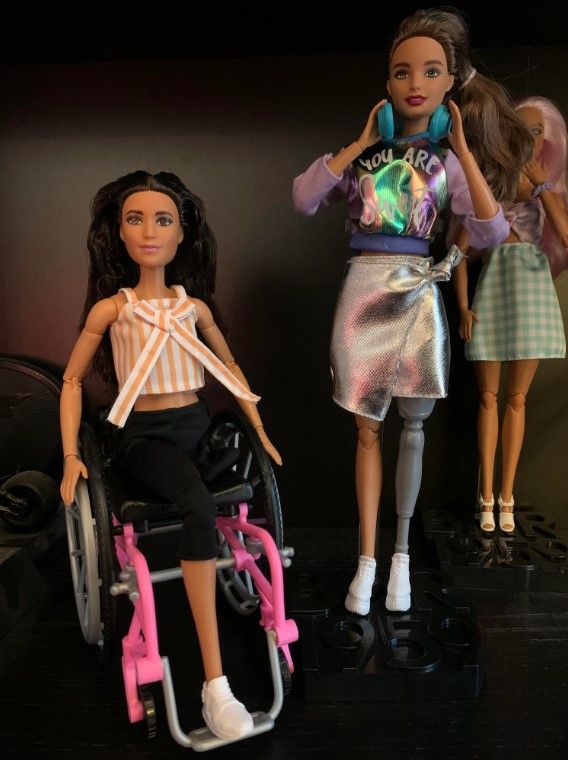
In partnership with disability activists, Mattel released a new collection of their Fashionistas line in 2019, featuring an array of dolls with disabilities. Designed to help children with disabilities see themselves represented in their toys, the line features Barbies in wheelchairs, Barbies with prosthetic limbs, and Barbies with hearing aids. In 2020, Wheelchair Barbie was the second most popular Fashionista doll, showing just how high the demand is for these inclusive dolls.
Vitiligo Barbie
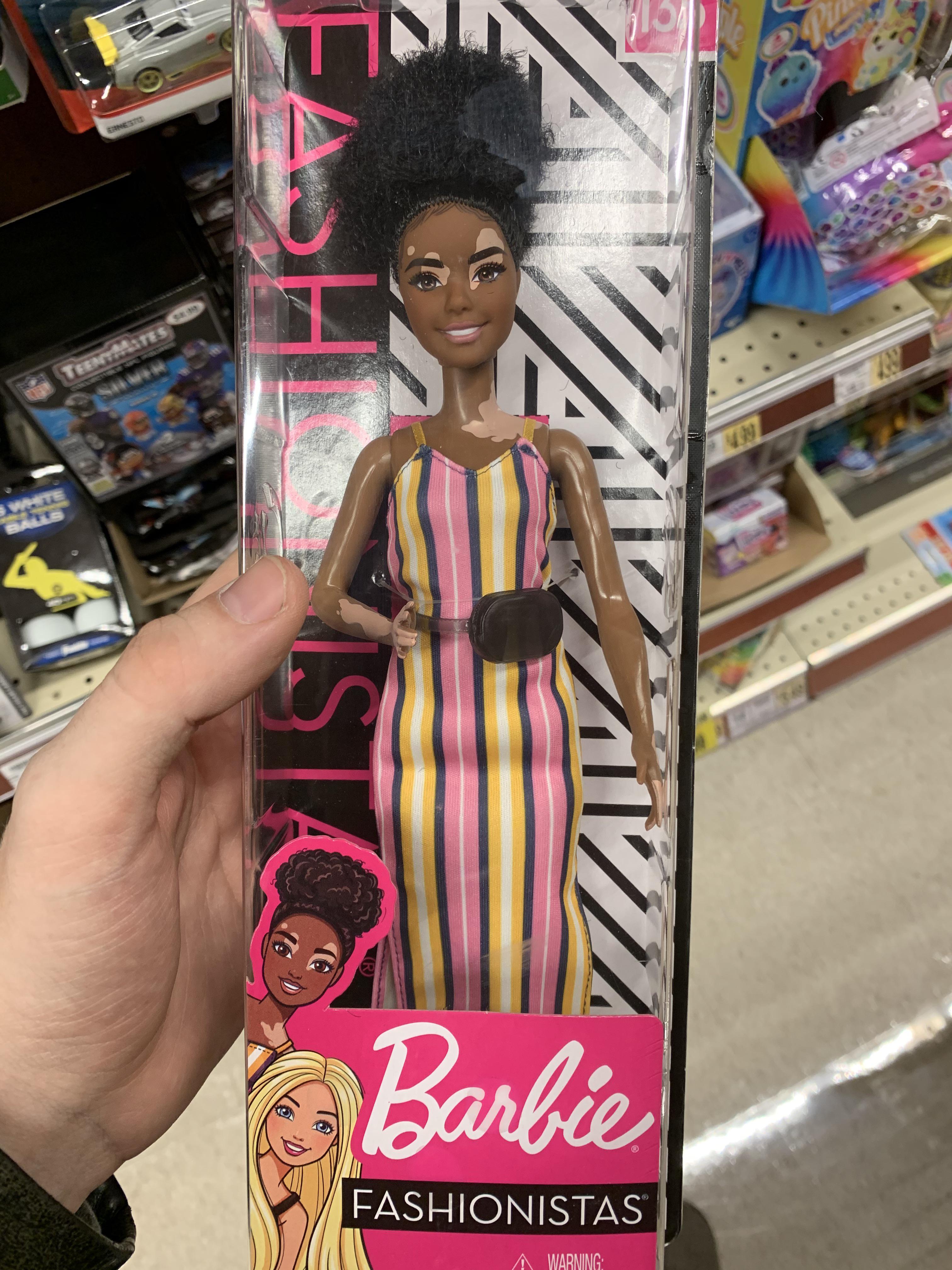
As part of the 2019 Fashionistas roll-out, Mattel launched a Barbie with Vitiligo. More commonly affecting women of color, this skin condition has been historically stigmatized, and it is great to see big brands working to normalize and celebrate women with Vitiligo. Vitiligo Barbie features characteristic pale areas on her face, neck, and hands, as well as a colorful stripy dress and trendy fanny pack. We’re so happy to see more and more inclusivity when it comes to Barbie.
Barbie With Down Syndrome
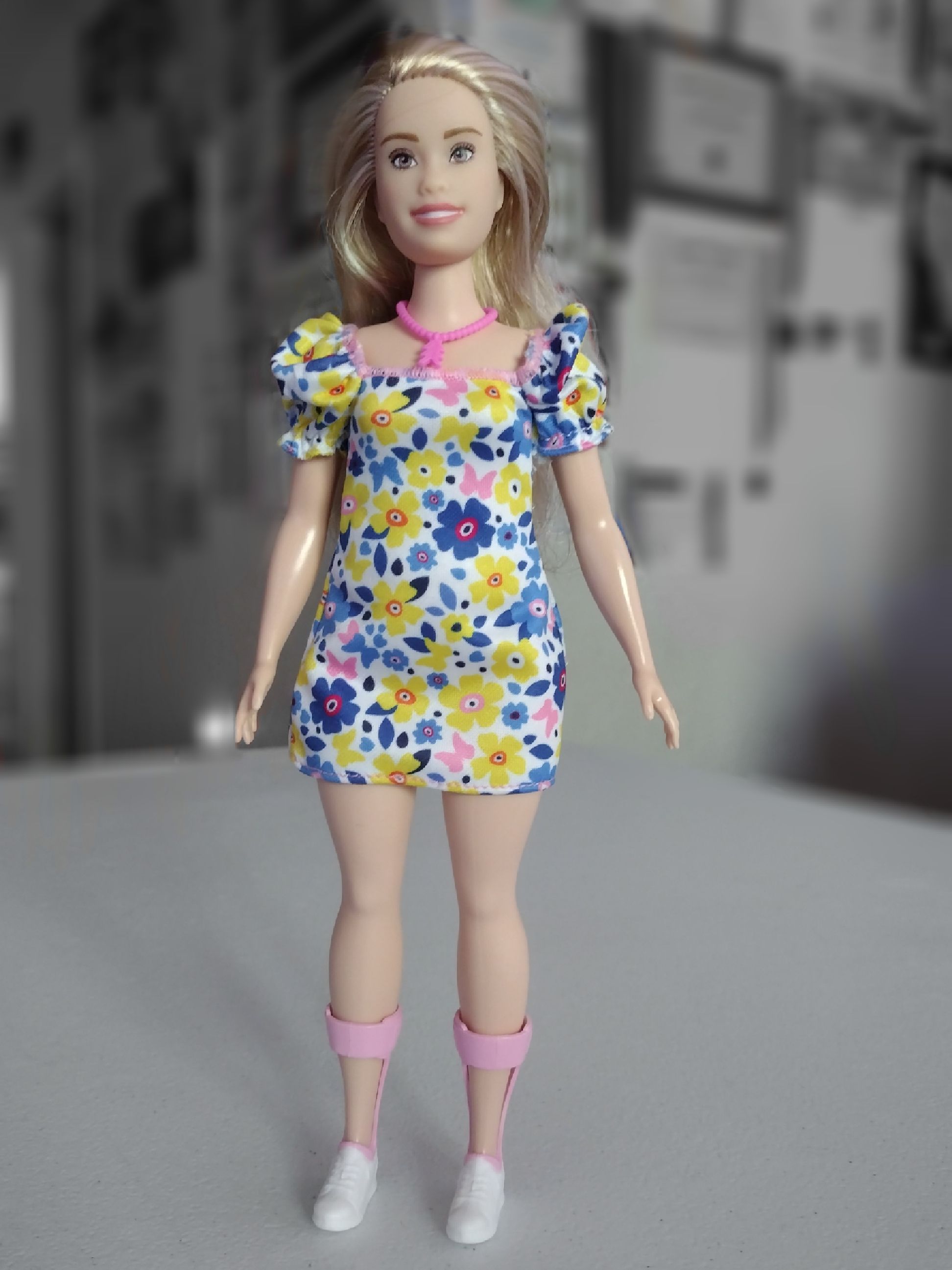
Created in close partnership with the National Down Syndrome Society (NDSS), Mattel released the first ever Barbie with Down Syndrome in 2019. With NDSS’s guidance on shape, clothing, accessories, and packaging, the doll is thoughtfully designed to connect with members of the Down Syndrome community. This doll is a testament to the power of representation. Let’s hope more toy companies follow suit and make inclusivity a key goal in their development.