Everyday Phrases You Probably Picked Up From TV and Film
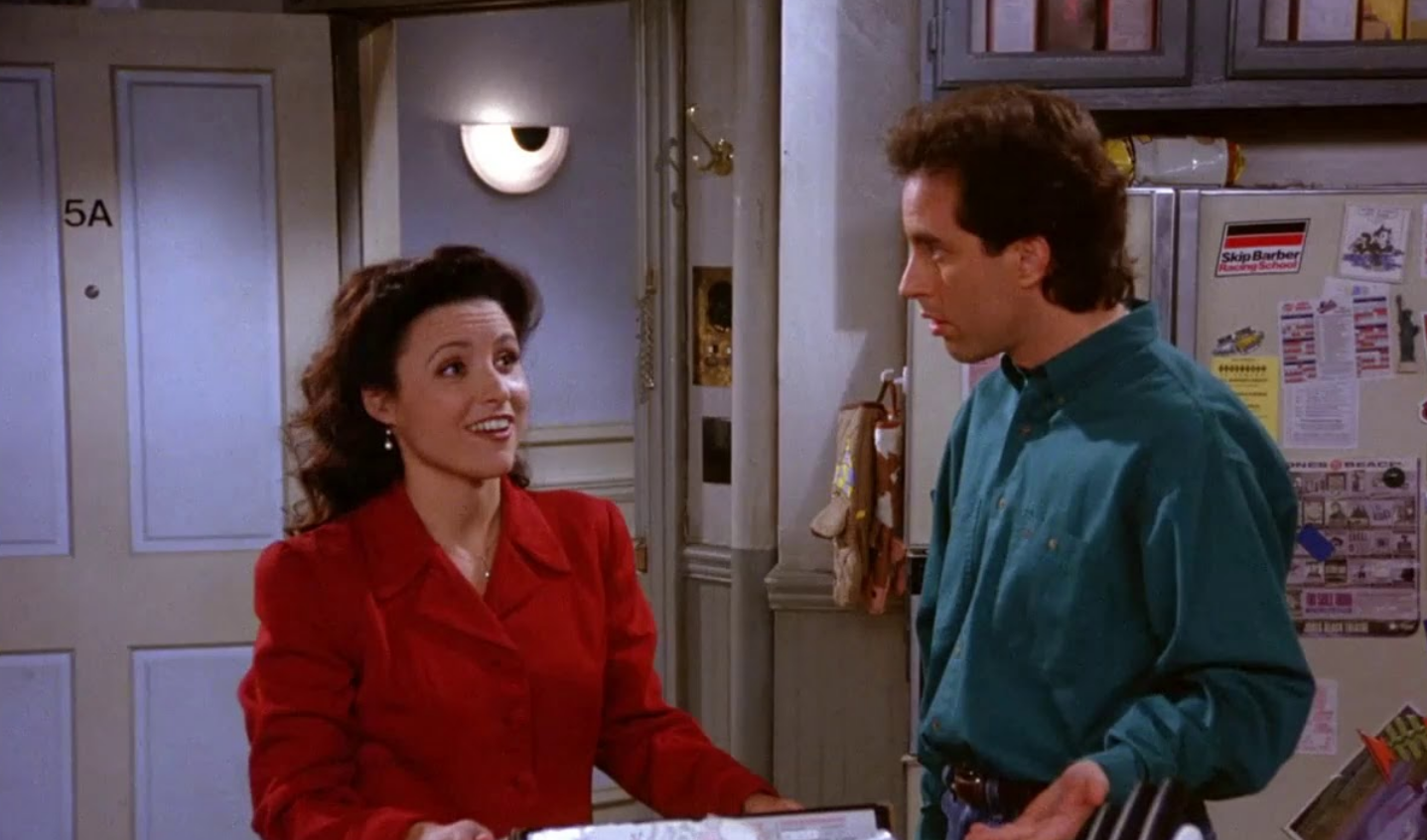
Movies and TV shape more than our weekend plans and wardrobe. They sneak into how we speak, slip into slang, and sometimes introduce whole new words. From sketch comedy to cult sci fi, plenty of lines people toss around daily actually started on screen.
30 Rock Made 'Dealbreaker' a Thing
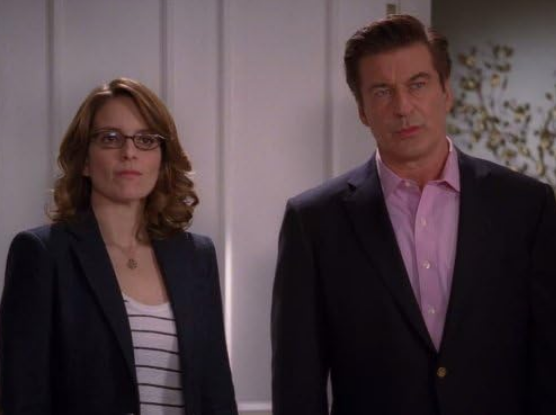
Tina Fey's Liz Lemon on 30 Rock turned a dating concept into a shorthand people actually use. She labeled certain traits as non-negotiable, the kind that will end a romance or immediately kill attraction. Today you might hear 'dealbreaker' alongside 'red flag' or 'ick', but Liz Lemon helped push it into the mainstream.
Poindexter Came From Felix the Cat
The insult-for-a-brainiac 'poindexter' traces back to an old cartoon, Felix the Cat. Poindexter was the awkward kid genius, a bit of a smarty who often saved the day with his brain. Ever since, 'poindexter' has been a quick, slightly teasing label for nerdy, bookish types.
'To Google' First Appeared on Buffy
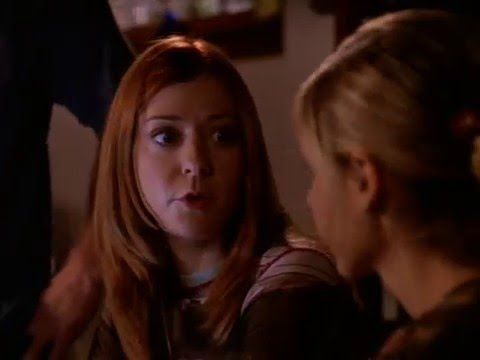
Before Google was a verb in every headline, Buffy the Vampire Slayer used it in casual teen talk. In a 2002 episode Willow asks, 'Have you googled her yet?' which is the earliest recorded on-screen use of the verb. The phrase caught on fast and even earned recognition from the American Dialect Society in 2002.
Star Trek Brought Us 'Mind-Meld'
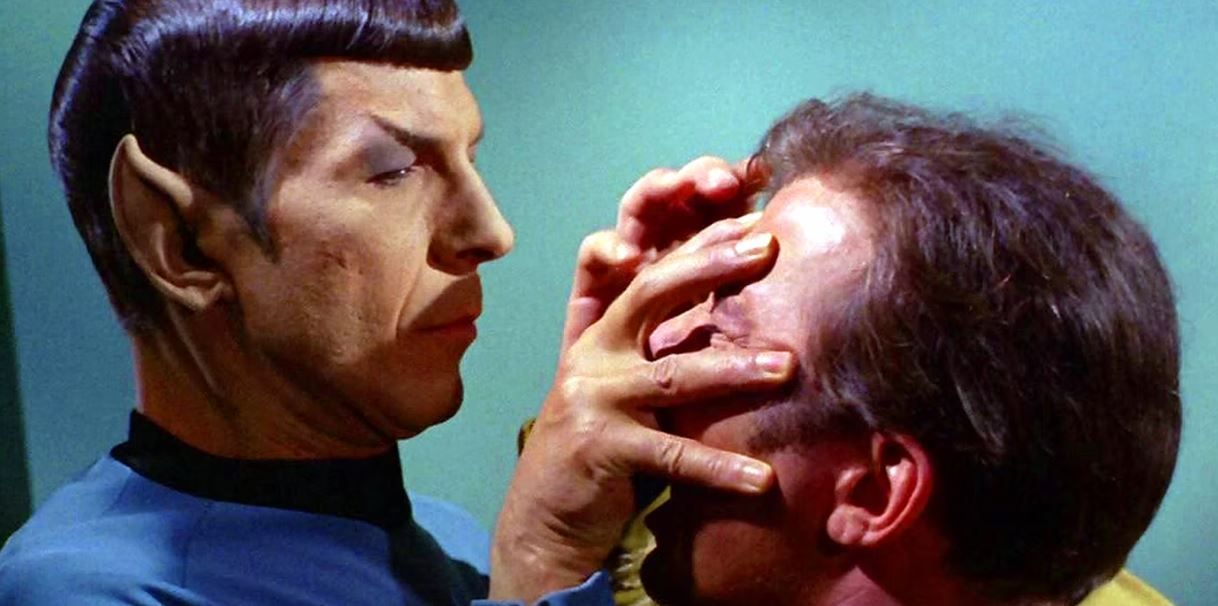
When Star Trek needed a name for a deep, telepathic connection, it gave us 'mind-meld'. Captain Kirk tells Spock to perform the Vulcan mind-meld to pull information from someone, and the image stuck. Now people use it jokingly or seriously to describe a close, almost psychic understanding between two people.
“The Honeymooners”: Hardy Har Har
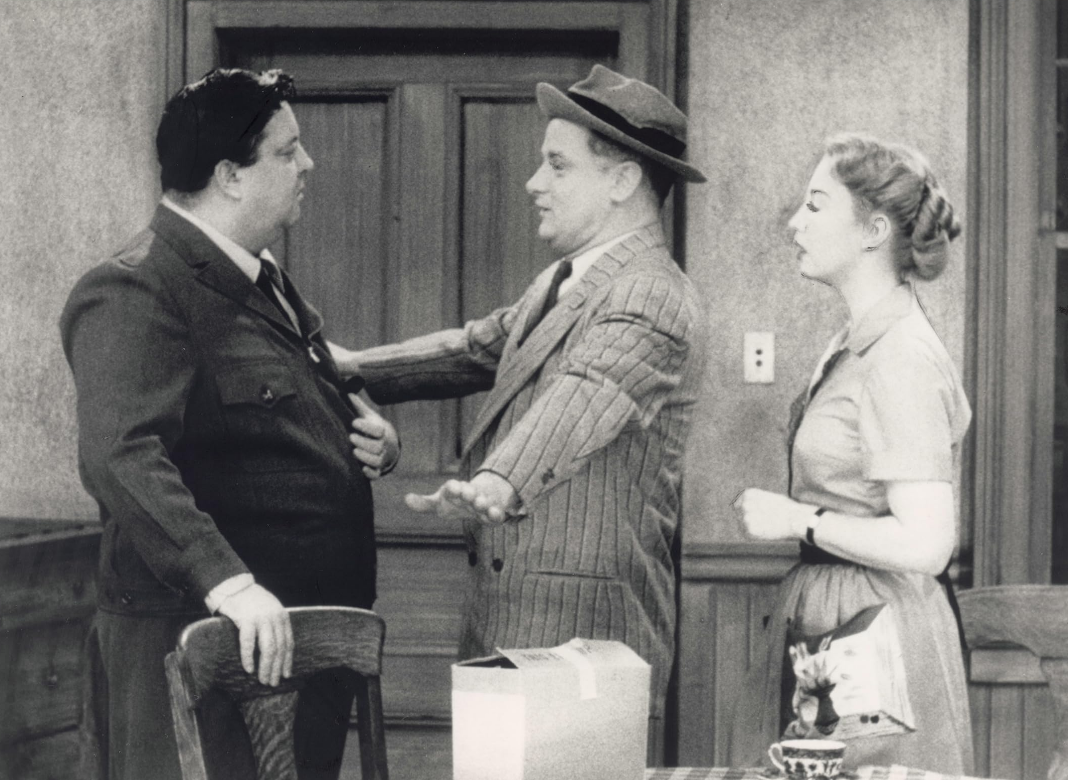
Sarcasm comes naturally to a lot of people and it’s been around practically since the dawn of time. One of the most famous examples of sarcasm comes from when Jackie Gleason’s character in the 1950s sitcom *The Honeymooners* coined his catchphrase. “Hardy har har” is the onomatopoeia of a sarcastic laugh. It’s a response to a remark that was meant to be funny and it’s been being used ever since Ralph Kramden first did it all those years ago.
“The Bucket List”: Bucket List

This phrase all started with the idiom for dying—“kicking the bucket”, which inspired screenwriter Justin Zackham to compile a special checklist of his own back in 1999. He and director Rob Reiner turned the idea into the 2007 movie *The Bucket List* where we see two cancer patients checking things off their list while they still can. These days, it generally has less morbid connotations, and it’s become so entrenched in popular culture that people forget its relatively recent cinematic roots.
“Buffy the Vampire Slayer”: Much?
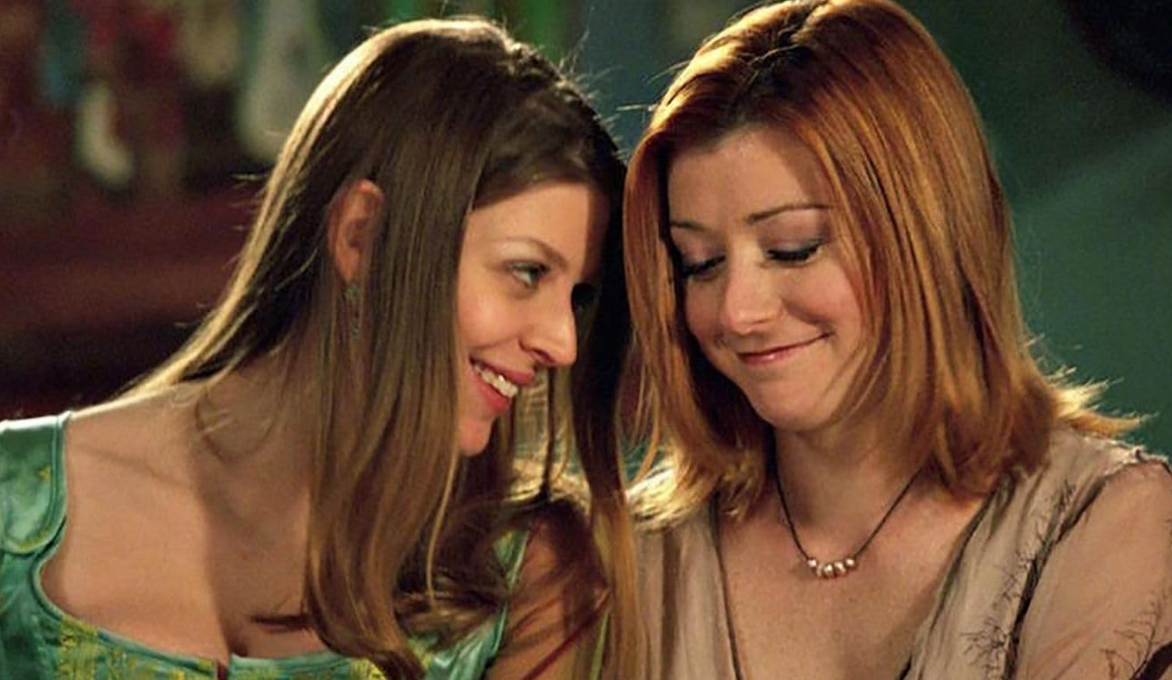
*Buffy the Vampire Slayer* was as much of a cultural phenomenon as some of the catchphrases that came from it. The show transformed television by introducing new slang words, one of the most famous being Buffy’s iconic use of the word “much”. It’s used as in, “rude much?” to sarcastically express the absurdity of a situation. The Oxford English Dictionary includes this use of the word and credits it to *Buffy the Vampire Slayer*, citing the scene where someone bumps into Buffy and she responds, “Excuse much! Not rude or anything."
"The Perfect Storm”: Murphy’s Law
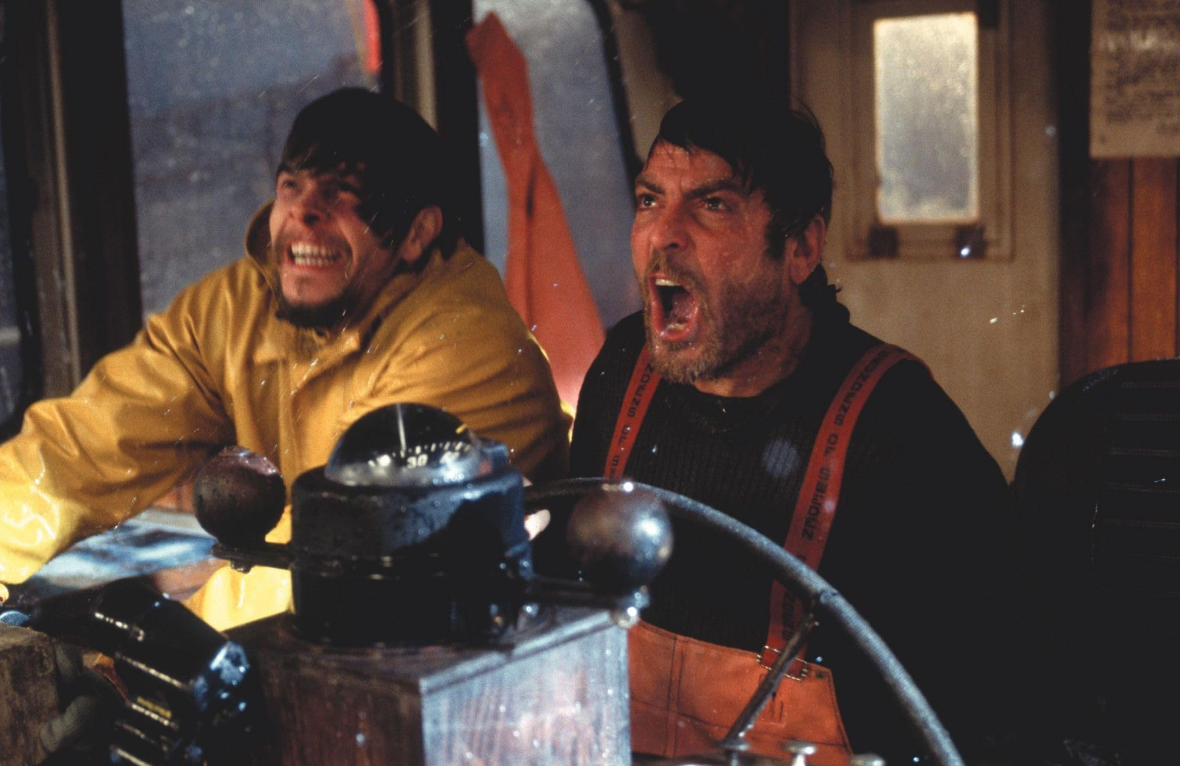
Murphy’s Law is the idea that anything that has the potential to go wrong will go wrong. This idiom’s origins are often debated since it’s thought that an aerospace engineer named Edward A. Murphy Jr. was responsible for first coining it. But one theory is that the 2000 movie *The Perfect Storm* popularized the idea and term Murphy’s Law in the plot about multiple weather factors coming together to create an unusually powerful storm. Nowadays, anything can be a Perfect Storm the same way you’d say something was Murphy’s law in action.
“Star Wars”: The Dark Side
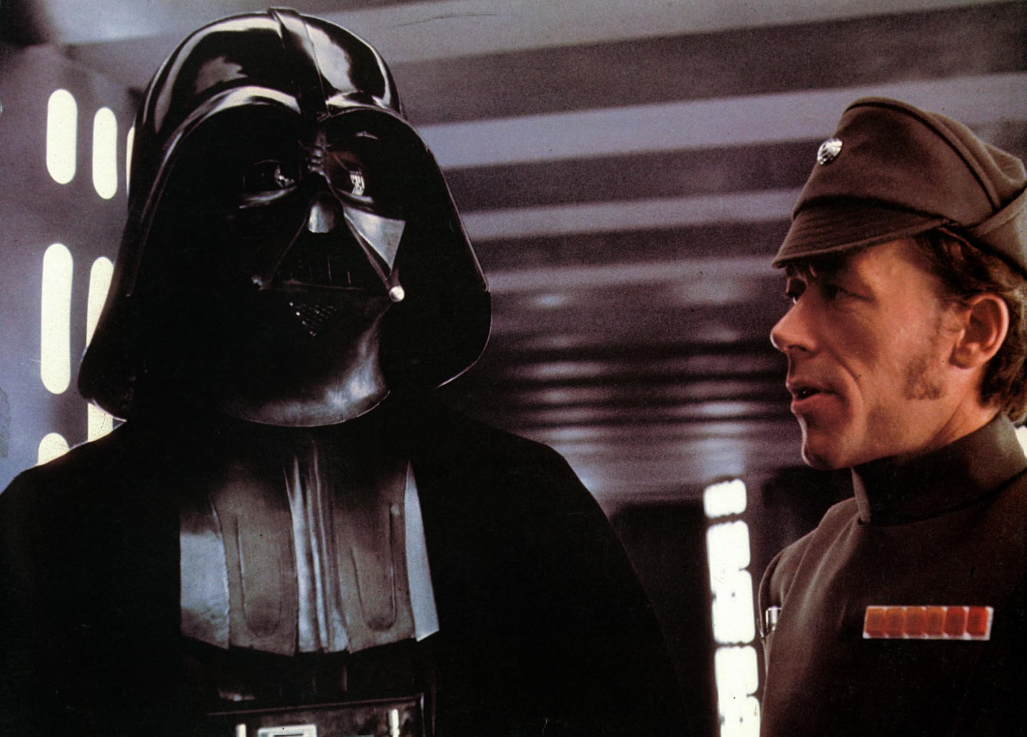
Someone who used to be morally good and had a negative spiral in character is said to have gone over to “the dark side”. Everyone immediately conjures up a mental image of Darth Vader or the *Star Wars* universe if they hear it, which is absolutely correct. In the franchise, the Dark Side is used to describe the malevolent effects of the Force and the Jedi are often warned against succumbing to it. The idea of an evil force is nothing new, but *Star Wars* gave it the perfect name.
“The Addams Family”: You Rang?
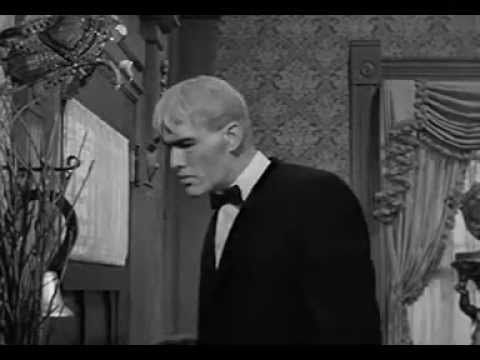
There’s no doubt that *The Addams Family* made its mark on popular culture. History’s most famous gothic family was responsible for a whole range of iconic phrases, though none are as memorable and quotable as Lurch’s iconic catchphrase, “You rang?” Whenever the family summoned him with the bell, Lurch appeared and uttered his famous deadpan reply. Supposedly, the towering butler was originally written to be mute, but actor Ted Cassidy’s hilarious ad-libbing made it into the final cut.
“Late Night with Conan O’Brien”: Crunk
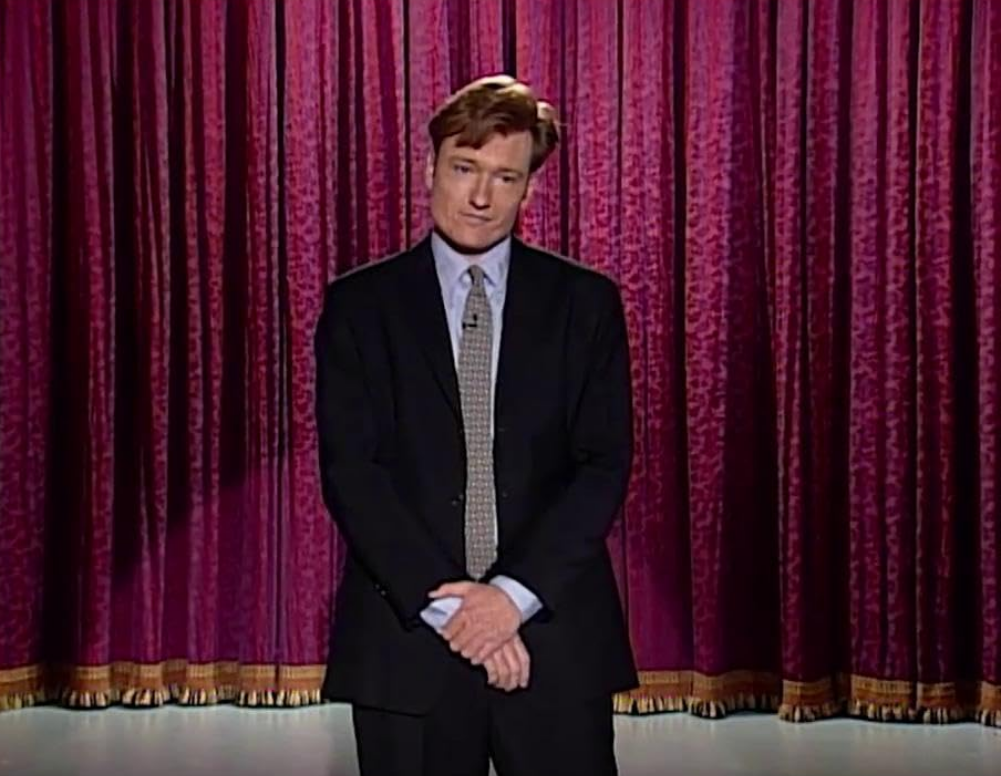
Ever since the early 2000s, rappers like Lil Jon have talked about how “Crunk Ain’t Dead”. The word "crunk" has been around ever since the Atlanta club scene used it to mean “full of energy” or “hyped up”—it’s a handy collaboration between getting crazy and drinking. But one other theory about how crunk came into the mainstream was back in 1993 after late-night host Conan O’Brien and his *Late Night* writer Dino Stamatopoulos used it in a sketch to get the same laughs that curse words do, without dealing with television censors.
“The Story of Tracy Beaker”: It’s Just Hayfever
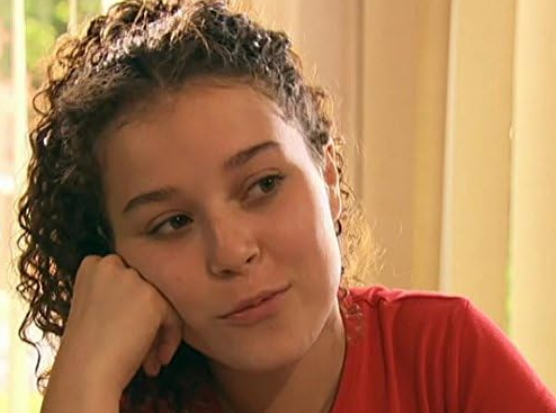
This one appeals to a more exclusively British audience, but thanks to the power of social media it’s managed to become a meme. For any kids growing up in the early 2000s, troublesome teen Tracy Beaker gave the perfect excuse if you didn’t want anyone to know that you were crying. When asked “What’s the matter?”, the unemotional foster child would respond, “It’s just hayfever” to deflect from the fact that she was actually getting emotional for once.
“The Colbert Report”: Truthiness
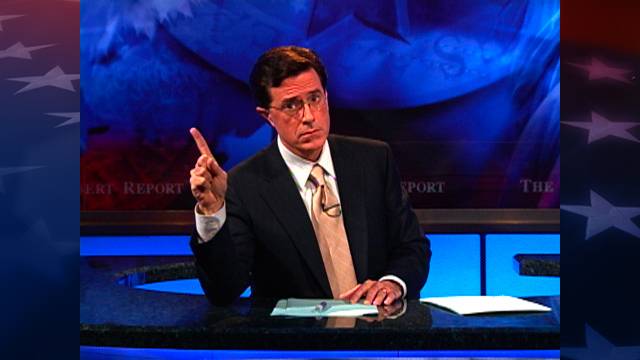
While we know that we probably shouldn’t be taking everything we see on late-night television as the ultimate truth, there is one thing we’ve taken that still has use in today’s world: truthiness. Stephen Colbert first coined the phrase in the 2005 pilot episode of *The Colbert Report*. It’s a satirical term to describe "truth" based on intuition rather than objective reality and is mostly used in the discussion of politics. Now it’s even made its way into the Oxford English Dictionary, crediting Colbert for its creation.
“Forrest Gump”: Life is Like a Box of Chocolates
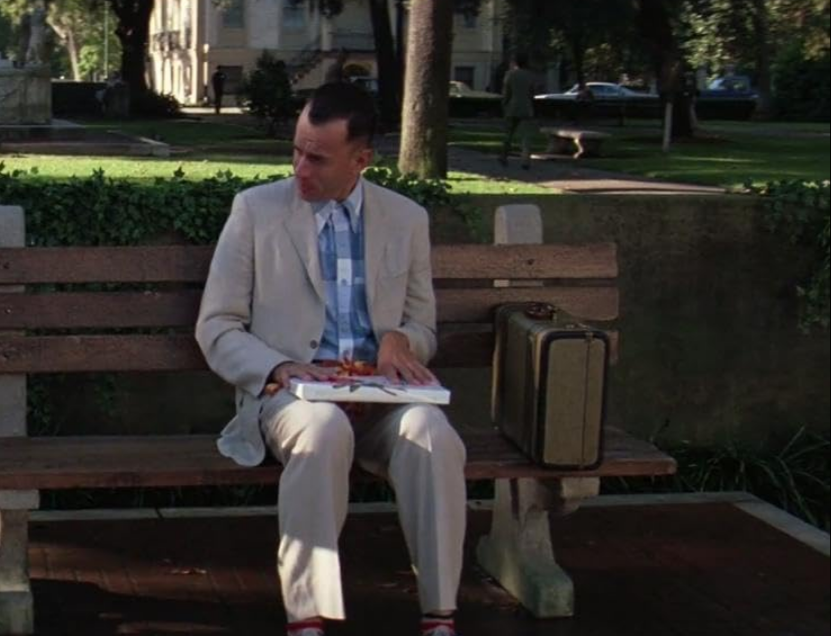
Any *Forrest Gump* fans, or just movie enthusiasts in general, will surely remember the titular character’s philosophy from the 1994 movie, “My mama always said life was like a box of chocolates. You never know what you're going to get." The analogy first came from Winston Groom’s novel version of *Forrest Gump* and it’s said that he was inspired by Haruki Murakami’s analogies. The quote is one of the movie’s most famous, though it’s recently come under fire as an example of the Mandela Effect phenomenon as some misquote it as “Life *was* like…” instead of “life *is*.”
“Lost in Space”: Danger, Will Robinson
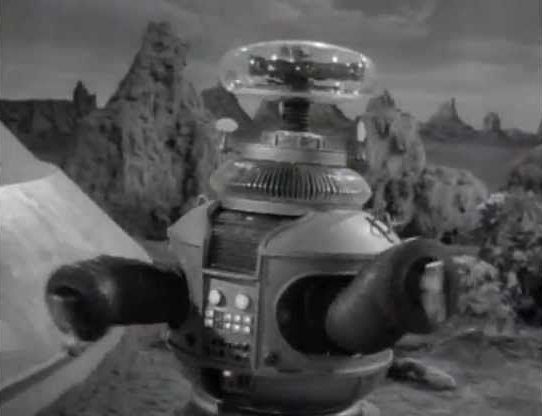
This one might not be as common among the younger generations, but anyone who remembers the 1965 sci-fi series *Lost in Space* is likely to have been repeating this reference to the show whenever someone faces an impending threat. When Will Robinson found himself in trouble in the show, the family’s robot named Robot shouted the iconic phrase and for one reason or another, it caught on. Though it was only ever said once in Season 3, Episode 11, it became so well-known that people remember it being said more often.
“Doctor Who”: Resistance is Futile
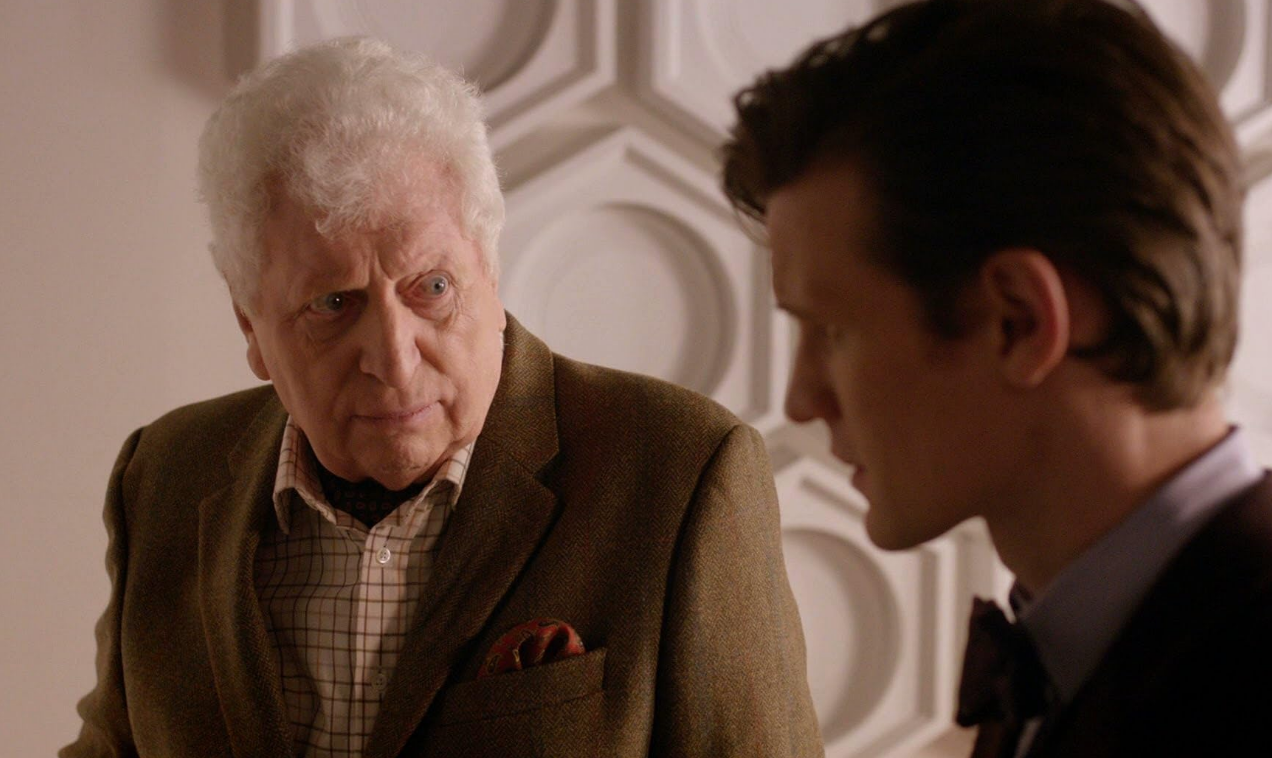
“Resistance is futile” is one of the oldest villain tropes in the sci-fi world, so the history of this one isn’t totally clear. While some people believe it was Borg who first said it in *Star Trek*, the first recorded example was actually earlier. It was the Doctor’s arch-enemy the Master who utters the phrase to the Fourth Doctor in a 1976 episode of *Doctor Who*. Sure, it might not be the most applicable phrase to everyday life, but TV and movie villains are still using it constantly and it sends chills down our spine every time.
“Clueless”: My Bad
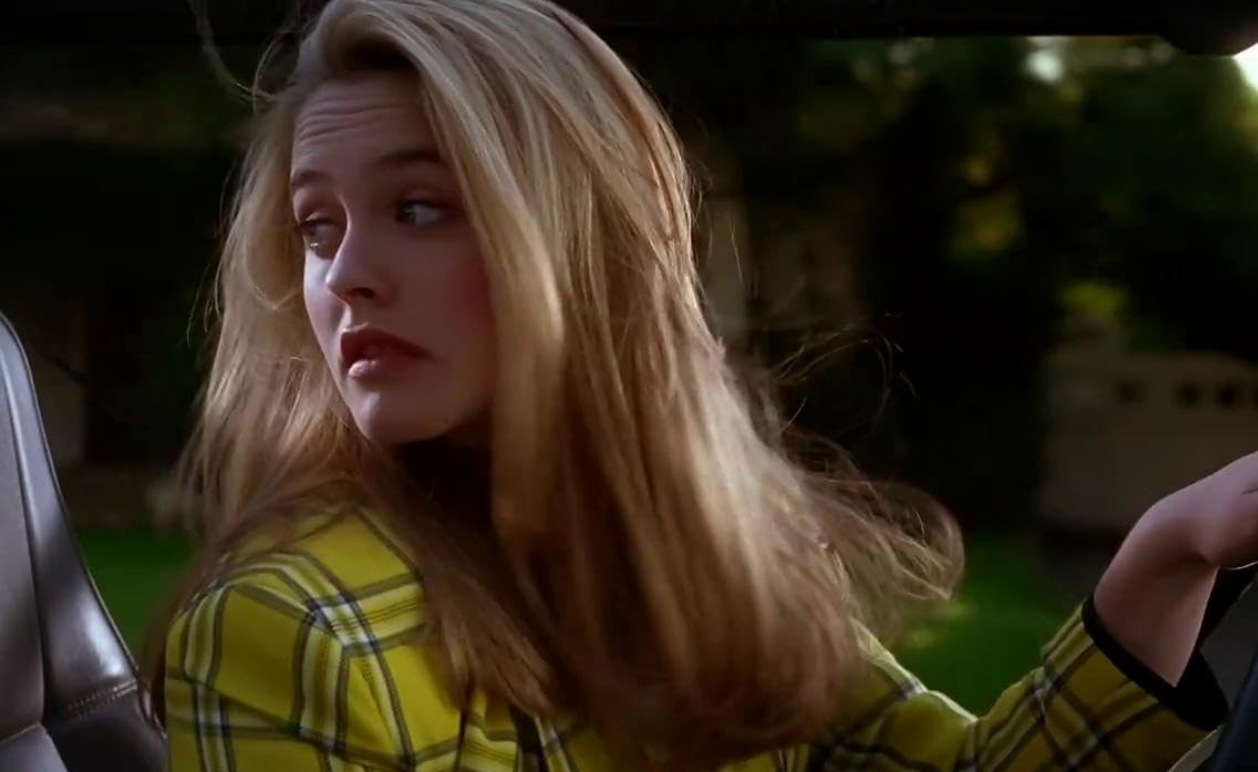
In moments of admitting fault, people frequently use the phrase "My bad" to acknowledge responsibility, often unaware that the phrase traces back to the iconic 2000s rom-com, *Clueless*. In the film, Alicia Silverstone's character, the ever-lovable can-do-no-wrong Cher Horowitz, inadvertently causes a minor car accident, responding with a casual "Oops, my bad." Despite being technically grammatically incorrect, since bad is not a noun, it has seamlessly become a common phrase in English slang, especially among young people.
“The Simpsons”: Meh
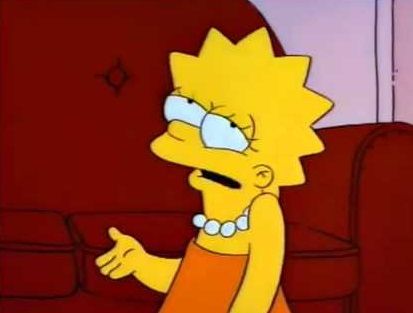
This expression is so commonly used that it’s hard to pin it down to just one origin. “Meh” generally encompasses the feeling of being unimpressed or indifferent about something—it’s the verbal equivalent of shrugging your shoulders. One of the most common theories is that the phrase was first popularized as Lisa Simpson’s catchphrase in *The Simpsons* after the 1994 episode “Sideshow Bob Roberts” where she first says it while in the car with Bart. Some people have even theorized that it backdates *The Simpsons*, originating from the Yiddish word “מע”, meaning “so-so.”
“Seinfeld”: Yada, Yada, Yada
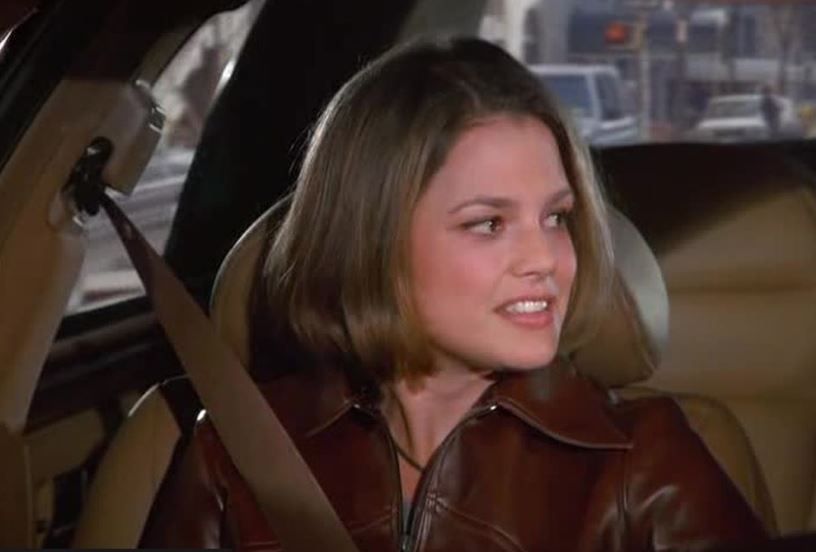
The phrase “yadda yadda” was first recorded in comedian Lenny Bruce’s standup routine in the 1960s, but it was cemented in history later by George Costanza’s ex-girlfriend Marcy in the one *Seinfeld* episode she featured in. It’s another way of shortening or skipping over the boring and unimportant parts of a story, like, “blah, blah, blah” or “and so on”. Part of the joke in *Seinfeld* was that the “yadas” insinuated more sordid details that were left out deliberately.
“Saturday Night Live”: Not!
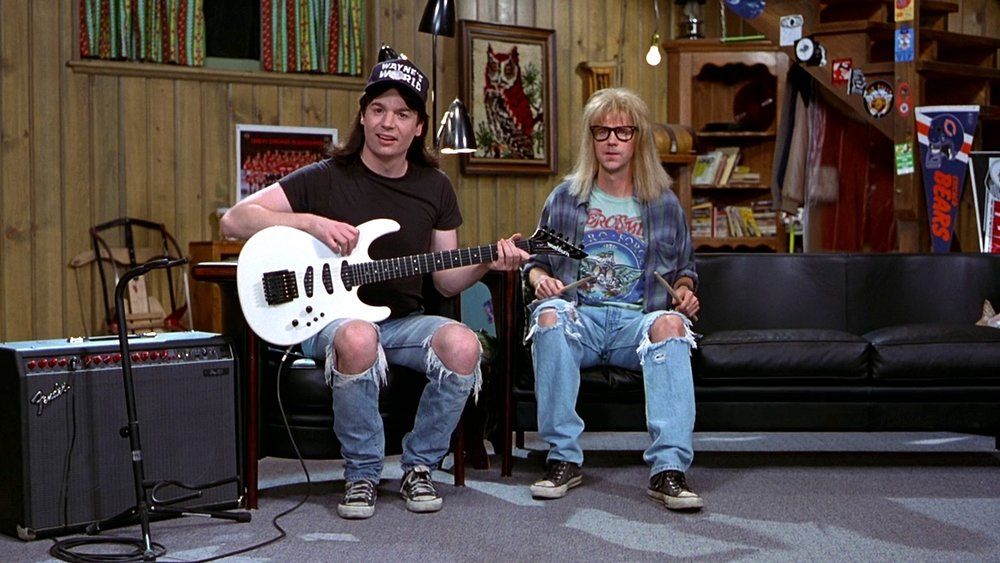
Mike Myers is the genius behind a whole array of unforgettable catchphrases, though there are few as quotable as this "Wayne’s World" earworm. The 1990s *SNL* sketch was the first time we heard this sarcastic phrase after Garth and Wayne were talking about the movie *Prancer* when Wayne says, “I kind of liked it…not!” It’s a seemingly genuine assertion, followed by a loud and proud exclamation of “Not!” While some people might remember its TV origin, it’s caught on so much that today, people make a "Wayne’s World" reference without even realizing it.
“Clueless”: As If
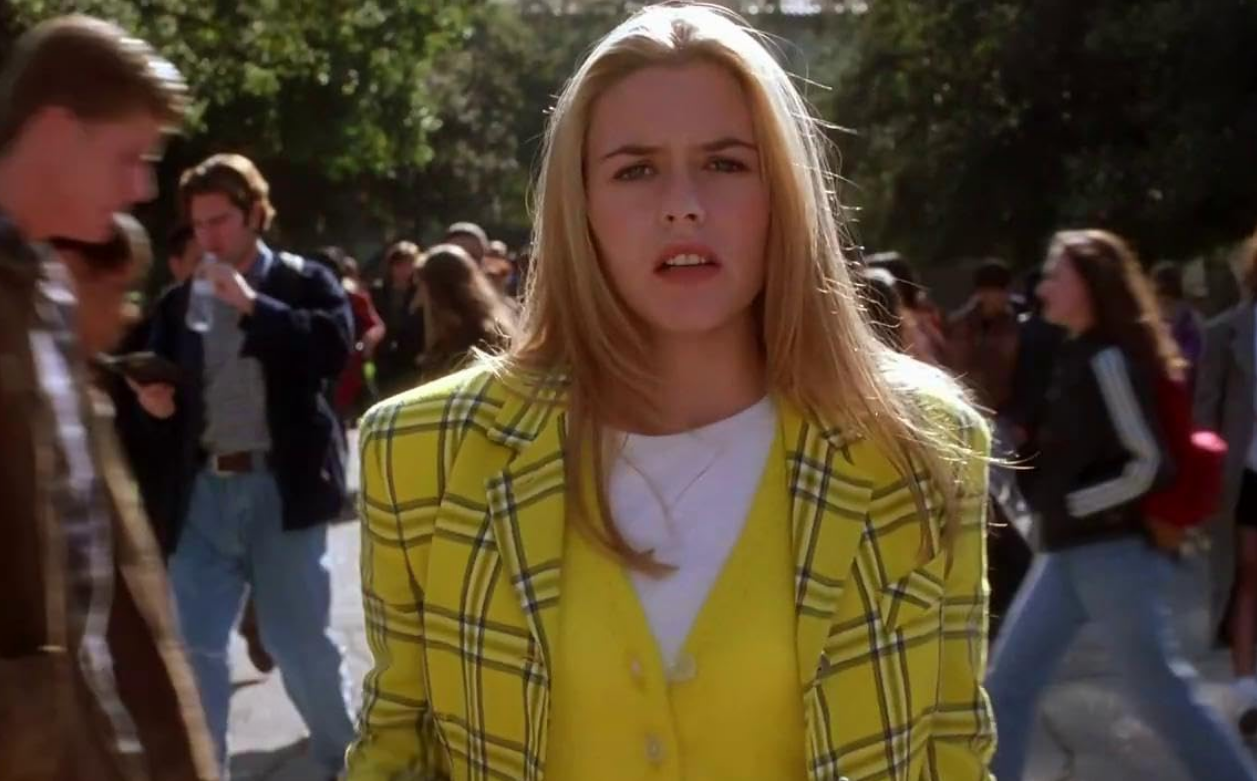
If there’s one thing pop culture thrives on, it’s a rom-com. They are responsible for some of the best quotable movie moments of all time and *Clueless* is no exception. While the slang retort “as if!” has been traced back to a 1903 novel and featured in *Wayne’s World*, it was Cher Horowitz of *Clueless* who really put it on the map. Whether Cher is fending off unwanted male attention or defending herself against a mean teacher, the movie wouldn’t have been the same without it. Ugh, as if!
“Howdy Doody": Cowabunga!
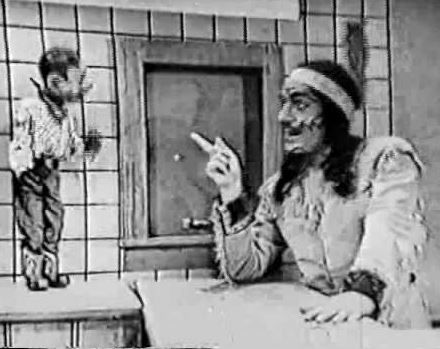
Anyone would be forgiven for thinking that the term “cowabunga” originated as the catchphrase of the *Teenage Mutant Ninja Turtles* as an expression of amazement or enthusiasm. In actuality, it comes from questionable origins, after being originally coined as a Native American term by *Howdy Doody* creator Eddie Kean in the 1950s as “kowabonga”. It was then associated with surf culture from the 1960s and had a stint as Cookie Monster’s catchphrase on *Sesame Street* before finally being associated with the turtles in the ‘80s.
“Monty Python’s Flying Circus”: Spam
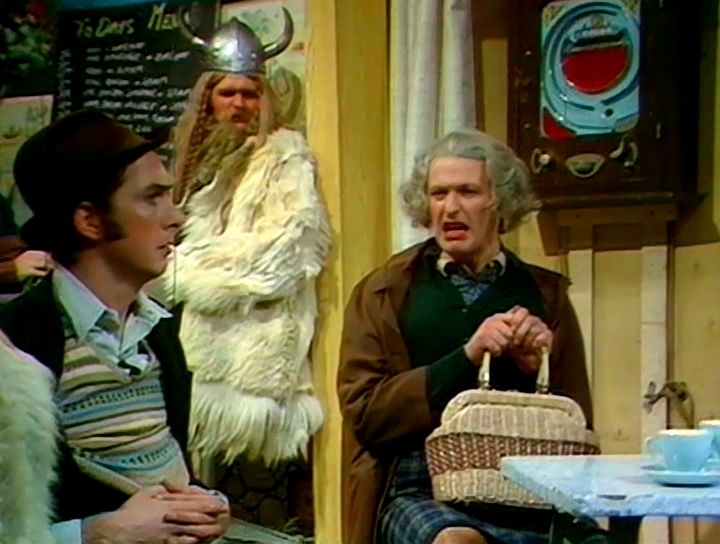
These days, when you think of Spam, you’re probably thinking of the annoying folder of junk mail in your emails long before the canned meat springs to mind. For this, we have the British sketch comedy classic 1970 sketch show *Monty Python’s Flying Circus* to credit. One sketch involved a gang of Vikings relentlessly chanting “spam” after a diner menu exclusively featured dishes using the meat. This then inspired a *Network World* article to use the term “spam” when describing unwanted emails.
“Friends”: The Friend Zone
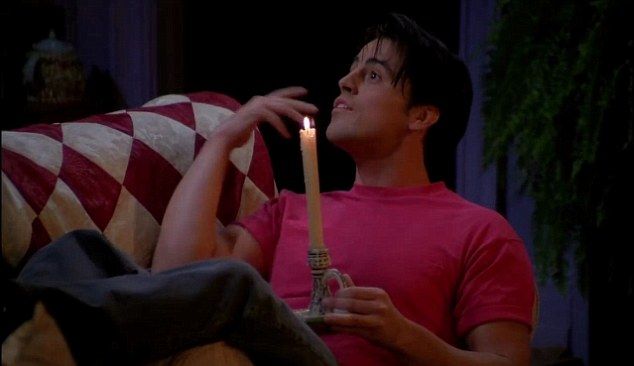
The characters in *Friends* can be attributed to multiple trends over the years—the Rachel Green haircut, we’re looking at you—but one of the lesser-known ones is Joey Tribbiani’s contribution to popular culture. That’s right, Joey might just be the reason the friend zone exists as we know it. In the Season 1 episode “The One with the Blackout”, Ross is lovesick with unreciprocated feelings for Rachel and Joey calls him “the mayor of the friend zone”. He tells Ross that he waited too long and therefore had no chance with her—voila! The friend zone.
“Terminator 2: Judgment Day”: Hasta La Vista, Baby
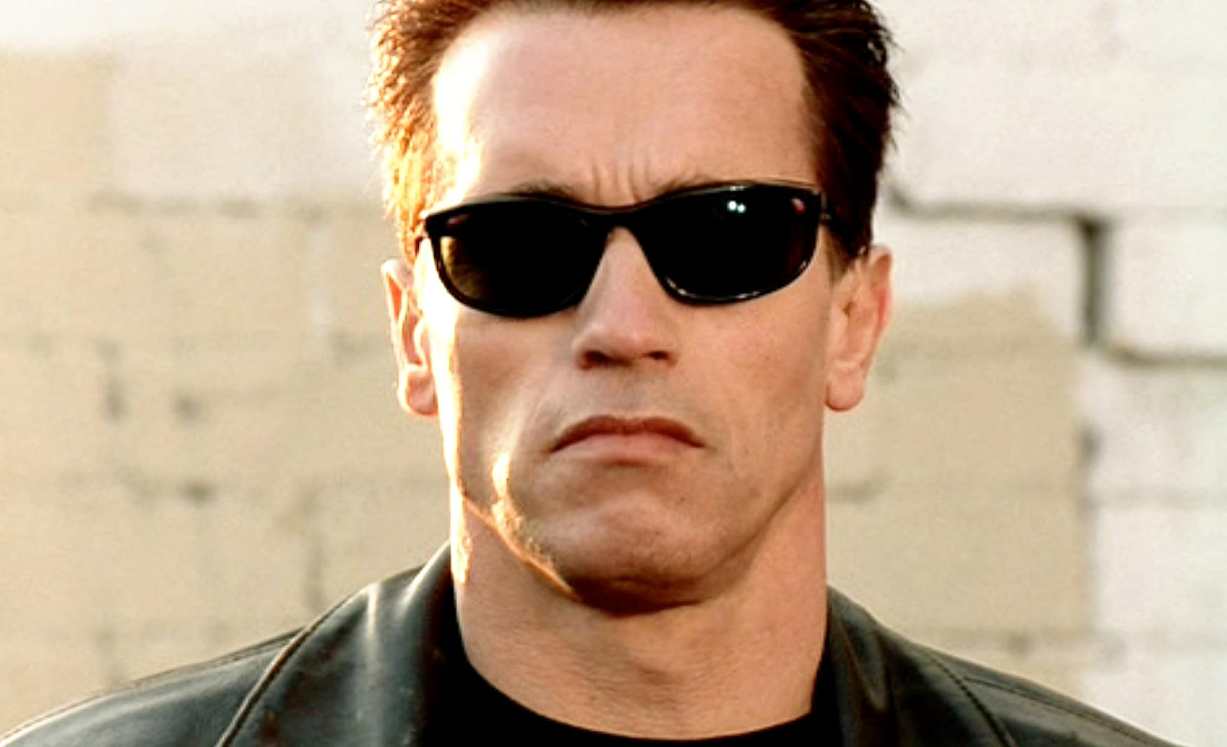
Even if you’ve never had the pleasure of watching a single moment of the *Terminator* franchise, chances are high that you will have heard this quote dozens of times. It’s hard not to envisage Arnold Schwarzenegger’s infamous accent whenever you hear the phrase, “Hasta la vista, baby”. It was used in songs including "Wild Thing" by Tone Loc before the inclusion in *Terminator 2: Judgment Day*, but director James Cameron has often said he was inspired by the song to include the line.
“Seinfeld”: Regifting
Have you ever received a gift that you didn’t want, only to pass it off to someone else the next time a holiday came around? Well, you can thank *Seinfeld* for giving the sneaky practice an official term. In Season 6 of the show, Julia Louis-Dreyfuss’ character Elaine is upset after a gift is repeatedly passed on from one character to the next. She labels Tim a Regifter, and thus regifting was born. Merriam-Webster credits the 1995 episode as the first-ever use of the phrase.
“Alice”: Kiss My Grits
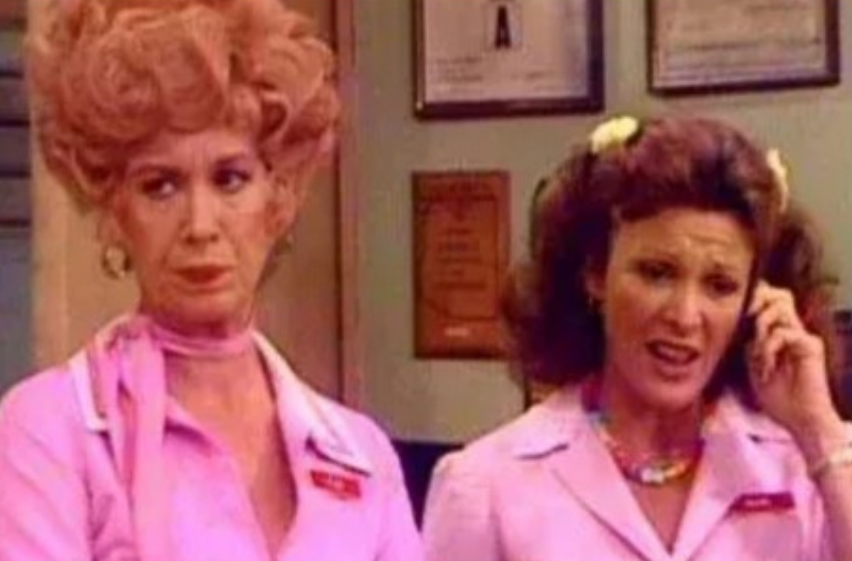
She might not have been the titular character, but no-nonsense waitress Flo Castleberry is the real star of the 1970s diner sitcom *Alice* with her hilarious catchphrases in her classic southern twang. We can all agree that this is a more polite, diner-setting-specific way of putting someone who’s rubbing you the wrong way right back in their place. If ever you want to give someone a sassy telling-off without getting yourself in trouble, you might want to channel your inner Flo and hit them with a “kiss my grits” instead.
“La Dolce Vita”: Paparazzi
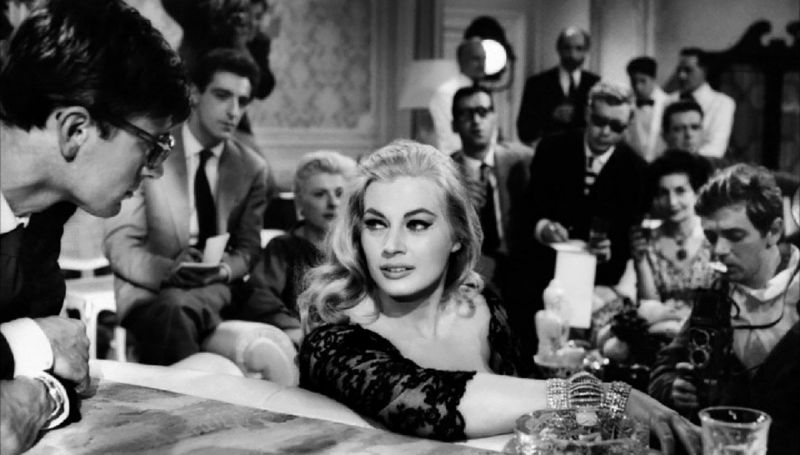
Paparazzi has been the name for the people who follow celebrities around with cameras for as long as we can remember. It’s a much snappier, easier name for them, but did you know that it can be traced back to the 1960 film *La Dolce Vita*? The Italian flick featured a news photographer named Paparazzo—inspired by the Italian word “paparazzi” which referred to a particularly pesky mosquito. The name was chosen to emphasize the intrusive photographers and it stuck, so now we have an official label for the relentless camera-wielding celebrity hunters.
“Hawaii Five-O”: Book’ Em
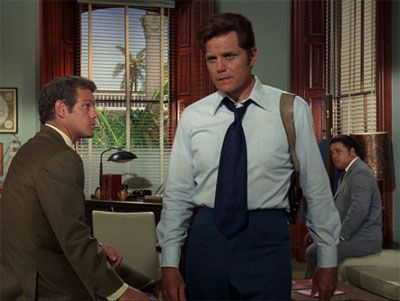
The term "booking someone" signifies the official recording of someone’s arrest in the police ledger or, you guessed it—book. The first recorded instance of the phrase dates back to the original TV show *Hawaii Five-0* from the late 1960s. After a suspect was taken down by Steve McGarrett, he’d often instruct Danno to arrest them by saying his eventual iconic catchphrase, “Book ‘em, Danno”. These days, it’s even being used by real law enforcement to instruct someone to take a criminal into custody.
“Ghostbusters”: Toast
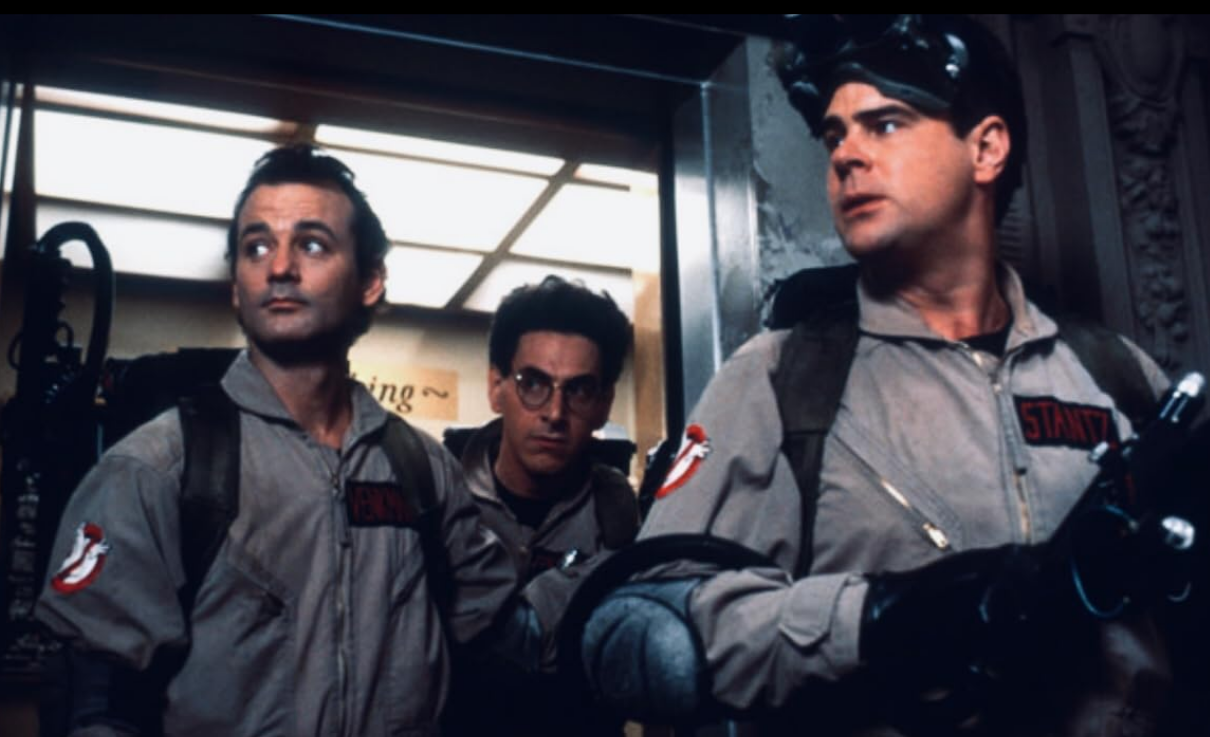
When Bill Murray played Peter Venkman in 1984’s *Ghostbusters*, the team must have known they were on to something special. When he ad-libbed the line, “All right, this chick is toast!” he probably didn’t know that he was making linguistic history. Believe it or not, that very line is the first recorded instance of the word “toast” to mean being in trouble, doomed, or finished. Now, it’s so commonly used that people might not realize it originated from one of the most iconic cult classic movies of all time.
“Saturday Night Live”: Debbie Downer
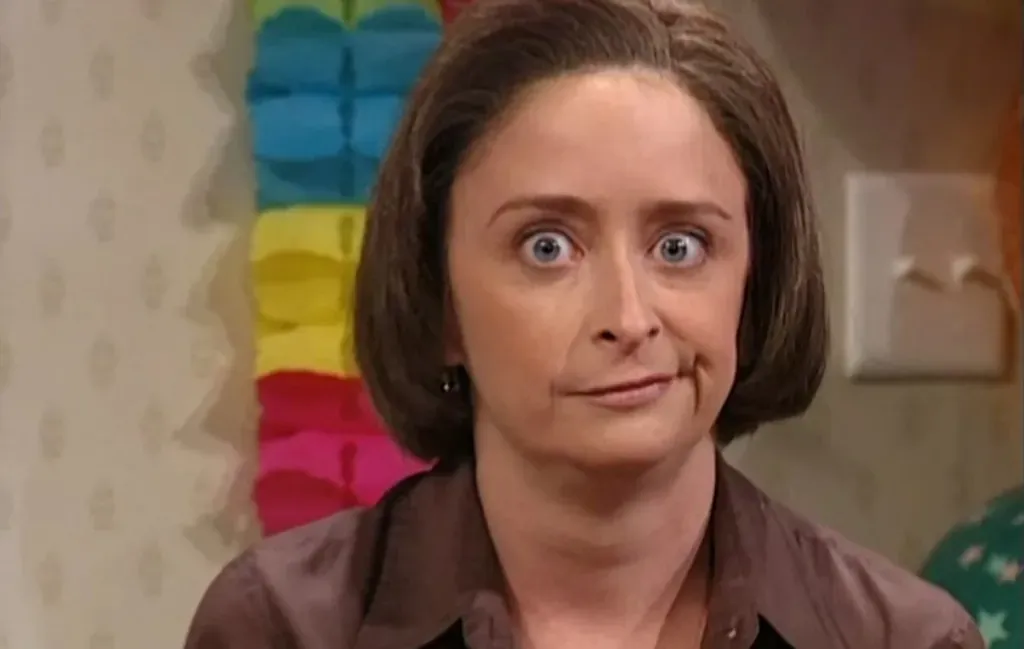
*Saturday Night Live* has been responsible for some absolute comedy gold in its sketches over the years. One of the most well-remembered and arguably funniest is the character portrayed by Rachel Dratch: Debbie Downer. While the term “downer” is nothing new, Debbie Downer personified the ability to turn any conversation or situation into a negative one. Now, it remains a common phrase for anyone who tends to bring down the mood by focusing on the downside of things.
“America’s Next Top Model”: Smizing
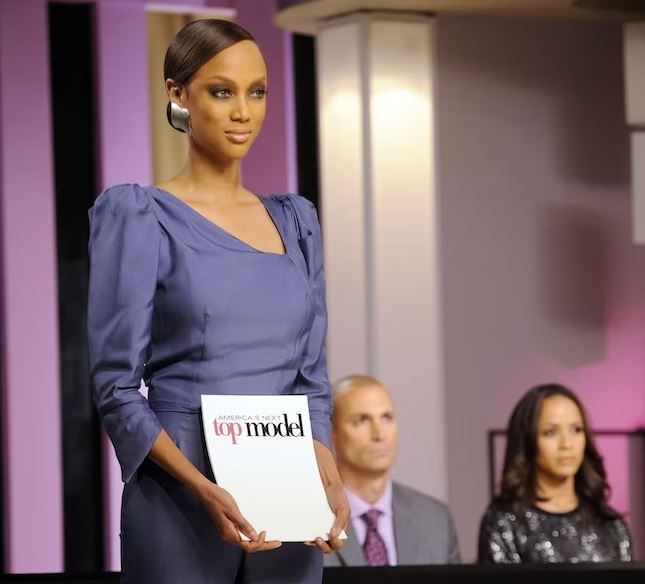
As well as being a completely brutal introduction to the world of modeling, *America’s Next Top Model* was responsible for popularizing Tyraisms—judge and model superstar Tyra Banks’ unique modeling techniques. The one that caught on the most was the art of smizing. It’s a portmanteau of the words “smile” and “eyes”, meaning smiling with your eyes while keeping your actual mouth in a neutral expression. Banks is so serious about her new phrase that she even tried to get it added to the Merriam-Webster dictionary. So far, though, no luck.
“Pirates of the Caribbean”: Savvy
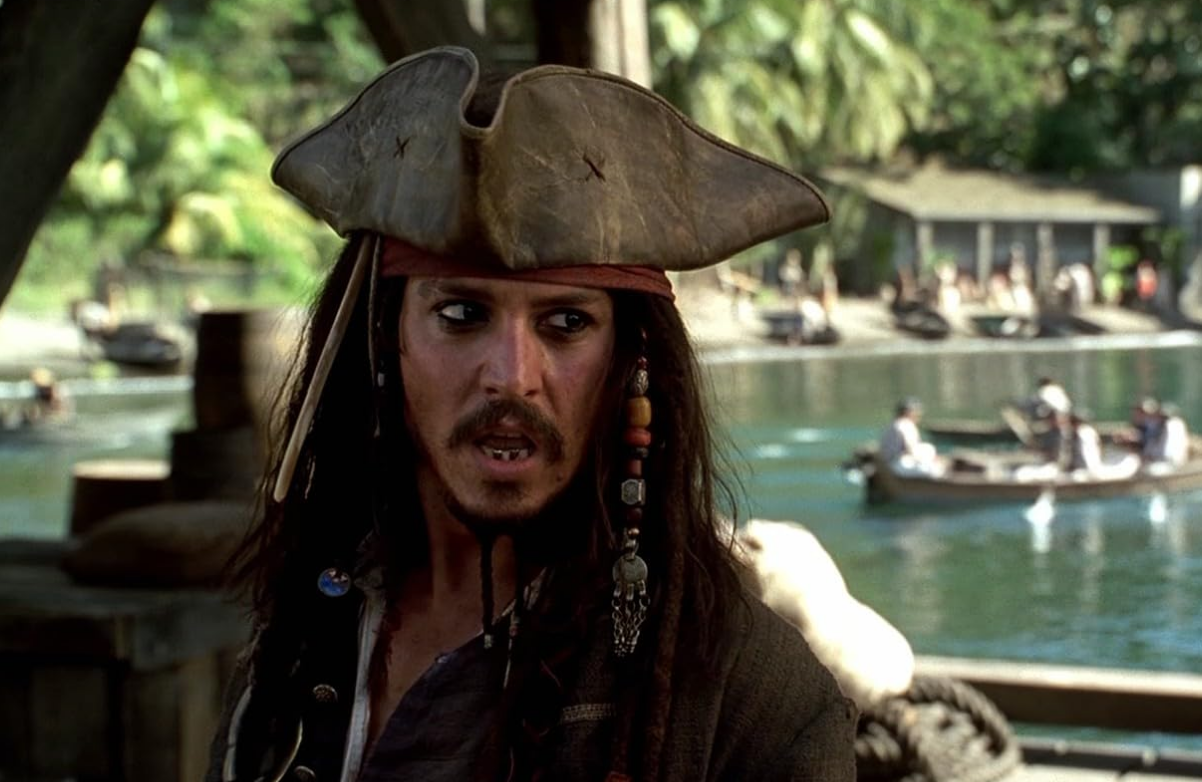
As many English words do, “savvy” originates from a combination of the Latin verb "sapere" and the Spanish "sabe". It was borrowed into English as early as the 1800s to simply mean knowledge or wisdom. The later connection to pirate slang came after the 2003 release of *Pirates of the Caribbean*. Aside from its usual meaning like "politically savvy" or "tech savvy", in the film, Jack Sparrow uses “Savvy?” to punctuate his swashbuckling statements and it became a running gag in the movies. It’s used to mean "Do you understand?" or "Get it?"
“Die Hard”: Yippie-ki-yay
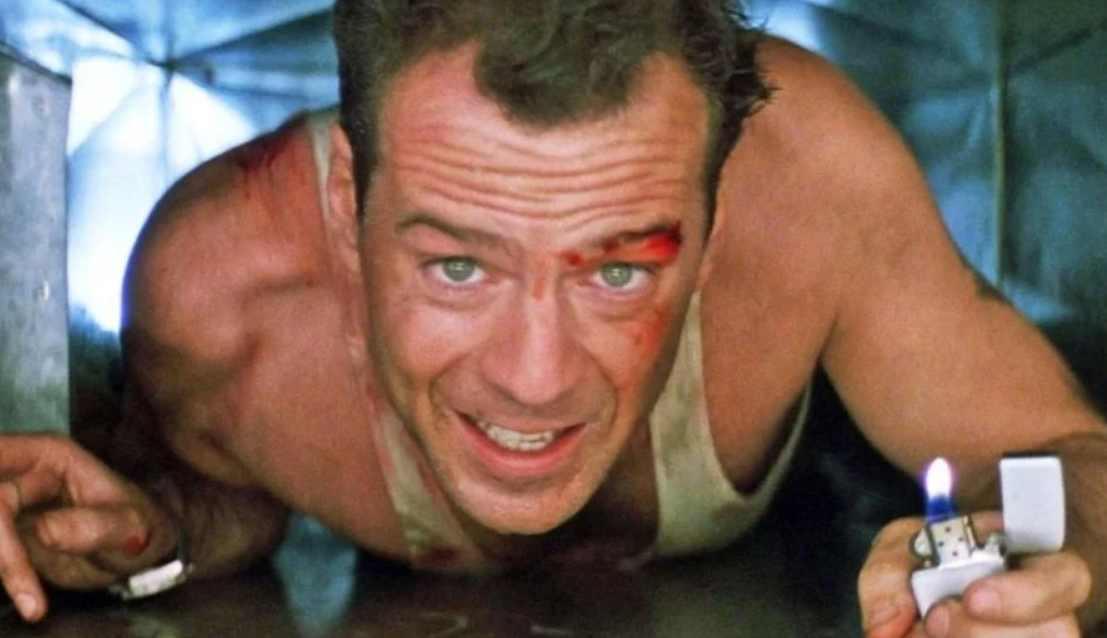
There are terms of phrase to express excitement or joy, and *Die Hard* made one of them more famous than most. Of course, we’re talking about John McClane’s eventual catchphrase “Yippie-ki-yay!” Bing Crosby once sang a similar phrase, “yippie yi yo kayah,” in the 1930s, but it was Bruce Willis’ ad-lib based on an old cowboy expression which he famously followed with an expletive that made this *Die Hard* an unforgettable moment. So next time you find yourself yelling “Yippie-ki-yay!” you’ll be quoting the movie, whether you knew it or not.
“The Simpsons”: D’oh
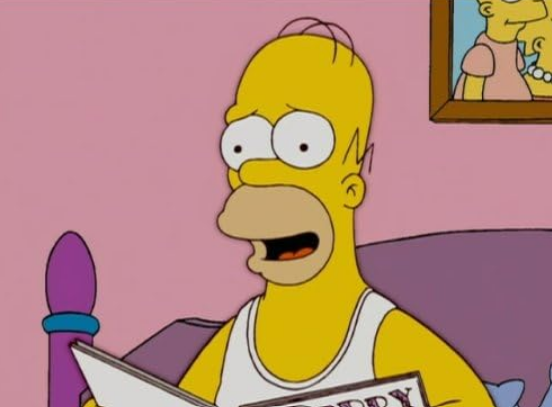
*The Simpsons* has become infamous for predicting things to happen long before they actually do—and that’s not the only thing it’s famous for. We can also thank the show for popularizing the characters’ catchphrases. Whenever Homer made a mistake or something went wrong he’d say this phrase. Whether it was intentionally similar-sounding to donuts, Homer’s one true love, or not, the phrase “D’oh” has become synonymous with *The Simpsons* and the character. It’s just like “meh” in that it can apply to so many situations in everyday life.
“Gaslight”: Gaslighting
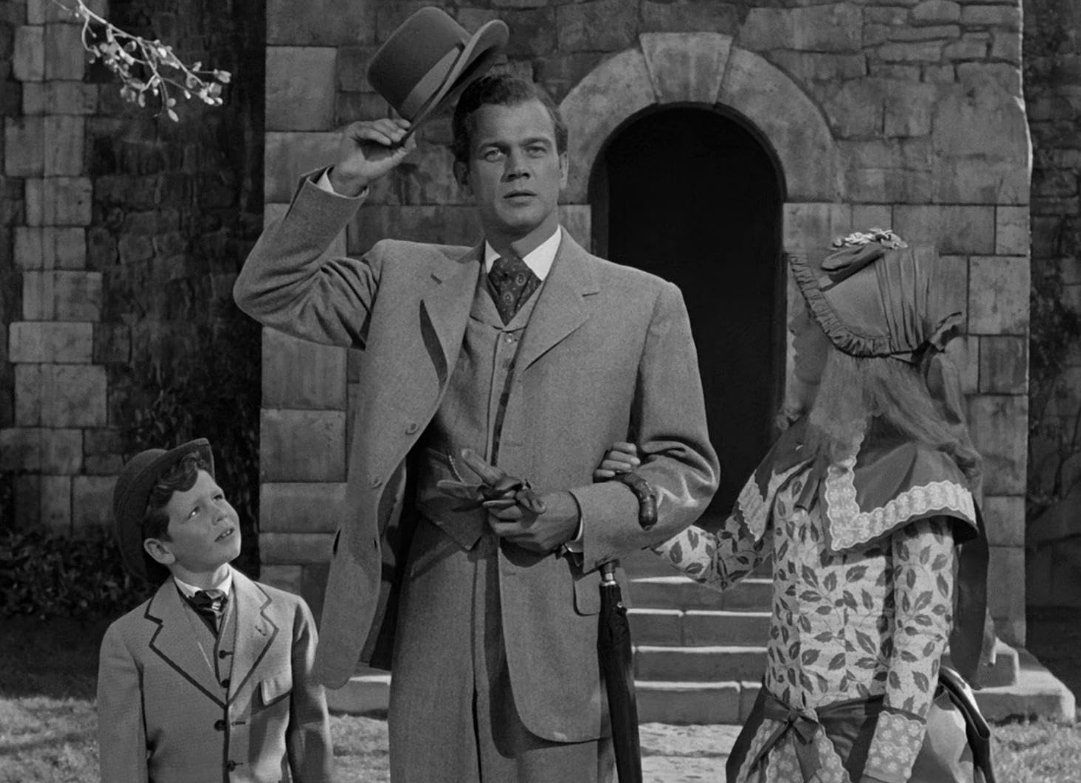
The story of the movie *Gaslight* follows a husband who manipulates his wife into believing that she’s going insane by slowly dimming all the gas lights in their home and convincing her she’s imagining it. That’s why the term “Gaslighting” has since become a verb to describe the psychological phenomenon of a person making someone else doubt their own memory or sanity—and it’s now used more commonly than ever in the discussion of psychologically manipulative or toxic relationships.
“Parks and Recreation”: Don’t Be Suspicious
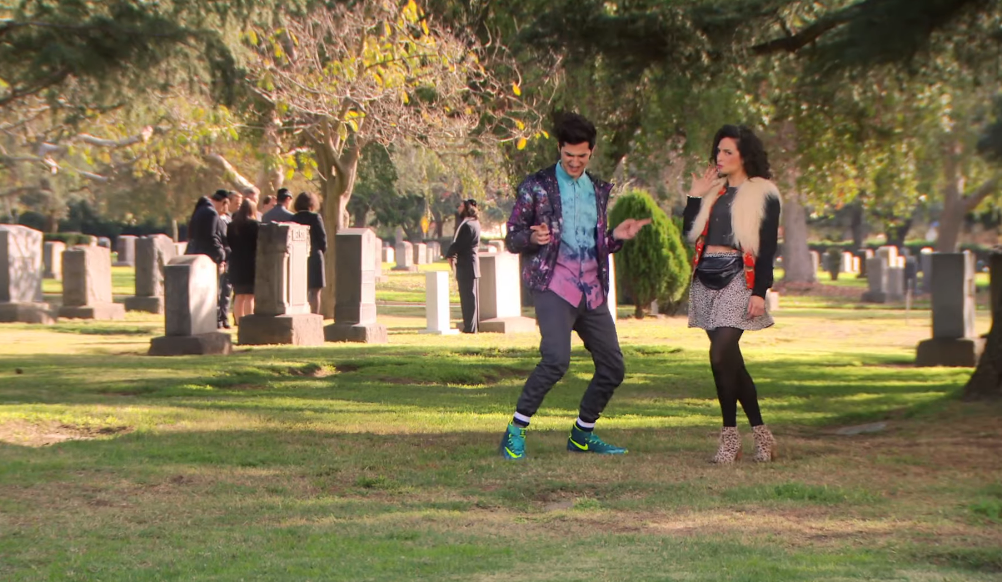
Mockumentary shows have spawned some incredible memorable moments and *Parks and Recreation* arguably takes the cake when it comes to memes. Aside from originating the concepts of Galentine’s Day and “treat ‘yo self”, they also inspired the now-iconic “Don’t be suspicious” earworm. Troublemaker siblings Jean-Ralphio and Mona Lisa, played by Ben Schwartz and Jenny Slate, fake Jean-Ralphio’s death and dance through a cemetery singing the catchy song, and a viral TikTok sound was born. We don’t blame you if you’ve ever caught yourself singing it.
“Zoolander”: Excuse me, Bruh
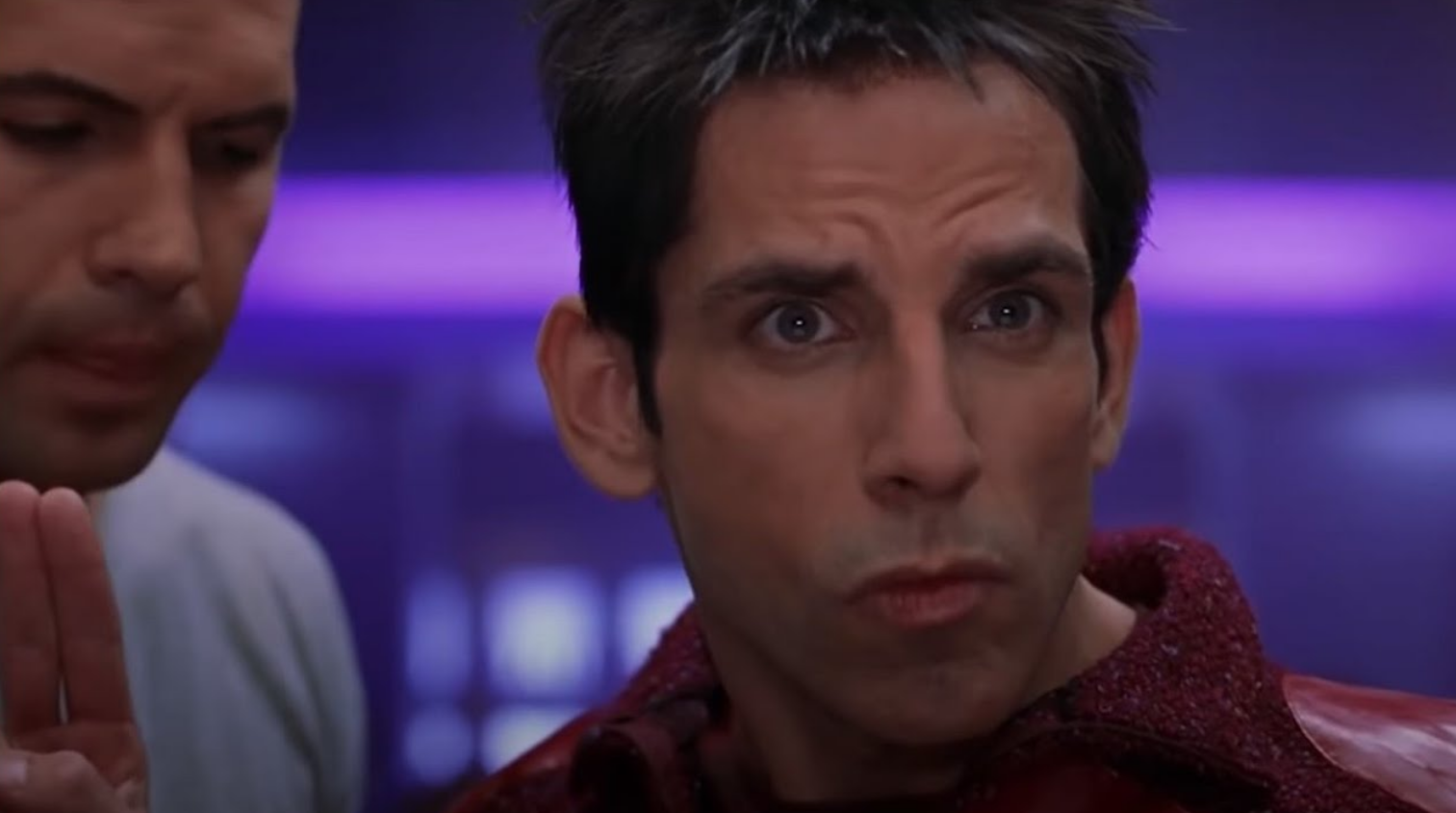
Thanks to the prevalence of TikTok in popular culture, otherwise forgettable quotes and phrases from old movies are constantly being brought back into the mainstream. This is exactly what happened with one of Ben Stiller’s iconic moments in the 2001 comedy *Zoolander*. When Derek Zoolander bumps into Owen Wilson’s character, his rival Hansel, in the club, Hansel says “Excuse me, bruh,” to which Derek replies, "You're excused, and I'm not your bruh." The quote came back big time and has been used in TikToks which have collectively amassed more than 100 million views.
“Austin Powers in Goldmember”: No One Can Stop Me
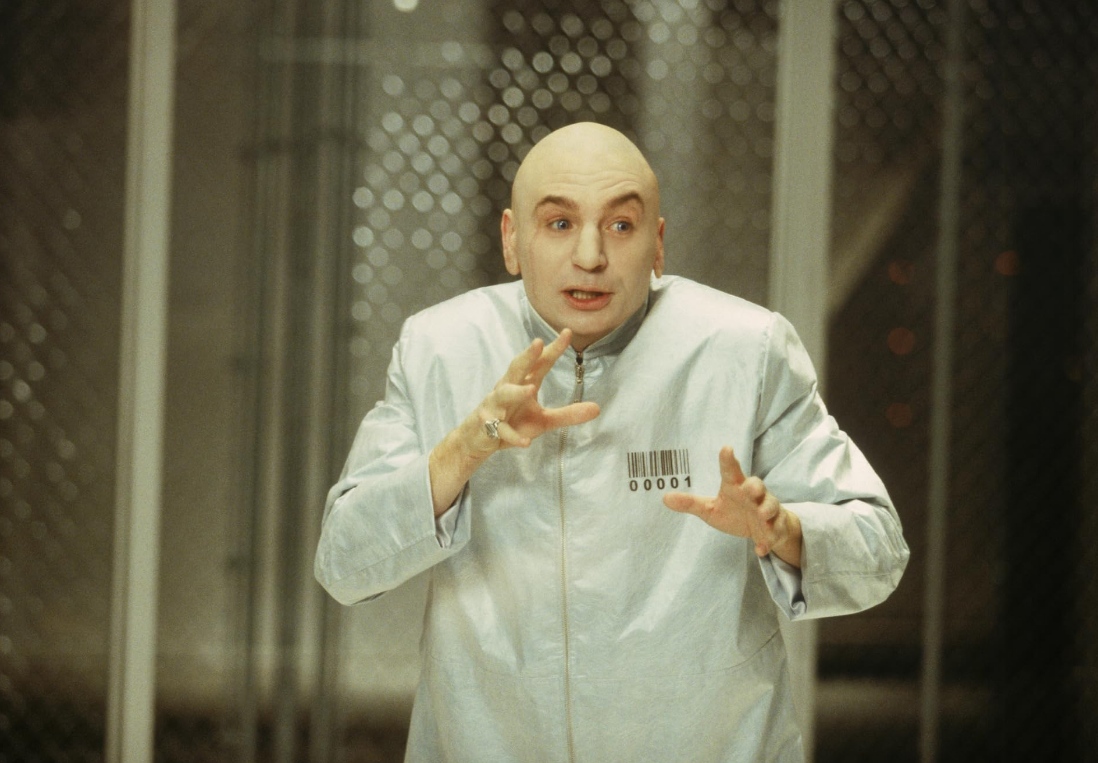
There’s a movie quote somewhere for every occasion. When people joke about doing things they know they shouldn’t be doing, it’s often the hilarious moment from *Austin Powers in Goldmember* that springs to mind. Dr. Evil, played by comedy expert Mike Myers, elaborates on his over-the-top ridiculous schemes by saying, “The best part of this plan is no one can stop me.” This memorable moment has become huge in the TikTok world.
Regifting Is Now Everyday Behavior

Seinfeld gave us the name, but the practice stuck because it fits modern life. Research has found that passing along unwanted presents is common, driven by thrift, high expectations for gifts, and plain practicality. People even treat it like a normal holiday tactic, and there are cultural nods that mark it as an accepted move. The punchline is that what started as a sitcom gag now describes real holiday politics.
How Debbie Downer Became a Meme
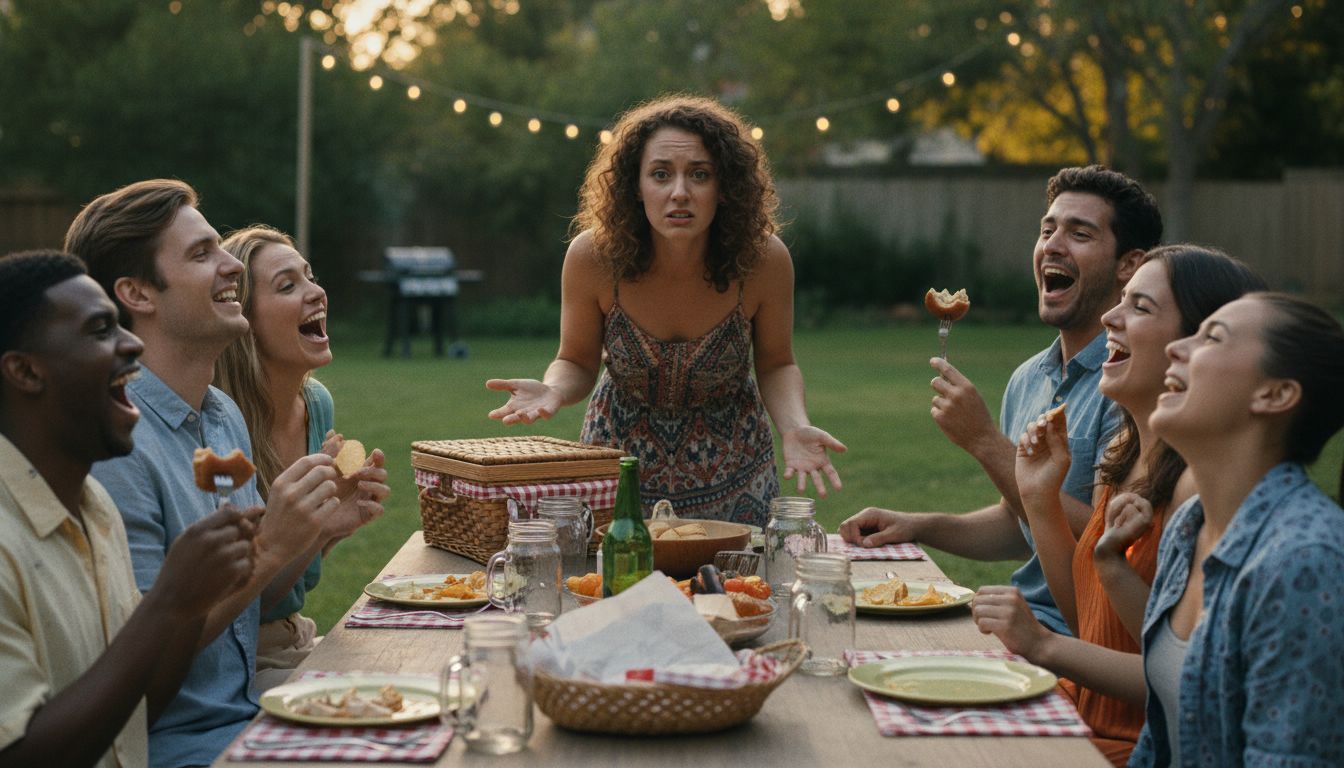
Rachel Dratch’s SNL sketch gave us a shorthand for the person who brings down every conversation. The character was born from a real-life awkward moment and then amplified by that musical trombone moment that punctuated the jokes. Since then the phrase has slipped into everyday talk to label the person who kills the vibe. It’s one of those sketches that stopped being just a gag and started naming behavior.
Bucket List: From a Note to a Cultural Staple
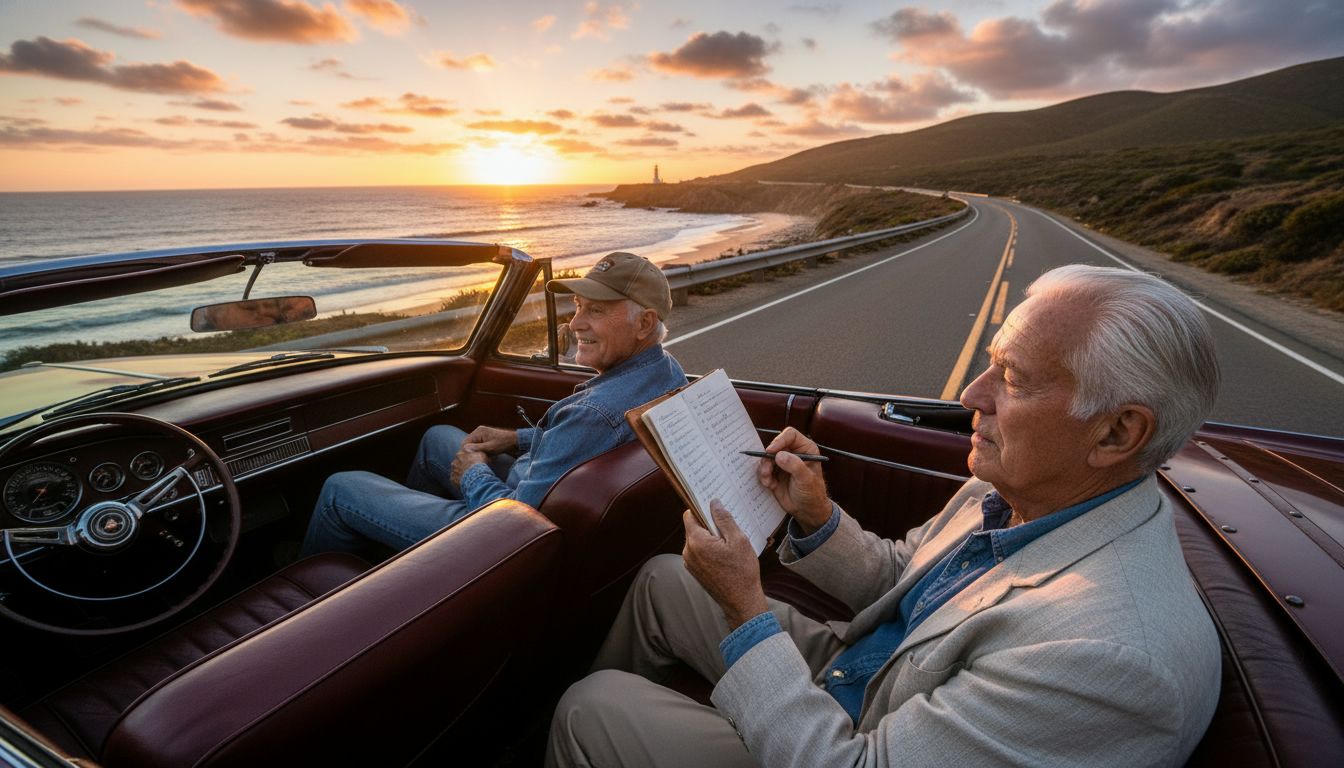
Justin Zackham’s personal list turned into a movie idea, and the film made the phrase part of everyday planning. The cinematic version helped move the term away from morbid origins to a more upbeat checklist for life. Now people talk about bucket lists for goals, travel, and small dreams, not just last wishes. The phrase shows how a private idea can become a public shorthand.
Gaslighting Has Left the Stage
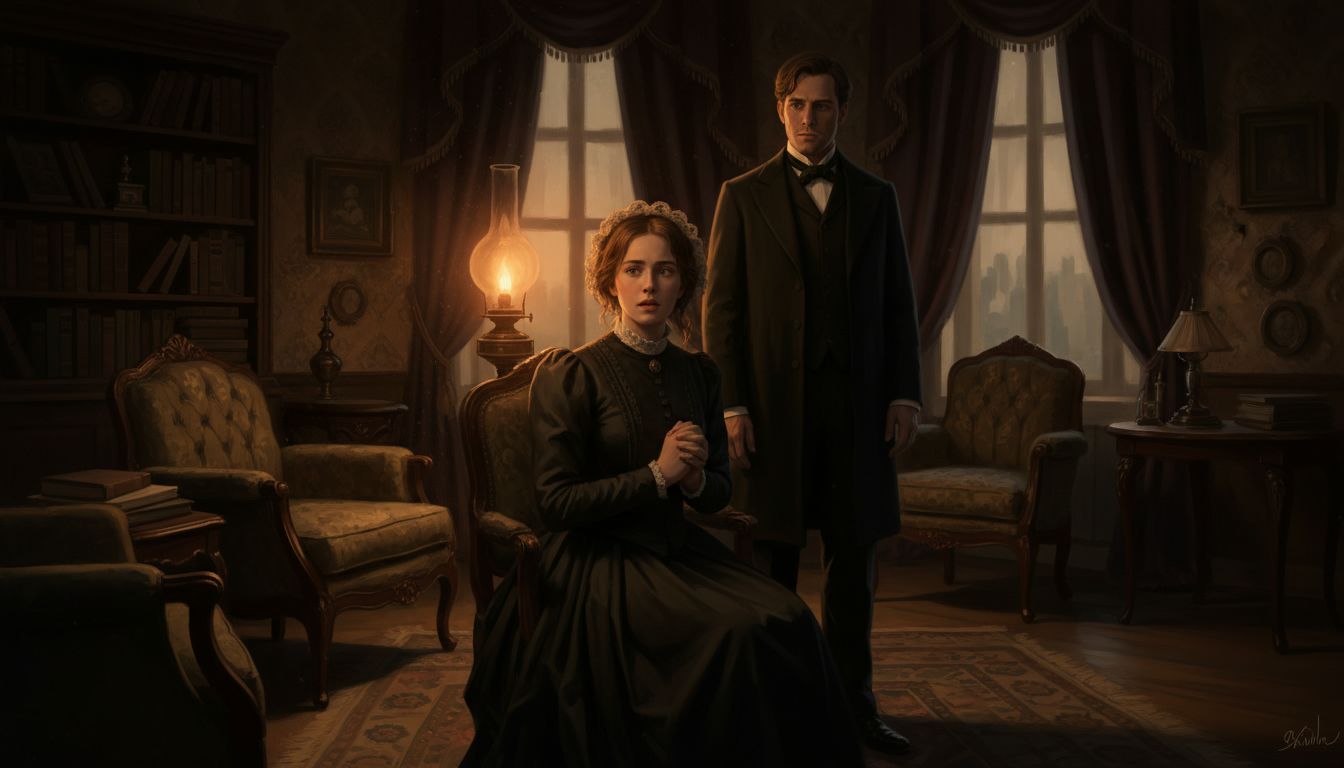
Gaslight gave us the concept, and the word gaslighting is now a fixture in conversations about manipulation. Its rise into everyday language has helped people name a real form of emotional abuse, but that popularity has a downside. Mental health experts warn the term can be stretched until it loses precision, so people are being urged to use it carefully. Still, the word has reshaped how we talk about trust and reality in relationships.
From Sketch to Dictionary, Then to Headlines
A surprising number of TV and movie jokes have jumped into dictionaries and everyday headlines. From Colbert’s coinage that made its way into reference books to Buffy’s slang that the Oxford English Dictionary credits, entertainment keeps seeding the language. Even attempts that failed to make official lists still shift how people speak and write. That steady migration is a reminder that pop culture is where a lot of new language gets its start.