Fast-Food Chains We Can't Forget
Food can pin a moment to your memory. One smell or bite will yank you back to a sticky tabletop, a booth with cracked vinyl, and a kid-sized chair. Restaurants that served the same dish for years become anchors to those days, so when they close it can feel like losing a piece of childhood. Ready to stroll the greasiest, messiest, most beloved lanes of fast-food memory, or are they really gone for good?
Beefsteak Charlie's: Endless Shrimp Promise
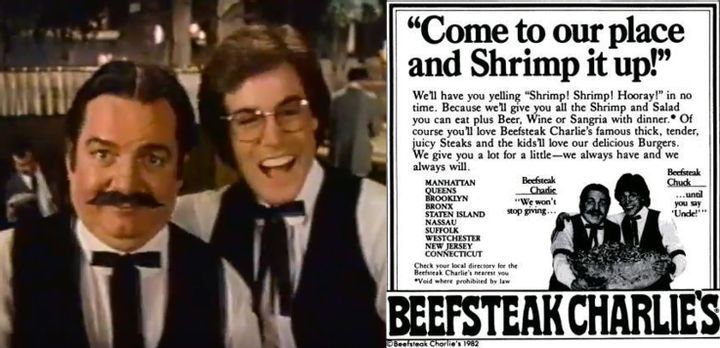
If you were in New York from the 1980s to 2010, Beefsteak Charlie's commercials were impossible to miss. A mustached spokesman bellowed that Youre gonna get spoiled while the chain peddled endless shrimp, steak and cheap booze. It felt like a too-good-to-be-true buffet deal, and the last spot shut in 2010. Nearly a decade later people still ask where they can shrimp it up like that.
Howard Johnson's: Orange-Roof Road Stops
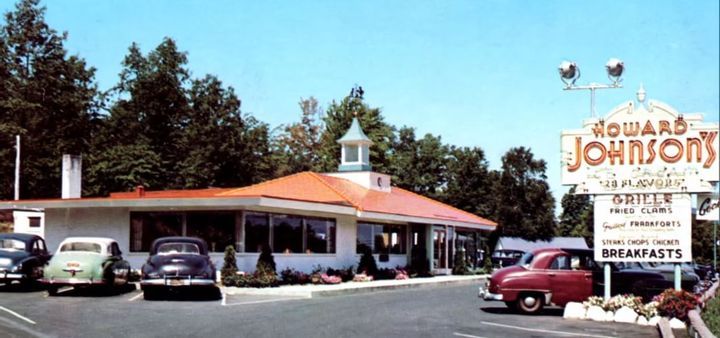
In the 1960s and 70s Howard Johnson's was everywhere, those orange roofs and weather vanes a road-trip constant. With more than 1,000 locations it was once the biggest chain in the country and a go-to for comfort food. The 80s nudged it aside as newer concepts rose, and by 2008 only three stores remained, none serving the classic menu. By 2017 the brand had mostly faded, leaving people to remember counters, cones and cross-country stops.
Official All Star Cafe: Sports on the Menu
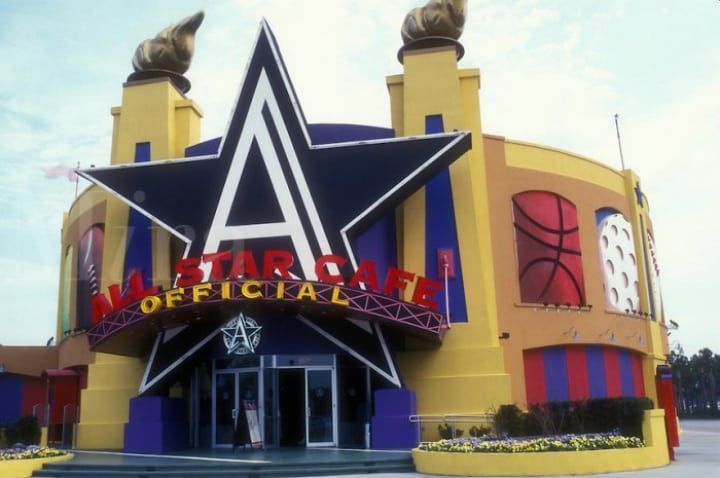
Born in 1995 as a Planet Hollywood offshoot, Official All Star Cafe tried to bottle stadium energy with hot dogs, pizza and sandwiches. Big names like Andre Agassi, Joe Montana and Shaq lent credibility, and the chain opened flashy locations in Times Square and Disneyland. The concept looked set to grow, but it never quite stuck, and in 2007 every location closed. Fans still miss the loud, game-day vibe it offered.
VIP's: Northwest All-Night Diners
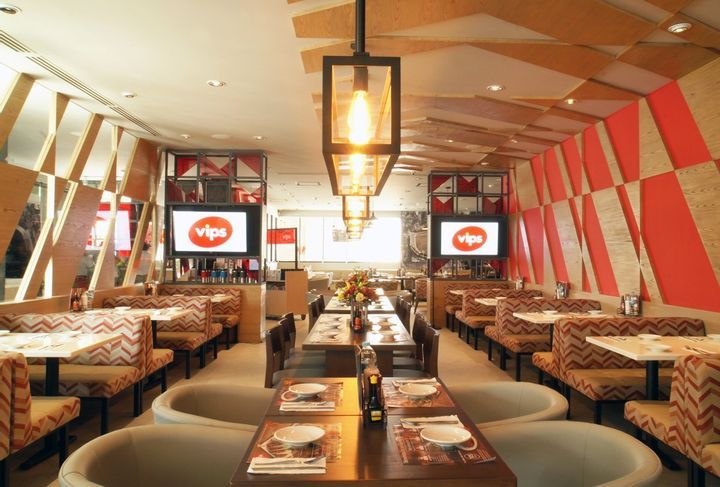
If you lived in Oregon in the 70s or 80s, VIP's was the late-night hangout. The chain ran more than 50 24/7 coffeeshops across the Northwest, the same kind of all-hours diner we now call Denny's. When finances tightened VIP's sold many locations to Denny's, so the feel survived even if the name did not. For locals, VIP's still shows up in stories about wedge fries and sunrise breakfasts.
Horn & Hardart
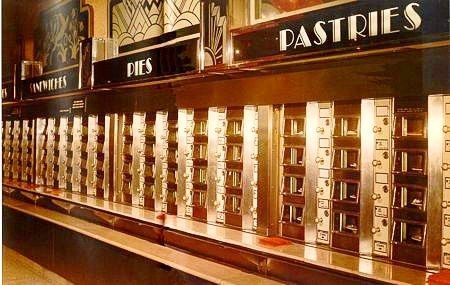
They're not common now, but it used to be that automats - that is, stores in which fresh food was placed in glass boxes, which could then be taken out by diners by inserting the required amount in coins - kind of like giant vending machines! - were quite popular. The Philadelphia-based Horn & Hardat were the first - and most prominent - automat chains in the States, and their then-futuristic glass storefronts would cater to thousands upon thousands of people. By the late '80s, H & H Automats were almost entirely gone, and in 1991 the last location closed its doors. But we've got good news for you! If you're missing the automat experience, you can still find similar restaurants across Japan and Europe.
Burger Chef
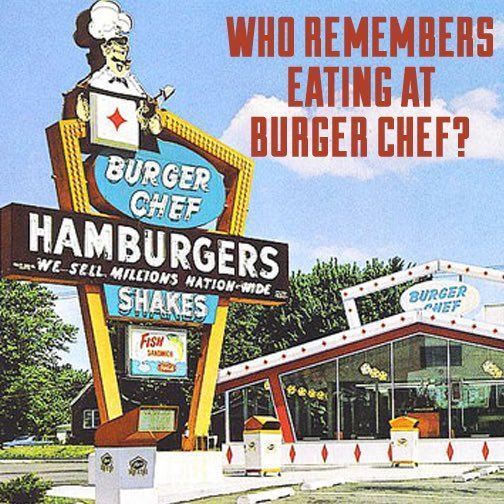
Some Midwesterners still remember the Indianapolis-based chain, Burger Chef. At its height, Burger Chef boasted over 1,200 locations nationwide, with millions upon millions of loyal customers. So why did they close their last restaurant back in 1996? To be blunt? McDonalds. Burger Chef ended up over-extending itself, declining in quality and ultimately losing out to the competition. Today, most original Burger Chef locations have been turned into Hardee's.
Isaly’s
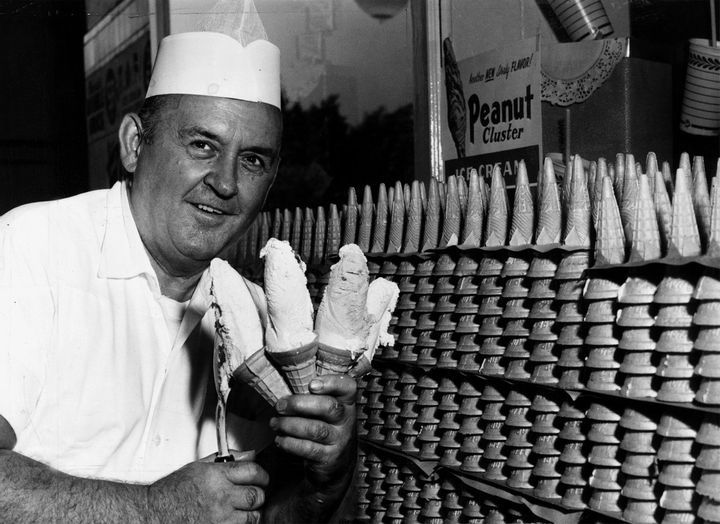
There are many, many fast food chains strewn throughout American history - but most can only dream of influencing it like Isaly's did. Founded sometime in the late 19th century, Isaly's has managed to hold out longer than many other restaurant chains on this list - but it wasn't just their chip-Chopped ham sandwiches that made them great. Isaly's - with its mnemonic slogan, I Shall Always Love You, Sweetie, were the inventors of the Klondike Bar - which was later purchased by Unilever - as well as their trademarked Skyscraper Cones. Due to their unconventional corporate structure, each Islay's restaurant enjoyed a high degree of freedom, and a few restaurants are still holding on today - but sadly, gone are the days of plentiful Islay's strewn throughout the land.
Lum’s
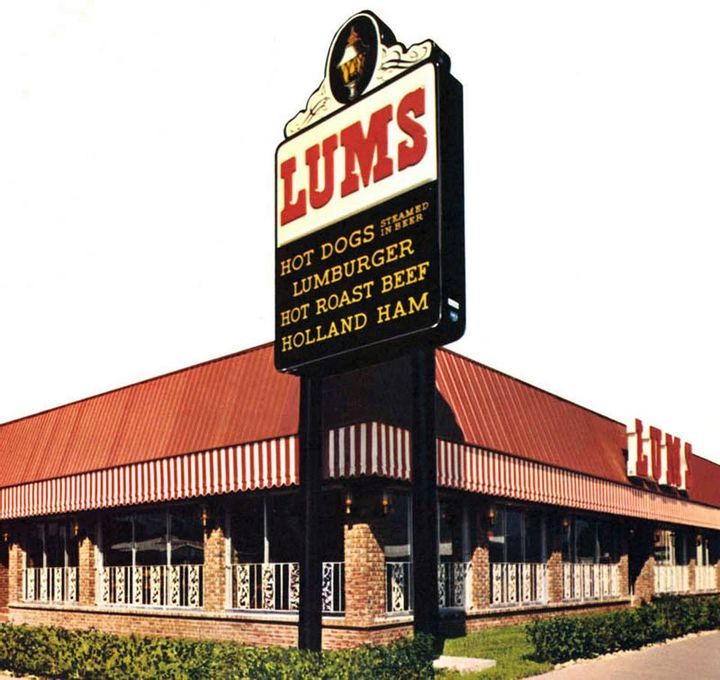
Lum's candle burned hot, bright - and fast. Starting out in 1956 as a small, family-owned Miami Beach hot dog stand, the owners' entrepreneurial spirit soon pushed them to new heights. By 1961, Lum's owned and operated 4 locations, and by 1969, that number had expanded to 400 - both in the mainland United States, as well as in Hawaii, Puerto Rico and Europe. People just couldn't get enough of Lum's beer-steamed hot dogs - but unfortunately, Lum's overextended, and ended up filing for bankruptcy, closing their final location in 1982.
Steak and Ale
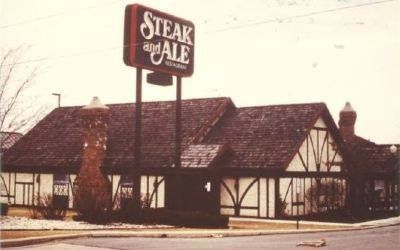
When people come to Texas, there are two things they want to have: Texas steak, and Texas beer. So, setting up Steak and Ale in Dallas back in 1966 was a pretty brilliant move. Steak and Ale was branded as cheap and affordable, with a big salad bar to compliment the cheap grilled beef on offer. Still, selling steak to Texans isn't an easy thing, and in an effort to keep up with the competition, Steak and Ale began to offer free beverages and dessert. Sadly, while we all love steak and beer, Steak and Ale's closed their last restaurant in 2008. If you miss them, though, don't lose hope! In early 2017, Steak and Ale's parent company started to offer franchise opportunities, so we may not have heard the last of Steak and Ale yet.
White Tower
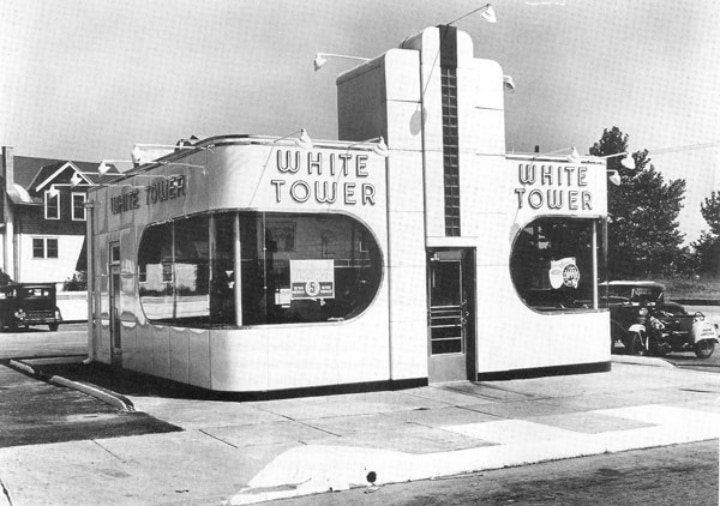
Who hasn't heard of White Castle restaurants? Sometimes credited with inventing the "fast food" method, with the kitchen seen as a production line, White Castle's square burger patties and iconic architecture were a hit right from the start - and are still thriving today. Which why White Tower decided to copy their menus, buildings and advertising methods down to the smallest detail. White Tower, along with a slew of other White Castle imitators, sprang up shortly after White Castle first started dishing out sliders back in 1921 - but unlike other imitators, was actually able to hold out until 2004. The good news is that if you miss White Tower burgers, you can just head to White Castle and get the exact same thing.
Schrafft’s
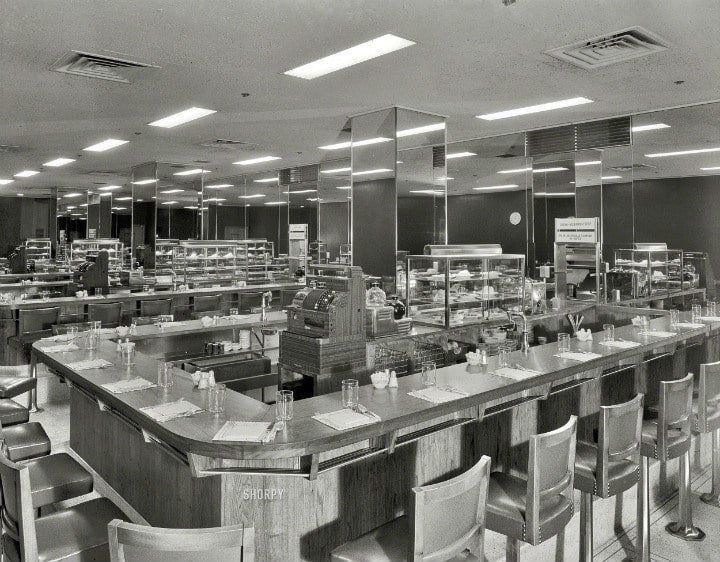
Schrafft's started as a Boston-based sweets factory, but in the late 1890s opened up a few restaurant-stores in New York. The stores were notable not just for their large dessert menus, but also for their women-friendly attitude - they were one of the first restaurants that allowed unaccompanied women to dine in alone, famed for creating a safe environment for them - and even had some women in management positions. Leading by example, Schrafft's proved that feminism was profitable, and by the 1930s, had over 40 locations in the East Coast alone. As time passed and more restaurants began to cater to female clients, Schraffts faded out, until they completely disappeared in the early 1980s - but not before they left their mark.
Red Barn
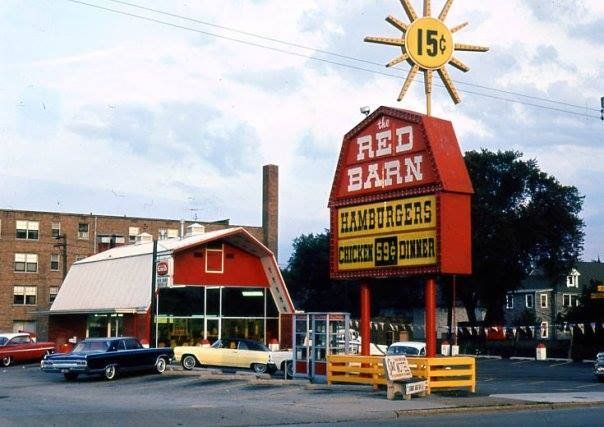
What do you call a restaurant that's big, and red, and looks a barn? Well - Red Barn, of course! Founded in the 1960s, Red Barn were quite forward thinking: they had a "Big Barn" burger that predated the Big Mac, and a clown mascot that predated Ronal McDonald. At their height, they had over 400 restaurants throughout the US, Canada and Australia. But there's no beating McDonalds, and Red Barn ultimately closed its doors - all of them but one. If you're feeling nostalgic, a former Red Barn restaurant in Racine, Wisconsin still operates under the name of The Farm, and serves the same menu they cooked when they were still a Red Barn by name.
Minnie Pearl’s Chicken
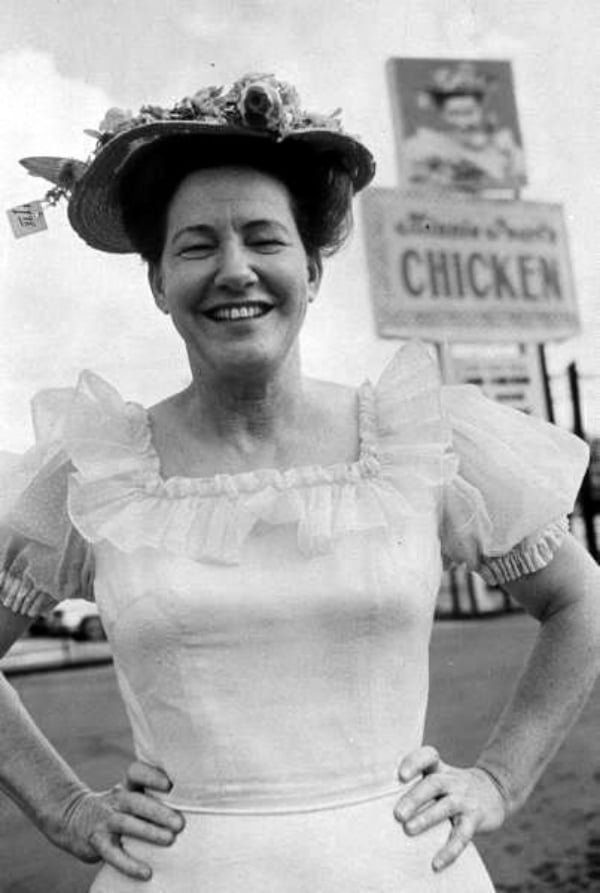
Minnie Pearl's Chicken was a short, strange occurrence in the colorful history of franchised restaurants. Founded by Tennessee politician John Jay Hooker as an attempt to be the Pepsi to KFC's Coca Cola, the fried chicken chain rose to unprecedented success on the stock market - and crashed just as swiftly. Hooker later blamed everyone from local franchise owners to presidential candidate Richard Nixon for this failure - but the truth may lay elsewhere: there's just no beating the Colonel.
Gino’s Hamburgers
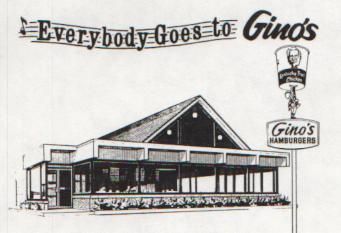
"Everybody Goes to Gino's" - that used to be Gino's slogan, and it used to be true. Back in the '60s and '70s, everybody on the east coast did go to Gino's, and the chain grew to over 300 locations. Unlike many other fast food restaurant chains, Gino's didn't fail or go bankrupt - they simply sold their franchise to the Marriott group, who went on to convert their locations into Roy Rogers restaurants. But in the mid-2010s, a revival was started, and there are two brand new Gino's in Towson and Glen Burnie in Maryland operating today.
Sambo’s
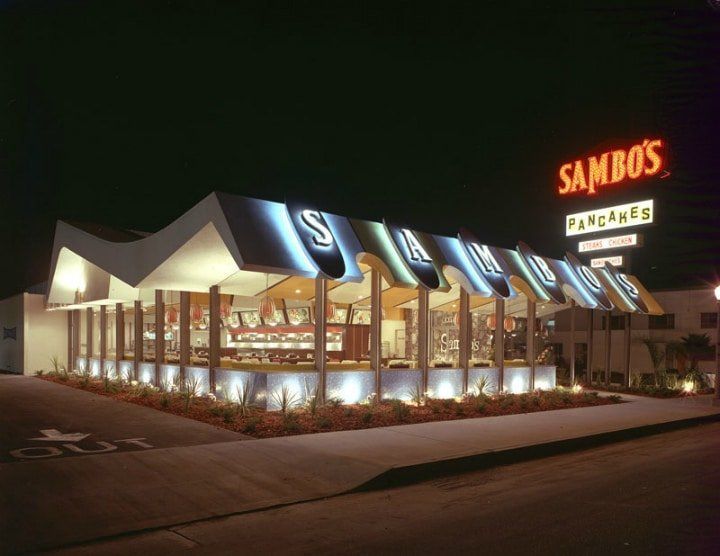
Sambo's was a popular pancake house, established in 1957. By the late '70s, there were over 1,100 Sambo's locations throughout the country - but the restaurant's name - which was originally a combination of the owners' names, Sam Battistone, Sr., and Newell Bohnett - stirred up controversy. Capitalizing on the restaurant's name being identical to a popular - but racist - 19th century children's book, the Sambo's restaurants decor depicted all sorts of images which many people found unacceptable. Despite the chain's attempts at name changes and image rebranding, they were forced to declare bankruptcy - several times - and today only a single location remains open, owned and operated by the son of one of the chain's founders.
D'Lites of America
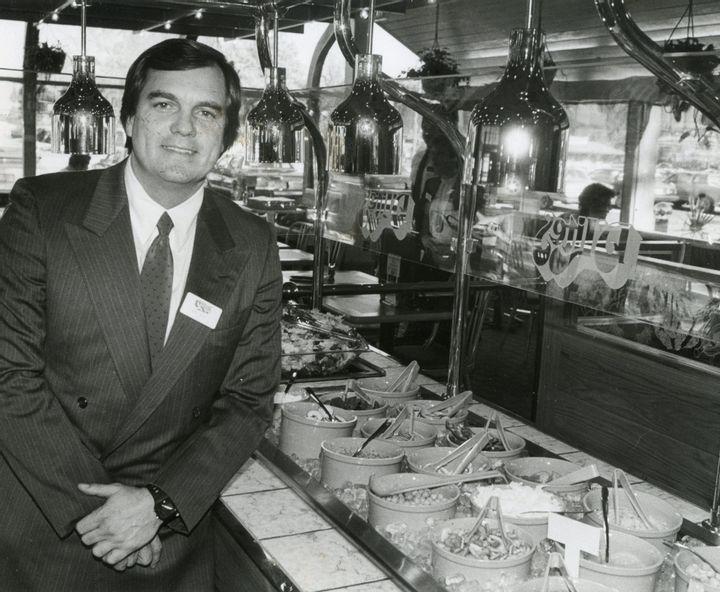
The owners of D'Lites of America were a forward-thinking bunch. They established their chain in 1978 with the idea of offering a healthier, less fatty alternative to the high-calorie, cholesterol-rich fast food joints of the day, and by 1985 had over a hundred restaurants operating throughout the country. Still, even with 100 restaurants, when fast food giants like Burger King and McDonalds started to offer healthier options, D'Lites had a hard time competing, and by 1990 hardly any D'Lites remained.
Henry’s Hamburgers
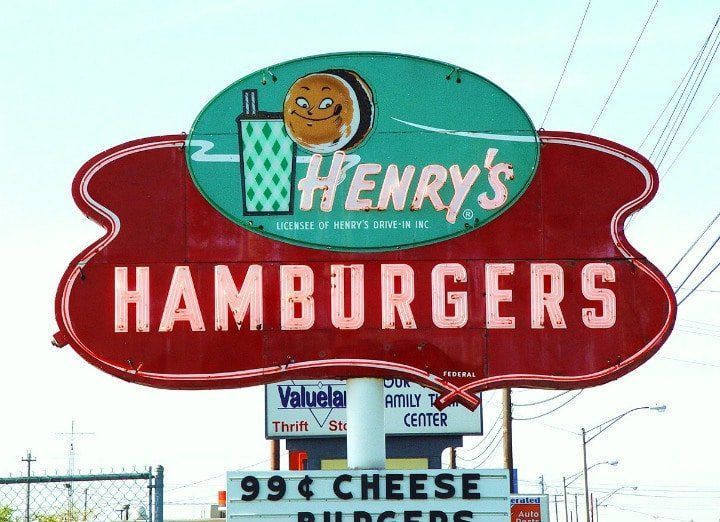
Henry's Hamburgers was opened by Bresler's Ice Cream Company, with the aim of selling shakes and malts, based on the McDonald's model. They were doing quite well in the 1960s, but business started petering out by the '70s. They just couldn't compete with their bigger counterparts - and didn't offer a diverse menu. Today, only one Henry's remains - so if you're feeling nostalgic and are in the Benton Harbor, MI area, you should check them out!
Sandy’s
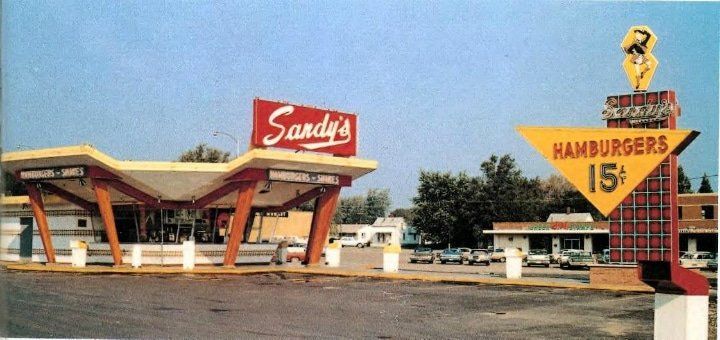
Sandy's was born out of necessity. The four business partners who opened it had originally intended to open a string of McDonald's franchises in central Illinois, but due to their location, would have had to pay higher franchising fees than they had counted upon in their plan. Instead of giving up, they decided they would just start their own chain, and thus - Sandy's was born. They managed to keep their tiny franchise running for about 20 years before they were bought out - but still, taking McDonald's on and lasting for two whole decades is nothing to be scoffed at.
Wimpy
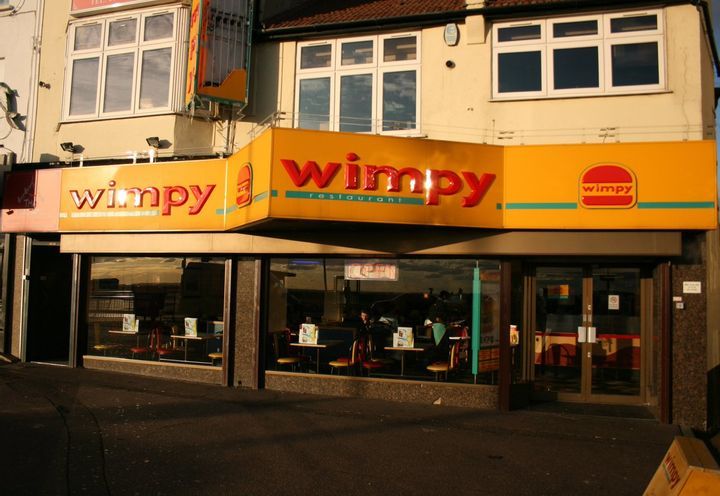
Wimpy, named after the burger-eating character in the popular Popeye cartoon, was opened by Edward Gold in 1934 and quickly became a world-wide success story, with over 1,500 locations in various countries. And unlike other franchises, Wimpy were doing well. But then, something unexpected happened. Edward Gold passed away in 1977 - and had left the chain's trademarked name to his estate. No one was able to buy the name back from his estate, and soon, Wimpies across America began to disappear. To this day, legally, no one owns the trademarked name in the US - although there are still a few Wimpy locations open in the UK.
Wetson’s
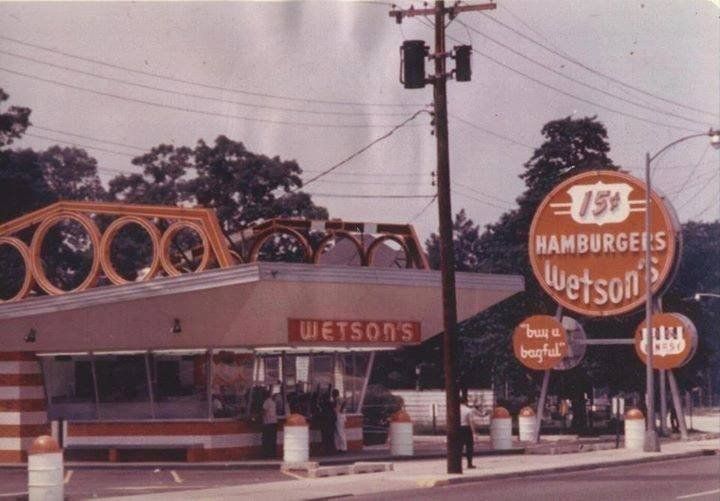
Not many people remember Wetsons - it operated for only 15 years, primarily in the New York metropolitan area. Wetson's was a mish-mash of several other fast food concepts, with slogans like "Look for the Orange Circles," reminiscent of McDonald's Golden Arches, and "Buy a Bagful," similar to White Castle's "Buy 'em by the sack." Wetson's architectural style was also quite similar to Whataburger's, and their mascots were clowns. In short, they were trying to take the best from all the rest, but ended up competing against well-established brands that they just couldn't beat, and closed their doors in 1975.
Childs
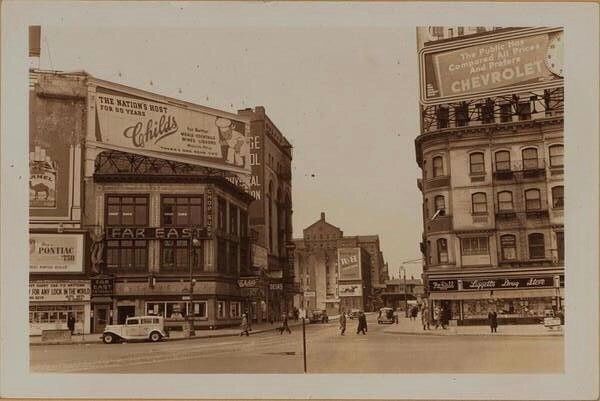
Childs was one of America's first food chains, founded in 1889 and serving over 50,000,000 meals a year by the 1930s, from over 125 locations in the US and Canada. They established practices that are still in use today by many fast food chains, but by the '60s, more contemporary franchises were taking over, and Childs turned into the Hotel Corporation of America, selling off their existing establishments to other companies.
Naugles
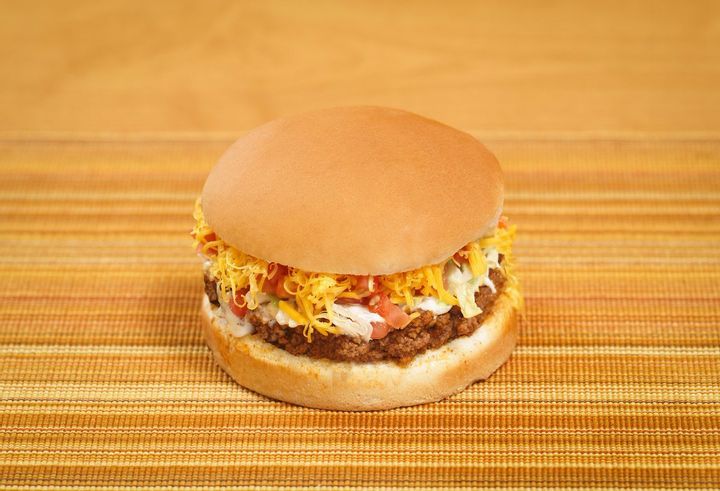
Naugles was a chain of taco and burger restaurants established in 1970 by one of Del Taco's original founders, Dick Naugle. The chain's distinct combination of classic burger dishes, taco dishes and strange mixes of the two - including a taco burger - was very popular, and they continued to operate until 1995, when Del Taco, which had re-absorbed Naugles in the 1980s, converted their last Naugles location into a proper Del Taco shop. Still, the chain's dishes proved to be so well-loved by food fans, that in 2015 a food blogger and entrepreneur named Christian Ziebarth applied to use the brand, and opened a new Naugles restaurant in Orange County, where demand was so high, he needed to close shop and open up in a more permanent location a few months later - so Naugles might yet make a comeback!
Casa Bonita
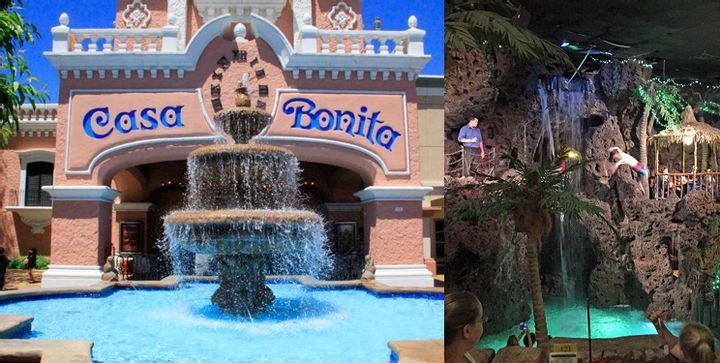
Casa Bonita opened in the 1960s with a novel concept: Entertainment while you eat! The Mexican restaurant had a few locations opened in Oklahoma and Colorado - but today, only one remains, in Lakewood. Still, the restaurant chain's legacy lives on, and even had a South Park episdoe named after it.
Chi-Chi’s
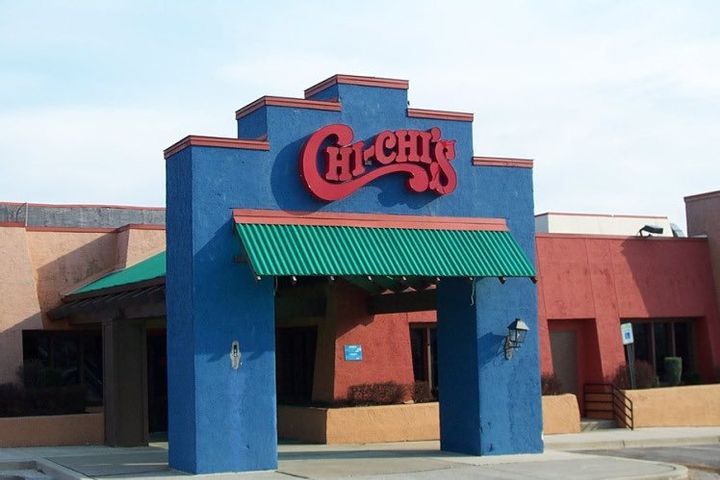
Chi-Chi's first opened their doors in 1975. By March of 1995, they had over 200 locations, with their slogans "A Celebration of Food" and "Life Always Needs a Little Salsa" being reiterated worldwide. Tragically, the company took a heavy blow when, in 1995, at least 4 people died due to a Hepatitis A outbreak in one of their locations - and was unable to recover… at least in the United States. You might be surprised to learn that there are still Chi-Chi's operating today - just not in America. If you're really missing a Chi-Chi's meal, you can still find their restaurants in Belgium, Luxembourg, the United Arab Emirates and Kuwait.
House of Pies
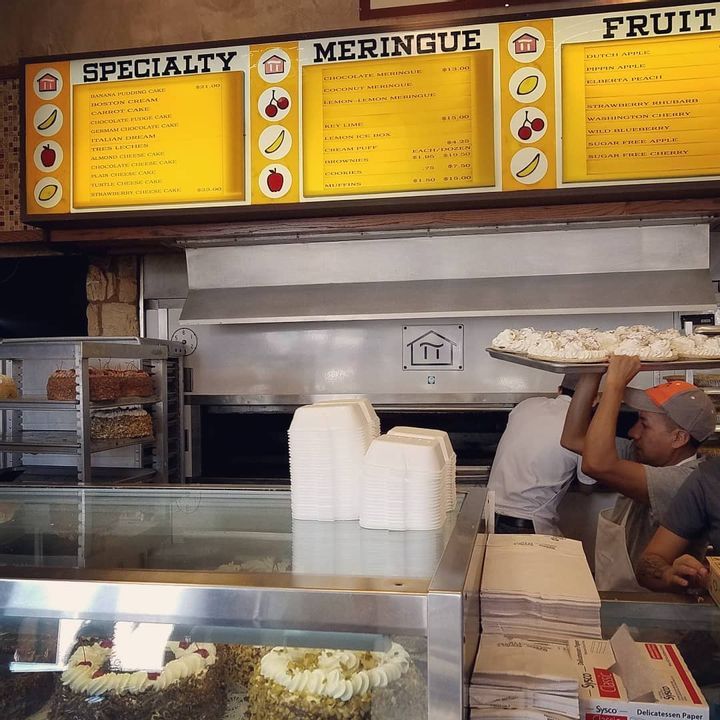
"House of Pies? I still go there!" some of you might say. And sure, our readers in the Los Angeles and Houston areas may still patronize the Original House of Pies - but back in the '60s, '70s and early '80s, an Original House of Pies, offering a classy selection of almost any and every pie you could wish for, could be found in almost every major American city. In 1986, the franchise closed down, and only two operators - one in Houston and one in L.A., chose to retain the logo and menu and to continue serving pies there today. The founder, Al Lapin Jr., went on to found the International House of Pancakes, which is still a major success story.
Charlie Brown’s Steakhouse
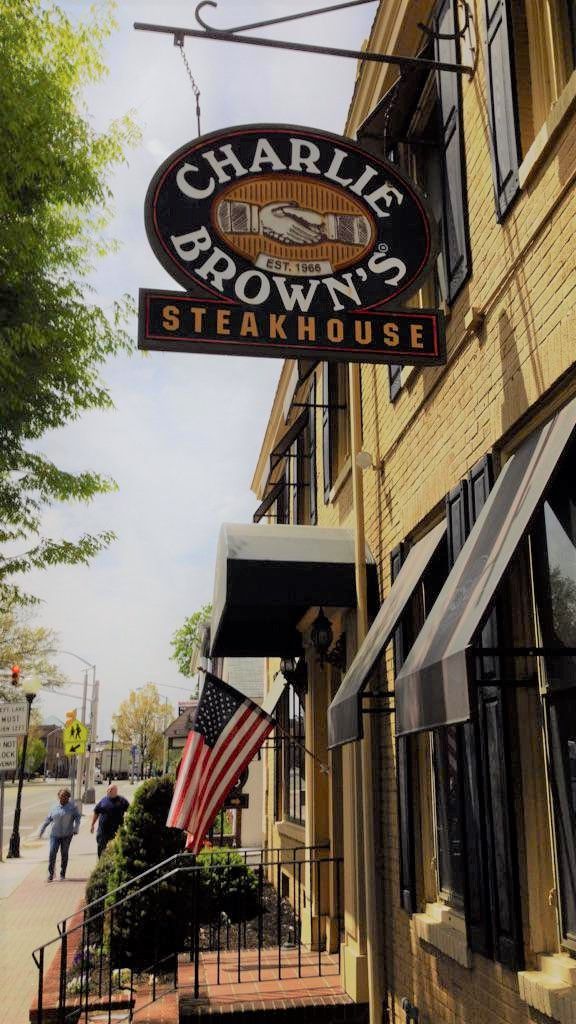
Charlie Brown's beginnings were humble. Founded as a casual dining restaurant in 1966, the business grew into a small chain in the New Jersey region, and gained popularity in the 1980s and '90s. Unfortunately, some time in the 1990s, business began to falter, and the chain was forced to close 47 of its location as part of an extensive - and critical - restructuring plan. Since then, the company was sold to a New York-based private equity company, and while there are still a few Charlie Brown's spread out around New Jersey today, the chain is nowhere near its former glory.
Bennigan’s
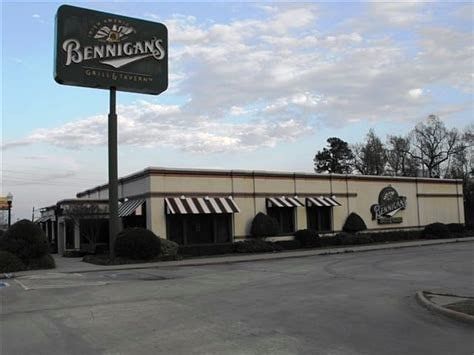
Bennigan's was founded in 1976 by a man named Norman Brinker - one of Steak and Ale's founders. Because of a boom in casual dining spots similar to Steak and Ale, Bennigan's and others, and the restaurants' similar decor, menus and appeal, it was difficult to create "brand loyalty" - that is, to convince people to keep coming back specifically to Bennigan's, rather than to pick a casual dining spot at random. By the early 2010s, Bennigans had all but closed down, with only a few straggling restaurants remaining.
Kenny Rogers Roasters
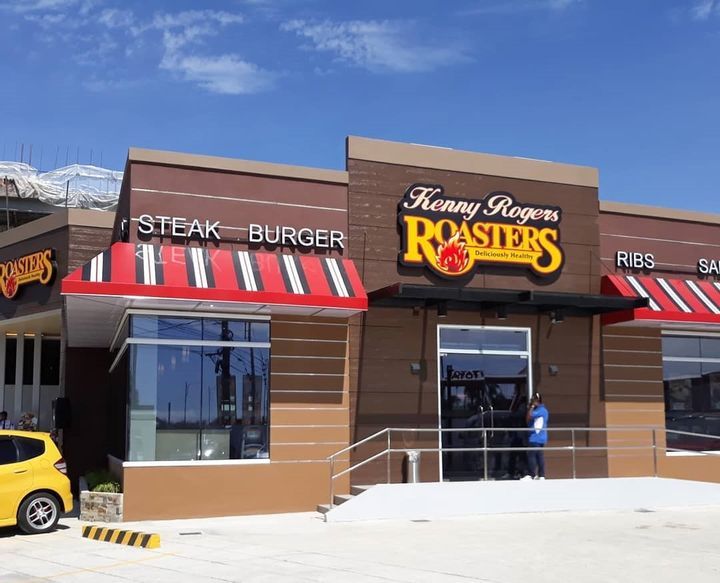
Kenny Rogers - yes, that Kenny Rogers - Roasters opened their first restaurant location in Coral Springs, Florida, back in 1991. 4 years later, and the chain boasted over 350 locations worldwide - some of their success due to Kenny Rogers' celebrity status, some due to the Seinfeld episode which referenced it heavily, and some of it due to the fact that their chicken really was very tasty. Sadly, by 2011, all of the chain's locations in North America closed down by 2011 - although, if you've developed a Kramer-like obsession for their roasted chicken, you can still order up a serving in one of their Asian locations, where the chain is still doing quite well.
Ponderosa and Bonanza Steakhouses
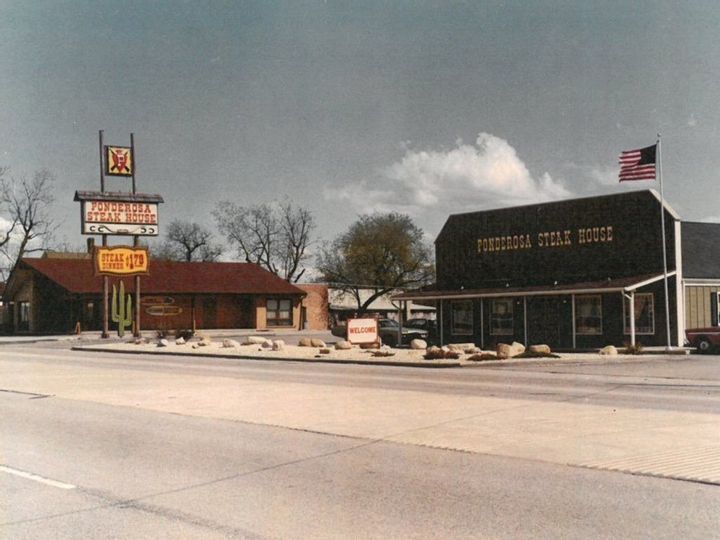
Ponderosa and Bonanza Steakhouses are actually named for two different steakhouse restaurant chains - both named after the popular Bonanza TV show. They were later bought by the same parent company, which merged the two, although different locations are still called either Bonanza or Ponderosa. At their peak, Ponderosa and Bonanza Steakhouses had over 600 locations nationwide - but their owners ultimately decided to sell the business to a large corporation. Today, there are less than 20 locations still open.
Bob’s Big Boy
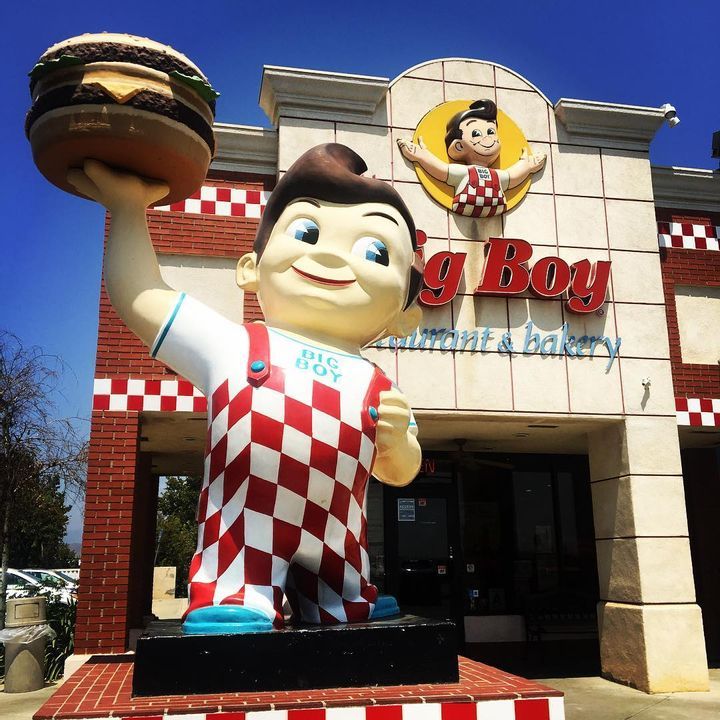
Bob's Big Boy restaurants is probably one of the fast food chains most associated with classic 1950s Americana - everything from their giant mascot's hair-do to the restaurant's old-style menu just screams "Baby Boomer Teens." At their peak, the company boasted over 200 locations, all serving their signature two-pattie hamburgers, sliced into thirds. Bob's Big Boy burgers are still operational today, but at a much smaller capacity. Still if you get a hankering for some of that ol' Big Boy, you can find a few branches in Southern California and Michigan.
Royal Castle
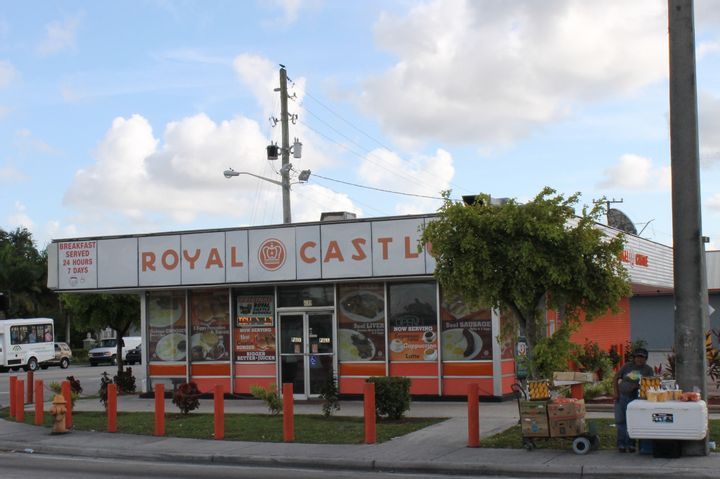
This one goes out to all you Floridians out there. Royal Castle was one of the chains attempting to imitate White Castle burgers - but they put a Florida twist on it, offering 'squeezed to order' orange juice, which helped them expand to over 175 locations nation-wide. Still, that wasn't enough to help them keep up with the competition, and today, only a single Royal Castle remains in operation, in - where else? - Miami, Florida.
Pup ‘N’ Taco
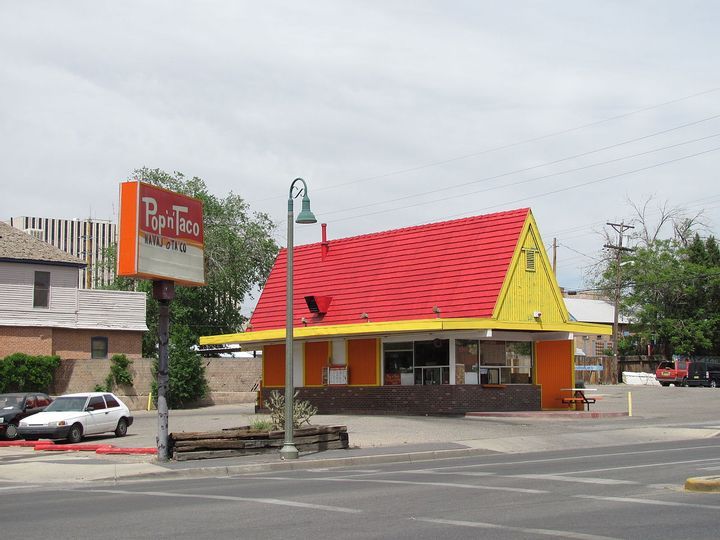
Pup ‘N’ Taco was founded in California in 1965, and by 1973 there were over 60 locations serving their tacos, hot dogs and pastrami sandwiches throughout the state. Much of the chain's revenue was due to their prime locations, but by the 1980s, the real estate prices were too steep for the Pup ‘N’ Taco to continue making a profit, and they were eventually forced to sell their franchise to Taco Bell in 1984. If you seem to remember them being called "Pop ‘N’Taco" - don't worry, you're not going crazy! Some of their last franchised locations went by that name.
Mighty Casey’s
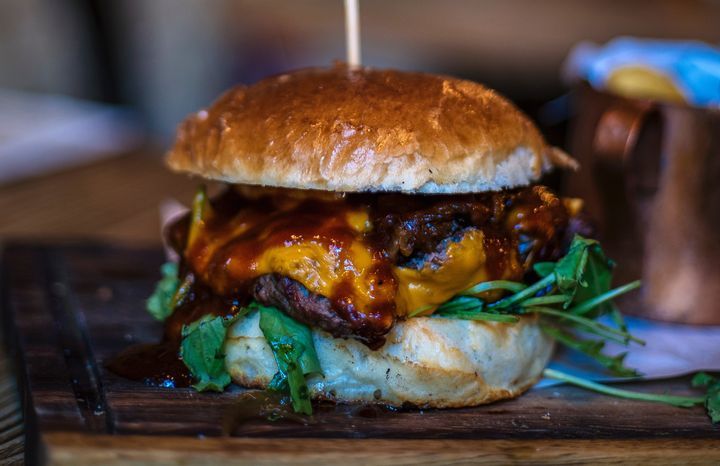
Mighty Casey’s was a super-popular Atlanta, Georgia fast food joint - and people would come from all over the metro area to eat there. They stood out over other fast food joints thanks to their high-quality ingredients and innovative recipes, but were ultimately bought-out by Krystal, a larger fast food chain, in 1994.
Yankee Doodle Dandy
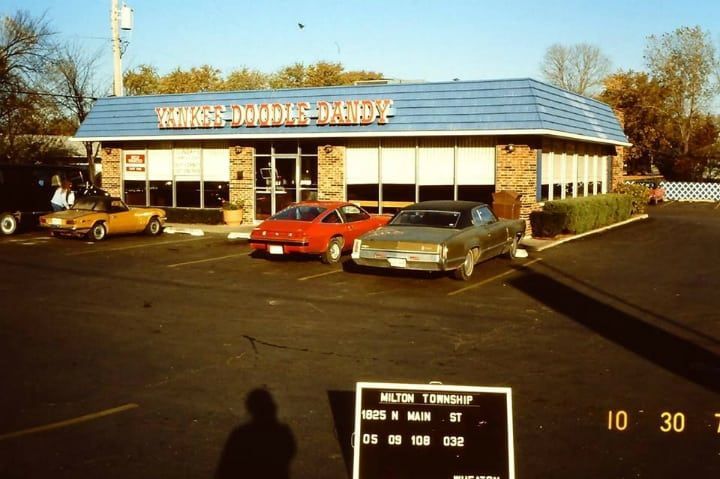
Yankee Doodle Dandy opened in 1966 by brothers Bill and Chris Proyce. By 1976, the chain boasted over 27 locations, and was extremely popular - but the Proyce brothers weren't happy. They wanted to get out of the fast food biz, and to establish a proper sit-down restaurant. The two gradually closed down Yankee Doodle Dandy locations until, 12 years later, in 1988, the two brothers had managed to close them all down and open 4 "proper" restaurants, which they named "Bailey's Restaurant & Bar."
La Petite Boulangerie
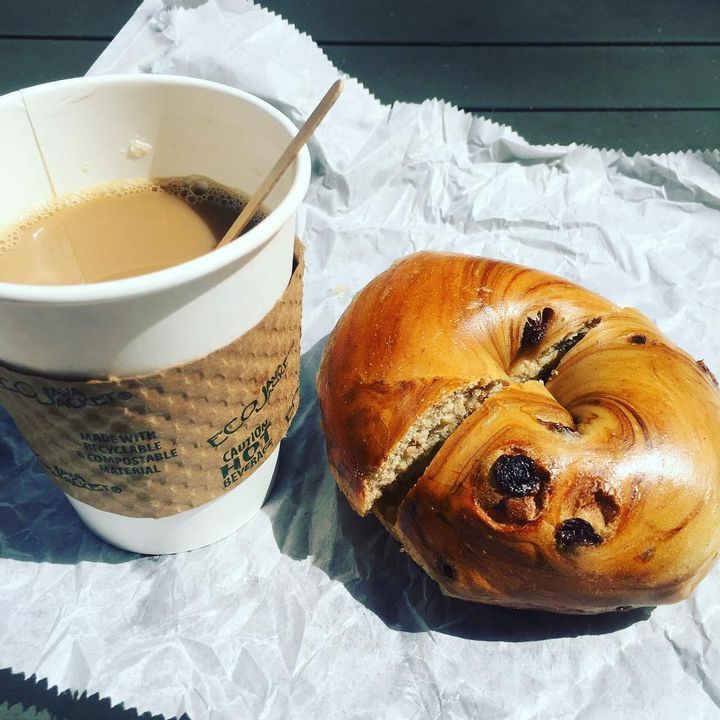
La Petite Boulangerie - "the little bakery," in French - was first established in 1977 with only two locations. Then, PepsiCo purchased the chain and began franchising, with Petite Boulangeries popping up all over the country. At their peak, La Petite Boulangerie boasted over 140 locations across the USA - which was when they were bought out, again, by Mrs. Fields Original Cookies Inc. - which sold them on to another set of owners, which, in their turned, sold them on again. Finally, the chain was purchased by Java City, which began phasing out locations, until, by the end of 2000, none remained.
Carrols
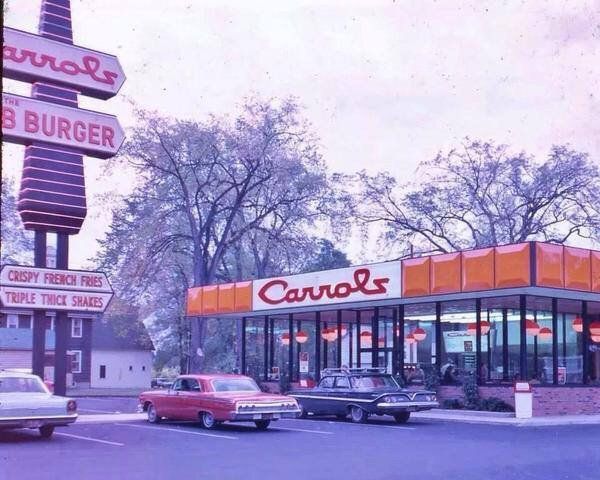
Carrols was a chain of fast food burger joints, best known for their signature menu item, the Club Burger. Carrols saw a moderate amount of success, and in 1975, was bought out and their locations converted to Burger Kings. Still, the Carrols brand didn't die out. Today, it owns and operates over 800 franchised Burger King locations in the United States.
Doggie Diner
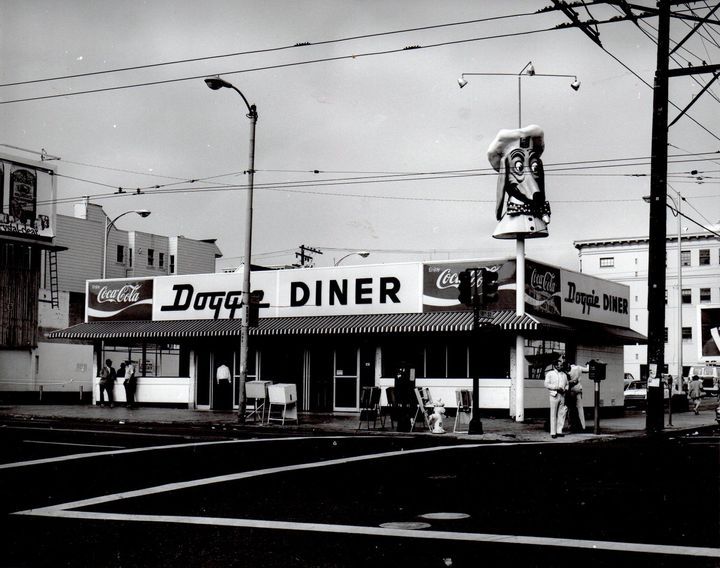
If you grew up in the Bay Area, you've seen the Doggie Diner mascot; a giant fiberglass dachshund, dressed as chef. First established in 1948, Doggie Diners were popular throughout San Francisco and Oakland until 1986 - when they finally closed their doors. But while Doggie Diners were no longer admitting customers, their mascots became popular landmarks in the Bay Area, and the last remaining fixture was declared an official San Francisco landmark in 2006.
Ameche’s Drive-In
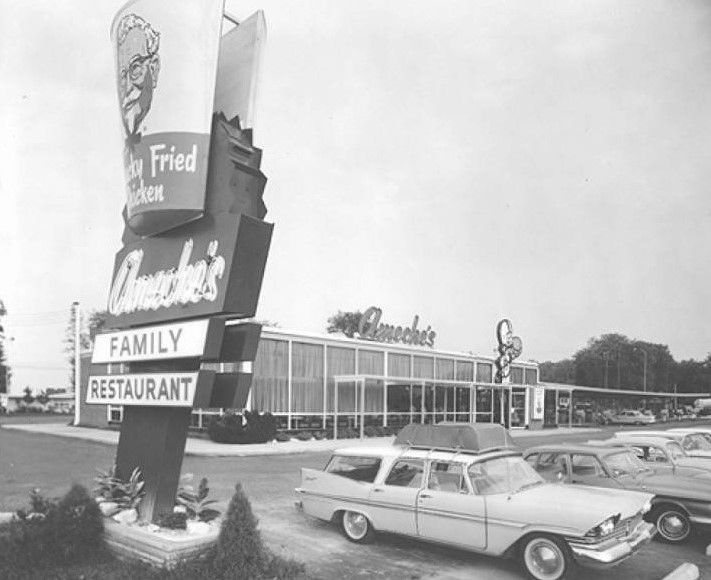
Ameche's was a Baltimore-based chain of drive-ins, founded by NFL legend Alan Ameche - hence the brand's famous football player mascot. Known for their Powerhouse Burgers - "A Banquet on a Bun" - some fast food aficionados say McDonald's based their Big Mac after them.
G. D. Ritzy’s
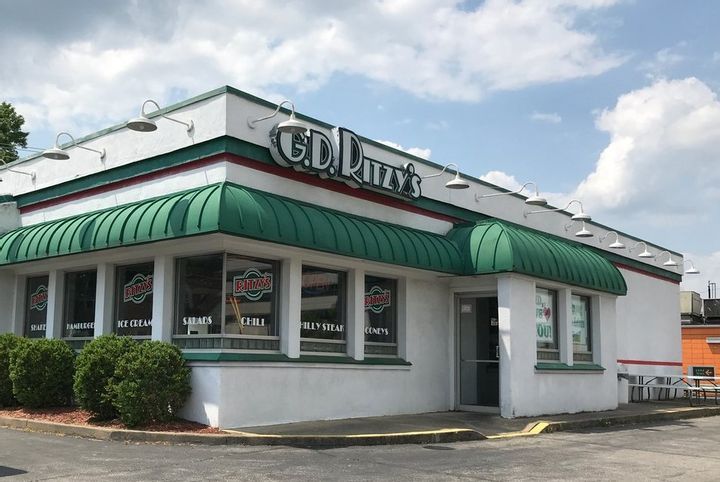
G.D Ritzy's was founded by an ex-Wendy's executive - a man by the name of Graydon Webb, who wanted to realize his vision of a "luxury grill" with 1950s diner vibes. Their selling point? In addition to traditional burgers and hot dogs, they had homemade ice cream. With over 120 locations in several states, G.D. Ritzy's seemed to be doing alright - but by 1991, when the company was liquidated, only a few locations remained open - some of which continue to operate today.
Valle’s Steak House
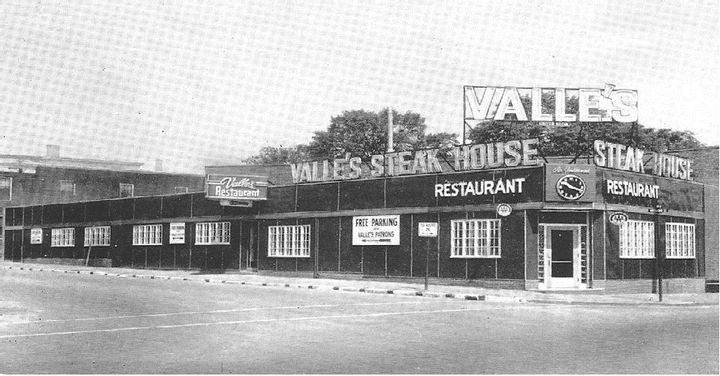
Valle's Steakhouse was a gamechanger when they opened their doors in 1933. Extremely popular for their relatively cheap surf-and-turf dishes, the chain continued to expand until the 1970s, when they took a major hit due to the economic crisis of the time. Holding on for a few more years, the last Valle's, located in Portland, Oregon, finally closed their doors for the last time in 2000.
Big Daddy's Restaurants
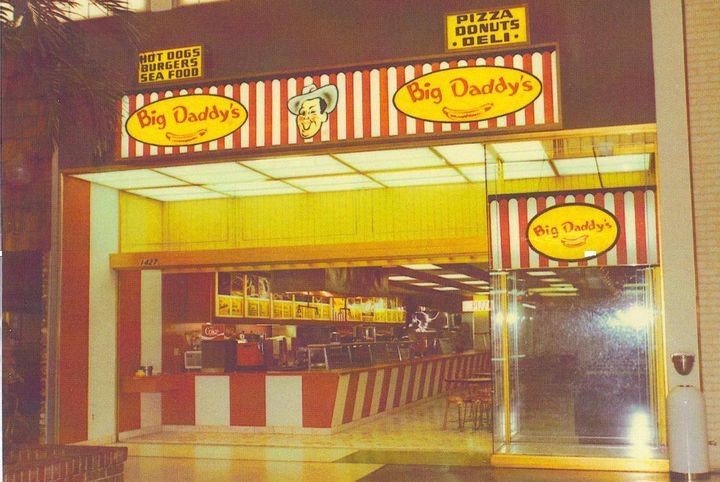
Big Daddy's had it all: a raw oyster bar, pizza, roast pork sandwiches, chow mein in a bun, a full deli, donuts - and more. And people loved it! As Big Daddy's expanded, they also offered parking-lot kiddie rides to create a Coney Island atmosphere in their new locations - but over the years, as crowds came to expect higher-quality food, Big Daddy's "we've got everything" approach started to become detrimental. At their height, Big Daddy's boasted over 15 locations - but were forced to close their doors in 1992.
Wag's
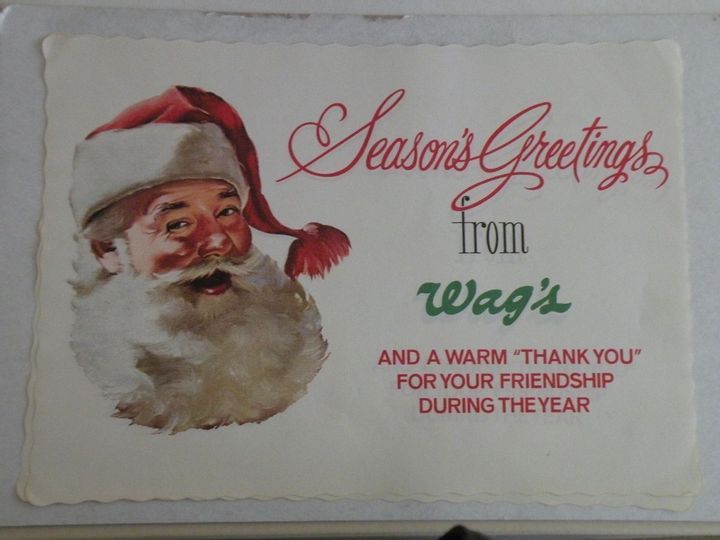
Walgreens are everywhere - so it actually makes a lot of sense that they'd launch a chain of restaurants inside their larger stores. And for nearly 21 years, that's exactly what they did. Wag's was modeled after restaurants like Denny's, offering 24-hour service and a menu of classic, all-American dishes like hamburgers and breakfast fare. The chain operated between 1970 and 1991 - when Walgreens decided to focus on other ventures, and sold off its restaurants to various corporations.
Little Tavern
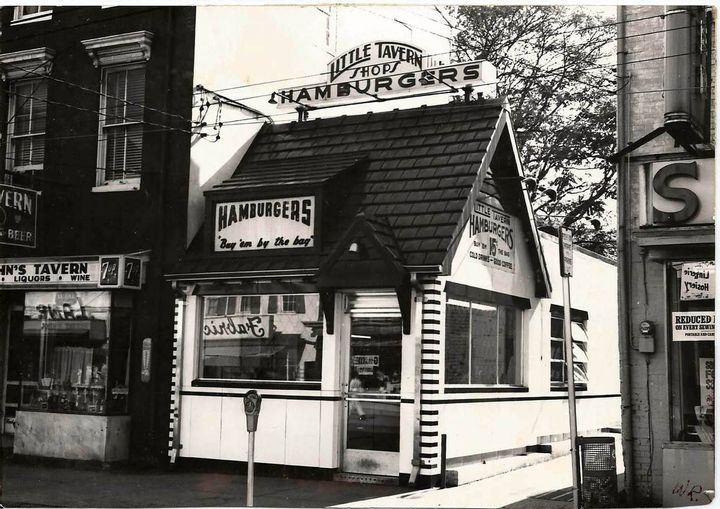
The first Little Tavern was opened on March 24, 1927, in Louisville, Kentucky. Like many other fast-food joints at the time, Little Tavern was a close imitation of White Castle - and managed to find a loyal client base in Baltimore, Maryland; Arlington, Virginia; Washington, D.C. and the surrounding areas. At the chain's height, it operated over 50 locations - but the owners sold the company in 1981, and the last shop closed its doors in April 2008 - although one location reopened under a different name, still using the old burger recipe until at least 2015.
Dee's Drive-In
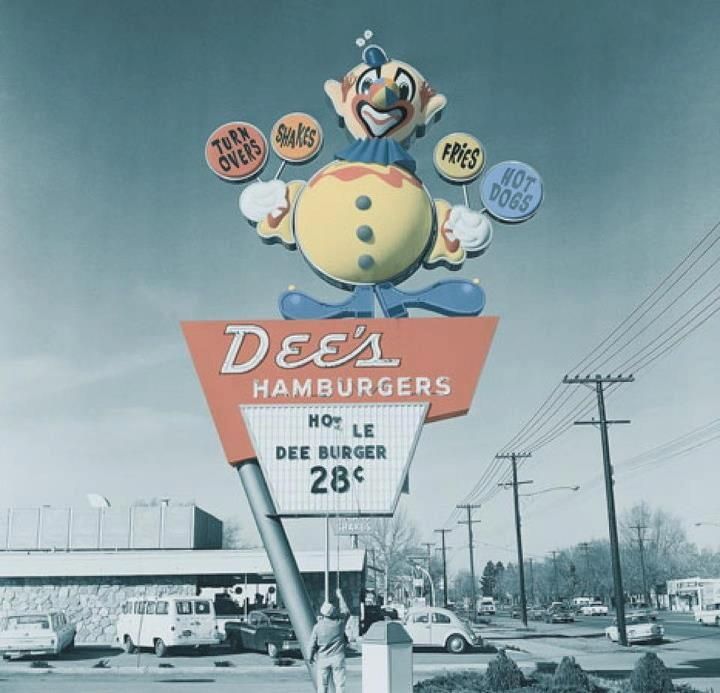
Back in 1960s Utah, Dee's Drive-In was the place to be. First opened in 1932, Dee's brought the Drive-In concept over from California in 1953, and by the end of that year was serving over 2,000 customers, daily. Family-owned and operated until the late 1970s, Dee's was making over $20 million annually when the family decided to sell it, and following the sale, Dee's Drive-Ins and restaurants began to close down and disappear. Today, Dee's remains primarily in the nostalgic memories of Utahns.
Chicken George
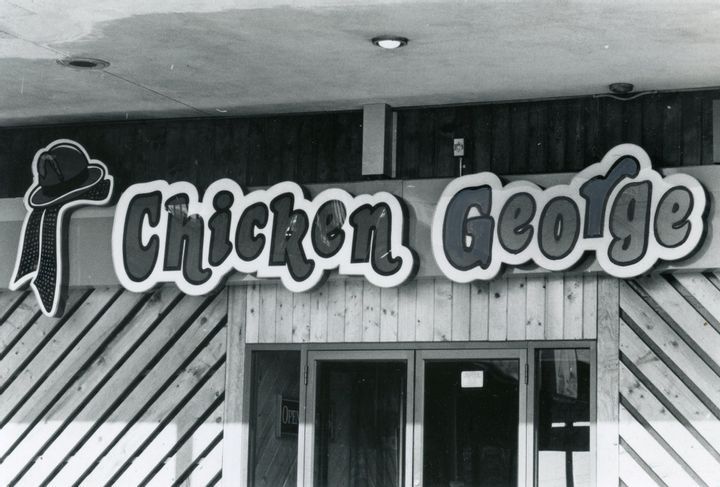
Chicken George operated between 1979 and 1991 in the Baltimore, Maryland area, and, according to the Baltimore Afro-American newspaper, "seemingly became a household name overnight." Chicken George's success was meteoric. By 1982, Chicken George had opened 6 restaurants in Baltimore, two in Philadelphia, and one in Washington D.C., as well as a few franchised restaurants, and was being described as "the highest grossing single chicken outlet in the country." Still, despite their success, the original owners opted to sell the franchise to a corporate company in 1987, and by 1991, Chicken George had filed to dissolve the business due to bankruptcy.
Druther's
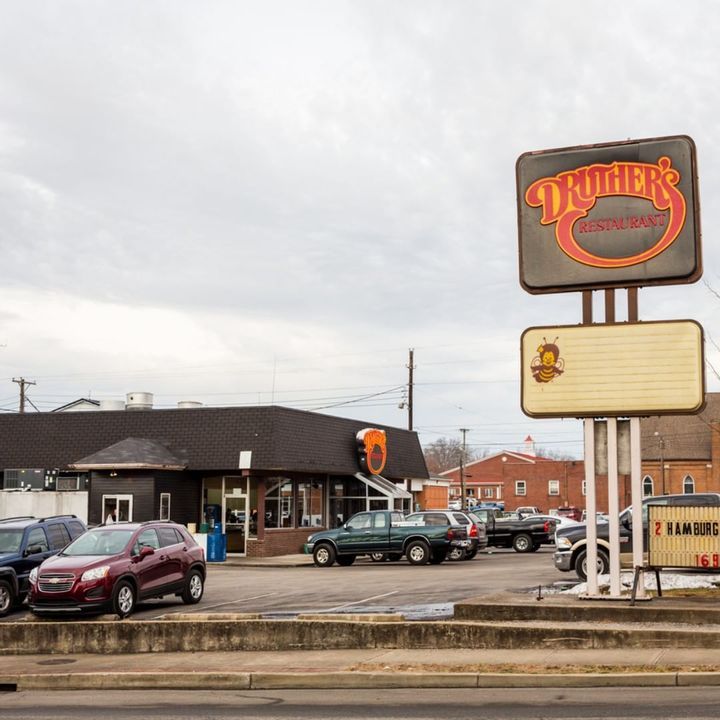
"I'd Ruther Go to Druther's Restaurant" - we still hum the slogan to ourselves every now and then. Originally established under the name of "Burger Queen" in Middletown, Kentucky, in 1963, Druther's became "Druther's" in 1981 after an extensive rebranding process. At the time, Druther's - or Burger Queen - had over 171 locations in 7 states, but by 1990 the company had become a Dairy Queen franchise, converting most of its restaurants to the Dairy Queen brand by 1991.
Fresh Choice
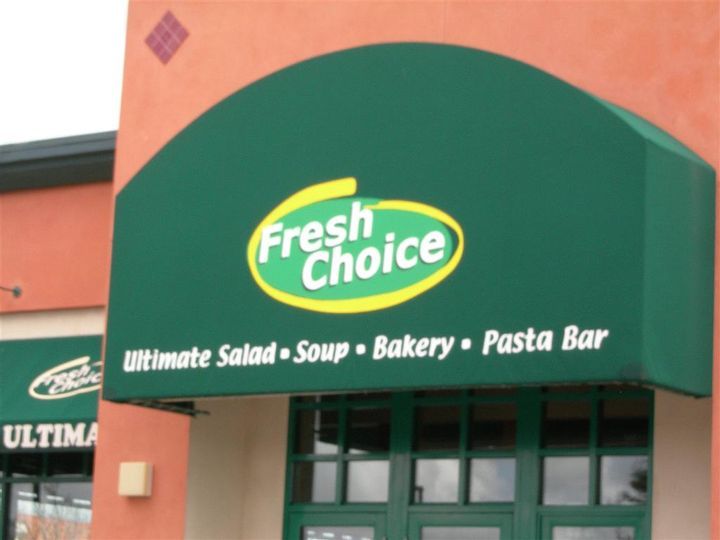
Founded in 1986, Fresh Choice was a popular dining destination for families and students looking to eat well, cheaply - and only a few years after they were first founded, had already expanded to over 50 locations in California, Texas and Washington. Still, by 2012, Fresh Choice was forced to close approximately half of its locations, and later that year announced that it would be closing all of its locations, permanently. A few of Fresh Choice's California restaurants ultimately remained open under a different name - "California Fresh" - which still operates in various locations around California today.
Annabelle's
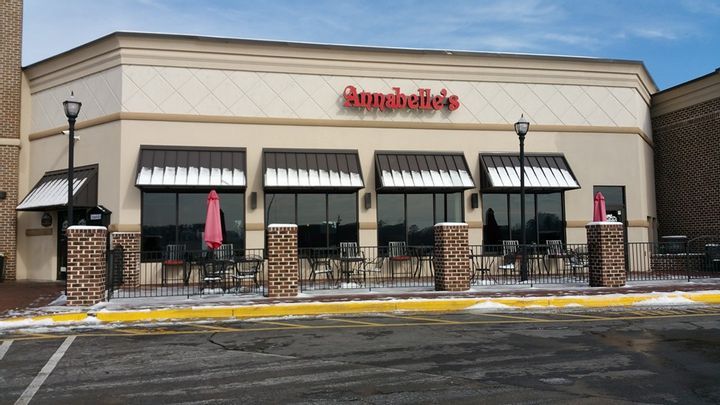
Annabelle's was a regional restaurant chain in Virginia, North and South Carolina. They started out as a single restaurant - named "Tuesday's" - in 1973, but in 1983 were bought out by the Campbell Soup Company and renamed "Annabelle's". While at their peak, Annabelle's were making a lot of money and running 18 restaurants in 5 states, the chain was forced into bankruptcy in 1997. Today, only one Annabelle's remains, in New Bern, NC - and is independently owned, with no affiliation to its previous corporate owners.
Boston Sea Party
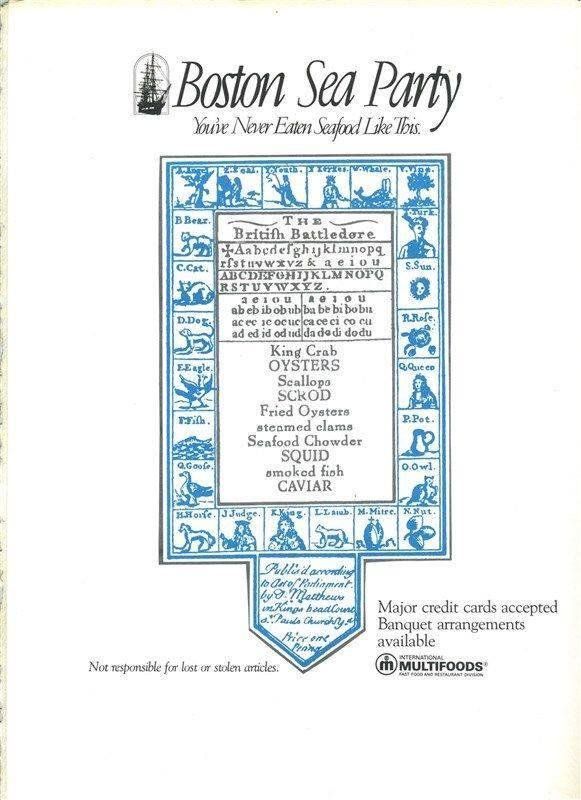
We love a good pun, and calling your Boston-based seafood restaurant chain "Boston Sea Party" is - by our standards, at least - pitch-perfect and cheesy enough to work, especially when you consider the fact that it was established in 1976 during the U.S. Bicentennial. Still, a good pun wasn't enough to keep them afloat and the Boston Sea Party has since been lost in the waves of time.
Boll Weevil
Fred and Lorraine Halleman opened this burger joint in San Diego back in 1966. The casual dining restaurant, with its Wild West themed decor, pool tables and arcade games, soon eclipsed Cotton Patch in popularity and revenue, and over 20 Boll Weevil restaurants were established across the country, and continued to operate as a franchise until 2008, when the parent company closed down. Today, a handful of independently owned Bool Weevils remain open - and nostlgic patrons continue to frequent them.
Cuppy's Coffee
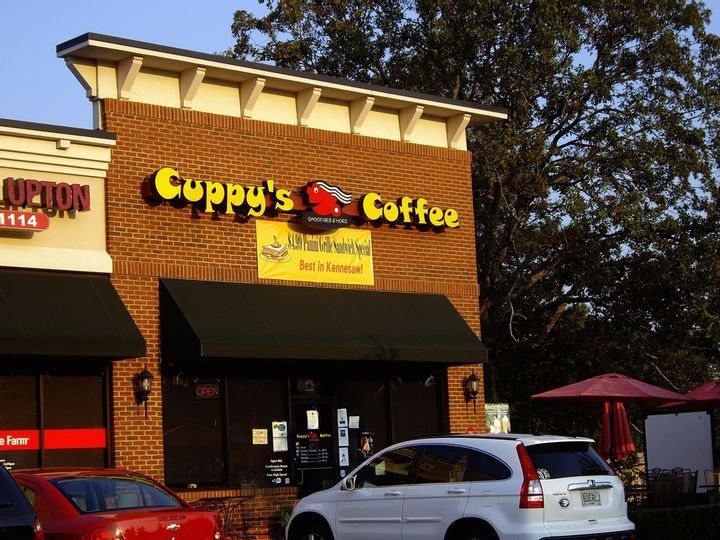
Cuppy's Coffee was a short-lived franchise, which was established in 2006 and closed in 2009 - but which, in those 3 short years, managed to open 33 stores and sign franchise agreements for more than 200 future locations. Despite their meteoric rise, they ran into financial difficulties, and today no Cuppy's Coffee remains open.
Po' Folks
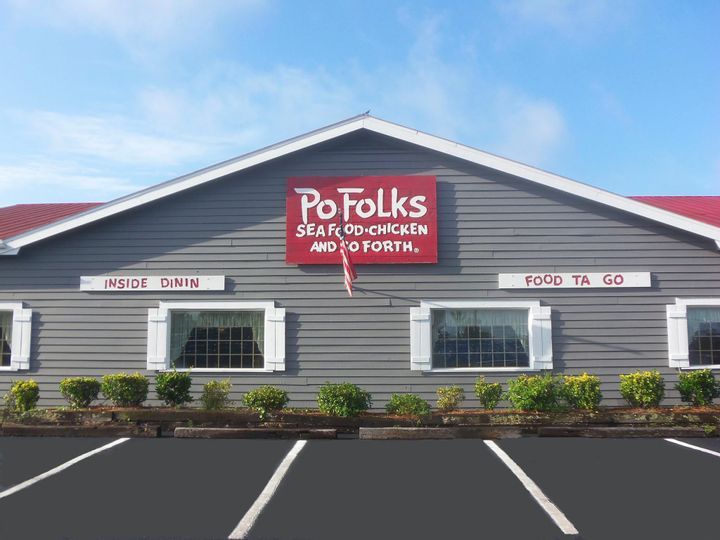
Founded in 1975 in South Carolina, Po'Folks was named after country music singer Bill Anderson's hit single of the same name. Anderson initially wanted to sue the chain - but ended up selling them the song's rights and becoming a spokesperson for them, eventually even acquiring franchise rights to run a location in Oklahoma City. Despite the chain's relative success - 102 restaurants in 17 states - most closed down by 1988. Today, a few independent Po'Folks remain standing, but the chain is long gone.
Roadhouse Grill
Roadhouse grill was founded in 1992 with the intention of becoming a casual dining steakhouse chain aimed at drivers. The company saw some success in the mid to late '90s, but by 2008 all remaining 20 locations were closed down and the company declared bankrupt.
Sholl's Colonial Cafeteria
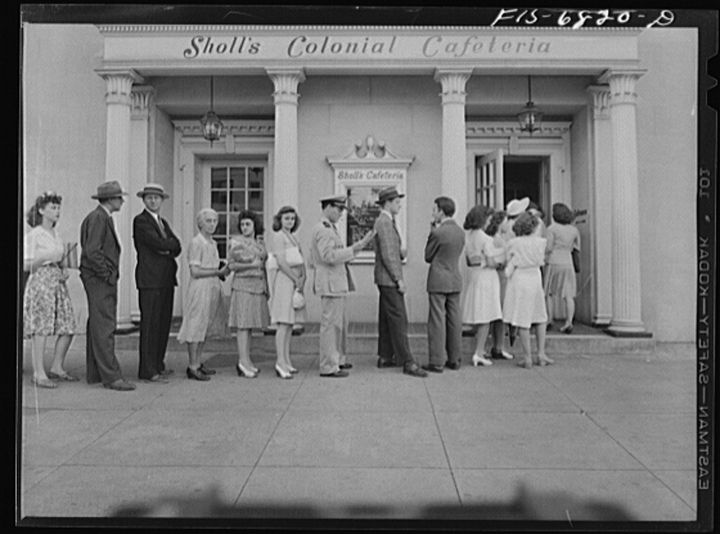
Sholl's Colonial Cafeteria was a Washington, D.C. cafeteria-style restaurant that was opened in 1928 be Evan A. Sholl, and which closed its doors for the last time in 2001. The restaurant was known for its social justice activism, as well as for its work with the homeless. In 2001, due to economic hardship, rising rent prices and lower volume of clients due to 9/11, Sholl's was no longer able to keep its doors open and sadly had to close down for good.
Weenie Beenie
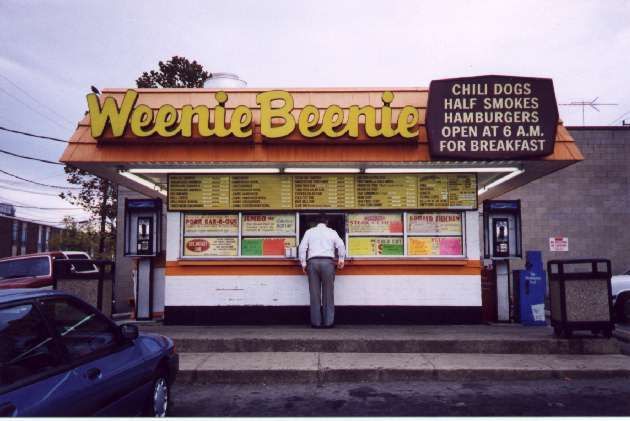
Weenie Beenie started out as a hot dog stand in 1950 in Arlington, Virginia. The stand had the regular hot dog fare; hot dogs, pulled pork sandwiches, and soft drinks - but specialized in half-smokes, a local D.C.-area specialty of coarsely ground, half-pork, half-beef, smoked sausages covered in chili and served on a bun. The stand did well, and even expanded to 6 new locations - but today, only the original Weenie Beenie stand remains - and has expanded its influence not in restaurants, but in cultural references. Yes, the Foo Fighters song, "Weenie Beenie," references this very stand.
Good Earth
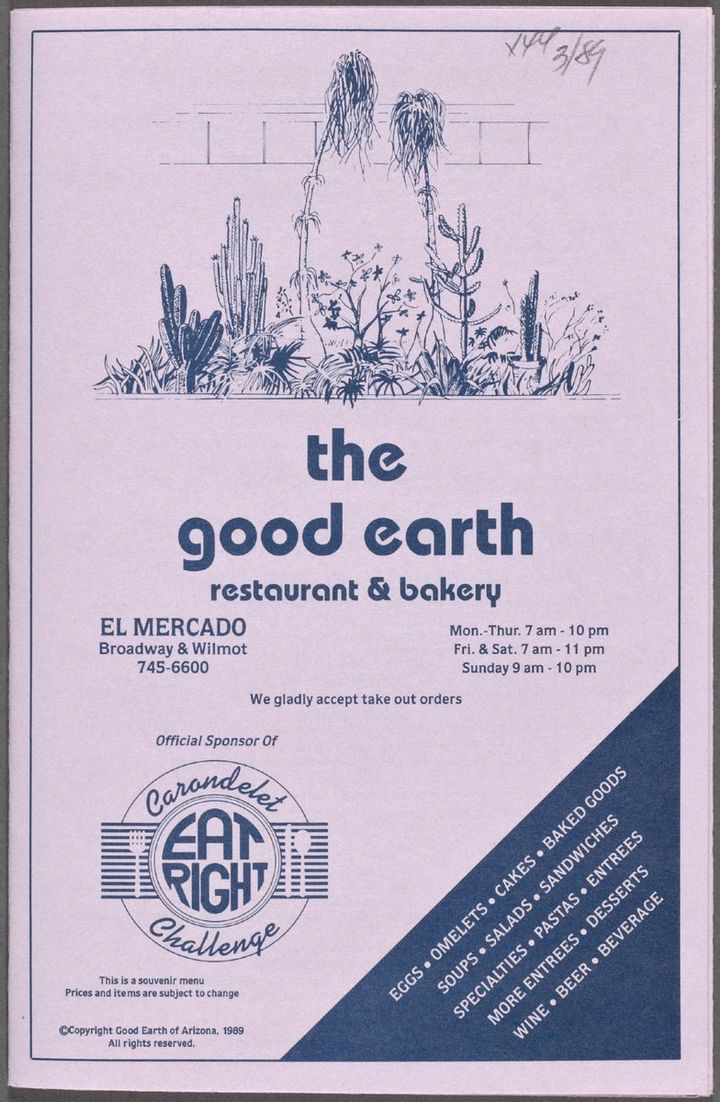
Good Earth was a predominantly California-based chain of "health-food" restaurants. They offered specially sourced teas and hefty vegetarian dishes - not something that was easily available back in the 1970s and '80s. The chain did well, and expanded to over 200 restaurants nation-wide - but was eventually bought out, and its locations converted to Olive Gardens and Red Lobsters. Still something remains of the Good Earth brand; Good Earth Teas, the chain's tea supplier, Good Earth Teas, which you may know from your local organic foods store!
China Coast
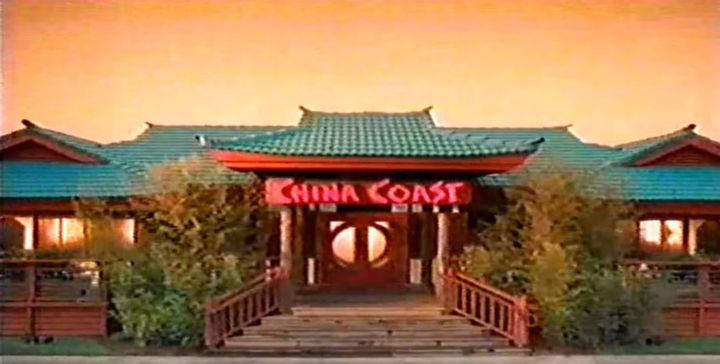
When we say "American-Chinese Fast Food Restaurant Chain," one place comes to mind: Panda Express. But three years before Panda Express launched their brand in 1993, China Coast began operating in Orlando, Florida. China Coast did really well, and began a rapid national expansion in 1993 - but were unable to sustain their momentum, and in 1995, with 51 locations across the U.S., closed down shop for good.
Mr. Fables
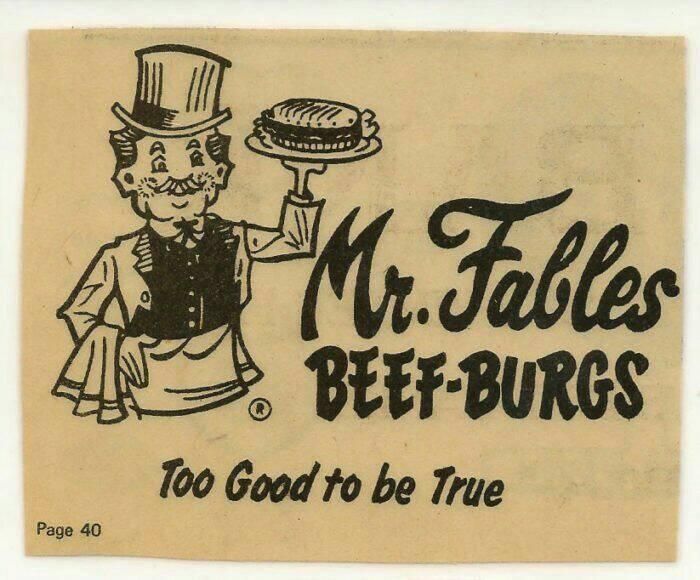
If you're not from Western Michigan, you may not have heard of Mr. Fables - but the family restaurant chain has been around for a long time. Founded in 1929, Mr. Fables had, at their peak, 17 restaurants throughout the state. Some people may fondly remember their olive burgers and secret sauces - but their singular recipes weren't enough to keep the chain going, when facing off with giants like McDonald's and Burger King. Still, they put up a good fight and managed to stay in business for 71 years, before closing their doors at the turn of the century, in the year 2000.
Eatza Pizza
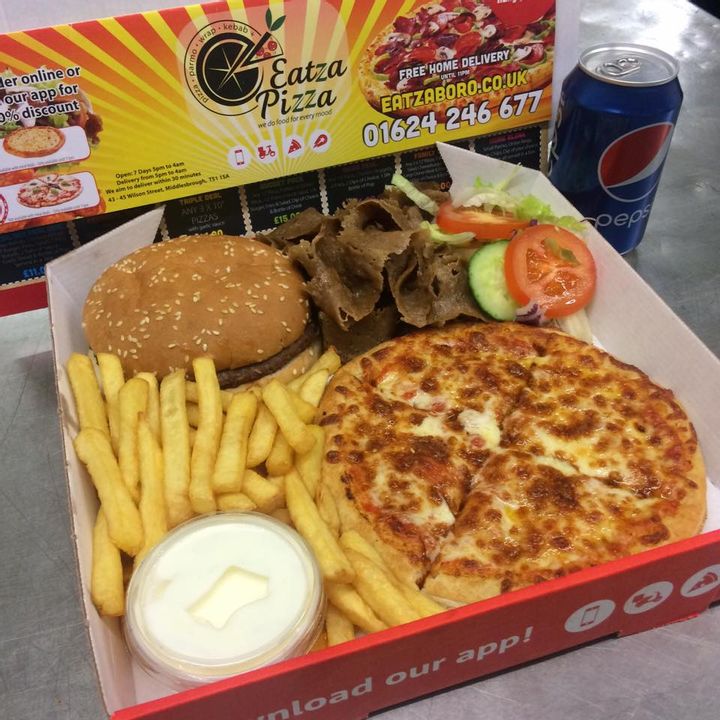
Eatza Pizza may have only been founded in 1997, but by 2007, they boasted 112 locations in 14 states and Puerto Rico. The chain's buffet-style pizzas were hugely popular - but not popular enough to keep them in business. By 2008, Eatza Pizza had overextended their reach, and were forced to file for Chapter 7 bankruptcy.
Looking Back at It All
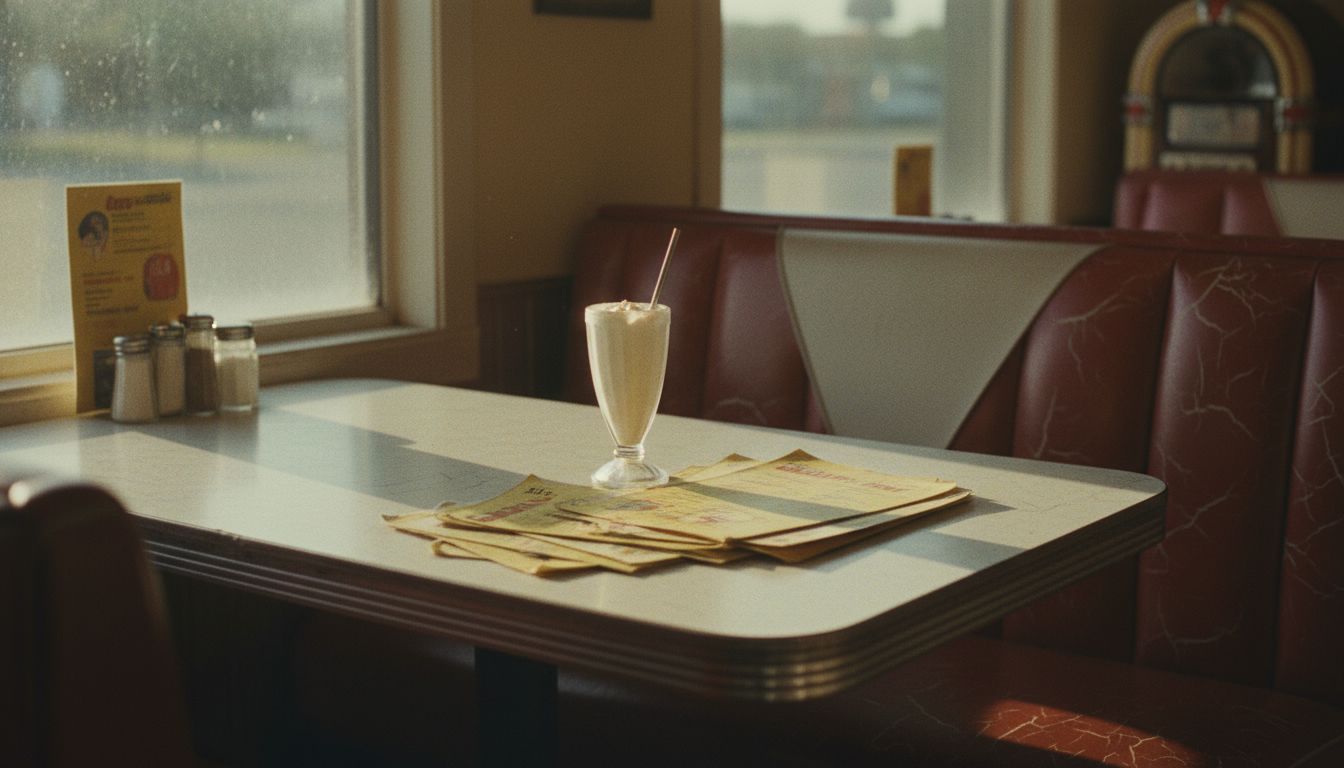
Food memories stick because they hit every sense. We remember the sizzle at Steak and Ale, the shrimp-it-up sales pitch at Beefsteak Charlie's, and the orange roofs of Howard Johnson's. When a local chain disappears, it feels personal, like a shortcut to our past was closed. Still, those tastes and lines live on in photos, family stories, and the occasional surviving location.
Why Chains Fade Away
There are a few repeat offenders when chains vanish. Competition from giants like McDonalds, over-expansion, and bad timing run many into the ground. Other chains folded after bankruptcy, were sold and converted, or simply lost relevance as tastes changed. Often it was a messy mix of corporate decisions and shifting customer habits.
Nostalgia Has Real Value
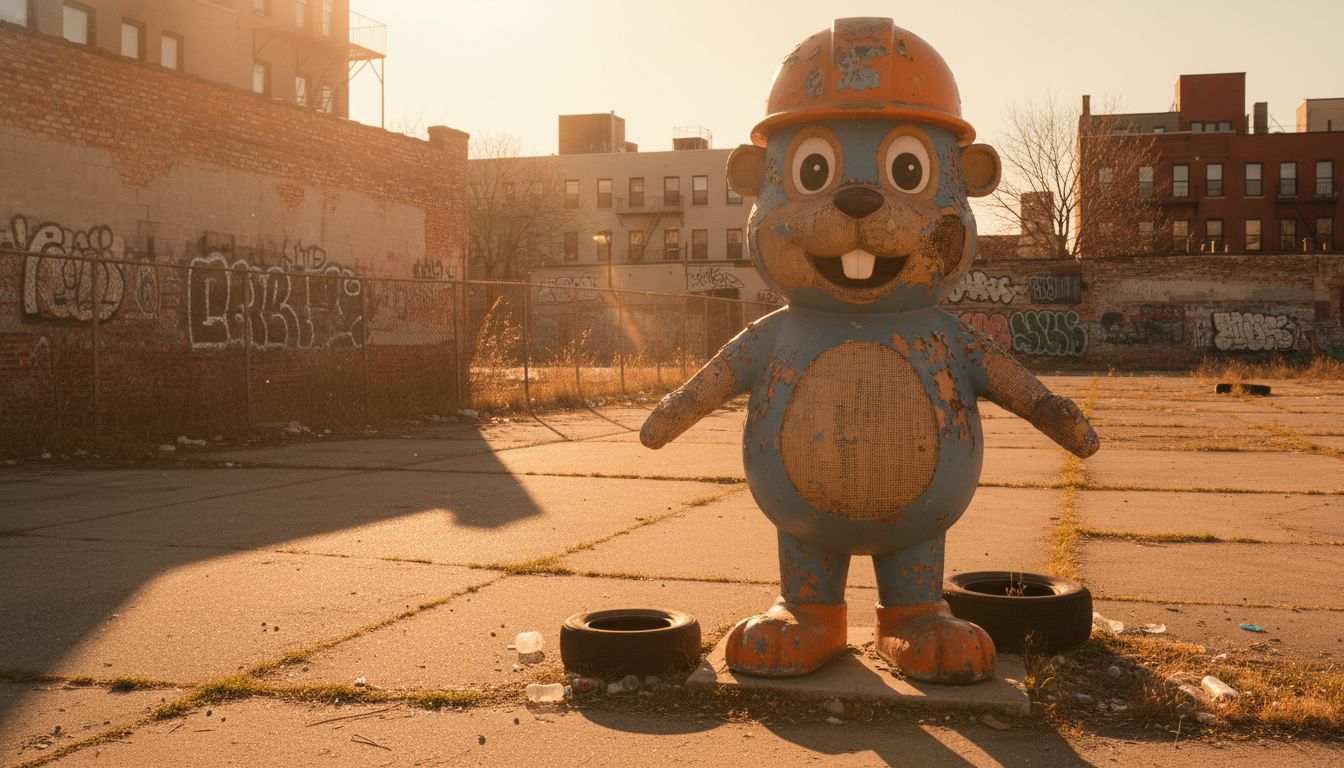
Some of these places did more than feed people. Doggie Diner mascots became landmarks, Isaly's gave us the Klondike Bar, and Casa Bonita earned a place in pop culture. Those small cultural footprints add up. They show how restaurants shape neighborhoods and memories, long after menus change.
Don't Write Them Off Yet
A few names from this list still pop up in surprising ways. Some brands survive overseas, a handful of original locations remain, and a couple of revivals and conversions prove demand can return. Fans who keep asking, sharing recipes, and supporting one-off spots help keep those memories alive. That collective appetite can spark comebacks.
Final Bite: What to Remember
These restaurants are more than old menus and logos. They are touchstones for family rituals, first jobs, and city corners that once mattered. Keep the recipes, the photos, and the stories. And when a familiar name does resurface, show up and taste the past for yourself.
Burger Chef's overlooked legacy
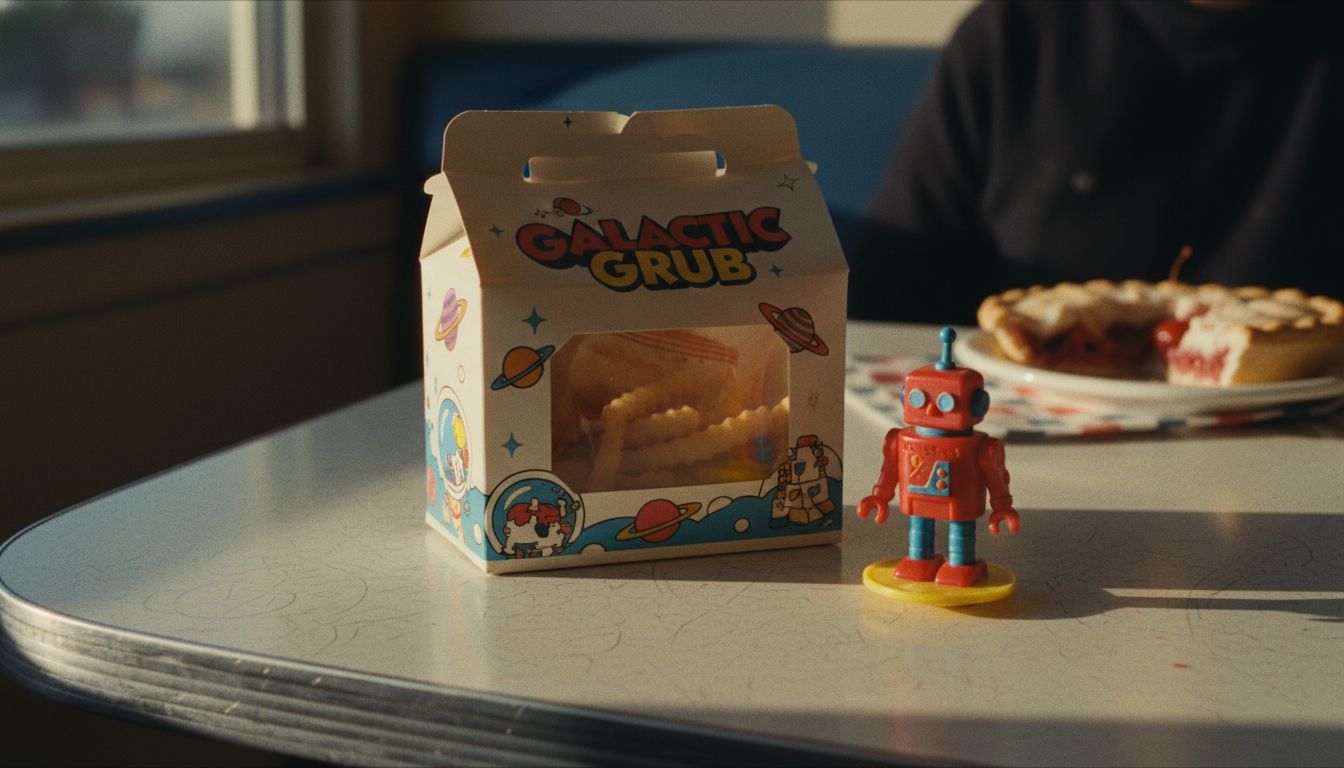
New digging shows Burger Chef did more than flame-broil burgers. The chain helped pioneer the kids meal idea, packaging food with a toy before anyone called it a Happy Meal. Rapid expansion and fierce competition left it vulnerable, and a string of crises hastened its decline. Some former locations ended up under other brands, but the cartoons and the memory of that Fun Meal live on.
Red Barn's smart moves and missteps
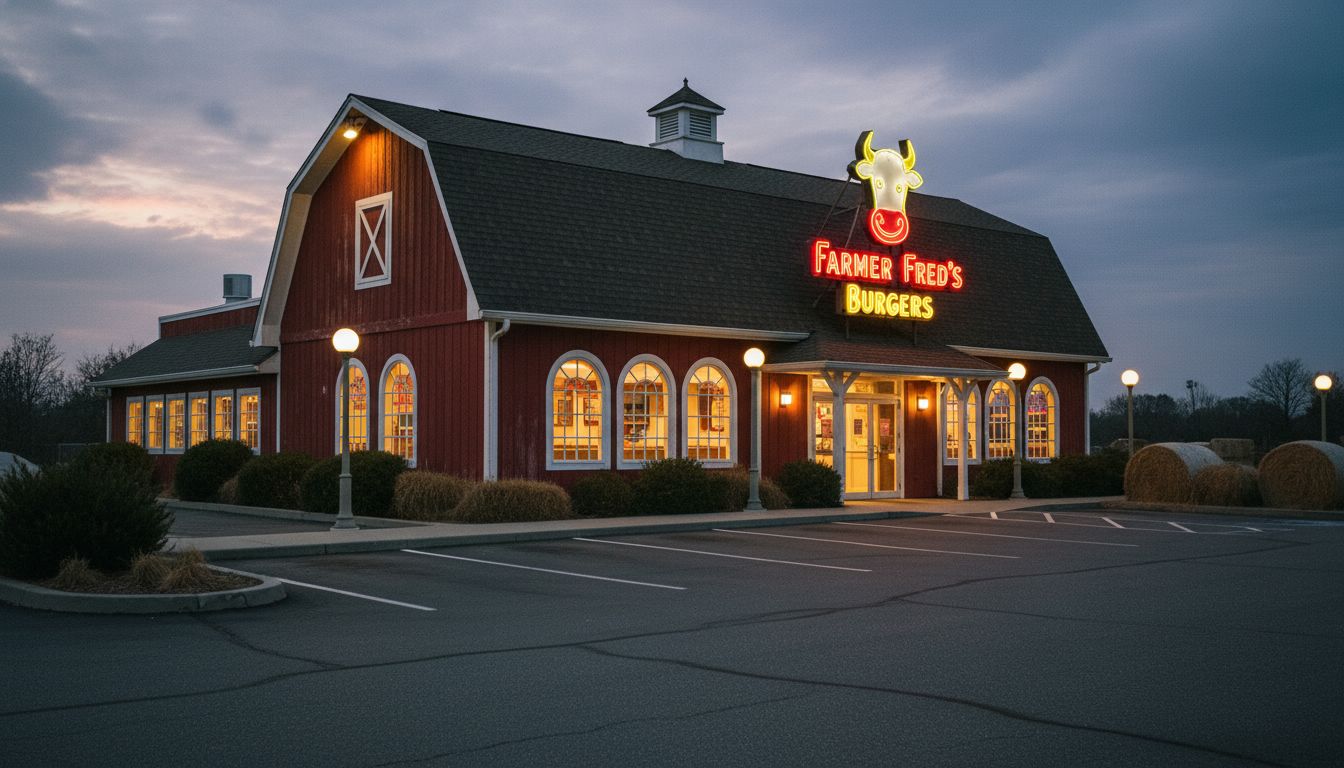
Red Barn was ahead of its time in small ways, adding salad bars and self-serve drink stations before those features were common. That kind of innovation helped it grow, but ownership changes shifted priorities toward real estate and away from advertising and operations. When the chain lost corporate focus, local rivals filled the gap. For many people, the barn-shaped buildings and the jingle are what stick in the memory.
Gino's, football fame and a corporate turn
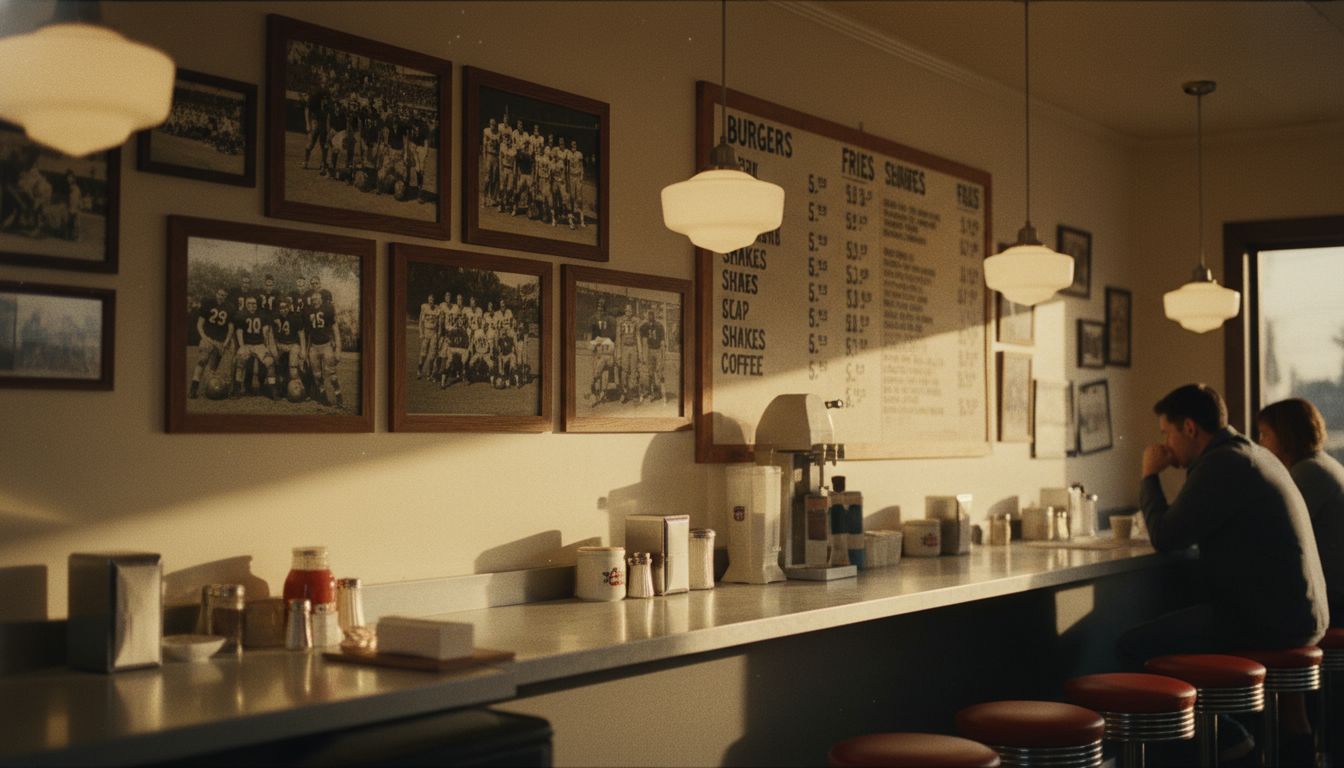
Gino's began with a sports-fronted swagger, backed by well-known football players who put the brand on the map. The chain grew across the eastern seaboard, then was sold and much of its footprint was rebranded into a different national concept. A small revival in recent years shows the brand still matters to locals. That mix of sports, burgers, and hometown pride keeps people talking.
Pup 'N' Taco's oddball menu lives on
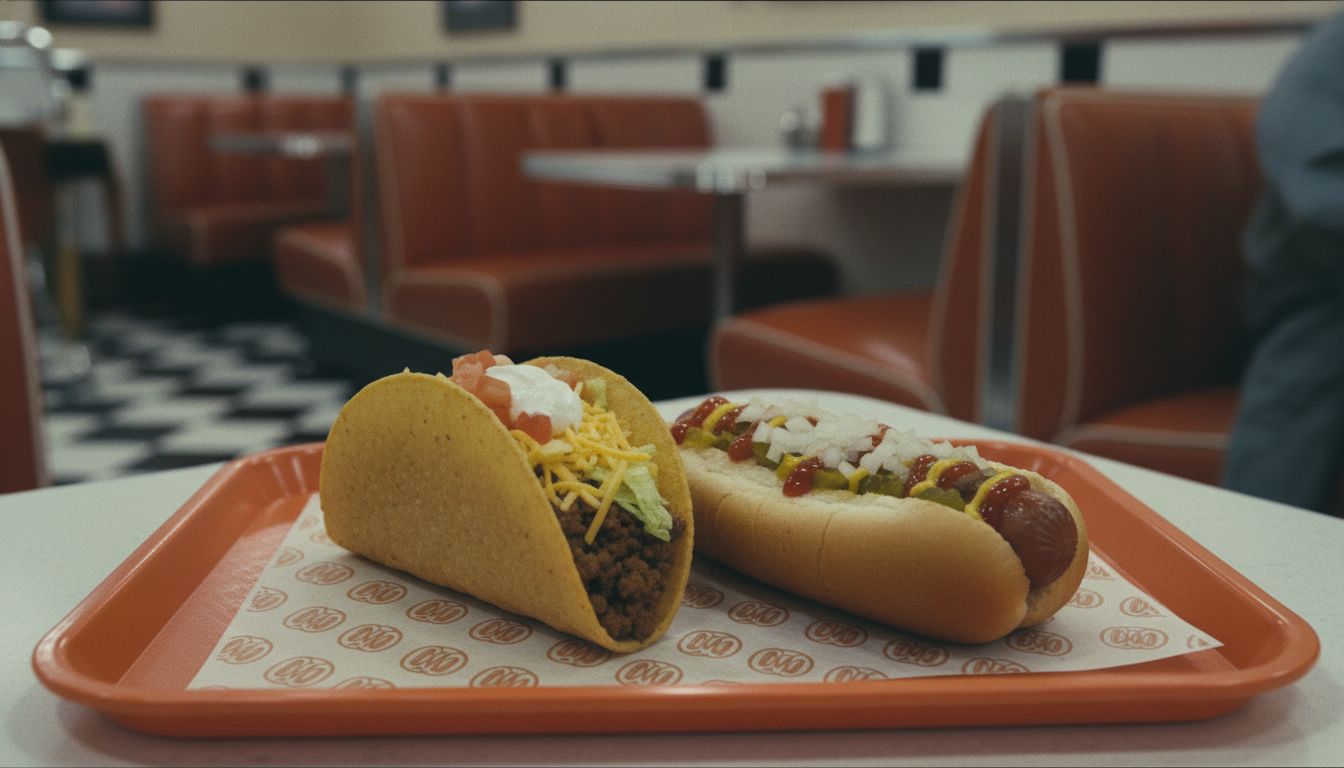
Pup 'N' Taco stood out by putting tacos, hot dogs and pastrami under one roof. Prime locations made the chain popular, and competitors noticed. Many of its outlets were absorbed into a larger taco chain, which erased the brand from most city streets. Still, people who remember those tostadas and pastrami combos keep the memory alive, and the idea of cross-genre fast food keeps showing up elsewhere.
Chi-Chi's: gone here, alive elsewhere
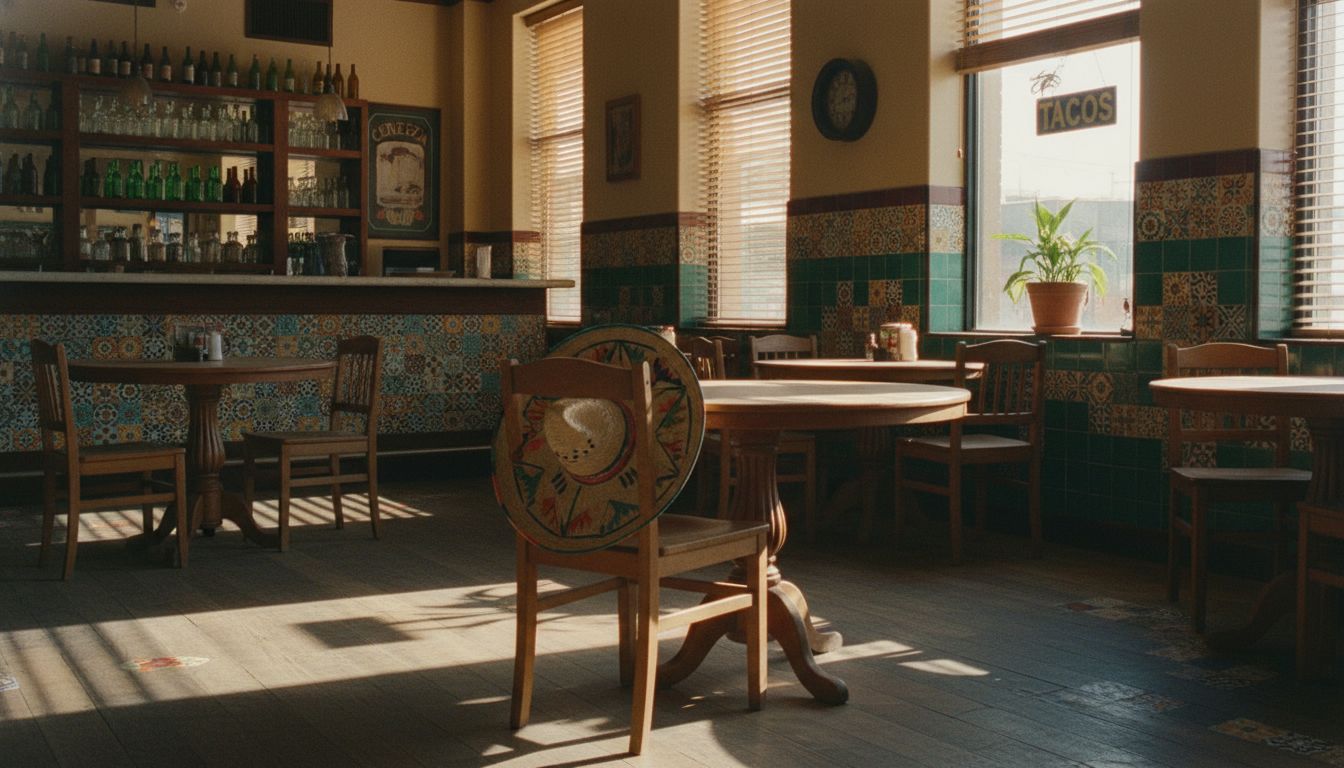
Chi-Chi's may be gone from many American streets, but the brand did not vanish everywhere. Variants and international outposts kept the name in play, and the chain's salsa-forward palate influenced a generation of Tex-Mex dining. The outbreak that hit the brand in the 1990s still colors how people remember it, but the restaurants' recipes and feel resurfaced in other markets. That split life, here and abroad, is a reminder that closures are rarely the final chapter.