Living on the Brink: 30+ Jaw-Dropping Dangerous Homes
Living on the edge has never felt more literal. From houses clinging to cliffs to tiny islands with just enough room for a tree, these homes will make your heart race. It’s wild to think people actually choose to live in places like this, and even wilder to imagine the folks who built them. Would you move into any of these breathtakingly risky spots?
Tiny Island, Tiny House, Big Risk
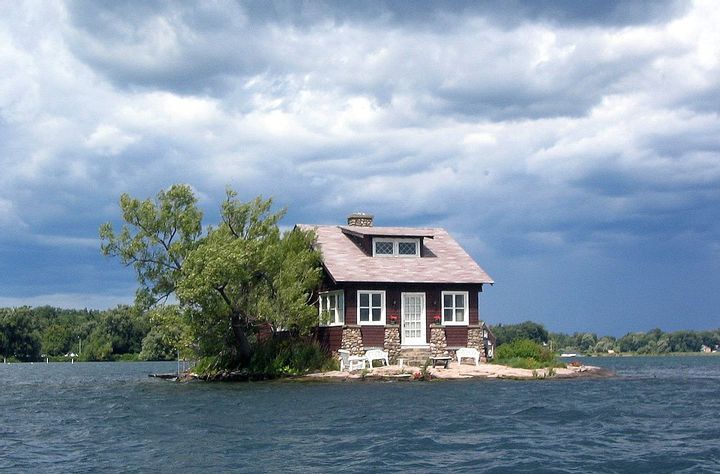
Hub Island in New York’s Thousand Islands chain lives up to its nickname, Just Enough Room Island. There really is just enough space for a house, a lone tree, and a sliver of shore. The problem is isolation and the constant threat of flooding, since there’s nothing else on that patch of rock. Somehow the place manages to look charming and utterly precarious at the same time.
Cliffside Temple That Tests Your Nerves
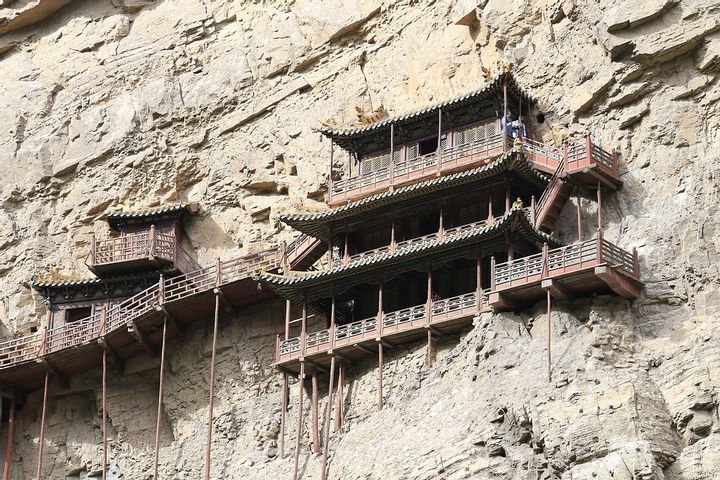
The Hanging Temple in China is a showstopper, built about 100 feet up on the face of Mt. Hengshan, one of the country’s five great mountains. Even crazier, parts of it date back roughly 1,500 years, and people still visit. The structure clings to the cliff with wooden supports and tiny walkways, so it feels like a real test of faith just to be there. No wonder it’s one of the region’s biggest tourist draws.
Living Directly Under an Angry Volcano
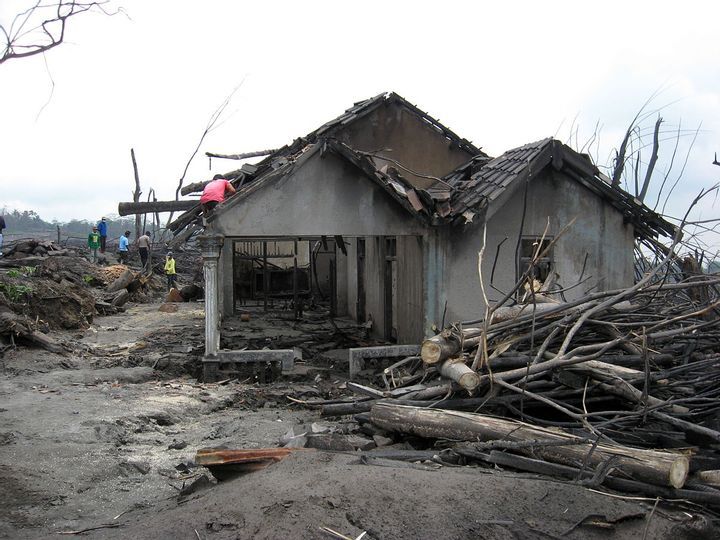
Around 11,000 people live on the slopes and at the base of Mount Merapi in Indonesia, a mountain nicknamed Fire Mountain for a reason. Merapi is the country’s most active volcano, erupting every five to ten years, with the most recent event in June 2020 and a major, destructive blast in 2010. Living here means constant vigilance, evacuation plans, and rebuilding after eruptions. Yet communities stay, rooted to the land despite the danger.
Island Homes Sinking as Sea Levels Rise
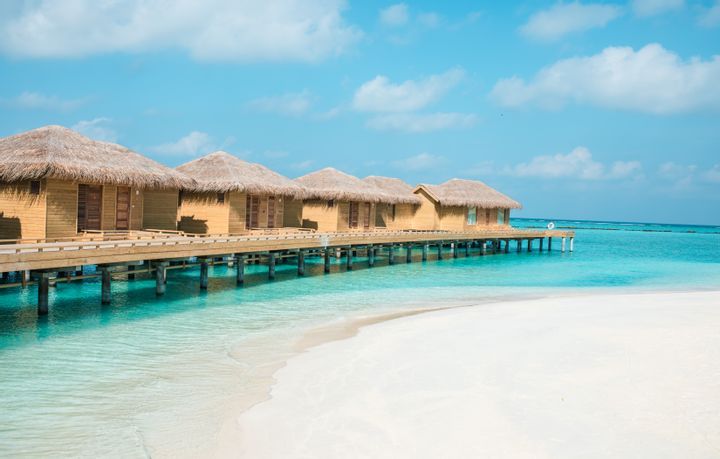
Imagine your hometown slowly slipping under the ocean, not in a movie but in real life. That’s the reality for parts of the Maldives, where rising sea levels threaten to turn islands into underwater ruins. The government has responded by building new islands and scouting property abroad so citizens have somewhere to go. For now, those turquoise beaches still charm visitors, but the clock is ticking.
An Eruption of Burning Water
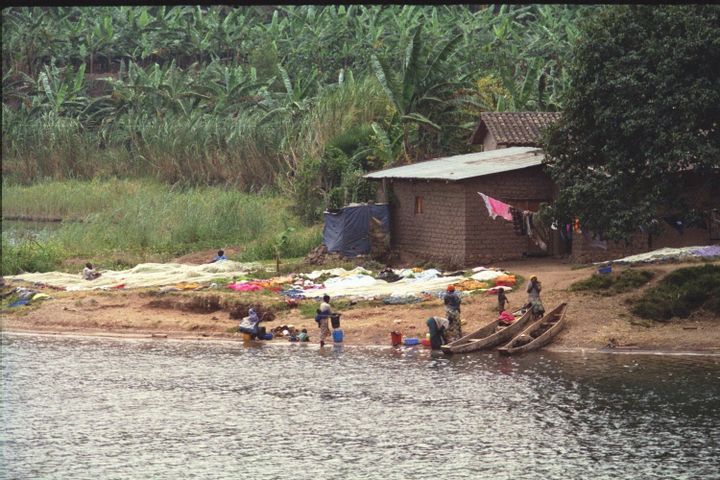
There’s a whole lot of science that goes into the whats, hows, and whys, but basically Africa’s Lake Kivu, bordering Congo and Rwanda, has the potential to pretty much explode with an overflow of gases. Because of the plate tectonics from below the water, combined with the fact that the lake itself is incredibly deep (about 1400 feet), instead of the water being colder the deeper you go, there’s actually “hot springs” at the bottom—which heats things up and can cause potential eruption.
A Suspenseful Monastery
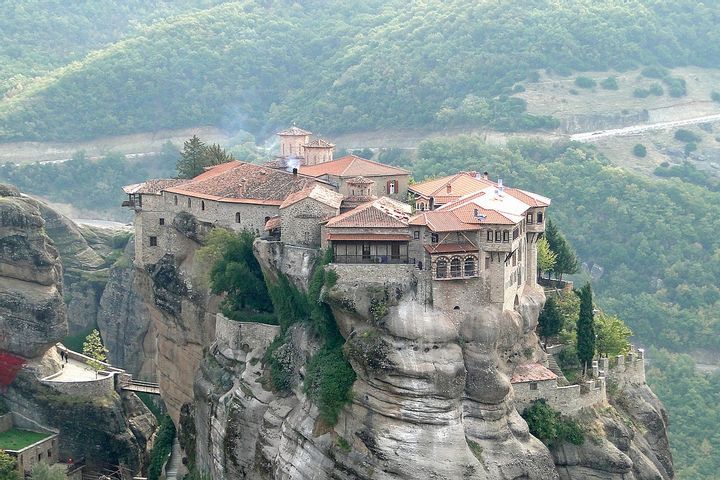
Here’s another monastery that puts your faith to the ultimate test. These beautiful structures were built on rock pillars located in Greece centuries ago for monks to be able to convene in peace. This structure is called “Meteora” which translates to “raised from the ground” or “suspended in the air”, and as you can see, it definitely takes some effort to climb up to. Apparently back in the day they would either climb up and down using a rope ladder, or a makeshift “elevator” which was a basket that the other monks would pull you up from. How wild!
The Roof, The Roof, The Roof is on Fire
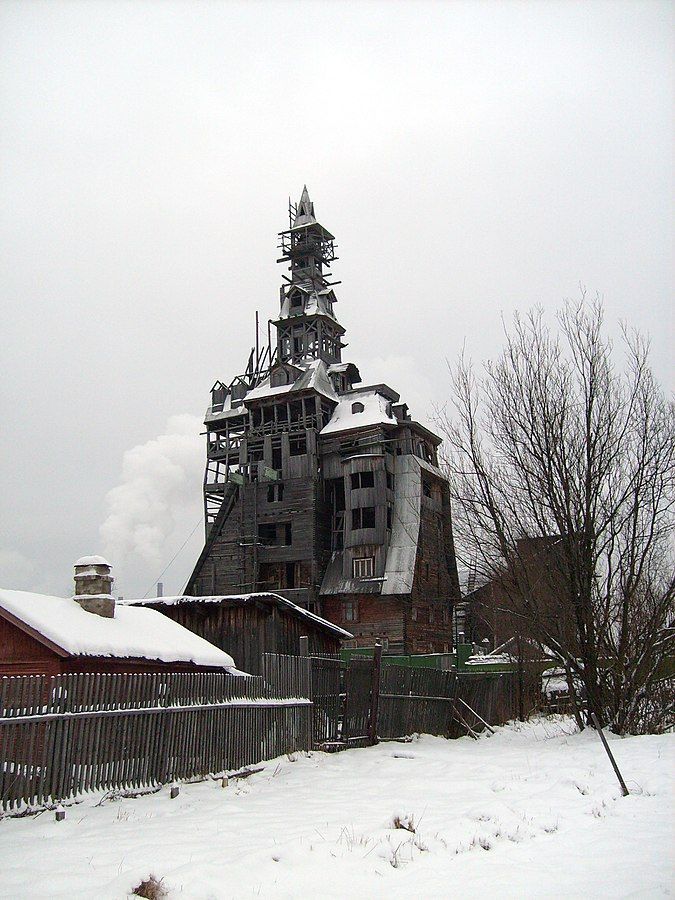
The Sutyagin House was a 13-story house that was built in the early ‘90s, and is known to be one of the tallest wooden houses ever constructed. However, even with the cold temperatures of Russia, fire is still a risk—especially for a home that’s built of wood that stands over 140 feet tall. And in the late 2000s, the city deemed the house a hazard and the owner, Nikolai Petrovich Sutyagin, was forced to dismantle his timber “sky scraper” down to 4 floors. Ironically enough, in 2012, the house sadly caught fire and burnt to the ground.
Happily, Ever After
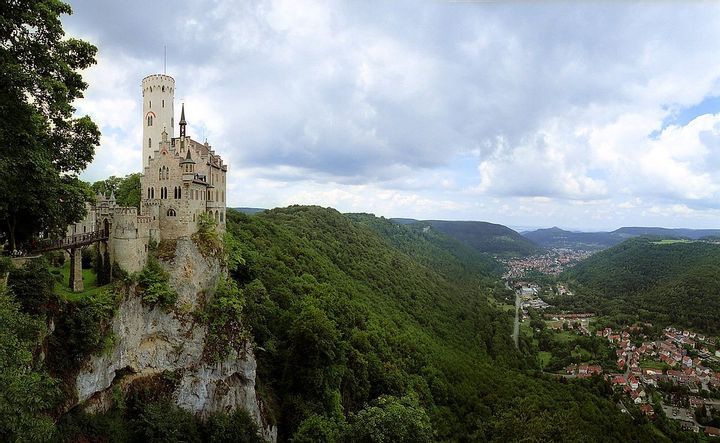
If you were thinking that this castle looks like something you would see in a fairy-tale, then you’re not too far off! The Lichtenstein Castle, located in Germany, sits right on one of the area’s cliffsides. In more recent years, the castle has been opened to the public for touring and renting out for events, but beware, the structure sits 2,700 feet above the ground. What makes this 1800s castle so special and romantic is the fact that it was based off of fairy-tale and historical novelist Wilhem Hauff’s novel Lichtenstein. How cool is that?
A Treacherous Tea House Treehouse
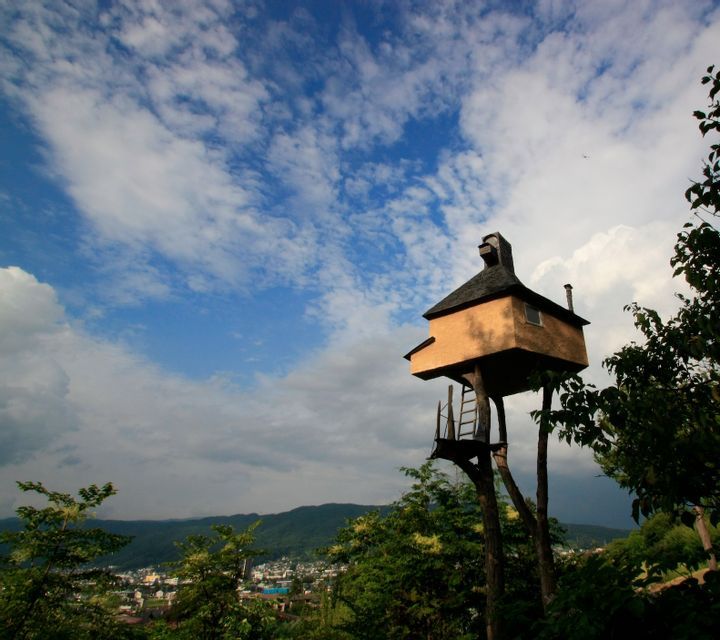
This treehouse looks like it’s straight out of a cartoon or something, but it's oh-so-real. The name of this tea house (an establishment for serving tea) is “Takasugi-an” which translates from Japanese to English to “a teahouse built too high”. The peculiar tea house was created by Japanese architect, Terunobu Fujimori, and is just as high as it is small—it can seat about four people for a little tea ceremony. Takasugi-an doesn’t just stand on two chestnut trees, to get up to it you have to climb on freestanding ladders. How adventurous!
A Risky River Ranch
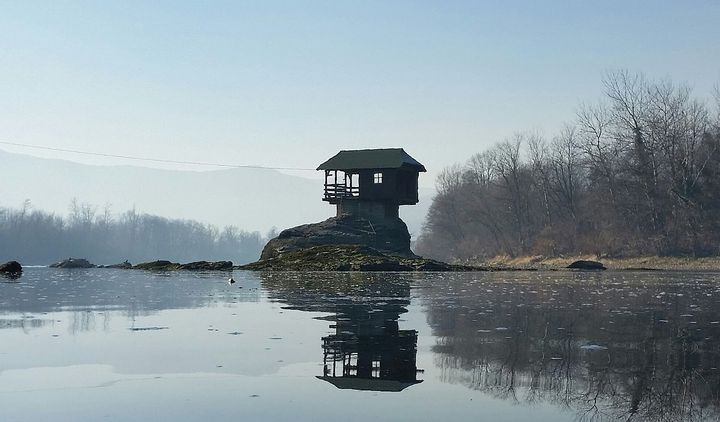
Along the Drina River in Serbia is one of the most unique cabins in the whole world. Rumor has it that the Drina River House was built by teenagers back in 1968. The group of friends were swimming and enjoying the intense waves of the river, but needed a rest from all of their aquatic adventures. That’s when they saw the rock in the middle of the river and decided to take a break there. It was then that they realized they could build shelter there for their future outings and got to work. Sadly, the risky river ripped apart the cabin not once, not twice, but six different times! But the bones are still standing strong.
The Crag of Castellfollit
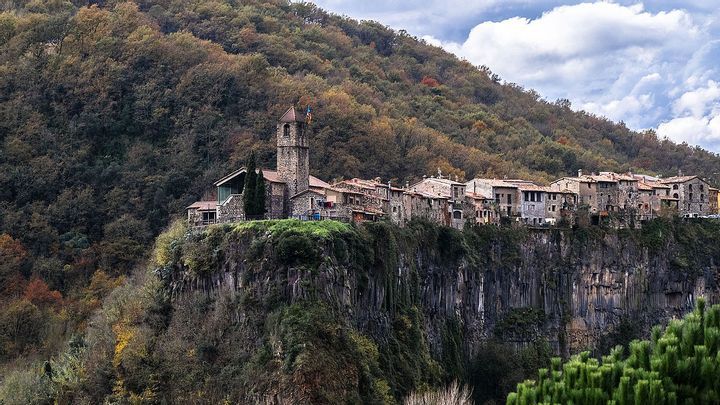
This next structure isn’t just one home, but a whole entire town. About 160 feet above the ground is the town of Castellfollit de la Roca, located on the northeast side of Spain. The town has been standing strong on this mountainside for over a millennium now, yet evokes some medieval and enchanted-forest type vibes. The town was formed from volcanic rock, but what makes this dangerous town worth a visit isn’t just the fact that it’s so beautiful to look at. The dramatic views of the river and scenery below are absolutely breathtaking, too!
It’s a Bird! It’s a Plane! No, It’s the Chemosphere!
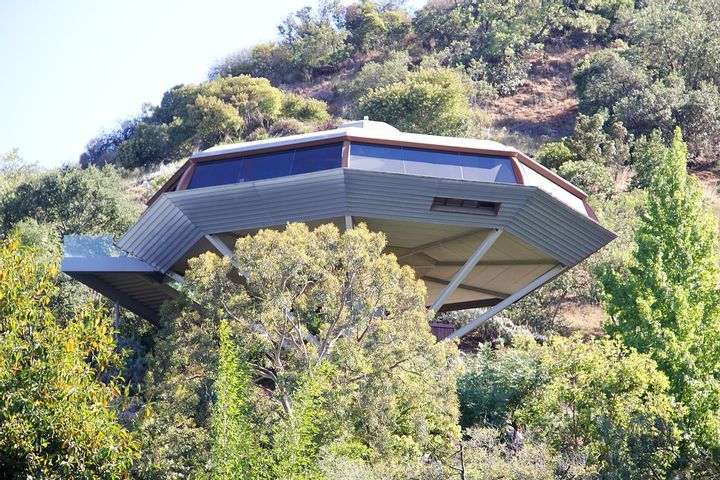
No no, don’t worry, this isn’t a UFO. This is “The Chemosphere”, the octagonal house that looks like it’s hiding within the trees of California. This one-story octagonal futuristic-looking home is located in Los Angeles, near Mulholland Drive. The home has had a handful of owners over the years, but the original owner and architect was an aerospace engineer—which maybe explains why it looks a bit like a spacecraft. What’s so scary about this house is the fact that it’s 30 feet off the ground!
Up in High Heaven
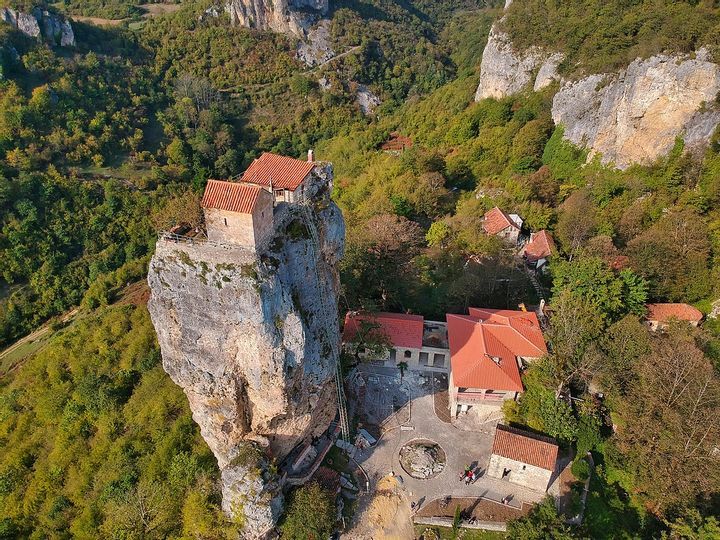
The Katskhi Pillar is a sacred monastery that has been around for hundreds and hundreds of years in the beautiful country of Georgia. People have come and go when it comes to occupying the place, but in more recent years, monk Maxime Qavtaradze has been working on restoring it. “It is up here in the silence that you can feel God’s presence,” Qavtaradze shared with Huffington Post. Just looking at it can give you goosebumps, but to take things up a notch and put things into perspective, this limestone-based house of worship is 131 feet up in the air!
Vertical Expansion
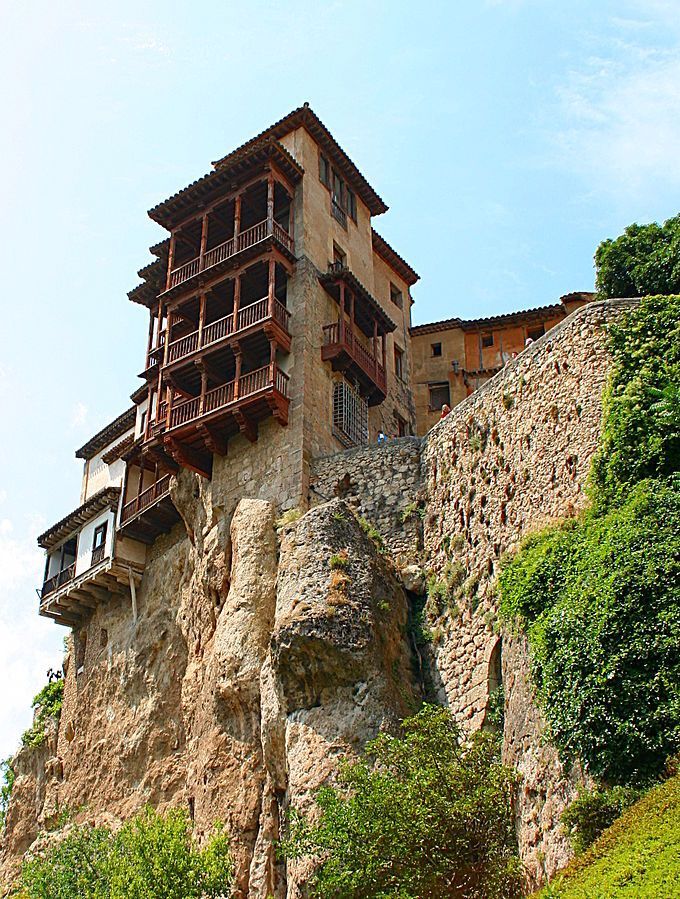
This structure used to be part of a whole entire town. Basically, as the population grew, instead of expanding in width, the town decided to physically expand themselves via height. Interesting choice. Right? There is just one structure that still stands strong in the city of Cuenca in Spain—Las Casas Colgadas or “the hanging houses”. These houses aren’t just incredibly high up because they’re built on the hillsides, but they’re also expanded outwards, adding just an extra splash of danger to it all. ¡Ay Dios mío!
An Ironically Safe Space
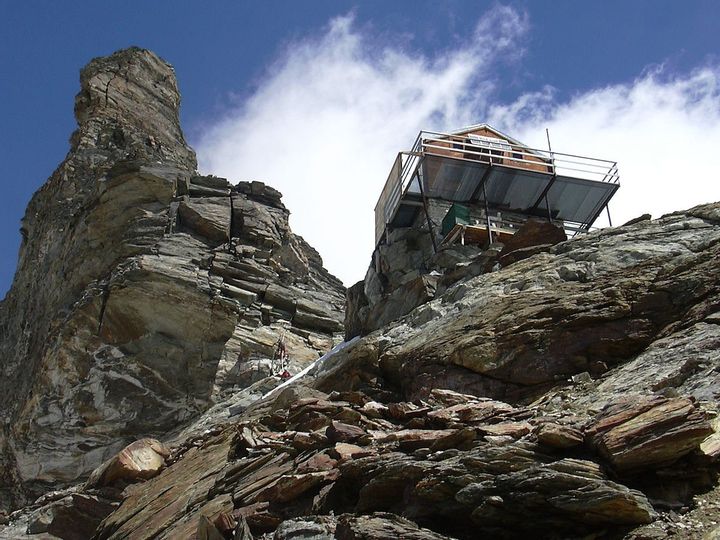
Located between Italy and Switzerland in the Alps is this wild house. Not only is it built on the side of Mount Matterhorn, 12,565 feet above the ground, but it risks all sorts of hazardous natural disasters from blizzards to avalanches. Ironically, this house is actually a shelter known as the Refuge Jean-Antoine Carrel. Its purpose is to act a shelter for those adventurous hikers and climbers who need a place to take shelter during emergent situations—there are 50 beds provided in this 24-hours shelter home.
The Slanted Skylines of Santos
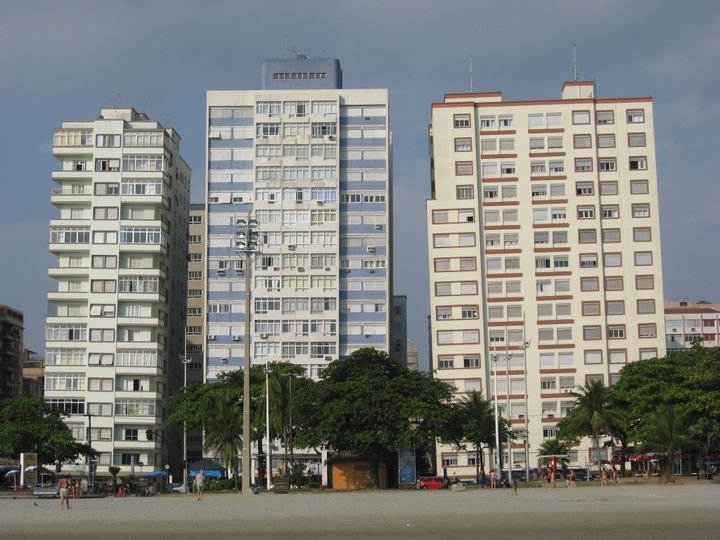
You’ve most likely heard of the Leaning Tower of Pisa in Italy, but have you heard about the leaning towers of Santos? They might have breathtaking views of the ocean, but their skyscrapers are anything but at sea level—both vertically and horizontally. In Santos, Brazil the buildings have shifted and slanted a bit to the side! Why? Because of fault construction tactics used back in the day—the foundation is sinking into the ground, since they weren’t built to withstand environmental changes like this.
An Optical Illusion
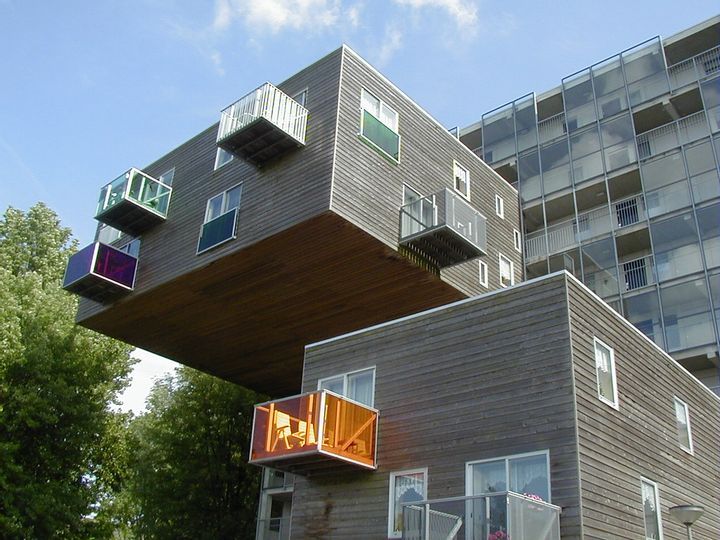
Sometimes in life, we see things that seem to defy the laws of logic and science. For example, the WoZoCo Apartment complex located in Amsterdam. These floating complexes looking like they’re about to fall to the ground! But there’s actually a lot of thought put into the architecture and design of it all. The main goal was to be able to create more living units for the growth in population, but they also wanted to make sure they were building something financially and environmentally viable.
One Man’s Trash in Another Man’s Treasure
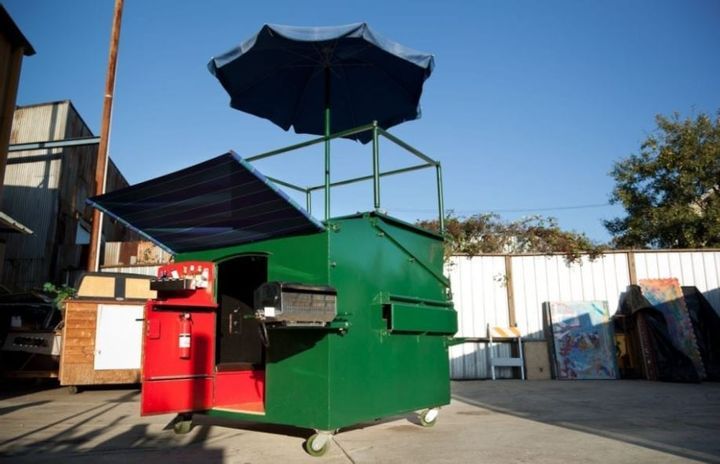
One day, artist Greg Kloehn stumbled upon a full-on garbage can and thought to himself, “Hey that's a perfect shaped house, looks like a little metal tent, maybe I can convert that into a viable home,” he shared with The Associated Press. The next thing you know, what looks like a dumpster on the outside has now been converted into the “Williamsburg Dumpster Apartment”. The green metal boxed apartment is complete with a bench/sofa/bed, a toilet, a toaster oven, a sink, a single burner, and even the ability to grill a little BBQ outside!
The True Lonely Island
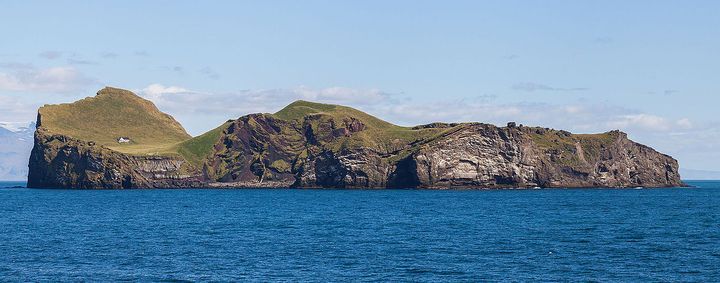
There’s been all sorts of rumors and stories about what’s really going on over in the Island Elliðaey. But the fact is that there is a residence built on the lonely island. Why is that so dangerous? Because it’s totally isolated and doesn’t have much of a selection of wildlife, either. One could say that this might be the ultimate place to quarantine during lockdown, though. Especially with the beautiful views, it almost seems better than being in a crammed apartment. Right?
Checkmate
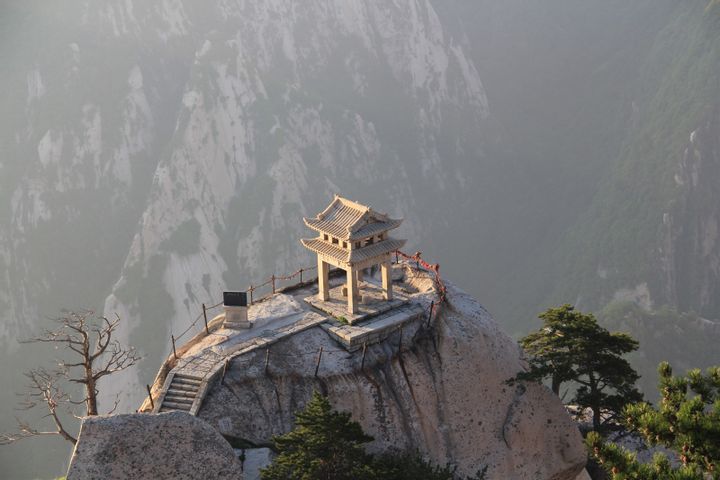
The world is such a big place, full of little secrets and surprises at every twist, turn, and corner of the earth. Just like this beautiful pavilion located in Mount Huashan (Mount Hua)—another one of the five great mountains in the country. The area where the ancient tea house resides is now known as the “Chess Playing Pavilion”, but needless to say why it’s so dangerous. You can see from the picture just how scary the trail to the area is. There’s only one path to get there and it’s quite an intense summit, but it seems like the views are beyond this world.
Going to Great Lengths for Tea
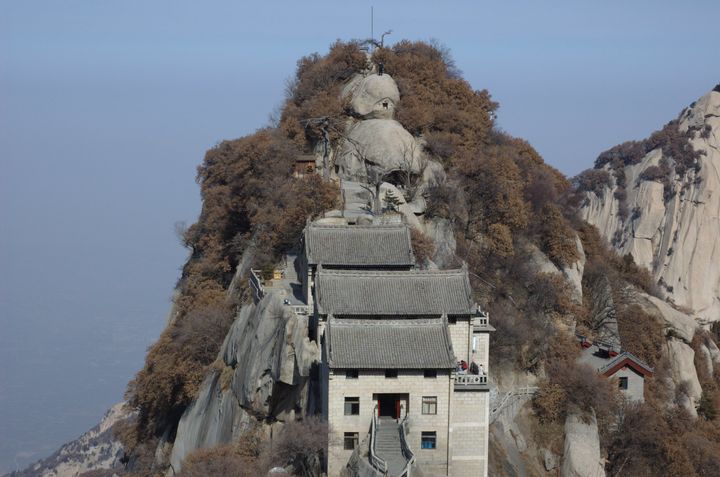
The most dangerous cup of tea is oh-so hazardous because of what it takes to actually get to the tea house, not because of the contents of the tea itself. Above one of the peaks of Mount Hua (Mount Huashan), one of the five great mountains in the country, is a tea house over 6,500 feet in the air! About a million people travel the treacherous treks of the teahouse trail. To get to Huashan Teahouse, first you ride on a cable car for 20 minutes, then you trek up a steep hiking trail with wooden planks and hand-carved staircases sans guarded rails.
If You Can’t Stand the Heat, Don't Come Here
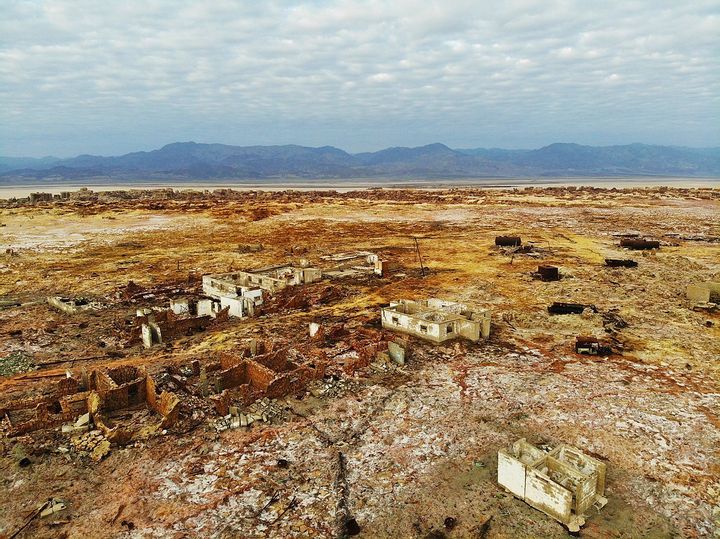
In the north-east of Ethiopia near the border of Eritrea is the Danakil Depression of the Afar Region. The Danakil Depression is 410 feet below sea level and considered to be one of the most dangerous places to live. Why? This region is considered to be the hottest place on Earth to be living at, averaging at over 100 degrees for the majority of the year! Because of the Dallol volcano's hydrothermal fields, though, the area looks like something beautifully beyond this world. Its alienesque vibes stem from the mind-blowing and colorful vistas full of hot springs, mini geysers, and diversely shaped salt deposits
Cascading Danger
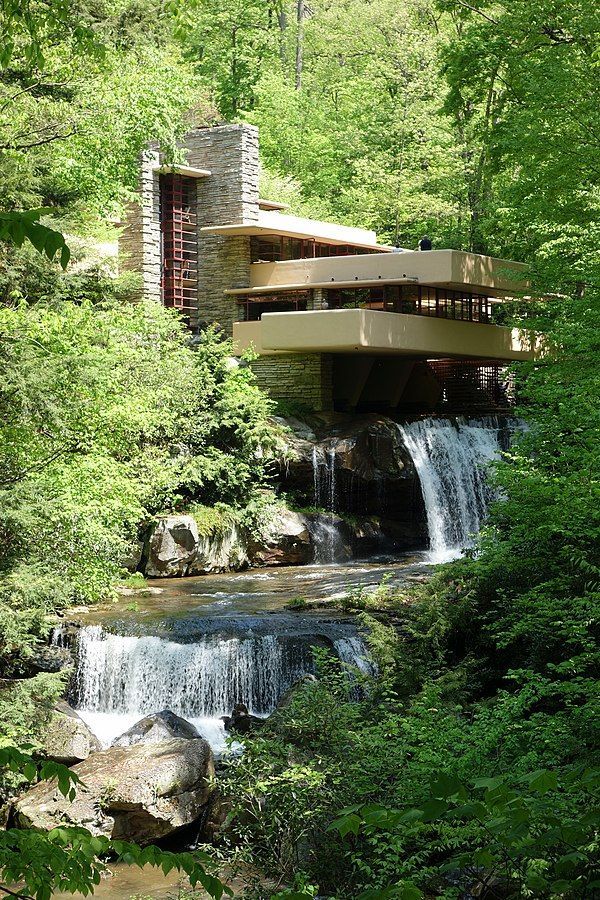
Right here in our very home country lies one of the most dangerous homes of all, Fallingwater. According to the official Fallingwater website, “Fallingwater exemplifies his philosophy of organic architecture: the harmonious union of art and nature”. Located in southwestern Pennsylvania, the renowned American architect Frank Lloyd Wright built this nature-infused, cantilever designed home back in 1935. However, since the house was built on top of a waterfall, it came with all sorts of construction nightmares, making it quite dangerous to live in.
Beautifully Remote
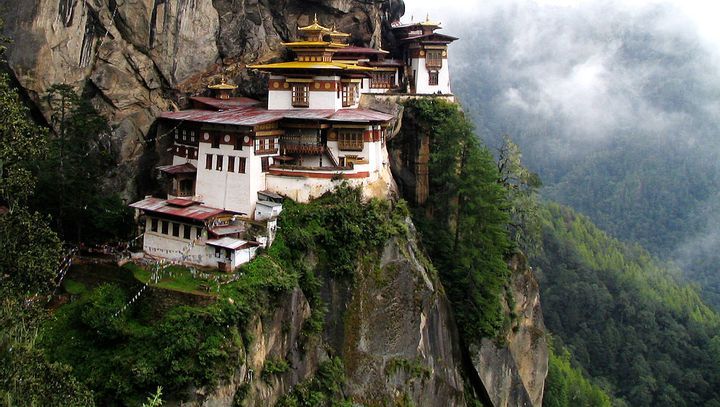
This beautiful monastery is known as Taro Taktsang, Taktsang Palphug Monastery, or Tiger’s Nest. It sits right on the cliffside of the mountainous Paro valley located in the Bhutan valley in the eastern Himalayas, and is a little over 10,000 above sea level. Back in 1998, the monastery burnt down to the ground because it was so difficult to access, the emergency team that came to the rescue couldn’t get close enough. It wasn’t until 2005 that it was reconstructed again to its original form for people to come visit and enjoy its breathtaking architecture and views—including Mt. Everest!
A Total Cliff Hanger
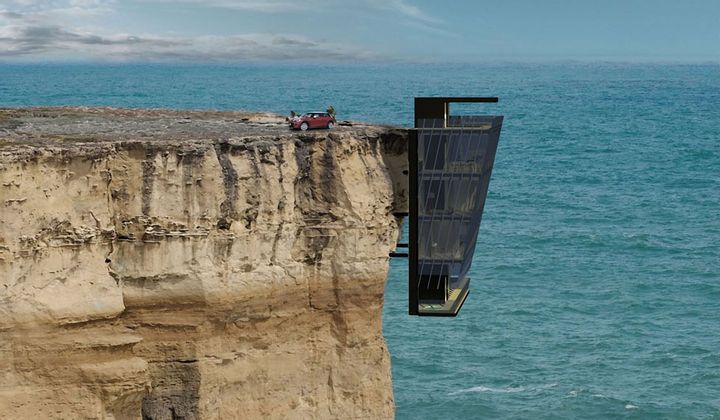
Modscape, the daring designers of this risky five-story residence, were approached to create this design. They wanted to experiment with the idea of having a house that's literally hanging off of a cliff. Why? To utilize the landscape of the area. The conceptual design of the Cliff House was based in Victoria, Australia and considered to be one of the scariest homes around the globe, if constructed. Will they ever build it, though? Beats us!
The Floating Farmhouse
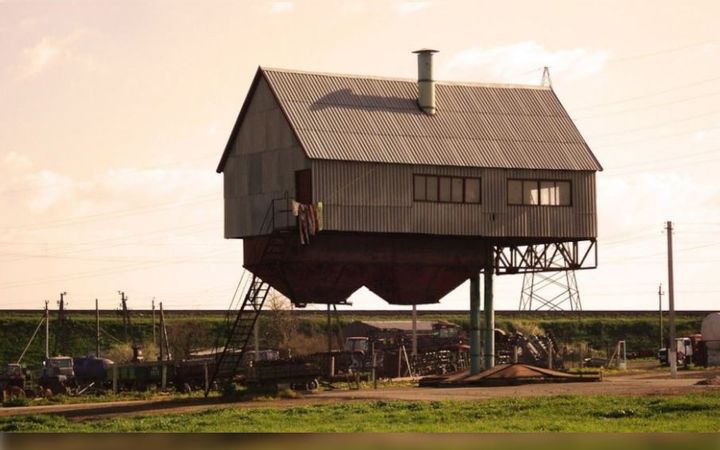
Some people think that this floating structure is an abandoned potato sorting station while others claim it used to be a bunker used to store mineral fertilizers. Either way, it’s clear to see just why this is a bit risky! If you take a closer look, you’ll see that the only thing holding it up is a couple of poles. It’s amazing that this Ukrainian farmhouse is standing so tall and proud, because it seems to be defying the laws of gravity and science. We can’t imagine it was easy loading things in and out, but The Floating Castle at least has attracted quite a bunch of tourists.
A Risky Rubik’s Cube
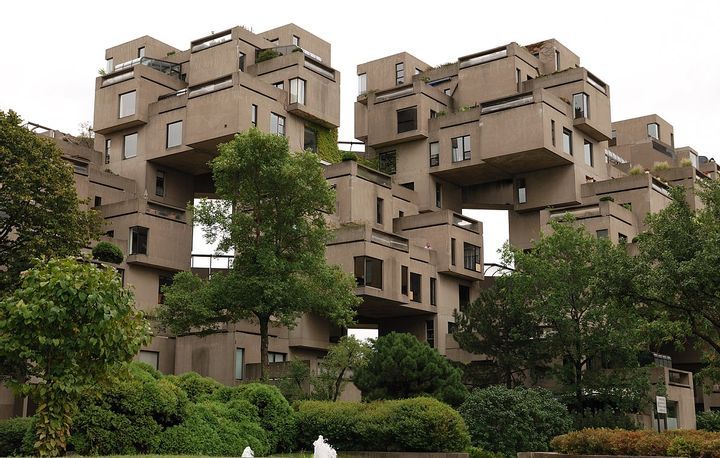
Any type of cantilever-designed structure is as equally breathtaking as it is terrifying to look at. And this particular one looks a little bit like someone ripped apart and broke down a Rubik’s cube. Doesn’t it? This intricately designed structure is known as “Habitat 67”, a special apartment complex located in Montreal, Canada. The Israeli-Canadian architect Moshe Safdie designed the building back in 1967, and it’s still highly admired until today in the architect and design world!
Mama Mia! Don’t Fall!
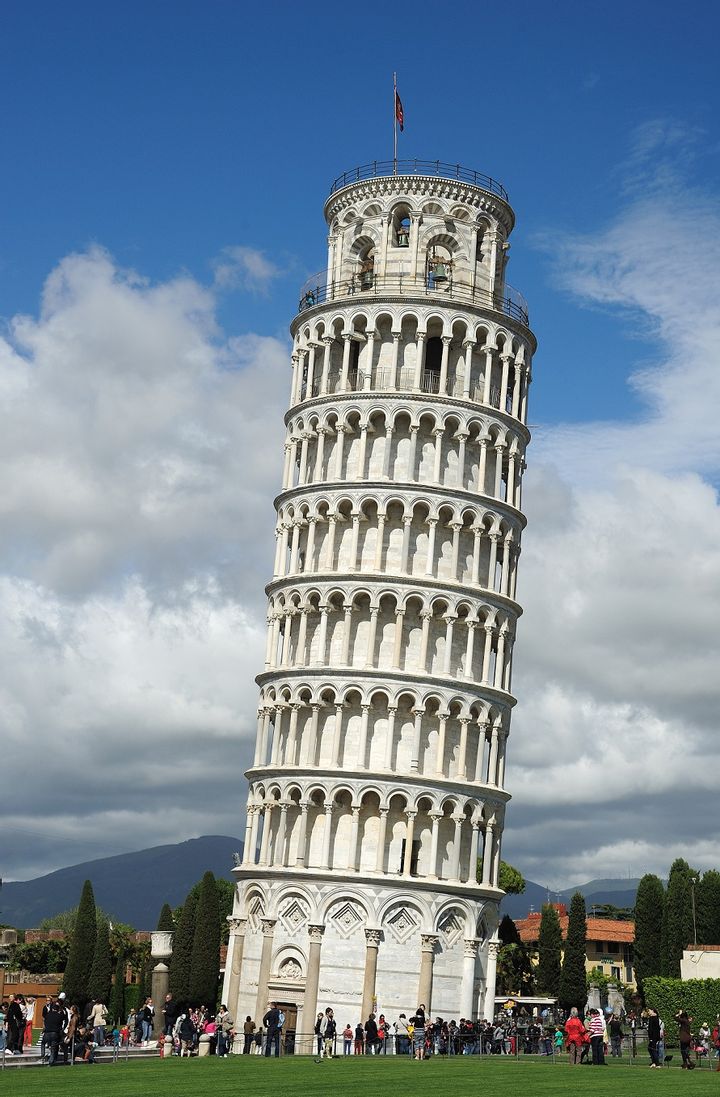
There are just so many structures that totally defy the laws of gravity and science—or so it seems. But the funny thing is that there is usually a scientific explanation for the optical illusions and odd instances that we witness. Take the famous Leaning Tower of Pisa in Italy, for example. It’s terrifying to think that a massive building like that looks like it’s about to fall over any second, but it won’t! Even though the original reason for why it “leans” is because of structural issues, at the end of the day, the center of gravity of the building is secured in the base.
Timberrrrrr!
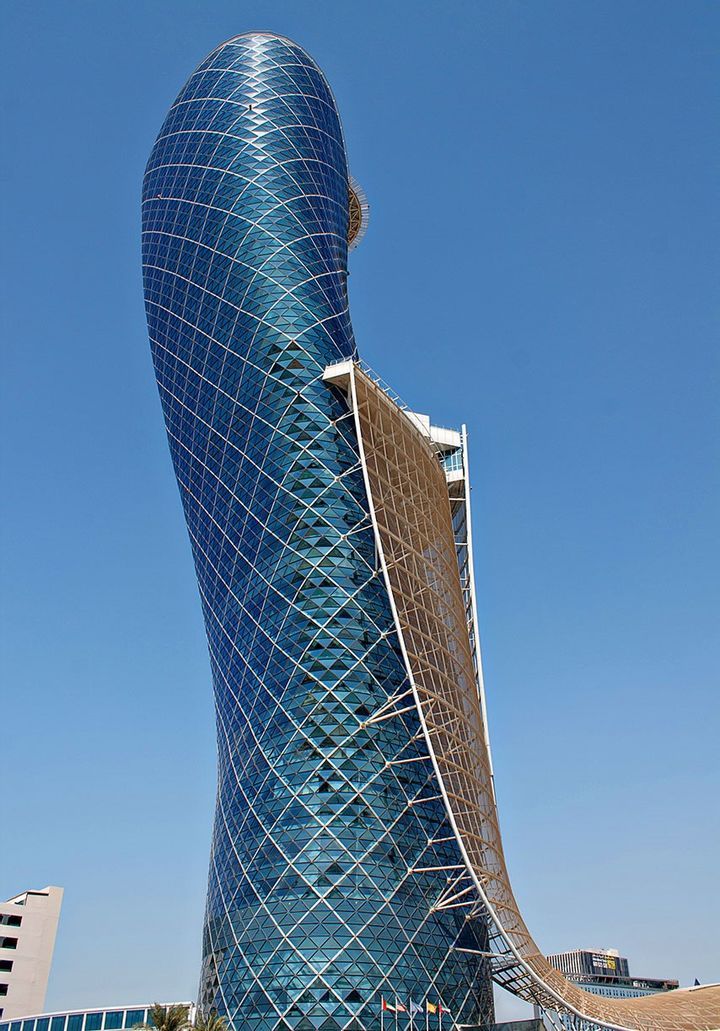
The Leaning Tower of Pisa’s main feature is the fact that it leans about five degrees, but it’s not the only structure that isn’t afraid to curve a bit. The Capital Gate in Abu Dhabi—also known as Leaning Tower of Abu Dhabi—was actually designed and built with an incline. The 520-foot tall, 35-story-building leans almost four times as much as the Leaning Tower of Pisa, reaching around 18 degrees. How wild is that? Not just that, but it’s also one of the tallest buildings in the city.
Right Around -100
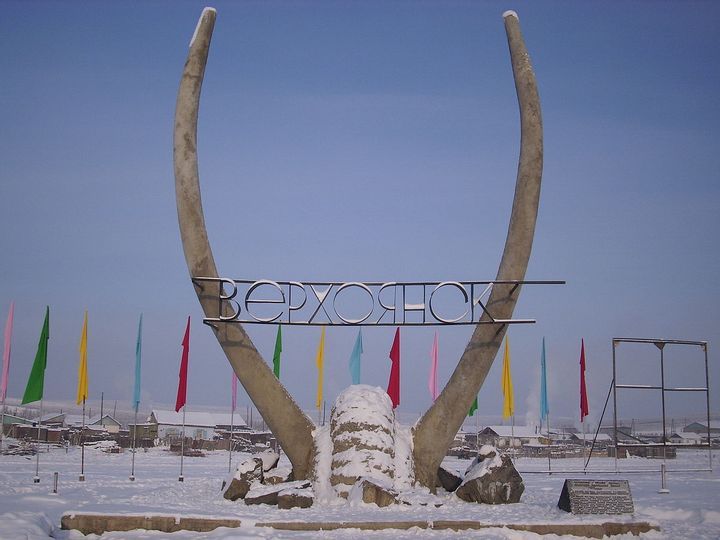
We all know that the poles are the coldest places on our beautiful home here on Earth, but would you ever live there? In the quaint village of Verkhoyansk, Russia, located along the arctic circle, there are quite a few risks that most of us don’t even think twice about in our day-to-day. Because it gets to be below -90 degrees Fahrenheit, residents need to be mindful of things like battery supply since batteries last only a few minutes, the ink in their pens sometimes freezes while they’re writing, and even making sure they aren’t wearing metal glasses or jewelry since the freezing temperatures make it so hazardous.
The Apple Doesn’t Fall Far from the Tree
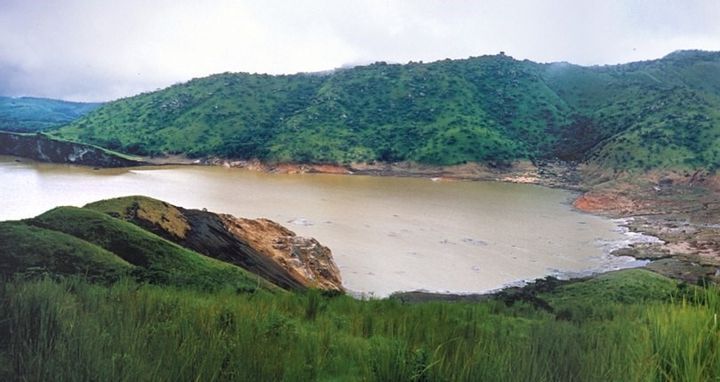
When it comes to explosions, there’s usually a bunch of chemistry and science that goes into the whats, hows, and whys of it happening. But basically, Lake Nyos, located in the northern part of Cameroon, was created from a volcanic explosion. How cool is that? However, the apple doesn’t far from the tree. Beneath the volcanic lake is a pocket of magma that will erupt if triggered with the proper gases. And that eruption will cause an explosion of toxic carbon dioxide. Yikes!
Living Under a Rock
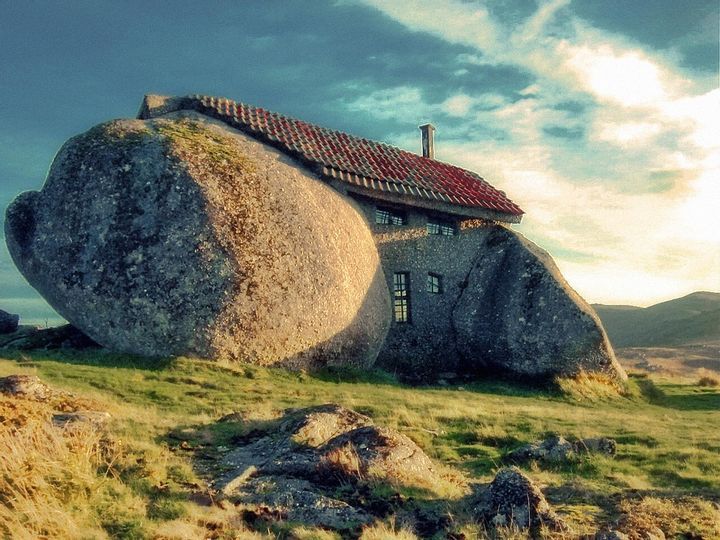
Back in the ‘70s, there was a family that was interested in building themselves a shelter. What was their choice of medium? Boulders, of course. Not one, not two, but four to be exact! Can you imagine what it would be like to live within these gigantic stones? Absolutely absurd! The “Stone House” or “Boulder House” is located in the northern region of Portugal and has now turned into one of the biggest tourist attractions in the area.
Ice, Ice, Baby
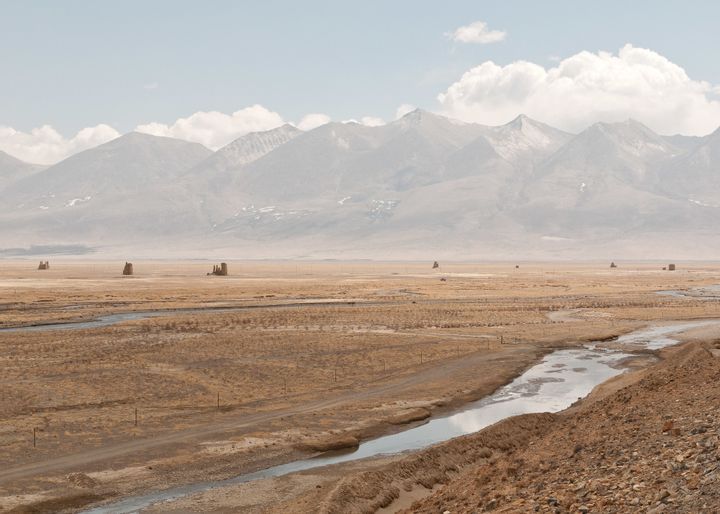
Although they are quite rare, there are all sort of nomadic tribes around the world. The Tibetan nomads that live in the high altitudes of the Changpa region are known as the Nomads of Changthang. They live in one of the harshest of environments as temperatures can get as cold as -31 degrees Fahrenheit in the winter. Not just that, but the area is remote and isolated, which means their access to basic resources is pretty tricky, too. What can we say? Danger comes in different flavors and forms.
Stone House, Now Part Museum
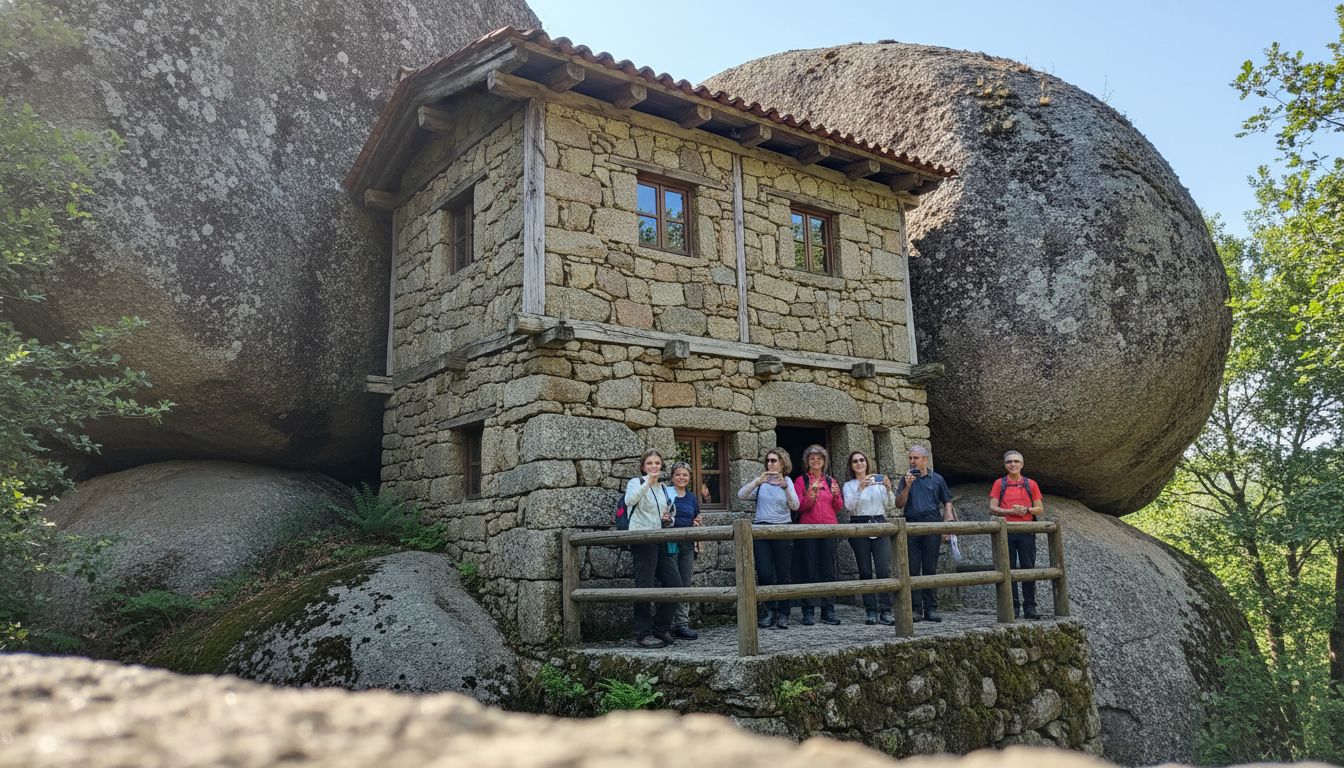
That quirky Stone House that looks like it was carved out of a rock is no longer just a family hideaway from the '70s. Visitors kept coming, curiosity turned into crowds, and the owners had to change how they managed the place. The house now operates partly as a museum and still hosts occasional holiday stays, with guided visits to keep people safe and the structure intact. All that attention helped preserve the oddball charm, but it also meant new security and upkeep work to stop damage.
Rebuilt Again and Again: Drina River House
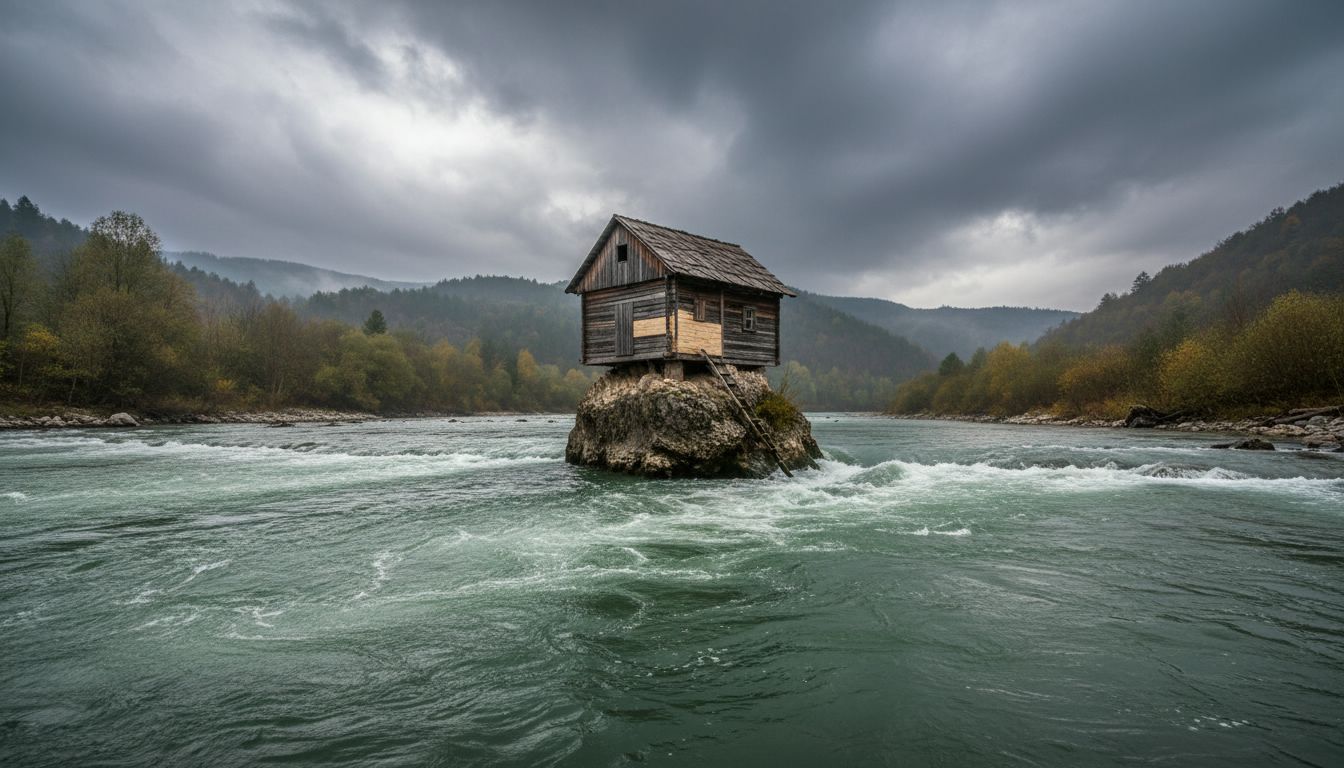
The Drina River House started as a band of teenage swimmers' idea back in 1968, and the river has been trying to take it ever since. It has been ripped apart by floods multiple times and rebuilt each time, refusing to stay gone. There is no plumbing or power, just raw shelter anchored to a rock in the current, so every reconstruction is a battle with the river. It stands today more as a local legend than a practical home.
Las Casas Colgadas Still Hanging On
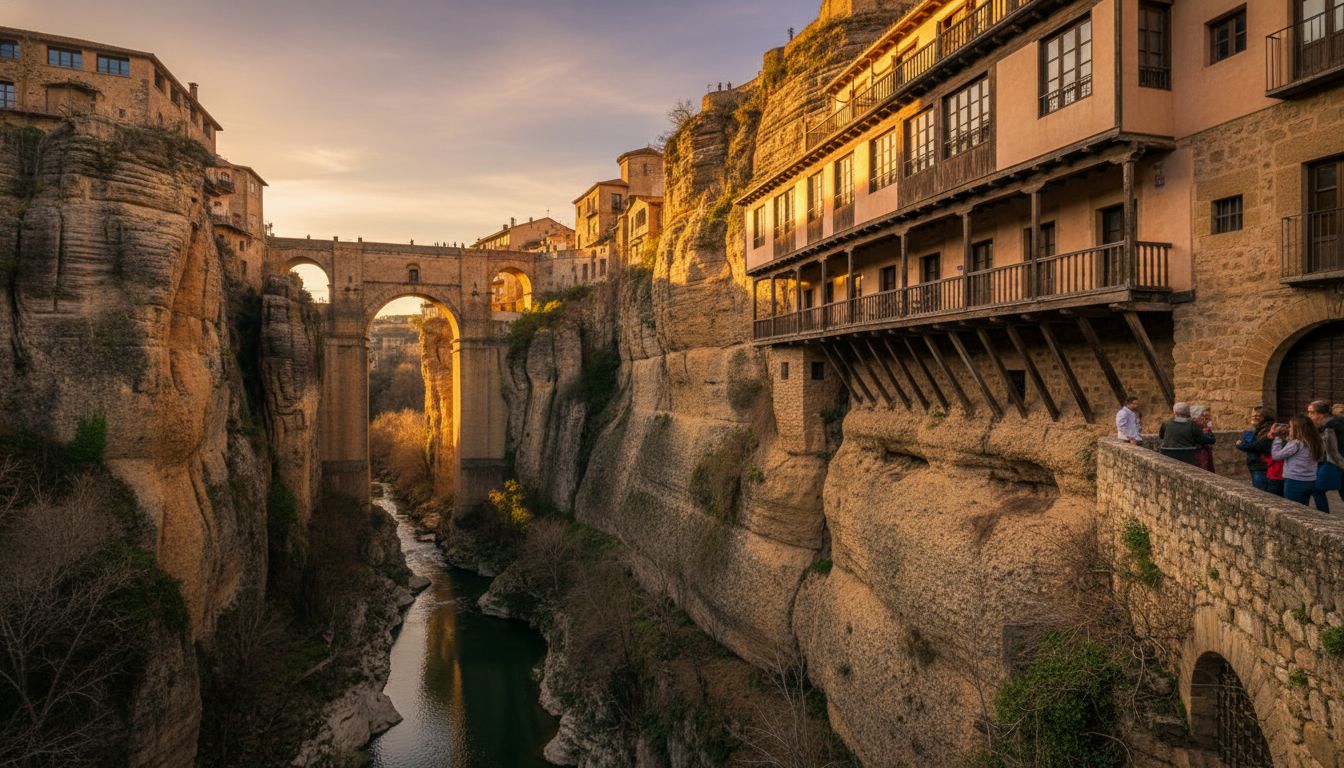
Las Casas Colgadas are more than a photo op, they are medieval living history clinging to a cliff. Built centuries ago with wooden balconies and projecting bay windows, these hanging houses mixed daily life with dramatic risk. They once doubled as shops and hideouts, their tough location acting as defense as much as danger. Today the cliff integration that keeps them standing is also the main reason tourists queue up to see them.
When Popularity Becomes a Problem
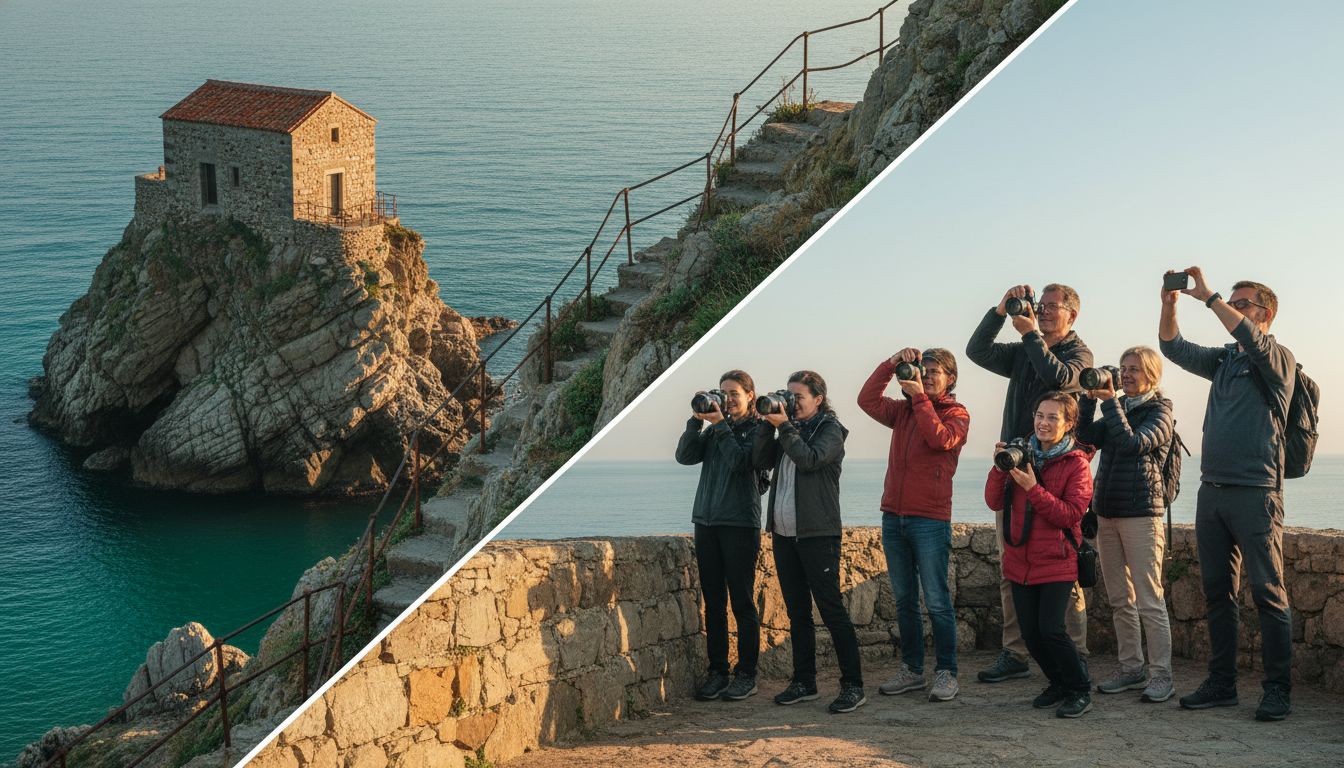
A common thread is clear: viral fame brings crowds, and crowds bring wear and vandalism. The Stone House had to add railings, replace windows, and reinforce doors after visitor pressure grew. The Drina River House and Las Casas Colgadas also face constant stress from people and the elements, forcing owners and local authorities to juggle access and preservation. Managing these daredevil dwellings means balancing tourism with care, or they risk losing what makes them special.
What Comes Next for These Homes
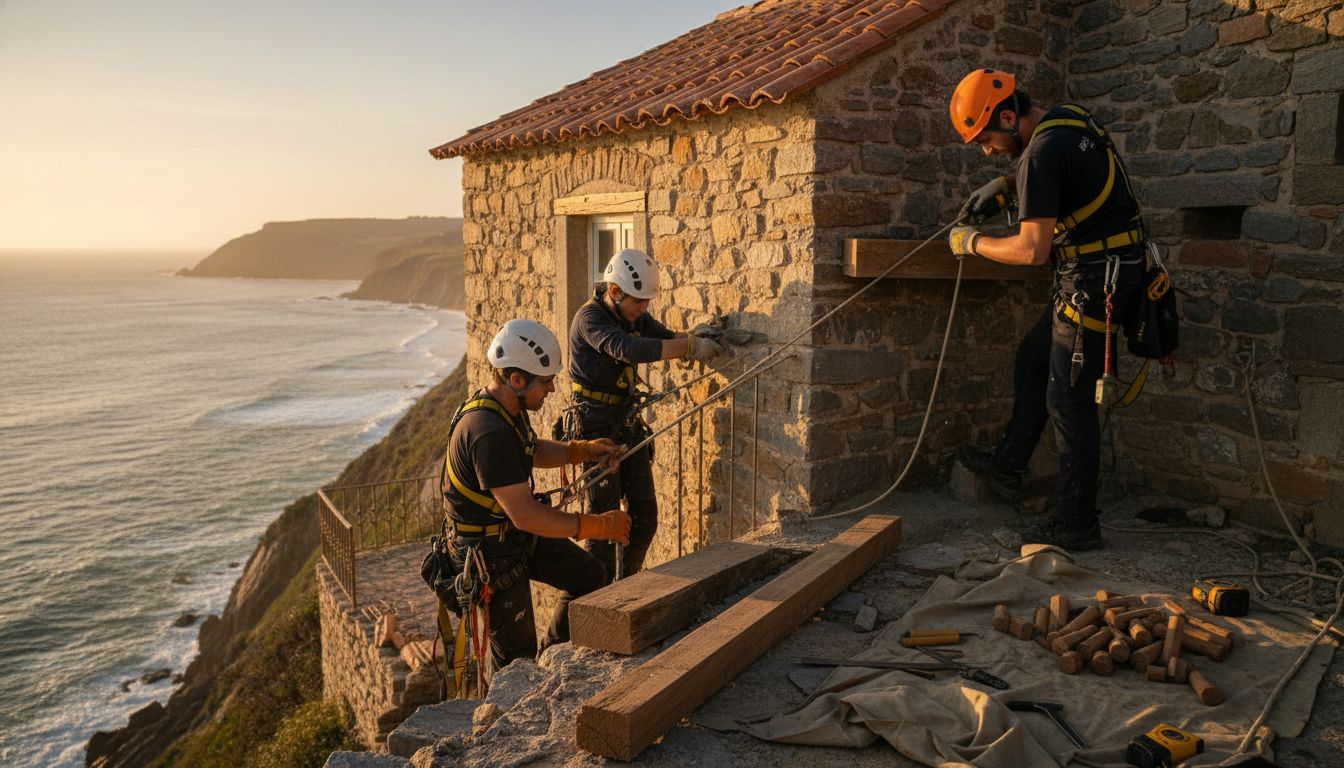
Owners, locals, and visitors all have a role if these places are going to survive. Some sites are being managed as museums with limited access, others get patched up after floods or storms and kept in use as symbols of stubborn human creativity. Expect more controlled visits, repairs designed to blend in, and a lot more attention to how we treat risky beauty spots. If we handle them right, they keep their edge and their stories for the next curious eye.