Belize Blue Hole: Pretty Surface, Ugly Truth Below
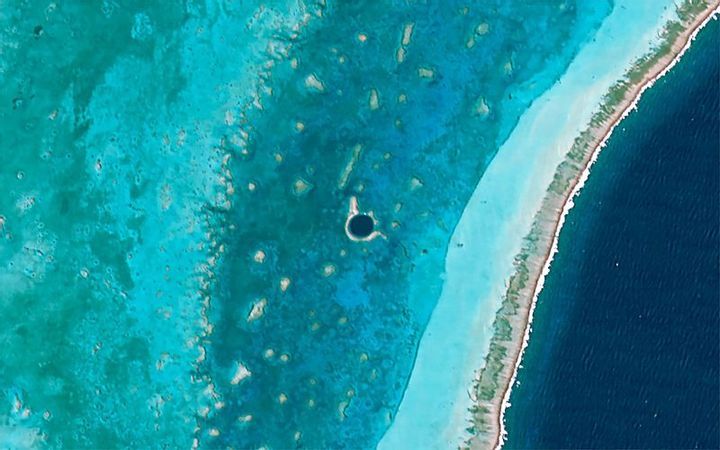
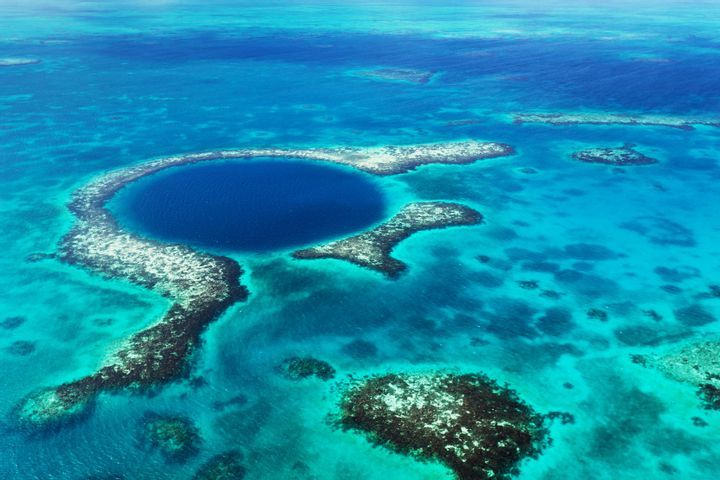
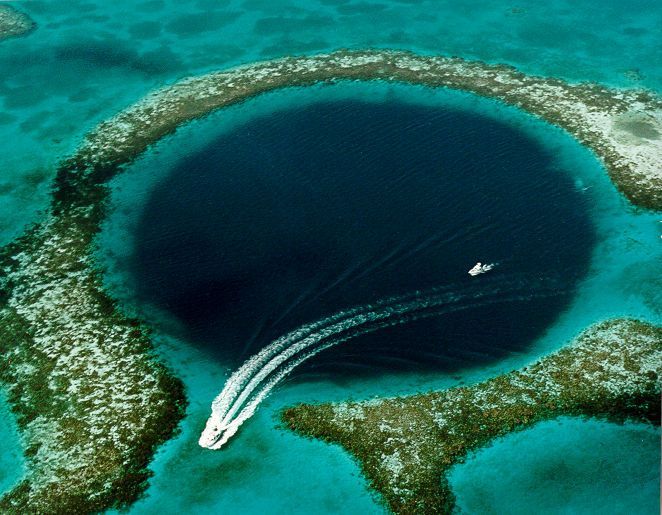
Seen from above the Blue Hole looks like a postcard fantasy. A flawless dark circle set in bright Caribbean water, it pulls the eye and the tourist map. That gorgeous blue hides a near 420-foot drop and, until a recent manned mission, a floor no human had walked. When explorers finally reached the bottom, what they found stunned the team, turned their stomachs and forced them into action.
Big Names, Bigger Expectations Underwater
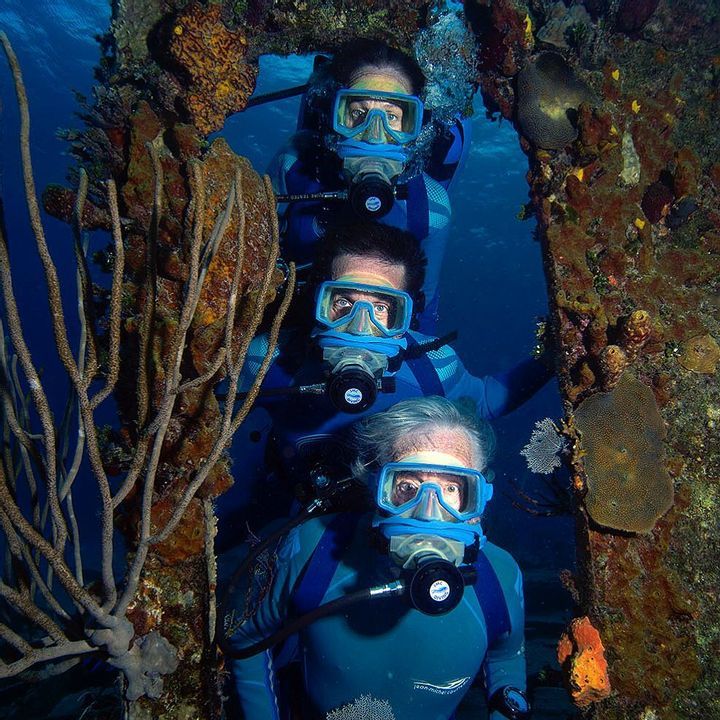
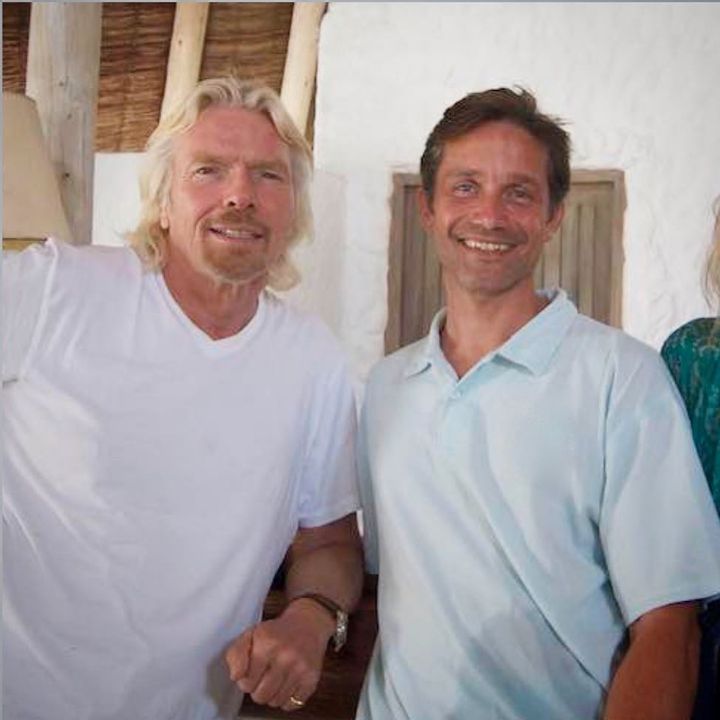
Fabien Cousteau led the dive, bringing a famous name and years of ocean work. Sir Richard Branson came along, and oceanographer Erika Bergman piloted the submersible Aquatica. The descent was streamed live with cameras rolling as they tried to be the first humans to reach the pit's lowest reaches. Excitement was high at the start, but the mood shifted as they pushed into unfamiliar water.
Cave Stalactites Tell Sea Level Story
Far below they found caves hung with stalactites, formations that only form in air. Their presence under dozens of feet of water is a clear record that sea level was once much lower. Around 200 feet the rock changes color, marking old shorelines after the last Ice Age. Earlier wall samples showed unusually low titanium and aluminum, hints that long droughts may have helped topple nearby Maya cities.
A Poison Blanket and An Underwater Dump
About 30 meters down a roughly 20-foot-thick layer of hydrogen sulfide floats like a toxic lid. It corrodes metal and chokes marine life, and the crew found dead crabs and invertebrates stuck in it. Beneath that poisonous blanket the bottom was scattered with plastic bottles, bags and other garbage. What looked like a pristine wonder from the air had become an underwater landfill, and the mission turned into an urgent environmental alarm.
Shock, Action, And What Comes Next
The footage pushed Branson and the team to move from shock to action. Working with Ocean Unite he pressed Belize leaders for protected ocean zones and pledged to cut single-use plastics across his companies. The Blue Hole is not alone; plastic shows up even in the Mariana Trench and the Great Pacific Garbage Patch. The fixes start small: stop single-use plastics, back sustainable packaging and support protected areas so the oceans can begin to recover.
Virgin Oceanic
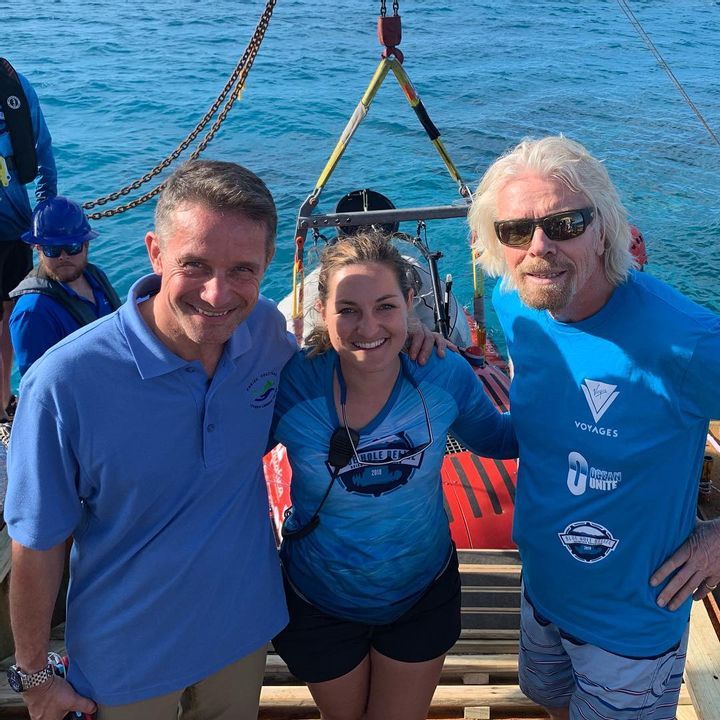
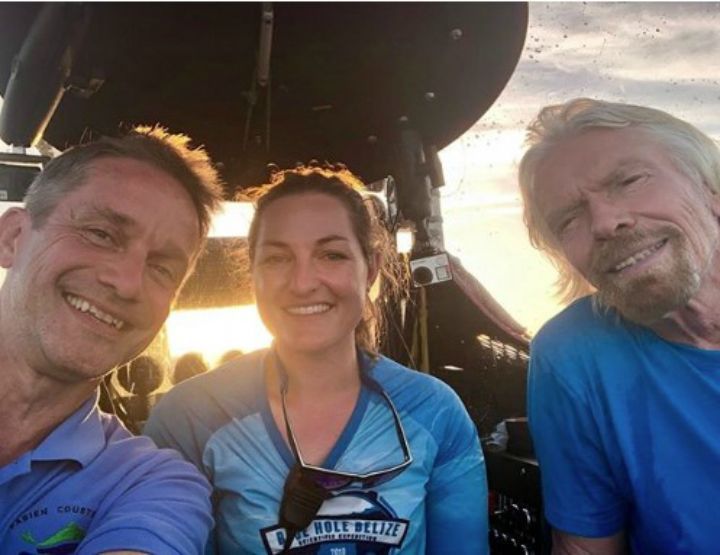
Fabien Cousteau wasn't the only big name in ocean exploration to join the Blue Hole expedition. Joining him was none other than the legendary billionaire, conservationist and adventurer, Sir Richard Branson. Branson, through his ownership of the Virgin Group, is also an owner of the company Virgin Oceanic, which owns a fleet of submersible vehicles. Passionate about ocean exploration and conservation, Branson was keen on joining Cousteau in the Caribbean. Descending to the bottom of the Hole, along with the two explorers, was oceanographer Erika Bergman, who would also pilot their submarine, Aquatica. But while they were all excited about being the first humans to ever visit the bottom of the pit, their cheery faces would sport far grimmer expressions upon their return.
Man on a Mission
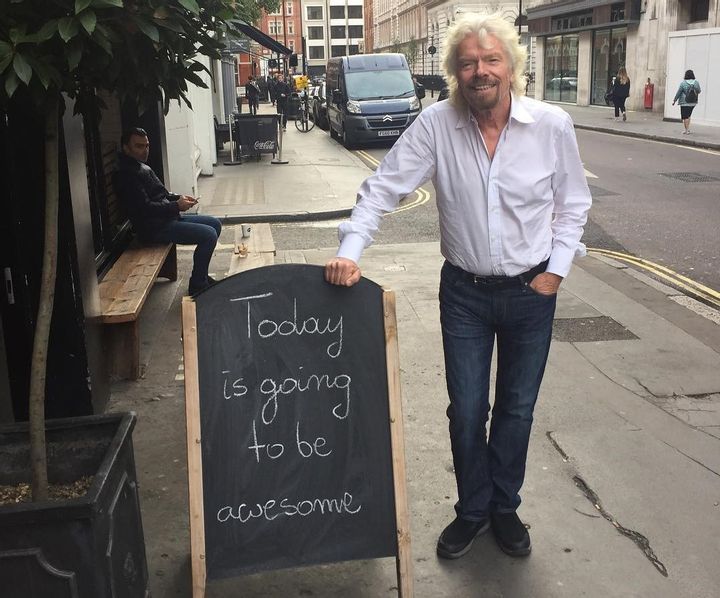
Sir Richard Branson had been very fortunate in his business ventures, and today, he is interested in giving back to society. One of the subjects he is most passionate about is raising awareness of climate change, and finding ways to combat it by promoting and educating about ecological sustainability. Following Jacques Cousteau doctrine of "people protect what they love," he finds great value in making the oceans more accessible to people - and had even hosted a summit on global warming at his private residence on the British Virgin Islands.
Planetary Inner Space
While the Blue Hole of Belize is far from being the deepest sinkhole in the ocean, its unique shape and geological composition have made the mission to penetrate its depths unique in the history of deep-sea exploration. Sir Richard Branson called it a mission into "planetary inner space," and media coverage of the event was unprecedented. Branson, Cousteau and Bergman's descent would be live streamed as they delved deeper underwater, with the Discovery Channel broadcasting their camera feeds all over the world in real time. Finally, preparations were over, the checklists checked off and the cameras were rolling. The intrepid trio were ready to make history.
The Aquatica
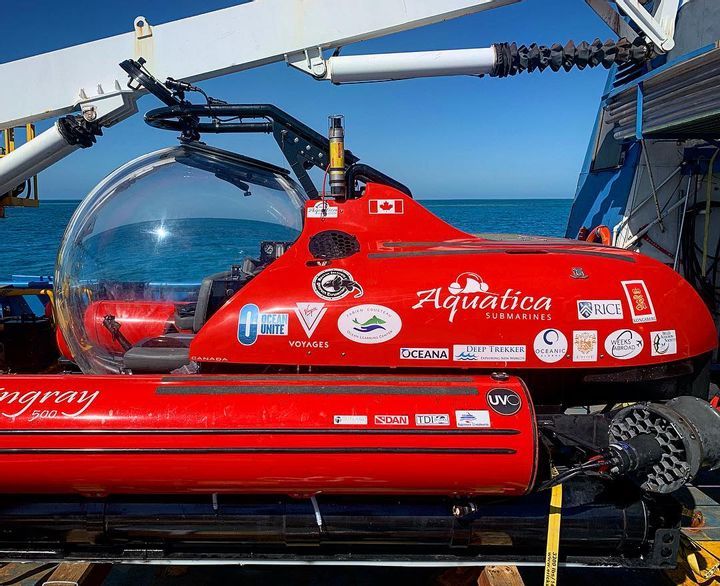
The last time there was so much excitement and public interest around a deep-sea mission was when acclaimed Hollywood director and ocean explorer James Cameron had descended to the bottom of the Mariana Trench - the deepest known point in the world's oceans. Because the depth Cousteau, Branson and Bergman would be descending into far shallower waters, they could afford a much larger viewing dome. The Aquatica submarine boasted excelled views all around its passengers. Soon, the sub was broadcasting images many SCUBA divers who had dived in the Blue Hole had seen - the blue waters swirled around a sheer cliff face, and the mission was underway.
Stalactites
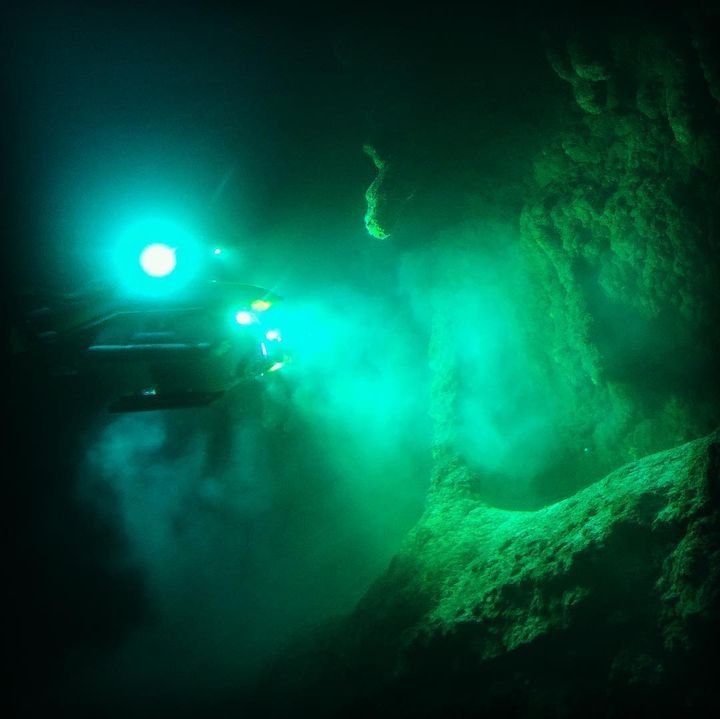
At first, the submarine kicked up some sediment, harming the crew's visibility - but soon, the floating underwater sediment gave way to a fascinating geological formation: caves upon caves of hanging stalactites. While stalactites are common in caves on dry ground, it is impossible for them to form underwater - so how could there be stalactites more than 20 meters under the water?
Silent Testimony
For the crew, seeing cave stalactites underwater could only mean one thing. This was, in the words of Sir Richard Branson, “One of the starkest reminders of the danger of climate change” they had ever seen. At the end of the last major Ice Age, sea levels in the Caribbean had risen at a rapid pace, submerging vast stretches of once-dry land. At 200 feet underwater, the coloring of the rock formations changed, denoting the previous levels of sea water, before the oceans rose and drowned the cave systems above.
Samples
Years before Branson, Bergman and Cousteau had taken the Aquatica into the Blue Hole, a team of researchers from Rice University and Louisiana State University had descended into it in order to collect samples from its sheer walls, at different depths. They hoped that the samples they took would help them solve a historical mystery that took place miles and miles away, deep in the jungles of Central America.
The Passing of a Civilization
Belize, as well as the rest of Central America, had once been home to a sprawling, advanced civilization - the Maya Kingdom. One of history's greatest mysteries was the apparent mass abandonment of Mayan cities, and the subsequent collapse of the ancient culture. Could the Blue Hole hold the answers to the age-old question of the Mayan Civilization? The scientists from the previous expedition to the Hole had found abnormally low levels of titanium and aluminum in its walls - elements which are usually worn out of rock and into the ocean waters by tropical storms. This could mean that the Maya's decline may have been linked to a terrible, long lasting drought. But the Hole had more secrets to reveal yet.
A Toxic Layer
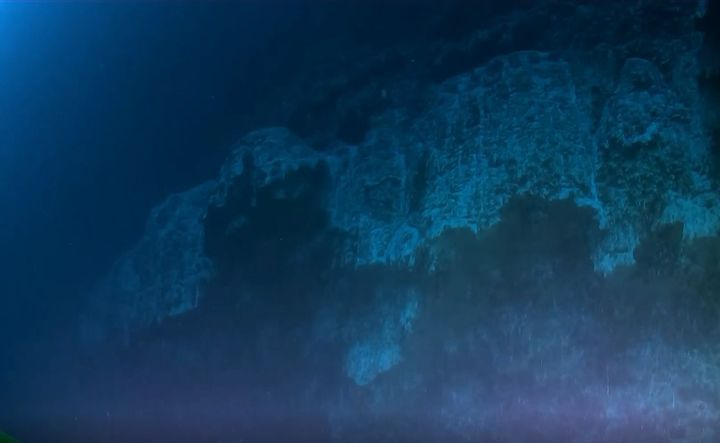
As the team continued to descend, they began to notice a floating barrier beneath them. It was a deadly layer of water rich with hydrogen sulfide, 20 feet thick, floating nearly 30 meters below the surface. Hydrogen sulfide is an extremely toxic substance which can corrode metal - and easily suffocate and kill any form of marine life that happens to wander into it. In the surrounding caves, the team found countless crabs, conches and other invertebrates that had become stuck in the noxious waters and died. Usually, this unpleasant layer of water marks the very limit to which Blue Hole divers can travel - but the Aquatica was equipped to handle the harmful environment, and continued its descent. What they would find beneath the layer of sulfide would prove to be far scarier than poisonous waters and crab carcasses.
Hitting Bottom
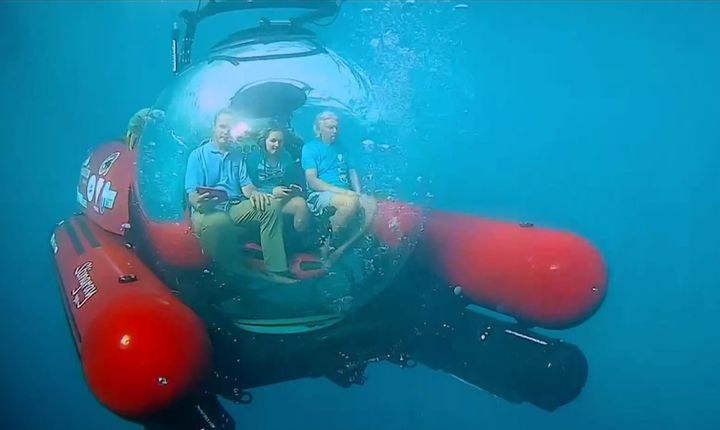
After battling through the thick layer of hydrogen sulfide, the team managed to reach the bottom of the pit - a feat never before accomplished by a manned vessel. Fabien was especially excited: he would be able to pick up his grandfather's work where he had left off, and expand our knowledge of the oceans. The team planned to map the geological anomaly's lowest reaches, and hopefully bring back some scientifically important findings. But what they ended up finding beneath the heavy blanket of hydrogen sulfide would leave them terrified.
Submerged Wasteland
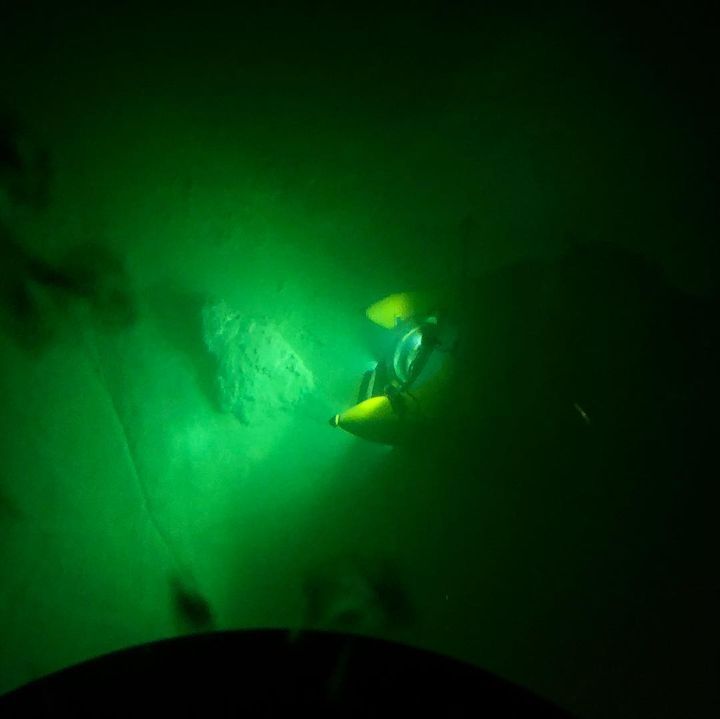
As Cousteau and his team mapped out the bottom of Belize's Blue Hole, their feeling of dread and worry grew from minute to minute. From the surface, the Blue Hole seemed like a pristine, untouched natural wonder, removed from any human influence. But as the submersible crawled across the bottom of the pit, a very different reality was revealed. Countless empty plastic bottles, bags and garbage lined the Hole's floor. The Hole, like many other parts of the ocean, was found to be an underwater landfill. The team were horrified, saddened and revolted. How could we have let this natural wonder turn into a garbage dump? As Cousteau and Bergman voiced their concern, it became clear to Sir Richard Branson that something had to be done.
Horrors of the Deep
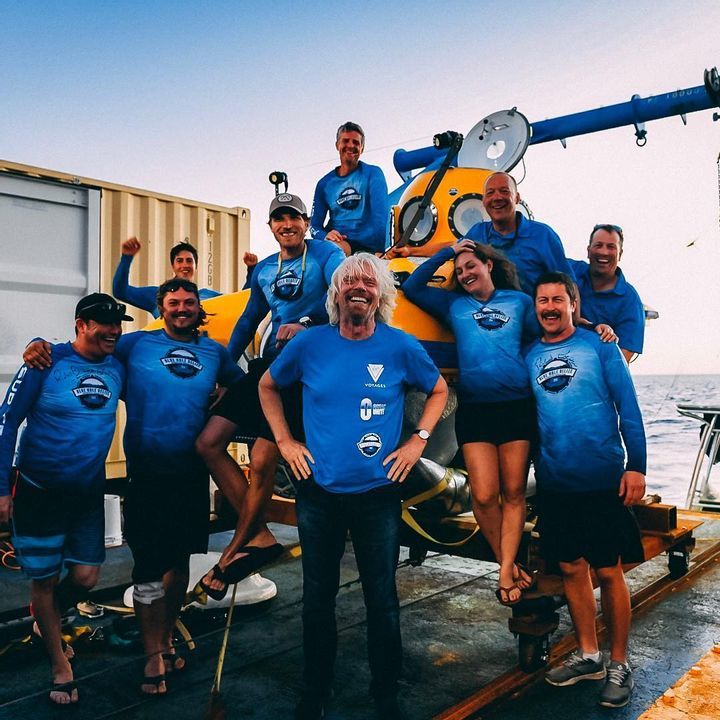
What started as a mission to map out an unexplored part of the planet had turned into a mission of mapping the frontiers human pollution had already conquered. The hole didn't contain any underwater beasts other than the oceanic monster of humanity's own making: pollution. Branson wasn't going to let this pass quietly. Together with Ocean Unite, a conservationist conglomerate, he decided to take action - not just to save the Blue Hole, but the rest of the ocean as well.
Saving the World's Oceans
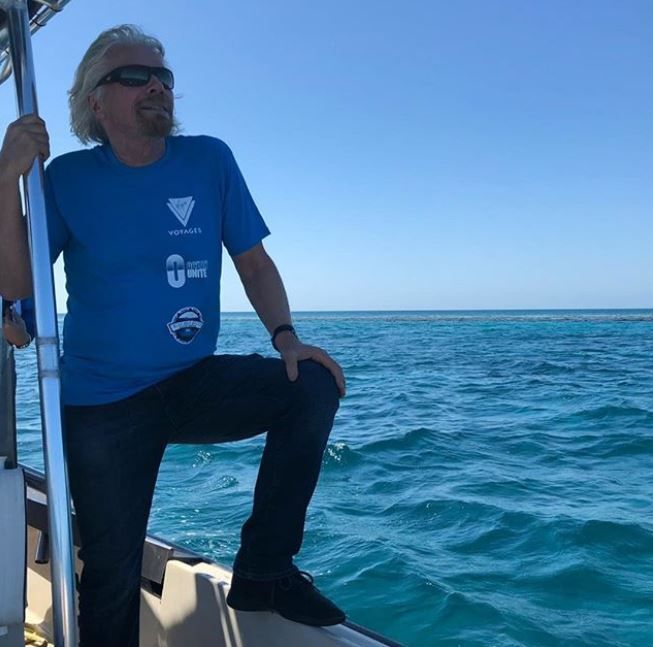
Ocean Unite's stated goal is, by 2030, to set aside a minimum of 30 percent of the world's oceans as protected areas, which would carry real legal ramifications should they be damaged. As a member of Ocean Unite, Branson attempts to combat ocean pollution wherever and however he can. Even before he had embarked on his deep-sea mission, Branson had met up with the prime minister of Belize, and his wife. The billionaire explorer had hoped to convince the nation's leader to put aside %10 of his country's territorial waters as protected areas meant for conservation, as well as to ban various commercial and industrial products proven to be highly damaging to oceanic ecosystems. The Aquatic's findings would serve as more evidence for the importance of this move.
Leading By Example
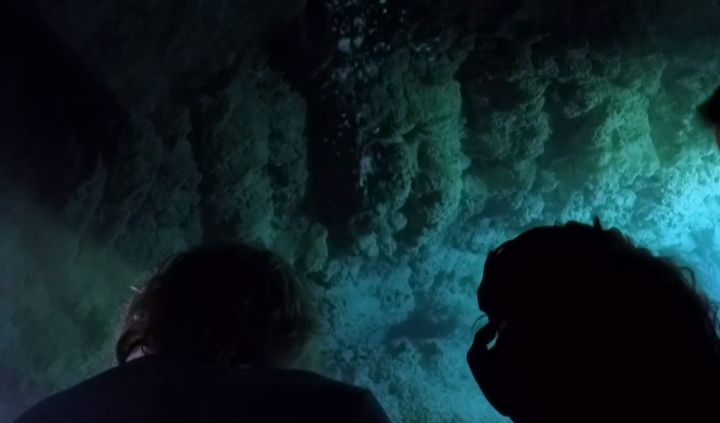
Sir Richard Branson couldn't shake what he had seen at the bottom of the seemingly pristine Blue Hole. He realized that change was needed, and he intended to start it with the way he ran his companies. Branson said that his grandchildren would be in their thirties by 2050, and that he couldn't bear imagining them living in a future without natural wonders like coral reefs, and he pledged to do everything he could to help save the planet. Upon his return home, he declared that his airlines would stop using single use plastics on board their flights, following Belize's pledge to stop using the harmful material during 2019. But this isn't the only action Branson has taken.
Ocean Elders

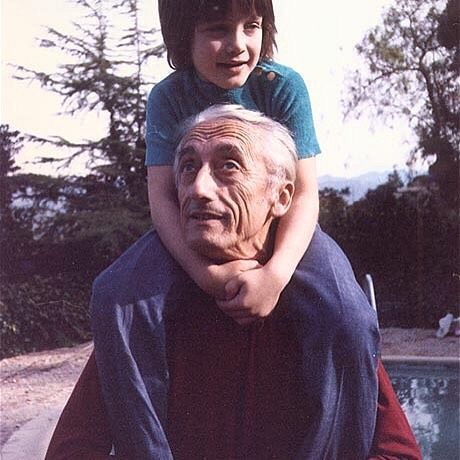
Sir Richard Branson is a volunteer, contributing member and founder of several substantial charities and NGOs dedicated to the preservation of the environment. He's bought and dedicated an entire Caribbean island to the boosting and conservation of Madagascar's ring-tailed lemur, founded the Special Award for the Environment and, perhaps most notably, a key member in the OceanElders organization. The group, made up of influential individuals in business, entertainment and art, is devoted to raising awareness for environmental issues. Other members include people like Neil Young, Jackson Browne… and Jean Michel Cousteau, Fabien's father. But what would become of the Blue Hole?
The Problem with Plastic
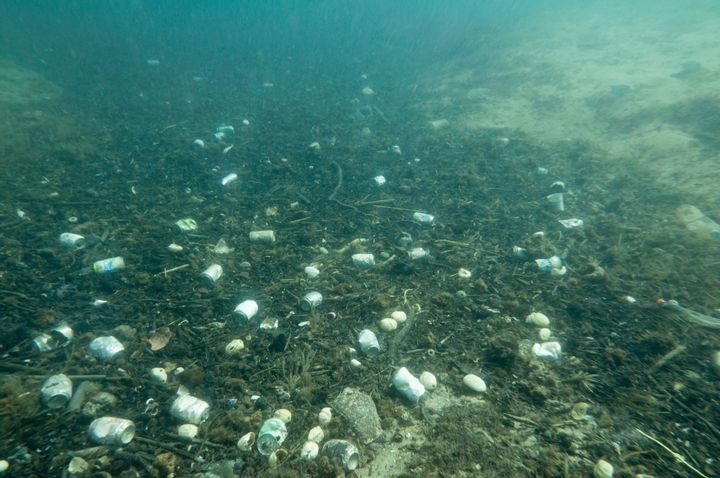
Our planet is facing many environmental catastrophes in recent years - and one of the biggest ones is that of plastic waste. Many influential people have decided to pool their resources together to fight the threat of plastic pollution, and join the likes of Branson in fighting the good fight. Hopefully, with the financial help and influence of big names like Branson, James Cameron and others, as well as grassroots organizations made up of volunteers, the oceans will get cleaner over the next few decades. But Belize's Blue Hole isn't the only Blue Hole out there. In Egypt, a different Blue hole also faces the threat of pollution - as well as a different sort of danger to divers.
The Red Sea's Blue Hole
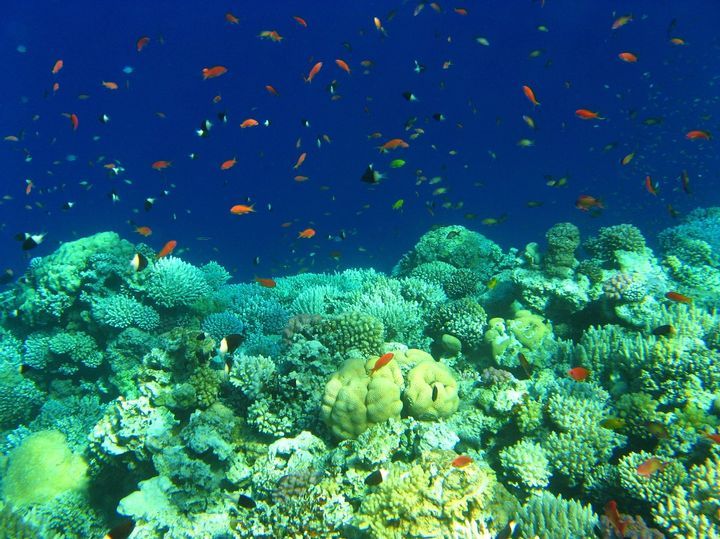
The Red Sea is the northernmost tropical sea on the planet, stretching from Israel in the north all the way down to Yemen in the south. A biodiversity hotspot, its pristine waters and seemingly endless expanses of coral reefs, especially surrounding the Sinai Peninsula, make it one of the best diving destinations on earth. In Egypt, along the Sinai coast, just north of Dahab, the Red Sea boasts its own Blue Hole. Smaller than Belize's, Sinai's Blue Hole has a far grimmer reputation than its Mesoamerican counterpart's.
Just Off the Beach
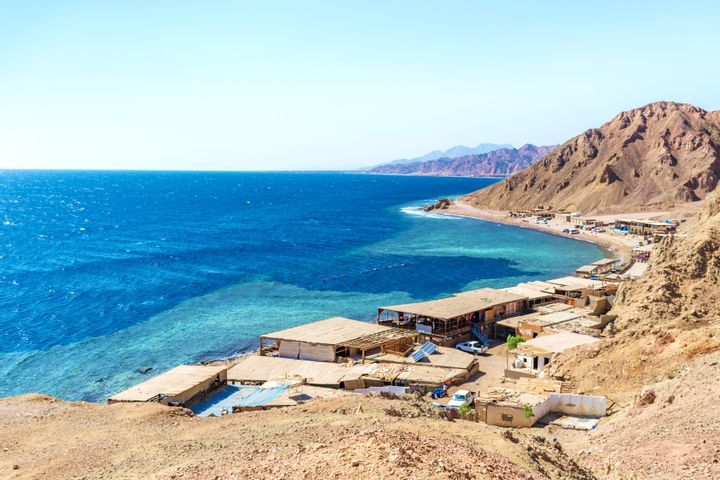
Unlike Belize's Blue Hole, the one in Sinai doesn't require a boat to reach. It's actually right off the beach - but accessing it isn't as easy as simply jumping in the water, and its proximity to land does not assure its safety.
The Dangers of the Arch
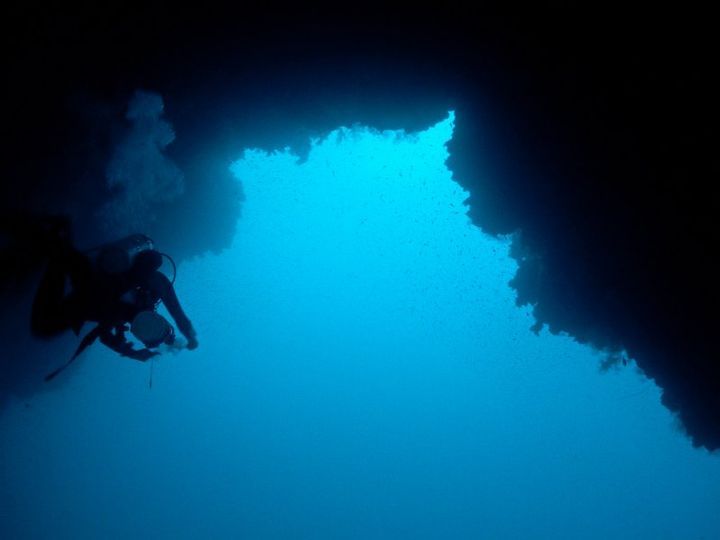
Sinai's Blue Hole is notoriously dangerous, and only experienced divers are permitted to access it - and even then, only when accompanied by a local guide. The reason for the Hole's notorious reputation is in an underwater structure known as "The Arch." The Arch is a tunnel which runs beneath the reef and connects the Blue Hole to the open sea - but due to its depth and confusing shape, many divers can become disoriented when they attempt to traverse it, often succumbing to nitrogen narcosis - a physical phenomenon that takes hold of divers at large depths - losing their way, and sometimes their lives.
World's Most Dangerous Diving Site
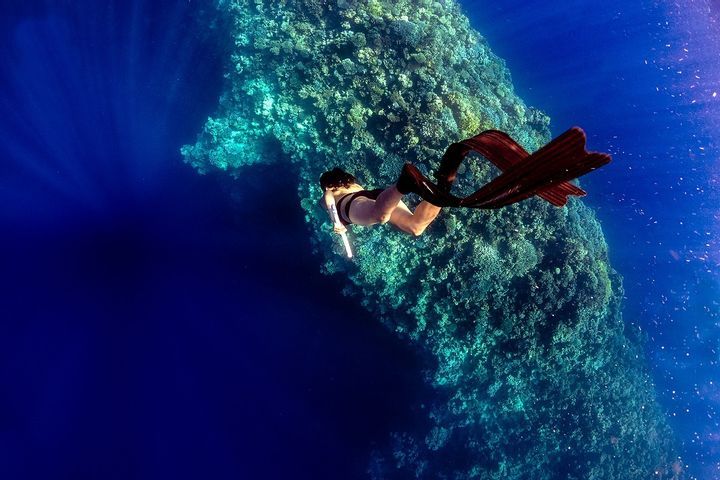
Due to the confusing shape of the arch, as well as the hallucinations and disorientation caused by nitrogen narcosis, only very experienced divers are allowed to explore the Blue Hole in Sinai. The site is considered one of the most dangerous diving locations in the world, and it is estimated that over 200 people have lost their lives while SCUBA diving in its hidden depths. But no matter how dangerous the site may be to divers, the dangers humanity poses to it, in the form of pollution, far outweigh it.
No Place Untouched
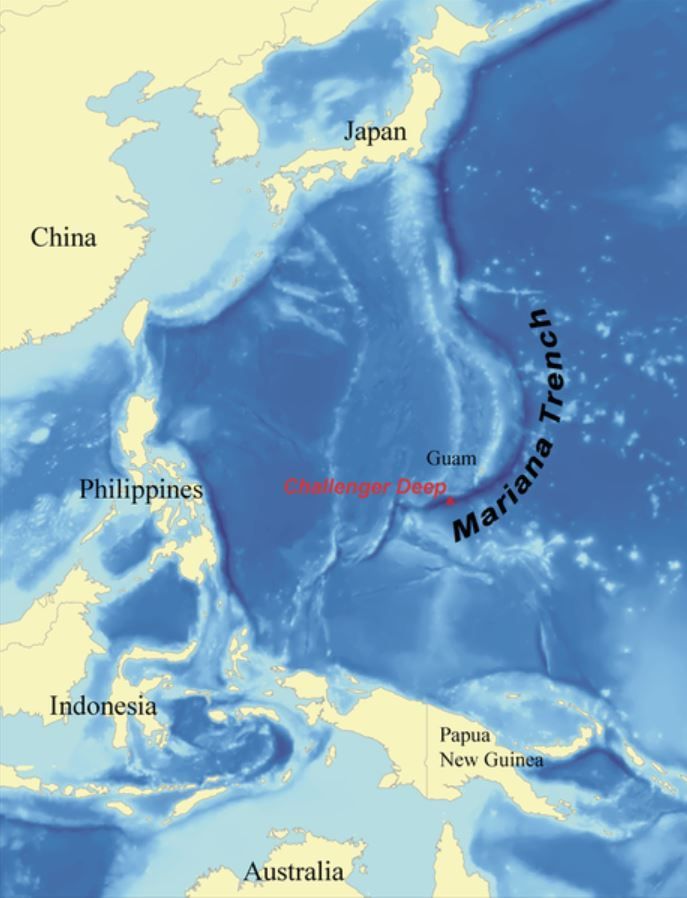
Cousteau, Branson and Bergman were surprised that Belize's remote Blue Hole had been littered to the extent that it had - but even more remote underwater locales have not managed to escape the ravages of pollution. The Mariana Trench is the deepest point in the earth's oceans, and when ocean explorers reached its bottom, alongside fascinating marine life and geological formations, the were able to spot quite a few plastic bags and other man-made garbage.
The Deep-Sea Debris Database
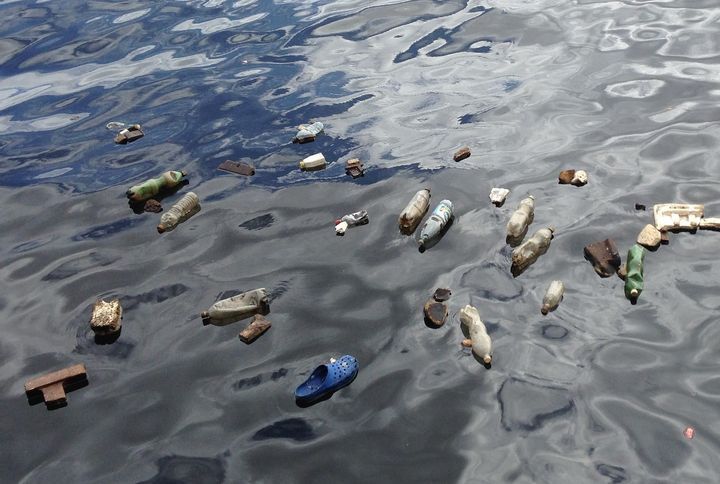
The Deep-Sea Debris Database is a project in which thousands of divers document the trash and garbage they find in their underwater excursions. Out of all of the waste recorded in the database, plastic is, by far, the most common. Other materials include processed woods, metal, rubber and cloth. Most of plastic detected - 89% - originates in single used plastics like disposable water bottles and utensils. But the news gets even worse.
Where is it All Coming From?
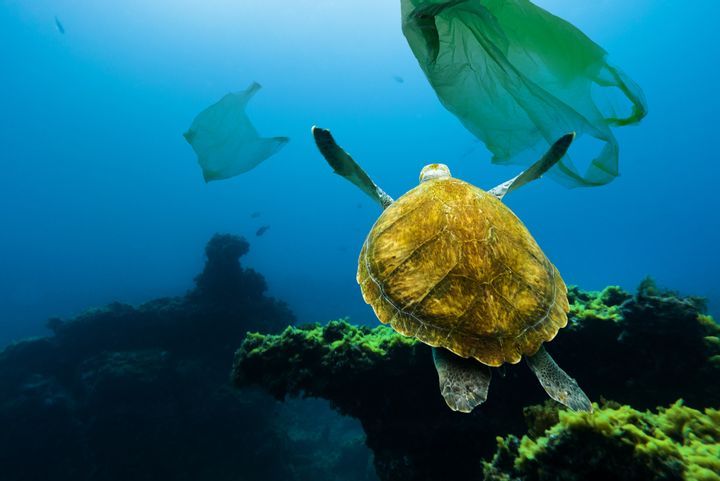
The United States' National Oceanic and Atmospheric Administration - NOAA - has sent multiple exploration vessels to the bottom of the Mariana Trench - and in 17% of the images their submersibles have taken, organisms can be seen entangled or otherwise engaging with plastic debris. But the Mariana Trench is one of the most remote locations on earth! Deep under the ocean, it is far removed from any human habitation… so where is all this plastic coming from?
All Rivers Flow to the Sea
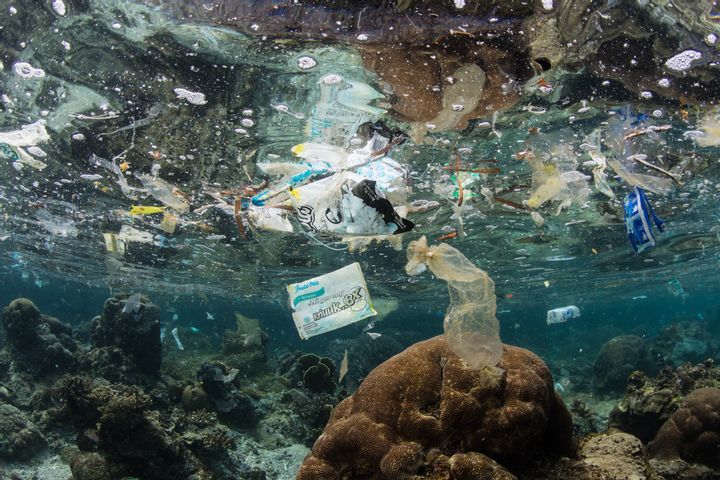
A recent study conducted in the Mariana Trench indicates that the trench has a higher overall level of pollution than some of China's most polluted rivers. This is due to the fact that as plastics break down into ever smaller particles, they find it "easier" to float downward, eventually reaching the lowest spot they can: The Trench. Ocean pollution isn't just due to waste being dumped directly in the sea, but also from rivers that flow into it, sometimes even originating in landlocked countries. Is there a way to stop this kind of pollution?
The Great Pacific Garbage Patch
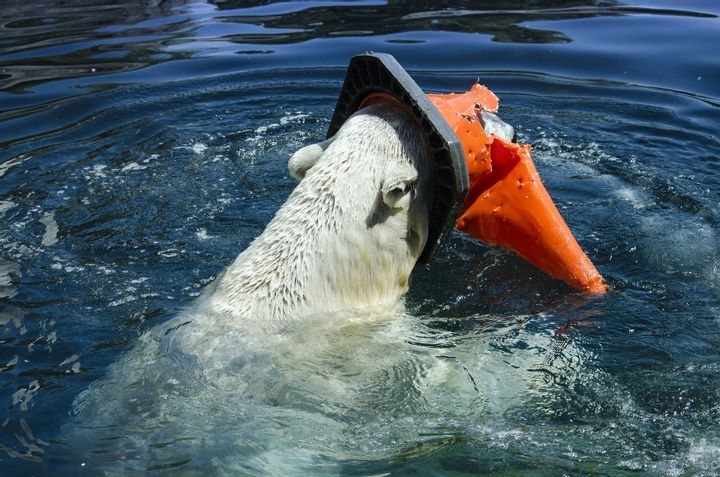
The Great Pacific Garbage Patch is a large swath of ocean, stretching from California to Hawai'i. Roughly the size of Texas, it isn't, like many people often imagine, a huge island made of plastic bottles. Rather, it is comprised of countless plastic particles that have largely broken down to small flakes. While this may sound like it's a better situation, this couldn't be further from the truth. The smaller the toxic plastic particles are, the easier they are for marine life to consume… and the harder they are to extract from the water.
Plastic Fibers
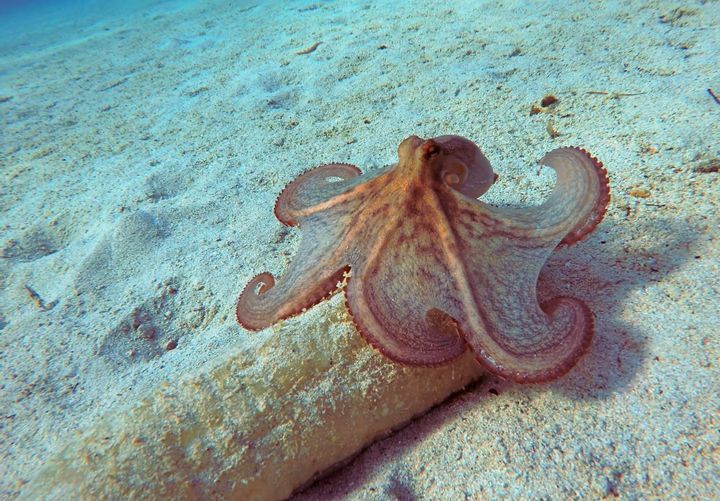
The plastic fibers found in high concentrations in the Great Pacific Garbage Patch, as well as in other parts of the ocean, can enter the digestive systems and even bloodstreams of marine animals. Indeed, plastic fibers have been found in organisms in nearly every oceanic ecosystem, slowly poisoning and entire populations. But while this may sound tragic, some of you may be wondering how this affects humans.
Circle of Life
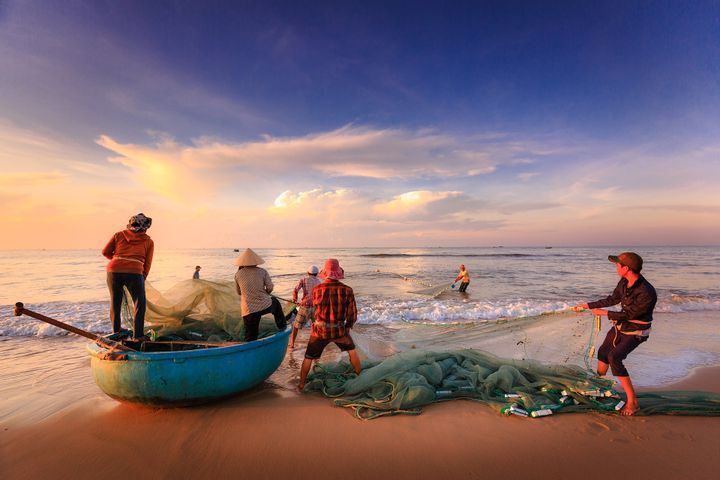
While the ocean may seem distant, the life of every human being is intimately linked with it. Many of the natural products we consume, from fish that we eat all the way to the trees and forests we rely on for oxygen, have an ecological connection to the sea. When our plastic waste hurts and poisons ocean wildlife, it ultimately ends up hurting us as well.
A Global Phenomenon
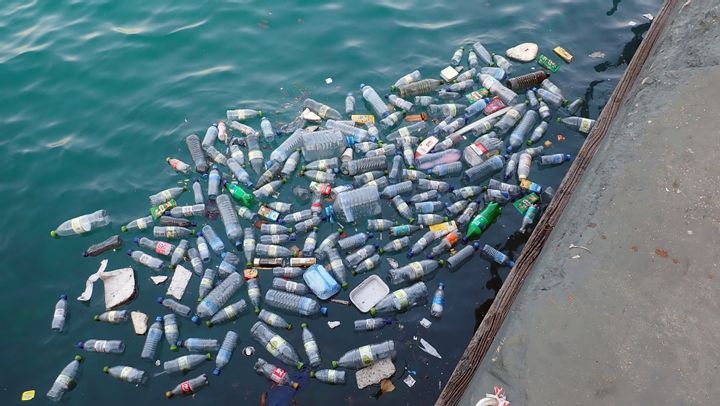
Because the deep sea is the lowest point plastic waste can reach, it ends up accumulating there in staggering amounts. “This is a very worrying find. Isolating plastic fibers from inside animals from nearly 11km deep just shows the extent of the problem,” said Dr. Jamieson, a researcher studying plastic waste in the ocean. “This is global,” he went on, explaining this isn't a problem that's localized to just one country or area. Plastic fibers have reached tap water, table salt and other products man consumes - and they're not showing any signs of disappearing.
Numbers
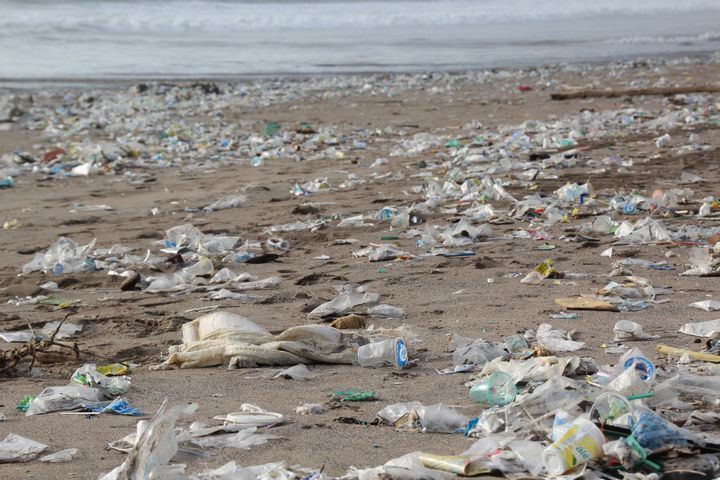
Scientists say that around eight million tons of plastic are dumped into the world's oceans ever year. With over 300 million tons of plastic currently littering the seas, researchers estimate that by 2050, plastic will outnumber fish in the oceans by mass. Elena Polisaon, an Oceans Campaigner for Greenpeace UK, says that the oceans currently contain around 51 trillion microplastic particles - 500 times more than the number of stars in the Milky Way Galaxy. If we don't act fast, the ecological ramifications of this will be dire indeed.
Fighting for the Future
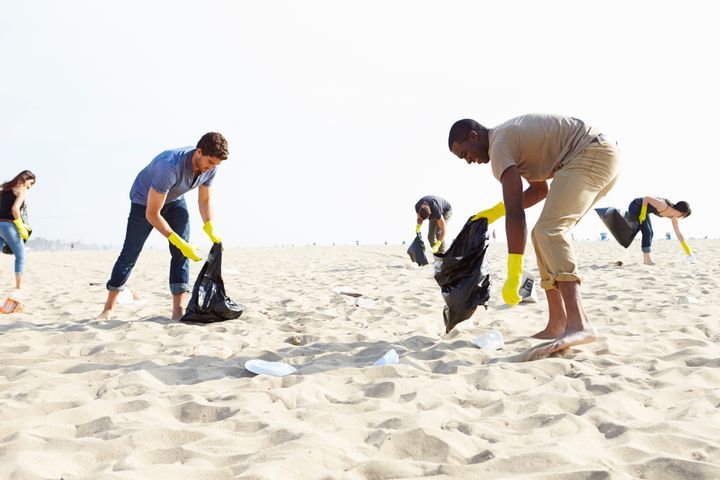
While the numbers and research paint a depressing picture of the world's oceans, we can still take action to change the situation around. In addition to stopping ocean dumpage, it is important to drastically reduce our use of single use plastics like plastic bags, cups, straws and packaging. If you want to be more proactive, you can actively stop supporting companies which use single use plastics, and support instead industries that have turned to biodegradable, sustainable alternatives. With more and more people becoming aware of the dangers of pollution, there's still hope for our planet - and for future generations.
Looking Back at It All
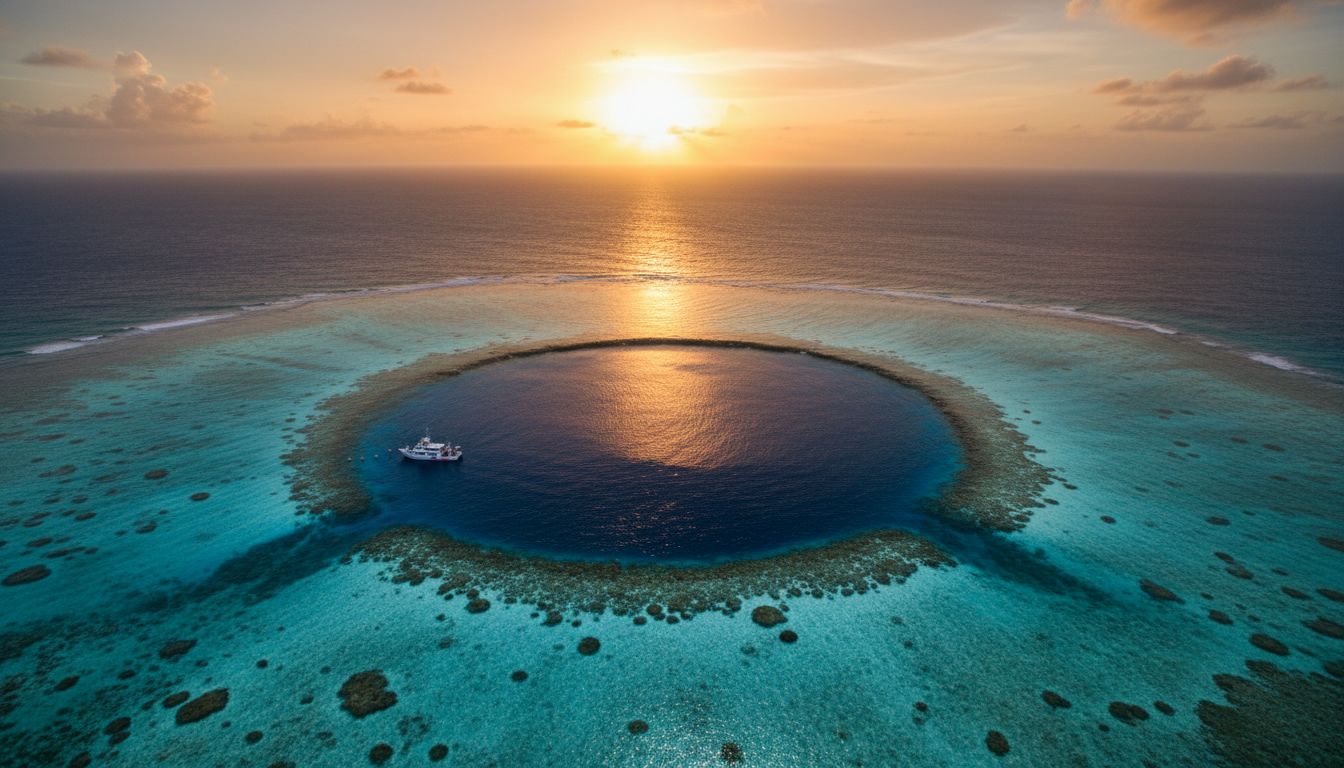
This started as a curiosity trip into a beautiful, mysterious hole and ended as a blunt wake-up call. What Fabien Cousteau, Sir Richard Branson and Erika Bergman found married geological history with human damage. Stalactites told a story of changing seas, the hydrogen sulfide layer marked a drowned past, and the litter at the bottom showed how present choices reach the deepest places. That contrast is the hard part to swallow.
Why Those Stalactites Matter
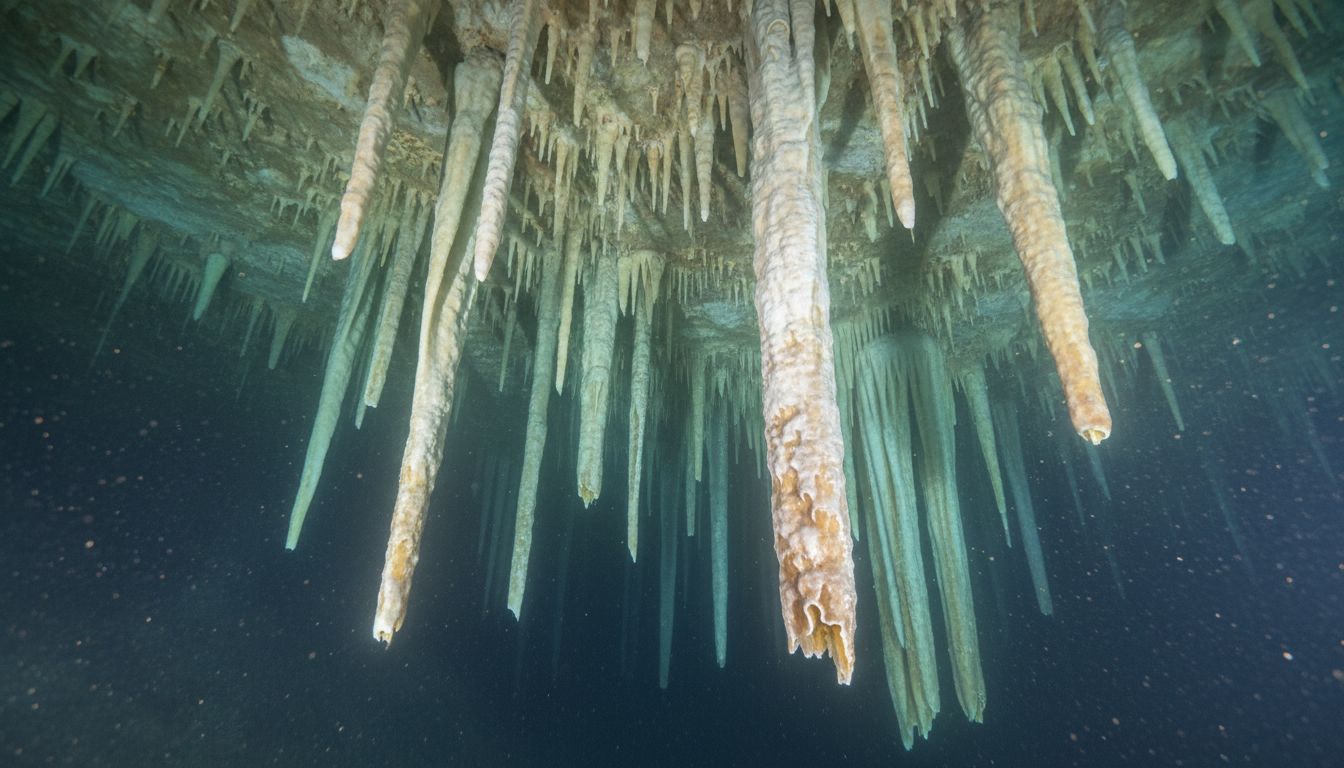
Seeing cave stalactites underwater stopped the team cold. They only form in air, so their presence under dozens of feet of water is a plain record: the sea was once much lower. Jacques Cousteau saw only the surface years ago, while Fabien had the gear to go deeper and read that record. Those rocks are a reminder that the planet changes, and people feel the consequences.
The Real Surprise: Pollution Below
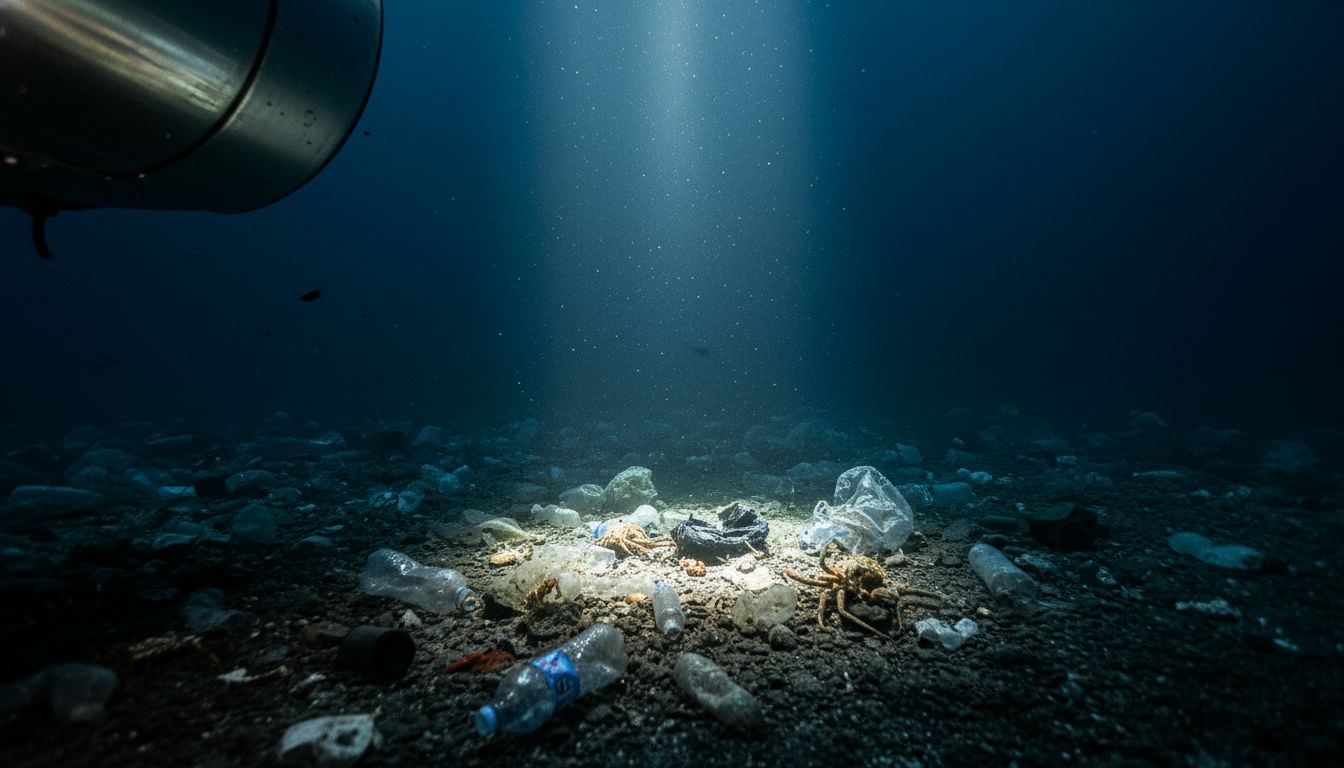
The hardest scene to forget was the floor of the Hole, not empty and pristine but carpeted with plastic bottles, bags and other trash. Past the toxic hydrogen sulfide layer the team found dead invertebrates and discarded human waste sitting among the rocks. That image turned a geological expedition into a cleanup story and left the crew angry and determined. It proves that no corner of the ocean is off limits to our garbage.
What Branson and Team Did Next

Finding trash at the bottom pushed Sir Richard Branson into action. He used the Aquatica's footage to press the case for marine protection, working with Ocean Unite and talking with Belize leadership about setting aside ocean areas for conservation. Back home he pledged to reduce single-use plastics in his companies and to push for policy and business changes. The mission turned exploration into a platform for concrete steps.
Small Choices, Big Ripples
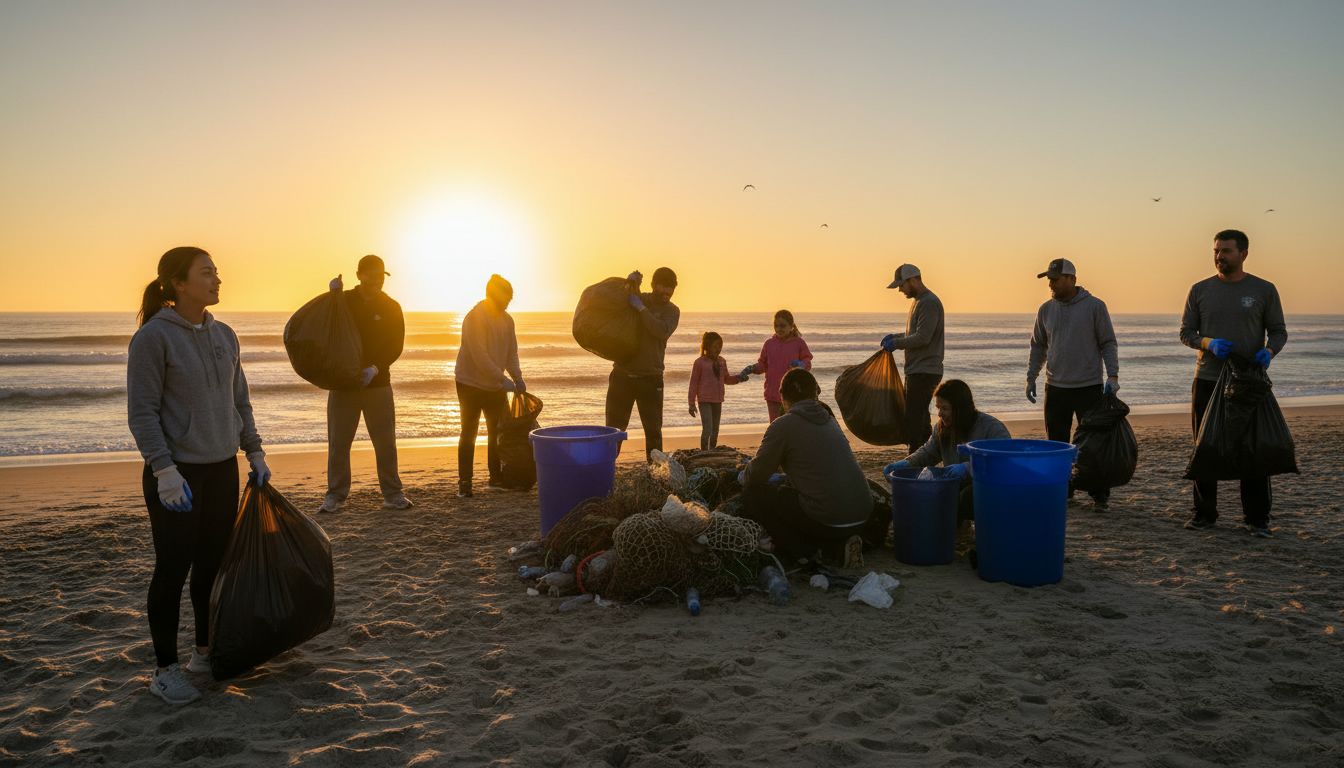
The takeaways are simple and reachable. Cut single-use plastics, choose brands that use sustainable packaging, and support efforts to protect ocean areas like those Branson and Ocean Unite advocate for. Volunteer for beach cleanups or back organizations doing research and policy work. If enough people change habits, that landfill at the bottom of the Blue Hole can stop growing.
Sharper Maps, Clearer Footage
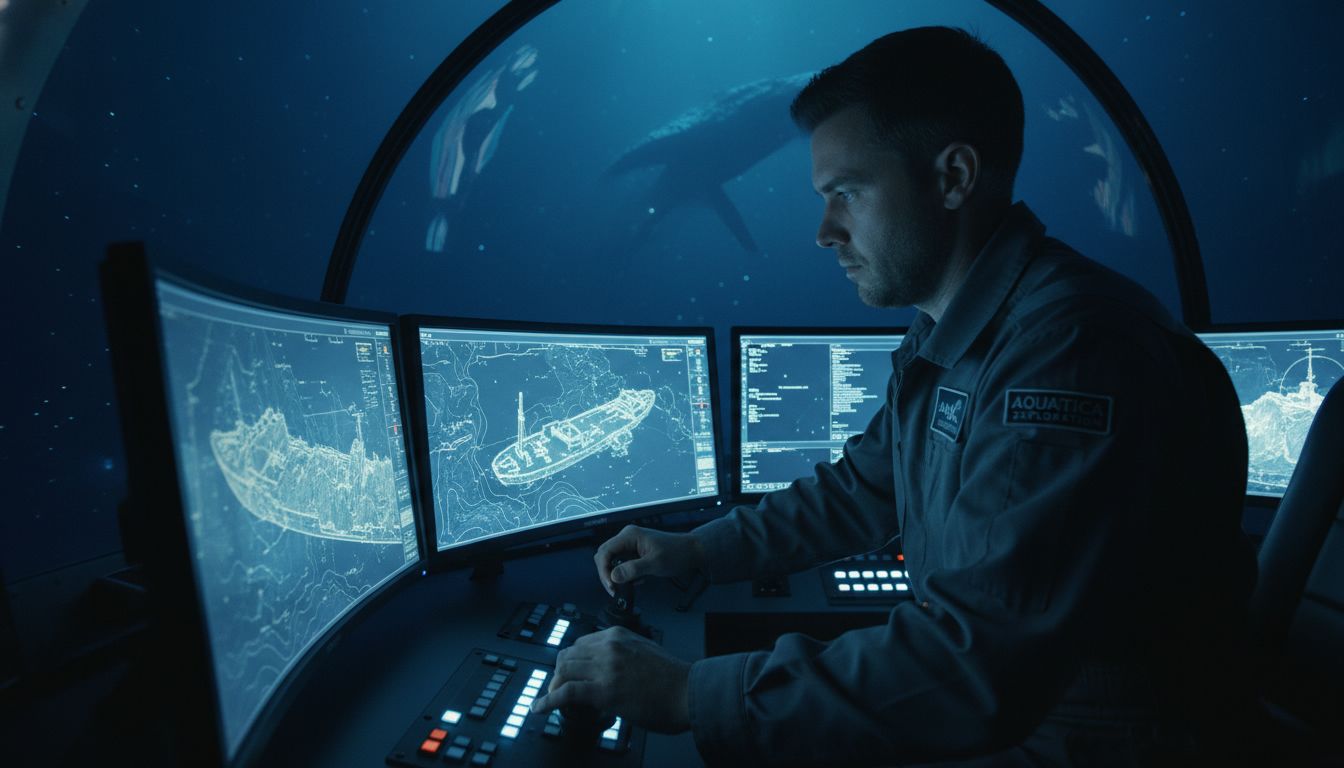
The team used advanced sonar and cameras to build the most detailed 3D map of the Blue Hole yet. That mapping helped pinpoint the hydrogen sulfide layer and the trash fields on the floor. The cameras even turned up a lost GoPro among the debris, a small but telling relic of how human stuff travels. The images gave the mission hard evidence to show to policymakers and the public.
A Quiet, Respectful Discovery
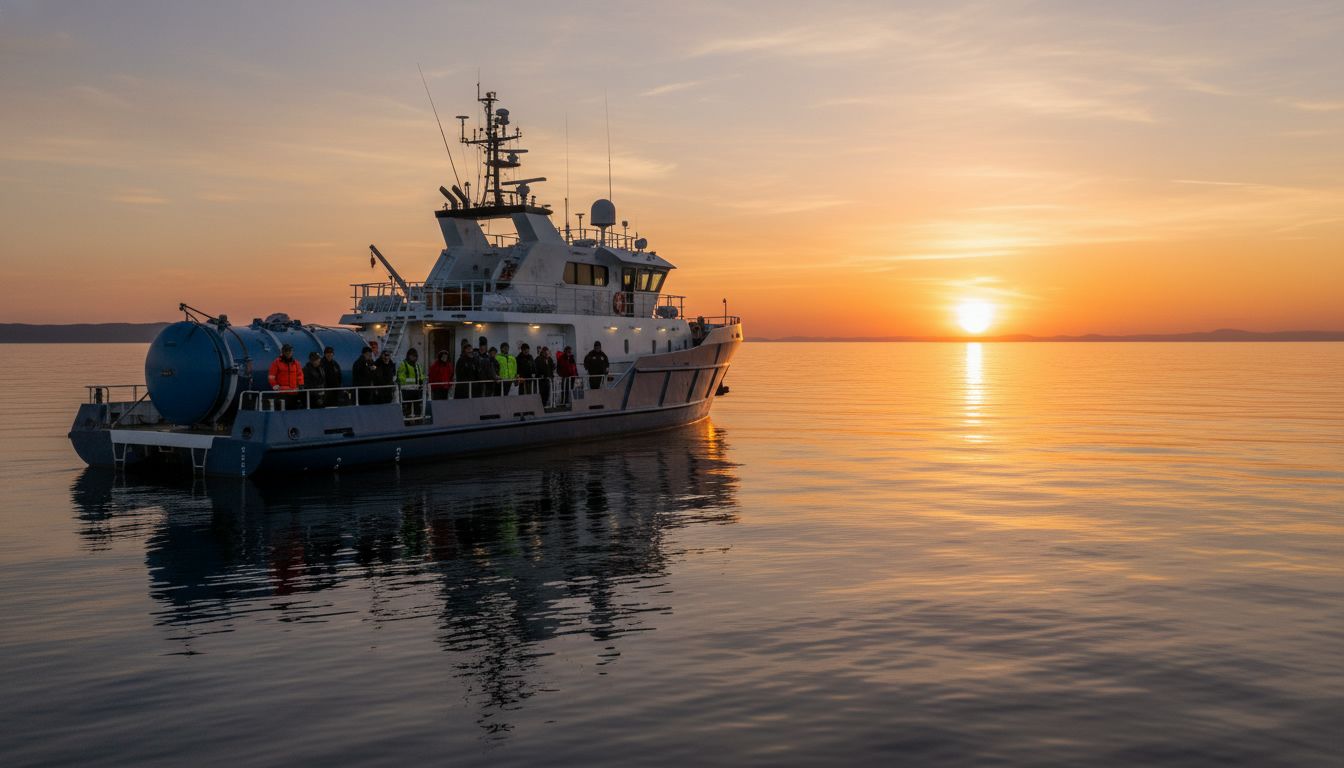
Beyond the toxic layer the team also came across something sad and solemn, human remains tied to past diving accidents. The crew reported the find and left the sites undisturbed out of respect while notifying local authorities. The moment changed the tone on board from scientific excitement to sober responsibility. It underlined how fragile exploration can be, and how care matters even after a discovery.
Sediment Cores Tell a Long Story
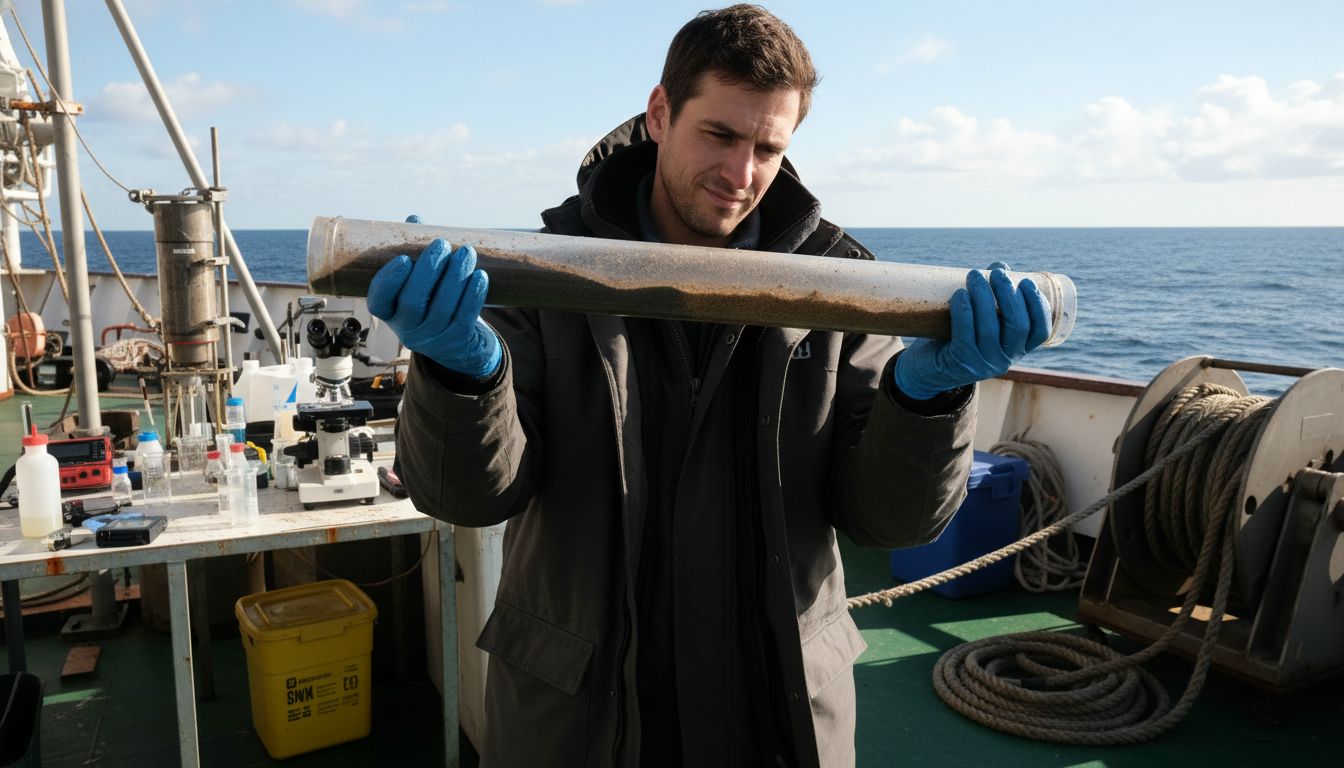
Subsequent science teams pulled long sediment cores from the Blue Hole floor that act like buried weather logs. Those cores preserved by oxygen-poor bottom water revealed a multi-thousand-year record showing storm activity has risen in recent decades. That long view links what the explorers saw in the hole to changing regional climate. The data give conservationists another tool when arguing for protection.
Stalactites Span Many Ice Ages
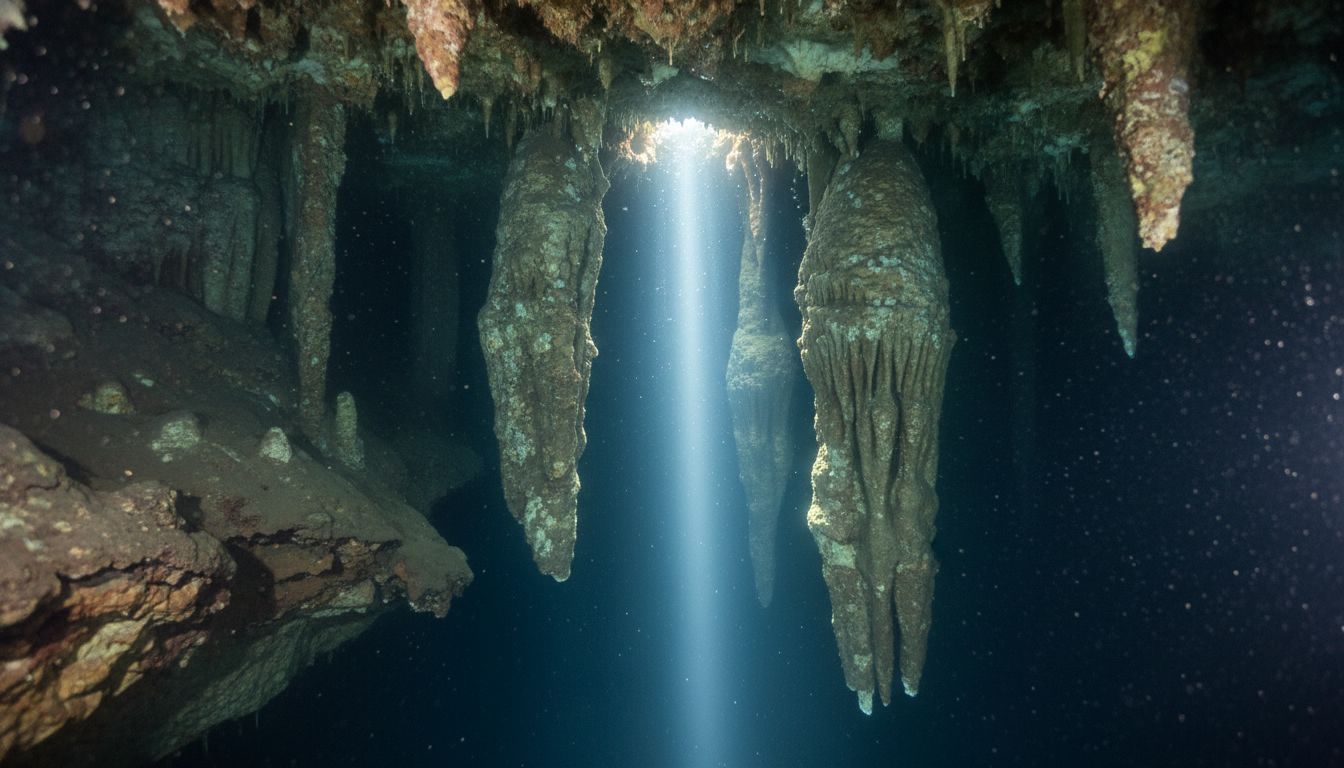
Analysis of the cave formations confirmed the stalactites formed across several past ice ages, when sea levels were much lower. Those layers are a straightforward, physical record that seas have risen and fallen over long stretches of time. For Cousteau and the crew, the rocks are a lesson in natural history that sits beside the modern lesson in human impact. They make the present changes feel less abstract and more urgent.
How This Strengthens Protection Push
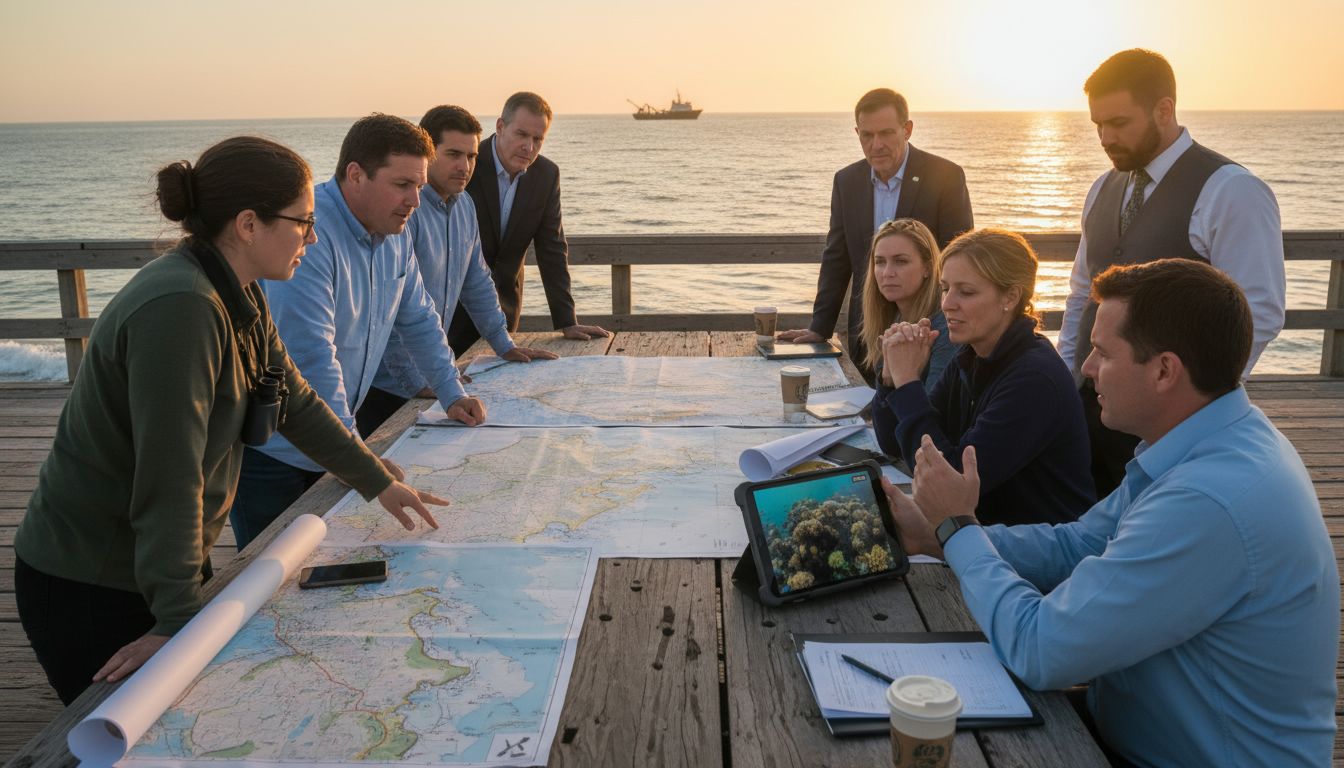
The new maps, footage and sediment work have hardened the case for stronger marine protection around the Blue Hole. Branson, Ocean Unite and scientists have used the evidence in talks with Belize leadership and international groups to push for protected zones and single-use plastic reductions. The results are still unfolding, but the mission shifted from exploration to policy pressure. For everyone else, the data are a reminder that personal choices and local policy add up.
What We Can Learn From This
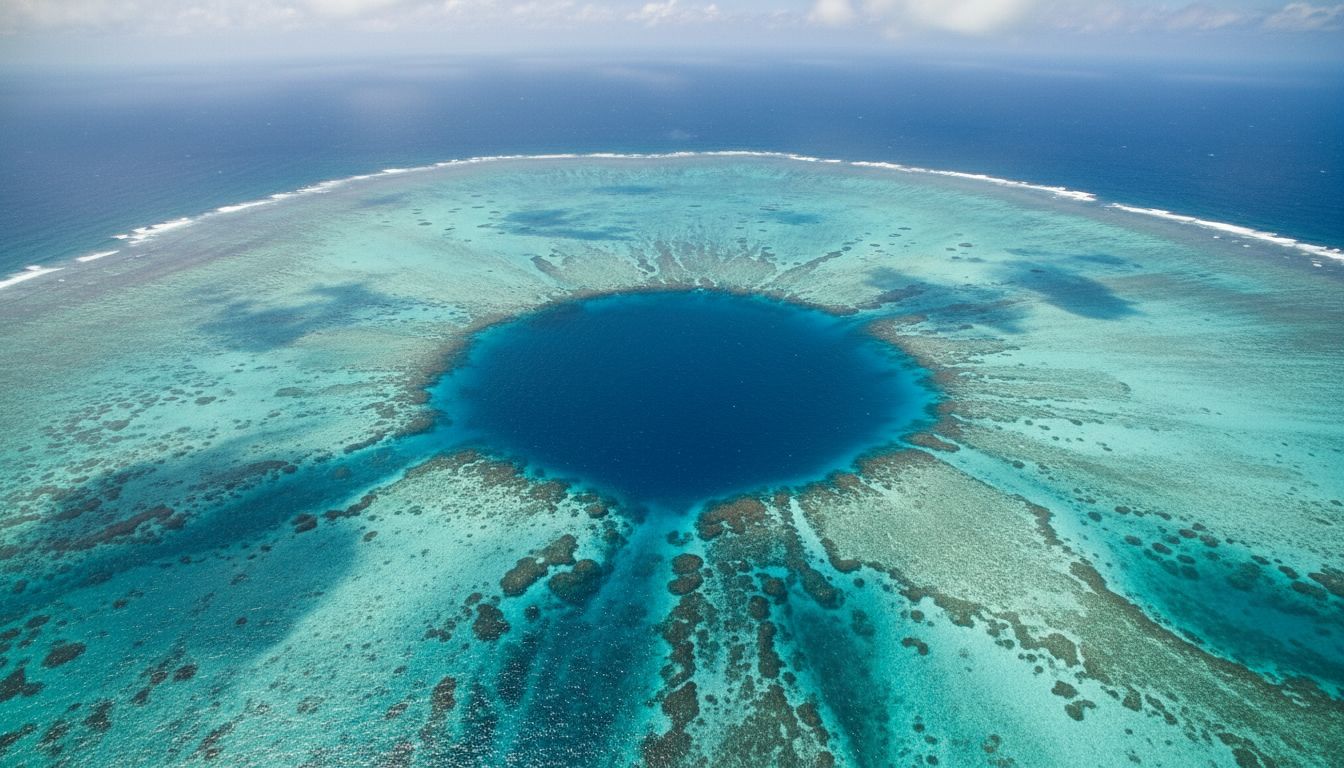
This started as a curious trip into a hole and ended as a hard wake-up call. The stalactites tell us seas moved long before humans, the hydrogen sulfide layer marks a drowned past, and the plastic on the floor shows our present choices have reach. Cousteau, Sir Richard Branson and Erika Bergman walked away with science and anger in equal measure. The lesson is simple: natural history and human impact sit side by side, and we decide which one grows.
People, Policy and Pressure
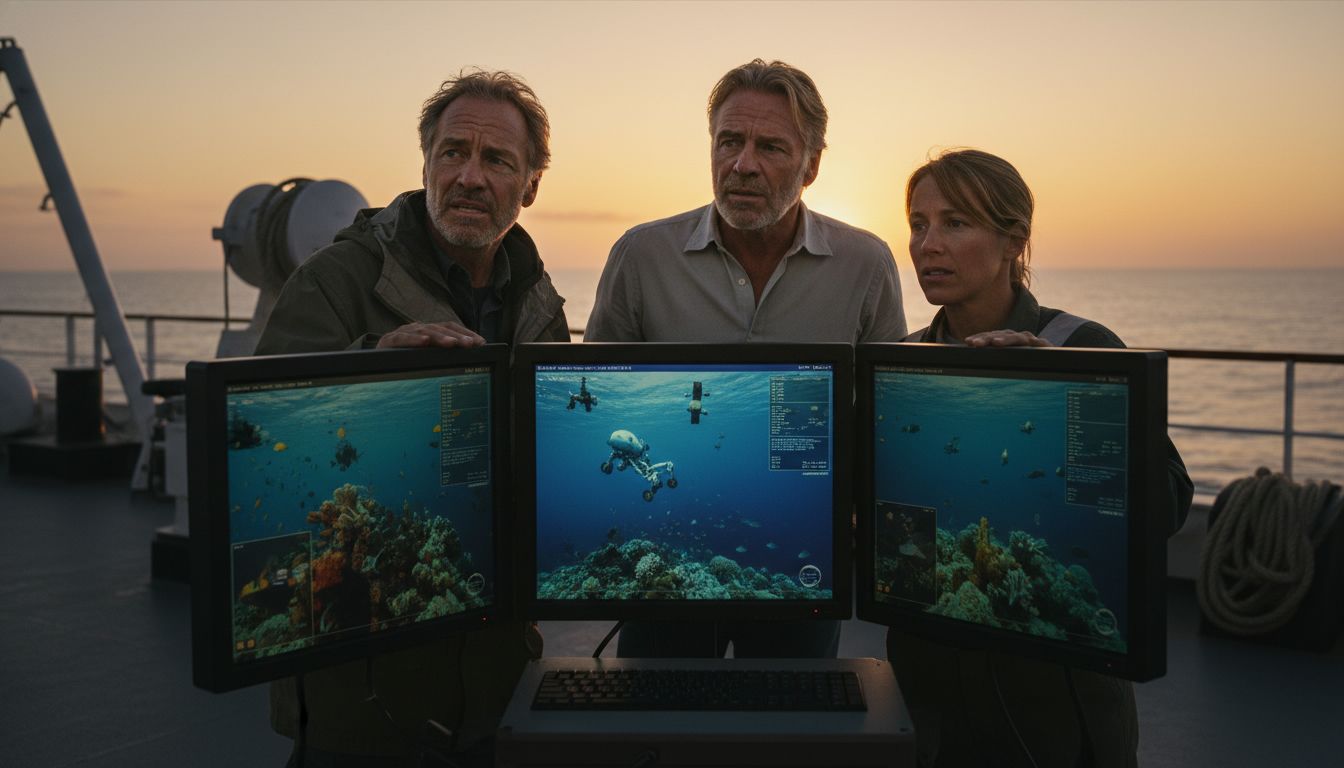
Footage mattered. When Cousteau and Sir Richard Branson brought pictures back, the story left the lab and moved into conversations with leaders and conservation groups like Ocean Unite. That shift from discovery to policy pressure is what turns images into protection. Evidence on a screen can be the nudge policy makers need, especially when it is clear and hard to ignore.
Why the Deep Scene Matters
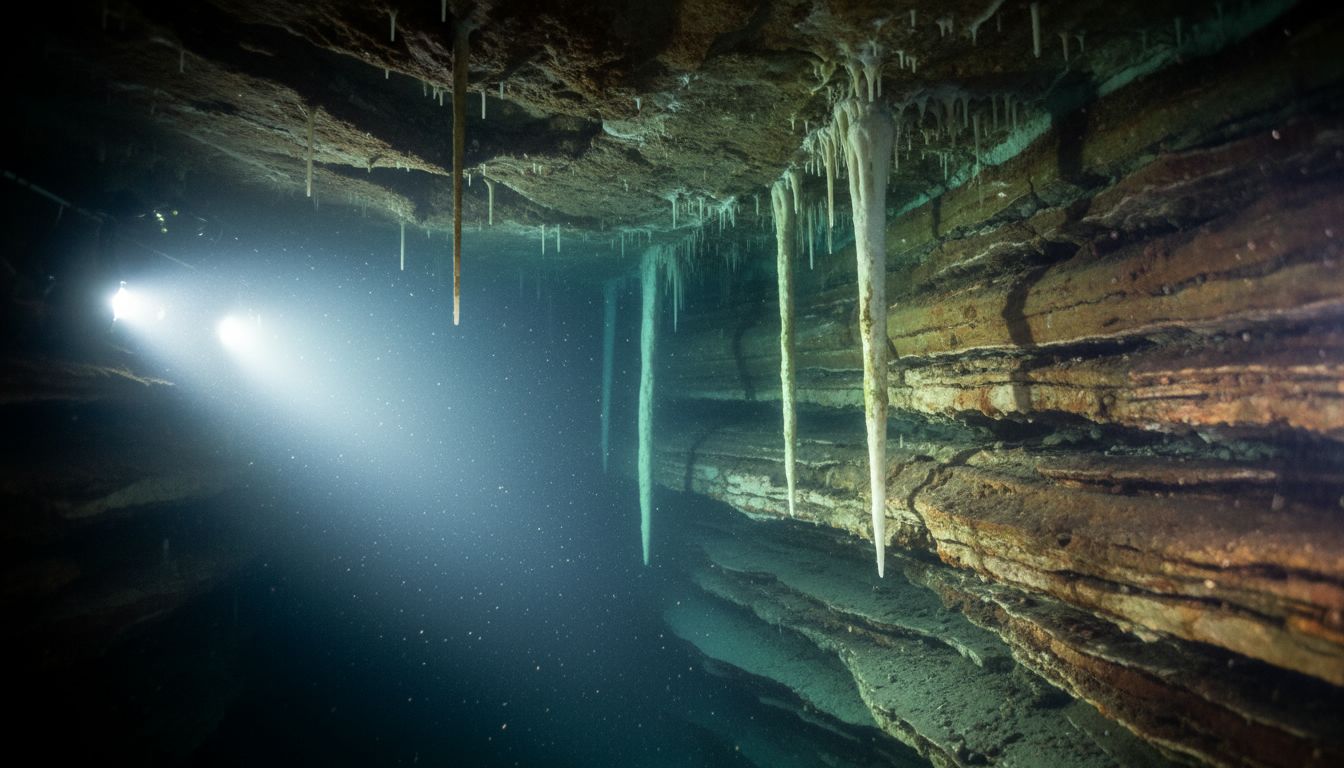
Those stalactites and the sediment cores are not pretty props. They are a multi-thousand-year record of shifting seas and changing storms. Put that long view next to the plastic at the bottom and the message sharpens: some changes are natural, others are ours. Science gives context; the images give urgency.
Simple Actions, Real Impact
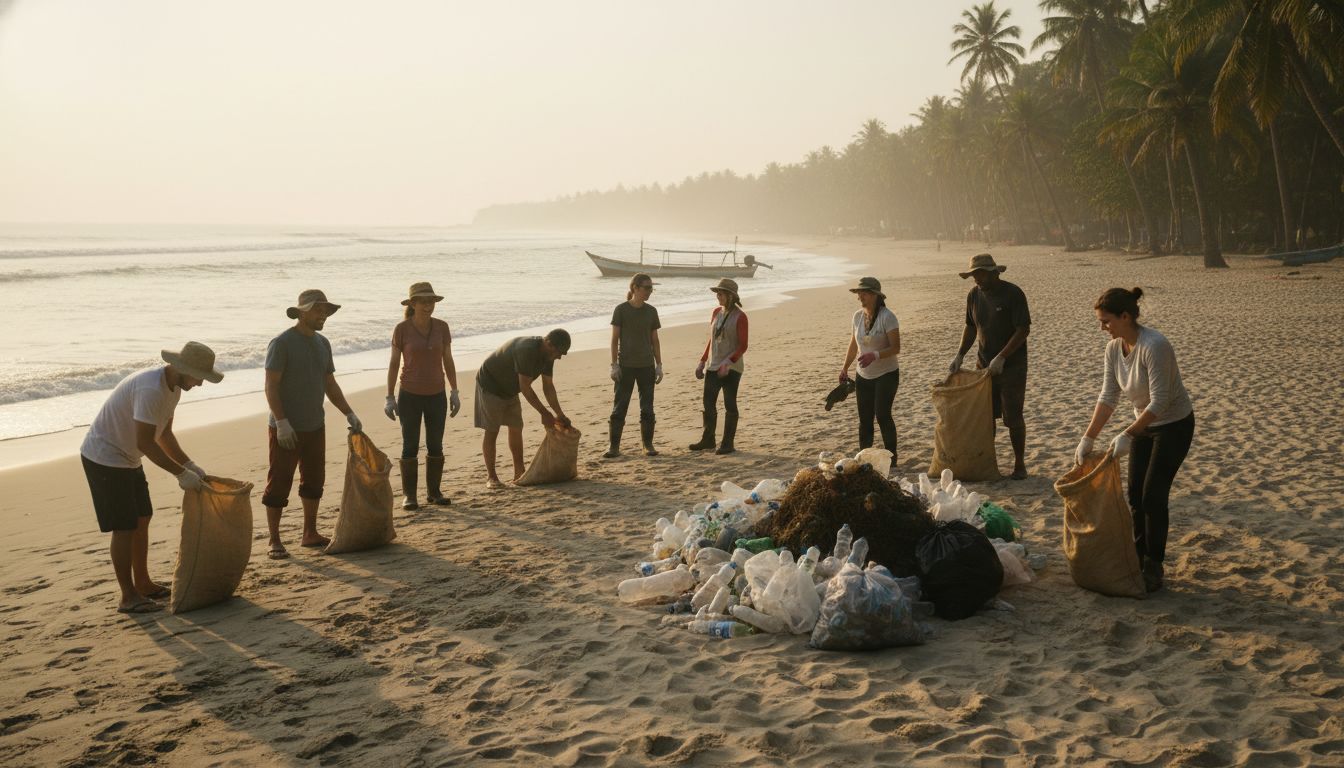
Big fixes start with small behavior changes. Cut single-use plastics, choose brands with better packaging and support marine protections pushed by groups like Ocean Unite. Volunteer for beach cleanups or back research and policy work that uses the Blue Hole footage as evidence. If enough people change habits, that landfill at the bottom can stop growing.
A Final Note on Respect
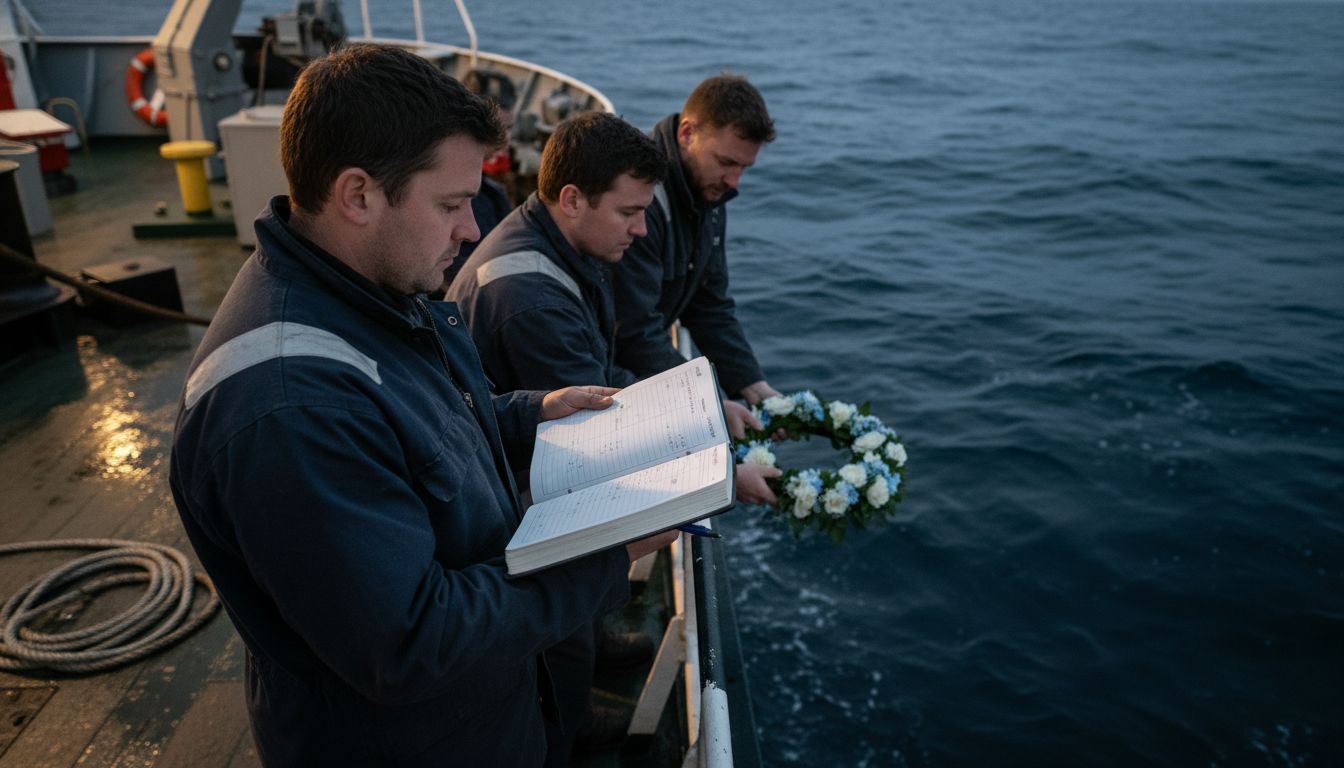
There was another quiet part of the mission that mattered. The crew found human remains and chose to report and leave the sites undisturbed, a sober reminder that exploration carries responsibilities. Respect and care belong alongside curiosity and advocacy. That balance is part of how we keep discovery humane.