When Robbie Williams Moved Next Door to Jimmy Page
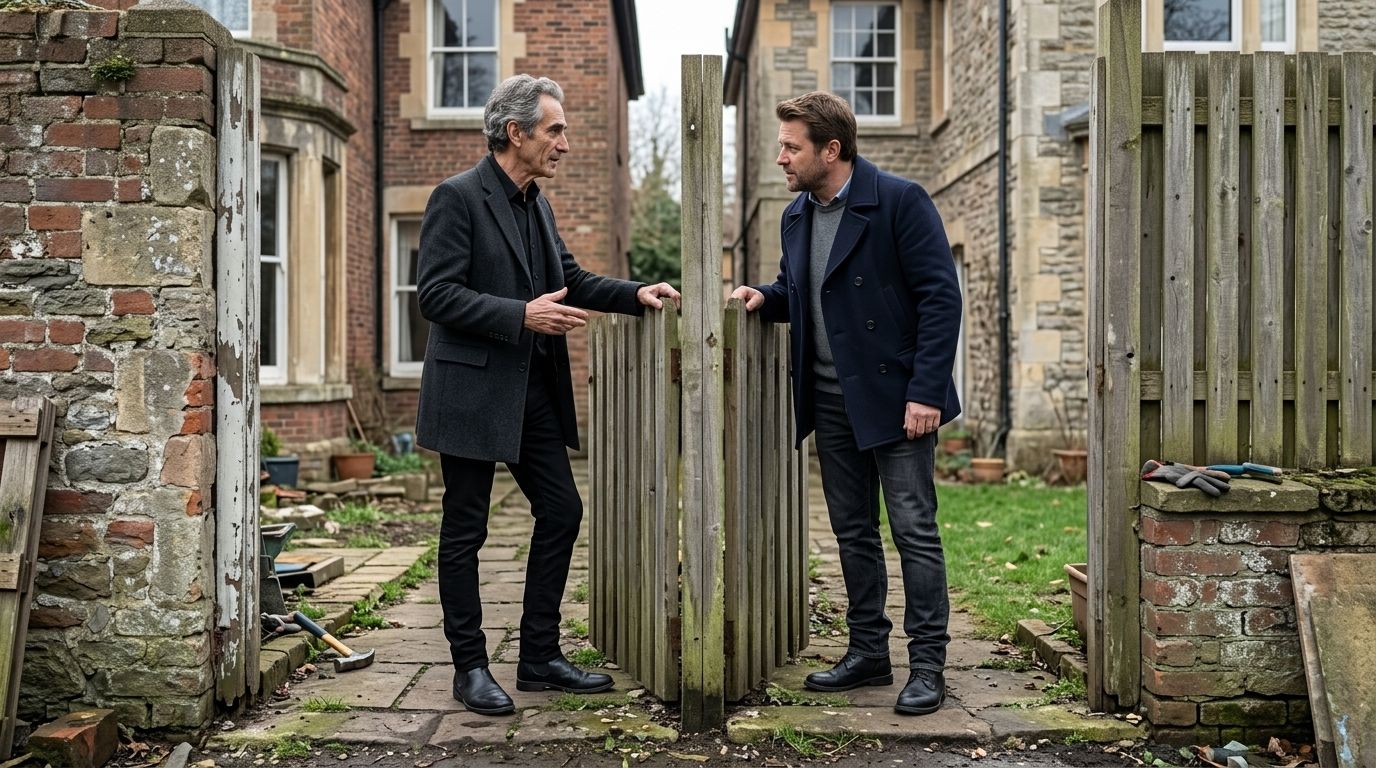
On one of London’s most exclusive streets, a planned underground pool turned into a years-long contest of patience, planning, and pride. Robbie Williams bought the house next to Jimmy Page, and what should have been a routine renovation became a drawn-out neighborhood dispute with council meetings, heritage concerns, and plenty of friction. The two homes sit only 13 meters apart, which made every dig, permit, and objection feel personal. In the end, this was less about a pool than about two famous men defending very different ideas of home.
Millionaire's Row
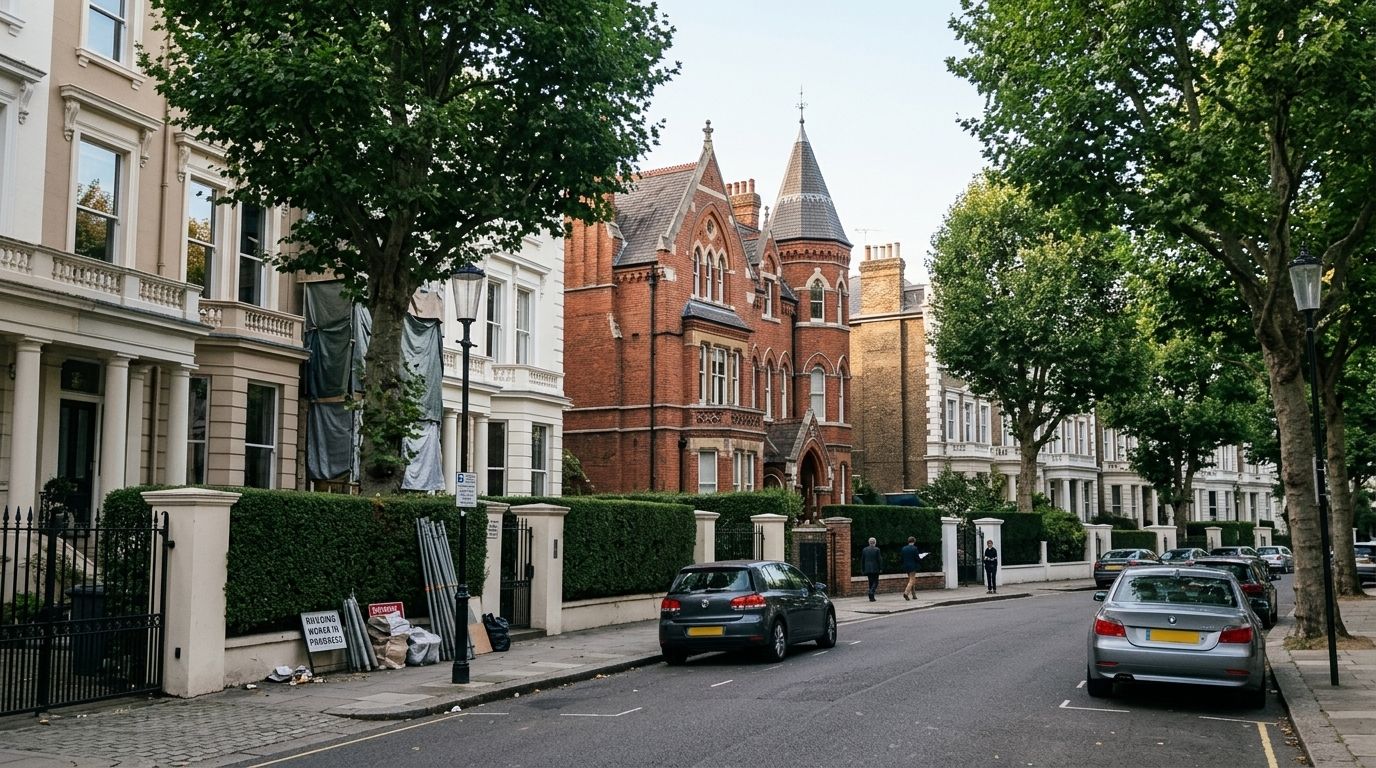
The stage for this feud was Melbury Road in Holland Park, Kensington, one of West London’s most exclusive addresses. The street has long carried the reputation of a place where privacy matters as much as property value. It is often described as Millionaire's Row, and the names attached to the neighborhood help explain why. Elton John, Simon Cowell, and David Beckham are among the well-known residents linked to the area, which only adds to the sense that ordinary neighborhood rules were never going to apply here.
Page the Custodian

Jimmy Page had lived in the neighborhood since 1972, long enough to see the area as part of his life rather than just a place on a map. The Led Zeppelin guitarist was not interested in treating the house as a status symbol alone. He described himself as a custodian, someone with a duty to protect what had been there long before the latest wave of wealth arrived. That attitude would shape every objection he filed once construction plans began to threaten the quiet he had spent decades guarding.
Tower House
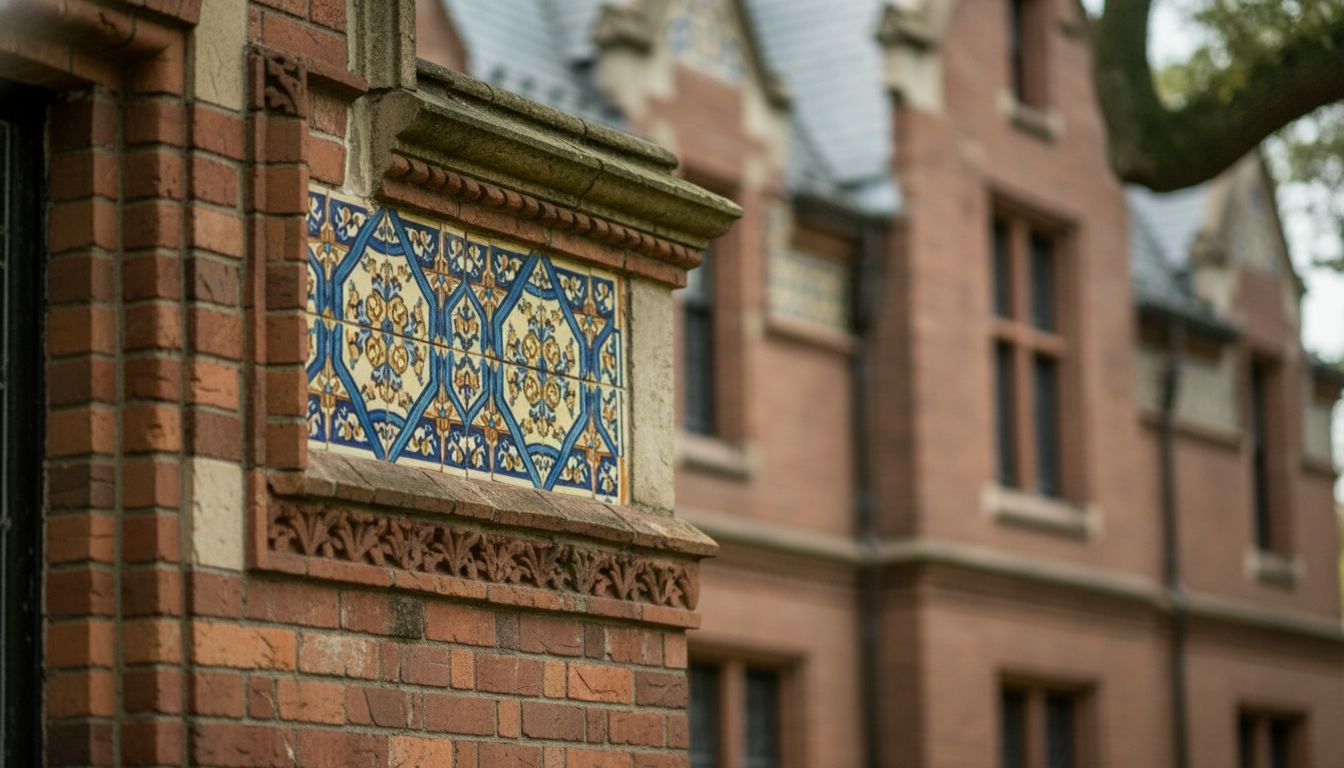
Page's home, Tower House at 29 Melbury Road, is a rare 1875 French Gothic Revival mansion with Grade I listed status. Its value is not only financial but architectural, built into ceramic tiles, stained-glass windows, and other details that cannot be replaced if damaged. That made any nearby excavation more than a nuisance. To Page, the house was a historic object that needed careful handling, not a structure to be shaken by heavy construction work next door.
Outbidding Bowie

The house also came with a bit of rock-and-roll mythology. Page reportedly outbid David Bowie to buy Tower House in 1972, which gives the property a kind of celebrity pedigree all its own. It had previously been owned by actor Richard Harris, adding another layer of cultural history. By the time the dispute with Robbie Williams began, the mansion already carried decades of stories. That made Page's attachment to it feel less like stubbornness and more like stewardship.
Williams Moves In
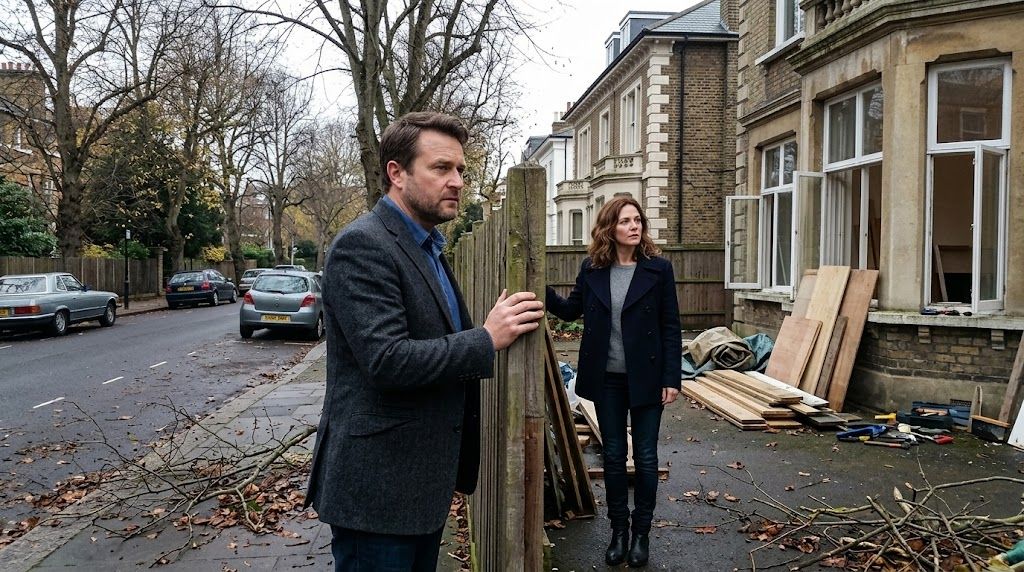
In December 2013, Robbie Williams bought the house next door for £17.5 million, bringing a different kind of fame to the same stretch of road. The former Take That singer had become a hugely successful solo artist, and his arrival changed the mood immediately. He did not buy the property as a simple holiday home, either. He wanted to reshape it, and that decision would soon put him on a collision course with the man living just a few steps away.
Woodland House
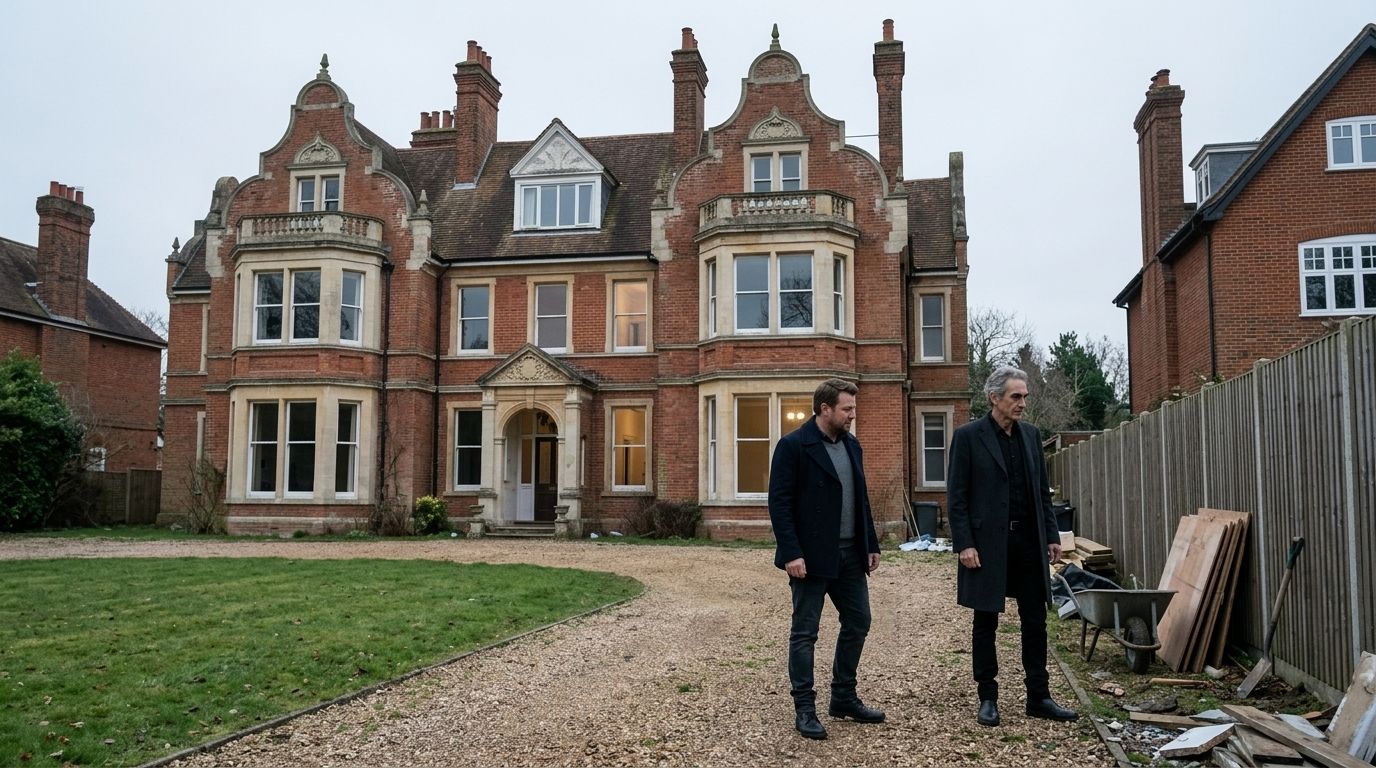
Williams' property, Woodland House at 31 Melbury Road, is a Grade II listed Queen Anne-style mansion with 46 rooms. Even with that much space, Williams reportedly felt the house was not quite large enough for his family. That detail says a lot about the scale of the place and the scale of the wealth behind it. On paper, it should have offered privacy and comfort. In practice, it became the starting point for one of London's most closely watched planning fights.
A Softer History
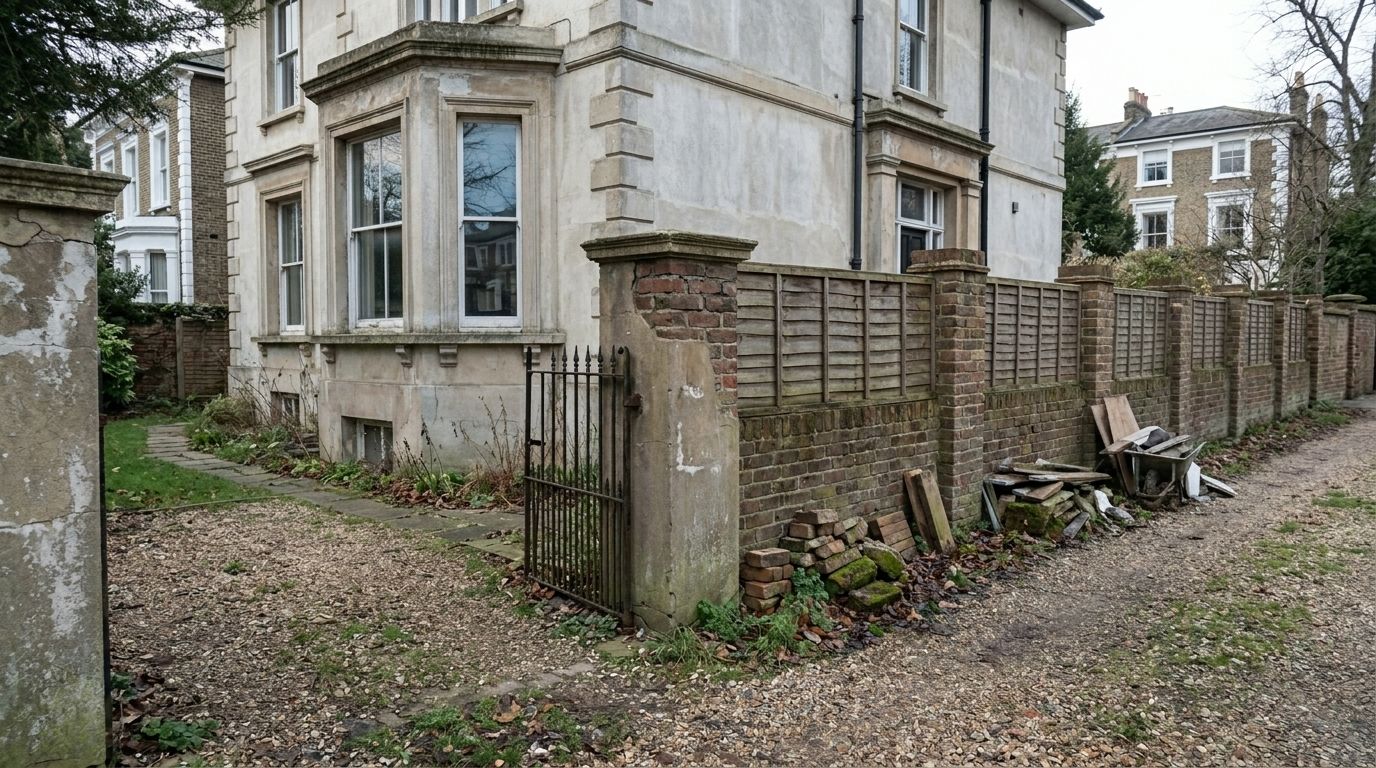
Before Williams moved in, Woodland House had a very different reputation. It had belonged to film director and restaurant critic Michael Winner, who was reportedly close friends with Page. Winner once called Page the best neighbor in the world, a line that now sounds almost tragicomic in hindsight. The property had also served as a place where people across the fence knew one another well. That history makes the later hostility feel sharper, because the same address once stood for easy, neighborly calm.
Music Across the Fence
The friendship between Page and Winner went beyond polite waves over the garden wall. Page even recorded the soundtrack for Winner's 1982 film Death Wish II in the house, tying his creative life to the property next door. That detail helps explain why Page saw the surrounding environment as part of the home's value. It was not only about bricks and land. It was also about a setting that had supported his work and his sense of peace for years.
Thirteen Meters Apart
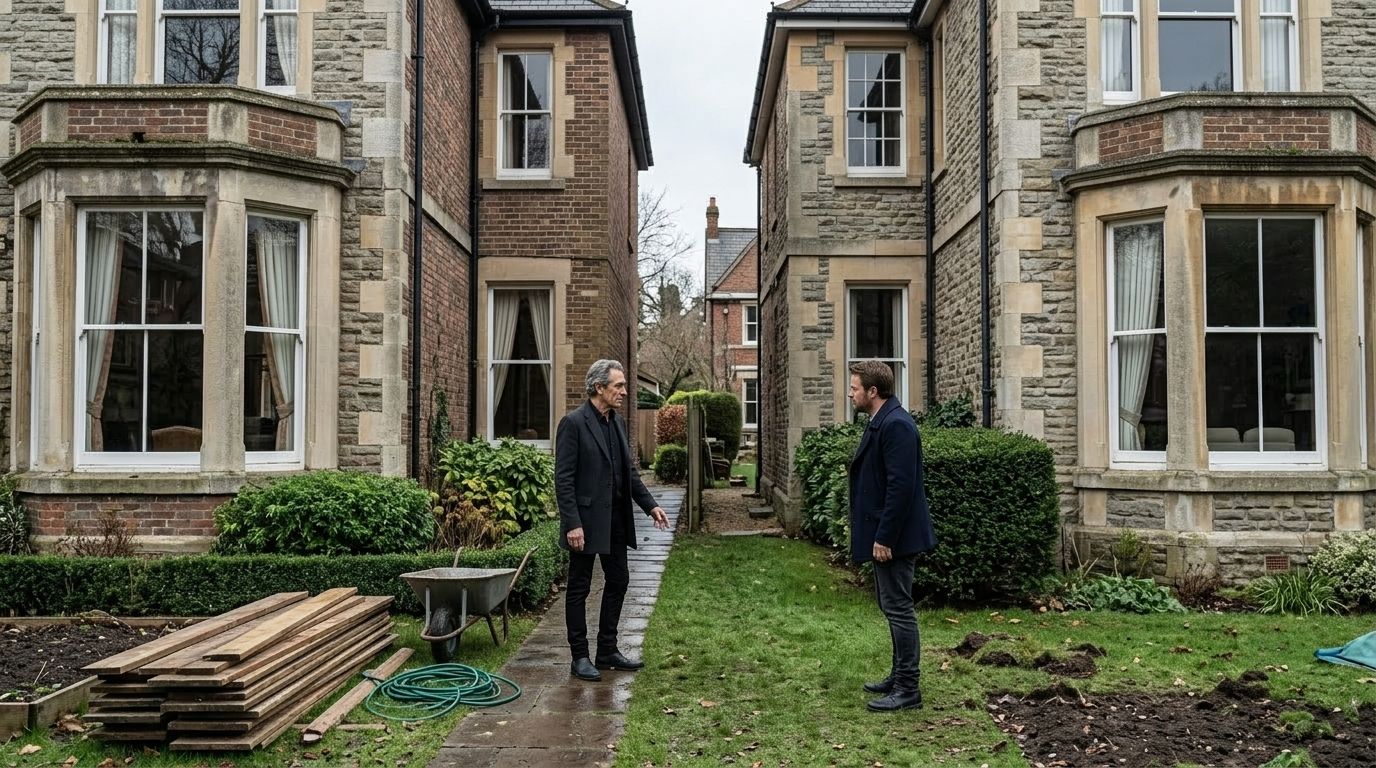
What turned the situation from awkward to volatile was how close the two mansions actually are. Despite their enormous size, the properties are separated by only 13 meters, or about 42 feet. That is close enough for any movement in one plot to matter to the other. When one homeowner plans to dig deep into the ground, the other is not imagining things by worrying about foundations, vibration, and structural stress. In this case, proximity was not a footnote. It was the whole problem.
Iceberg Homes
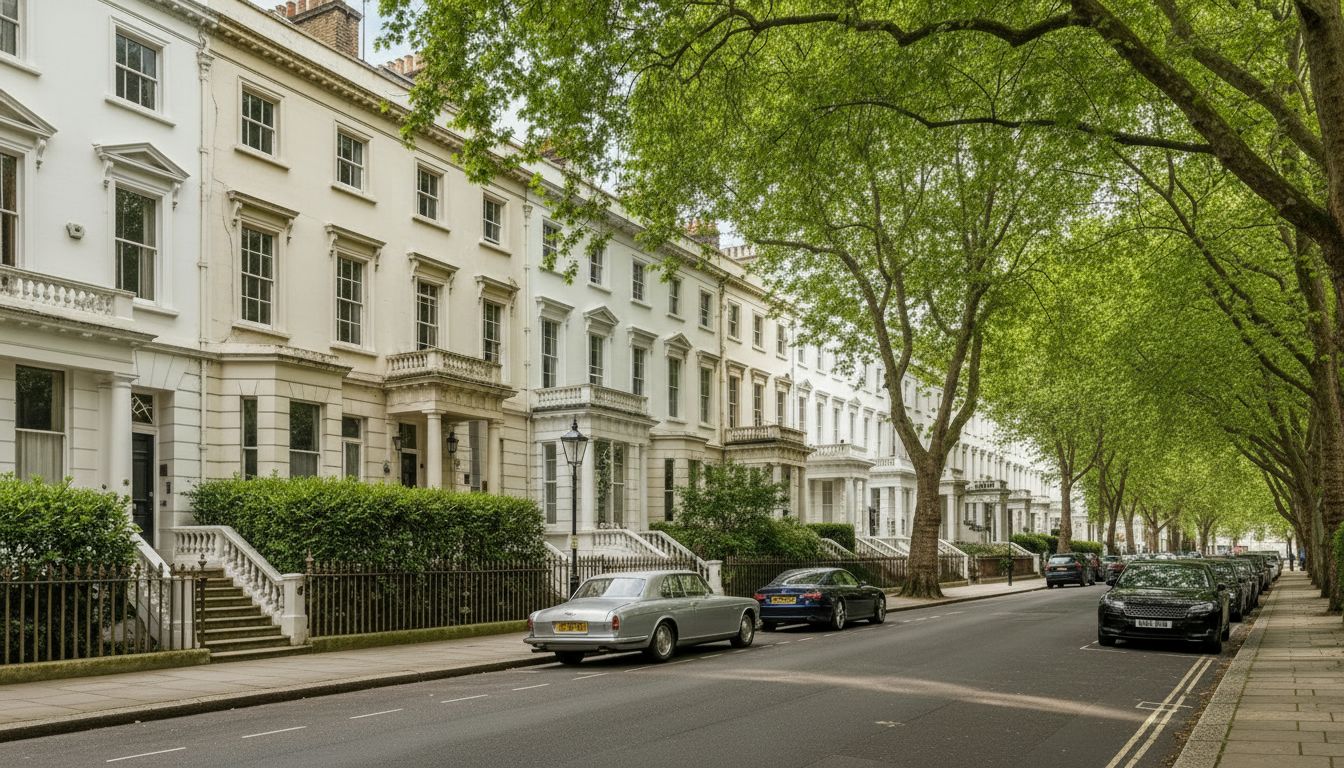
The broader London context also mattered. Wealthy homeowners often cannot expand outward or upward because of heritage restrictions, so they go down instead. The result is the rise of the so-called iceberg home, where a modest-looking exterior hides a vast underground complex. In a city with strict preservation rules and scarce space, mega-basements became a status symbol of their own. Williams' plans fit neatly into that trend, but they also landed in one of the worst possible places for it.
The Basement Plan
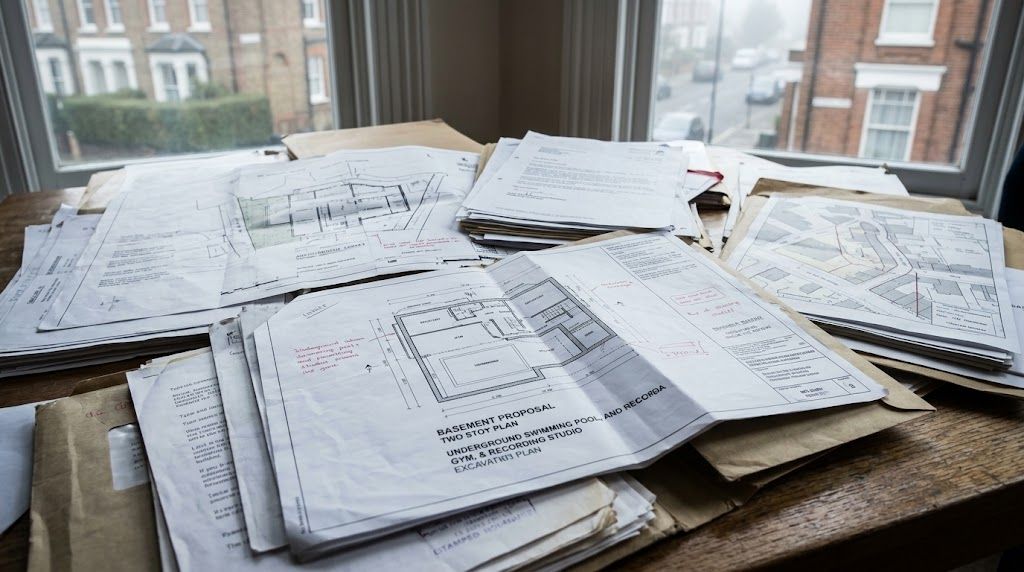
In 2014, Williams filed plans with the local council for a two-story basement beneath his backyard. The proposal included an underground swimming pool, a gym, and a recording studio. On paper, it sounded like the sort of luxury renovation that wealthy London property owners have come to expect. Next door, though, it looked like a direct threat to a carefully preserved historic building. That gap in perspective would define everything that followed.
Page Objects Fast
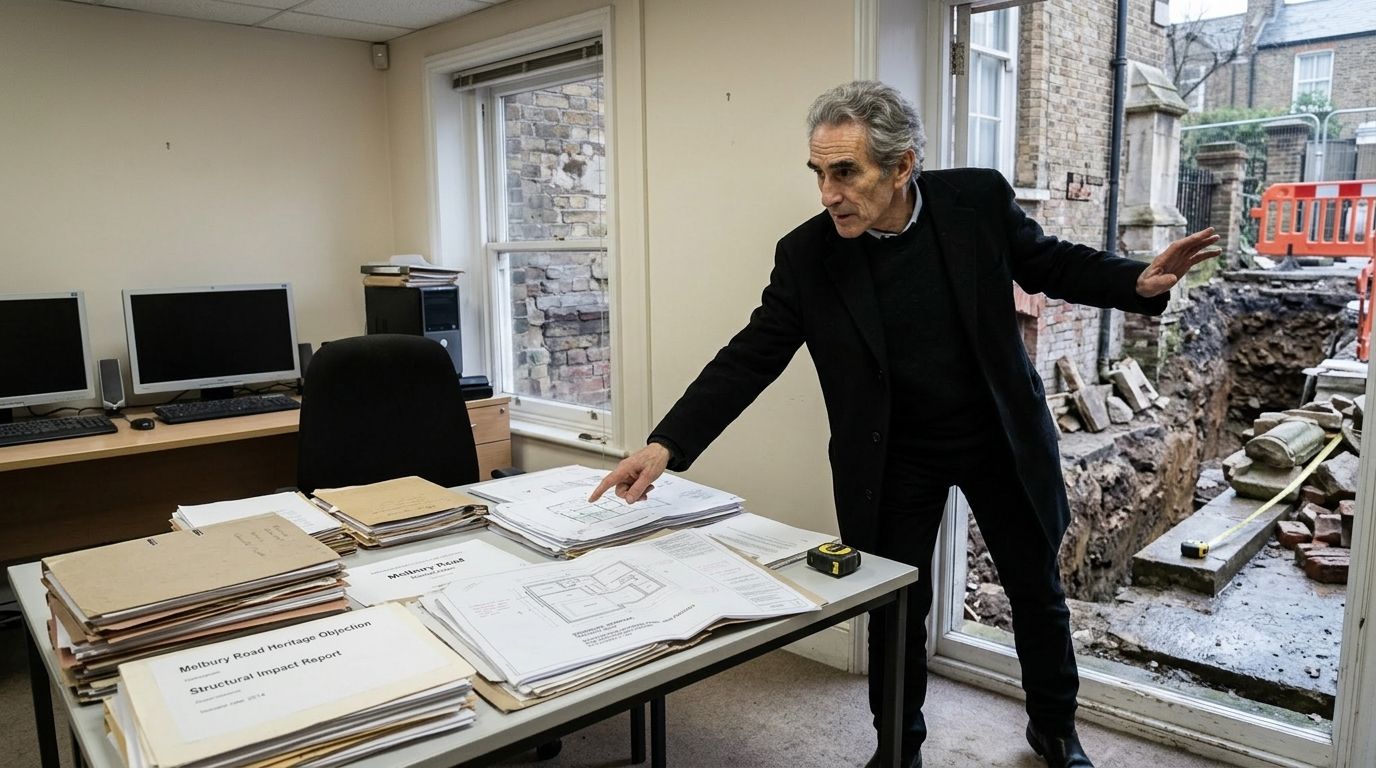
Page did not wait long before responding. He filed formal objections, warning that the deep excavation could cause catastrophic damage to Tower House's foundations. The word carried weight because the house is not just old, but protected and structurally distinctive. His concern was not abstract irritation over construction noise. He was arguing that the work could put an irreplaceable building at risk, and he had no interest in letting the project proceed quietly.
A Window Removed
One of Page's first small wins came over a proposed window that would have looked directly into his property. That issue may sound minor compared with basement excavation, but it mattered in the context of privacy and sight lines. Williams eventually withdrew the window plan. It was a reminder that these fights are often decided piece by piece, not all at once. Even small design choices could become flash points when two high-profile neighbors were already on edge.
The Heritage Review

As the disagreement grew, the local council brought in Historic England to assess the risk to the area’s historic fabric. The public body eventually concluded that Williams' plans posed no harm to Tower House. That finding did not end the dispute, but it did give the project a measure of official backing. For Page, the issue remained about caution and consequence. For Williams, it was a signal that the council process was still moving in his favor.
Spying Allegations
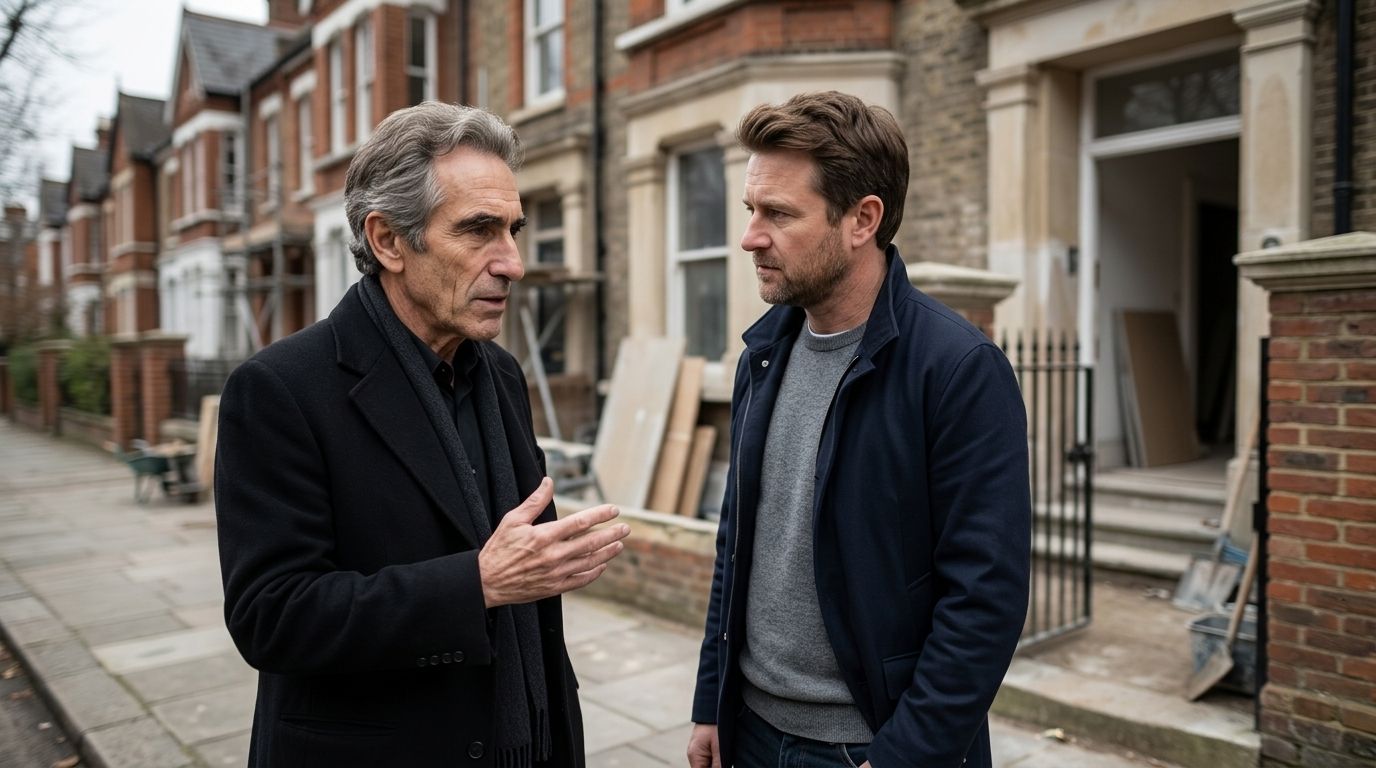
Once the planning battle was underway, the tone of the dispute changed. Williams accused Page of spying, claiming the guitarist would sit in his car outside the house for four hours at a time and record the builders to catch noise violations. That accusation took the story out of the realm of ordinary neighbor complaints and into something stranger. Instead of two men merely disagreeing about construction, the feud began to sound like a private surveillance operation played out on a public street.
Tent Rumors
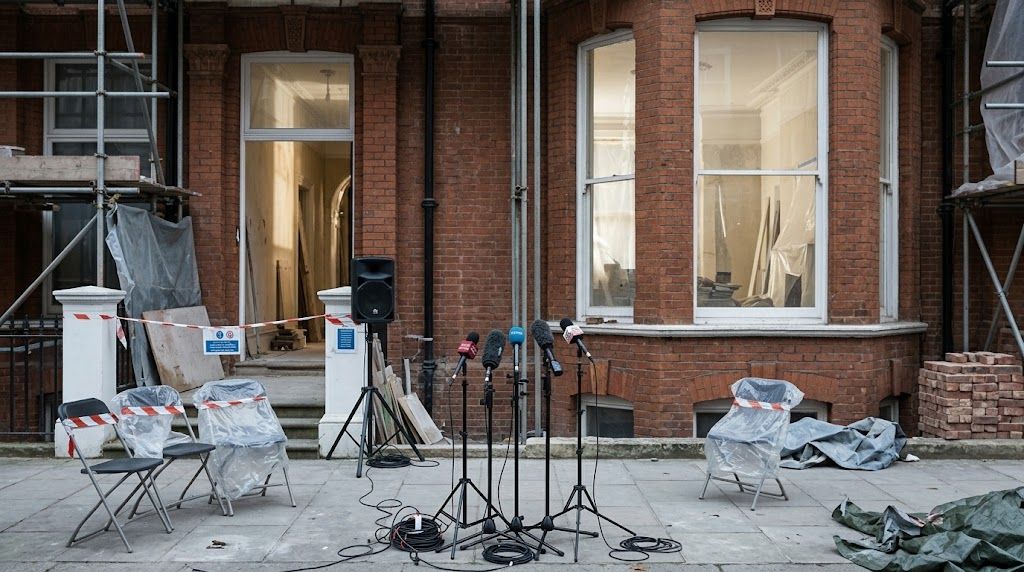
Press rumors soon made the situation even more theatrical. Reports circulated that Page was sleeping in his garden in a tent or sleeping bag so he could stay close to the action. Page later dismissed that claim as idiotic stuff. The rumor mattered less because it was likely true and more because it showed how quickly a planning fight can become a tabloid spectacle. Every new detail made the story feel more exaggerated, even when the underlying dispute was real.
A Public Slip
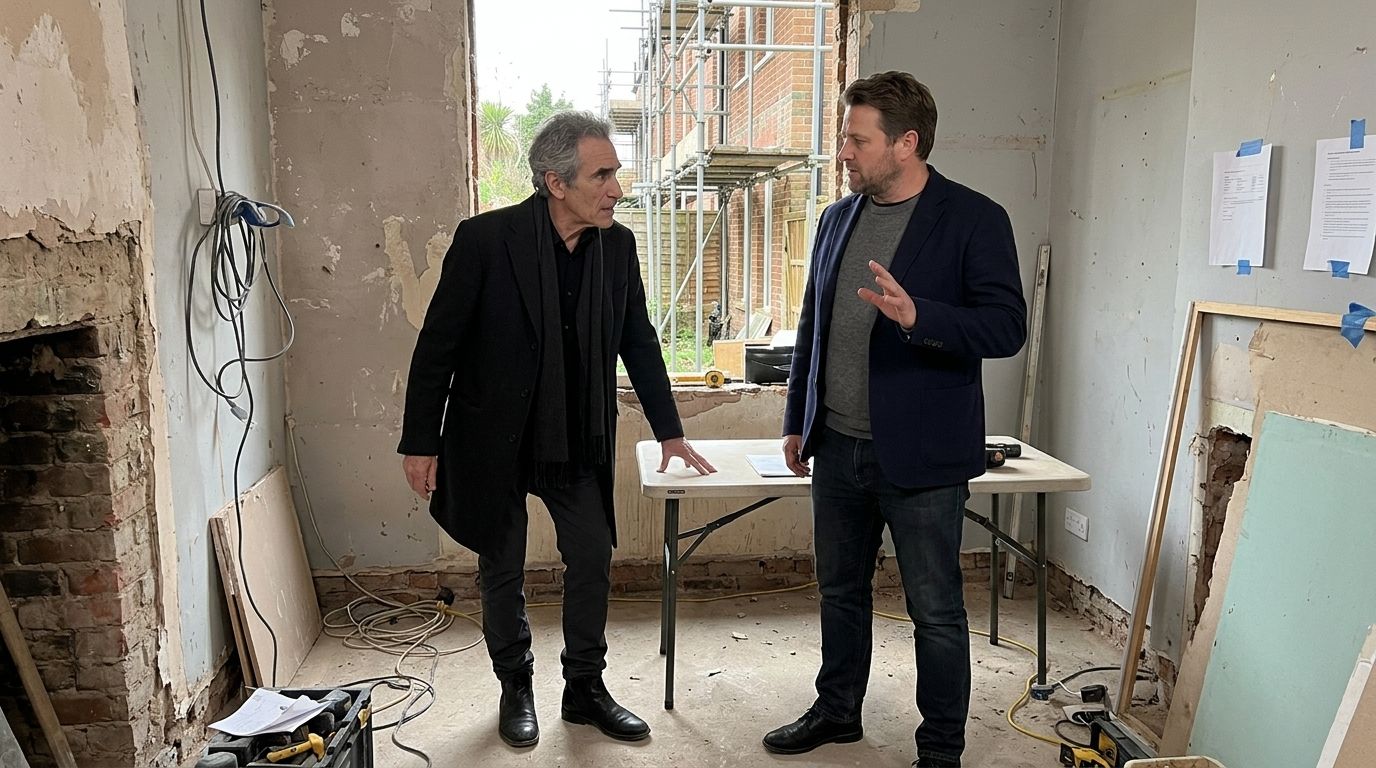
Williams eventually added fuel of his own in a radio interview, saying Page's habit of waiting in the garden to record builders was like a mental illness. That comment immediately shifted the story from procedural conflict to personal insult. It was the kind of line that makes reconciliation harder, not easier. Once a feud becomes public shorthand for bad manners and overreaction, both sides tend to dig in. That was exactly what happened here.
The Apology
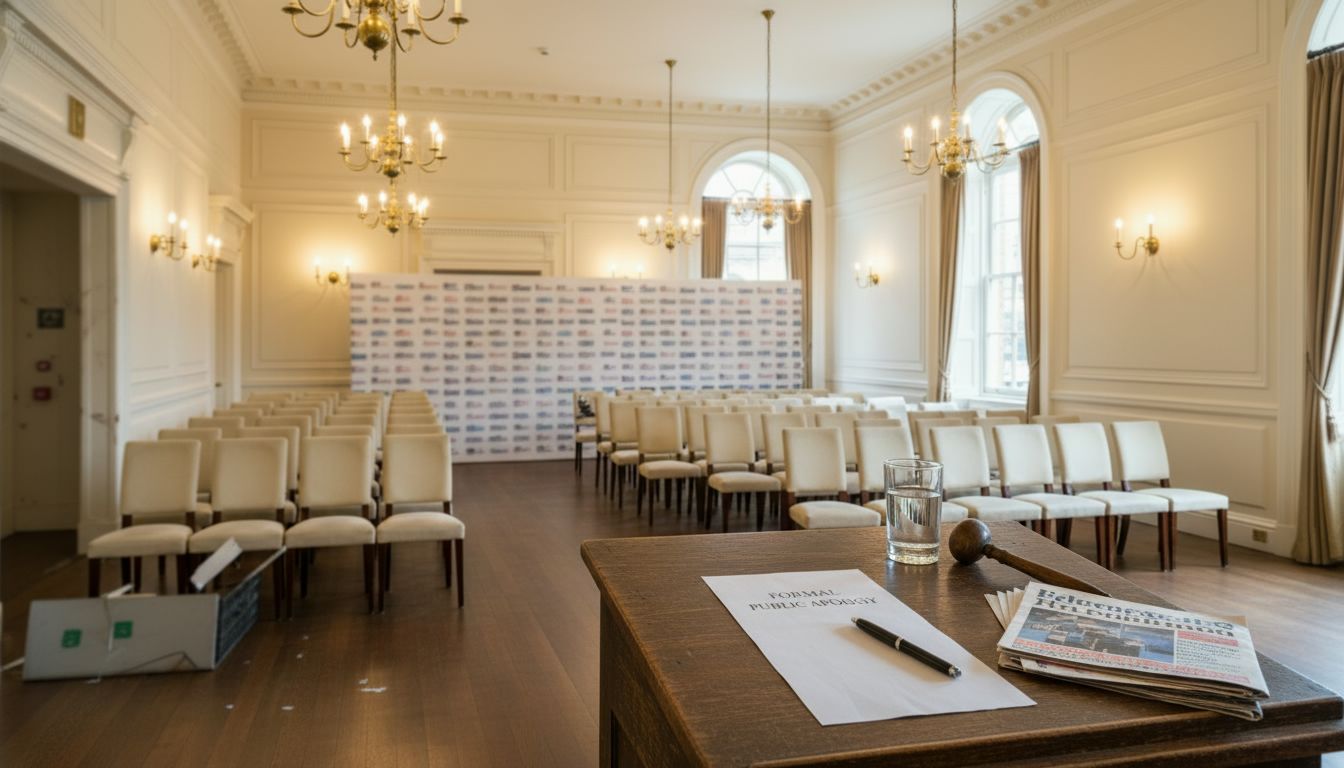
The backlash to Williams' remark was strong enough that he later issued a formal public apology to Page in 2017. Apologies do not always end disputes, but they can show where the public line has been crossed. In this case, the comment had landed badly enough to force a correction. The feud was no longer just about permits and vibrations. It had become a story about how quickly frustration between neighbors can spill into statements that have to be walked back.
Sunday Noise Fine
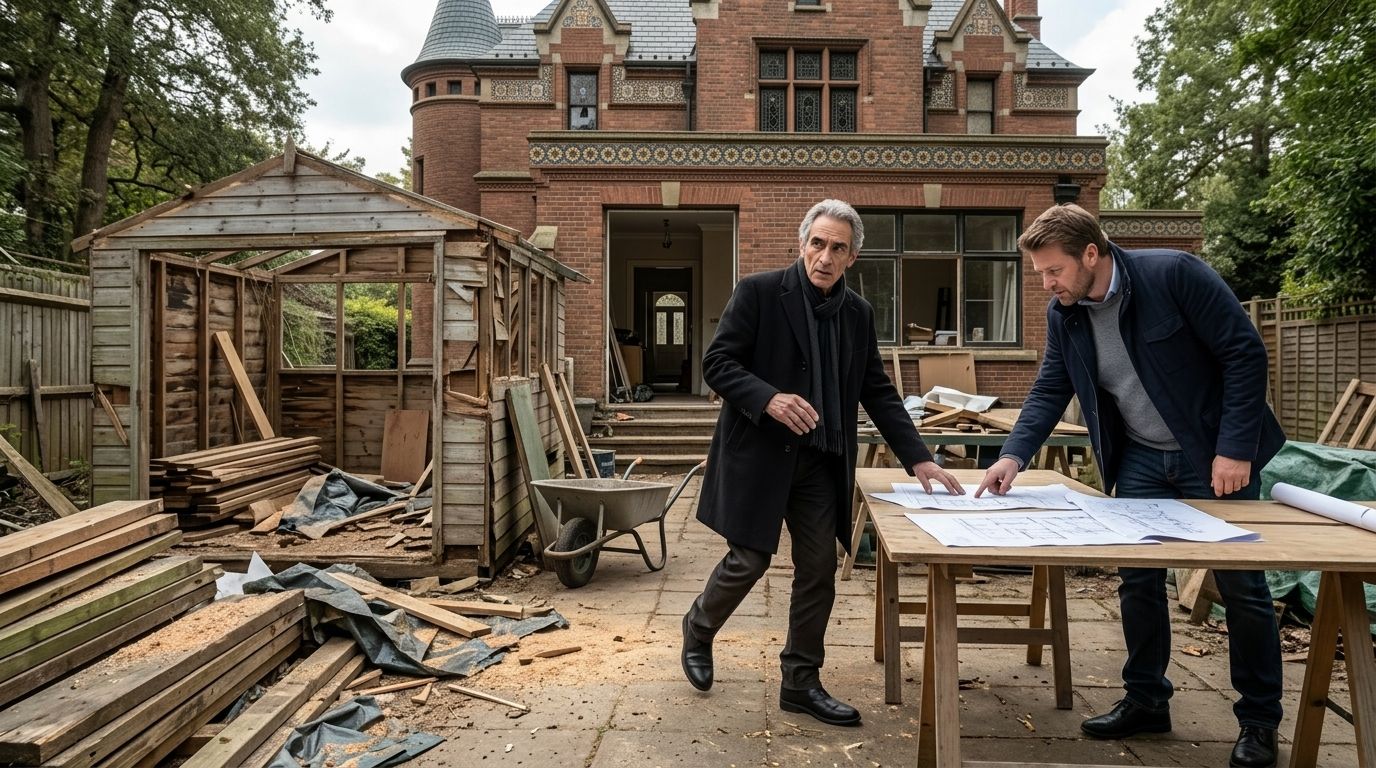
Page also showed that he was paying close attention to the details. In 2017, he reported Williams' builders for dismantling a garden shed on a Sunday using power tools. The construction firm was fined £3,000 for breaching weekend noise rules. That was a direct hit and a rare example of the objections producing immediate results. It also proved that Page was not merely complaining in principle. He was watching the site closely enough to document a specific violation.
A Shed on Stilts
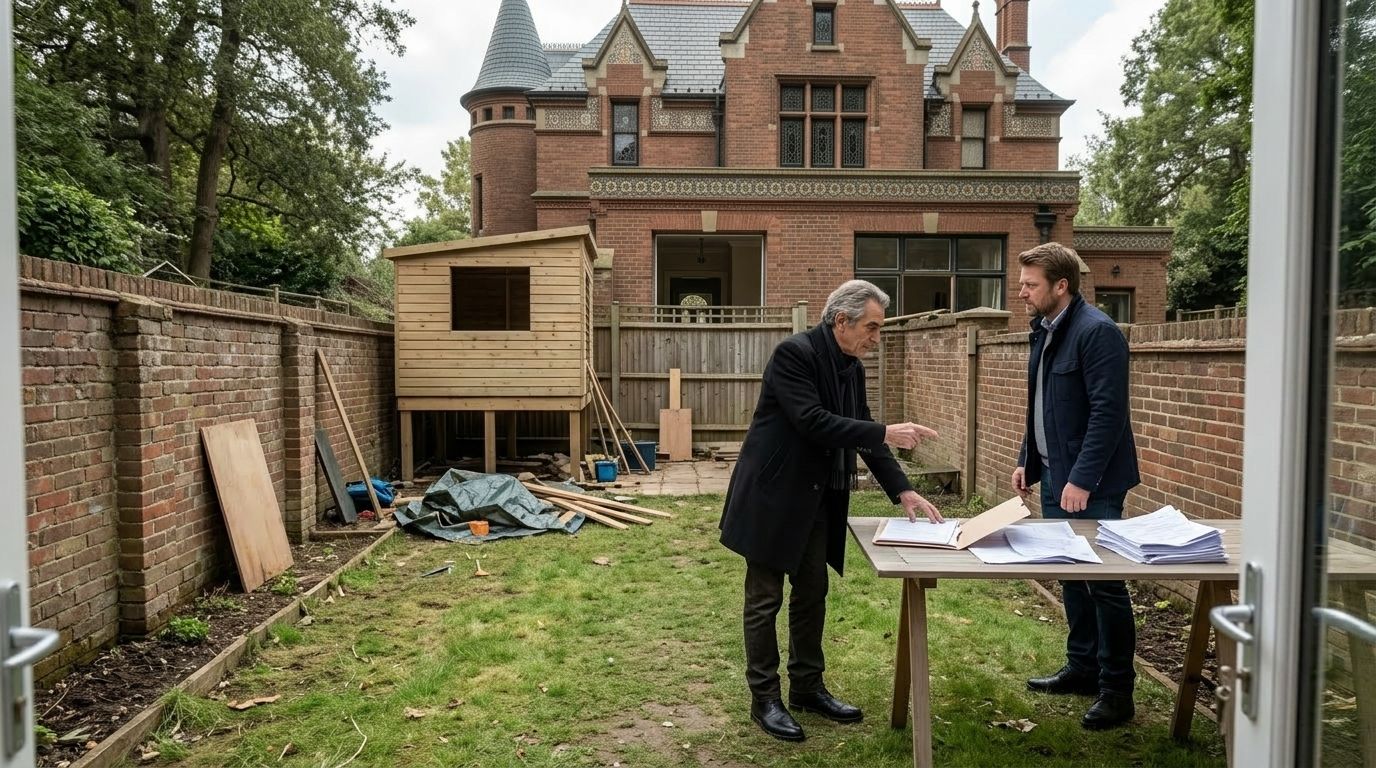
That same year, Williams submitted another unusual plan, this time for a summerhouse described as a shed on stilts in his back garden. The design became part of the same endless paper trail that had already defined the dispute. Page objected again, keeping the pressure on each new proposal. What might have looked like a small garden structure in another neighborhood became another test of how much change the two properties could absorb without triggering another round of complaints.
Town Hall Drama
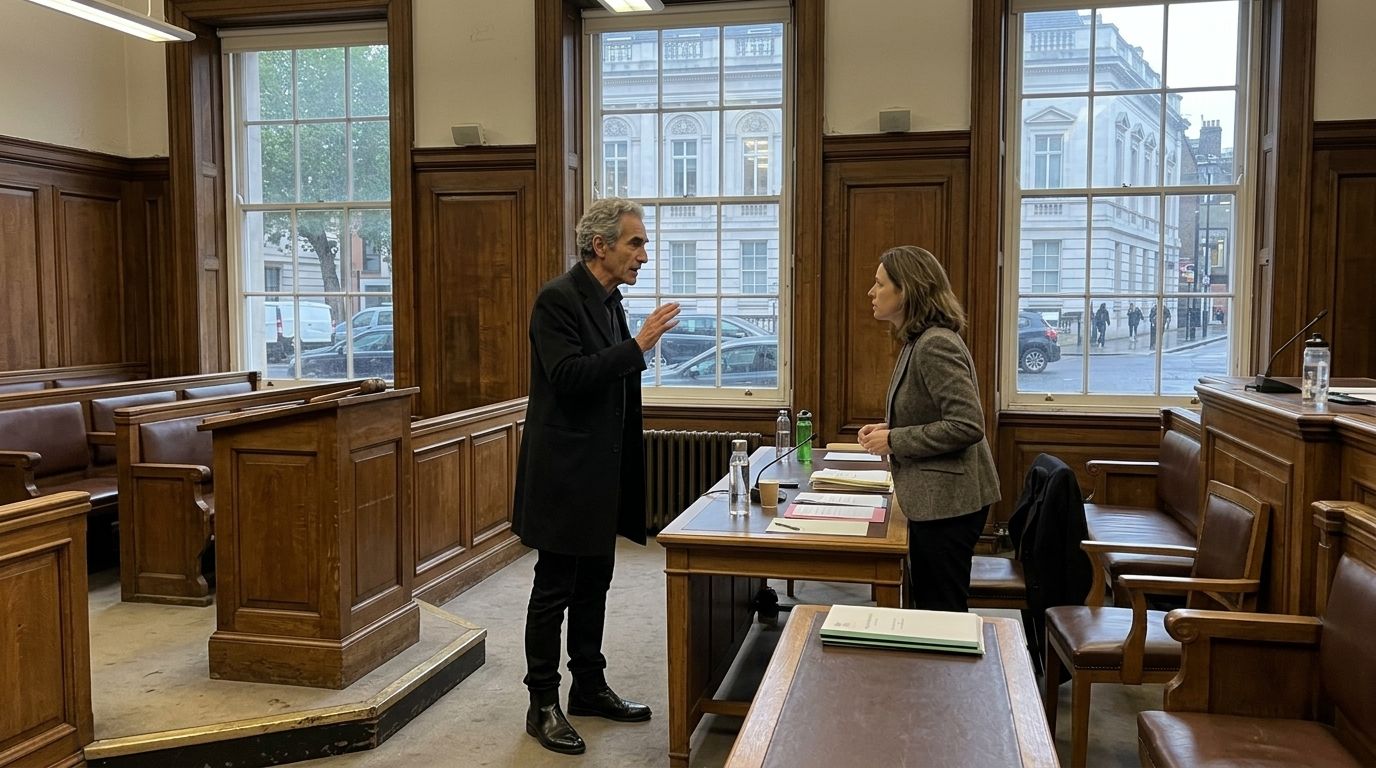
By May 2018, the feud had reached Kensington Town Hall, where Page appeared in person before the planning committee. He gave a passionate speech asking councillors to protect the Tower House from the threat of harm. The image alone captured why the story drew so much attention: a legendary guitarist standing before a municipal panel to defend a historic home from a neighbor's basement plans. It was a scene that felt almost too neat for fiction.
Councillors Tire of It

The committee chair, Councillor Quentin Marshall, seemed ready for the whole matter to end. He publicly urged the two multimillionaires to meet face-to-face and sort it out. That plea carried a touch of exhaustion, which is understandable when local government has to referee a dispute between two of Britain's most famous entertainers. The request also highlighted how long the issue had been dragging on. What began as a planning file had turned into a recurring civic burden.
Page Speaks Out
After the meeting, Page did something he rarely does: he went on the record publicly. In June 2018, he gave an interview to ITV News, called Williams idiotic, and threatened further legal action. That step showed how little progress the process had made toward peace. When private objections and council appearances were not enough, the story spilled into national television. The feud now had the tone of a formal standoff, with no easy off-ramp in sight.
The Jonny Letter
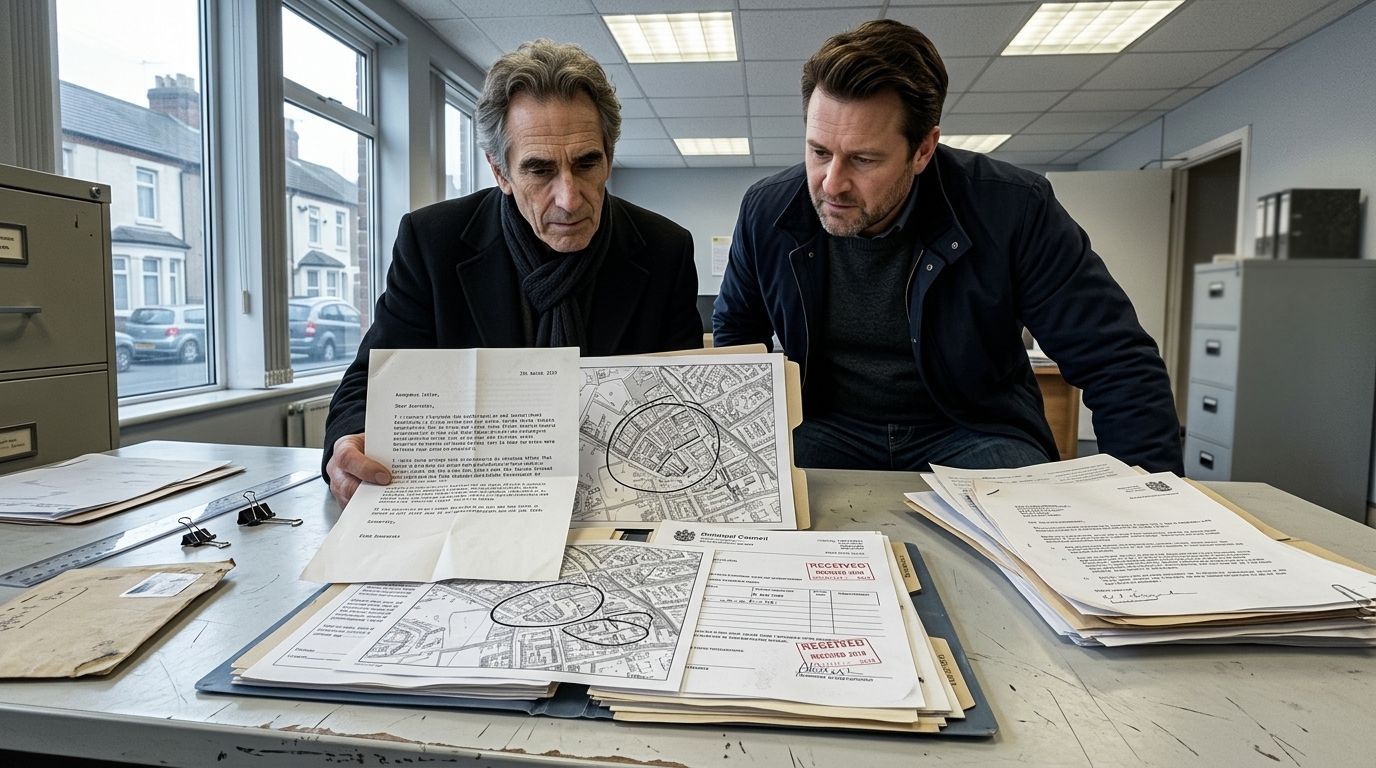
In early 2019, the council received a strange letter signed only Jonny. It accused Williams of engaging in extreme psychological warfare against Page, which was already a dramatic claim before the details even began. The letter became one of the most talked-about moments in the dispute because it sounded both anonymous and oddly specific. Whether it came from a prankster or an irritated observer, it pushed the story into new territory. Suddenly the battle had a mysterious messenger attached to it.
Heavy Metal Claims

The letter alleged that Williams had set up outside speakers and blasted Black Sabbath and Deep Purple, knowing full well it would irritate the Led Zeppelin guitarist. It also claimed that Pink Floyd music was played loudly when Page was seen outside his home. Those details gave the feud a strangely tailored soundtrack. Even if the claims were never proven, they captured the absurdity of the situation. This was no longer just about noise. It was about perceived intent.
The Robert Plant Disguise

The most infamous allegation in the letter was that Williams dressed up as Robert Plant, wearing a blonde wig and stuffing a pillow under his shirt to mock the Led Zeppelin frontman’s aging body. It was the kind of detail that spread fast because it sounded almost impossible to believe. Williams' representatives denied the story and called it complete fabrication and nonsense. Sources close to Page later suggested it may have been a prank by a member of the public using the council’s open web form.
Coffee Never Happened
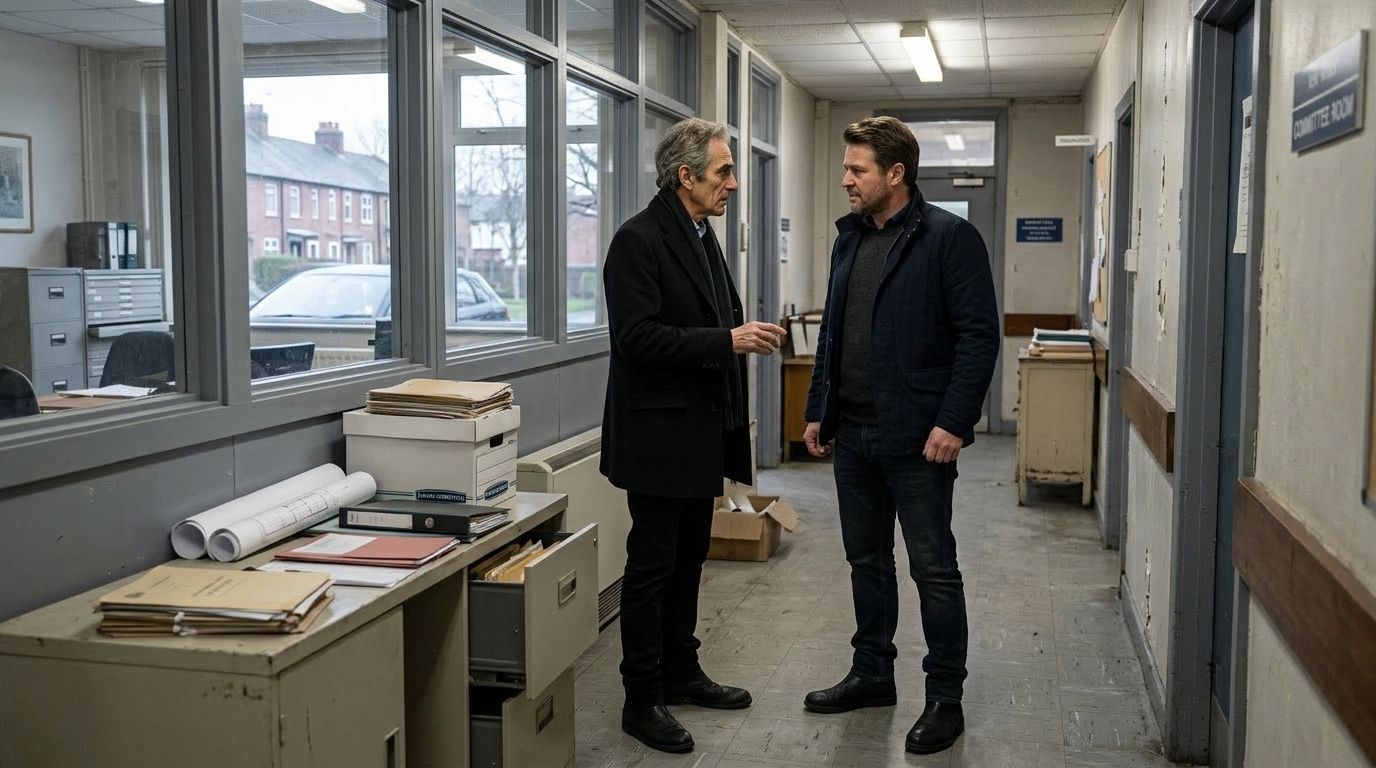
There was also a reported attempt to cool things down. A source said Page reached out and offered to meet Williams for coffee to settle the matter privately. Williams reportedly declined. That small detail says a lot about how entrenched both sides had become after years of planning hearings and public statements. A simple conversation might have seemed sensible from the outside, but by then even a cup of coffee could not cut through the layers of suspicion.
The Basement Wins
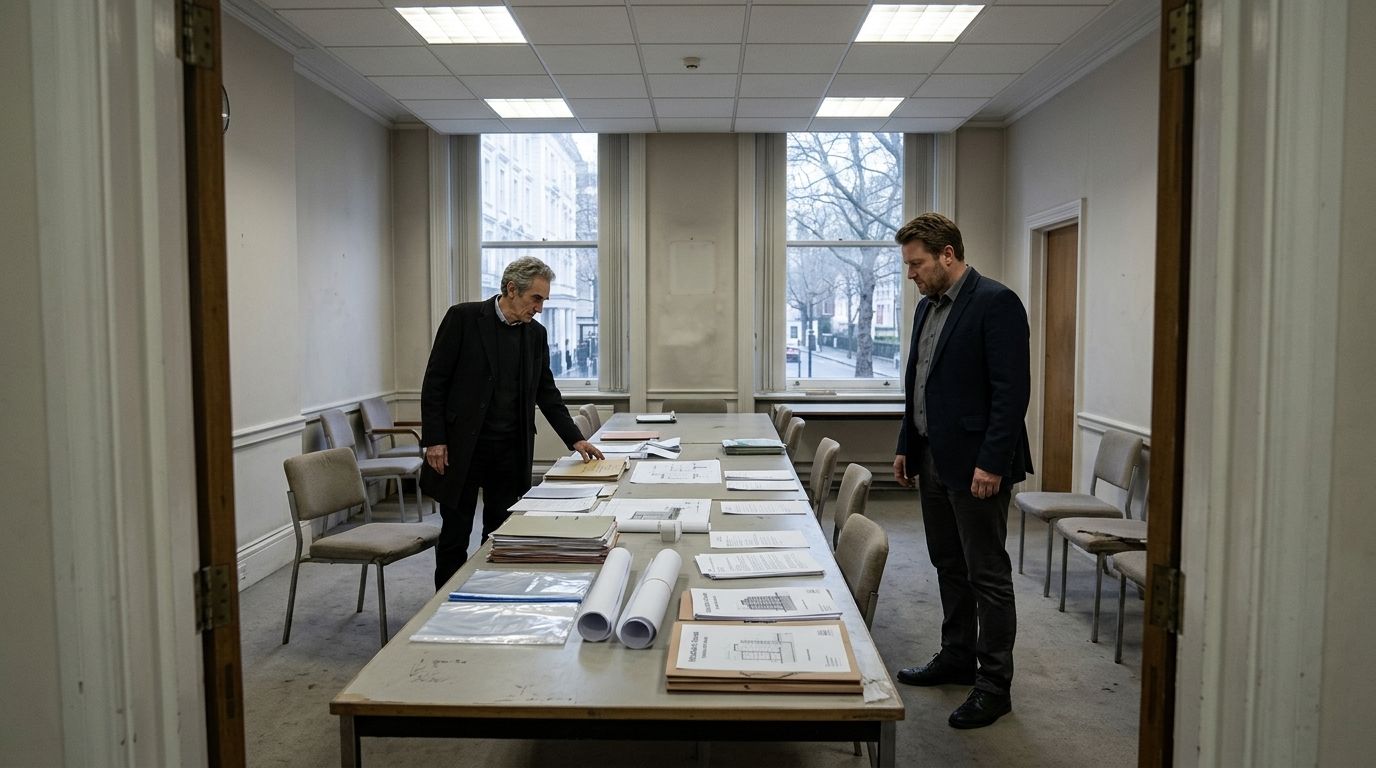
In December 2018, Williams finally won approval for the mega-basement and pool after five years of fighting. The Kensington planning committee granted conditional permission, bringing the main legal battle to a close. That did not mean the conflict vanished, only that the project had cleared its biggest hurdle. For Williams, it was a major victory. For Page, it was a reminder that objections can delay a plan for years without always stopping it.
The Bond Debate
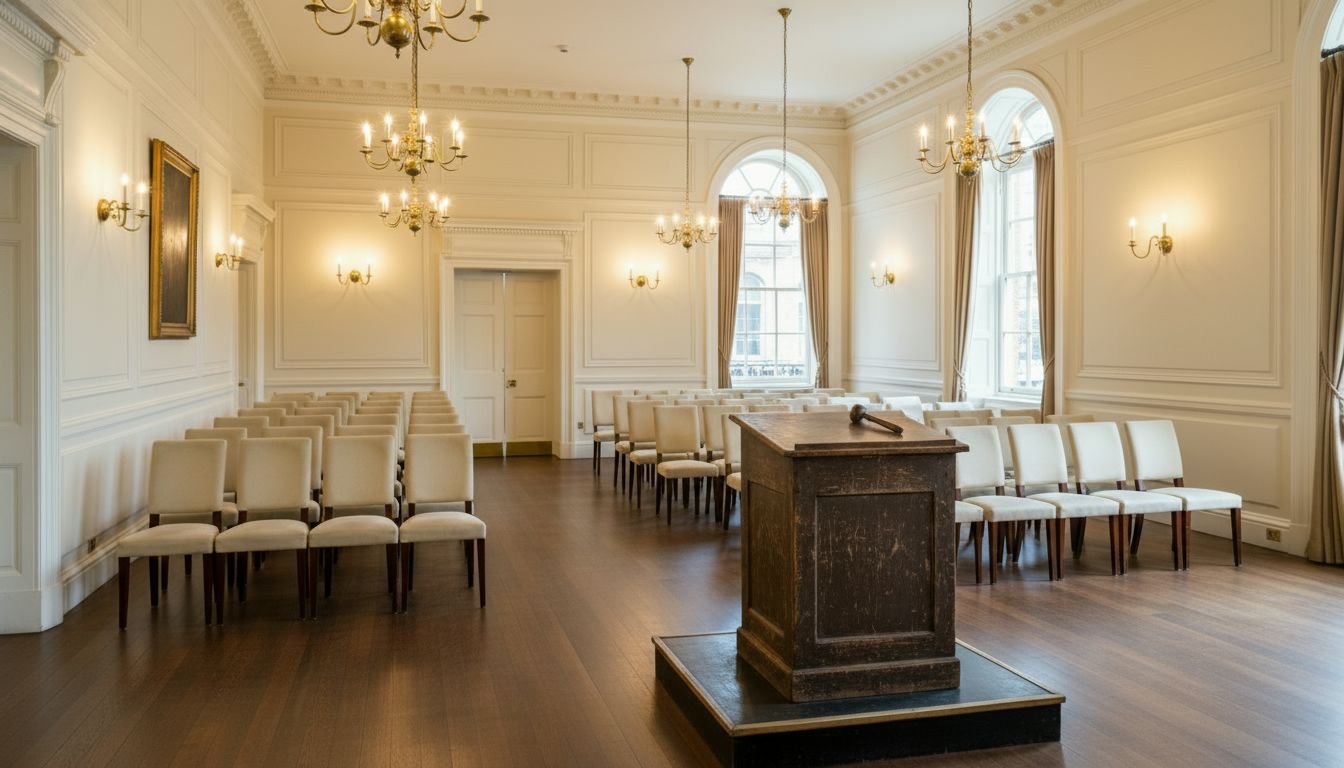
Even in victory, the approval came with strings attached. Councillors debated making Williams post a £50,000 bond that he would forfeit if any construction conditions were breached. That kind of safeguard shows how nervous officials remained about the project. It was not enough to say yes and move on. The council wanted a financial consequence ready in case the work strayed from the rules, which tells you how seriously the neighborhood tensions were being taken.
Monitors Underground
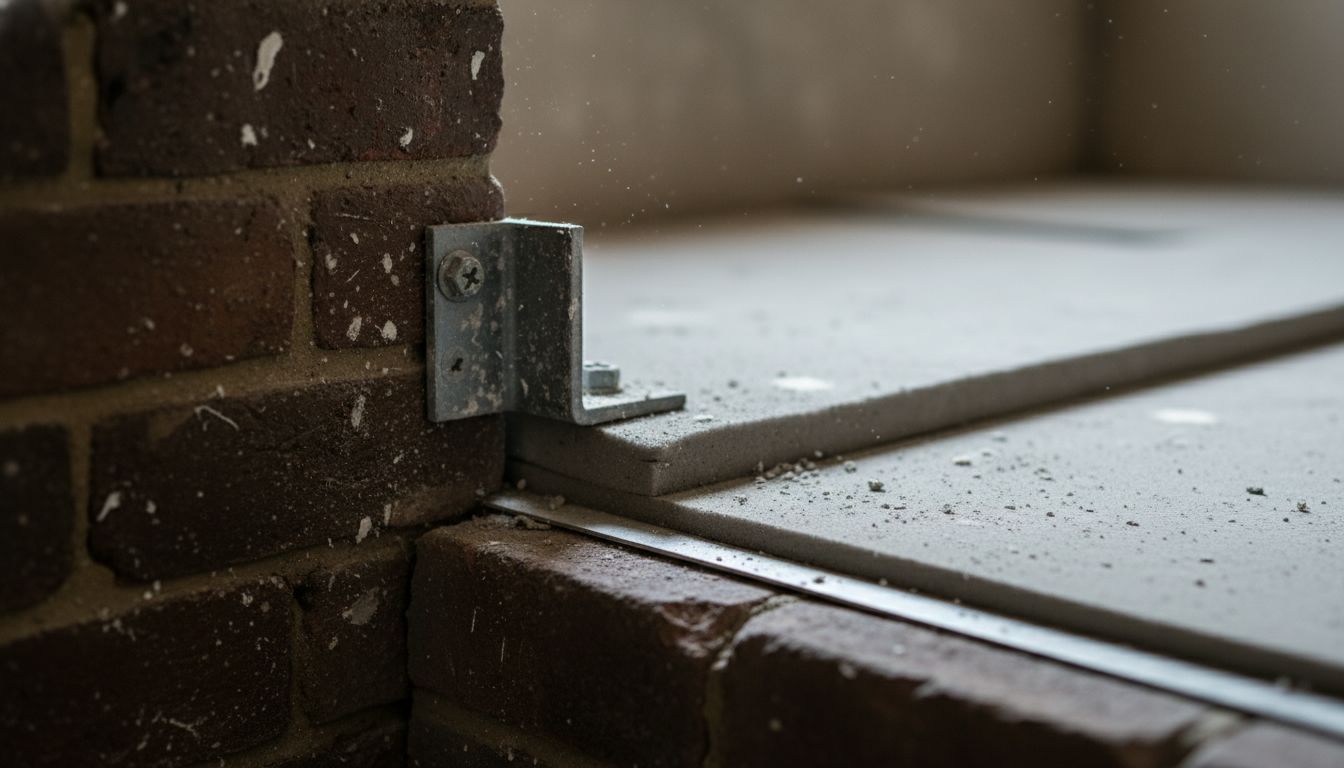
Authorities also ordered Williams to install nearly $65,000 worth of specialized vibration monitors around the site. The purpose was simple: make sure the digging did not crack Page's historic ceramic tiles or disrupt the foundations. That expense turned the renovation into a highly managed engineering exercise. It also underscored Page's original worry that the construction could have real physical consequences. In practical terms, the monitors were a way of turning anxiety into measurable data.
Digging by Hand
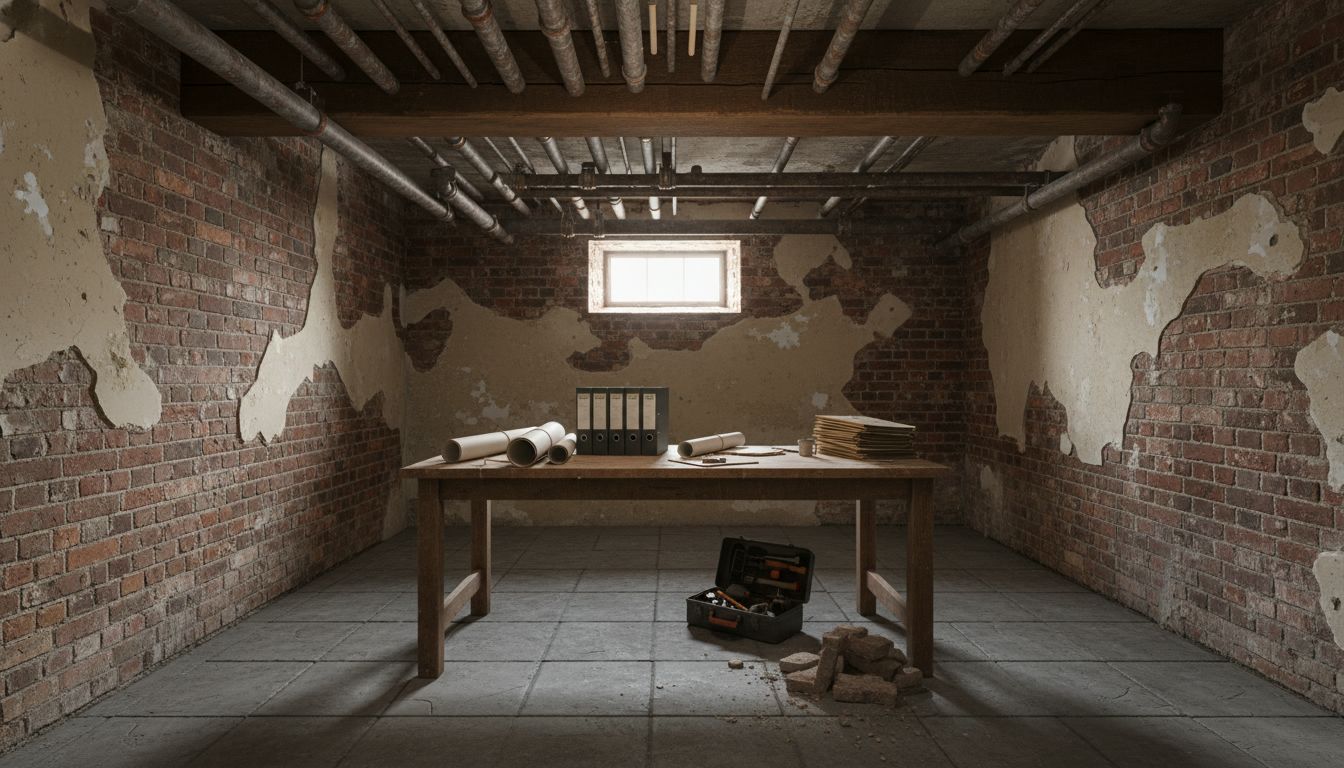
At one stage, officials even considered conditions that would force workers to use hand tools for portions of the excavation. The idea sounds almost comic, but it reflected how cautious everyone had become about ground movement. Heavy machinery and heritage buildings do not always mix easily, especially when the walls are only meters apart. A project meant to create a sleek underground space ended up being constrained by the possibility that even small vibrations could matter more than anyone wanted.
A Tall New Fence
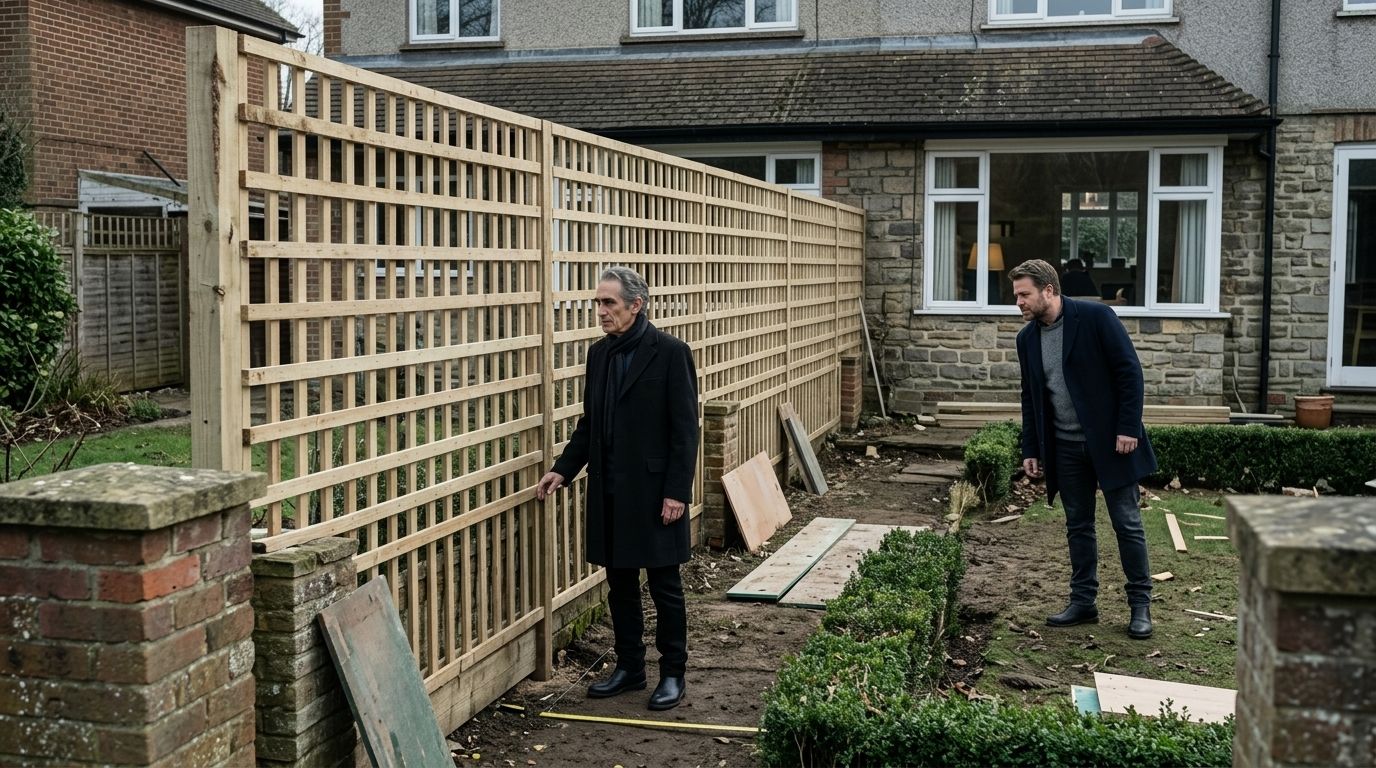
Just when the basement fight seemed to have settled, Williams returned with another application in 2022. This time it was for a 20-foot wooden trellis wall along the boundary he shares with Page. The scale of the proposal was hard to miss. It was not a subtle garden change or a decorative touch. It was a towering barrier, and one that inevitably invited the question of whether privacy was the only goal, or whether the old feud was simply moving to a different level.
Privacy or Pressure
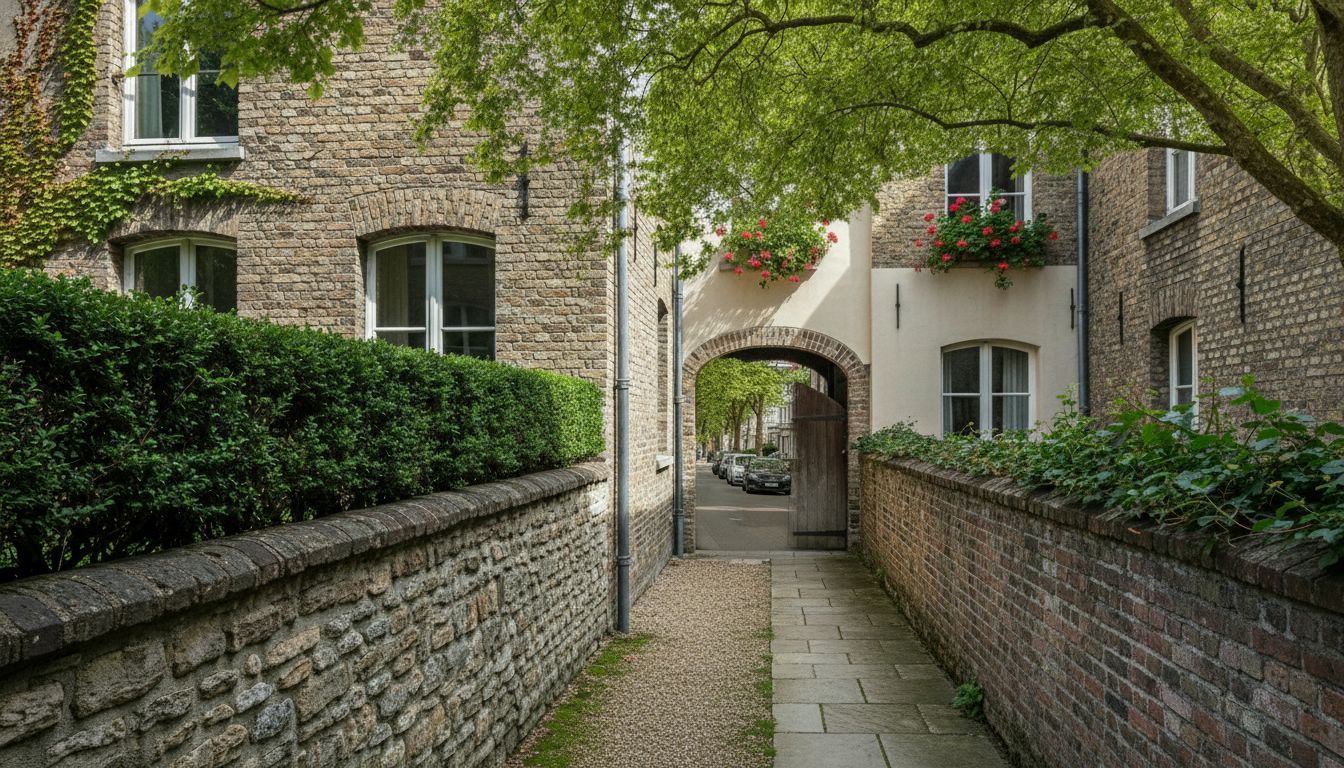
Williams argued that low walls allowed passers-by to see into his garden, making the tall trellises necessary for family privacy. That explanation was practical on its face, but the context made it hard to separate from the history next door. Any boundary change on this street immediately carries extra meaning. Observers did not have to invent the tension. The setting itself had already turned every new structure into a fresh chapter in the same long dispute.
Another Tree Fight
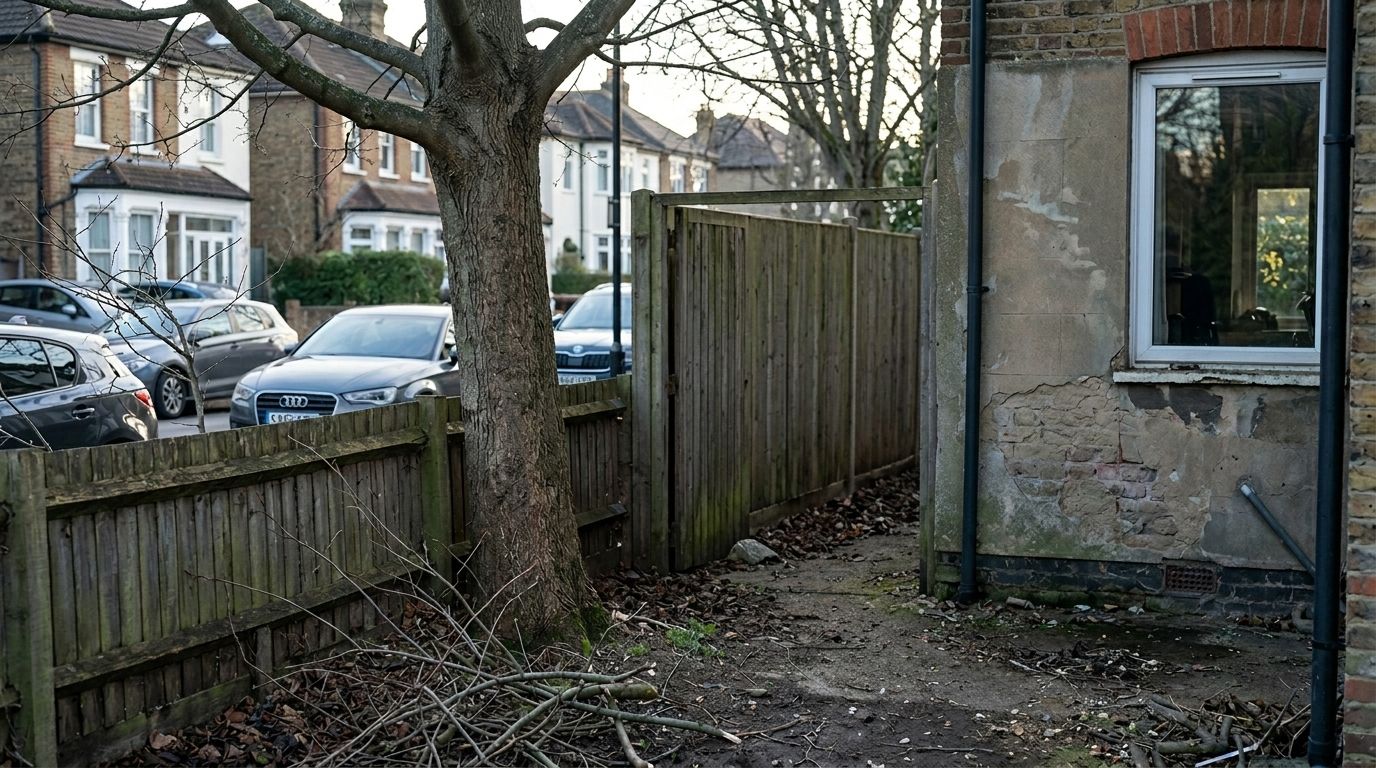
In late 2024, the story was still going, this time over a Norway maple tree on Williams' property. He applied to cut it down, saying it was infected by honey fungus. Anonymous neighbors quickly filed formal objections. That may sound quieter than a basement or a wall, but it shows how every change in this part of Melbury Road can attract scrutiny. Even a single tree can become the latest object of dispute when a neighborhood has already spent years on edge.
Page's Other Dispute
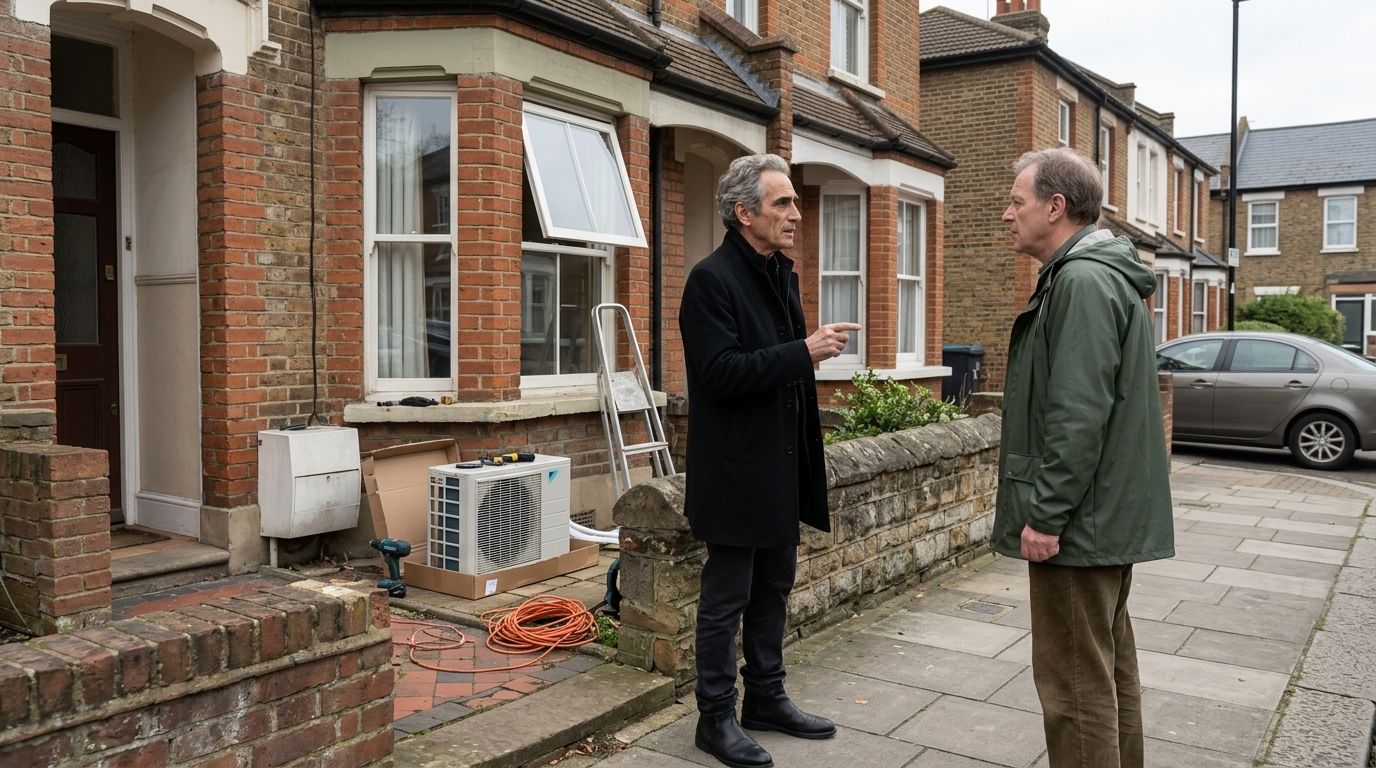
Williams was not the only neighbor Page clashed with, either. In 2019, Page was involved in another dispute with Sir Harvey McGrath over plans to install an air conditioning unit. Page objected because he said it would disturb the room where he scrutinises recordings and needed complete silence. The detail is almost perfect in its irony. The man behind some of rock's loudest music was making careful arguments about noise control in a room devoted to close listening.
Lawyers and Specialists
Across the main five-year fight, both men spent heavily on lawyers, structural engineers, and heritage architects. That is the hidden cost of a feud like this, and it is easy to lose sight of how much money disappears into paperwork, expert reports, and hearings. The issue was never just a swimming pool. It was a clash between preservation and renovation, privacy and visibility, patience and pride. By the end, the legal machinery around the dispute may have been almost as elaborate as the building project itself.
A Rock Feud for the Ages
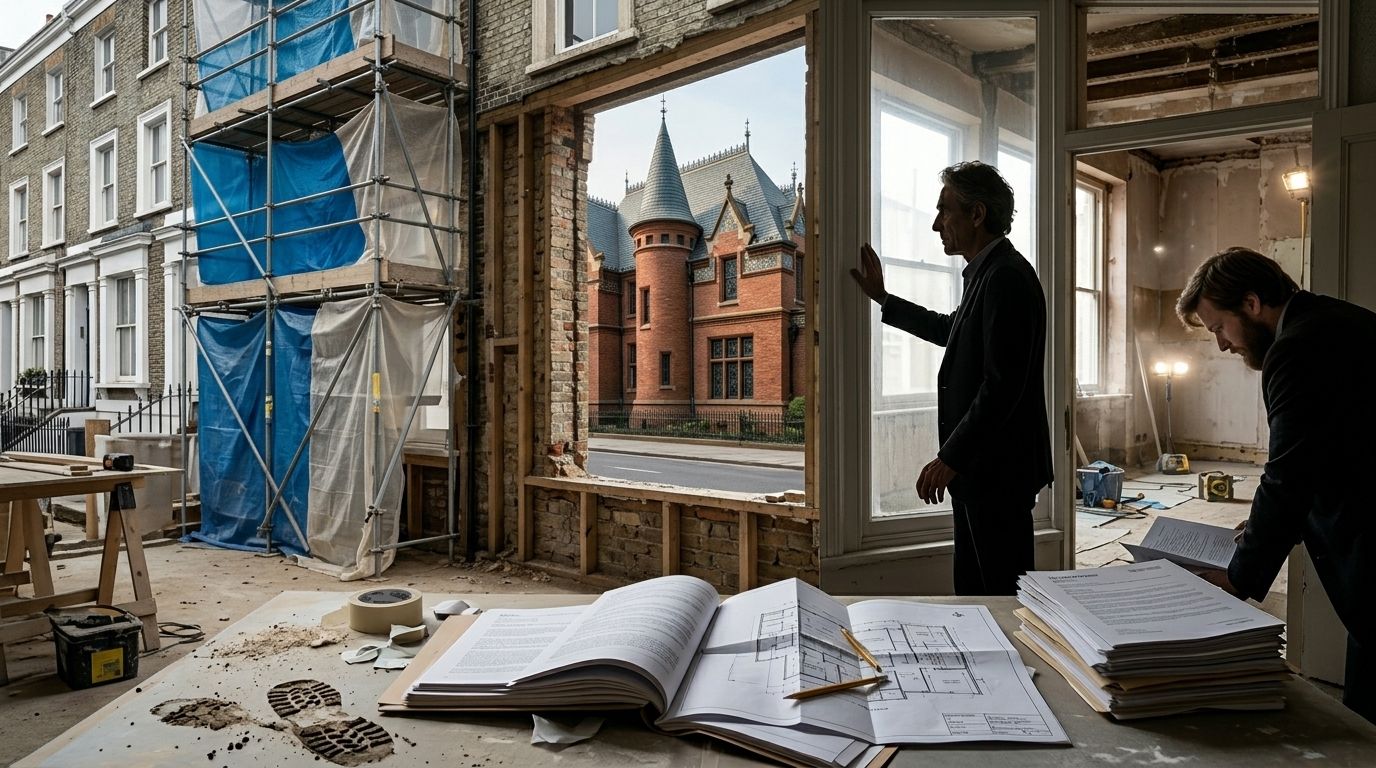
What makes the whole story endure is the contrast at its center. The media has often treated it as one of the most famous feuds in rock music, and the comparison makes sense. The man behind Whole Lotta Love wanted strict quiet next door, while the former Take That star pushed ahead with plans that included a pool, a gym, and a studio. The result is a deeply human kind of conflict, only scaled up to the level of London mansions, heritage law, and very expensive patience.