Fans Can't Stop Talking About Bad Bunny's Met Gala Transformation
Bad Bunny’s latest Met Gala appearance gave fans plenty to discuss, with the Puerto Rican superstar arriving in a concept that reimagined him as an older version of himself. The look was theatrical, carefully constructed, and unmistakably part of the way Benito Antonio Martínez Ocasio now uses fashion as storytelling. But that single red-carpet moment is only the newest chapter in a career that has moved far beyond hit records. Over the past several years, he has become a global headliner, a fashion collaborator, a brand partner, and a public figure whose image is managed with the same precision as his music. From Super Bowl stages to museum-style installations and retail launches in Puerto Rico, Bad Bunny has built a career around range, control, and a clear connection to home. The Met Gala transformation fits that pattern, and the bigger story begins with how his style has become part of his business identity.
Fashion now sits at the center
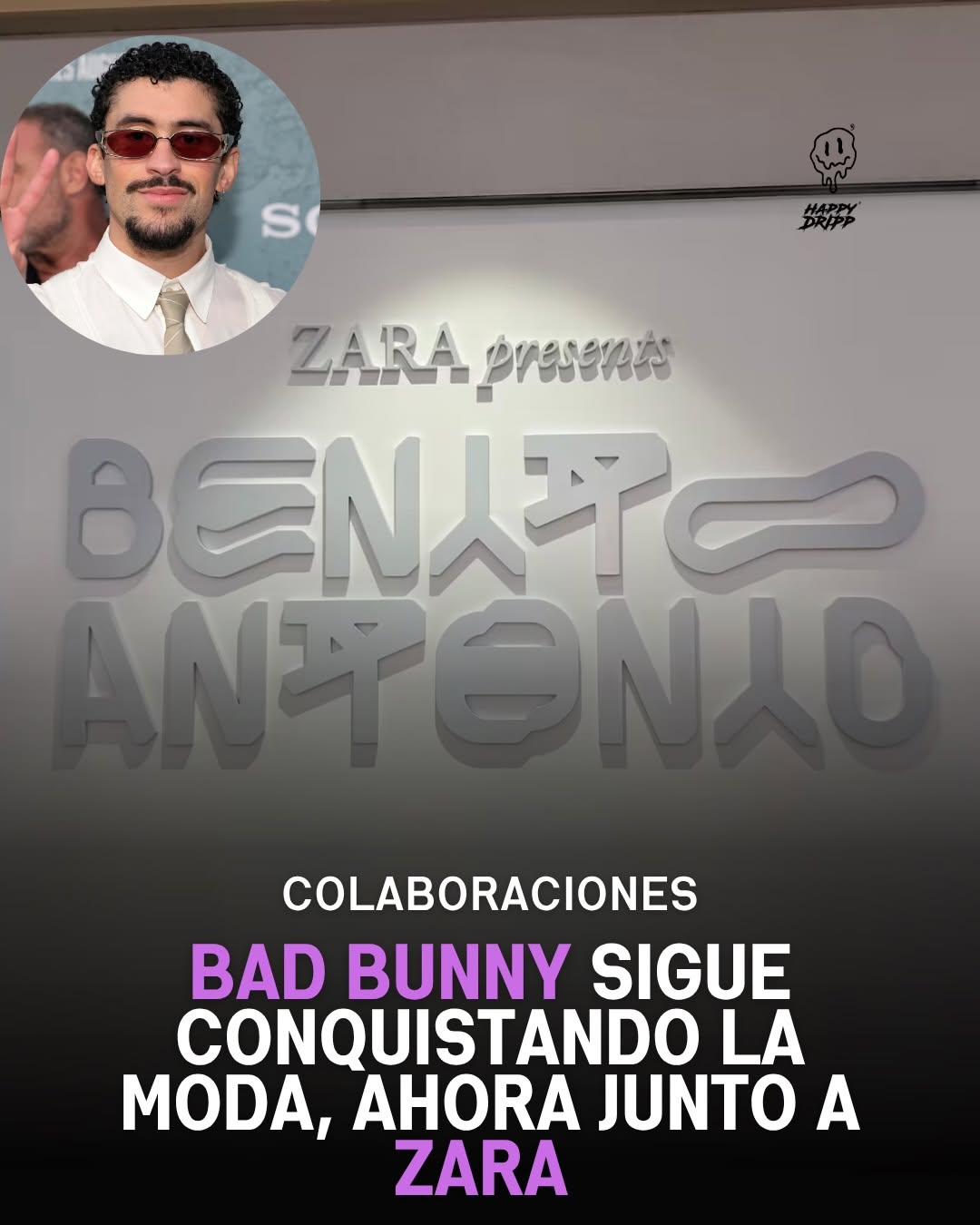
That broader identity is already visible in his latest work with Zara. A recent Instagram post about the new Bad Bunny and Zara collection describes the partnership as a blend of fashion, culture, and Benito’s signature style, with pieces inspired by retro aesthetics, relaxed tailoring, and streetwear. It is a reminder that his influence now reaches well beyond streaming numbers and concert tickets. For a U.S. audience, Zara gives the collaboration wide retail visibility, turning his personal look into something fans can buy and wear. It also shows how carefully his image has been folded into his business life, setting up the Met Gala moment as part of a much larger style narrative.
The Met Gala look everyone noticed
@gonza_l3z He is always sharp and unpredictable like in this 2026 Met Gala he made a very wonderful exhibition as he appeared as an aged man and still he looked fine🙂🫴🏾 #badbunny #metgala2026 #metgala #tiktokfashion #fyp
That style narrative came into sharp focus at the 2026 Met Gala, where Bad Bunny appeared in an aged-man concept that quickly drew attention online. A TikTok post described him as sharp and unpredictable, even as the makeup and prosthetics transformed his face and silhouette. The point was not simply to wear a memorable outfit, but to turn the carpet into a performance. For an artist who has always understood image as part of the message, the look fit neatly into his playbook. It also helped fuel a fresh round of conversation about how he uses fashion to challenge expectations, which is exactly why the image traveled so quickly.
A concept built around time
@voguefrance L’avez-vous reconnu ? Et oui, le temps n’attend personne, pas même l’incontournable #BadBunny. Ce soir, sur le tapis du #MetGala, le chanteur a choisi d’accélérer le temps en apparaissant sous les traits d’une version vieillie de lui-même. Avec ce beauty look transformé par des prothèses, il dialogue directement avec l’un des thèmes explorés par l’exposition 2026 du Costume Institute : le corps vieillissant. Une réflexion rare dans l’industrie de la mode, qui questionne notre rapport au temps, à la beauté… et à notre propre finitude.
The reaction spread well beyond the usual fashion circles because the Met Gala idea was so clearly about time itself. Vogue France framed the appearance as a version of Bad Bunny who had accelerated the years, appearing as a transformed, older self in dialogue with the Costume Institute’s 2026 theme. Another post from Vogue magazine put it more simply, noting that he was still Bad Bunny even when presented as 50 years older. That kind of concept works because he already has a global audience that understands his visual language, whether the caption is in Spanish, English, French, or Italian. From there, the story naturally shifts from a single night of fashion to the career that made the moment land.
The Super Bowl in Spanish
@vogueitalia Questa notte, #BadBunny è entrato nella storia come il primo artista a esibirsi all’halftime show del #SuperBowl con una performance interamente in spagnolo. Il cantante portoricano - il più ascoltato al mondo su Spotify nel 2025 e pluripremiato ai Grammy Awards 2026 - ha portato sul palco di uno degli eventi mediatici più seguiti al mondo uno spettacolo senza precedenti: culturale e politico, prima ancora che musicale. “Le persone dovranno solo preoccuparsi di ballare”, aveva detto in conferenza stampa. Ma quello che è successo è andato oltre: una celebrazione dell’identità latina portata al centro della cultura pop globale. Anche la scelta del look ha parlato la stessa lingua: Bad Bunny ha infatti indossato un outfit color crema firmato Zara. Tra gli ospiti, grandi nomi del cinema e della musica internazionale: #LadyGaga, Ricky Martin, Pedro Pascal, #CardiB, #KarolG, Jessica Alba. A chiudere la performance, un pallone da football con un messaggio di unione: “Insieme, siamo l’America”. Scopri di più nella gallery.
One of the clearest signs of that career came during Super Bowl LX, where Bad Bunny became the first artist to perform the halftime show entirely in Spanish, according to a TikTok post from Vogue Italia. The performance was described as cultural and political, and it marked a major milestone for Latin music in the U.S. mainstream. By that point, he was already being recognized as the most listened-to singer in the world, and the halftime stage only widened his reach. For a generation of fans, it was a defining moment. For the industry, it was proof that a Spanish-language performance could command the biggest stage in American entertainment.
When viral claims took hold
@foxnews DEBUNKING THE VIRAL LIE: On Super Bowl Sunday, a viral narrative exploded claiming Bad Bunny used his halftime show platform to feature a child recently detained by ICE. There was just one problem: It wasn't true. The child in the show was Lincoln Fox Ramadan, a professional child actor. He was falsely identified by a left-wing influencer as Liam Ramos, a 5-year-old who had been detained by ICE in Minneapolis earlier that year. The false claim reached over 10 million views and 300,000 likes on X before it was corrected. By the time the child's family and Bad Bunny’s representatives could set the record straight, the fabricated story had already been accepted as fact by millions.
With that kind of visibility, it is no surprise that Bad Bunny’s name can become part of fast-moving online misinformation. On Super Bowl Sunday, one viral claim suggested he had used the halftime show to feature a child recently detained by ICE, but the post from Fox News said the story was false and identified the child as actor Lincoln Fox Ramadan. The episode is a useful reminder of how quickly celebrity events can be pulled into larger political narratives, whether accurate or not. It also shows why public figures at his level now have to manage not only performances and appearances, but the conversation that forms around them in real time.
A booking that sparked debate
@brutamerica Bad Bunny will headline the Super Bowl LX Halftime show, which will take place around 8 p.m. ET on Sunday, February 8. Bad Bunny's performance has sparked widespread controversy across the United States due to the fact that he primarily sings in Spanish. Some Republicans are protesting the NFL halftime show by producing an alternative performance featuring Kid Rock that they are calling the "All American" halftime show, despite the fact that Bad Bunny is an American citizen from Puerto Rico. From co-chairing the Met Gala to becoming the first Spanish-language artist to win a Grammy for Album of the Year, the 31-year-old had come a long way since his days releasing music on Sound Cloud. Here are 6 things you might not know about Bad Bunny. #BadBunny #SuperBowlLX #HalftimeShow #SuperBowlHalftimeShow #NFL Credits: Kevin Mazur/WireImage, Stephane Cardinale - Corbis/Corbis via Getty Images, Taylor Hill/Getty Images, Kevork Djansezian/Getty Images, Gladys Vega/ Getty Images, @sanbenito, Dia Dipasupil/Getty Images, Dimitrios Kambouris/Getty Images for The Met Museum/Vogue, Gladys Vega/ Getty Images, Corbis/Corbis via Getty Images, Al Bello/Getty Images Journalist: Jami Male
Long before the performance aired, the halftime booking itself was already drawing strong reactions. A Brut America TikTok noted that his Super Bowl LX appearance stirred controversy across the United States because he primarily sings in Spanish, with some Republicans even organizing an alternative performance. That response says as much about the moment as it does about the artist. By 2026, Bad Bunny had become central enough to national culture that his presence on the halftime stage could prompt political debate before a note was sung. The performance that followed, though, shifted the focus back to the message he chose to deliver.
A message of unity
@pagesix Bad Bunny wrapped up his historic Super Bowl LX halftime show by sending a message of unity and inclusivity holding up a football with an inscription reading, “Together, We Are America.” 📸: Getty Images
When the show ended, Bad Bunny left viewers with something more reflective than a standard victory lap. A Page Six post captured him holding a football inscribed with the words, “Together, We Are America,” a message of unity and inclusivity that framed the performance as more than entertainment. The line resonated because it matched the tone he has often projected publicly, especially when speaking to Latin audiences in the United States. It also gave the halftime show a human center, one that balanced spectacle with purpose. From there, the story returns to the place that still grounds him most clearly, Puerto Rico.
The homecoming crowd in Puerto Rico
That connection to home was on full display when he appeared at Zara in Plaza Las Américas in Puerto Rico for the launch of his new clothing line. An Instagram post described the scene as total chaos, with fans, curious shoppers, and media crowding the mall to catch a glimpse of him. The response suggests that even as his brand becomes increasingly global, his presence in Puerto Rico still carries special weight. He is not just a star passing through the island. He remains a local figure whose projects can turn a retail launch into a major public event, which is part of what makes his career feel so rooted even when it is moving worldwide.
From artist to cultural subject
That kind of reach extends beyond stores and stages. An Instagram post about a 360-degree Bad Bunny experience at the Arizona Science Center shows how his music and imagery have become the basis for immersive public installations. The exhibit pairs his songs with visuals inspired by Puerto Rico, surrounding visitors with a dome projection experience. That is a different level of cultural footprint. It means his work is no longer only being consumed as entertainment, but studied, staged, and presented as an environment. For an artist who has always blended sound, style, and identity, the move into museum-style presentation feels like a natural next step, and it leads right back to the branding behind his fashion projects.
Benito Antonio as a brand
@arianaliztorress Benito Antonio x Zara en Plaza las Américas #badbunny #moda #puertorico @Bad Bunny @ZARA
The Zara collaboration makes that branding especially clear. A TikTok post from Plaza Las Américas identified the collection as “Benito Antonio,” using his given name rather than his stage name. That choice matters because it presents the line as something more personal than a standard celebrity endorsement. It suggests identity, not just celebrity, and ties the project to the man behind the public persona. The naming also echoes the way he has increasingly used his full name in fashion settings, reinforcing the sense that his style work is an extension of who he is rather than a separate side project. That continuity becomes even more apparent when the Met Gala looks are placed in sequence.
A future version of himself
@voguemagazine #BadBunny is still bad, even when 50 years older at the 2026 #MetGala. Tap the link for all the details on his look.
The Met Gala transformation became even more striking when viewed through that lens. Vogue magazine’s TikTok described him as 50 years older at the 2026 event, underscoring how deliberately he used aging as a visual idea. It was not a simple costume change. It was a conceptual presentation that invited viewers to imagine a future version of Bad Bunny while still recognizing the same performer underneath. That tension between reinvention and continuity has become one of his signatures. He may change the surface, but the identity remains intact. The next step is to see how that approach fits into the broader evolution of his Met Gala style over the years.
From tailoring to concept
@gqitalia Benito, sei proprio tu?! Dopo aver dominato per anni il carpet del #MetGala con il meglio che il menswear aveva da offrire, quest'anno #BadBunny ci ha stupito più che ma, ma non per il custom fit di Zara, quanto per il trucco.
Look back a few years, and the Met Gala story already shows a clear progression. A GQ Italia post noted that Bad Bunny had dominated the carpet for years with menswear at its best, before this year’s appearance shifted the focus toward makeup and transformation. Another TikTok recap traced the arc from his 2022 Burberry debut to a white Jacquemus look in 2023, a more daring Maison Margiela moment in 2024, and a Prada appearance in 2025 tied to DTMF. By 2026, the fashion had become more conceptual. That evolution matters because it shows a deliberate build, not a one-off stunt, and it helps explain why his current collaborations carry so much weight.
A name with personal meaning
The naming of the Zara line brings that evolution into sharper focus. An Instagram post about the collection explained that “Benito Antonio” had already appeared in connection with this year’s Met Gala, linking the fashion project to his public identity in a direct way. The collection is being sold in Puerto Rico, but the name itself reaches beyond the island, giving the line a personal signature that fans immediately recognize. It is a smart branding move, but also a revealing one. Bad Bunny has learned how to make his given name part of the story, not just his stage name, and that choice connects the fashion launch to the image he has been building for years.
A collaboration now in motion
@juanma.x2 Bad Bunny y Zara ya es una realidad ##badbunny##zara##pr##lanzamiento##noticia
By the time another TikTok post declared that Bad Bunny and Zara were now a reality, the collaboration had already moved from idea to active launch. That shift matters because it shows how quickly his projects become live cultural events rather than distant announcements. Fans are not just hearing about a partnership, they are seeing it unfold in stores, on social media, and in public appearances. It is another example of how his business moves are tightly connected to his image. From there, the fashion story opens into a broader look at how his Met Gala style has developed over time.
A clear style evolution
@vorticelatam Así ha sido la evolución de Bad Bunny en la Met Gala. ✨ Desde su debut en 2022 con Burberry, pasando por el look blanco de Jacquemus en 2023, su apuesta más arriesgada con Maison Margiela en 2024, el guiño a sus raíces y su álbum ‘DTMF’ con Prada en 2025, hasta 2026, donde llevó la moda a otro nivel, apareciendo como una versión envejecida de sí mismo, demostrando que su estilo siempre ha sido una forma de contar historias. #badbunny #metgala #metgala2026
The Met Gala has become one of the best places to track that evolution. A TikTok roundup laid out the sequence plainly, from Burberry in 2022 to Jacquemus, Maison Margiela, Prada, and finally the 2026 aging concept. Each appearance showed a different side of him, moving from polished tailoring toward more daring and theatrical choices. That progression reflects a performer who understands that style can be part of the narrative, not just a finishing touch. It also helps explain why his latest look felt so effective. He did not arrive as a newcomer trying something for attention. He arrived as someone who has spent years building a visual language, and that language carries into his music honors as well.
A Grammy speech with weight
@betweentwotakes Bad Bunny won the GRAMMY for Best Musica Urbana Album. He took the stage to deliver a heartfelt speech. “We’re not savages, we’re not animals, we’re not aliens. We are humans and we are Americans.” #badbunny #grammys #grammys2026
That same sense of purpose showed up at the Grammys, where Bad Bunny won Best Música Urbana Album and used his acceptance speech to speak directly about dignity and humanity. A TikTok post captured his words, in which he said, “We’re not savages, we’re not animals, we’re not aliens. We are humans and we are Americans.” It was a statement that resonated beyond the award itself, especially for Latin artists and fans who saw their identity reflected in his remarks. Moments like that help explain why his influence extends past charts and red carpets. He has become a public voice, not only a performer, and that voice continues to be amplified by his commercial work.
A steady stream of brand work
@.angel_omg Bad Bunny en un nuevo comercial para Adidas #badbunny #benito #adidas #fyp
His Adidas campaign is another sign of how steadily that commercial side has grown. A TikTok post simply noted Bad Bunny in a new Adidas commercial, but the simplicity of the caption is part of the point. He no longer needs a long introduction to make a brand partnership feel important. Major companies see him as a lifestyle figure whose image can move product across music, fashion, and sportswear. That kind of visibility is rare, and it depends on a public persona that feels both aspirational and grounded. The next layer of the story comes back to the Super Bowl, where the performance quickly became a shared social-media moment.
The halftime show as meme culture
@rochiafranco ToonMe se filtró en el Superrr Booooowld ✏️🏈🎉🎊 @NFL @Bad Bunny @Apple Music @Roc Nation #toonme #badbunny #art #artist #superbowl
As soon as the Super Bowl performance ended, it was already being filtered through fan culture. A TikTok post from after the show referenced a playful image tied to the event, showing how quickly the halftime set became part of the online conversation. That is now part of the modern celebrity cycle. A major live performance is no longer just watched, it is remixed, captioned, and turned into shorthand. For Bad Bunny, that kind of response only increases the sense that he is operating on a truly public scale. The emotional response that followed, though, made clear that the show meant more than a viral clip.
Why the show resonated
@valeriarios_ugc Y qué rico vivirlo así… con la piel erizada y el corazón lleno 🥹✨ “Together, we are America.” Y sí… la única cosa más poderosa que el odio es el amor. @Bad Bunny #BadBunny #QueRicoSerLatino
What stayed with many viewers was the message behind the spectacle. A TikTok post from a fan quoted the line “Together, we are America” and paired it with a reflection on love as the stronger force. That response captures why the performance connected so deeply with audiences who saw themselves in it. It was not only a halftime show, but a statement about belonging. For an artist who has built a career across languages and borders, that message felt especially fitting. It also helps explain why so many people described the night as emotionally memorable, which is the thread that carries into the next reaction.
A life-changing kind of moment
@valeriarios_ugc El #BadBunnyBowl es de esos momentos que te aterrizan y te recuerdan que la vida puede cambiar en un segundo. Gracias Dios, gracias la vida… y gracias a la gente bonita que me acompaña 🤍🏈🐰 #Nfl #SuperBowl @Bad Bunny
Another fan reaction pushed that feeling even further, describing the Bad Bunny Bowl as one of those moments that can change a life in an instant. The post was personal, grateful, and rooted in the sense that being present for the show mattered. That kind of response reminds readers that celebrity milestones are often experienced very differently by the people watching them. For Bad Bunny, the scale of the event is obvious. For fans, it can feel intimate, even life-shaping. That contrast is part of what gives his biggest appearances their power, and it leads back to the larger scale of the performance itself.
The biggest stage, fully his
@laaficionmilenio Así se vivió el show de medio tiempo a cargo del ‘Conejo Malo’, quien demostró por qué es el cantante más escuchado del mundo; puso a bailar, cantar y disfrutar a todo el Levi’s Stadium, además de a millones de espectadores en sus hogares. 🎤🏈 📸 Reuters #NFL #SBLX #Seahawks #Patriots #BadBunny
On the night itself, the scale was impossible to miss. A TikTok post from La Afición Milenio described the halftime show as proof of why he is the most listened-to singer in the world, noting that he had the entire stadium and millions at home dancing, singing, and watching. That kind of reach is the result of years of steady growth, not a single breakthrough. By the time he reached the Super Bowl stage, Bad Bunny had already become a global figure with the numbers to match the reputation. The next wave of praise only reinforced how firmly he had entered pop history.
Praise in real time
@overtime THE GREATEST TO EVER DO IT 😤🐐 #badbunny #superbowl #superbowlhalftime #benito #halftime
Fan enthusiasm around the performance was immediate. An Overtime TikTok called it “the greatest to ever do it,” which captures the kind of hyperbole that often follows a major live set. Even if the language is loose, the admiration is real. Bad Bunny has a way of turning large moments into shared cultural events, and the Super Bowl was no exception. The reaction helped cement the idea that this was more than a successful performance. It was a career milestone, one that added another layer to his already formidable public profile and set up the visual impact of the show itself.
A strong visual performance
@yahoosports BAD BUNNY PUT ON A SHOW DURING HIS SUPER BOWL HALFTIME PERFORMANCE 🐰🔥 What was your favorite part? 😎 #badbunny #superbowl #nfl #football
That visual impact was captured simply by Yahoo Sports, which said Bad Bunny put on a show during his halftime performance. Sometimes the plainest description is the most useful, especially for an event that was designed to be seen by millions. The performance worked because it combined scale, choreography, and symbolism without losing his personality. It was a reminder that he knows how to command a stage without becoming generic. That same sense of anticipation had been building for days beforehand, which makes the lead-up part of the story too.
The anticipation before kickoff
@genius who else is already stretching and getting ready to move for @Bad Bunny’s super bowl halftime show? 🙋♂️💃🎶 #genius #badbunny #superbowl #puertorico #dtmf
Even before the first note, the buildup was already part of the spectacle. A Genius TikTok showed fans stretching and getting ready to move for Bad Bunny’s Super Bowl halftime show, a lighthearted image that captured the mood around the event. That kind of anticipation is a sign of how deeply embedded he has become in pop culture. People were not just waiting for a concert. They were preparing for a shared moment. The performance delivered on that expectation, but the pre-show energy helped make the night feel like a cultural event in motion, rather than a single isolated appearance.
A car built for reinvention
Bad Bunny’s taste for reinvention is not limited to clothes and stages. An Instagram post about a modified Rolls-Royce Silver Shadow described the classic British luxury car as having been given a more off-road look while keeping its original character. The vehicle, which appeared in the video for “WHERE SHE GOES,” reflects the same instinct that drives his fashion choices. He seems drawn to contrasts, pairing elegance with edge and tradition with something more unexpected. That consistency in taste helps explain why his public image feels so cohesive, even when the details change. It is also a reminder that his style story is always connected to place.
Style at home in Puerto Rico
Puerto Rico remains central to that story. An Instagram post from his home country placed him there on May 16, as he made a brief stop in the capital for the launch of Benito Antonio. The caption suggested that if fans want to dress like Bad Bunny, the path is becoming easier. That is not just a fashion note. It is a statement about how his influence now reaches everyday life in the place that shaped him. Even when he is operating on a global scale, the island remains part of the frame, and that connection gives his public image much of its warmth and authenticity.
The launch at Plaza Las Américas
That homecoming came into focus again when another Instagram post confirmed his arrival at Plaza Las Américas for the Zara collaboration, “BENITO ANTONIO.” The launch was not presented as a distant campaign or a glossy teaser. It was a real event with a crowd, a location, and a clear public response. For Bad Bunny, that matters because his fashion work does not feel detached from his audience. It is happening in the same spaces where fans shop, gather, and follow his every move. That local energy helps explain why the collection has generated so much attention, and it leads into the more personal side of his public life.
A softer note from Argentina
Not every post in his orbit is about scale and spectacle. An Instagram message from Argentina showed a more affectionate side, with Bad Bunny sharing memories from his visit and writing, “Me enamoraste,” after revisiting the country. The post reflected on his February stop during the DeBÍ TiRAR MáS FOToS World Tour, including footage of the shows and the warmth of the crowd. It is a small but telling reminder that he often speaks to fans with a sense of gratitude rather than distance. That warmth helps balance the larger-than-life image, and it carries into the music itself.
Music that still feels current
His music remains active even as the fashion and brand work expands. An Instagram post about “AM (remix)” described the track as sounding like late-night desire, with Benito joined by J Balvin and Nio García. The caption emphasized tension, messages, and the kind of connection that happens after dark. It is a useful reminder that the music has not been replaced by the image. Instead, the image and the music continue to feed each other. Bad Bunny’s appeal has always come from that blend of atmosphere, rhythm, and personality, and the remix shows that he is still working comfortably in that lane.
A crowd that points ahead
Taken together, the crowd scenes around the Zara launch say a lot about where Bad Bunny is now. An Instagram post about the Plaza Las Américas appearance described the social-media reaction and the rush of fans who arrived early for the Benito Antonio experience. Even the criticism around the event only underscored how much attention he still commands in person and online. Music, fashion, hometown pride, and public debate all converged in one place. That is the larger story behind the Met Gala transformation too. He keeps changing the presentation, but the core remains the same, and that is why each new chapter feels like the beginning of another one.