The Real Reason William and Kate Broke Royal Tradition
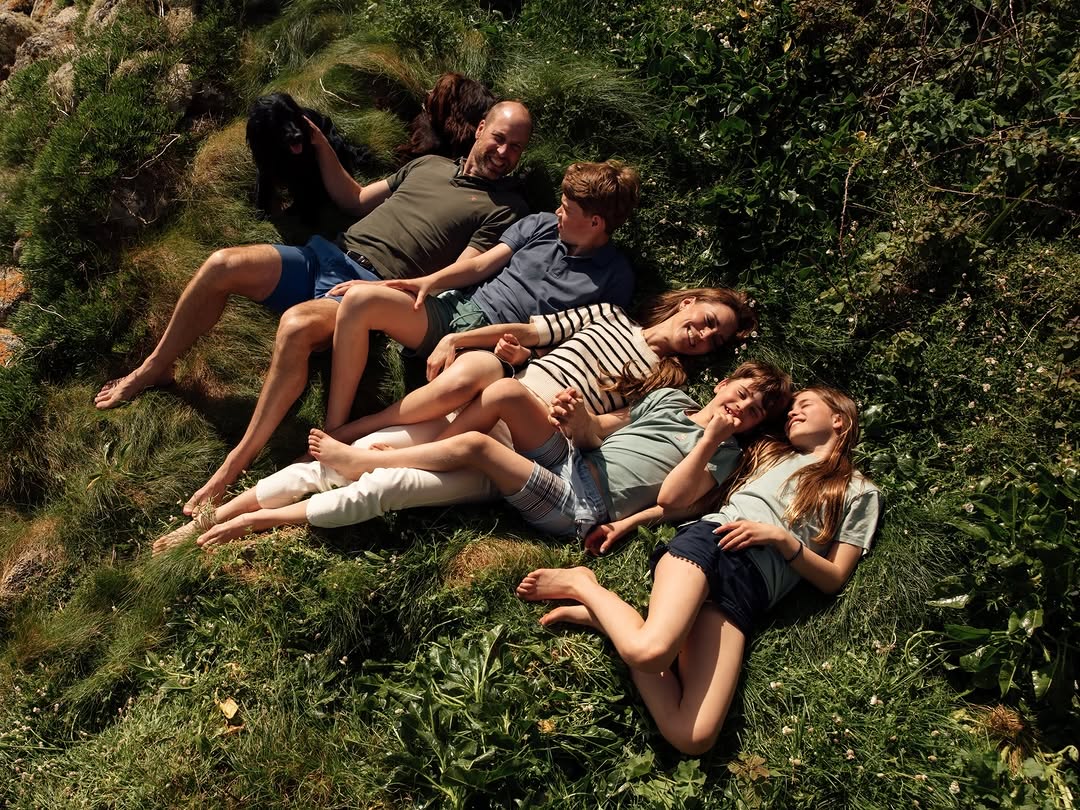
Prince William’s recent attendance at the installation of Dame Sarah Mullally as Archbishop of Canterbury offered a small but telling glimpse of how the Prince and Princess of Wales now approach royal life. The moment was historic in its own right, marking the first woman to take on the role in the Church of England’s 1,400-year history. But it also fit neatly into the wider pattern William and Kate have spent years building: a monarchy that still values ceremony, yet increasingly speaks through service, family, and carefully chosen causes. From conservation and early childhood development to mental health, sport, music, and community work, the Waleses have made their public roles feel more personal without losing their institutional weight. Their decision to break with one royal custom is best understood in that larger context, as part of a steady reshaping of what modern royalty looks like. And William’s recent social posts show just how intentional that image has become.
A prince in tribute mode
That modern image is already visible in William’s public tone. On May 8, he marked Sir David Attenborough’s 100th birthday with a message thanking the broadcaster for his wisdom, kindness, dedication, and for reminding people of the wonder of the world they call home. Calling Attenborough a national treasure, William aligned himself with one of Britain’s most respected public figures, and with the values of stewardship and service that have become central to his own work. It is a polished, thoughtful style of communication, one that feels less like ceremonial distance and more like a prince speaking from conviction. That same blend of personal belief and public duty runs through much of what he shares next.
Nature as a personal language
From tribute to reflection, William has also used social media to explain why nature matters to him on a more intimate level. In January, he described the Mother Nature series as a deeply personal, creative reflection on how nature helped him heal, while also calling it a story about collective healing. The wording connected environmental advocacy with emotional wellbeing, two themes that now sit side by side in his public life. For a royal who once would have been expected to speak mostly in formal terms, it is a strikingly open register. He is not only promoting conservation policy, but also describing how landscape, creativity, and calm have shaped him. That personal approach carried naturally into the softer, more communal moments of the season.
Christmas, music, and a softer image
One of the clearest examples came during the 2025 Together at Christmas carol service, where William shared the line, “Love is how you live your life.” He also noted that Eugene Levy joined the event, underscoring the service’s broad and welcoming tone. The annual gathering has become a signature part of the Waleses’ public calendar, blending music, faith, and community in a way that feels warm rather than rigid. Even the way William promotes it suggests a more personal monarchy, one that uses seasonal tradition to create connection. It is a reminder that the couple’s modernity does not come from rejecting ceremony, but from giving it a more intimate voice. That same balance appears again in one of the most historic engagements of the year.
A break with tradition at Canterbury
That balance was on display when William attended the installation of Dame Sarah Mullally at Canterbury Cathedral on March 25. His post called it a historic moment for the Church of England, noting that she was the first woman to take on the role of Archbishop of Canterbury in the institution’s 1,400-year history. The appearance mattered not just because of the milestone itself, but because it showed William participating in a change that sits at the center of a very old institution. For a future king, it was a reminder that modern monarchy often means acknowledging progress while preserving continuity. It is the kind of measured public role he has increasingly embraced, and it extends well beyond church ceremonies into sport and civic life.
Sport as a royal touchpoint
William’s public work also has a distinctly contemporary edge when it comes to sport. On January 15, he hosted the Women’s Rugby World Cup winners at Windsor and congratulated the Red Roses on their achievement. The post reflected not only his support for women’s sport, but also his preference for direct, celebratory engagement with people who have earned the spotlight. It is a style that feels approachable without being casual, and active without being performative. Sport has long been one of the easiest ways for royals to connect with the public, but William uses it to signal something broader, a monarchy that pays attention to teamwork, excellence, and participation. That same future-facing instinct shows up in his work with children and families.
Looking ahead to Italy
In May, William turned his attention to early childhood development with a post about an upcoming trip to Reggio Emilia, Italy, alongside the @earlychildhood team. He said the goal was to come to a greater understanding of how to raise “The Whole Child,” with healthy balance in mind, body, and spirit. The language was practical, but also deeply values-driven, linking the earliest relationships and environments to lifelong wellbeing. It is a good example of how his current agenda has become more focused on long-term social outcomes rather than short-term publicity. The work is serious, structured, and policy-minded, yet still rooted in a human idea of care. That emphasis on partnership and continuity also comes through in his marriage to Catherine.
Fifteen years of marriage
Against that public backdrop, William’s personal life remains central to the way the couple is seen. On April 29, he marked 15 years of marriage with a simple heart emoji and a brief message, a restrained gesture that suited the Waleses’ long-standing preference for dignity over display. Their relationship has always carried a rare kind of public familiarity, first as university sweethearts and later as the parents of Prince George, Princess Charlotte, and Prince Louis. Yet the tone they choose online is often understated, as if to protect the private partnership that supports the public one. That quiet steadiness helps explain why family history still matters so much in William’s voice, especially when he speaks about his mother.
Remembering Diana
William’s Mother’s Day message on March 15 offered one of his most personal notes of the year. He wrote, “Remembering my mother, today and every day,” while also thinking of everyone remembering someone they love on that day. The post was brief, but it carried the kind of emotional clarity that has become more common in his public communication over time. By acknowledging both his own loss and the wider experience of grief, he spoke as a son and as a public figure. That empathy has become part of his royal identity, shaped in part by family memory and in part by the responsibilities he now carries. It is also the same sense of reverence he brings to figures whose public service has defined an era.
A century for Sir David
William returned to Sir David Attenborough on May 8 with a second tribute, this time celebrating the broadcaster’s 100 years and calling him an inspiration to us all. The repeated recognition was telling. William often uses these moments to align himself with people who represent public service, knowledge, and national esteem, whether in conservation, broadcasting, or the arts. It is part of the way he has built a modern royal persona, one that borrows less from grandeur and more from shared values. He is not just presenting himself as an heir to the throne, but as a custodian of causes and traditions that matter to many people. That sense of inheritance becomes even clearer when he speaks about his grandmother, Queen Elizabeth II.
A queen remembered
On April 21, William marked the 100th anniversary of Queen Elizabeth II’s birth with a tribute that described her as inspiring generations through a lifetime of duty. The message was concise, but it carried the weight of family legacy and constitutional memory. For William, the late queen remains the clearest example of how to balance personal restraint with public responsibility, and that standard still shapes the way he and Kate present themselves. Their own public style is more conversational than the one that defined earlier generations, yet it is still anchored in the same idea of service. That continuity is visible not only in William’s words, but also in the way Catherine appears in the family’s seasonal traditions.
Kate at Sandringham
@about.london Catherine, Princess of Wales at Sandringham on Christmas Day #princessofwales #christmas #katemiddleton #royalfamily #sandringham
A TikTok post from Christmas Day at Sandringham captured Catherine, Princess of Wales, in one of the monarchy’s most familiar settings. The image reflects the enduring public interest in her presence, especially at moments when tradition and family converge. Even in a short fan-driven clip, the appeal is clear: Kate remains one of the most recognizable and closely watched figures in the royal family. Her visibility at Christmas has become part of the seasonal rhythm of royal life, and it helps reinforce the couple’s role as guardians of tradition with a more modern presentation. That same mix of familiarity and continuity carries into the way William closes out the year.
A new year, a steady course
At the end of 2025, William kept his New Year message simple, thanking people for a brilliant year and looking ahead to 2026. The note was optimistic, but also institutional in its tone, the kind of message that suggests continuity rather than reinvention. That has become a defining feature of the Waleses’ public life. They do not chase novelty so much as shape a steadier, more personal version of monarchy around the work they believe matters most. Whether the subject is family, charity, or public service, the message is usually the same: forward motion, not noise. And in the holiday season, that approach comes through again in the way music helps set the mood.
Christmas through music
William’s Christmas Eve post about the Together at Christmas service added another layer to that softer public image. Highlighting a duet by Erland Cooper, he described the moment as one of love and connection through music. The post showed how carefully the Waleses use seasonal programming to create a shared experience around the monarchy, one that feels inclusive and emotionally accessible. Music, in this context, is not just decoration. It becomes a way to frame faith, family, and community in a language that reaches beyond palace walls. That instinct to connect across audiences also shapes William’s more formal diplomatic work, including recent meetings at Windsor Castle.
A meeting at Windsor Castle
On May 12, William posted about meeting Māori Queen Te Arikinui Kuini Nga wai hono i te po at Windsor Castle. The engagement was ceremonial, but it also reflected the monarchy’s continuing role in maintaining international and Commonwealth relationships. These are the kinds of duties that often happen quietly, without the attention given to a public campaign or a holiday service, yet they remain central to the job. William’s presence in such settings shows how his role is widening as his responsibilities grow. He is increasingly visible not only as a husband and father, but as a working royal with a diplomatic function. That broader workload continues in visits that connect place, heritage, and public duty.
Scotland and the Kelpies
In January, William shared a visit to The Kelpies in Scotland, where he learned about the mythology and craftsmanship behind the sculptures. The post was a reminder that his public schedule often includes cultural landmarks as well as formal occasions. It also showed a willingness to engage with place in a way that feels grounded and observant, not merely ceremonial. That matters for a future king whose role depends on understanding the different parts of the United Kingdom as more than symbols on a map. Scotland, heritage, and public art all become part of the same broad civic conversation. The same can be said of his state duties, which continue to place him at the center of royal diplomacy.
Diplomacy at Windsor
William’s March 18 post about the State Banquet in Windsor, celebrating the friendship between Nigeria and the UK, placed him squarely within the machinery of royal diplomacy. State occasions remain one of the clearest expressions of monarchy’s public role, and his presence there reinforces the idea that he is being prepared for a life that combines symbolism with responsibility. Yet even in these formal settings, the Waleses have worked to keep the tone human and approachable. That balance between ceremony and warmth is part of what makes their public image feel contemporary. It is also visible in William’s conservation work, where the message is often less about prestige than about practical stewardship.
Conservation in the desert
In February, William visited Sharaan Nature Reserve in AlUla, where he spent time with local rangers learning about conservation, habitat restoration, and species reintroduction. The post went into unusual detail, noting the reserve’s 1,540 square kilometers of desert, mountains, and former rangeland, and its green-listed status with the International Union for Conservation of Nature. That level of specificity reflects how seriously he takes the subject. This is not just a symbolic stop on a royal itinerary, but part of a long-running environmental identity that has become central to his public work. By focusing on practical conservation, he continues to build a royal profile rooted in action, not just appearance. That same sense of scale appears again in his Commonwealth engagements.
The Commonwealth stage
William’s March 9 appearance at Westminster Abbey for the annual Commonwealth Observation Service brought together voices, cultures, and performances from across the 56 Commonwealth nations. Joined by the King, Queen, and other members of the Royal Family, he framed the occasion as a celebration of shared values, diversity, and connection. The post was a reminder that the monarchy still operates as an ensemble, with each member carrying part of the ceremonial load. For William, that means balancing his own priorities with the larger family institution he is set to inherit. It is a role that requires both visibility and discipline, qualities that also show up in his work with children and education.
Learning in the classroom
That educational focus came into view again on May 13, when William visited Anna Frank School and spent time with children and teachers. He described creativity, curiosity, and imagination as woven into everyday learning, and noted a shared atelier inspired by a storytelling festival. The post was full of the language of development and possibility, with an emphasis on giving children spaces where they feel listened to and encouraged. It fits neatly with his broader interest in early childhood, where the goal is not simply to support schools, but to shape the conditions for healthy growth. The trip to Italy the same day deepened that theme and gave it a more formal policy frame.
Reggio Emilia, day one
William’s first day in Reggio Emilia was described as inspiring, with time spent learning more about the Reggio Emilia Approach to early childhood and discussing the Shaping Us Framework with leading global experts. The bilingual post underscored how seriously he is treating this area of work, moving beyond a simple visit and into the language of frameworks, research, and practice. That matters because it shows a prince engaging with social policy in a sustained way, not just appearing at a ribbon-cutting. Early childhood development has become one of the clearest examples of how the Waleses want to use their platform. It is practical, long-term, and rooted in the idea that public service should begin with the youngest lives. The same steady responsibility runs through his military roles as well.
Back at RAF Valley
William’s return to RAF Valley on April 28 added another layer to the long accumulation of duties that defines his public life. As Royal Honorary Air Commodore, he described the visit as always a pleasure, a phrase that reflects both familiarity and continuity. Military ties have long been part of the royal family’s identity, and William’s role keeps that connection visible in the present tense. The post also reminds readers that his career is not built around one theme alone. Charity, family, diplomacy, and defense all sit alongside one another in the modern Wales profile. He carries those roles with a steady hand, and often with a focus on the people behind the institution, as he did in Bulford.
Soldiers, families, and service
On March 26, William visited the 1st Battalion Mercian Regiment in Bulford after their recent deployment to Estonia. He met soldiers and families, heard from a female network about their experiences in the Armed Forces, and watched training exercises before presenting warrants. The emphasis on people, not just protocol, is typical of his public approach. He tends to frame military service as a human story of commitment and dedication, which gives these engagements a warmer and more grounded feel. That same instinct to look back and take stock was visible in his year-end roundup, which gathered several of the couple’s priorities into one place.
Looking back at 2025
William’s December 30 photo roundup offered a compact portrait of the year before, including Holocaust Memorial Day, an Action for Children visit, the Irish Guards St Patrick’s Day Parade, and more unseen favorites. It was less a highlight reel than a summary of priorities, with family, remembrance, and public service all sharing the frame. For readers, it provided a useful reminder that the Waleses’ public identity is built over time, through repeated choices about where to appear and what to emphasize. The post also served as a pause before the profile turns back to the broader story of how the couple came together and how public fascination with them began. That interest has followed them for years, especially in the fan-driven corners of social media.
Wellbeing on the move
One of the most revealing posts of the year came in January, when William joined Mind Over Mountains for a guided walk in the Peak District. He described the experience as a way to see how nature, mindful movement, and professional mental health support can restore and sustain wellbeing. The post neatly brought together several of his recurring themes, from the outdoors to practical help and emotional resilience. It also showed how his public role has become increasingly shaped by social purpose, not simply by tradition or title. That broader sense of purpose helps explain why so many observers remain interested in the couple’s beginnings, and in the public story that started long before these recent engagements.
Before the formal portrait
@hrh_princess.catherine Cr.: me #britishroyalfamily #royalfamily #britishroyalfamily #catherineprincessofwales #princessofwales #walesfamily #london #waleskids #williamandcatherine #princeandprincessofwales #istandwithcatherine #catherinemiddleton #england #editing #princewilliam #princegeorge #princesscharlotte #princelouis #fy #fyp #foryoupageofficial
A fan-made TikTok post from May 2025, full of nostalgic hashtags and archival-style captions, points to how long William and Catherine have occupied the public imagination. Even in a casual social media format, the language suggests a relationship that has been watched, edited, and remembered for years. That fascination is part of the modern royal story as much as the official engagements are. The couple’s image has always been shaped by a mix of public duty and private curiosity, and the internet has only amplified it. To understand why their current choices matter, it helps to go back to the beginning, when William was still a young prince and Catherine was a university student at St. Andrews.
A couple in the making
@ukroyal_ Time flies 📸 . #PrincessCatherine #PrinceWilliam #PrincessofWales #PrinceofWales #PrincessKate #QueenCatherine #QueenKate #KingWilliam #KingWilliamV #love #parati #foryou #fy #trend #family #videoviral #catherinemiddleton #katemiddleton #trending
Another TikTok post from the end of 2023 captured the fan nostalgia that has followed William and Kate for years, with a simple “Time flies” caption and a sweep through their shared story. That kind of public memory has become part of their mythology, especially as the couple has matured from university sweethearts into the Prince and Princess of Wales. The fascination is not only about glamour, but about longevity. Their relationship has unfolded in public view for more than two decades, and that makes every milestone feel like part of a larger national narrative. It also helps explain why Kate, in particular, remains such a visible style figure across the years.
The Princess of Wales as a style figure
@teamwalesfamily The STARE!😌👑 IB:ME! Please!🙏🫡 #katemiddleton #princessofwales #princesskate #princesscatherine #princewilliam #princeandprincessofwales #katemiddletonstyle #williamandkate #britishroyalfamily #walesfamily #teamwalesfamily #catherinemiddleton
A 2024 TikTok post centered on Kate’s poise at a public appearance, calling attention to her stare and royal presence. The phrasing may be fan-driven, but it reflects a real and lasting part of her public appeal. Catherine has become a reference point for composure, style, and presentation, with admirers often treating her image as a kind of modern royal benchmark. That visibility extends far beyond ceremony, shaping the way people talk about her in both fashion and family contexts. It is one reason she remains such a recognizable figure in the royal family, and why even older images continue to circulate with ease. The same continuity appears in posts that emphasize how little her public image has changed over time.
A familiar face across the years
@teamwalesfamily 🔥Kate looking the SAME SINCE 2010's until NOW!😌 #katemiddleton #princessofwales #princesskate #catherinemiddleton #princesscatherine #princewilliam #catherine #princeandprincessofwales #williamandkate #britishroyalfamily #teamwalesfamily #walesfamily
Another fan post from July 2024 leaned into a familiar theme, suggesting that Kate has looked much the same since the 2010s. It is the sort of observation that says as much about public affection as it does about appearance. Catherine’s image has remained remarkably consistent in the public mind, polished, composed, and closely associated with the best-known moments of the modern monarchy. That continuity matters because it gives the public a sense of stability, especially in a family that has changed so much around her. It also leads naturally back to the origins of the story, where William and Catherine first met and the royal future began to take shape.
From St. Mary’s to St. Andrews
@suzanneroyalsxx Prince William was born on 21st June 1982, at St. Marie’s hospital, London. He went to St. Andrews university, and he met there Catherine (now Princess Catherine of Wales). Their wedding was on 29th April 2011. They have 3 children: Prince George - who was born in 2013 Princess Charlotte - who was born in 2015 Prince Louis - who was born in 2018. #fyp #fyppp #walesfamily #royalfamily #networth
A biographical TikTok post from February 2026 offered the cleanest reminder of how the Wales story began, noting that William was born on June 21, 1982, at St. Mary’s Hospital in London. It also pointed to St. Andrews University, where he met Catherine, now the Princess of Wales, before their wedding on April 29, 2011. For a couple whose every move is now watched so closely, the origin story still matters. It explains why their public life feels so intertwined with family, education, and a sense of shared purpose. What began as a university romance has become a carefully managed partnership at the center of the monarchy, and that is why their current choices carry such weight. The story comes full circle in the way Kate still appears at the most formal royal moments.
Kate at a state banquet
@victoriasaade Princess of Wales She looked absolutely stunning at the State Banquet. #katemiddleton #royalprincess #princessofwales #royal #princess
A TikTok post from September 2025 highlighted Catherine’s appearance at a state banquet, describing her as stunning in the formal setting. Fan language aside, the image points to something enduring about her public role: she can move between personal warmth and institutional grace with unusual ease. That balance has become one of the defining features of the Waleses’ modern monarchy. They remain deeply tied to tradition, yet they present it in a way that feels more intimate, more service-oriented, and more attuned to the public mood. So when William and Kate break with a royal custom, it rarely reads as rebellion. More often, it looks like the next step in a long, deliberate effort to make the monarchy feel both steady and human.