Three Decades, One Plywood Crate, A Hidden Chagall

When Ernest and Rose Heller came back to their Upper East Side apartment in 1988, the place was stripped bare. Missing among the wreckage was a 1911 Marc Chagall, Othello and Desdemona, the canvas that would shadow the family for years. No one imagined it would slip out of Manhattan only to turn up nearly 30 years later shoved into a rough plywood box in a Maryland attic, labeled to throw anyone off the scent.
A Home That Read Like A Gallery
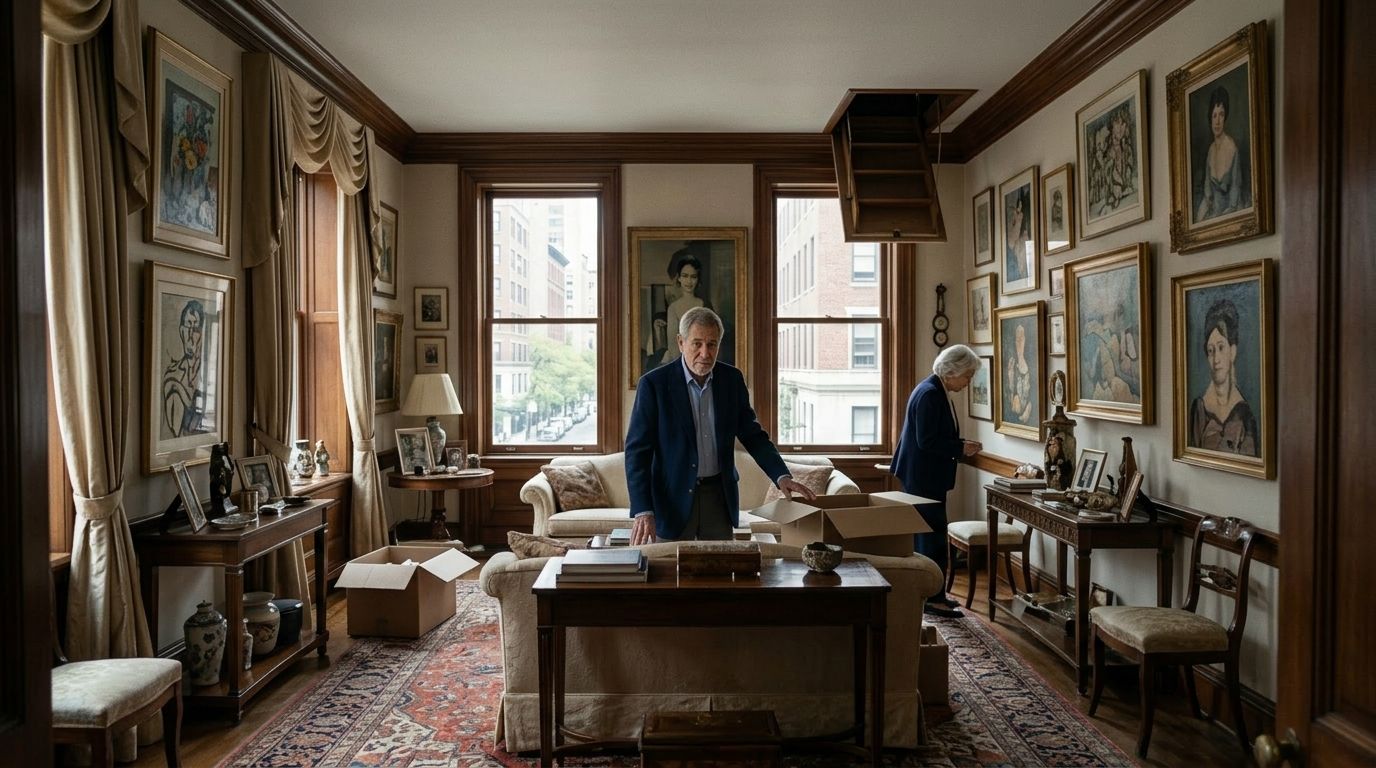
The Hellers were long-time Upper East Side residents who filled their apartment with art. Ernest, nicknamed Pick, had retired from the jewelry trade, and Rose, called Red, supported cultural causes. Over the years they amassed 21 paintings and 12 sculptures, with names like Renoir, Picasso, Hopper, and Rouault hanging on their walls.
Chagall's Othello and Desdemona, 1911
At the center of the collection hung Chagall's Othello and Desdemona, painted in Paris in 1911. Ernest's father, Samuel, bought it in 1913 for $50 after meeting Chagall through Fernand Léger, and the painting even appeared in a 1967 Zurich retrospective on Chagall's suggestion. That provenance made the canvas famous, and it also made it hard to move through the black market without drawing attention.
The Night the Apartment Was Ransacked
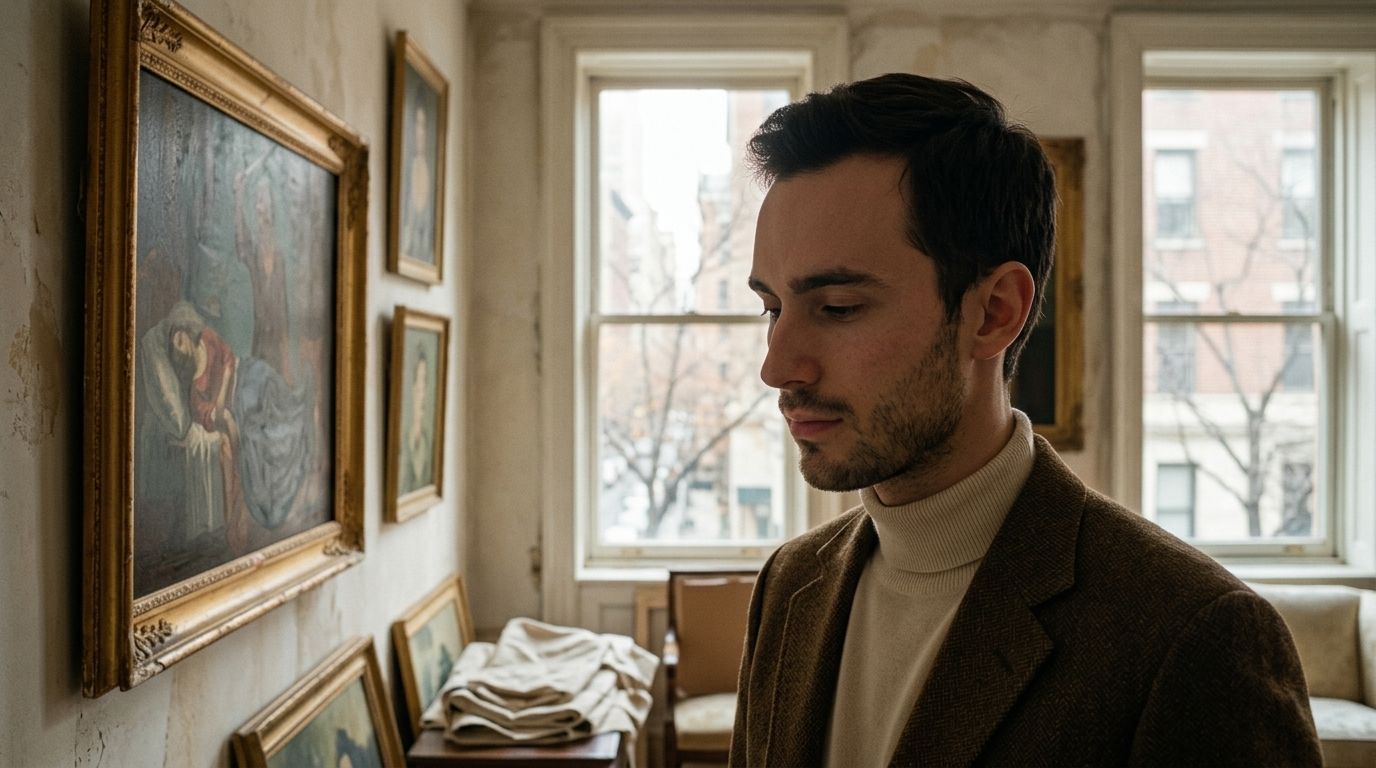
In the summer of 1988 the Hellers were away on their usual two-month trip to Aspen and returned to find the apartment ransacked. Fourteen paintings vanished along with jewelry, Persian carpets, Steuben china, and silverware, a haul then worth about $600,000. There were no signs of forced entry, which pointed investigators toward someone with inside access; a building worker was suspected but never formally tied to the break-in.
From Plywood Crate To FBI Recovery
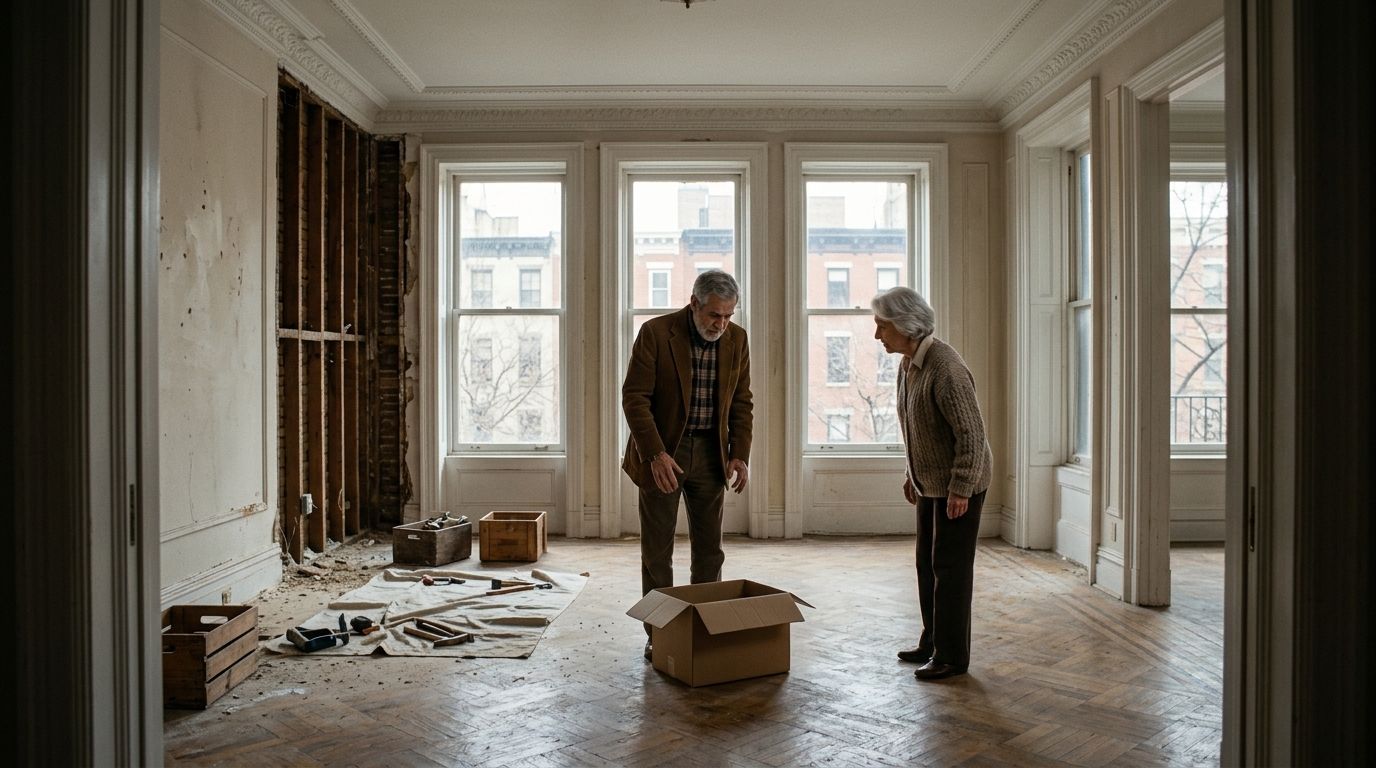
After a failed fencing attempt, the Chagall wound up with an associate in Maryland who could not sell it without paperwork. He built a crude plywood box, scrawled Misc High School artwork on top, and shoved it into an attic for nearly 30 years. In 2017, terminally ill and desperate, he went back to a DC gallery, was turned away, then called the FBI; agents recovered the painting and found a Zurich exhibition label linking it to the Hellers, though the statute of limitations blocked criminal charges.
A Family Purchase
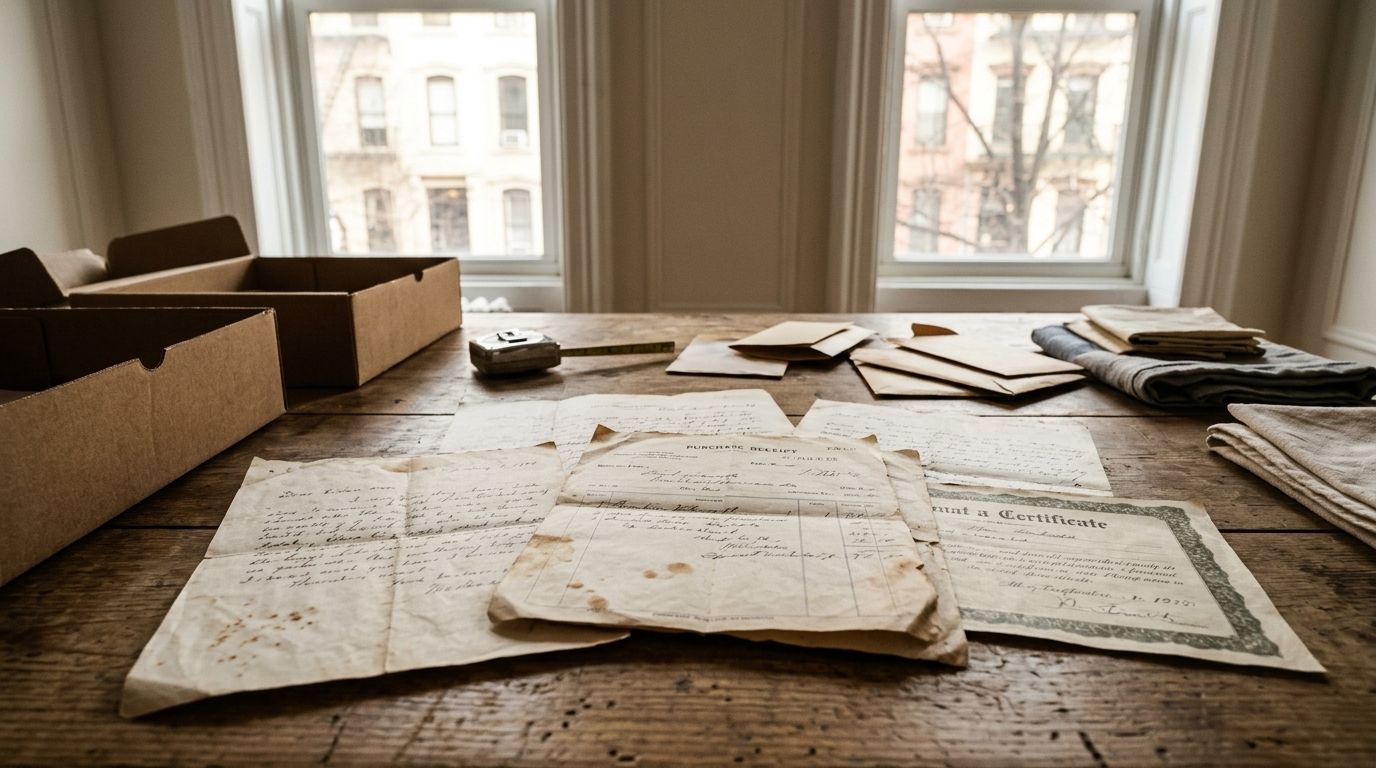
The painting entered the Heller family in 1913, when Ernest's father, Samuel Heller, bought it directly from Chagall for $50. Samuel was an art student in Paris at the time, and Fernand Léger introduced him to the artist. That small transaction would eventually become one of the most consequential purchases in the family's history. It is a reminder that some of the most valuable objects in the world begin with remarkably ordinary exchanges.
Proven and Wanted
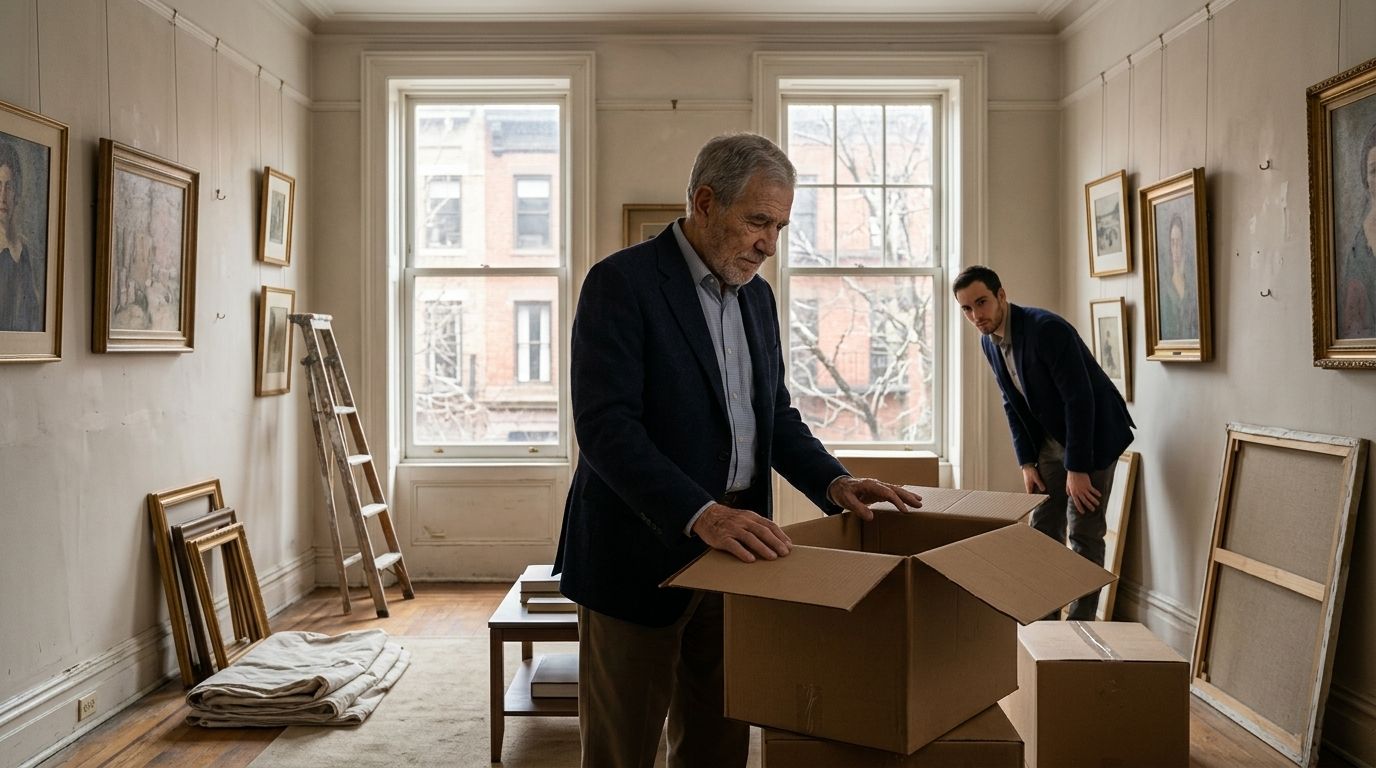
The painting was not hidden away from the art world. In 1967, Chagall himself suggested that it be included in a retrospective at the Kunsthaus Zurich. When a gallery owner later tried to buy it, Ernest Heller declined and said it had great sentimental value. By then, the painting already had a public record, a history that would later make it both famous and hard to move.
Leaving for Aspen
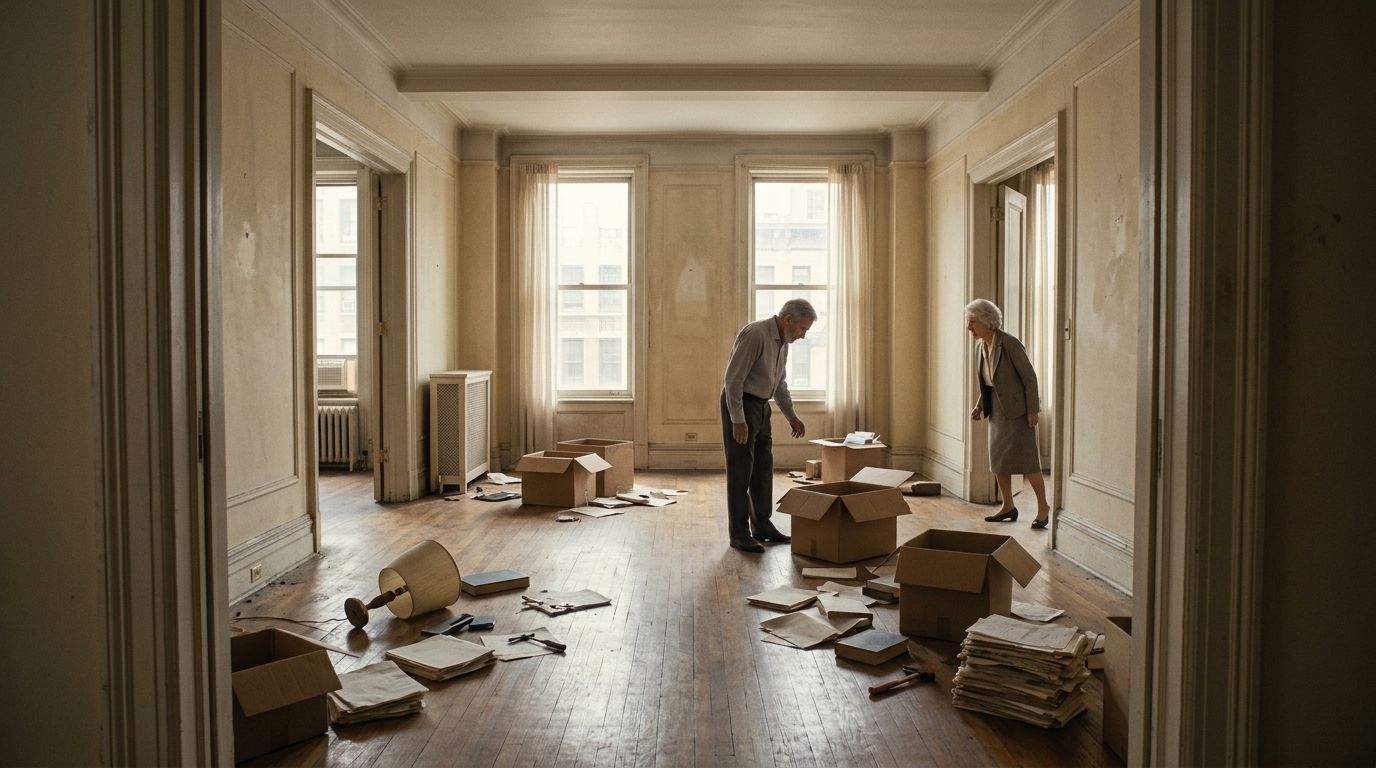
In the summer of 1988, Ernest and Rose left Manhattan for their annual two-month trip to Aspen, Colorado. They were 85 and 88 years old, and their apartment was left empty while they enjoyed the season away. For thieves, that absence created an opening. For investigators later on, it became the starting point of a case that would seem almost impossible to solve.
A Strange Return
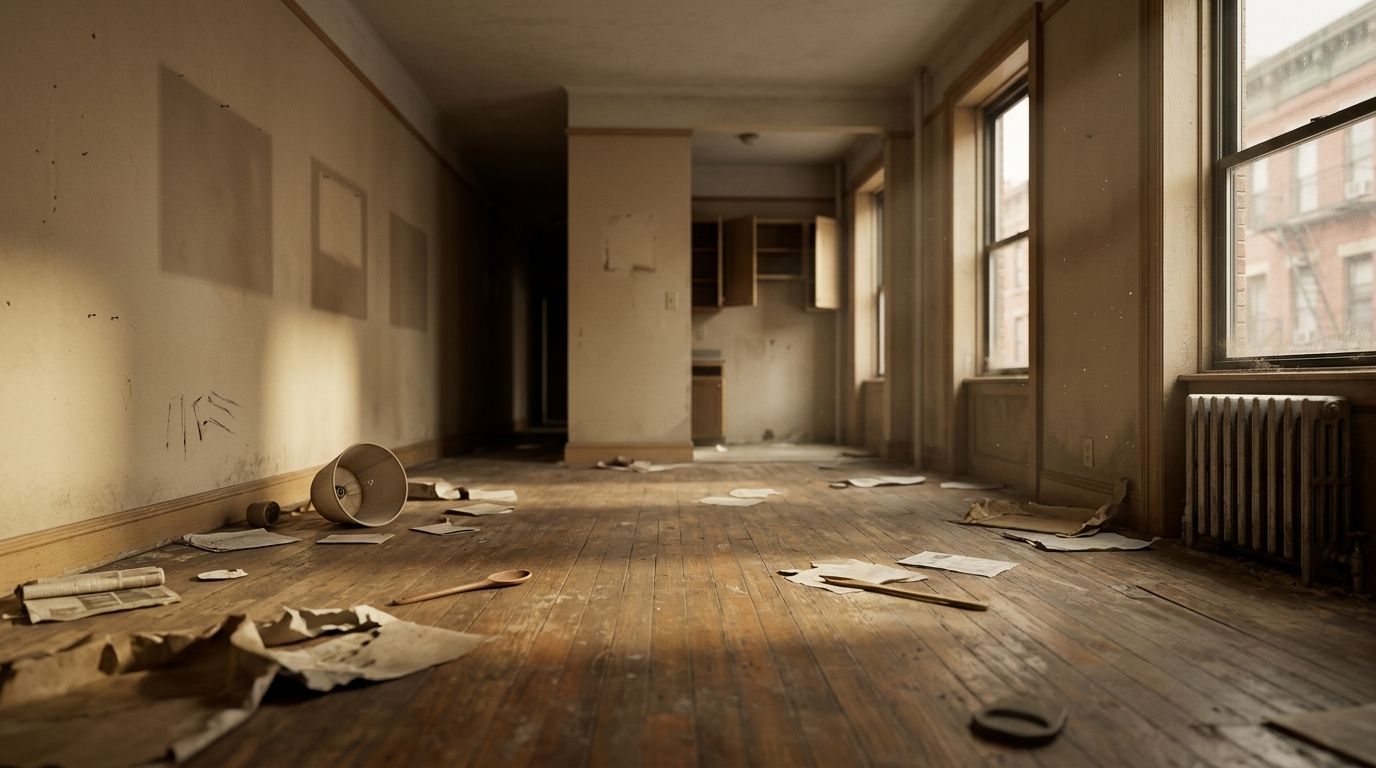
When the couple came home two months later, they found their apartment ransacked. The scenes of loss were unmistakable, with walls stripped and rooms emptied of the objects that had defined their home. Yet police found no signs of forced entry, despite the Hellers' high-end alarm system. That absence made the crime feel less like a smash-and-grab and more like a disappearance carried out by someone who understood the building.
The Missing Haul
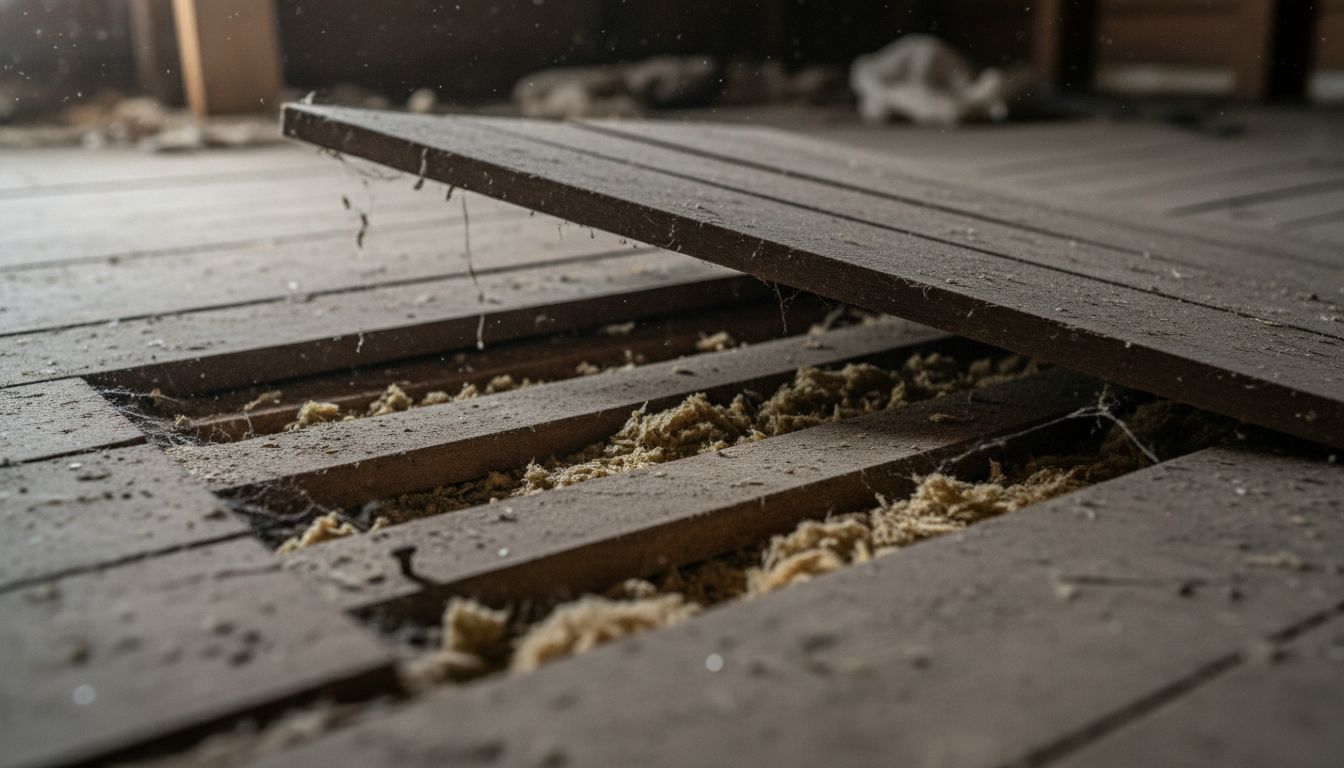
The Chagall was not stolen alone. Thirteen other paintings disappeared along with jewelry, Persian carpets, Steuben china, and silverware. At the time, the haul was valued at $600,000, which would be about $1.3 million today. The scale of the theft showed planning, access, and a clear sense of what could be carried out without immediately drawing attention.
An Inside Job
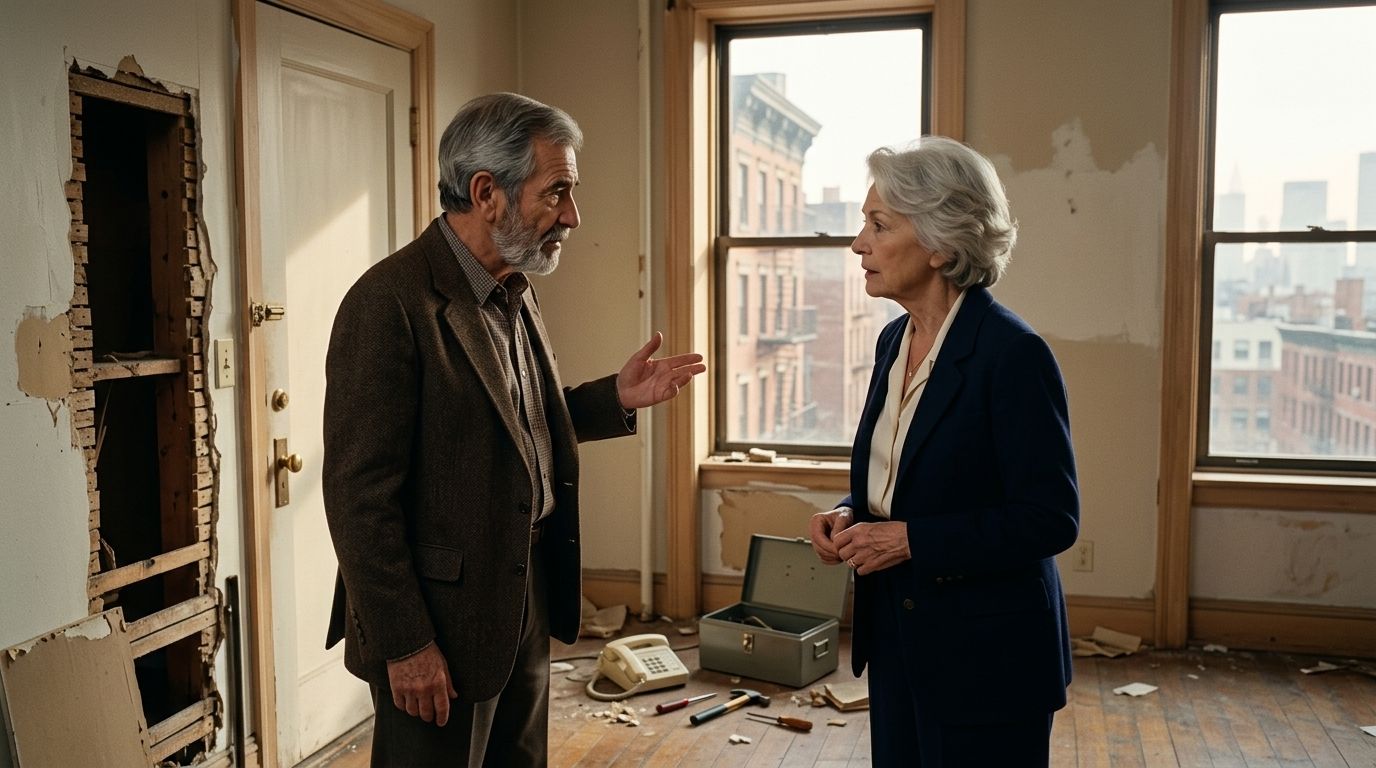
Investigators later concluded that the theft was likely an inside job. The most likely suspect was a temporary building worker who had regular access to the luxury apartments. He would have known when tenants were away and how to get around the alarm system without creating obvious damage. That theory explained the mystery of the intact door better than any other.
The Insurance Claim
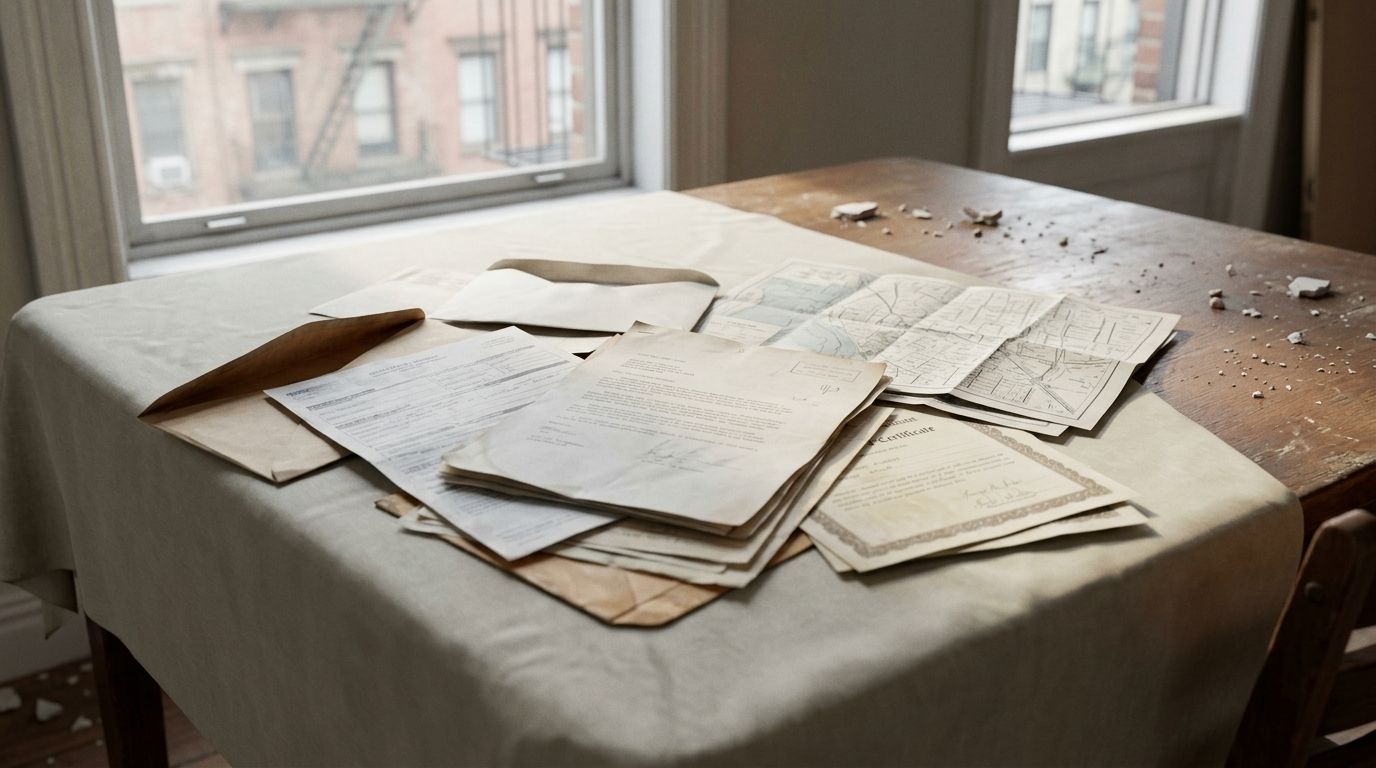
The loss hit Ernest Heller hard. He later told reporters that he liked all the works, but the Chagall was a very interesting one. The couple filed an insurance claim and received a $100,000 payout specifically for the painting. That figure would matter years later, because recovery did not end the financial story of the artwork.
An Unresolved Arrest
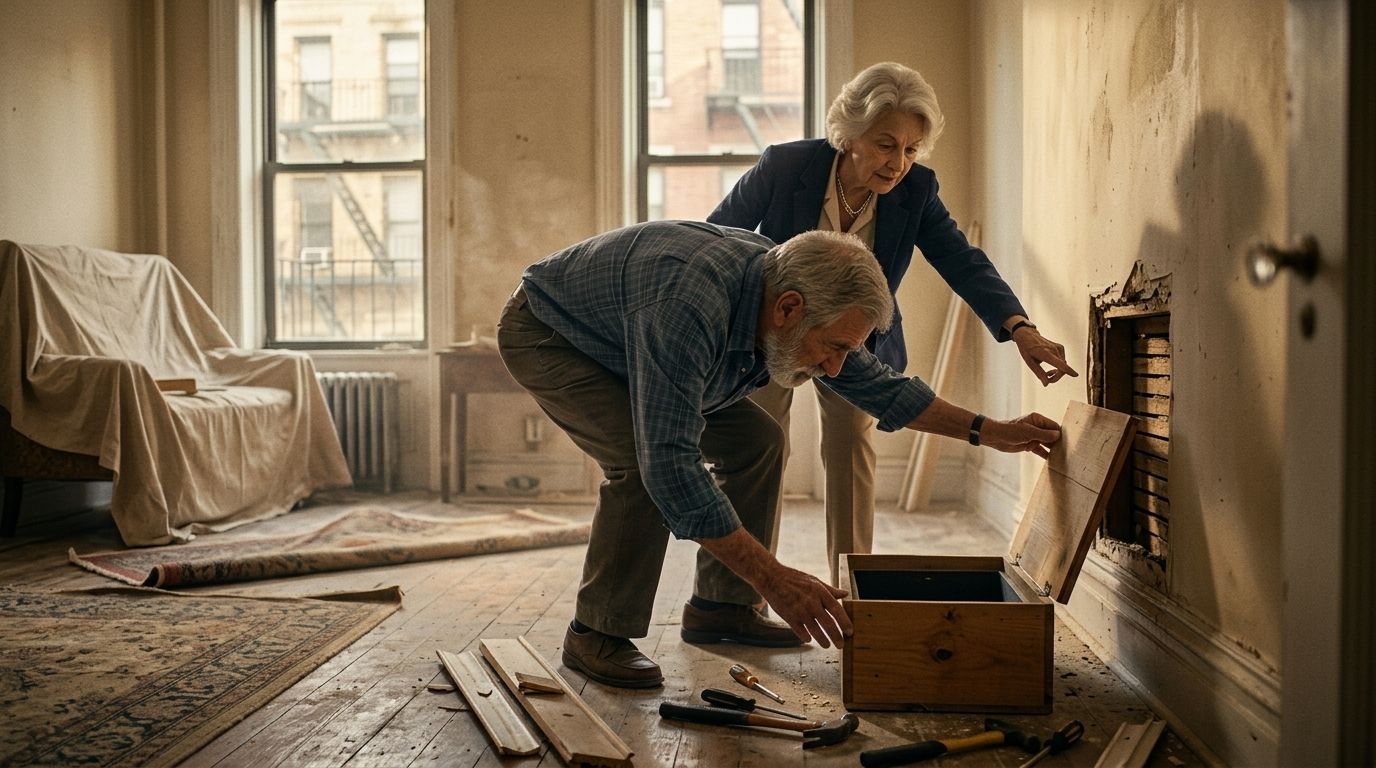
The worker linked to the heist was later arrested and served federal prison time for stealing art from other Manhattan apartment buildings. Even so, he was never tied to the Heller theft itself. That left one of the central crimes in the case without a formal charge. It was a frustrating outcome, especially given how clearly the Hellers' apartment had been targeted.
The Maryland Transfer
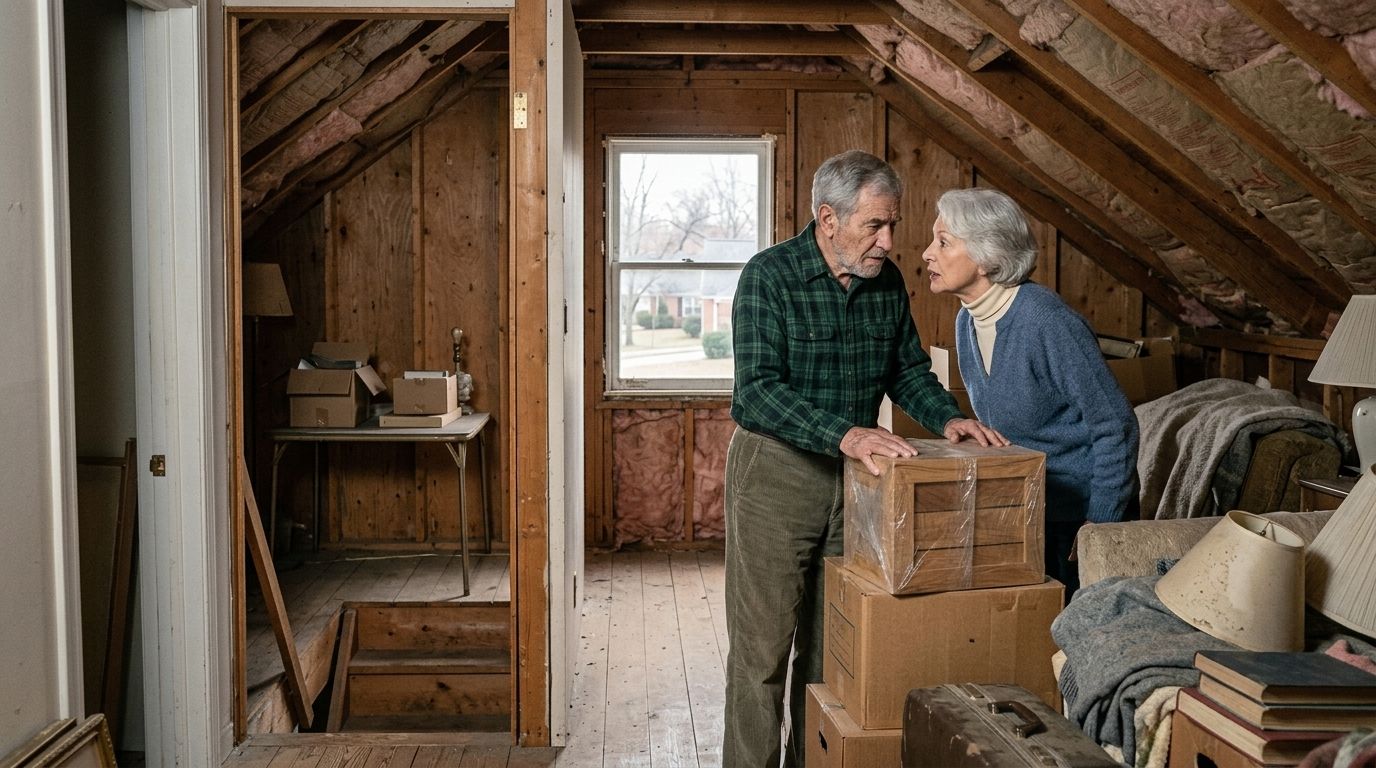
Not long after the robbery, the thief tried to fence the Chagall to an associate in Maryland. The arrangement fell apart after the two men had a dispute, but the painting did not return to law enforcement or to the Hellers. Instead, the Maryland man walked away with it. From there, the artwork entered a long period of silence and concealment.
Too Famous to Move
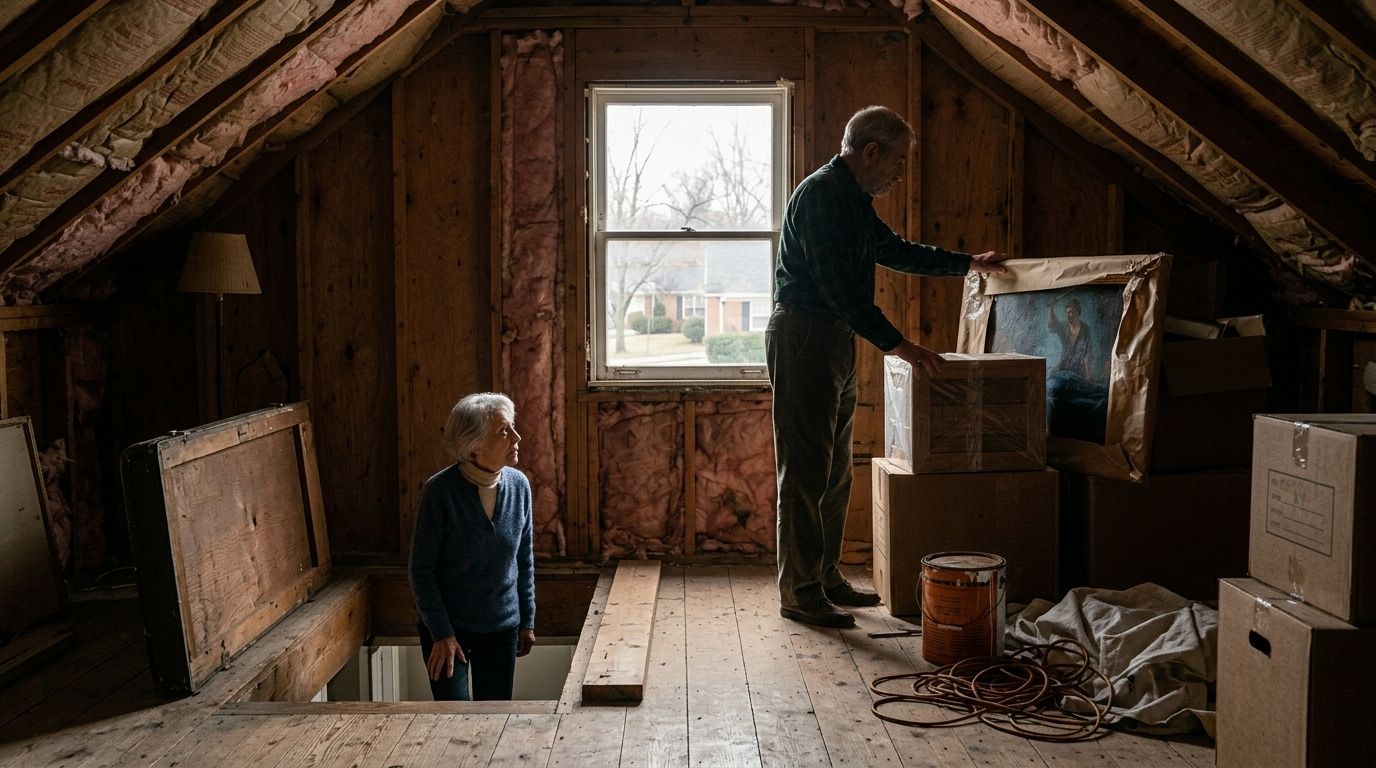
The Maryland man quickly discovered a hard truth about stolen art. Famous works are difficult to sell because buyers expect proof, and without provenance a piece can become almost impossible to place. A painting may be easy to hide, but that is not the same as being able to turn it into money. In the black market, a documented masterpiece can become more burden than prize.
The First Refusal
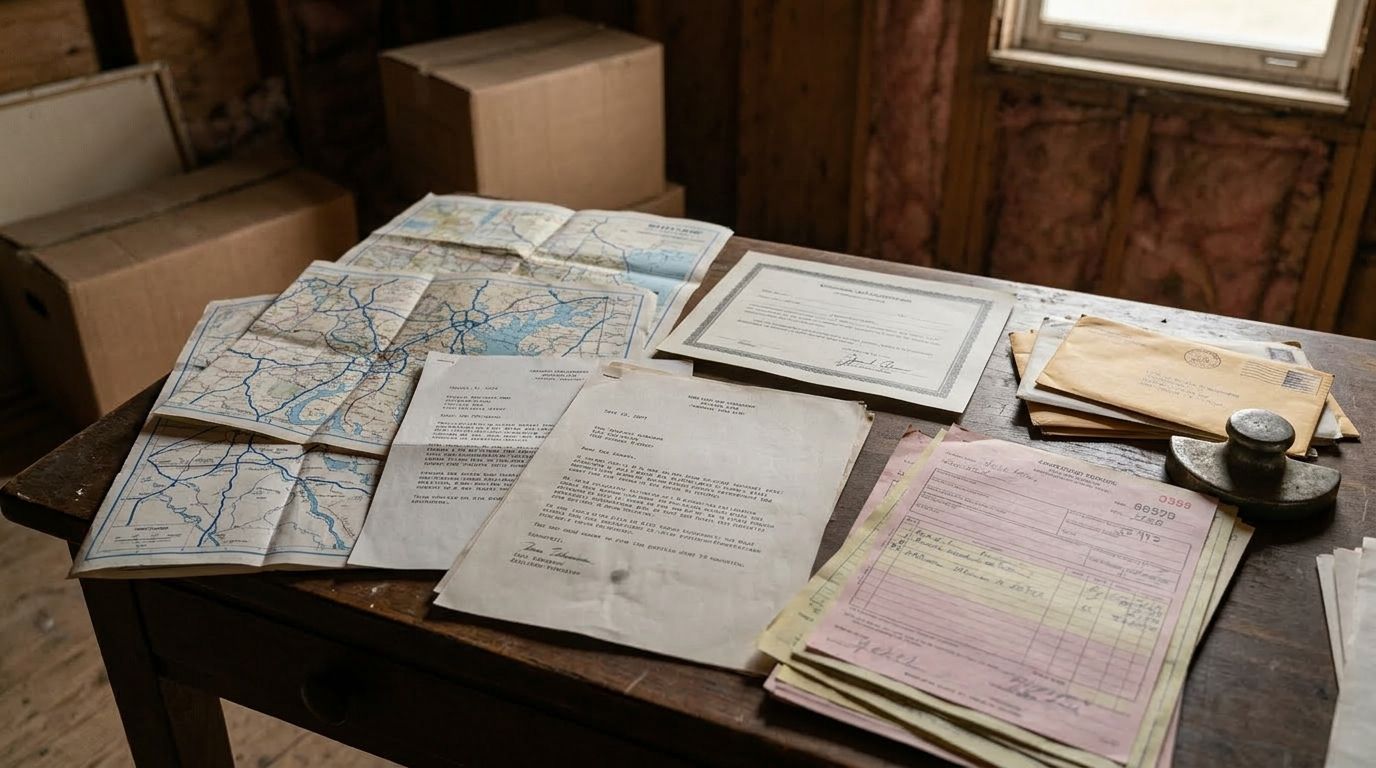
In 1989, someone attempted to consign the Chagall to a Washington, DC gallery. The owner refused because the seller could not provide proof of ownership. That rejection was an early warning that the painting could not be moved through legitimate channels. Once the paper trail disappeared, so did the easy path to a sale.
A Crude Hiding Place
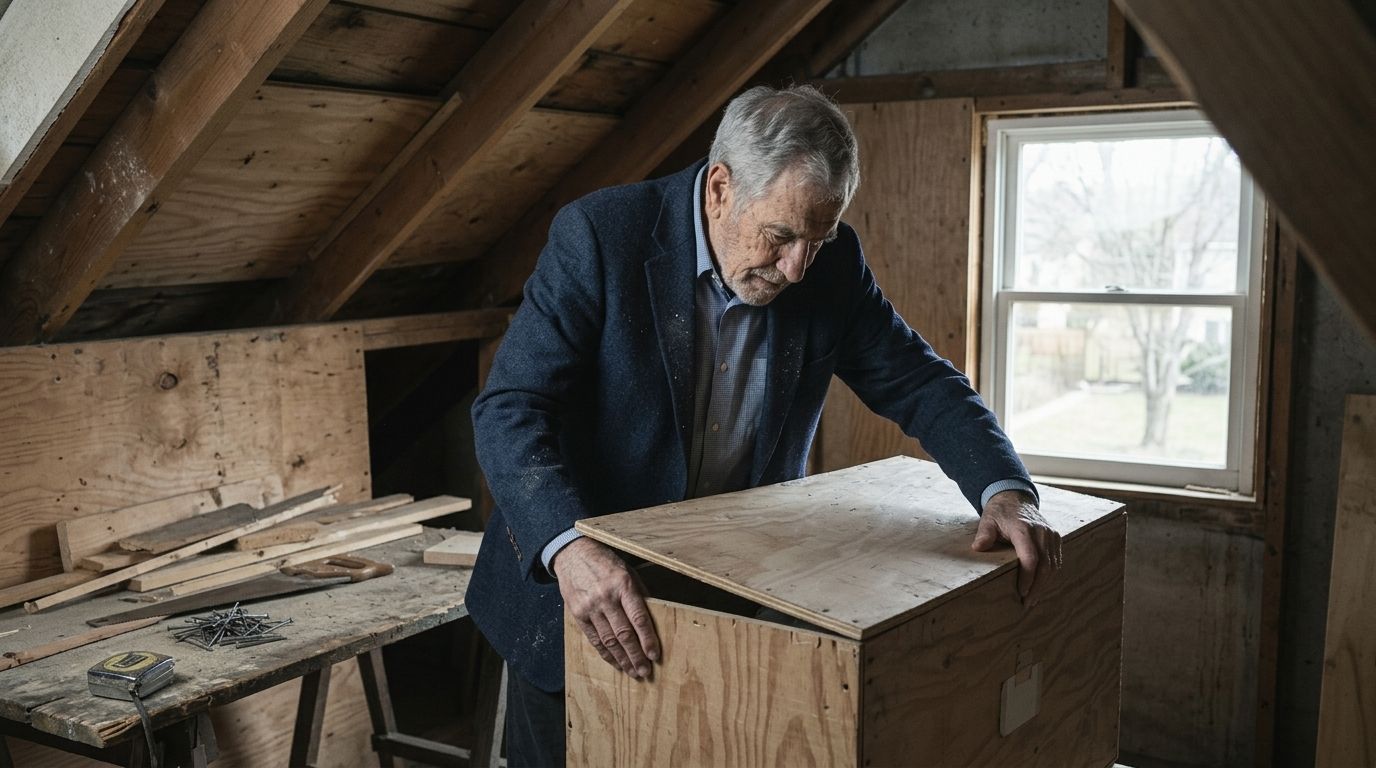
After the failed attempt, the Maryland man decided to hide the painting himself. He built a custom box from an old door jamb and scrap plywood, creating a rough container for a priceless object. The box was not elegant, but it did the job of making the painting look ordinary from the outside. In a case built on secrecy, that disguise mattered.
Misc High School Artwork
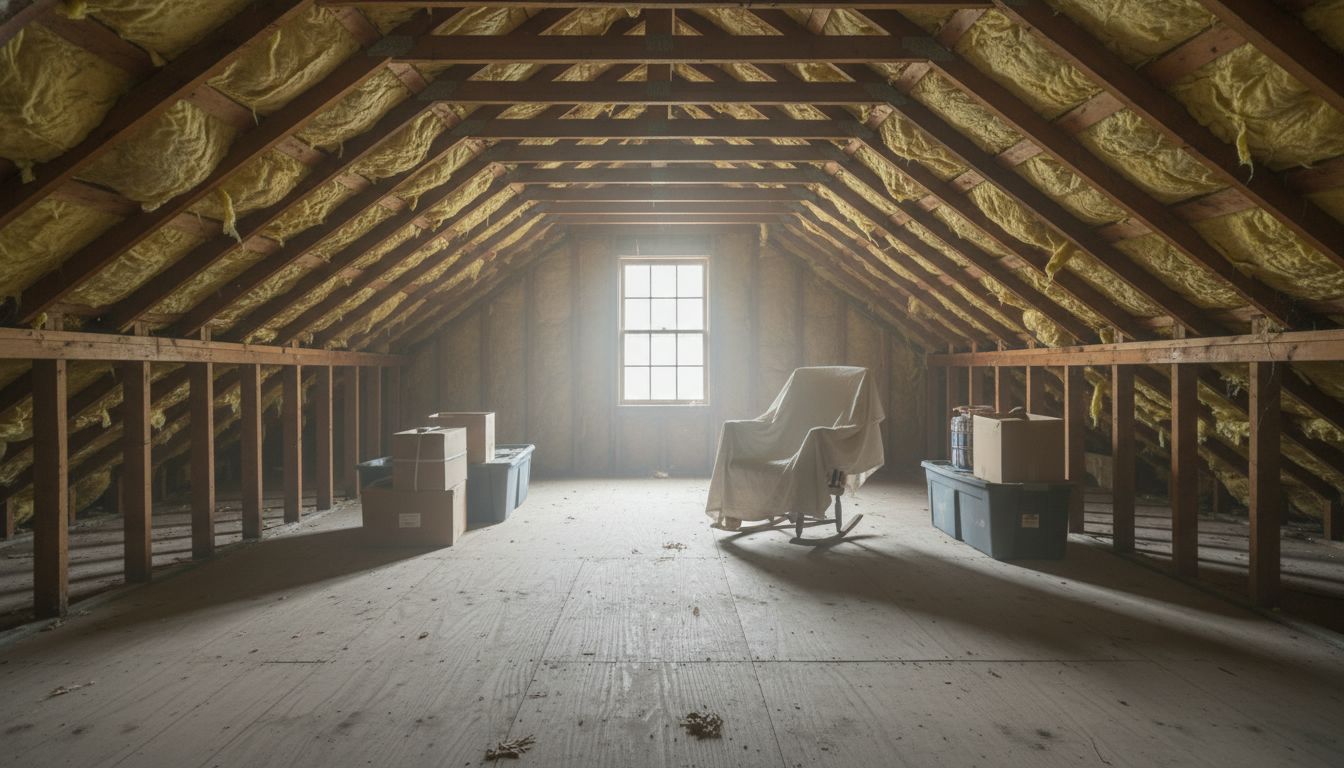
To make the box even less interesting, he hand-scrawled the words Misc High School artwork across the top. The label was meant to discourage curiosity if anyone ever stumbled across it. It was a simple act, but one with an odd sort of dark humor, since the object inside was anything but schoolwork. A masterpiece had been given the most forgettable name possible.
Three Decades in Attic
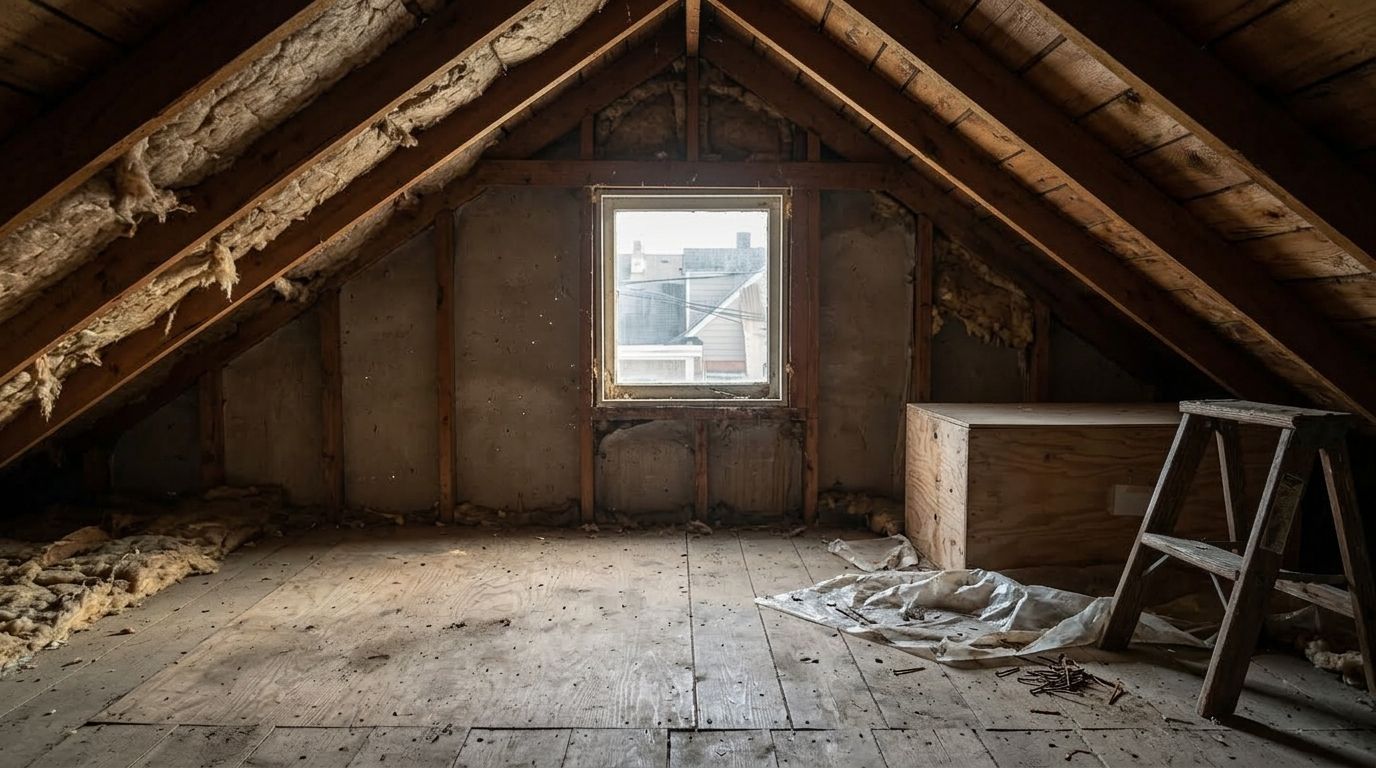
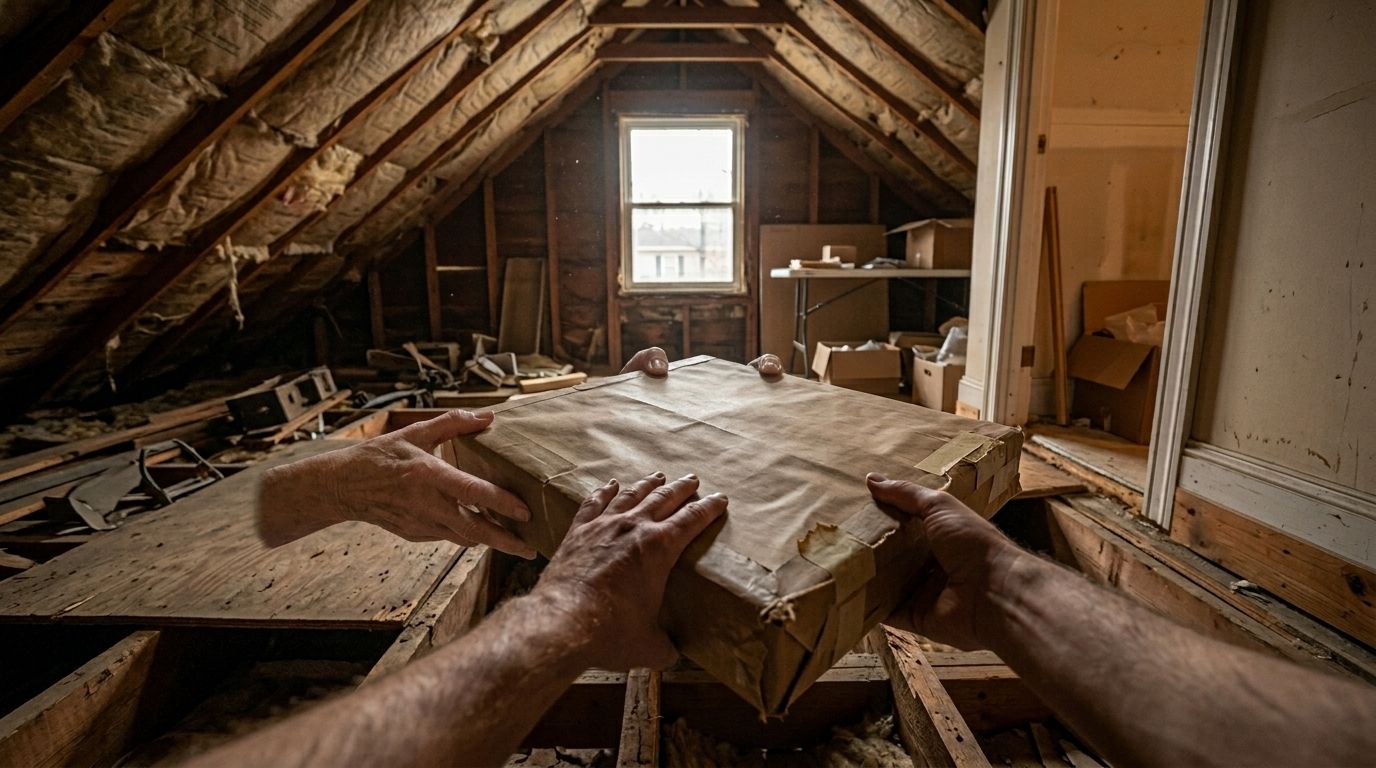
The box was shoved into a Maryland attic, where it sat for nearly 30 years. Over that time, the painting endured heat, humidity, dust, and the steady neglect of an un-climate-controlled space. The attic became a kind of accidental vault, though not a good one. Instead of a controlled storage room, it was a place where a major work of art slowly sat out of sight.
Another Failed Attempt
In 2011, the same Maryland man tried again to sell the painting at the Washington, DC gallery. Once again, the lack of paperwork stopped the effort before it could go anywhere. The second refusal showed that time had not solved the central problem. If anything, it had only made the painting harder to place without raising alarms.
A Final Try
By 2017, the man was 72 years old, terminally ill, and ready to make one final attempt. He returned to the DC gallery in hopes of consigning the painting one more time. This was not a polished criminal maneuver, but a desperate bid from someone who had run out of options. The long standoff between hidden art and the market was about to end.
The Gallery Owner
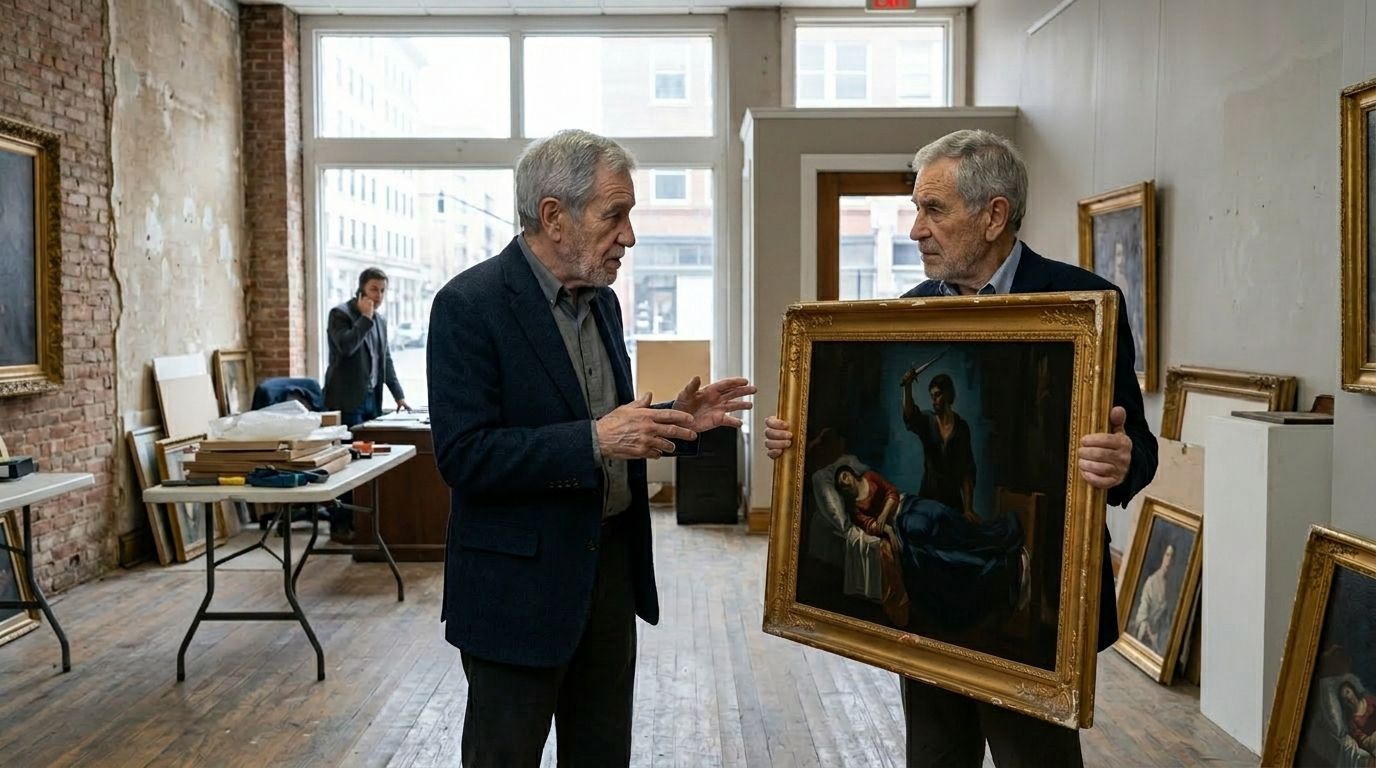
The gallery owner immediately noticed the problem. Without authentication paperwork, the painting looked suspicious, no matter how striking it was. He refused to take it and urged the man to contact law enforcement instead. That refusal turned out to be the most important practical decision in the whole case.
The Confession Call
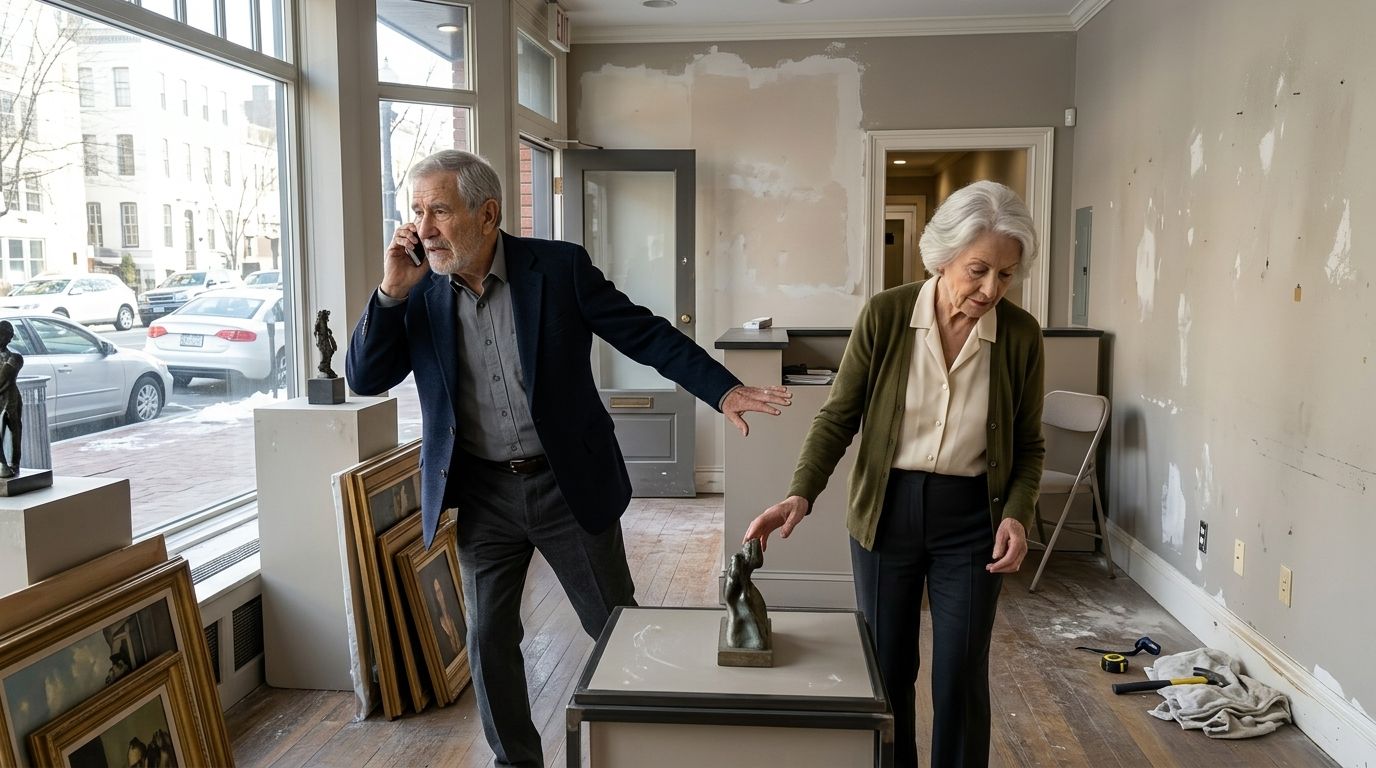
After being turned away, the Maryland man called the FBI's Washington Field Office and admitted he had a stolen Marc Chagall. That call broke open a cold case that had been stuck for three decades. It also shifted the story from private concealment to federal recovery. What had been hidden in an attic was suddenly a matter for specialized investigators.
FBI Art Crime Team
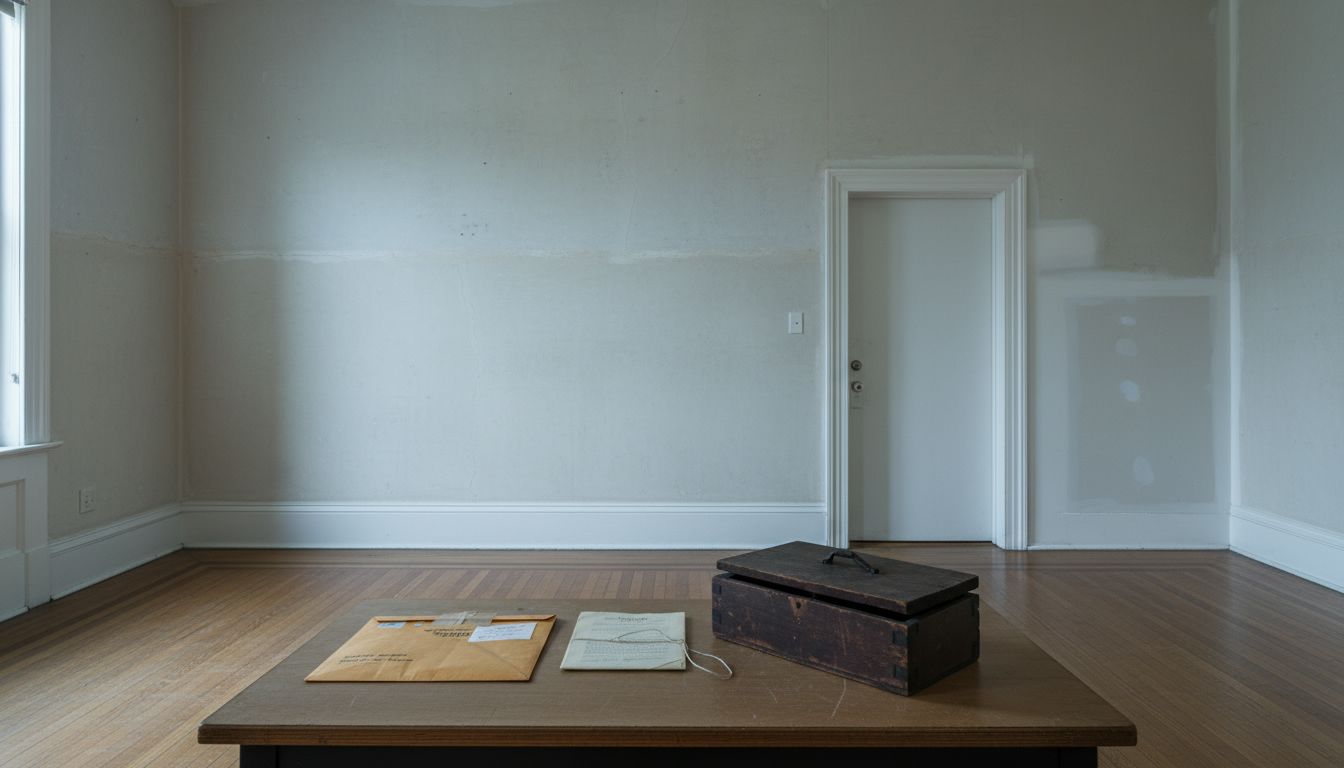
The call was handed to the FBI's Art Crime Team, a specialized unit made up of 20 special agents focused on stolen cultural property. Cases like this require a different kind of attention, since the evidence can be old, fragile, and easy to misunderstand. Art crimes are rarely solved by force alone. They are solved by records, labels, and persistence.
Hess and Carpenter
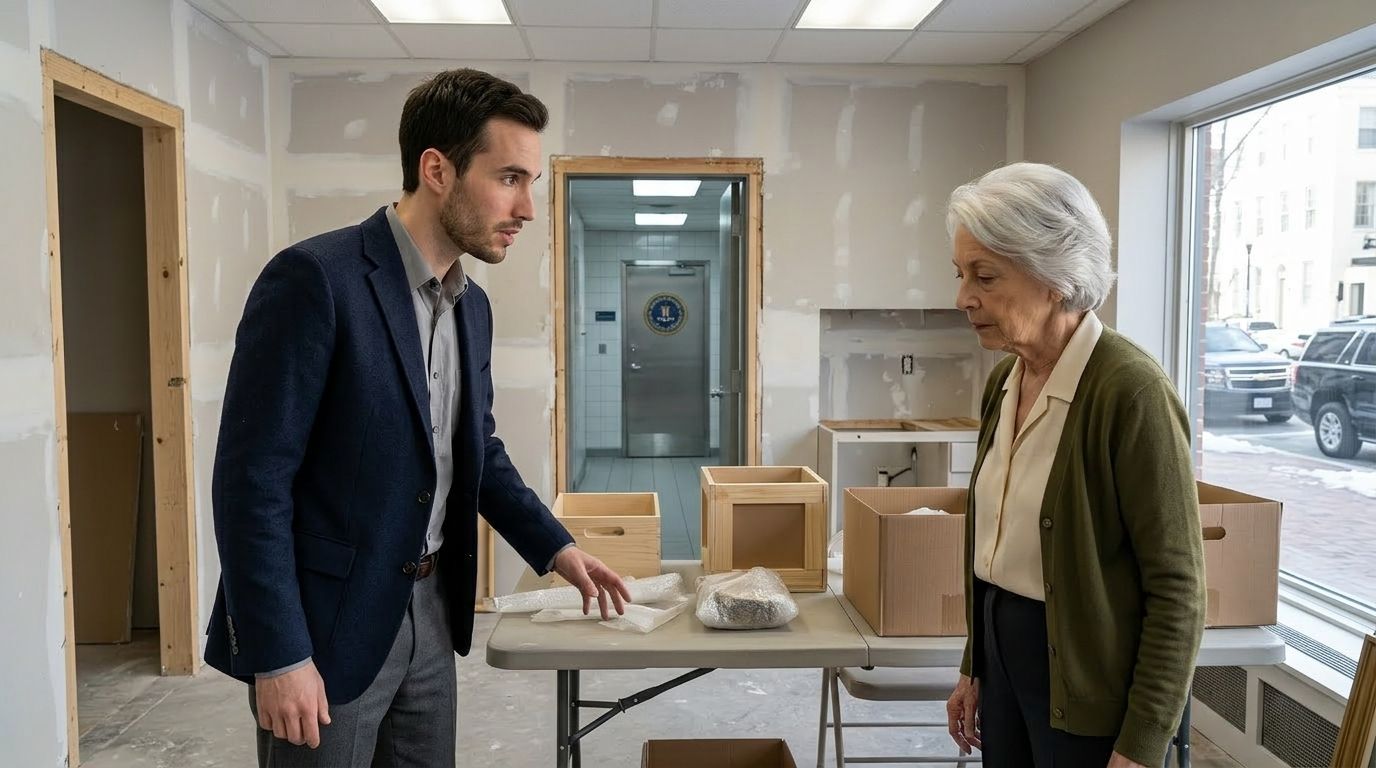
Lead investigator Special Agent Marc Hess and Supervisory Special Agent Tim Carpenter took charge of the case. They traveled to the Maryland man's home to recover the artwork and confirm what had been hidden for so long. The investigation was no longer about guessing where the painting might be. It was about physically bringing it back into the light.
Opening the Box
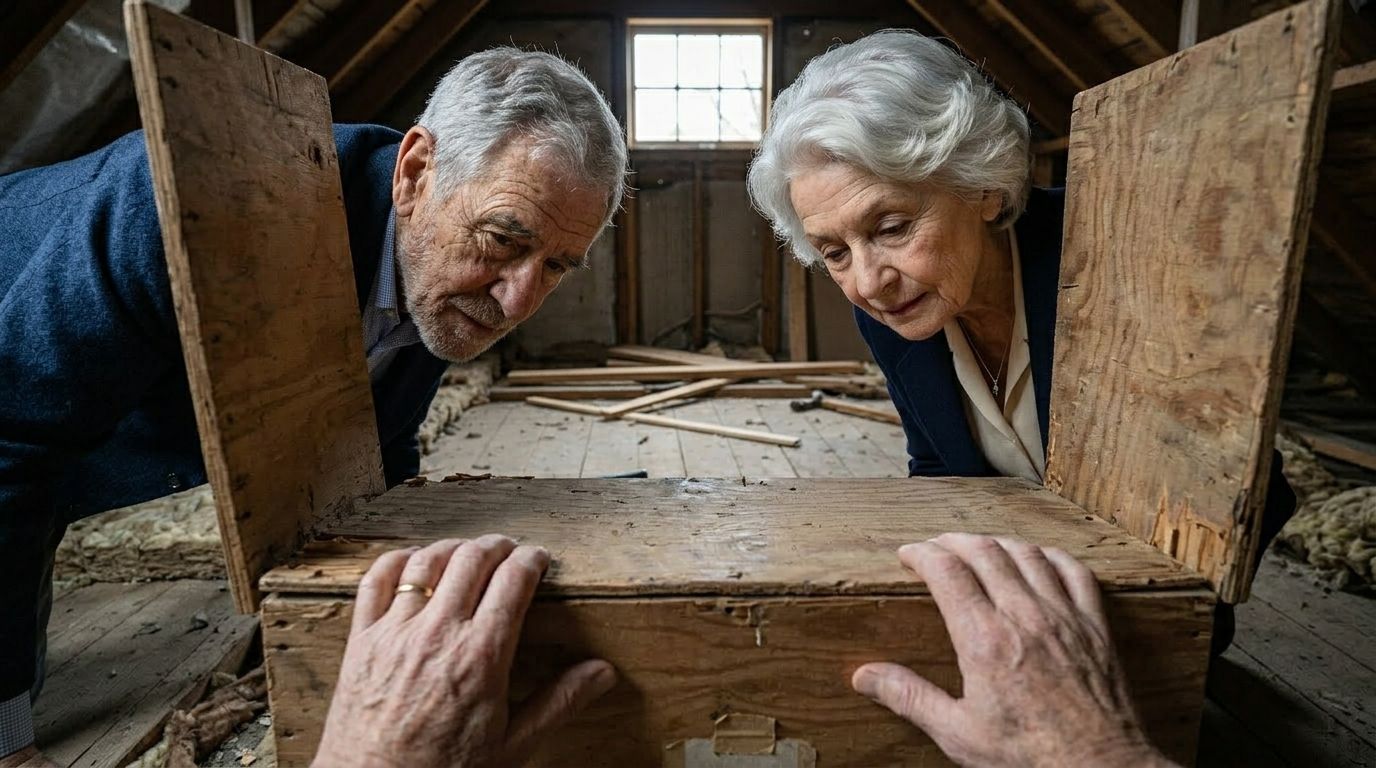
The agents climbed into the attic and pulled down the plywood box. Inside the crude container labeled Misc High School artwork was the painting the Hellers had lost in 1988. The moment tied together three decades of silence, failed sales, and dead ends. A masterpiece that had vanished from a Manhattan apartment was finally in FBI hands again.
The Zurich Label
On the back of the frame, agents found a gallery label from the 1967 Zurich exhibition. It identified the owner as Mr. + Mrs. E.S. Heller, New York, using the German word Besitzer. That small label was a crucial piece of proof, connecting the recovered canvas to the same family that had owned it for decades. Sometimes the oldest clues are the ones that settle the matter fastest.
No Charge Possible
Even with the painting recovered, the legal outcome was limited. Federal authorities could not press charges because the statute of limitations for the theft had already expired. The man had held stolen property for years, but the law had run out of time on the original crime. It was a sharp reminder that recovery and prosecution are not always the same thing.
A Bittersweet Return
The FBI formally returned the painting to the Hellers' estate. By then, the personal loss had taken on a deeper shape, because Ernest and Rose had both died years earlier without knowing what had become of the work. The recovery solved the mystery, but it could not restore the moment when the painting disappeared. For the family, the ending arrived far too late.
A Formal Title
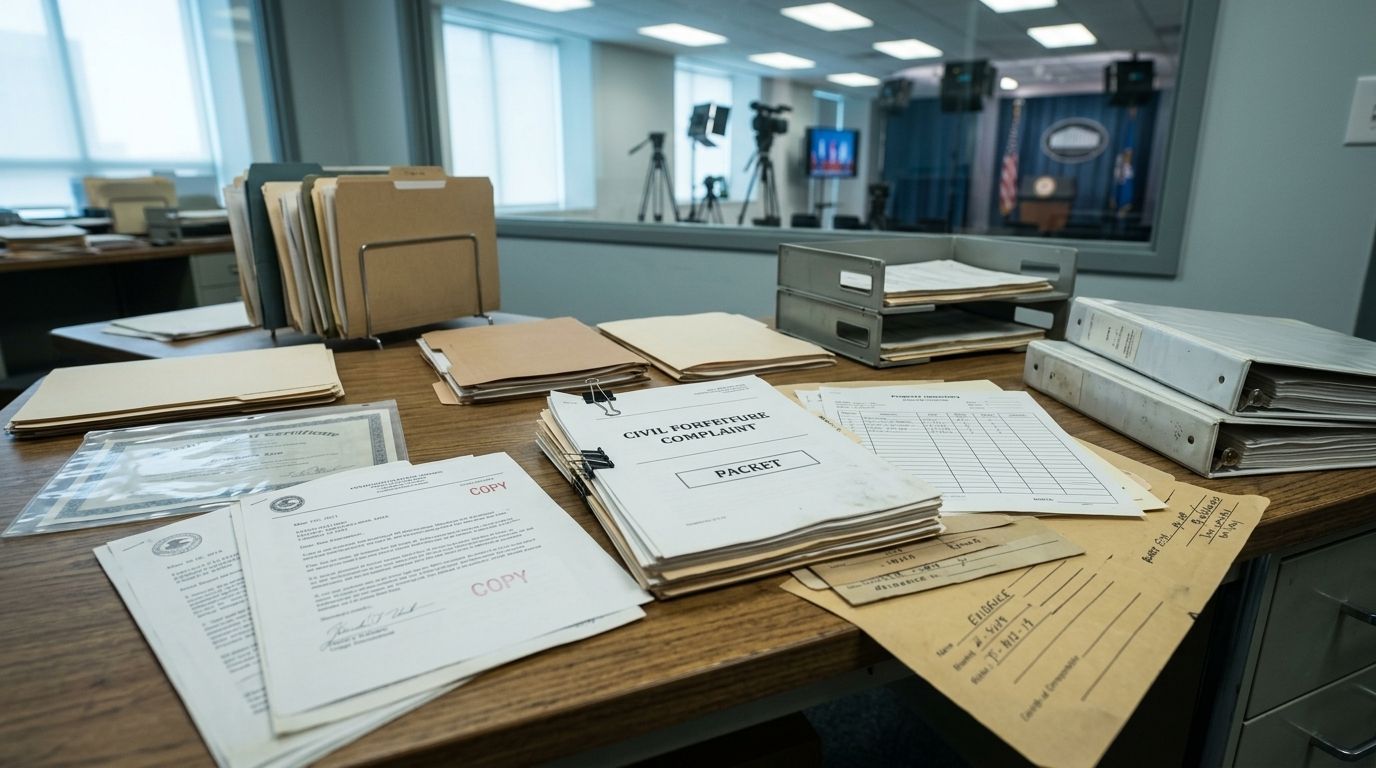
To clear the artwork's legal status, the government filed a civil forfeiture complaint with a strikingly plain title: United States v. One Oil Painting Entitled Othello and Desdemona by Marc Chagall. The name sounds almost comic, but it reflects how art is treated in court when ownership has to be settled. A masterpiece can become a line item on a legal docket. That is part of the strange machinery surrounding recovered art.
Publicly Recovered
In April 2018, the FBI announced that the cold case had been solved. Agents released photographs of the recovered painting, holding it up for the press in a scene that made the decades-long mystery feel suddenly real. The case had moved from rumor and archive to public record. After so many years of silence, the artwork was visible again.
Time Took Its Toll
Experts noted that the years in an un-climate-controlled attic had left the canvas in less than ideal condition. Chagall had painted it with the kind of color and energy that helped define his early work, but storage conditions can alter how a piece looks over time. The image survived, but not unchanged. Recovery brought the painting back, yet it also revealed the cost of being hidden away.
What Was it Worth
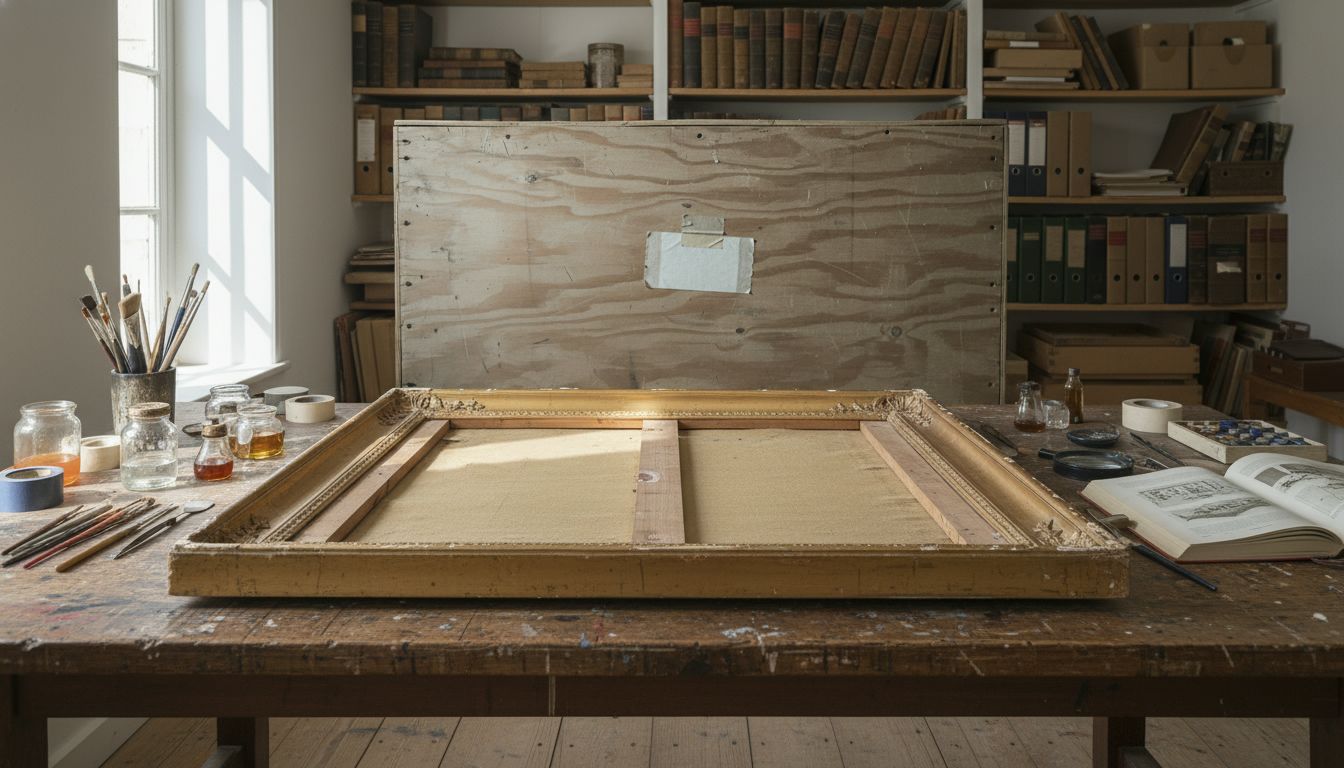
Its 2018 value was not easy to pin down. One appraisal placed it at $300,000 to $500,000 because of its condition, while other estimates put it closer to $700,000 to $900,000 thanks to its provenance. That spread shows how art value can hinge on more than the image itself. History, condition, and documentation all shape what a painting can command.
Repaying the Insurer
Before any money could be distributed, the Hellers' estate had to repay the $100,000 insurance payout from 1988. That step was necessary because the earlier claim had already covered the loss when the painting was believed gone for good. Recovery did not simply create a gain, it reopened a financial obligation. The legal and financial layers were as complicated as the theft itself.
Philanthropic Legacy
Rose Heller had served on the board of the MacDowell Colony, an artists' residency, and a major portion of the auction proceeds was later donated there in her memory. The remaining funds were split between Columbia University and NYU Medical Center. Those gifts reflected the Hellers' long commitment to charitable giving. In the end, the painting helped support the institutions they had cared about during their lives.
The Missing Thirteen
Othello and Desdemona is still the only work recovered from the 1988 heist. The other 13 paintings, including pieces by Renoir, Picasso, and Hopper, remain missing. That fact leaves the case with a second, quieter mystery still unresolved. One recovered Chagall closed a chapter, but it did not close the book.
What We Can Learn From This
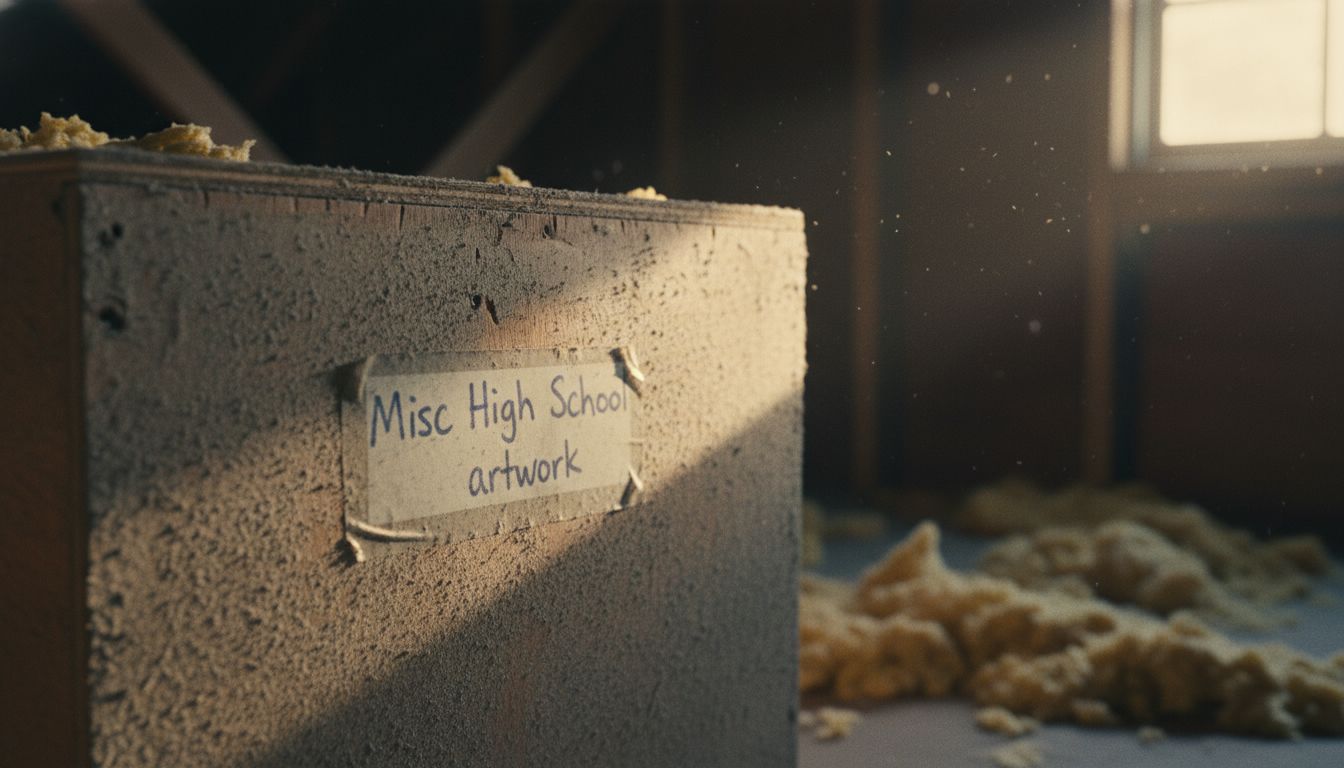
What makes this story remarkable is how small decisions shaped decades of loss and recovery. A gallery label on the back, a crude box marked Misc High School artwork, and a missed alarm all mattered as much as any motive. Paperwork and patience did what force could not, and the FBI's Art Crime Team followed those breadcrumbs to an attic. The Hellers never saw the painting again, but their collection's fate still teaches a clear lesson about care, records, and time.
Provenance Matters More Than You Think
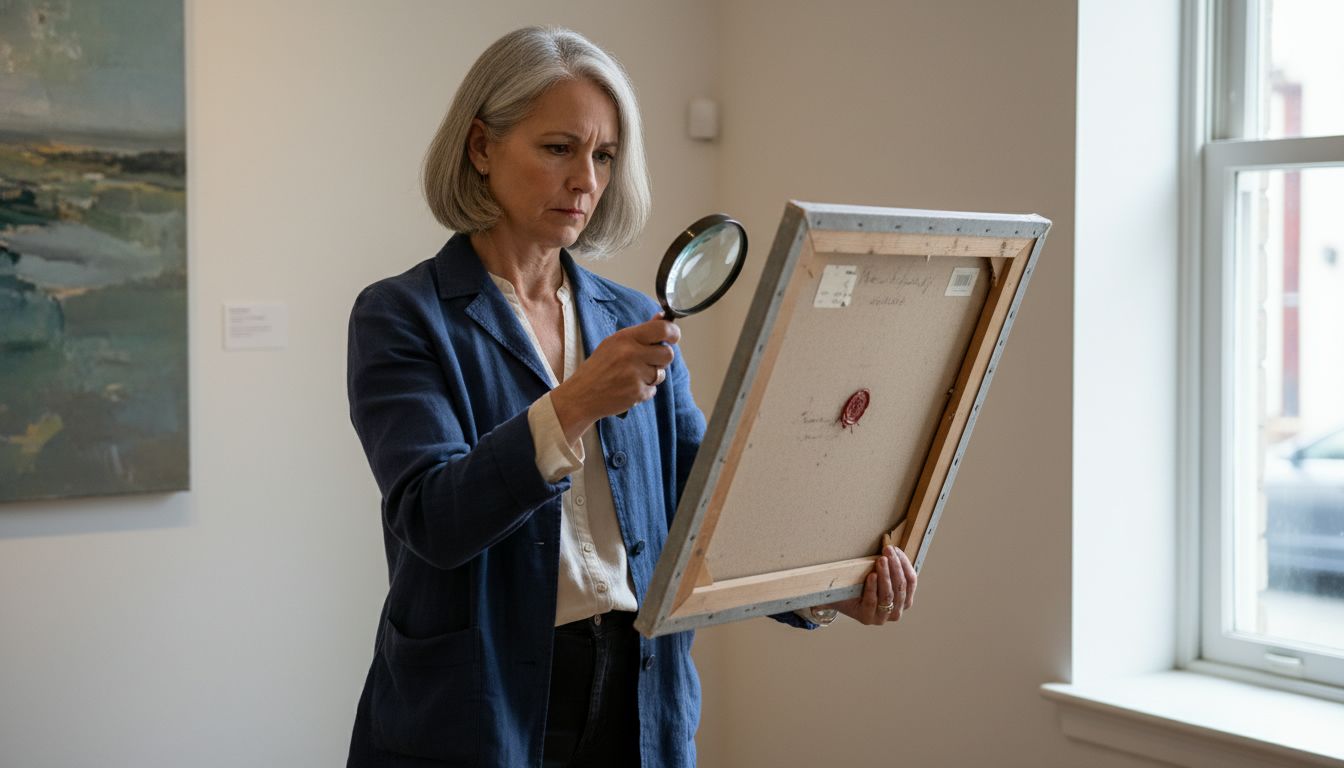
The painting shows how paperwork can be the strongest kind of security. Galleries turned the canvas away not because of quality but because there was no proof of ownership. That refusal kept the work out of the market and, paradoxically, kept it intact while it waited in hiding. For collectors and dealers, a label or a receipt can be worth more than the image itself.
When Recovery Isn't the End
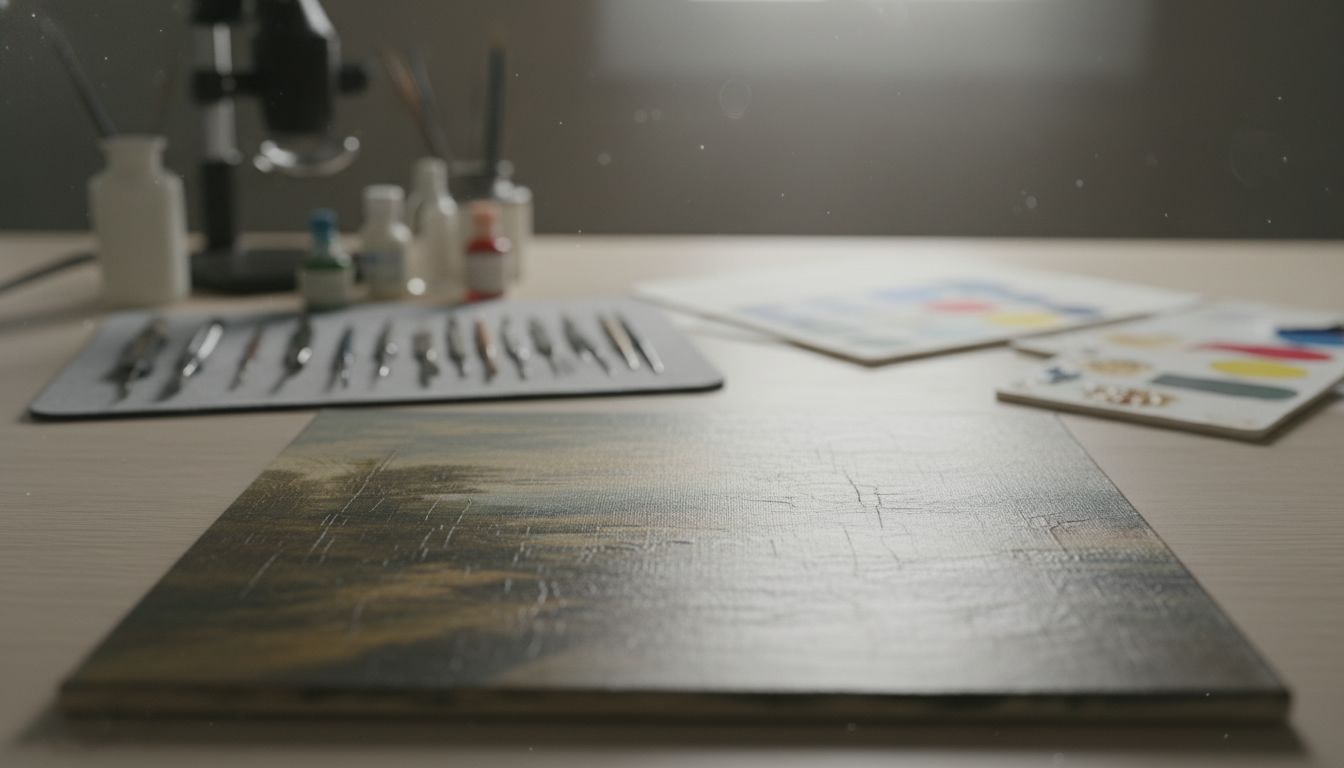
Finding the canvas closed one chapter and opened a few more. The painting came back damaged from years in an un-climate-controlled attic, and the estate had to sort out an earlier insurance payout. Recovery did not erase the loss of time, or the fact that the Hellers were not there to see it returned. Sometimes getting something back means dealing with new, practical problems as soon as the applause fades.
The Cost of Hiding a Masterpiece
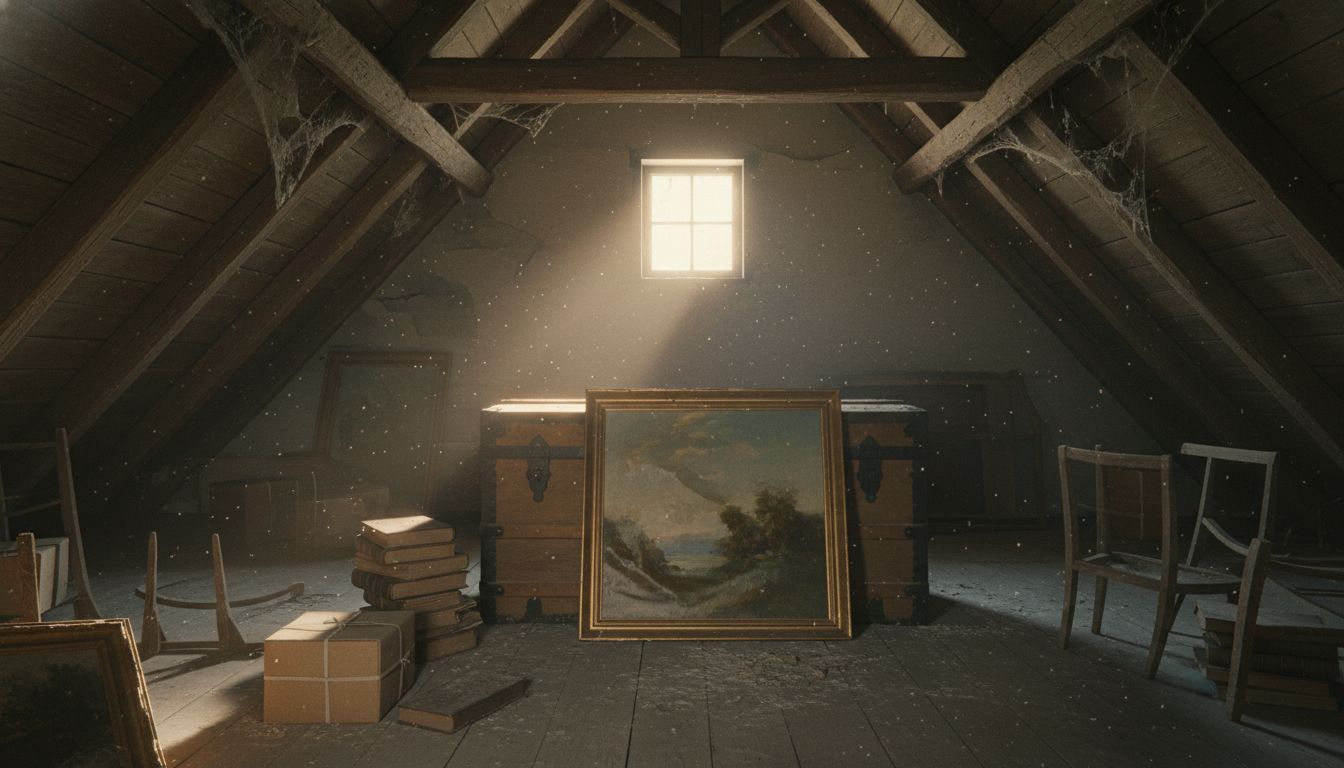
The attic was an accidental vault that aged the painting badly. Heat, humidity, and dust left their marks, and experts noted condition when placing a new value on the work. That drop in condition narrows what the piece can fetch and complicates how its history is told. Hiding may keep something out of sight, but it does not keep it safe.
A Single Return Leaves Questions
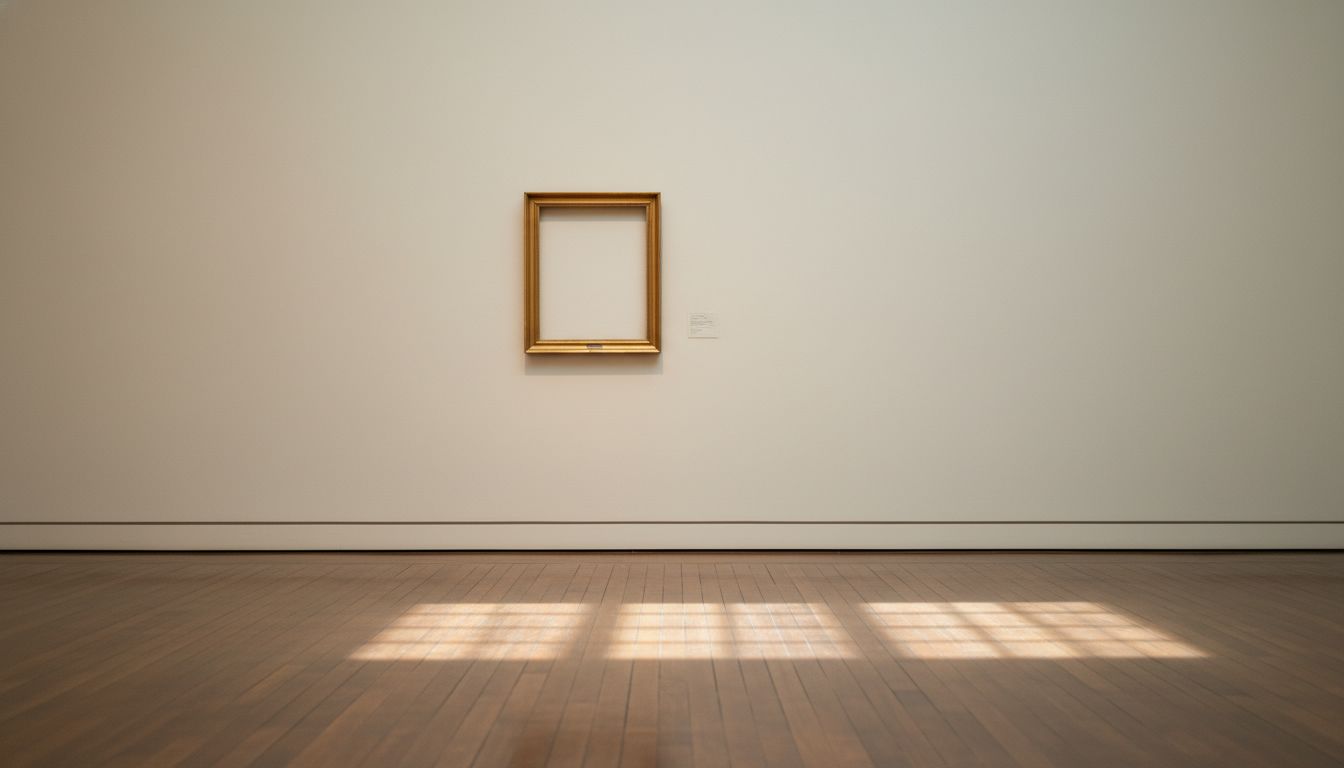
One recovered Chagall closed a chapter but did not close the book. Thirteen other paintings from the same heist remain missing, leaving a quieter mystery that still hangs over the Hellers' estate. The case shows how some answers arrive late and partial, while others may never show up at all. That unresolved tail is part of why art crime stories stick with you.
Maryland handoff, dispute and alleged mob ties
Soon after the Manhattan robbery the thief met an associate to move the Chagall. That meeting ended badly when the two men argued over a commission, and the Maryland man ended up with the canvas. Reports say he had connections to Bulgarian mobsters, which helps explain the bitter fallout but not why the work stayed hidden. Whatever the motive, a small dispute kept a famous painting in a plywood box for decades.
Two gallery refusals kept it hidden
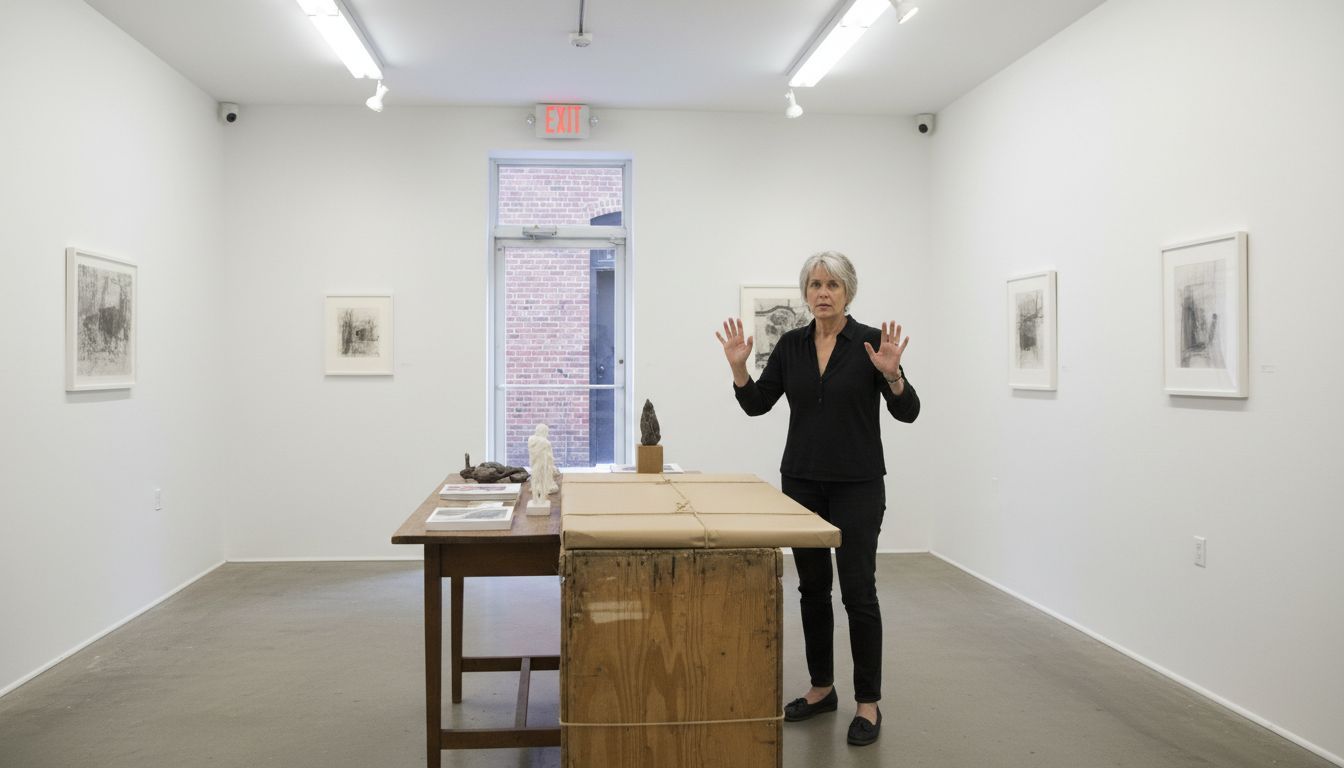
The painting proved nearly impossible to place because there was no provenance to show. In 1989 and again years later a Washington, DC gallery owner refused to accept the canvas without paperwork, and that refusal blocked any quiet sale. The Maryland man even hoped for a bounty and phoned the FBI to ask about rewards, a call that instead set investigators in motion. The gallery owner’s caution turned out to be the key break in the case.
Civil forfeiture cleared title, proceeds assigned
With no criminal case possible, federal authorities used civil forfeiture to clear the painting’s title and return it to the Hellers’ estate. The estate repaid the $100,000 insurance payout from 1988, then put the canvas up for auction. Reported distributions earmarked 80 percent of the net to the MacDowell Colony, with 10 percent each to Columbia University and NYU Medical Center, honoring the family’s wishes. The legal paperwork finally turned a long mystery into a financial settlement.
Condition, size and missing charges
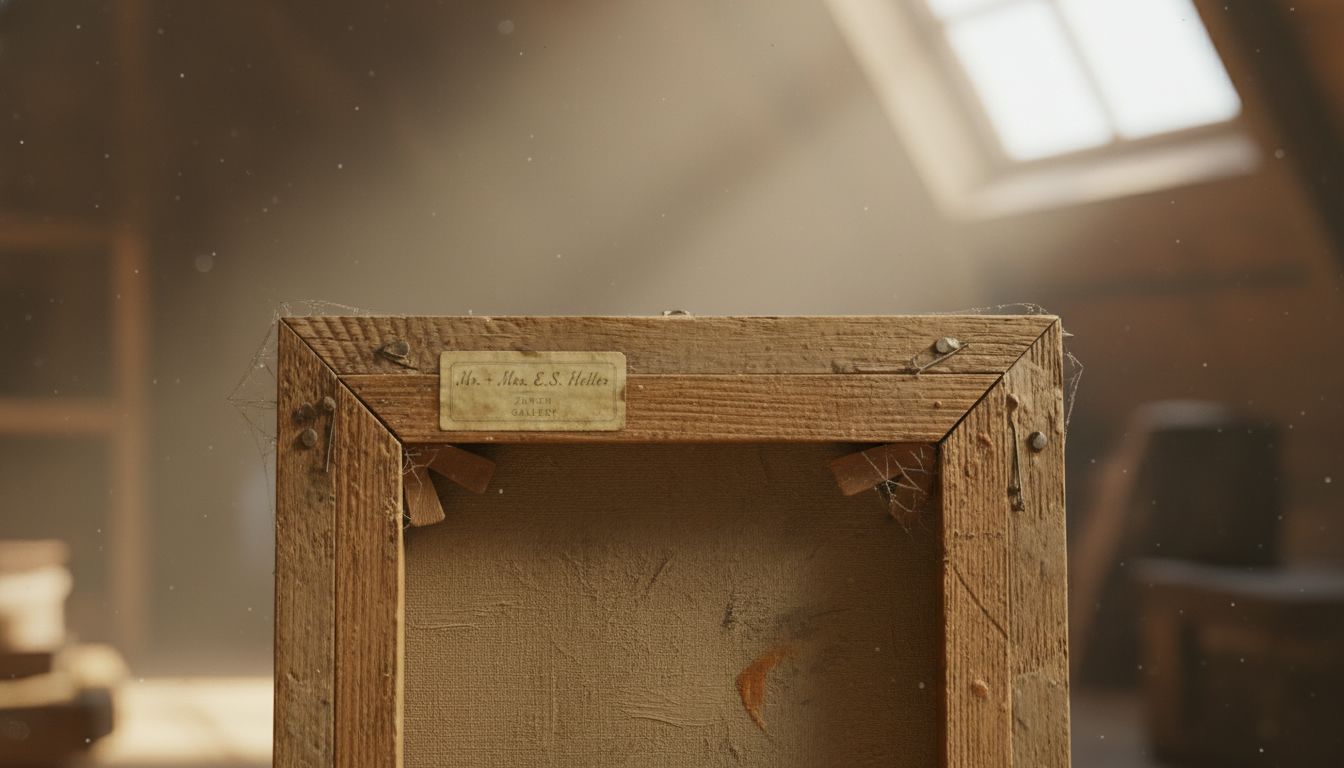
The recovered Chagall measured roughly 13 by 16 inches and had suffered from attic storage. Heat, humidity and dust left visible wear, and appraisals ranged widely because condition mattered as much as provenance. Federal agents could not press charges for the original theft because the statute of limitations had already run. Recovery answered where the canvas had been, but it could not rewind time or erase the damage.
One returned, many works still unaccounted
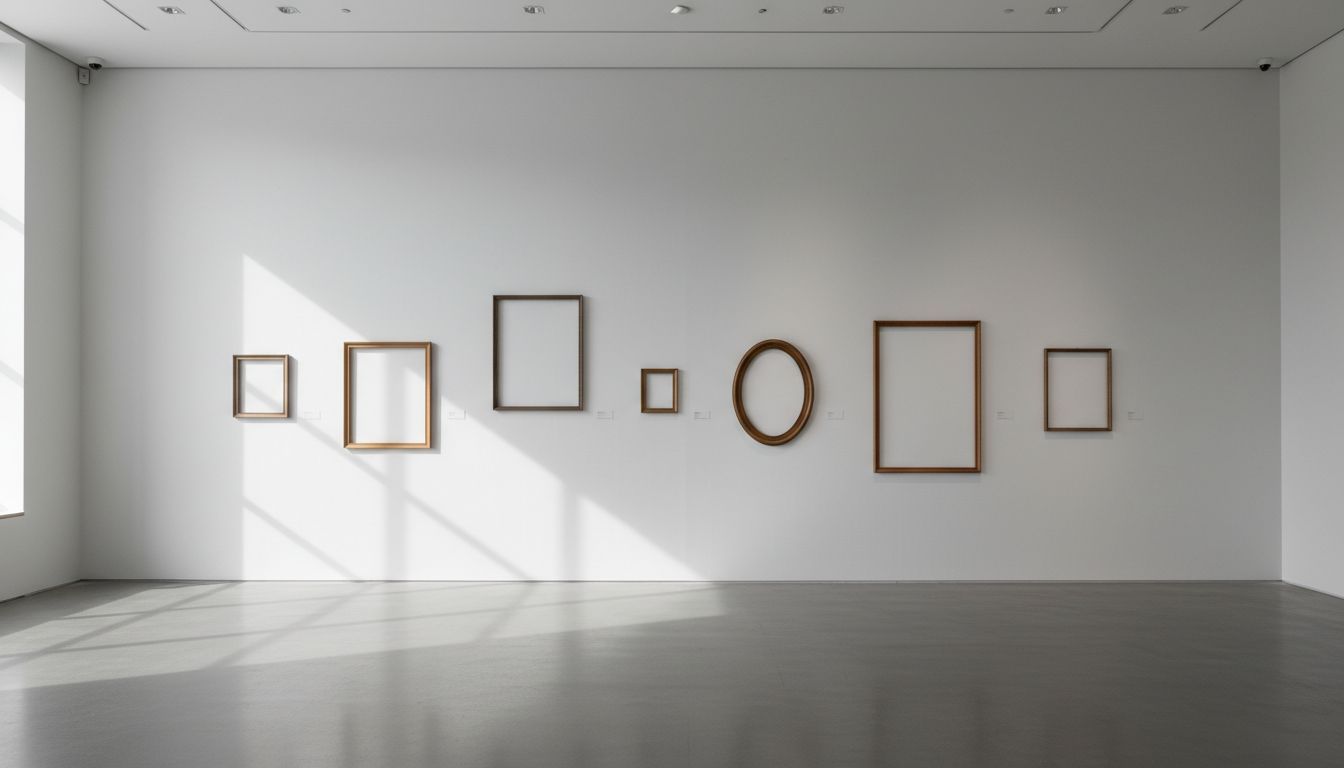
Othello and Desdemona is the only piece recovered from the 1988 heist; thirteen other paintings remain missing. The FBI used its and Interpol’s stolen art databases to verify the work once it surfaced, but those same tools have not yet located the other canvases. The case is closed in one sense and still open in another, with empty frames and unanswered questions left behind. That contrast is part of why the story keeps coming back.