How One Private Team Found Lost WWII Subs
Fifty-two U.S. submarines disappeared in World War II, leaving families and historians with unanswered questions. Tim Taylor and his crew turned private searching into a full-time mission, scoring their first confirmed wreck in 2010. Years of archival digging, translated enemy reports and drone surveys finally solved a 75-year disappearance when they located the wreck and uncovered what had happened.
Grayback's Final Patrol
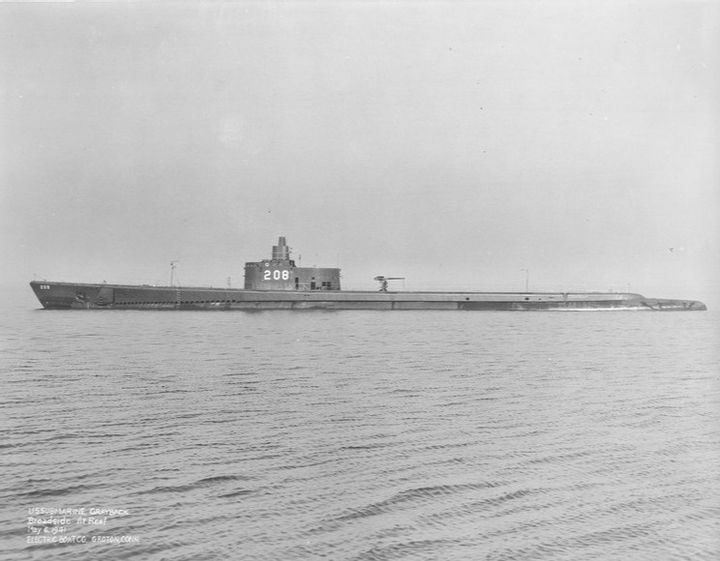
USS Grayback, SS-208, was a hard-working sub out of Pearl Harbor with ten patrols behind her by early 1944. On February 27, 1944 the crew radioed they had damaged a transport, and Japanese records later describe a carrier plane attacking a surfaced submarine followed by depth charges and an oil slick. Grayback never returned and was declared lost after she failed to come back from patrol.
The Lost 52 Method
Taylor, CEO of Tiburon Subsea, built the Lost 52 project by mixing old-school research with modern machines. His team cross-checks patrol logs and translated enemy reports, then runs autonomous drones and high-resolution sonar over likely grids. A single-digit mistranslation once put them more than 100 miles off, but earlier success finding USS R-12 in 2010 proved the approach worked.
When a Camera Saved the Day
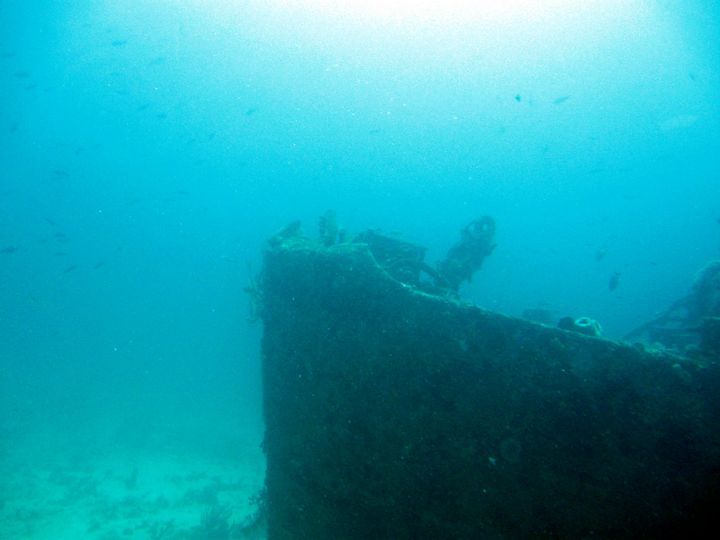
In June 2019 rough weather and equipment hiccups had the crew ready to pack up the search. During what was meant to be a routine run a camera unexpectedly swept from the bow toward the bridge and caught a manufacturer plaque that left no doubt about the wreck's identity. The team built detailed photogrammetry models, handed the data to the Navy for verification and watched the long mystery snap into focus.
More Finds, Careful Records, Closure
The find mattered because 80 sailors were lost on Grayback and families finally received proof of what happened to their loved ones. Taylor's team kept searching, locating other subs like USS Harder and Bonefish while creating centimeter-accurate models that let historians and relatives study the sites without disturbing them. A later recheck of wartime logs showed a single-digit error had nudged the search area by over 100 miles, a reminder that patience and technology together turn vague coordinates into answers.
Not Just an Attack Vessel
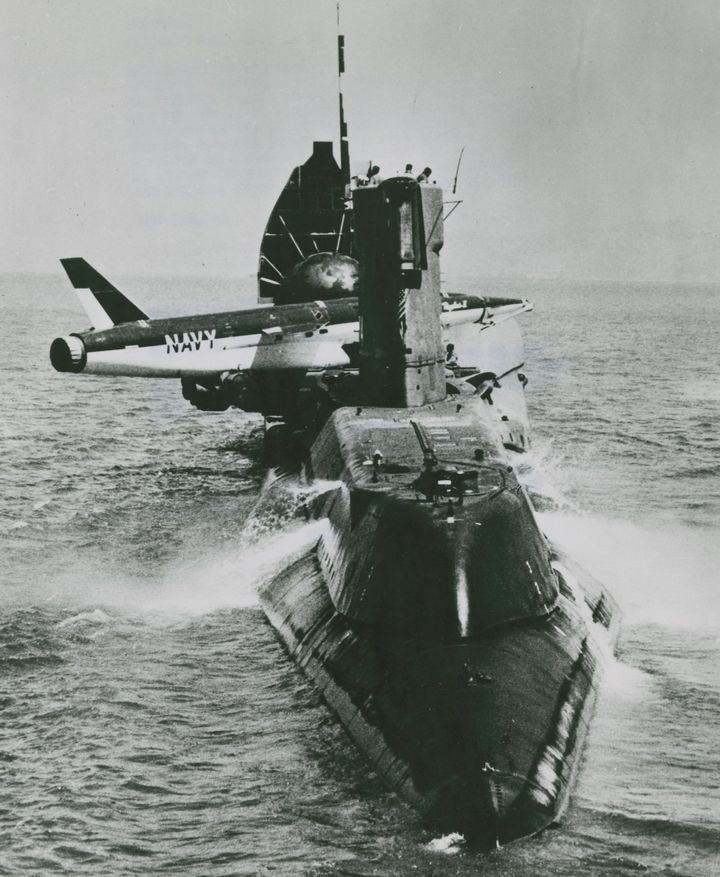
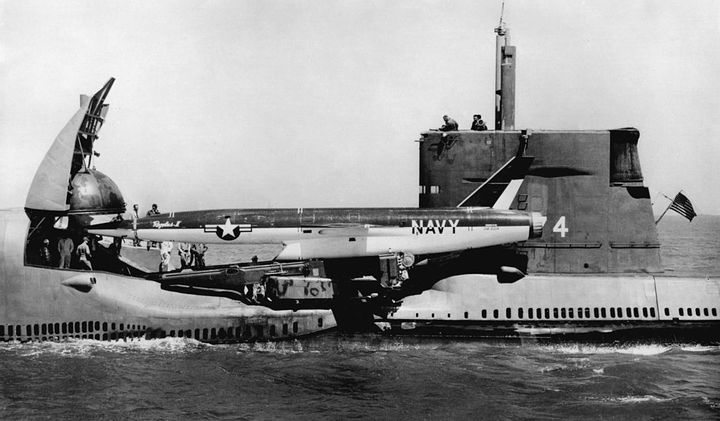
1942 was a big year for the USS Grayback. The team and vessel had hit it’s very first target (a 3,291-ton freight ship) on March 17, and within the next few months, it had proven to be a vicious vessel for any enemy target. But damaging the enemy’s cargo ships and subs wasn’t the only thing the USS Grayback was known for. The vicious vessel also honorably assisted in the rescue of six survivors after a B-26 plane crashed in January 1943. Little did they know that just a year later, the submarine itself would be the one who needed rescuing.
Returning to Restock and Reload
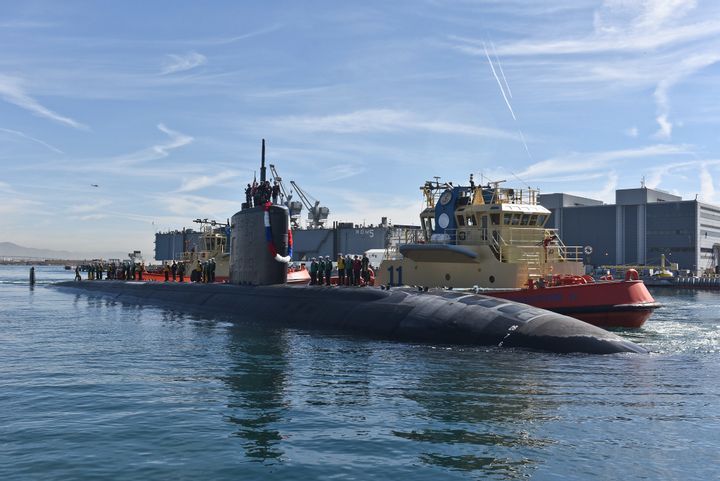
The way things work with military vessels, especially when they’re in an area far from populated areas, is that they are supposed to be sent out for a certain amount of time before going back. And since the USS Grayback was a submarine, the team on it was prepared to be out at sea for a long period of time. After all, they would be under the water and needed to be prepared for any and all scenarios. But after its 9th mission out to sea, the SS-208 made a safe return to shore to rest and prepare for its next war patrol.
Back-to-Back Success
So far things were going great for the sub and its crew. They returned to shore and were locked and reloaded for their 10th mission in January 1944. They set sail on January 28, 1944 from Pearl Harbor, and had hit two more cargo ships within the next month. At that point, they were running low on torpedoes and were commanded to return back to shore to reload. Nobody would’ve ever expected what would happen next, though.
SS-208’s Last Words
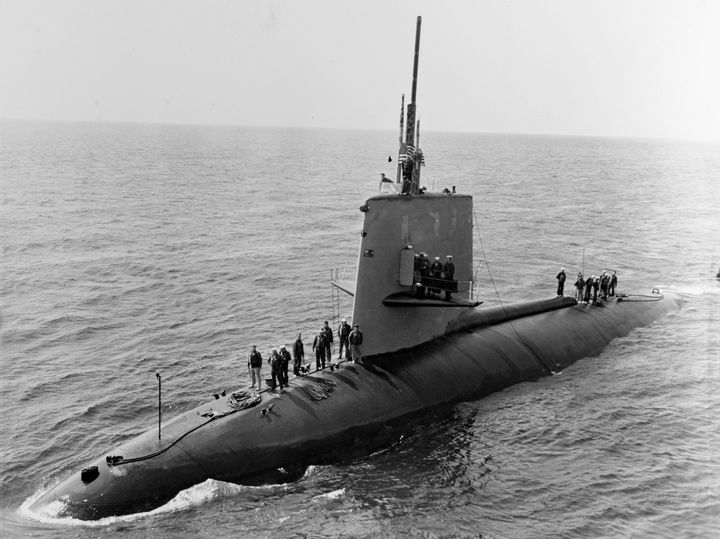
One of the reasons why the SS-208 is known to be so legendary in the world of Navy units, is the fact that not only was she a vicious vessel, but she didn’t go down without a fight. On February 27th, 1944, the submarine’s crew had updated the unit on land that they had damaged and sunk another target, a naval transport vessel. However, unfortunately during that same time, the USS Grayback had sadly been damaged by an aircraft during battle. That was the very last update that anyone ever received from its crew members aboard the submarine.
Deemed “Lost”
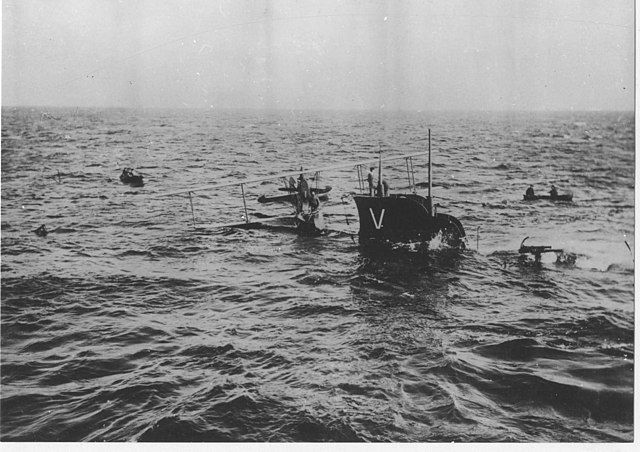
The final words of the USS Grayback were sent on February 27th, but they were expected back to shore on March 7th. When the submarine never returned home by March 30th, there was no choice but to declare it lost. According to the U.S. Defense official website, the Naval History and Heritage Command documented the vessel’s demise. "That same day [Feb. 27], a Japanese carrier-based plane spotted a submarine on the surface in the East China Sea and attacked. According to Japanese reports, the submarine exploded and sank immediately, but antisubmarine craft were called in to depth-charge the area, clearly marked by a trail of air bubbles, until at last a heavy oil slick swelled to the surface."
So Much More Than a Vessel
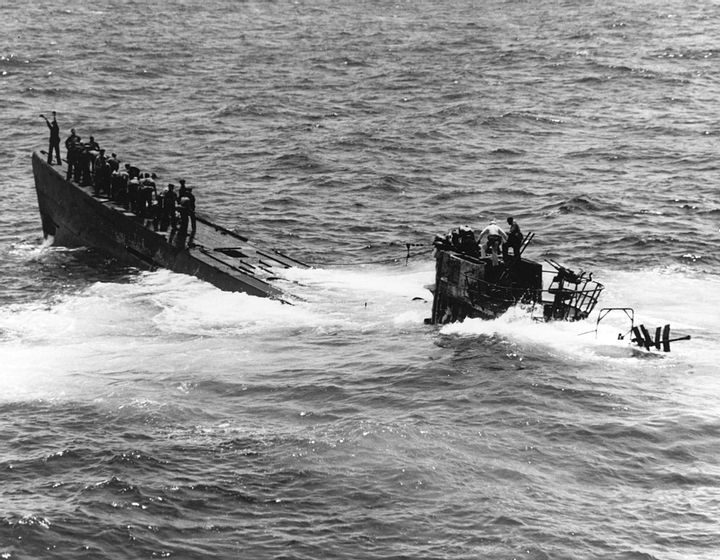
Can you imagine what a huge loss this was for the states? Not only did the country lose one of its most valuable submarines along with all of the supplies and ammo, but it also lost all of its loyal sailors and crew members aboard the submarine. You can understand why it was such a big deal to figure out where exactly the ship was located, and get some closure on the whole story. Sadly, there didn’t seem to be any hope of discovering what had really happened. That is, until 2010.
Where Did it Sink?
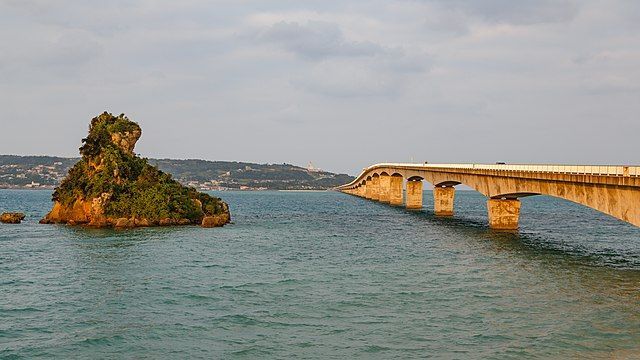
The only clues anyone had about the whereabouts of the lost sub was it had to be somewhere in the South Pacific near the South China Sea. The Navy got hold of the Japanese military records and was able to get a little more of an accurate location. According to those records, it should’ve been located about 100 miles southeast of Okinawa, Japan. But alas, they had no luck of actually finding the vessel itself. But amazingly enough, what the Navy couldn’t accomplish, one loyal ocean explorer could.
If There’s a Will, There’s a Way
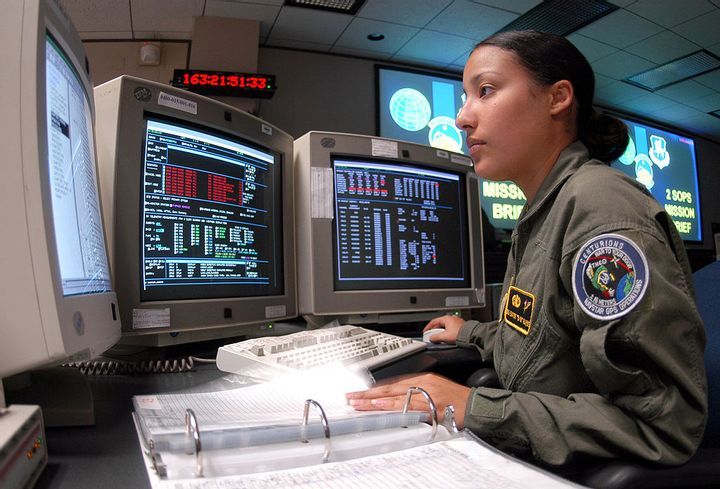
There’s a reason why military-grade equipment is such high-quality. When it comes to any type of development in technology or machinery, it most likely came from something that was created for the military. For example, GPS systems and the Internet are just a few products developed for military purposes. Still though, the military has its limits, and sadly was never able to locate some of its lost vessels during WWII, like the USS Grayback. However, if there’s anything we can learn from Tim Taylor, it’s that if there’s a will, there’s a way. And he was going to prove to the world that he could accomplish something that not even the military was able to.
Anything But a Vacation
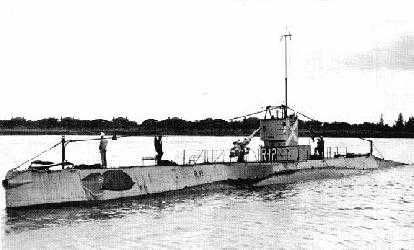
When we think of Key West, Florida today, we probably imagine a vacation spot filled with beautifully sandy beaches. However, for the U.S. Navy’s USS R-12 crew, it was anything but. During a day mission, the submarine unfortunately had an accidental default and as a result, it sunk to the ocean’s floor. While five members were thankfully found and rescued, sadly the USS R-12 and the remaining 42 sailors were never heard from or seen again. Yet Tim Taylor felt like he could find it.
The Expedition of 2010
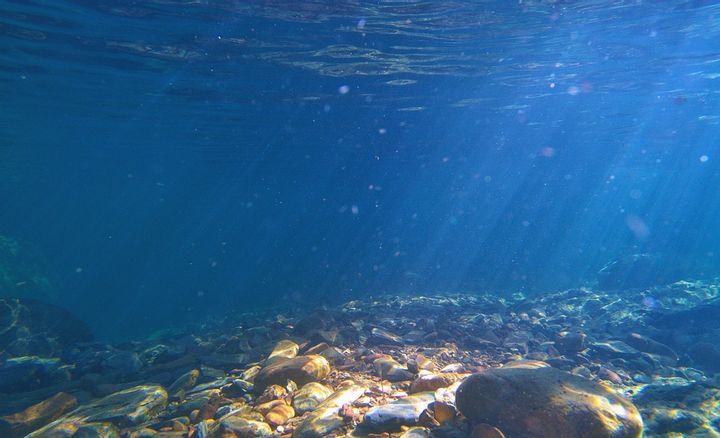
The USS R-12 had been set for its final mission to patrol the Key West area but was then lost at sea in 1943. Tim Taylor and his Research Vessel Tiburon were determined to put an end to this mystery and get some closure. The team had the resources and capabilities and had managed to locate a WWII submarine known as the USS R-12 (SS-89) in the fall of 2010. It was on October 10th, 2010, that they had successfully found the submarine laying there on the ocean floor. This successful find inspired and motivated Taylor to make it his mission to find other lost vessels, like the USS Grayback. But this heroic success didn’t mean that he would always be successful.
What Makes Tim Taylor so Special?
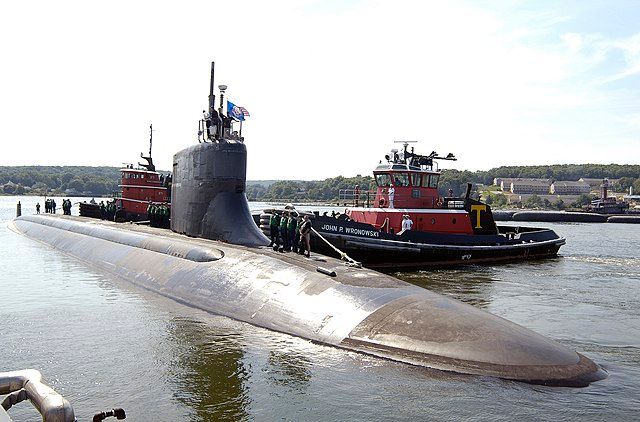
Taylor and his team dove down and embarked on their first underwater expedition and successfully found one of the U.S. Navy’s cherished submarines, the USS R-12. That amazing discovery would help them find other historical vessels, too. But who exactly is this mystical Tim Taylor? And how would he be able to find the USS Grayback if the military couldn’t? It all comes down to his ambitious passion and experience in the underwater world.
An Explorer at Heart
Tim Taylor has been working in the underwater vehicle industry for about three decades when he set on his mission to find the USS R-12. In a 2015 interview with Marine Technology News he shared, “I have been interested in exploration my entire life, and it has been a series of progressive steps from physical exploration taking me to limits and wanting to go further … Years of support in underwater operations and explorations aboard my company’s research vessels has given us the hands-on field knowledge of a broad base of disciplines.”
Who is Tim Taylor?
Tim Taylor didn’t just work in the industry as an explorer. He is the CEO for Tiburon Subsea, a New York-based firm that automates underwater vehicles. Taylor further shared in 2015 that the company’s focus is, “Going beyond military applications and making autonomous equipment available on a timely reliable basis.” With that in mind, he launched his own private project to locate and learn about WWII vessels at sea using cutting-edge technology and search techniques. He titled the project the Lost 52 project and had found 5 different submarines before tackling on the USS Grayback.
Step One: Do Your Research
Taylor and his team had located five different submarines within less than a decade. How exactly? By using a very special method. The very first step is all about pre-production and research. The team tries to collect as much data as possible before heading down into the ocean. During this first step, they do as much research as possible, including finding any sources that might be able to help them. They usually look for documents, clues, and any historical data that can help them pinpoint the location or explain what might’ve happened when it sunk.
Researching the USS Grayback
Doing research for almost anything in life is crucial. When it came to the USS Grayback, though, things didn’t necessarily go according to plan. The team had fortunately been able to get a hold of some Japanese documents that shared coordinates of where the bomb had dropped when it had damaged the USS Grayback on February 27th, 1944. But unfortunately, there was one little problem. “[The coordinates’ translation] was off by one digit … That changed the location by more than 100 miles,” Taylor shared with Washington Post.
Step Two: Head Out to Sea
Can you imagine doing all of that research only to be off by 100 miles due to one clerical error? The team had figured out their mistake, though, and were able to (hopefully) succeed in the next step of their journey, the expedition. After the immense and intricate research, the next step to finding a submarine is preparing to head out to the location. In this case, the team needed to make sure they were equipped with state-of-the-art technology.
Time to Dive
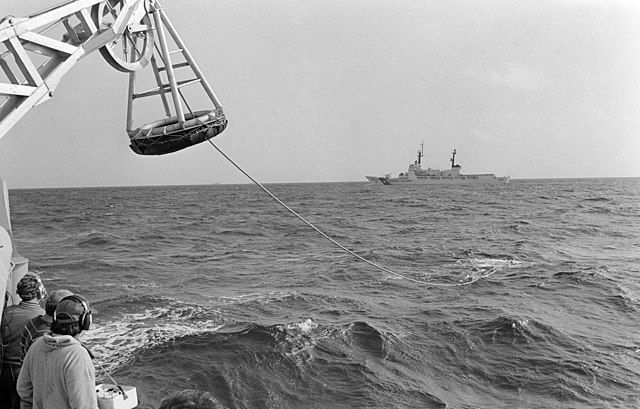
Finally, when the team felt confident enough in their research and felt like the info had collected was accurate and correct, they set sail to Okinawa, Japan in June of 2019. They equipped themselves with the most modern and up-to-date submersible drones that use sonar technology to create highly-detailed images of the ocean’s floor. The drones then feed the images and data back to the team above the water, which gives them a better idea of what’s going on down below. How cool! But there were still a few more technical errors that they would stumble upon.
The Last Straw
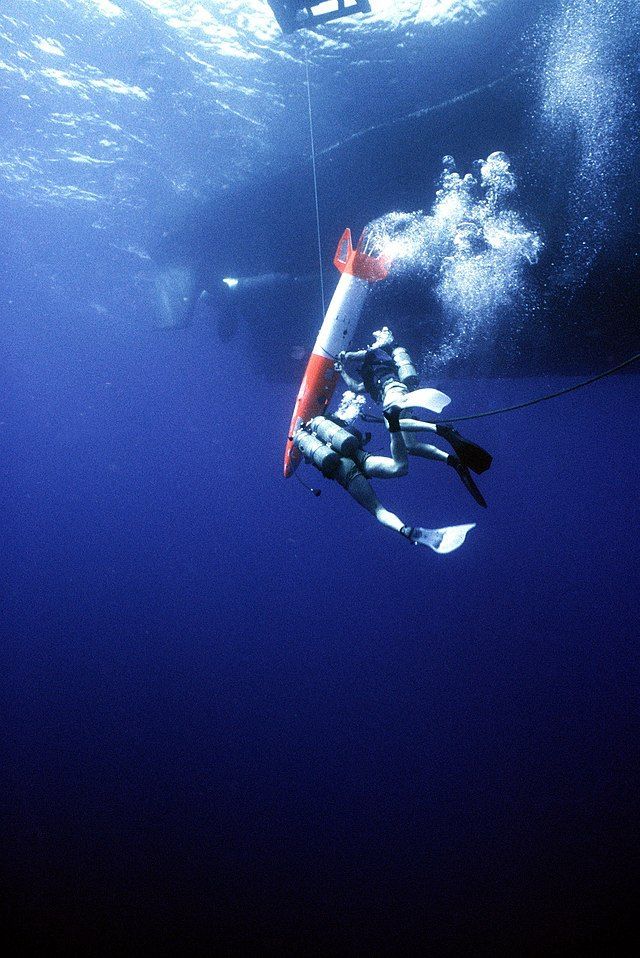
Whether you’re above the water or diving below the surface, shipping yourself out to sea isn’t an easy task. From issues with their refrigeration system to technical issues with their equipment, the team wasn’t feeling too confident about this expedition. In fact, they were packing up and getting ready to go back to port when something unbelievable occurred. Taylor had planned for a 24-hour dive with the drones when a crucial error came up after a few hours of diving down.
“The Most Compelling Moment”
Issues after issues can be exhausting for anyone to deal with, and might even make you feel like a failure. But there was just one last straw that ended up being the biggest surprise of all during their journey. What started our as an “error” actually ended up being the answer to the mystery. Taylor further shared with Washington Post: “the most compelling moment was when the camera went from the bow up to the bridge and we all saw the plaque … There was no doubt about it.” Can you believe it?
Step Three: Search and Discover
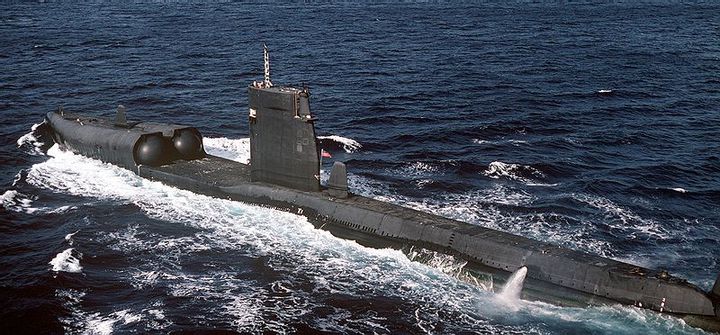
Talk about a historic find! After 75 years, tons of technical issues and errors, Tim Taylor and his incredible team actually found the USS Grayback! We’re sure you can imagine how excited they were to have found it, especially when they were just about to give up. The next step was to get it verified by the Navy. The crew was absolutely certain that this was the vessel but before they got the approval, though, the drone still had some work to do.
4-D Modeling
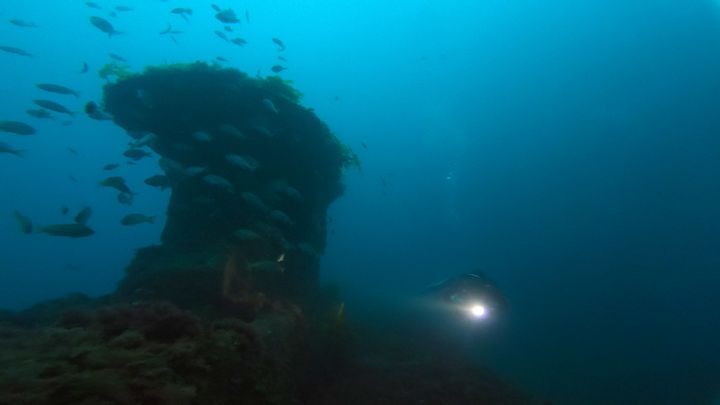
The next step was taking images and creating a 4-D Model rendering of the submarine itself for further research. Talk about some high-tech tools! Not only were they surprised to find the actual location and submarine itself, but they were fascinated by the state that it was left it. After almost a century underwater, it had turned into its own little eco-system and environment for the surrounding organisms. How fascinating is that? But there was still one more step left that would leave everyone speechless and in tears by the end of it.
Honoring the Fallen Sailors and Families
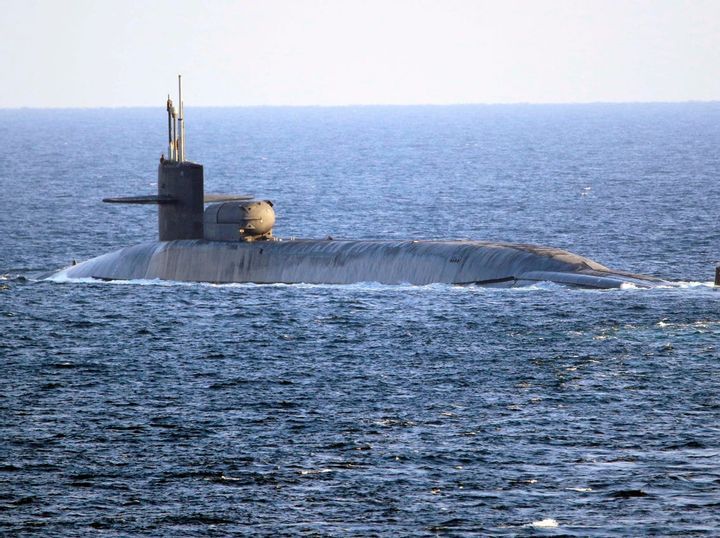
The official Lost 52 Project states that their mission is “to provide the fullest possible documentation and accounting of these locations for our missing WWII Navy Sailors, their families and the nation.” Out of the 52 submarines that were lost during the war, 374 officers and 3,131 men of the Submarine Force were tragically lost. And so, as soon as the Navy declared and verified that this sunken submarine was indeed the USS Grayback, the team’s next mission was to find any relatives of the fallen sailors who were aboard this vessel.
Family First
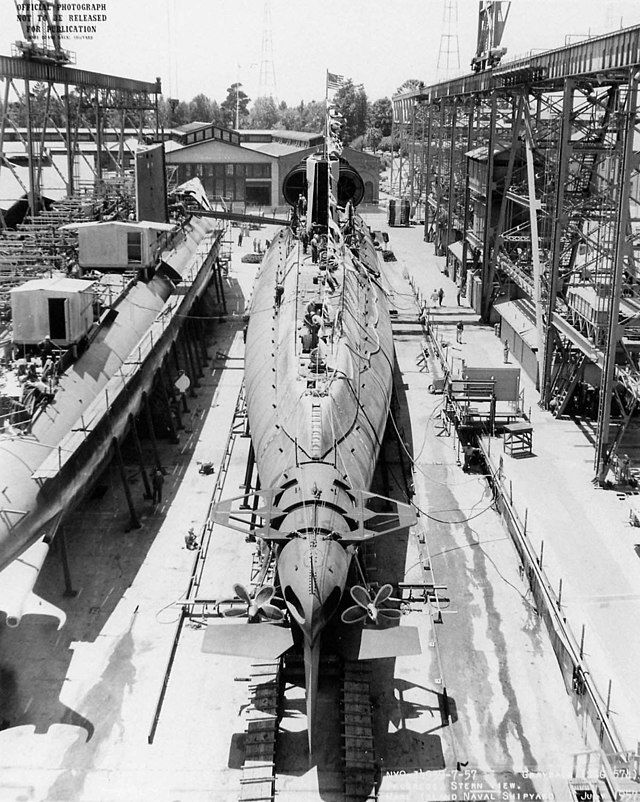
There are always casualties during war, and 80 sailors were lost in this specific battle when the USS Grayback had been bombed and sunk to the ocean floor in 1944. A tragic loss like this isn’t something that can be explained in words. Yet, amazingly enough, Taylor’s discovery was able to turn things around for the family of one of the sailors aboard the SS-208. Because they were able to discover the news first hand and finally get some closure before the public heard about this miraculous find.
Sad, But Rewarding
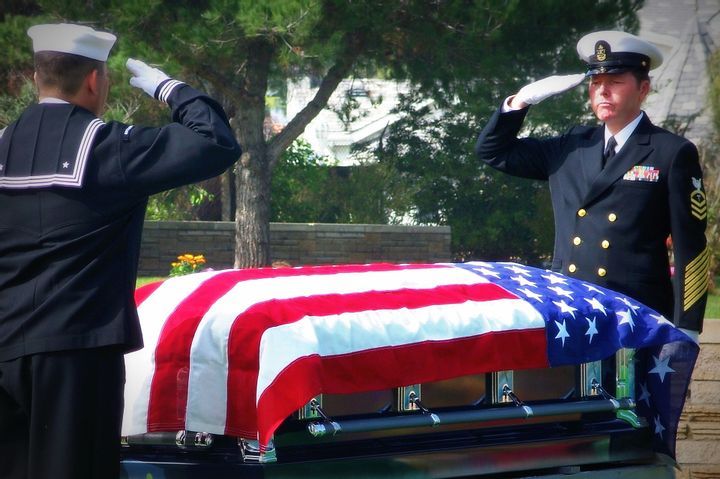
Can you imagine what it would be like to lose a loved one, without actually knowing what happened to them? “It’s a missing piece of their family stories and their legacy … It haunts these families for their whole lives. It’s very sad but rewarding to show these people finally where their loved ones sacrificed their lives,” Taylor shared with ABC News. Not only has Taylor’s private project shed light and opened doors for historians, researchers, and the military to discover new insight, but he’s given families a chance to get some closure and understanding.
Finally Solving the Mystery
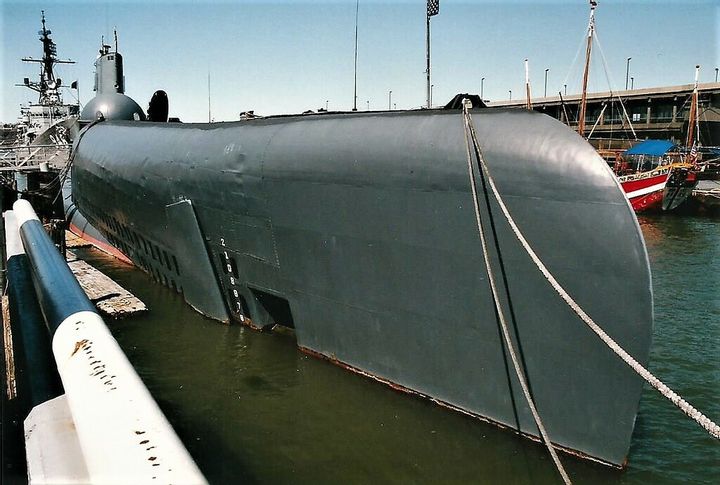
Words could not explain how much it meant to finally get the closure the fallen soldiers' families had been looking for all these years. “I committed from the very beginning when I was a little girl that I was going to find him or follow him or keep his memory alive, whatever I could do,” Kathy Taylor, the niece of the fallen soldier, John Patrick King, emotionally shared with tears in her eyes during an interview with ABC News. Both Kathy and Hurney Taylor (neither of which are related to Tim Taylor) were beyond appreciative of Tim’s team.
16+ Photos From The Great Blue Hole Expedition To Teach The Bottom
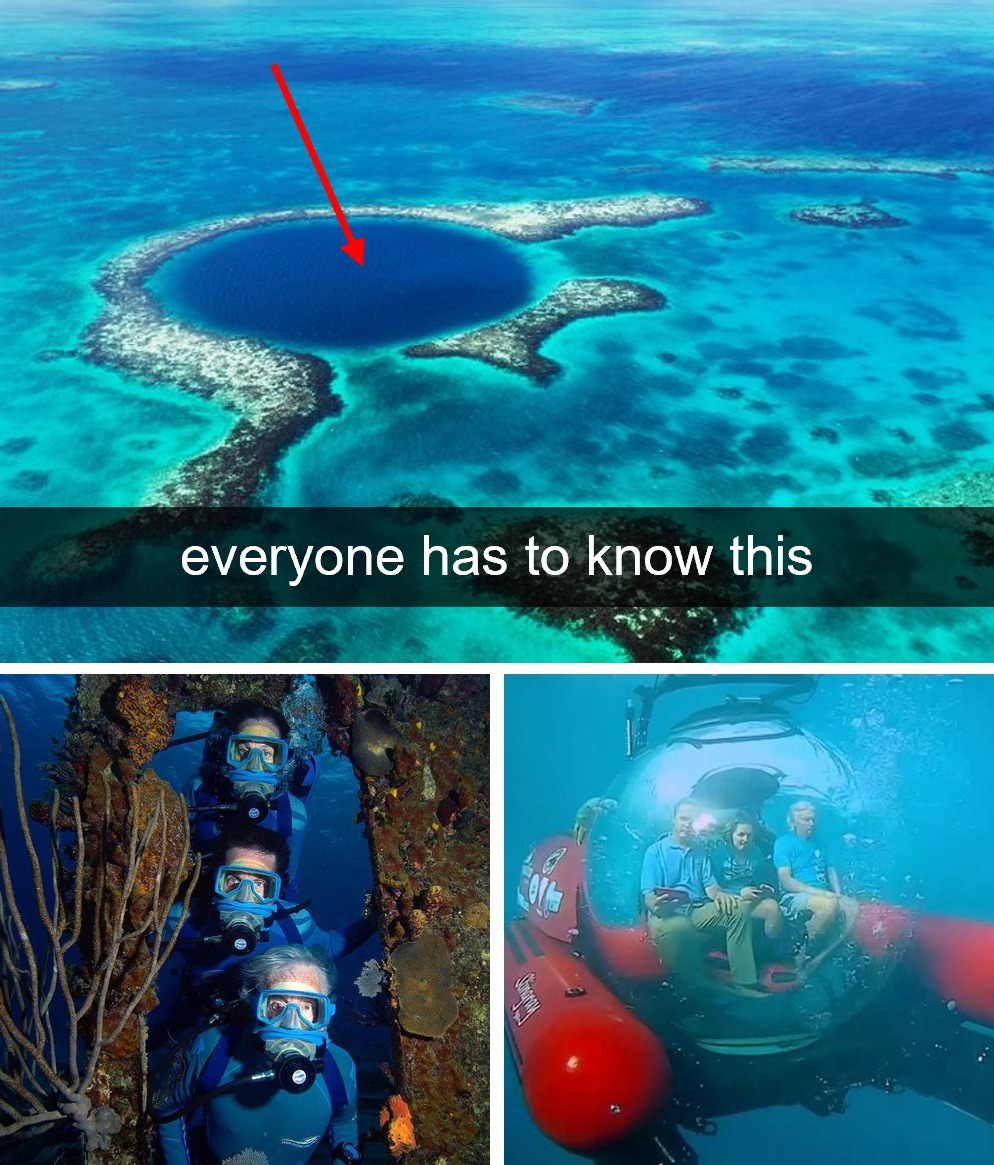
First divers to ever reach the floor of the blue hole are revolted when they resurface. Here are 16+ photos from the Great Blue Hole expedition to reach the bottom
This Work Didn’t Stop With Grayback
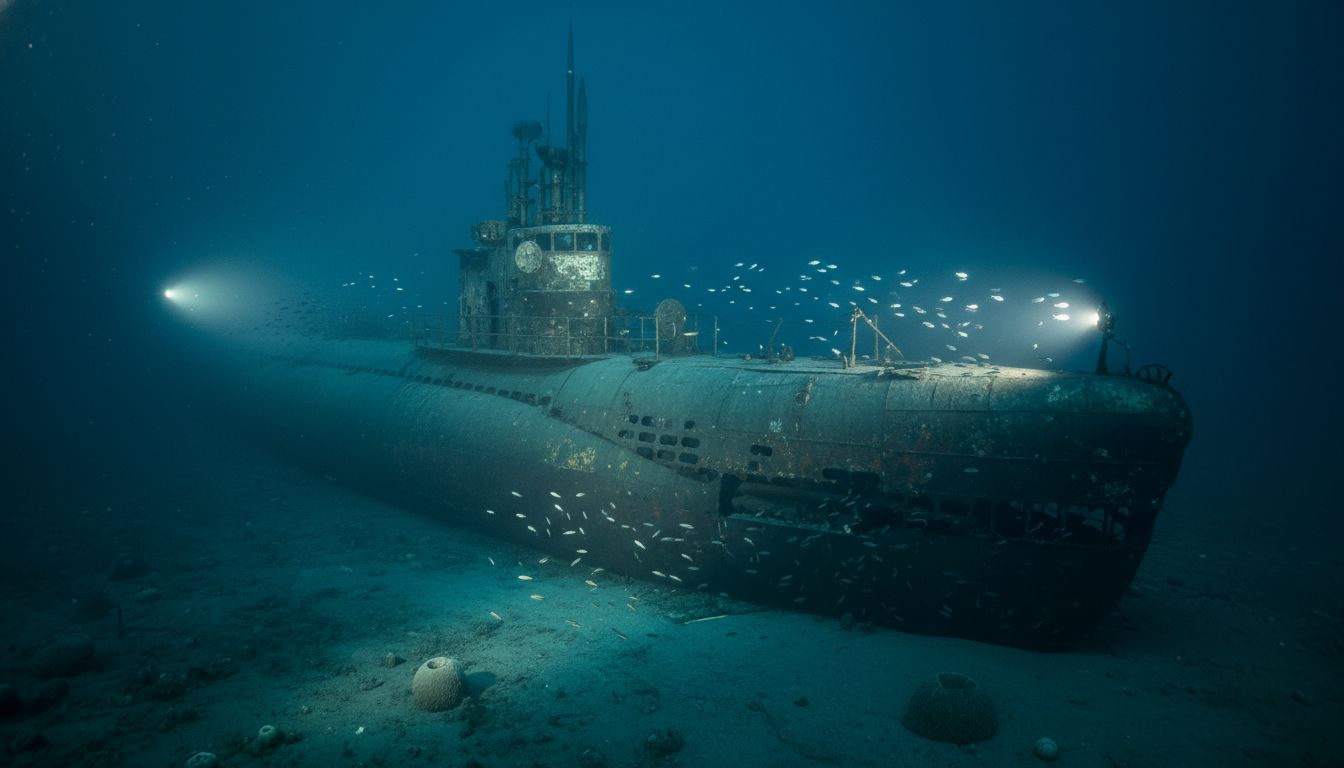
Finding the USS Grayback was huge, but Tim Taylor and the Lost 52 Project kept going. In the years since, the team has located other celebrated submarines, including the USS Harder, far from where wartime records had placed it. The wreck sits deep on the seabed, upright and scarred where depth charges hit, and the Naval History and Heritage Command has helped confirm identities and protect these sites. Each new find follows the same careful process of documentation and verification.
More Wrecks Turned Up in Other Seas
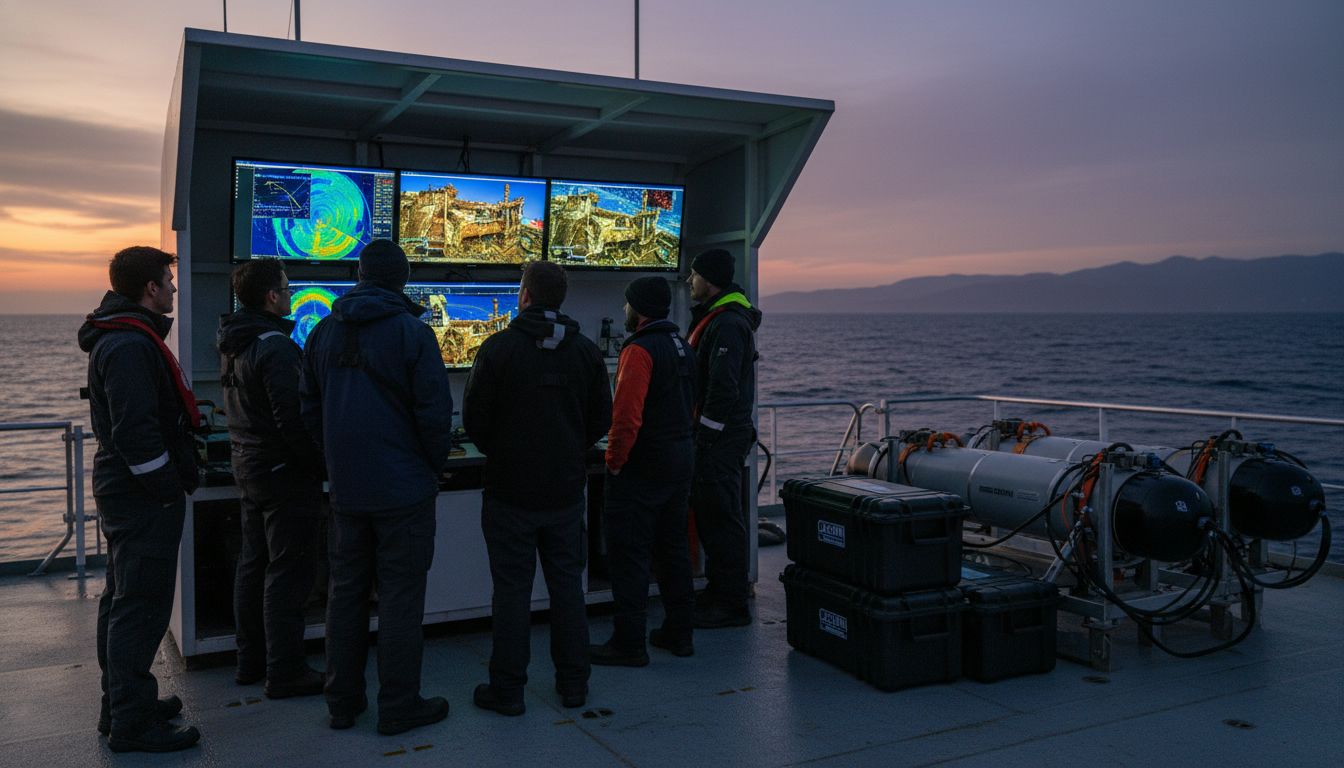
The Lost 52 Project has since added more names to the list, including the USS Bonefish and several other wartime ships. The team also located merchant and naval vessels tied to those patrols, which helps historians piece together whole engagements instead of isolated notes. Each discovery gives a clearer map of where battles unfolded and how individual ships met their end. That broader picture matters to families and to researchers alike.
Why These Finds Still Matter
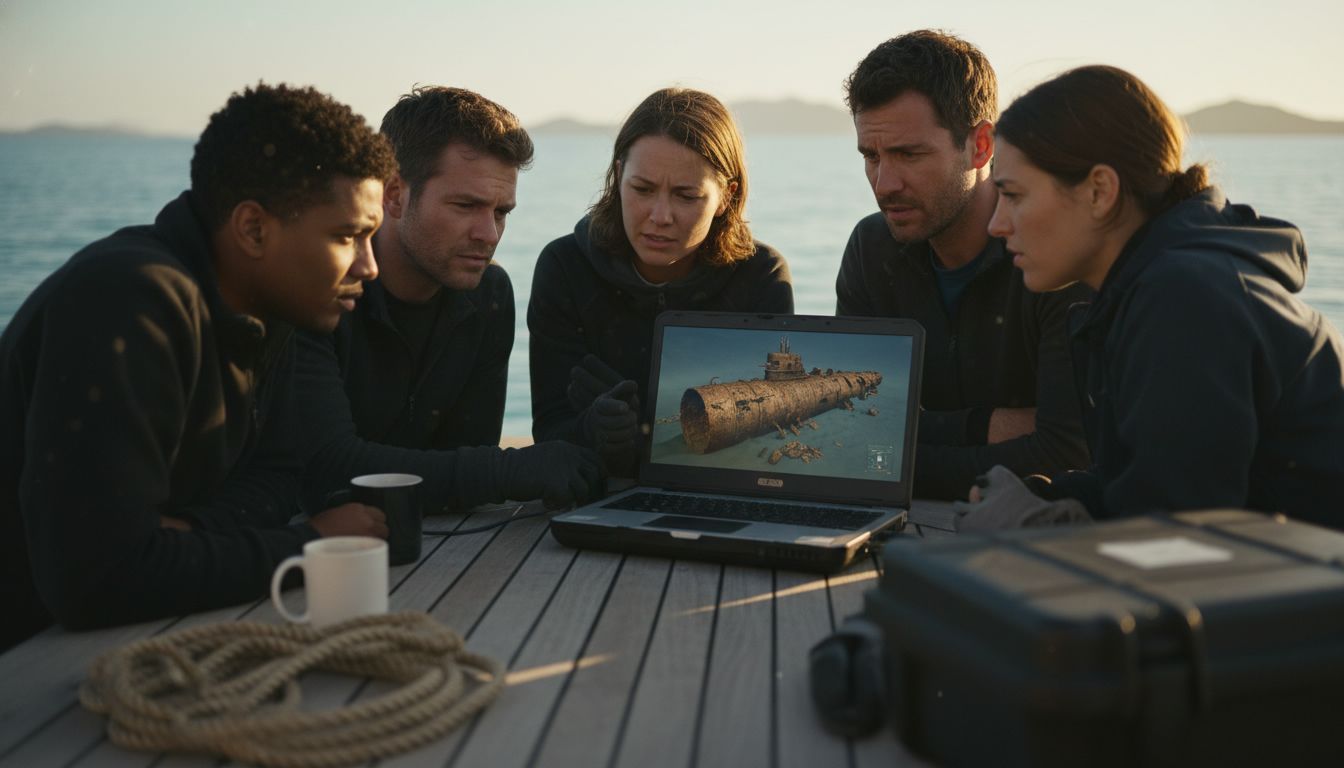
These are not just metal hulks on the ocean floor. Each wreck is a protected military craft and the final resting place of sailors, so verification and documentation are handled with care. The project uses detailed photogrammetry and model-building to create records that historians and families can study without disturbing the sites. For relatives who spent decades wondering, those digital records offer a hard answer and some measure of closure.
Technology Paired With Patience
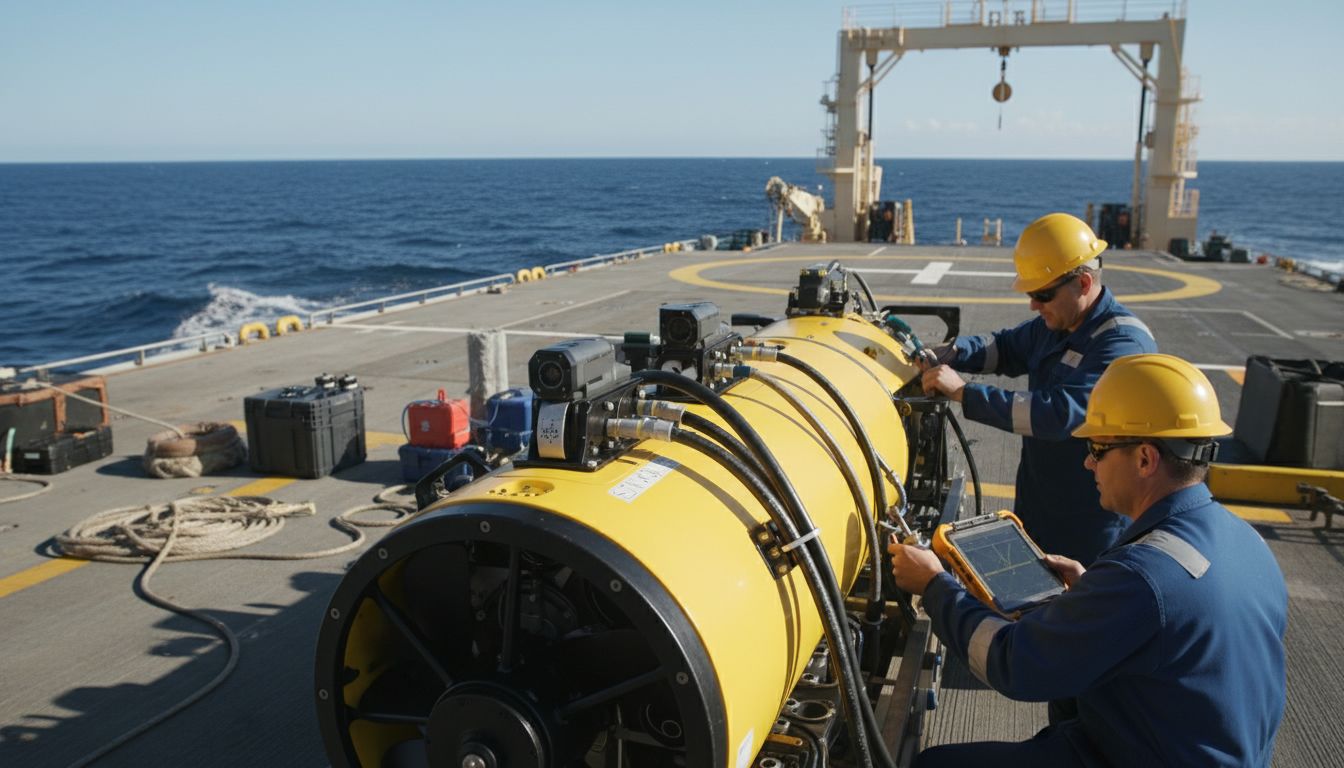
Taylor’s wins come from mixing stubborn follow-through with advanced tools, like autonomous underwater vehicles and high-definition cameras. The team still runs into translation errors, equipment hiccups, and bad weather, but they keep adjusting and rechecking sources. That combination of tech and tenacity is what turns an old coordinate or a faded log into a verified find. The work is methodical, often slow, and rarely glamorous, but it gets results.
What’s Next for the Lost 52 Project
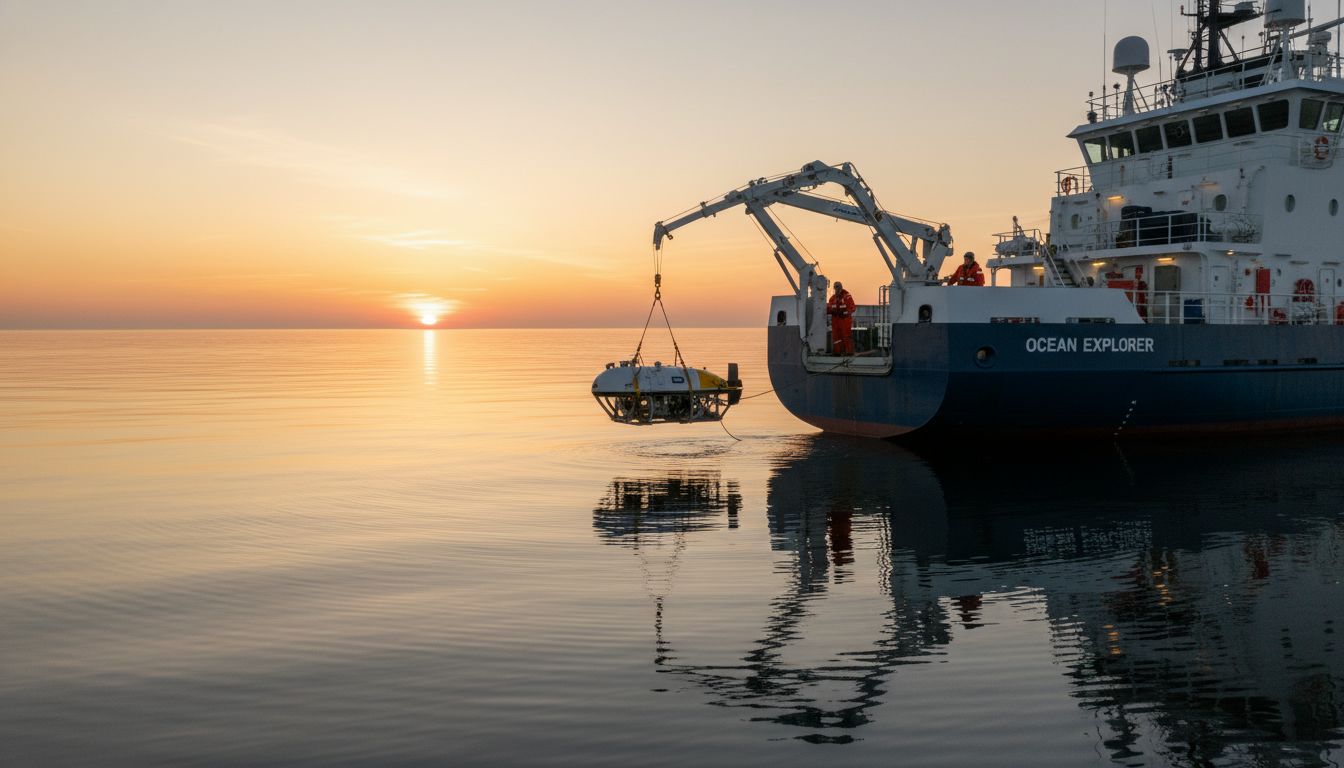
The mission keeps moving forward, one search grid at a time. Taylor’s team plans to keep mapping, documenting and working with the Navy and families to identify wrecks and preserve their stories. Expect more confirmations, careful records and occasional surprises as sonar, cameras and records continue to be cross-checked. The effort is about answers, and about honoring the men who never returned.
The tiny error that changed everything
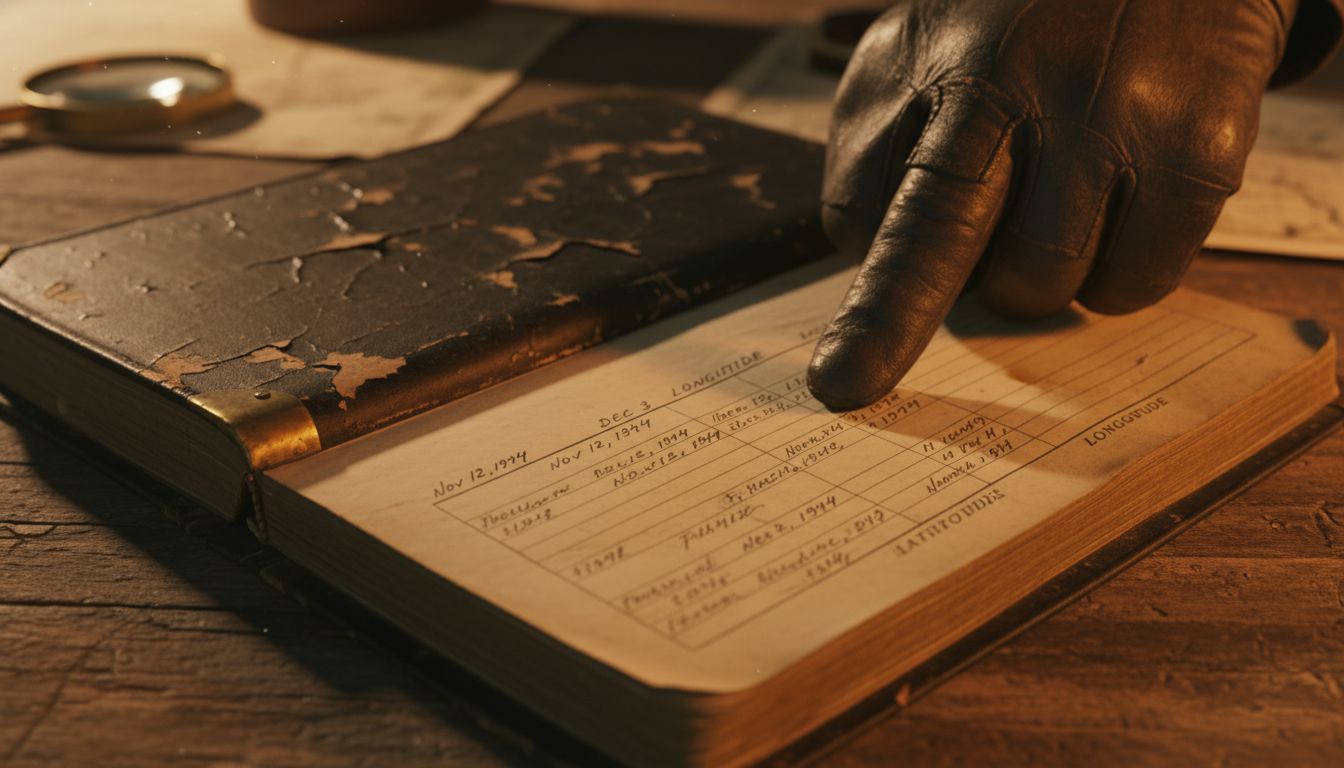
A later recheck of wartime Japanese logs turned up a single-digit mistranslation that had nudged the search area by more than 100 miles. Once that mistake was corrected, Taylor and his team could shift grids and focus where the evidence actually pointed. That one fix is what made the Grayback find possible after years of searching. It shows how a small archival detail can decide the outcome of a deep-sea hunt.
Where Grayback finally rested
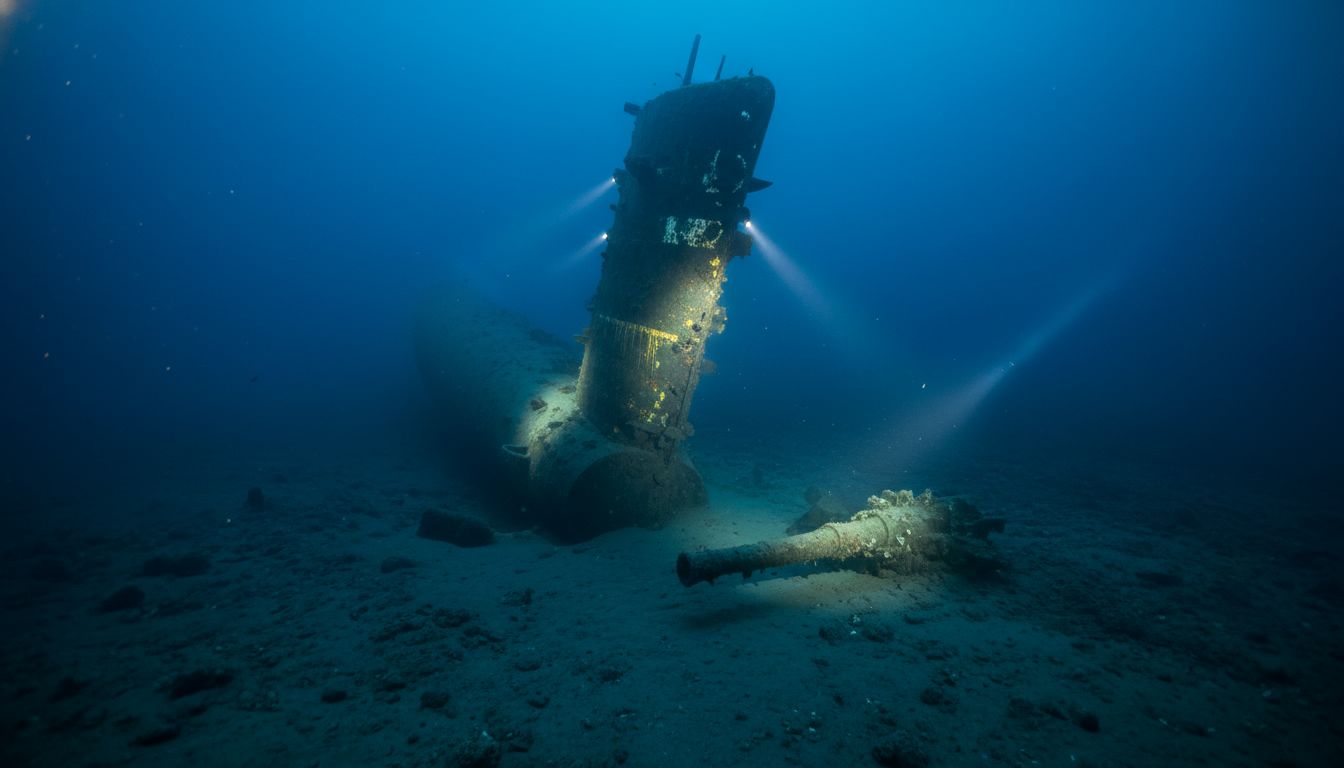
The wreck was located roughly 50 miles off Okinawa, sitting upright on the seafloor at about 1,427 feet depth. The hull showed clear evidence of a direct aerial hit, and the sub’s deck gun was found a long distance from the main hull. Seeing that debris field helped match battle reports to the wreck itself. The scene left little doubt about what happened on that final patrol.
The proof that closed the case
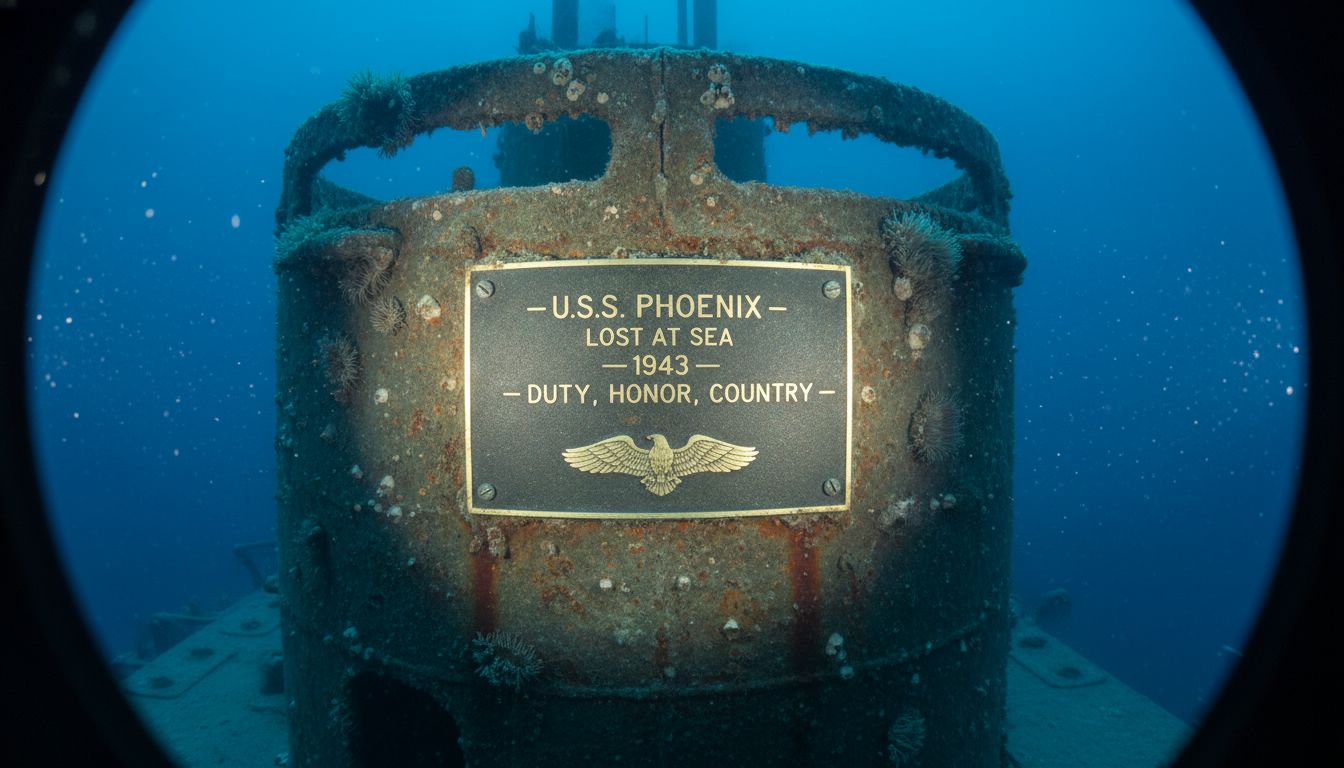
Identification came when the camera revealed a manufacturer plaque on the bridge still attached to the structure, a clear signature no translation could undo. The team built high-resolution 4D models from sonar and overlapping images, then handed the data to the Navy for official verification. That documentation turned the site into a protected military grave under federal rules, so it can be recorded without being disturbed. For families, that digital record provided the certainty they had waited decades for.
New tech doing old-fashioned work
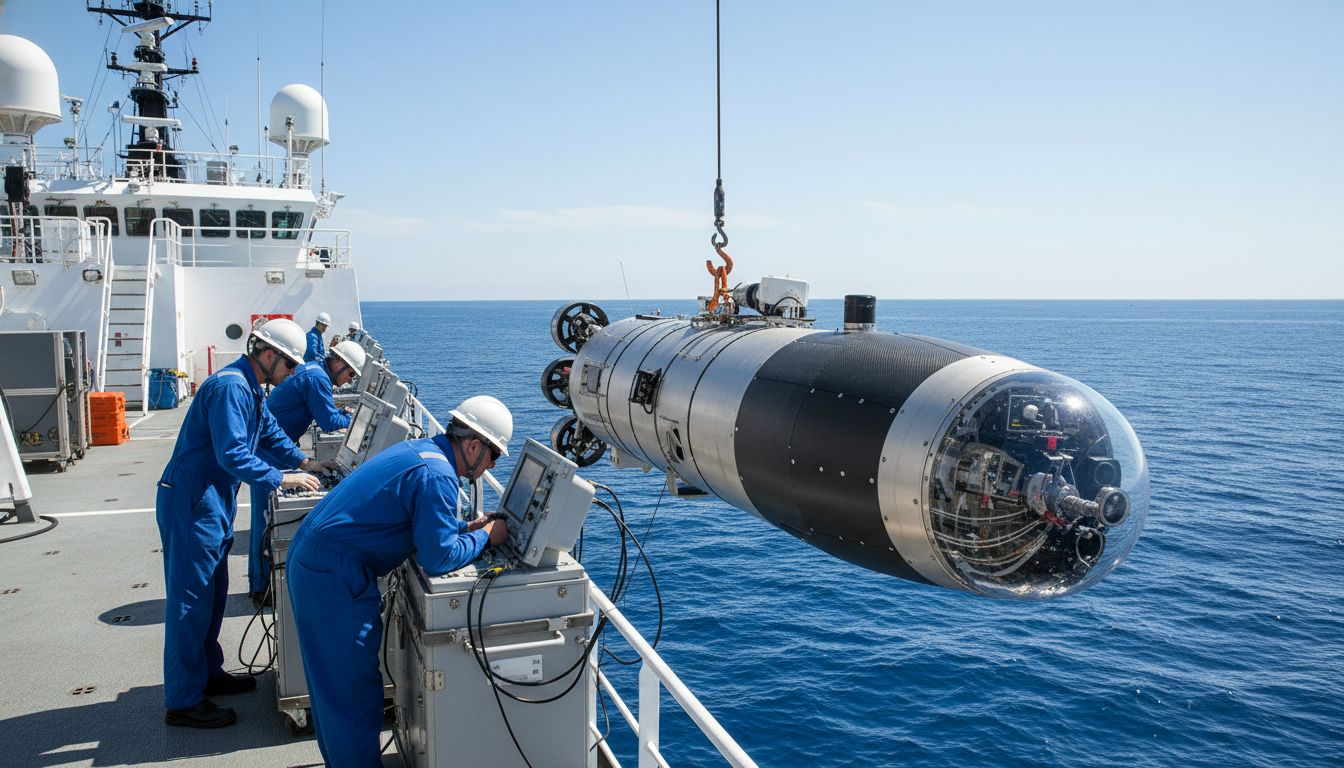
Taylor’s team now pairs synthetic aperture sonar with autonomous underwater vehicles and detailed photogrammetry to make centimeter-accurate virtual maps. Those tools let teams inspect wrecks from a distance, stitch thousands of images together, and create immersive models without touching the site. The work is still slow and methodical, but the tech turns vague coordinates into clear pictures. That mix of patience and gear keeps the searches moving forward.
The mission keeps expanding
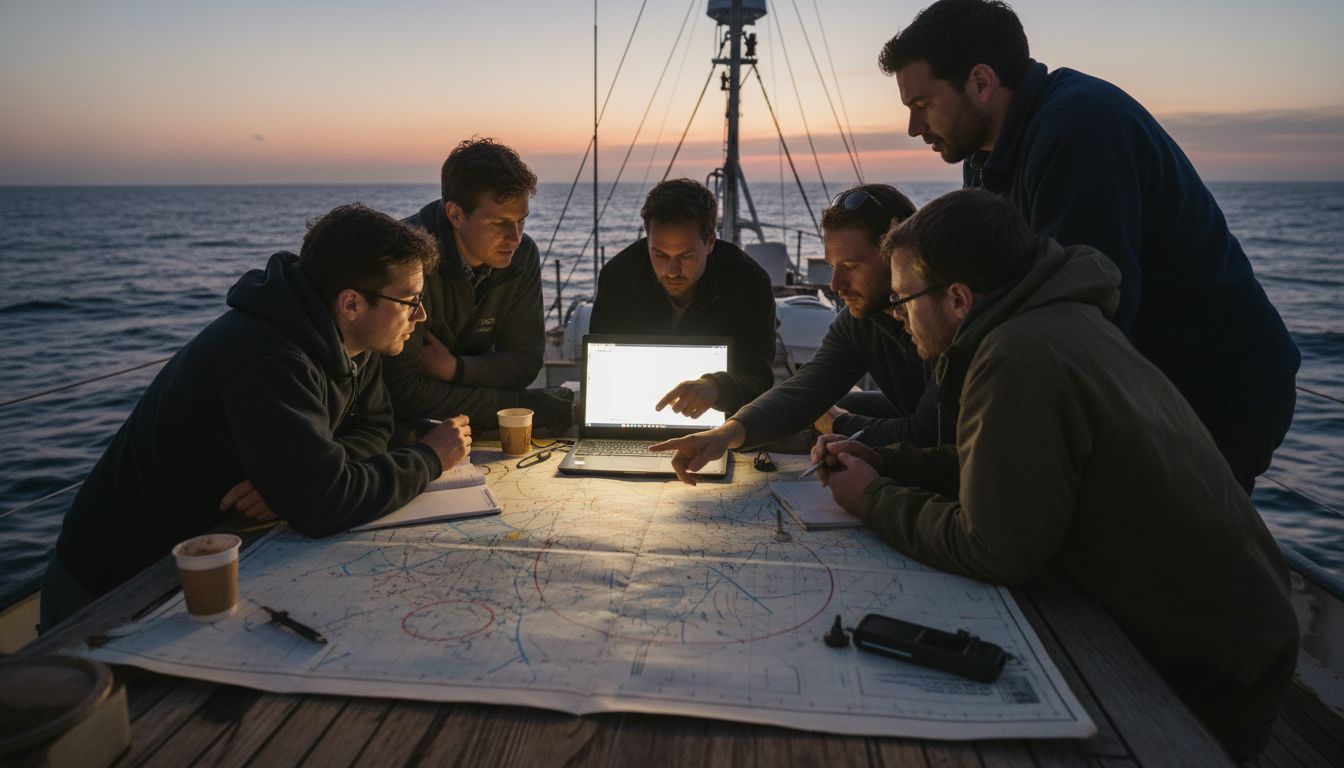
Grayback was a big milestone, but the Lost 52 Project has kept adding names to its list and documenting wrecks that wartime records had misplaced. The emphasis has shifted from simply finding hulks to careful archaeological recording, working with the Navy and relatives, and guarding sites against illegal salvage. Expect more confirmations and detailed models as the team moves grid by grid. The goal remains the same, giving answers and honoring those who never came home.
What We Can Learn From This
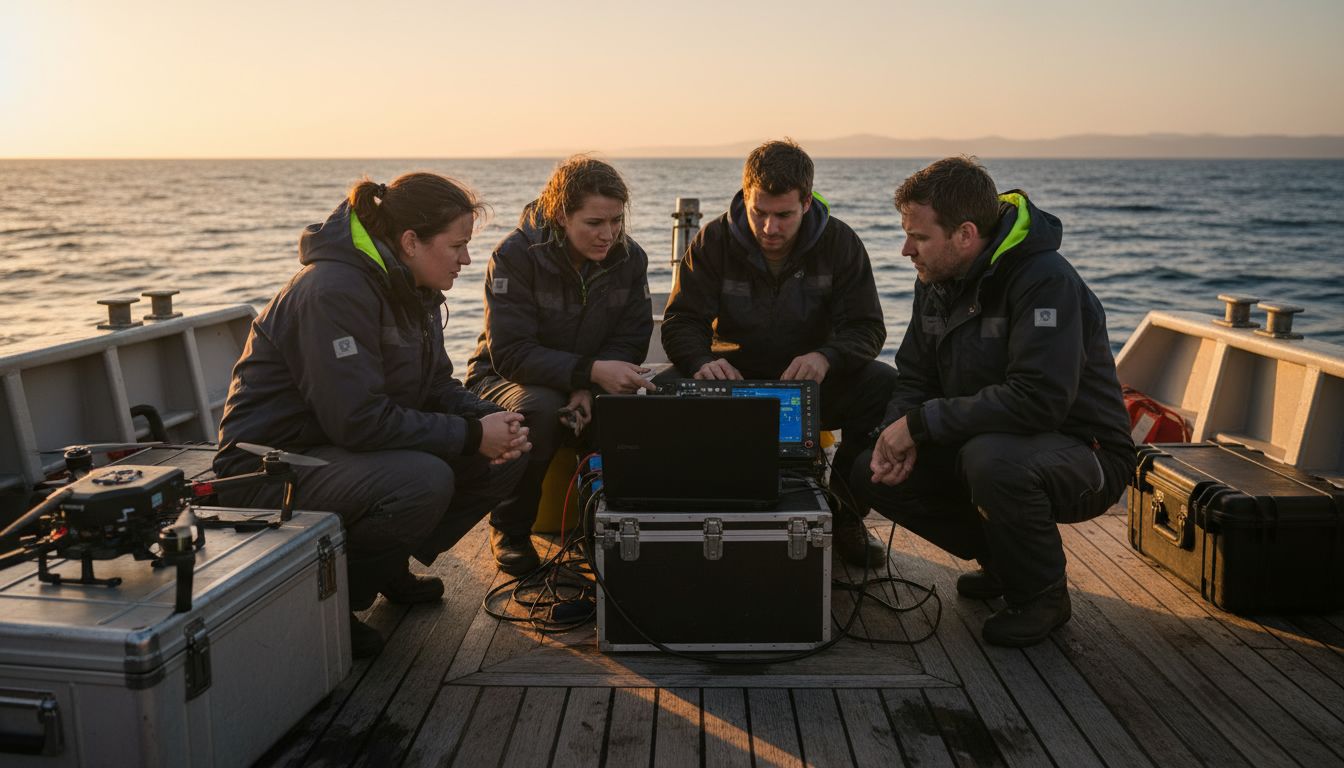
What makes this story remarkable is the mix of stubborn follow-through and careful craft. Tim Taylor and the Lost 52 Project leaned on patient research as much as on high-end gear. One tiny translation error kept Grayback hidden for decades, which shows how small archival details matter. The find gave facts to families and turned guesses into records people can study without disturbing the wreck.
Small Errors, Big Consequences
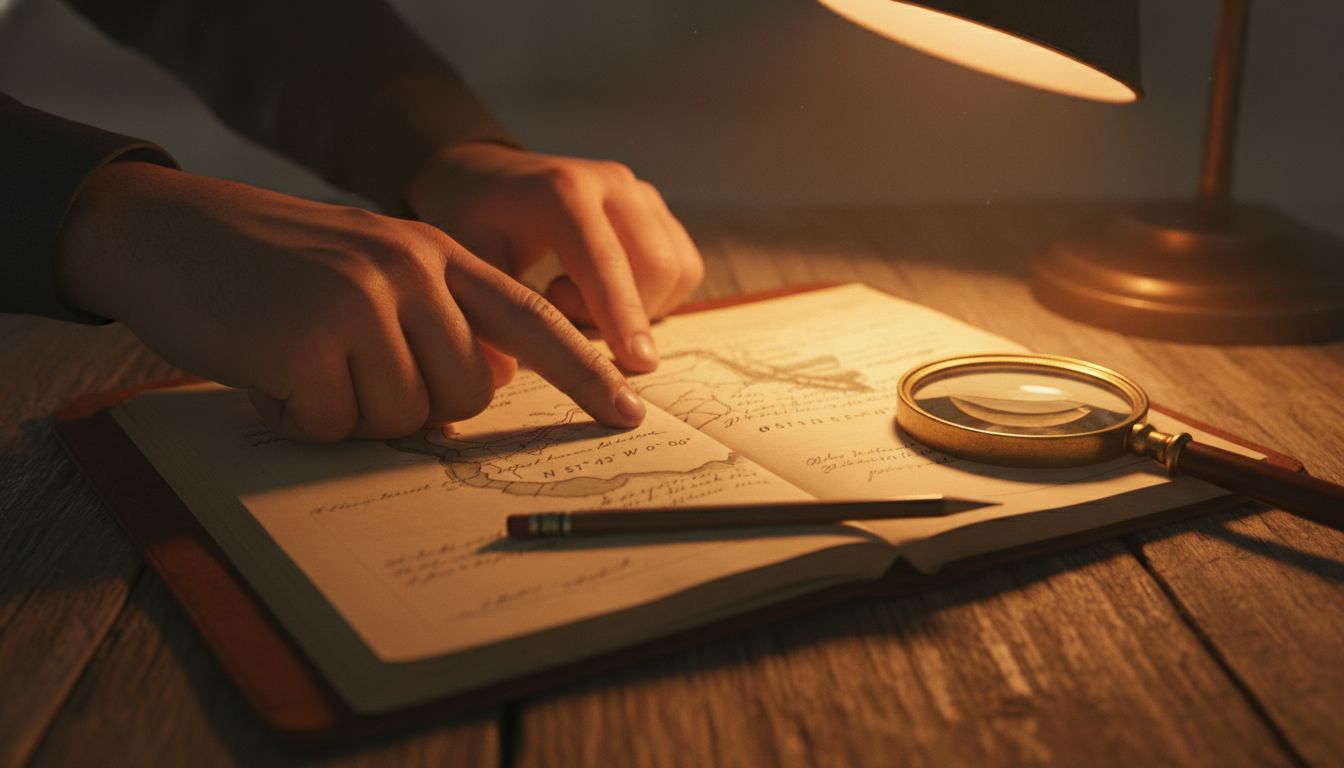
One misplaced digit shifted the search by more than 100 miles. That kind of clerical slip can waste seasons at sea and bury answers under noise. It also underlines why the team rechecked wartime logs and compared multiple sources before rebuilding search grids. Patience and careful cross-checking changed a dead end into a breakthrough.
Tech That Lets Us See Without Touching
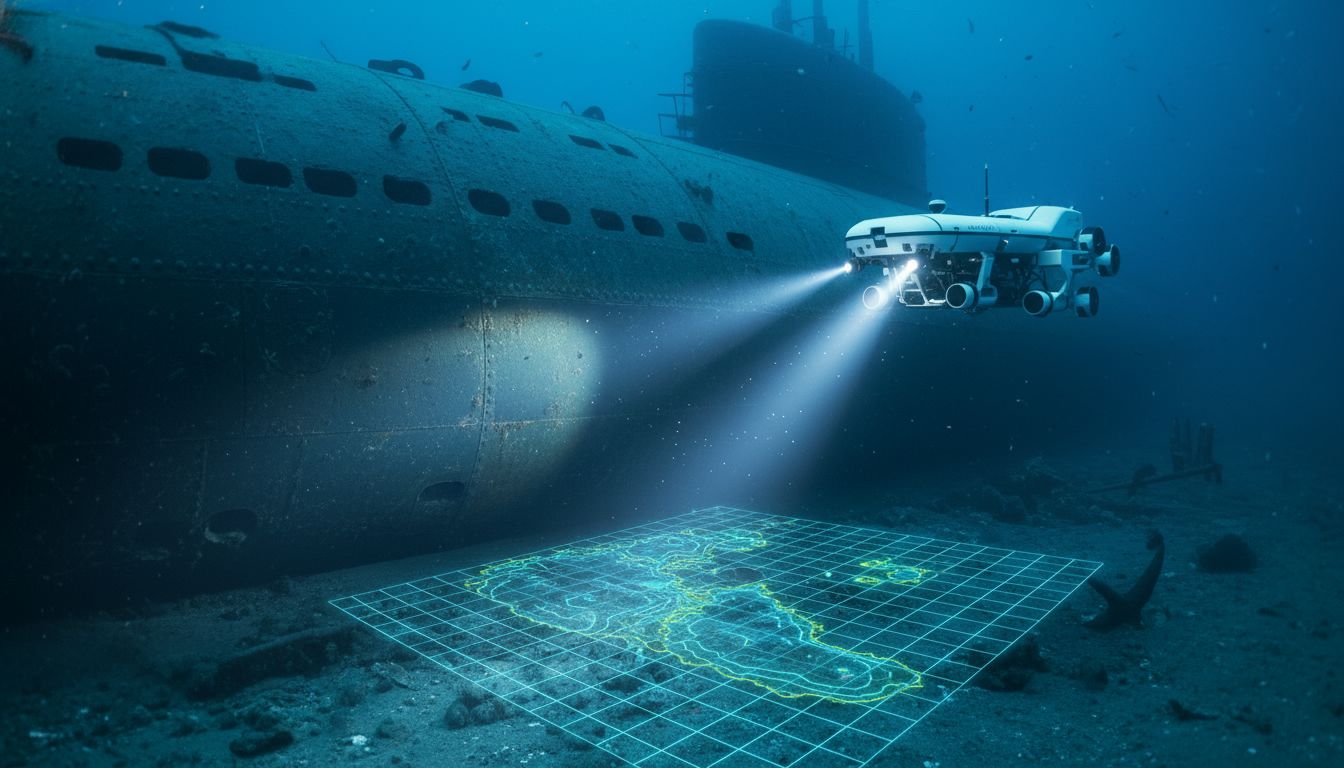
The Lost 52 Project used synthetic aperture sonar, autonomous vehicles and photogrammetry to map wrecks in centimeter detail. Those tools let teams create accurate 4-D models without physically disturbing a site. That approach protects the wrecks as military graves while giving historians and families a precise record. Tech speeds the work, but method and respect set the rules.
Why Families Keep Watching

For relatives a missing ship is a hole in a family story that can haunt generations. Finding Grayback returned not salvaged trophies but evidence and a place to grieve. Kathy Taylor and others described relief mixed with pain, a final answer after a lifetime of questions. The project’s priority has been handing that certainty to families before the public hears.
The Search Goes On, Grid By Grid
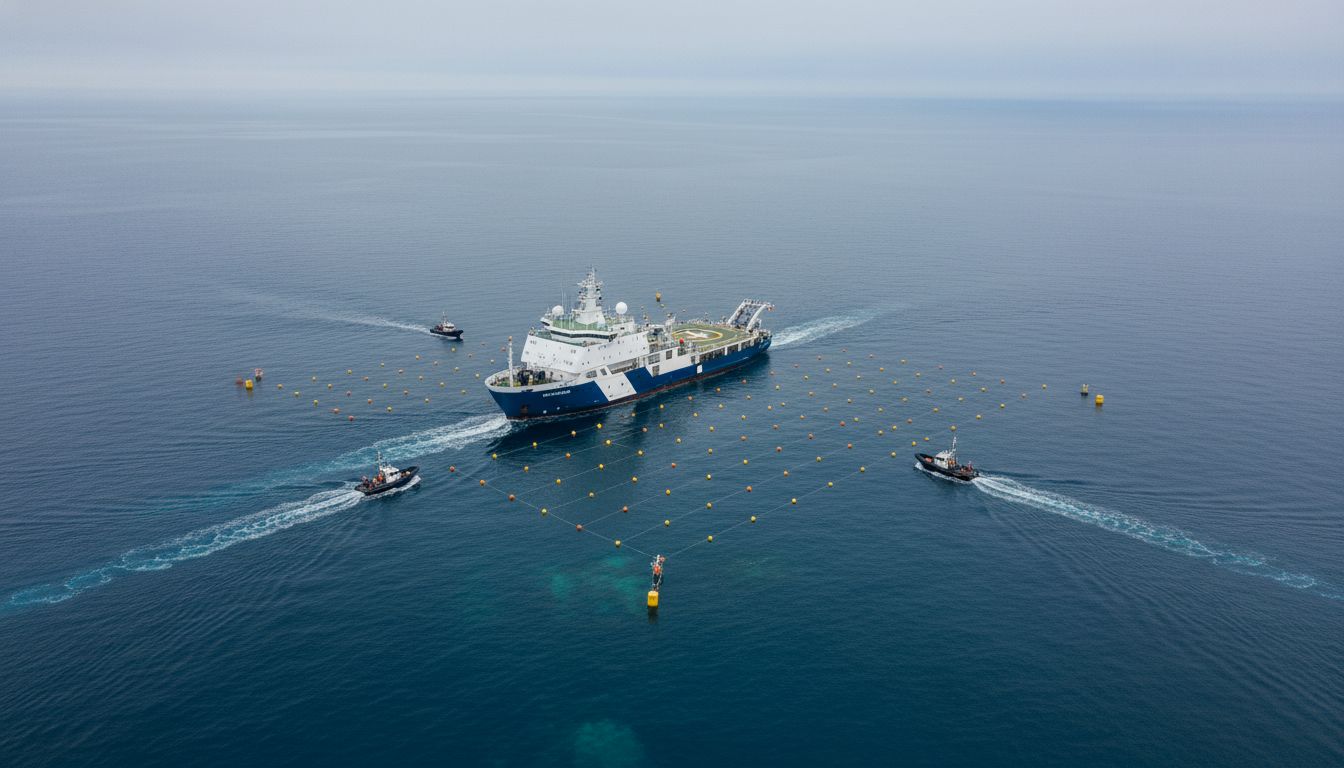
Grayback was a milestone, not the finish line. The team keeps mapping, documenting and working with the Navy and families to identify other wrecks. Each new find is processed the same way, slowly and carefully, to build a record that can be studied without touching the sites. Expect more confirmations, steady work and the occasional surprise as they move from grid to grid.