A Frozen Card Scheme Backfired Right When it Mattered Most

Hotel staff see all kinds of attempts to sidestep cancellation rules, but one pattern comes up again and again: guests who think freezing a card will make a fee disappear. In theory, it sounds neat enough. In practice, it usually just delays the problem and gives the hotel a clearer paper trail. These two stories show how that choice came back months later, at the worst possible time.
The Frozen Card Trick

The narrator, who has worked in hotels near a major university and later became an Assistant Manager, says this is one of the most frustrating habits in the business. A guest books a room with a non-cancellable policy, then decides the easiest fix is to freeze or otherwise block the card on file before the hotel can collect the penalty. The thinking is simple enough: if the charge does not go through, maybe the fee never counts. But hotel systems and front desk records tend to remember a little longer than the guest expects.
Flawed Logic

That logic might feel clever in the moment, but it only works if the hotel forgets, and most of them do not. Once a reservation is marked as a no-show or canceled under policy, the desk still has the record, the date, and the payment problem. The guest may think the matter is over once the card declines, but the account history is still there. The narrator has seen enough of these cases to know that the short-term win often turns into a much bigger loss later.
Two Stories, Same Lesson
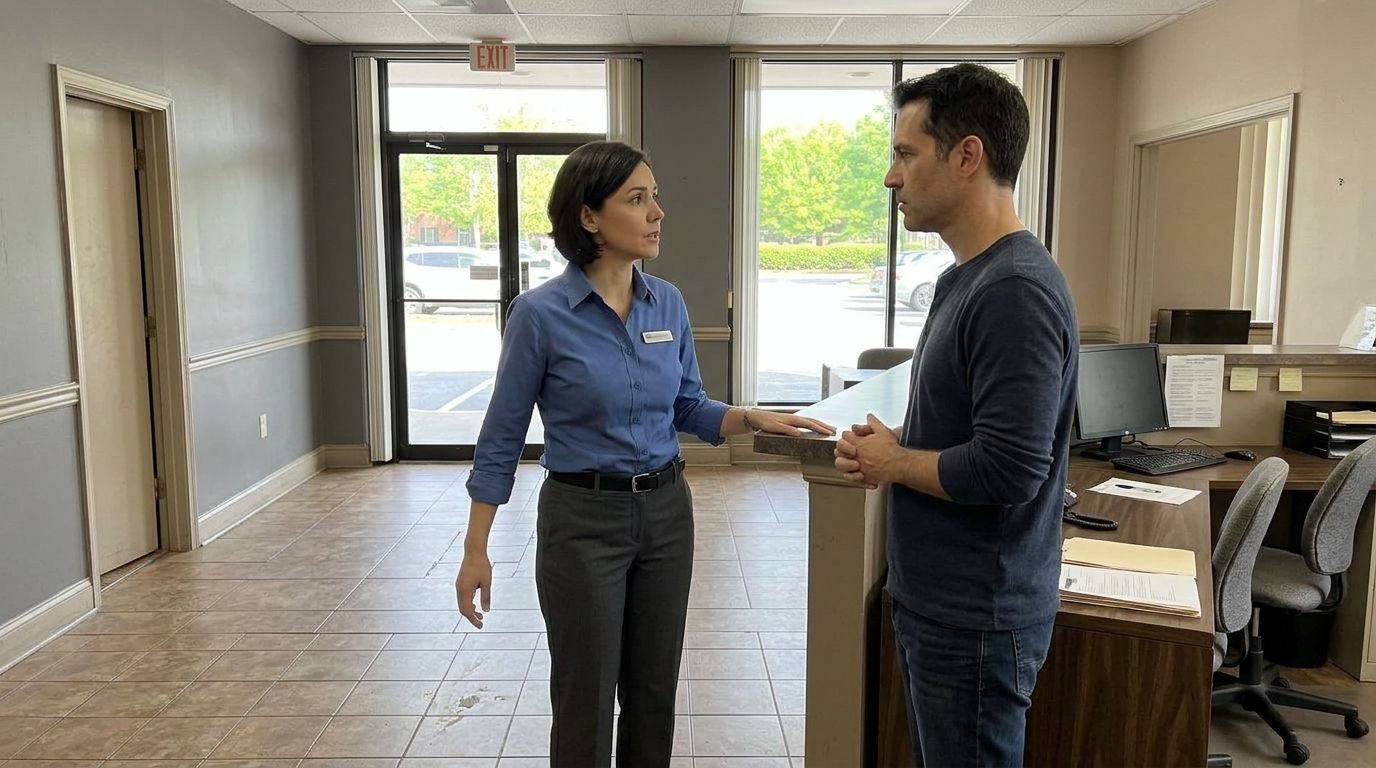
Rather than talk in generalities, the narrator shares two examples from two different properties. Both involve guests who seemed convinced they had found a neat way around the rules. Both ended with the hotel enforcing the policy when it mattered most to the guest. And in both cases, the real damage was not just the fee itself, but the timing of the consequence.
Near the University
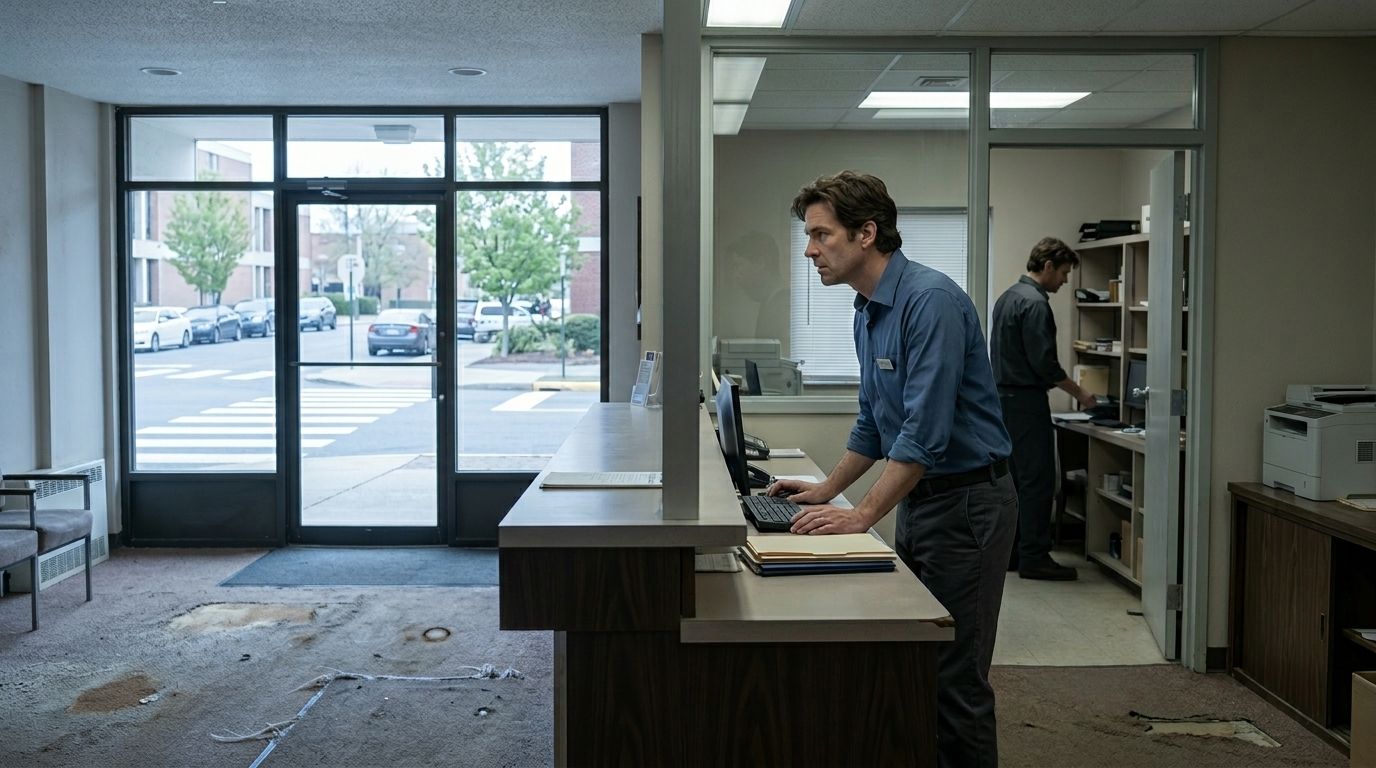
The first story comes from a hotel located just a mile outside a major university campus. That detail matters, because hotels in that area live by the academic calendar and the spikes that come with it. Graduation weekend can turn a normal booking pace into a full-scale scramble. Every room becomes valuable, and every reservation carries extra weight.
The No-show Room

A guest booked a room through a third-party site on a pay-when-you-arrive rate, then never showed up. Overnight, the desk clerk tried to process the standard no-show fee, which is routine in a case like that. But the card on file did not cooperate, because the guest had apparently made sure it would not. The hotel canceled the reservation after the no-show, which was the cleanest option left.
The Morning Voicemail

The next morning, the hotel called and left a voicemail. The message was direct and professional: pay the no-show fee, or the matter would move into the hotel’s Do Not Rent process. That gave the guest a clear choice and a clear chance to resolve it. Instead, the guest never called back. From the hotel side, silence after a warning like that is not a mystery. It is a decision.
Placed on Dnr
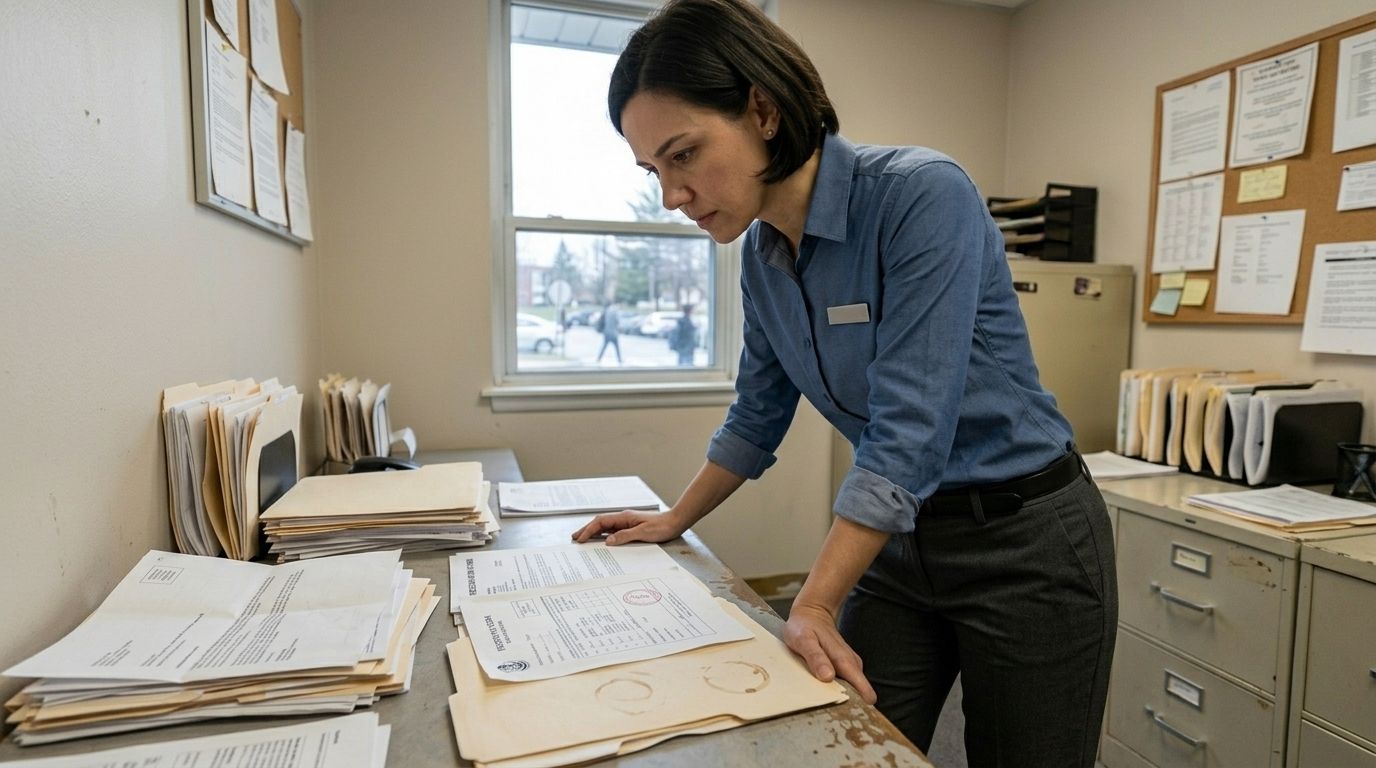
The narrator explains that the guest’s refusal to respond was enough to keep the issue active on the property’s records. That is where the Do Not Rent list comes in, and the narrator even built the format for it, so the system was not vague or casual. Once a guest ignores the fee and the warning, they do not simply fade away. They stay flagged until the matter is settled, and in this case, it never was.
Six Months Pass
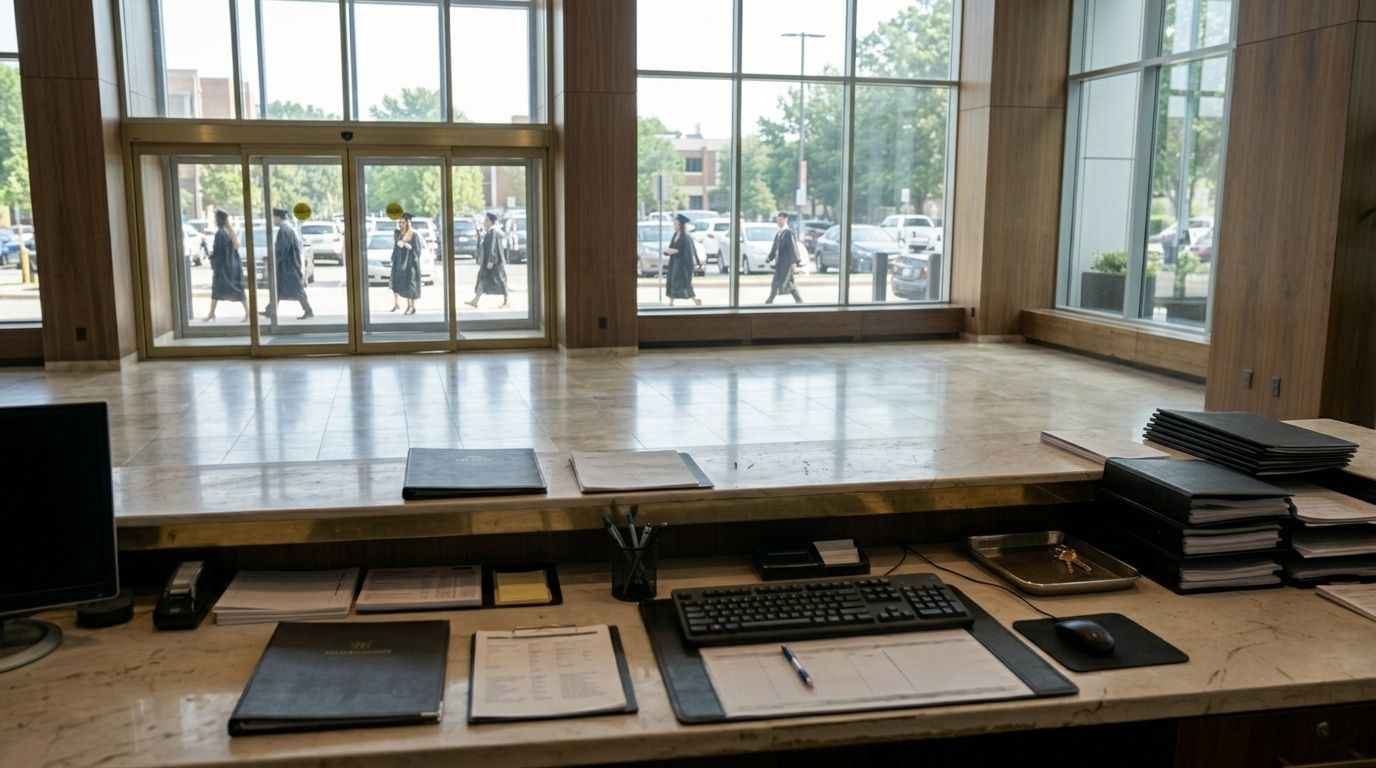
Half a year goes by, and then graduation weekend arrives. This is the busiest stretch of the year for that part of town, the kind of weekend that fills every hotel around the university almost at once. The narrator is doing what experienced staff do before a major rush, checking reservations carefully and making sure the inventory is tight. That is when the old name appears again.
Sold Out Everywhere
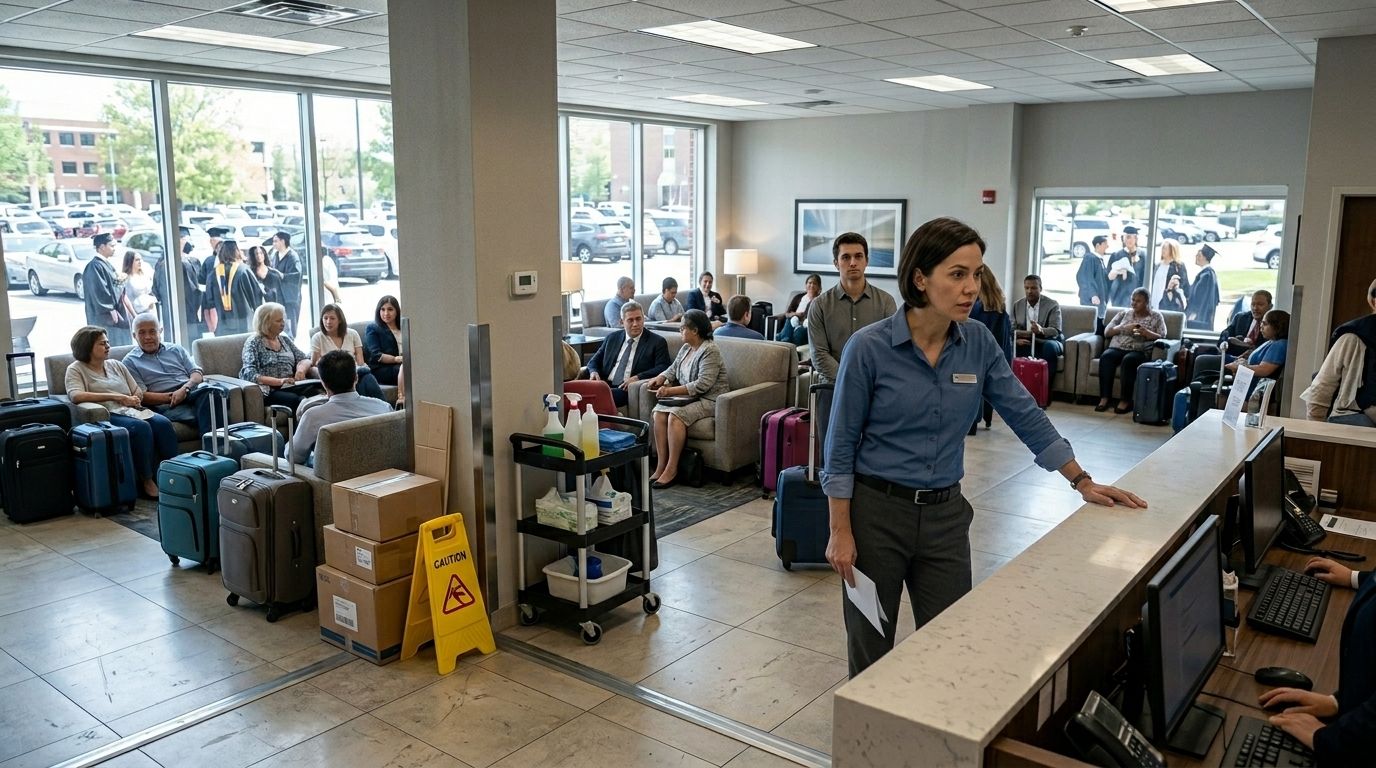
The scale of the weekend is hard to overstate. Hotels within a 50-mile radius are packed, and rooms disappear fast once families start arriving for the ceremony. That kind of sellout changes everything at the front desk. There is no fallback, no easy upgrade, and no secret vacancy hiding in the wings.
Checking the List

Because the narrator created the hotel’s DNR format, reviewing major weekends is part of the routine. That kind of organization keeps the property from accidentally welcoming back someone who should not be there. While scanning the upcoming reservations, the narrator notices a familiar entry. The name matches the guest who had tried to dodge the earlier fee.
A Familiar Name

At that point, the connection is obvious. The same guest who let the first problem sit unresolved is now back on the books for the most crowded weekend of the year. The issue is not just that the name looks familiar, but that it still carries the unresolved no-show history. Once that is confirmed, the narrator knows the reservation cannot stand.
Still on Dnr
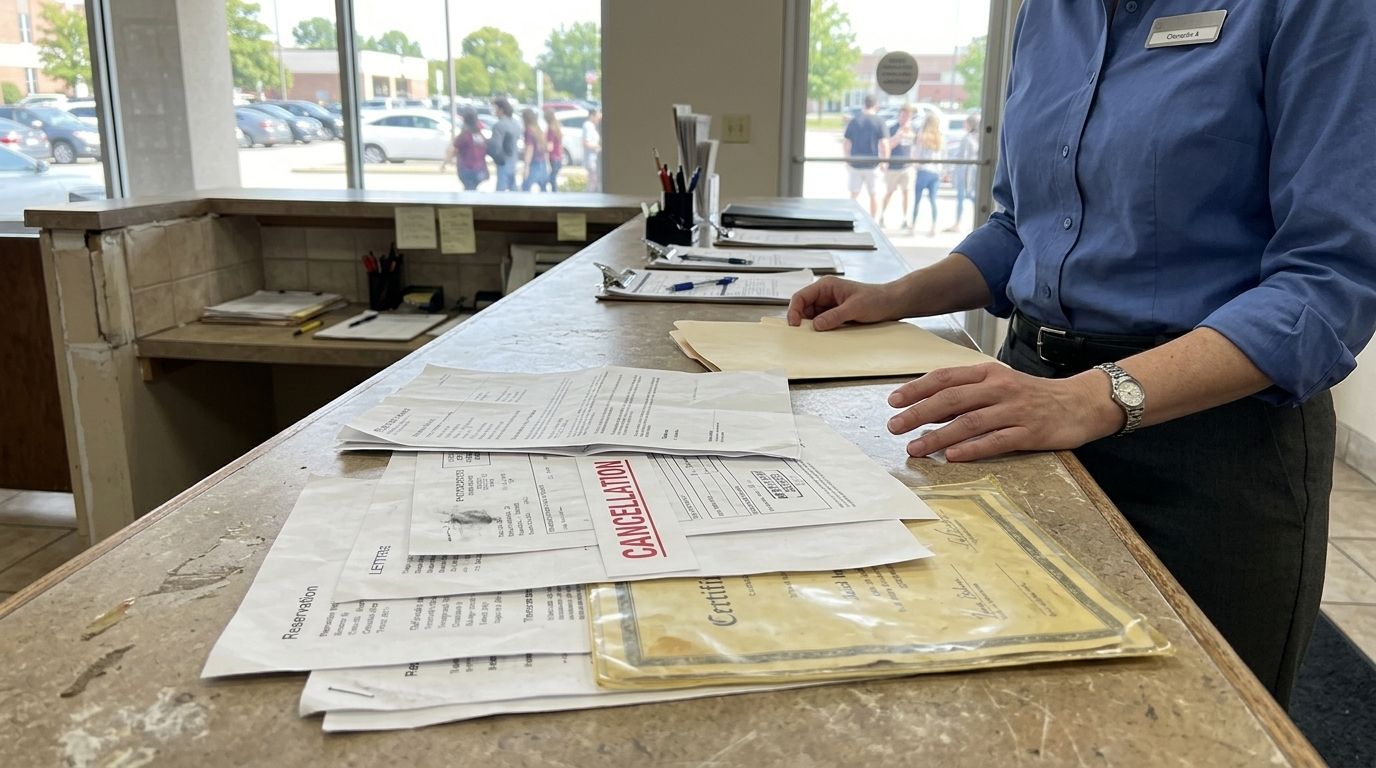
The guest never returned the call and never paid the fee, so the status never changed. That means the reservation was always vulnerable if the name came back up again. The hotel had no reason to treat it as a fresh, clean booking. On paper, it was the same unresolved problem, just wearing a new date.
Boss Approval
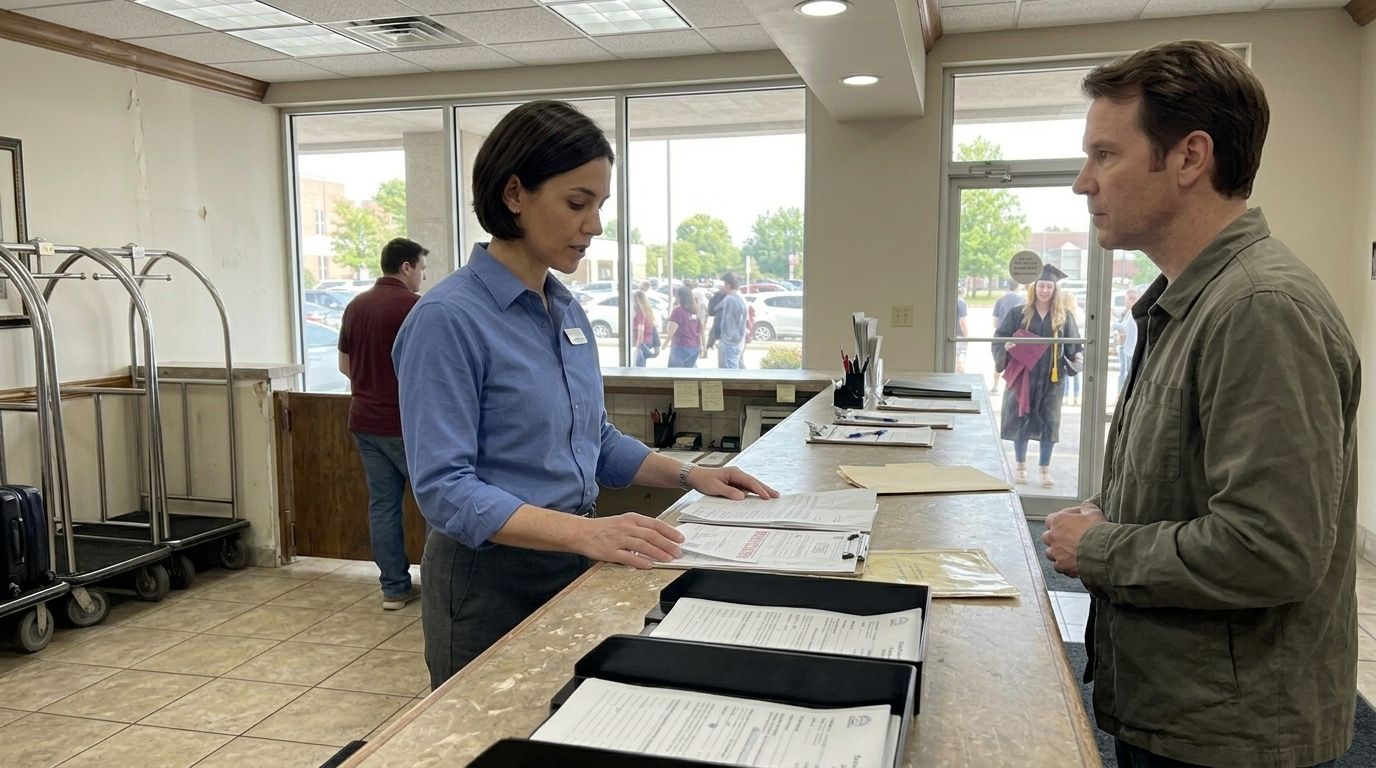
The narrator checks with the boss before taking the next step, which is the right move when a case like this lands on a sold-out weekend. The instruction is clear: flag the third-party reservation and cancel it right away. That keeps the property aligned internally and ensures the record is handled through the proper channel. At that point, the outcome is no longer in the guest’s hands.
Reservation Canceled
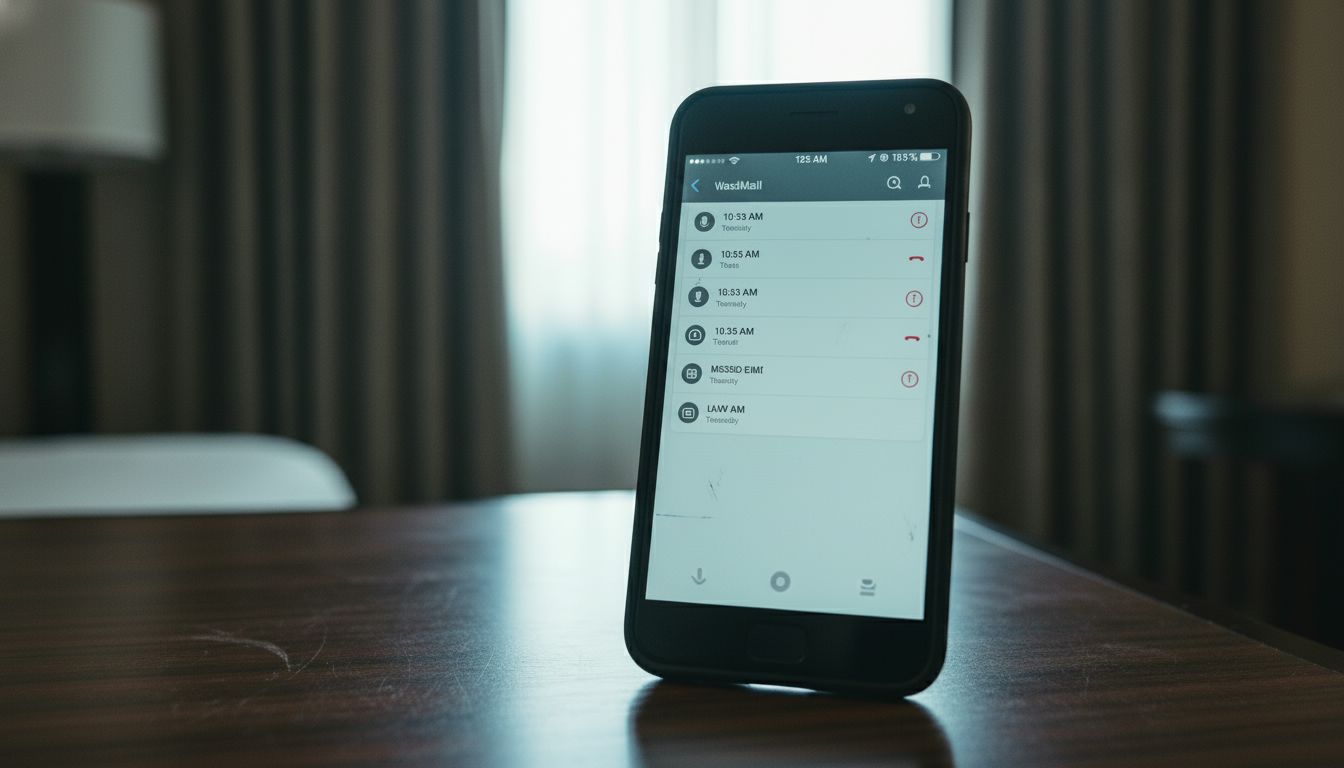
The narrator cancels the booking in the hotel system and on the third-party site, and that triggers an automated cancellation confirmation to the guest. Nothing about it is dramatic from the hotel side. It is simply a policy being applied after a missed obligation went unresolved. Still, the timing makes the result far more painful for the guest than the original fee ever would have been.
Graduation Friday
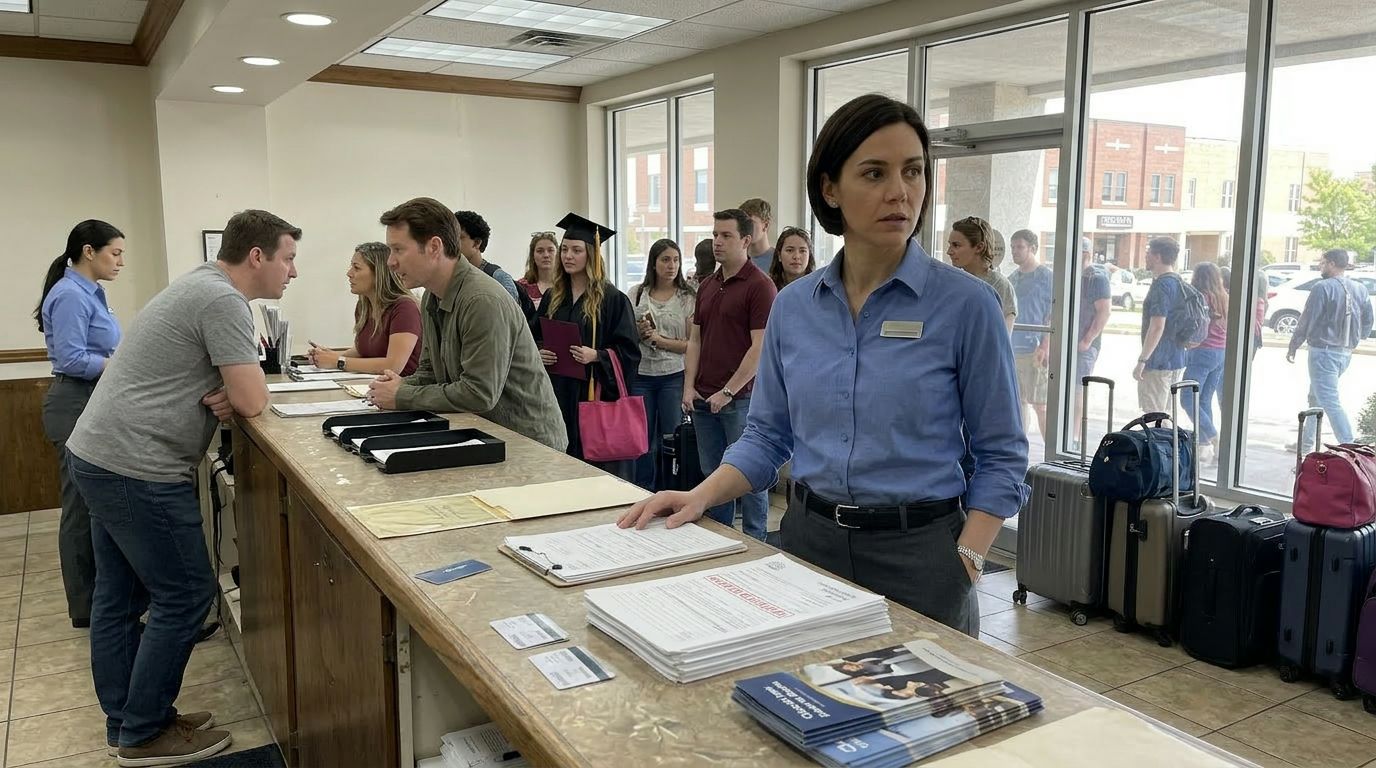
A week later, check-in day hits, and the lobby is packed. There are more than 60 scheduled arrivals, plus more than 10 walk-ins hoping for a room, which creates the kind of pressure only hotel staff really understand. Everyone wants something, and nobody wants to hear no. In that atmosphere, even a familiar name can feel like another problem added to the pile.
The Couple Arrives
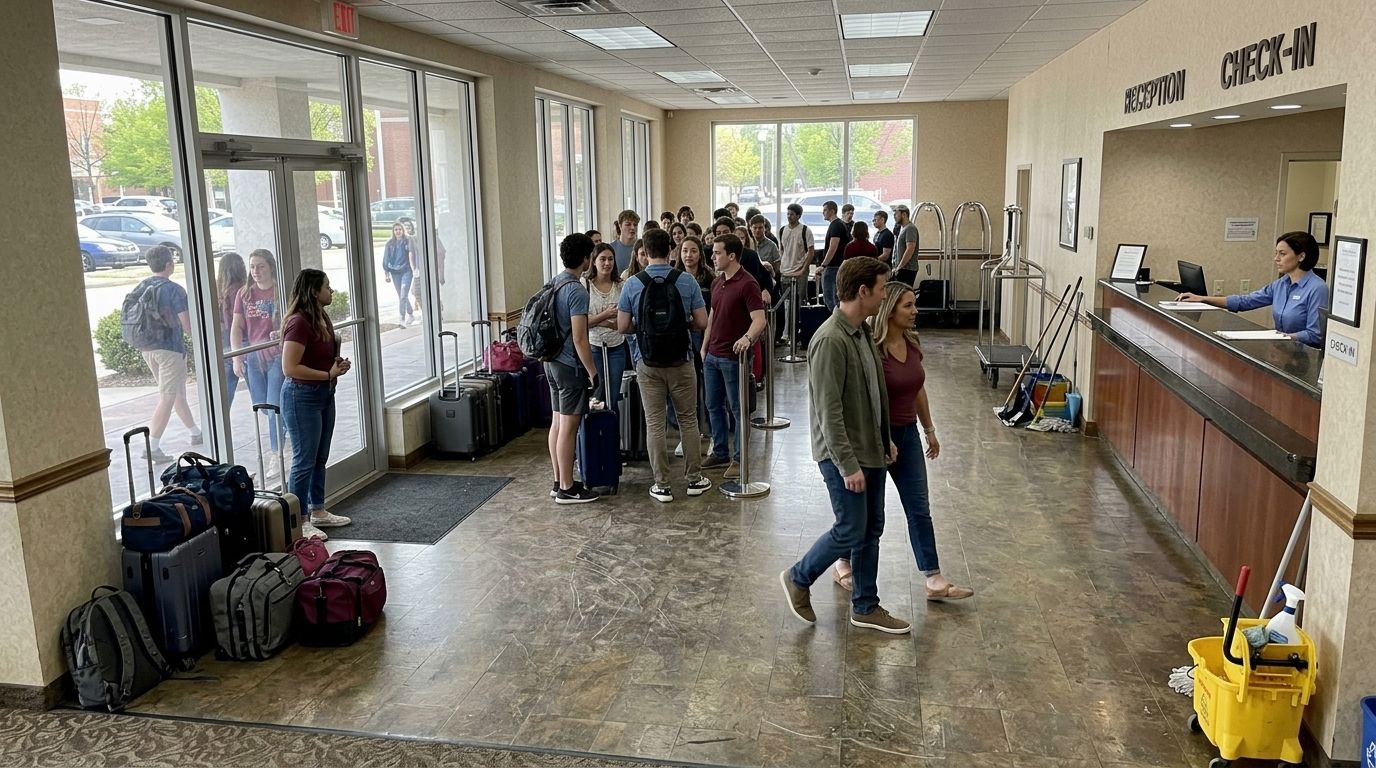
Amid the noise and movement, an older couple walks up to the desk and says they have a reservation. They give their last name with the confidence of people who believe the room is waiting for them. On a weekend like this, that first exchange can feel routine. But for the narrator, the name immediately rings a bell.
Recognition Hits

The narrator looks the reservation up and confirms what the memory already suggested. This is the same couple tied to the unpaid no-show from six months earlier. The file is clear, and the hotel’s position is just as clear. Whatever they thought was going to happen now has already been decided in advance.
Breaking the News

The explanation is given calmly and politely. Because the couple never paid the earlier fee and never responded to the voicemail, they were placed on the Do Not Rent list, and this new reservation had already been canceled the week before. That is not a personal opinion from the front desk. It is the direct result of their earlier choice.
Excuses Start

The couple is furious almost immediately and starts pushing back with excuses. They admit they used the card trick and say they did not think the hotel would actually follow through with the DNR consequence. That admission matters because it shows they understood the risk well enough to try avoiding it. They simply assumed the hotel would not enforce its own policy.
We Tried This Before
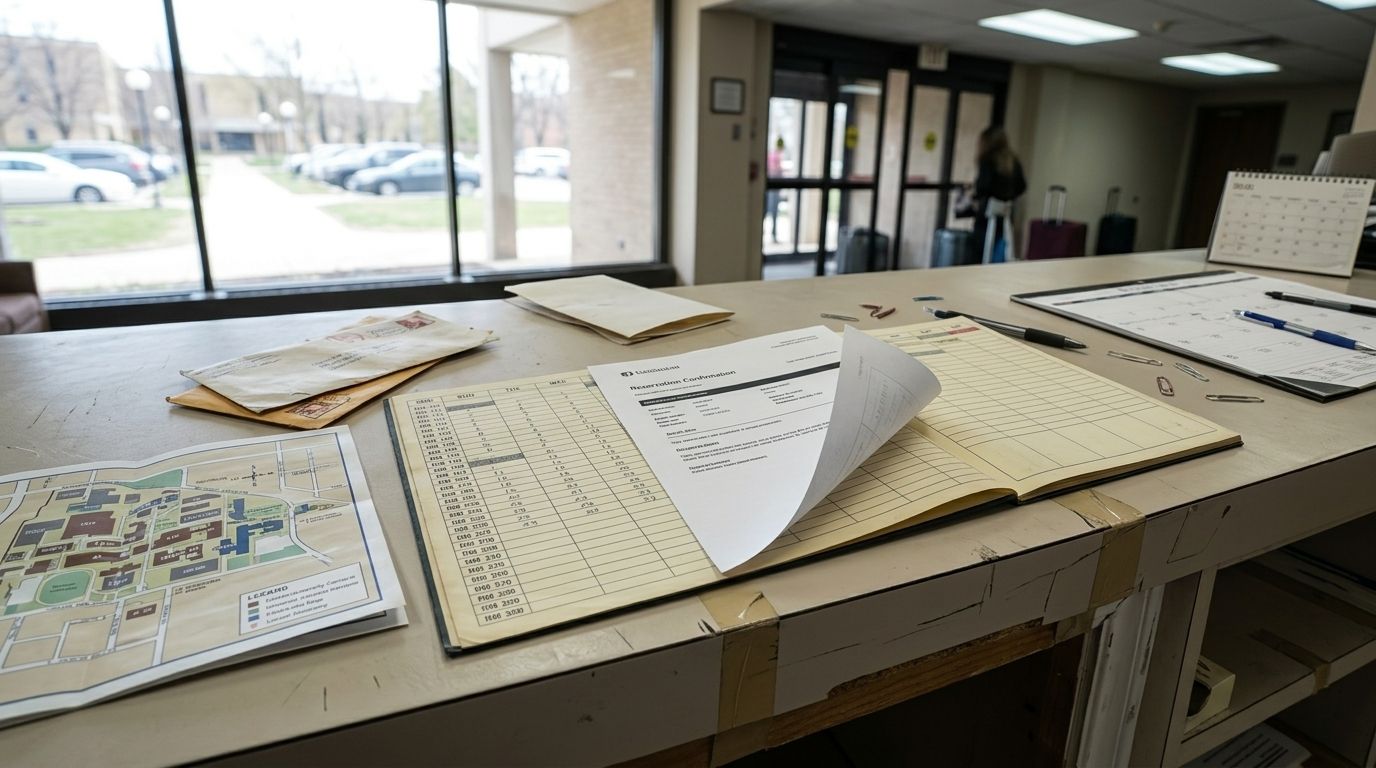
Then comes the part that makes the story land even harder. The couple says they had done the same thing before and never had a hotel react like this. In other words, they had built a habit around a loophole and mistook past luck for a guarantee. That assumption stopped being useful the moment they ran into a property that kept better records.
Demanding the Room

Once the excuses do not change anything, they shift tactics and demand the room anyway. At that point, the argument is no longer about fairness or misunderstanding. It is about trying to push a sold-out hotel into making an exception it cannot make. The narrator knows there is no room to offer, and that reality is not negotiable.
No Vacancy
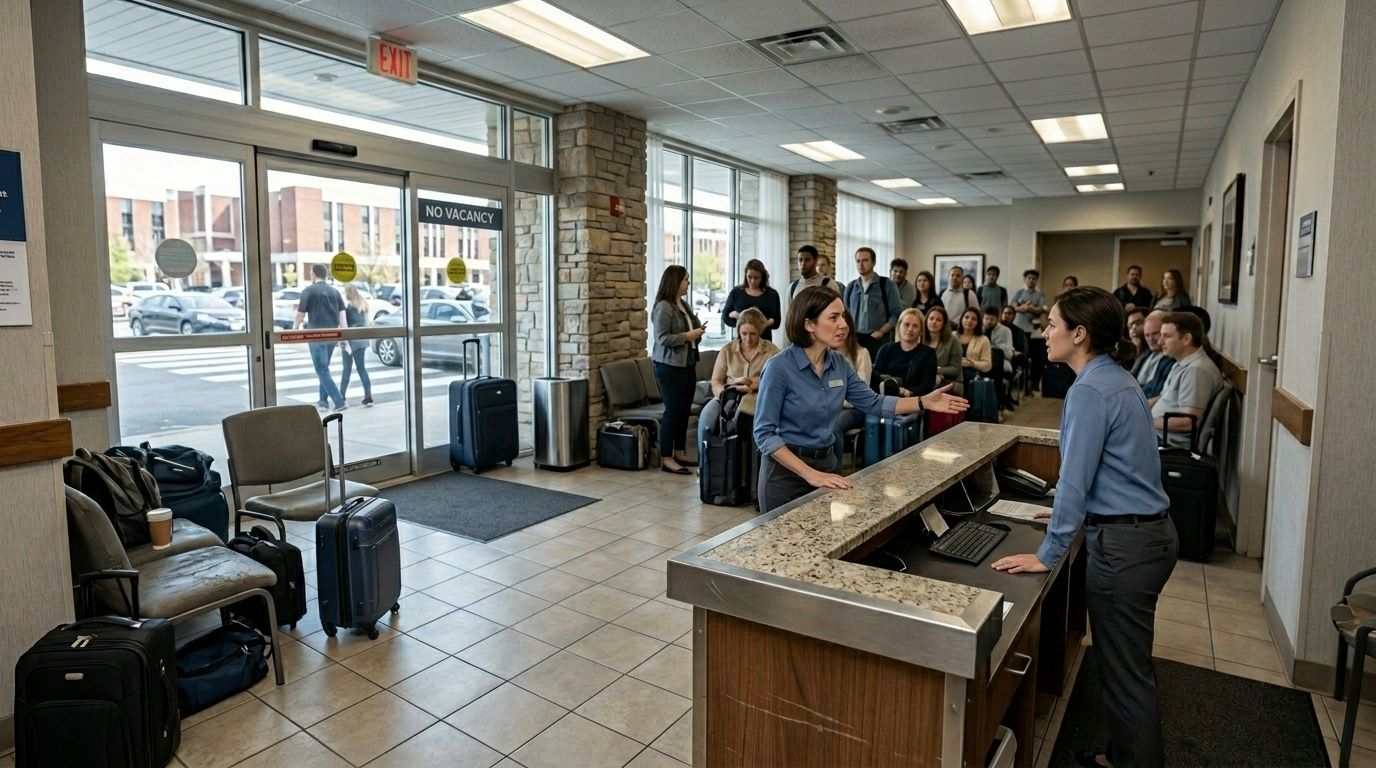
The response is straightforward: the room was already sold to someone else, and the hotel is at full capacity. That is the part that makes the situation so tense, because there is nothing left to bargain with. The couple is not dealing with a reluctant desk clerk and an open room inventory. They are dealing with a sold-out weekend and a policy they ignored months earlier.
You Ruined It

As the reality sinks in, the couple turns their anger toward the hotel worker and says the graduation trip has been ruined. They frame it as if the hotel created the problem, instead of the earlier no-show and the ignored voicemail. That reversal is common in front desk stories, where guests try to rewrite the timeline once the consequences catch up. But the sequence of events is already locked in.
Standing Firm

The narrator does not budge. The hotel gave them a chance to resolve the fee six months earlier, and they chose not to take it. That is the part the couple does not want to focus on, because it changes the story from bad luck to accountability. The desk can be polite without pretending the couple is right.
Outside the Doors
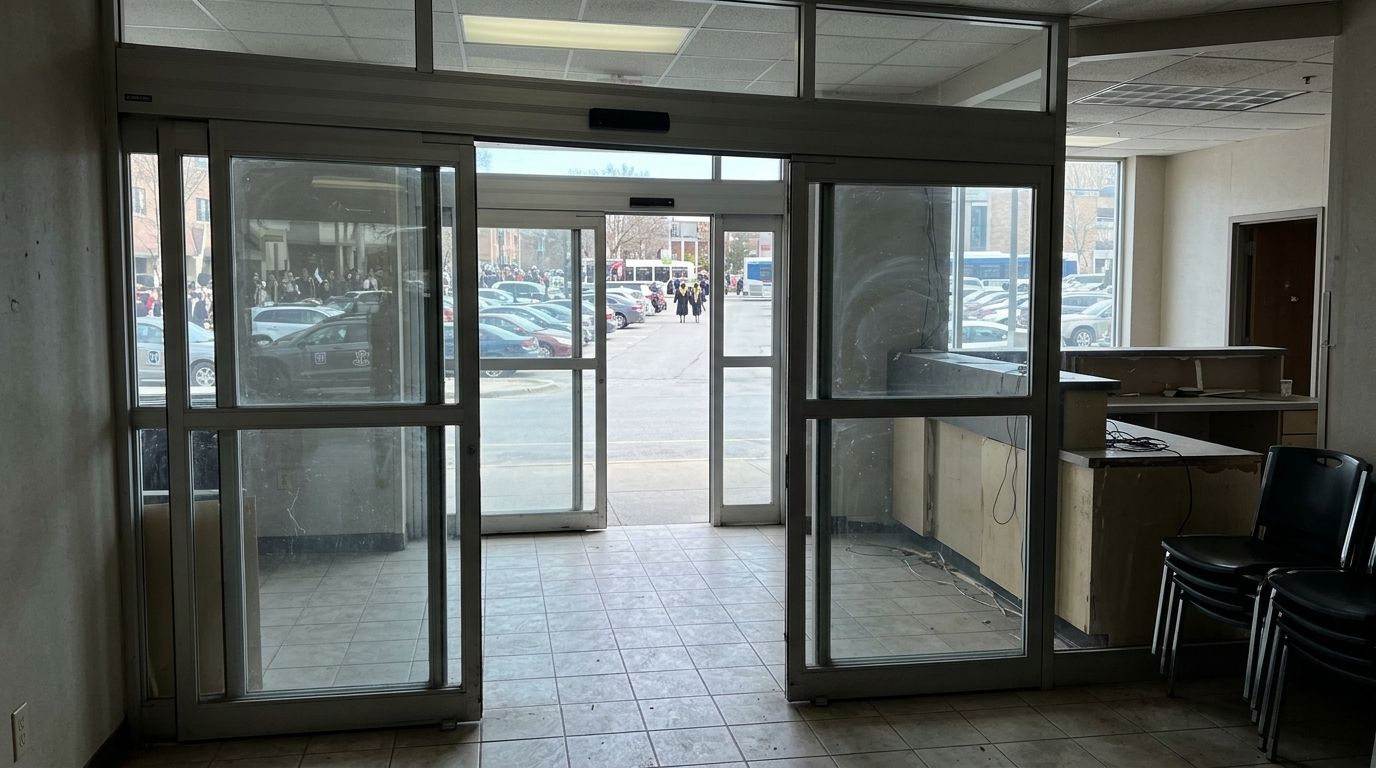
Eventually, the couple leaves the lobby, but they do not go far. The narrator watches them stand just outside the front doors, still trying to salvage the situation. That image says a lot on its own, because they are not headed to a spare room down the hall or another property nearby. They are standing in the cold reality of a sold-out town.
Frantic Calls
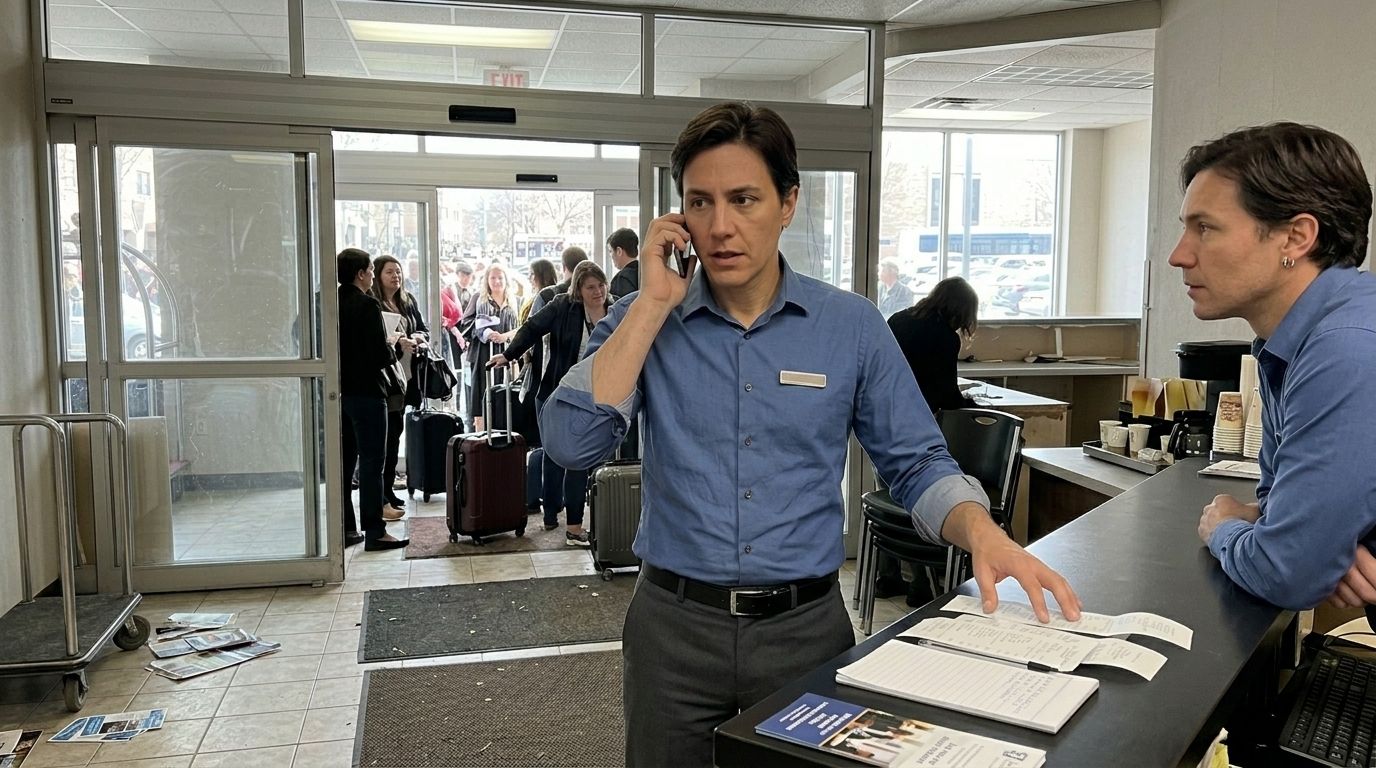
For about 15 minutes, the wife keeps dialing different hotels, trying to find someone with availability. The narrator counts at least six calls, which is enough to show how desperate the search had become. It is one of those moments where the timing makes everything worse. They needed a room most after the point when one could no longer be found.
Nowhere Left
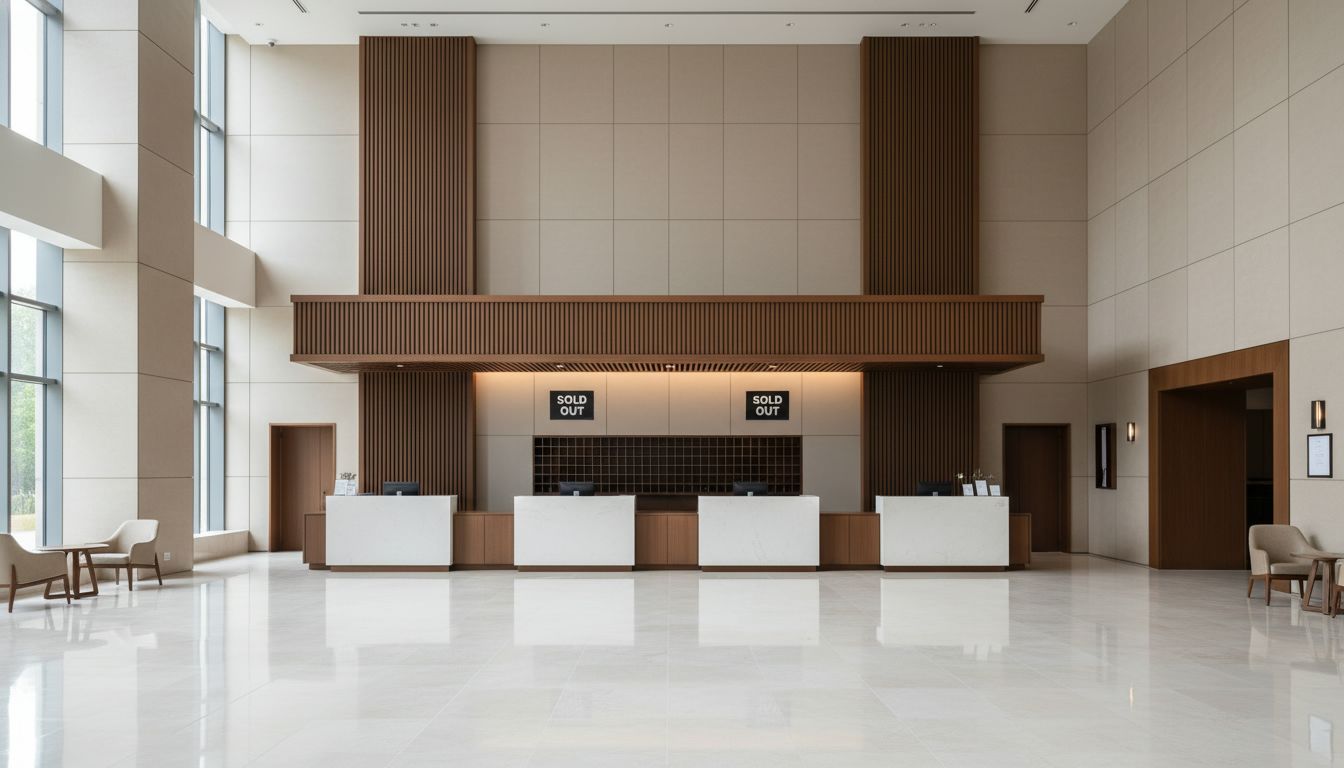
With every hotel within driving distance sold out, the odds of finding a bed were close to zero. Graduation weekend had already claimed the last open rooms, and the couple had no leverage left. Eventually, they drive away. The story ends not with a bargain, but with a closed door and a long, uncomfortable lesson.
A New Property
The narrator later becomes an Assistant Manager at another hotel, about 20 miles from the university town. The setting changes, but the pattern does not. Over a two-month stretch, one guest books three separate times, no-shows each time, and leaves a declined card behind every time. For the hotel, that is not a one-off mistake. It is a pattern.
Event Weekend
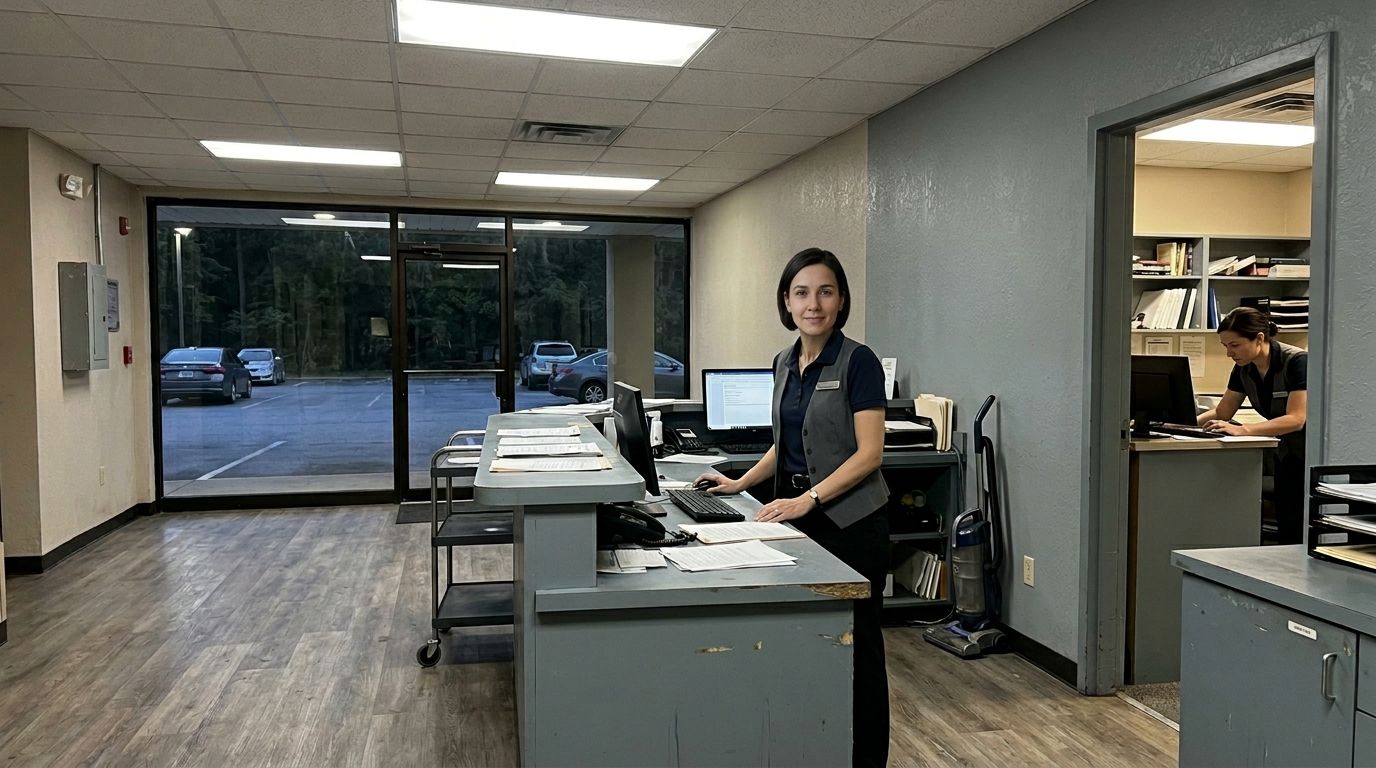
Then another major sold-out weekend arrives, and the same name appears again. The narrator is covering the overnight shift while helping out for a coworker, so the reservation lands at exactly the wrong time for the guest. Front desk workers learn to recognize this kind of repeat behavior quickly. When a name shows up after multiple missed stays, it changes the tone of the whole shift.
The Push Charge

This property has a payment feature that keeps trying the declined card until funds become available. Once the money is there, the charge goes through. It is a basic safeguard that makes repeated no-shows harder to dodge. For a guest who believes they can simply park money somewhere else and wait out the fee, that is a rude surprise.
Nearly Six Hundred

With owner approval, the narrator processes the no-show fees for all three missed reservations. The total comes to nearly $600, which is a serious amount for almost anyone to have removed at once. From the hotel’s point of view, though, this is not a random charge. It is the consequence of three separate bookings, three no-shows, and three failed attempts to avoid payment.
A Quiet Monday
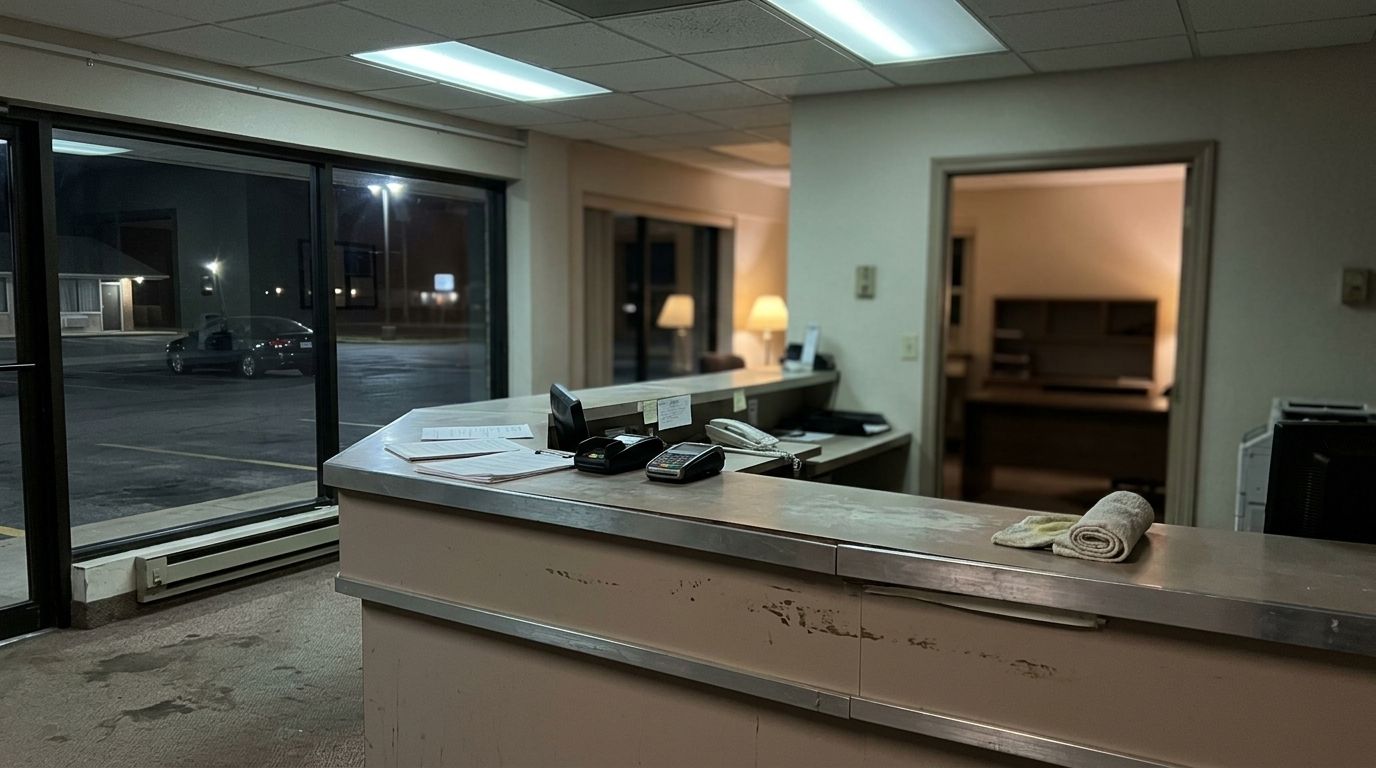
Three days later, the shift is slow and quiet. It is the kind of Monday evening where the front desk phone rings and immediately gets attention because there is so little else happening. When that call comes in, the narrator is not expecting a lecture or a thank-you. It is the guest, and she is angry.
The Angry Call
The guest says the hotel took money from her card and demands that it be returned. Her tone is sharp at first, and she frames the charge as if it came out of nowhere. But from the hotel side, the history is obvious. The money did not vanish by accident, it was collected after repeated missed bookings.
At the Gas Pump

She explains that she stopped for gas while trying to get home and discovered the account had been drained. She was at a station with about 300 miles left to drive and only a small amount of fuel in the tank. That is the kind of moment where a person realizes the old trick has finally caught up with them. The hotel did not create the problem, it just collected what was already owed.
The Money Was Hidden

When the narrator asks whether she had frozen the card or moved the funds, the answer makes the situation even clearer. She says she took the money out so the hotel would not take it. That is essentially an admission that the whole plan was designed to avoid the fee, not to solve a billing mistake. Once that is said out loud, the argument gets much harder to defend.
A Contract Problem
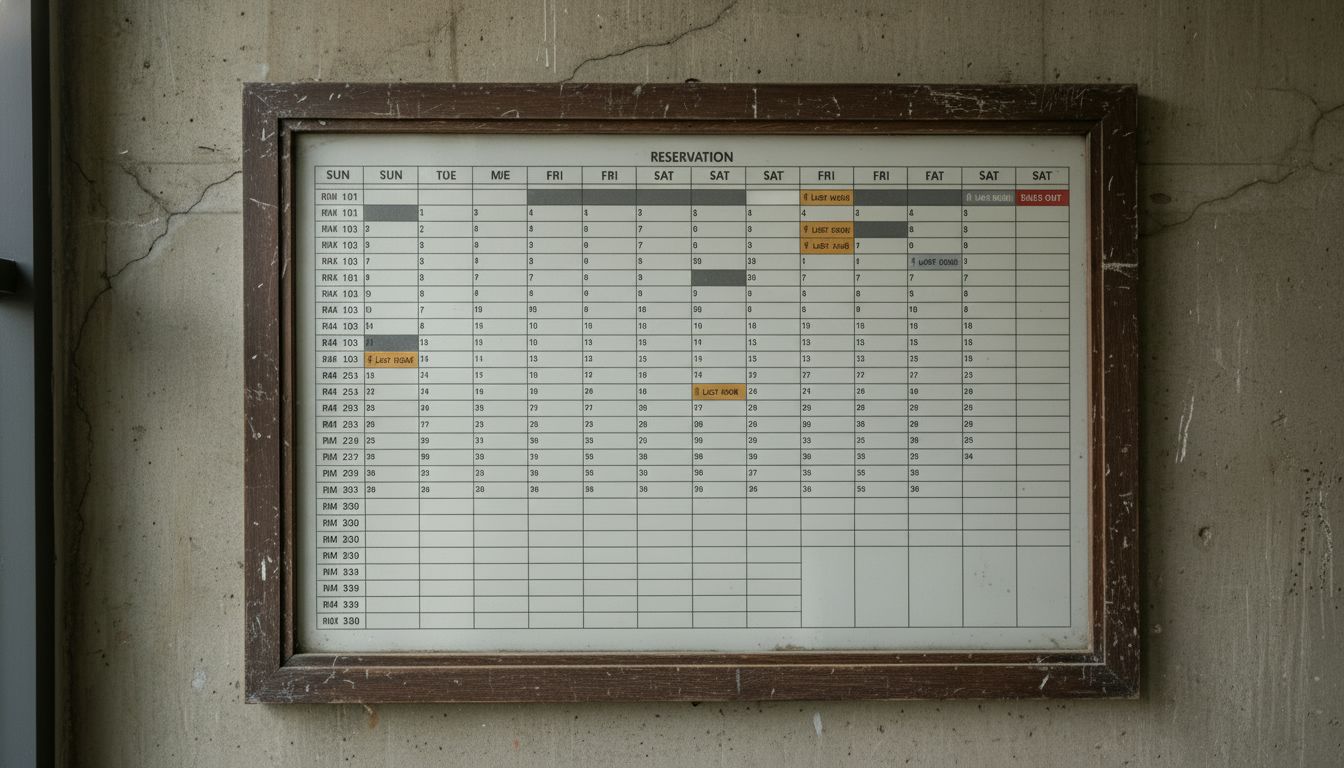
The narrator explains that booking a room is a contract, and when the policy says a no-show fee applies, the hotel is within its rights to collect it. The guest may not like the outcome, but that does not make the charge arbitrary. Once the property has documented the no-shows and the attempts to avoid payment, the issue is not a misunderstanding. It is an enforcement of the agreement the guest entered.
Then the Tone Changes
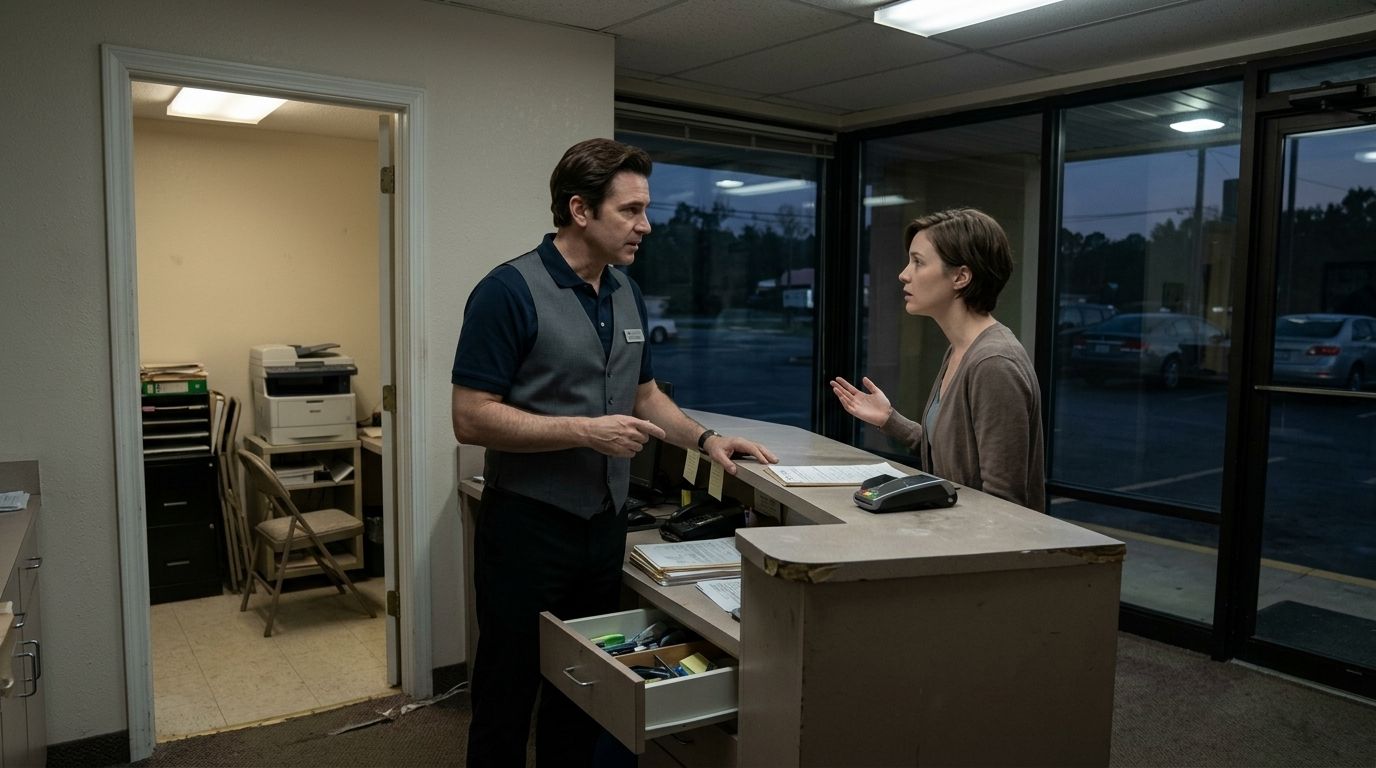
After the anger does not move anything, the guest changes her approach. Suddenly the voice gets softer, and the story shifts to how far she still has to drive and how little gas she has left. That turn is familiar to anyone who works the front desk. It often happens when a guest realizes force will not work and tries a softer angle instead.
Sympathy, Not Refunds

The narrator is sympathetic to the inconvenience, but the answer does not change. Deliberately keeping funds out of reach does not erase a valid charge, and the hotel is not going to reverse the collection just because the timing is inconvenient. The guest has to deal with the result of the choice she made. If she needs help getting home, the narrator suggests calling family.
The Moral

The narrator’s takeaway is simple: people who try to outsmart a non-cancellable reservation often end up worse off than if they had just paid what they owed. The same pattern shows up in both stories, anger first, then a sudden sob story when the trick stops working. Hotels remember, and good records travel farther than a guest expects. If the lesson sounds old-fashioned, it is because it still holds up.