Everyday Hygiene That Actually Works
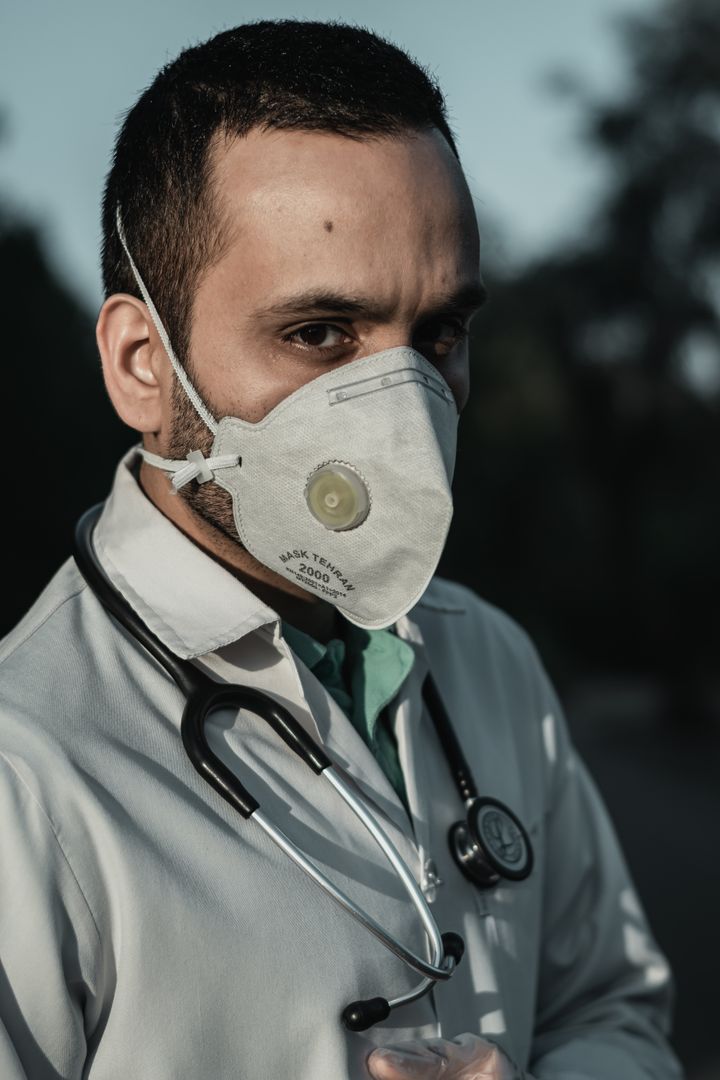
Tips are coming at you from every direction, and a lot of it clashes. You want clear, useful steps that actually protect you and other people, not noise. Below are straightforward, practical hygiene moves experts still back, plus a few things you can safely stop stressing about.
Masks, Space and High-Touch Spots
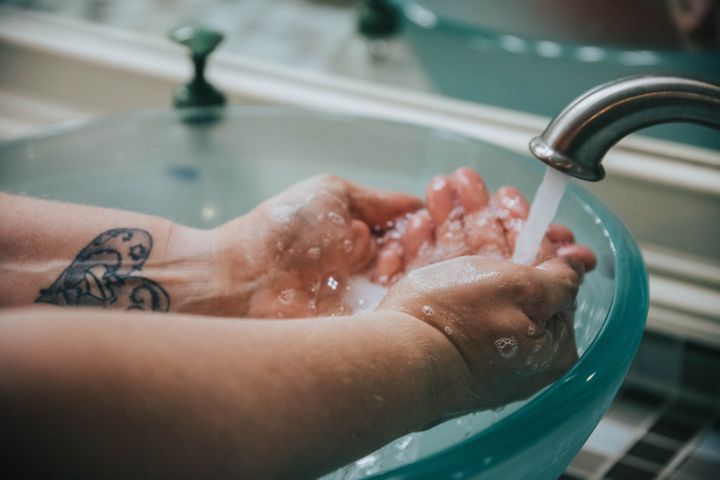
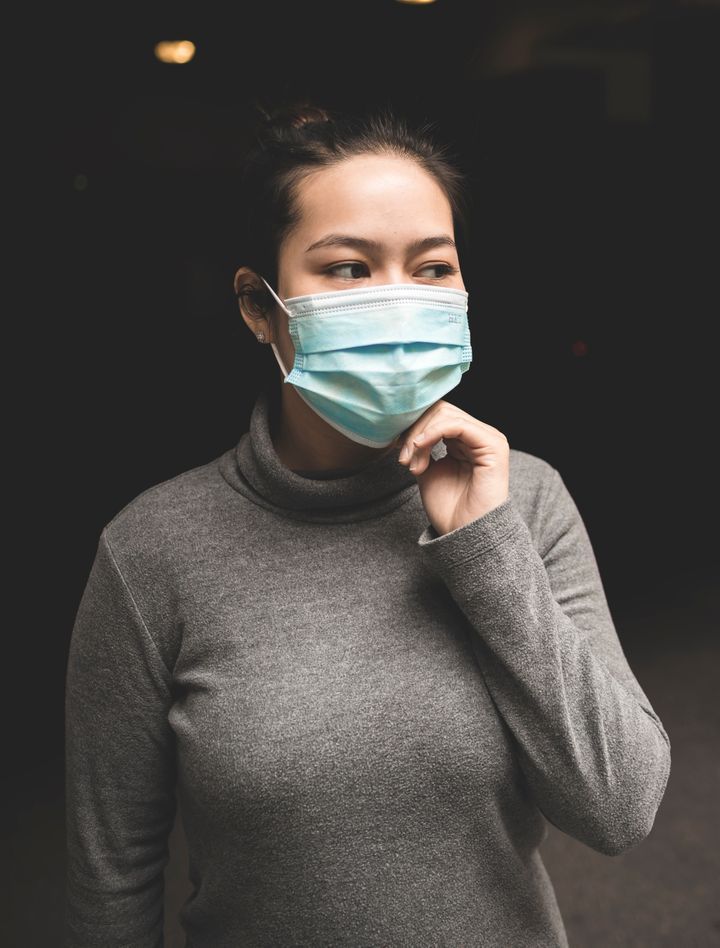
Masks lower spread when you can’t keep distance, especially indoors, so wear one where recommended and aim for a snug fit. Clean your hands before putting a mask on, avoid touching it while you wear it, and replace or wash it when it gets damp. Wipe doorknobs, phones and railings regularly with alcohol or bleach-based cleaners, and rinse or dry surfaces afterward. If you feel sick, stay home and call your doctor rather than going out.
Mind the Air: Ventilate and Filter
Airborne spread matters as much as surfaces, so think about the air you share. Crack a window, run an exhaust fan, or use a portable HEPA-style purifier in crowded or stuffy rooms to cut down on tiny particles. Treat ventilation and masks as partners to cleaning, not rivals, and avoid spraying harsh cleaners near your face or lungs. Simple air moves lower risk fast.
If You’re Sick: Stay Home, Call

If you start feeling unwell, don’t go out; call your doctor and follow their advice from home. Stay home until symptoms improve and you’ve been fever-free without medication for at least 24 hours, then take extra care for a few more days. Keep vaccines up to date to reduce severe illness, and support recovery with rest, fluids, no smoking, separate utensils and proper tissue disposal.
Small Habits, Big Payoff
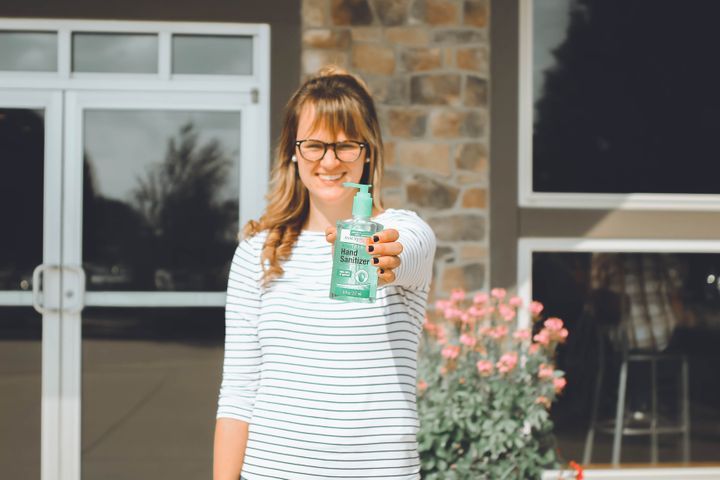
Tiny, consistent actions add up: carry a small bottle of hand sanitizer, use contactless payments where possible, and clean high-touch spots instead of scrubbing everything. Low-cost CO2 meters can flag stale rooms around 800 ppm so you know when to open a window, run a fan or bring in a HEPA unit. Use layers of protection like masks, ventilation and new tools such as Far-UVC or wastewater signals rather than relying on any single fix.
Use Masks Properly
If you are one of the people that do need to wear a mask, make sure you are using it properly. Wash your hands thoroughly first. Then cover your mouth and nose with the mask, making sure there are no gaps between your face and the mask. Try not to touch the mask, and if you do, wash your hands again. Replace the mask regularly, as soon as it is damp, and don’t reuse disposable ones. You should always remove the mask from behind, not touching the front, and throw it out immediately, before washing your hands once more.
Sanitize Door Handles
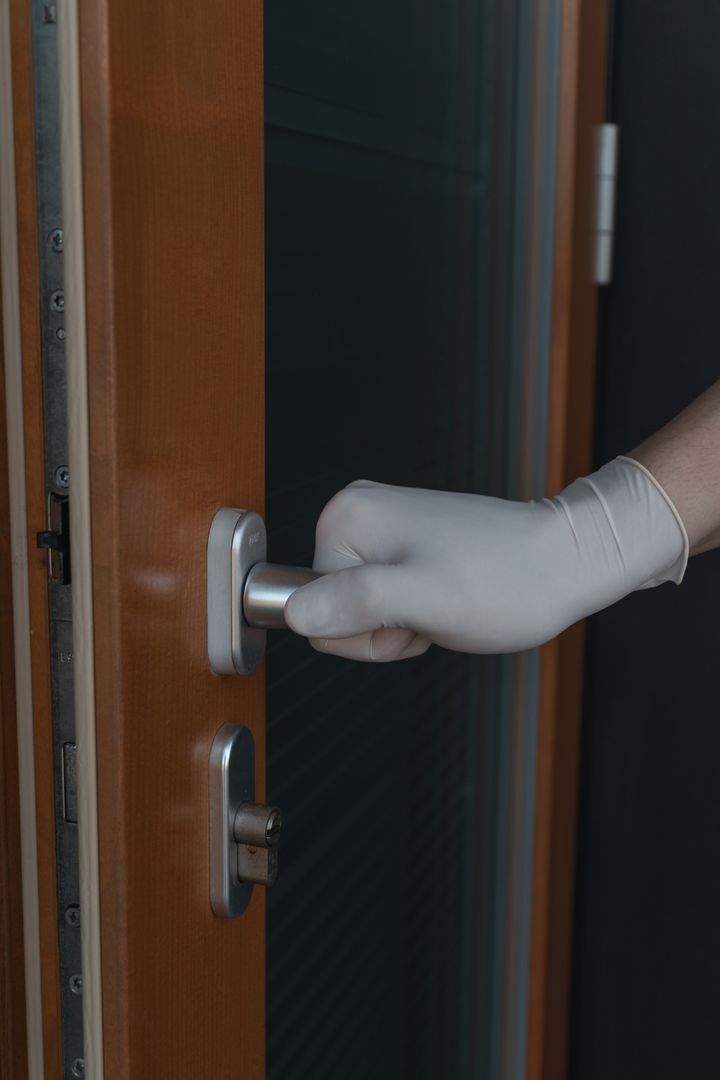
If we really want to understand the spread of coronavirus, we need to think about all the objects and surfaces that we come into contact with most regularly. One of the most impossible things to avoid is of course, door handles! In your own home, sanitize all of your door handles regularly. If you must go out, then be careful with any door handles you may touch as you go from place to place. After touching any door handles, make sure to sanitize your hands.
Drink Water

It’s also really important to drink water during these times. It can help boost your immune system, which will make you less prone to becoming infected with the virus. If you do become infected, being in otherwise tip-top health will help your body to fight off the virus without becoming too sick or having particularly bad symptoms. Of course, this won’t stop you from passing it on to someone else, so you still need to be careful in terms of social distancing.
Drink Hot Drinks
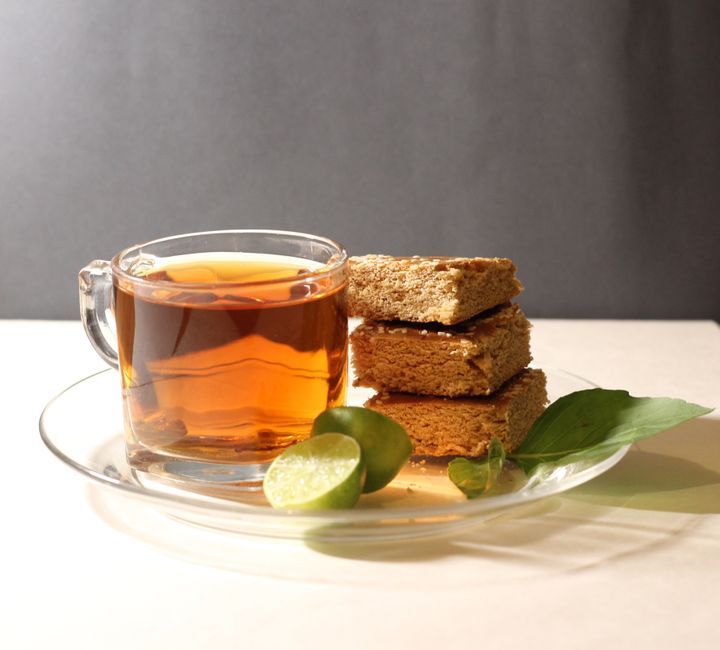
As well as drinking water, we are also being encouraged to drink plenty of hot drinks throughout the day. Some people say that the heat from the liquids can help protect us from the virus, while others say it’s simply a good way to stay hydrated. Either way, make sure you drink plenty of hot drinks as well as cold, to make sure you’re as protected as possible from the virus. Who doesn’t love an excuse to drink more tea, anyway?!
Don’t Smoke
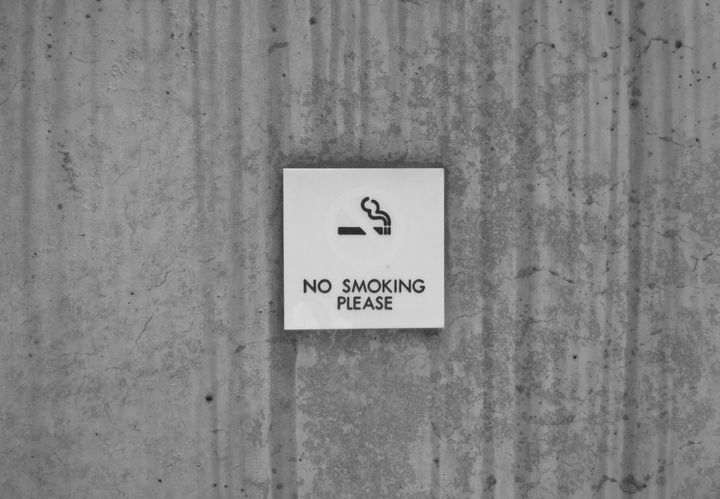
Another really important piece of advice is to refrain from smoking as much as possible. We know it can be incredibly hard to give up smoking, but the phrase “now’s as good a time as any” is particularly correct right now. In fact, now’s probably more important than any other time to give up smoking. Smoking can really damage your lungs, and that’s exactly where the coronavirus can attack, so keeping your lungs as healthy as possible is one of the best ways to keep yourself safe.
Stay Home
Probably the biggest thing you can do to keep yourself and everyone safe, is to stay home! We know it’s a big pain to go without your dinner dates or regular mani-pedis. And if you are young and healthy, you may not feel that worried about contracting coronavirus, as you’ll probably have very mild symptoms, if any at all. But the thing is that even if you feel fine, you may pass it on to someone else who will not be so lucky. The only way to prevent the spread of the virus, and keep everyone safe, including the vulnerable of our society, is to stay home until this is all over.
Use Tissues
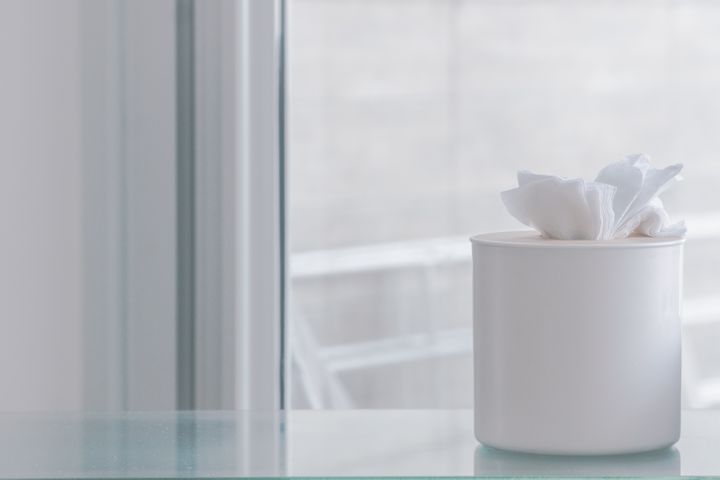
We all know that gross person who sneezes and coughs freely into the air as they walk around. Cover your mouth, for Pete’s sake! You think as they splutter their germs everywhere. And you’d be right, but it’s actually not enough to simply cover your moth or nose with your hands. What you should really use is a tissue, so that the virus isn’t then transmitted to your hands. If you have a cough or cold, try to keep tissues near you at all times, and take some with you if you go out.
Throw Tissues Out!
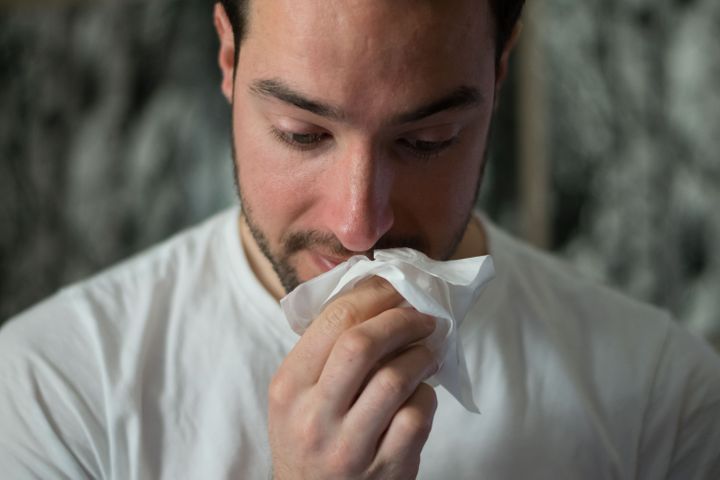
As well as making sure to keep tissues on you, also be careful to dispose of them properly. This isn’t the time to be retro-popping and bringing out your grandfather’s stylish old handkerchief. It may look cool, but handkerchiefs are actually incredibly unsanitary – think how many germs are sneezed or coughed into that thing, before being stuffed back into your sleeve?! It’s pretty unpleasant, even when the germs aren’t causing a global threat. For everyone’s sake, use tissues – and discard them properly, after each use. After you’ve thrown them away, wash your hands again, too.
Know What to Do if You Do Get Sick
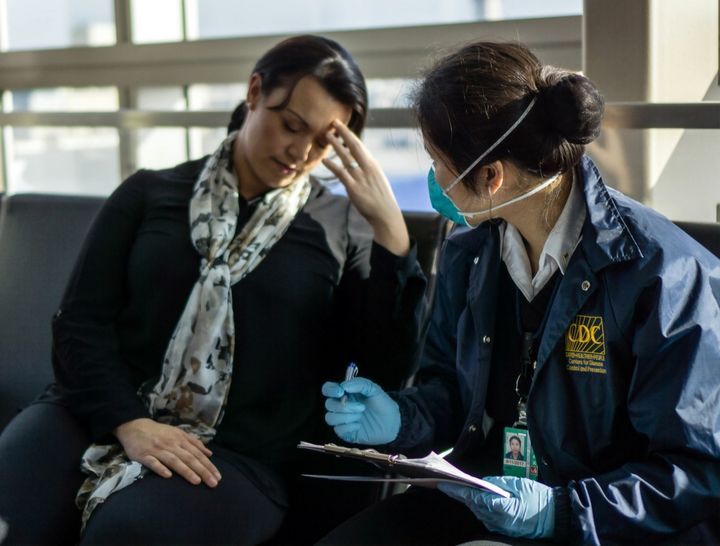
Hopefully, with all these helpful guidelines in place, you will be able to avoid becoming infected with the virus and getting sick. However, it’s important to know what you should do if you do start feeling unwell, just in case. This can also apply to someone else you know who is starting to feel ill. If you start to feel unwell, call the doctor as soon as possible – but do not leave the house. The doctor will advise you how to manage your symptoms, and if you do need medical attention, they will know the safest way to get it to you.
Wipe Your Phone
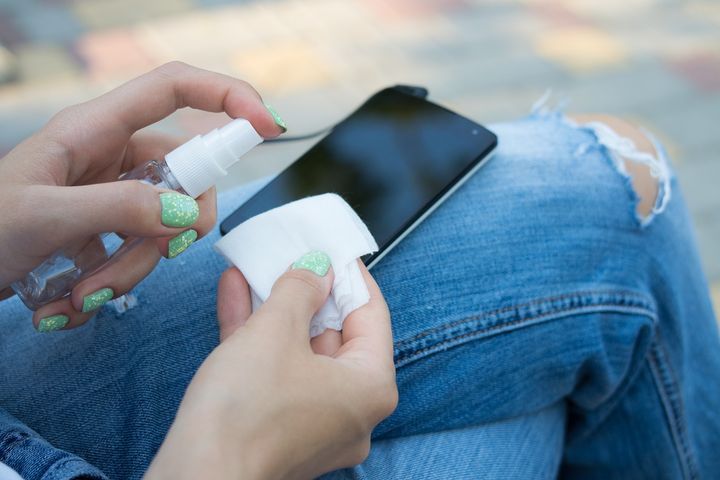
You might think that phones don’t need much sanitization, after all, what sane person lets another human being touch their phone?! That being said, phones are actually incredibly important to wipe down and sanitize regularly. Even if you don’t let anyone else touch it, you often put it down on various surfaces, in and out of the house. You also hold it up to your sweaty ear, and face, which might catch – or transmit – the virus. Our beloved phones are a lifeline in and out of isolation right now – but make sure to keep them clean.
Clean All Surfaces Regularly
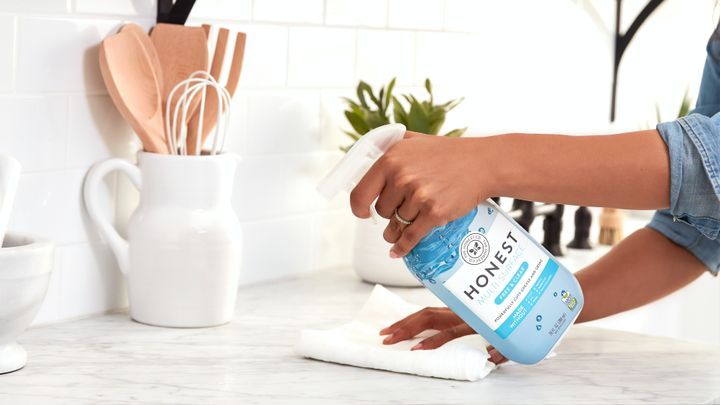
As we said, your phone ends up touching a variety of indoor and outdoor surfaces throughout the day. Of course, if you have to go out for some reason, you can’t control how safe and clean these surfaces are. But the surfaces in your home can be made much safer by sanitizing them regularly. Wipe them down often with alcohol or chlorine, to make sure any potential virus droplets are well and truly eliminated. Just don’t forget to rinse or dry them afterwards, too!
Protect Your Skin

With all these surfaces and phones to clean, with various cleaners and disinfectants, it’s easy to get confused with what you should be putting where. While it’s good to be as clean and sanitized as possible, you should still be careful with anything too harsh that might damage your skin or lungs. Remember, we want to be taking extra-special care of our lungs right now. So, things like alcohol and chlorine are great for cleaning surfaces, but not people. People should be cleaned with more delicate things, that are only specifically made for applying to the skin.
Keep Your Distance
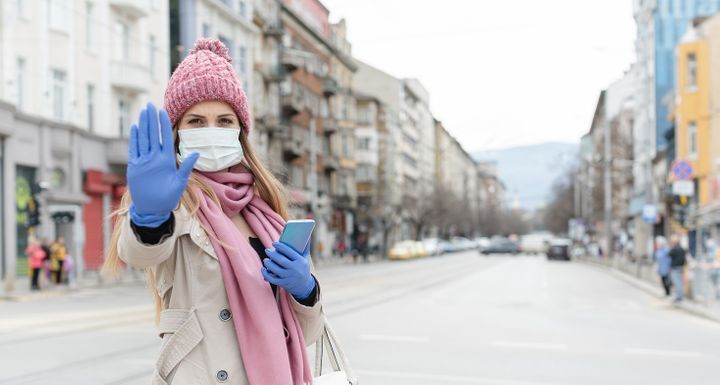
We have all heard the phrase “social distancing”, but what does it actually mean? Just how distanced do we need to be from people? Are we all supposed to turn into hermits until this is over? Well, sort of. The World Health Organization (WHO) recommends keeping a distance of at least three feet (about the length of a three-year-old child) from other people at all times. This is about as far as the virus can travel through the air, so if everyone stays this far away from each other, we should be able to slow the spread.
Avoid the Sick
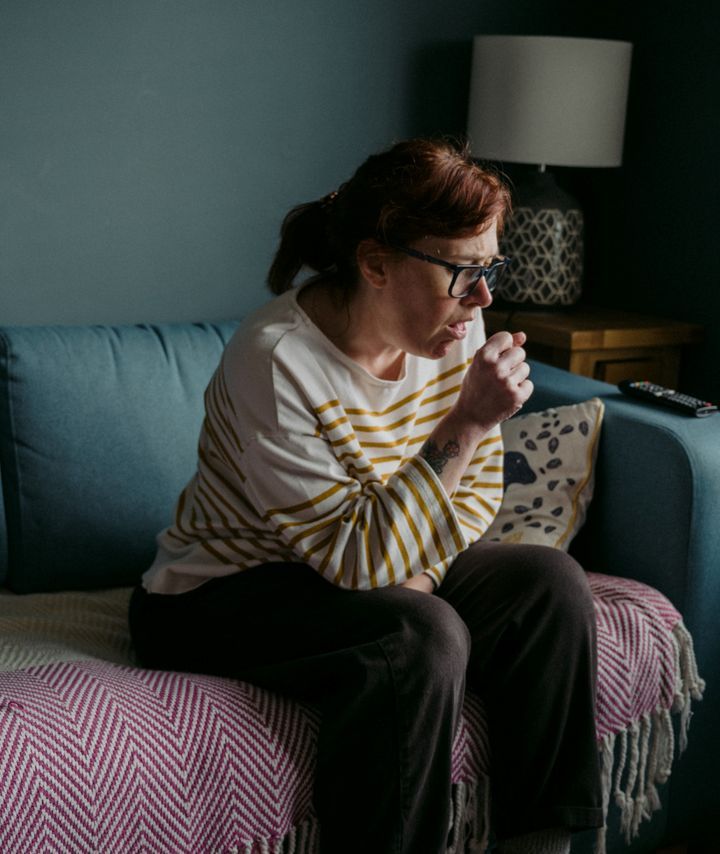
Of course, we are not saying that you should abandon your loved ones as soon as they show signs of illness. It is still important to help them in any way you can, providing them with groceries, medicine, and words of encouragement. However, if someone is showing symptoms, especially coughing and sneezing, then it’s even more important to maintain a distance of at least 3 feet. If you stay at least this far away, even if they sneeze and cough, the virus droplets won’t be able to travel through the air and get to you.
Avoid Crowded Places

Another key piece of advice is to avoid gathering in areas where there are lots of other people. It’s simple math really. The more people everyone is exposed to, the more likely it is that they will come into contact with an infected person. Remember that you can be contagious before you even display symptoms, so you might infect someone without knowing it. Similarly, you might pick up the virus from someone who seemed totally healthy. This is why we are being advised to practice social distancing – to minimize the threat as much as possible.
Don’t Overheat
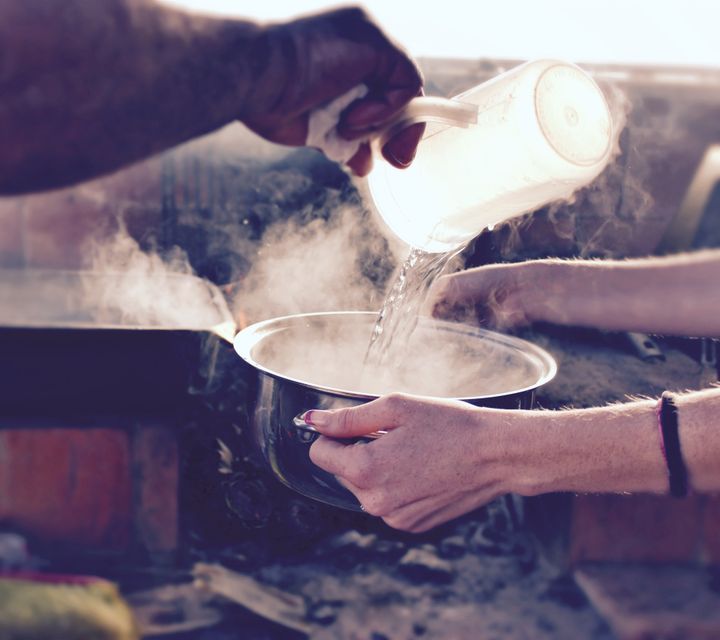
Now, we’ve spoken about the importance of staying clean, and the possible benefits of hot drinks. It’s also true that the hotter water you use for cleaning, the cleaner things can get. However, this doesn’t mean you should go and take a super-hot scalding bath. Some people have been taking this hot water advice too literally, and dunking themselves in incredibly hot water. This can obviously burn your skin, and can also raise your heart rate to dangerous levels. Our hospitals are already at capacity trying to deal with the outbreak – don’t add to their load by deliberately boiling yourself!
Skip the Gym

Finally, an excuse to take a break from the gym! Isn’t that everyone’s dream? To actually be told, stay away from the gym at all costs, lives literally depend on it. In all seriousness, we know it can be a real blow to people’s routines, and both physical and mental well-being, to be kept away from their regular workouts. But just think how many people are sweating, coughing and spluttering in there, not to mention touching all the apparatus. Yes, you might wipe it down after, but in this case, it’s simply safer just to give it a miss for a few weeks.
Sanitize Your Toothbrush Holder
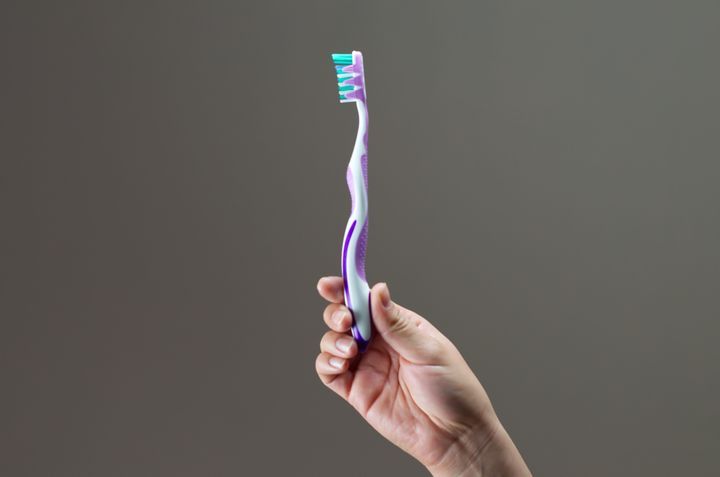
Not many people know that the toothbrush holder in your bathroom can actually contain more bacteria than the rest of your entire house! Yuck! We’re not sure that that is actually true, especially if you are generally clean in your bathroom overall. However, in these uncertain times, it’s best to err on the side of caution, so why not give that toothbrush holder a good, thorough clean. Plus, it’s always nice to have things looking sparkly and new, isn’t it?
Sanitize Your Wallet

Another thing that you might not realize gets about quite a bit in your day to day life, is your wallet or purse. Even if you’re super careful, you probably don’t even notice how often you put your purse down on things when you are shopping, especially when rummaging through to find your credit card or cash. This is another reason why you should sanitize your wallet and cards on a fairly regular basis, to rid it of any germs you may have picked up in the supermarket.
Go Cash-Free

It seems so often in shopping centers now that business prefer, and even expect credit card rather than cash payments. Well, in these germophobic times, it’s actually a lot more preferable to use your card rather than cash. Yes, you should still sanitize your card after, as you are passing it around to another person, but cash is much riskier. Just think how many hands that money might have been through. How many pockets it might have been stuffed into, along with grandpa’s germy handkerchief. Even when the coronavirus crisis has passed, we think we might stick to this one.
Look into Probiotics
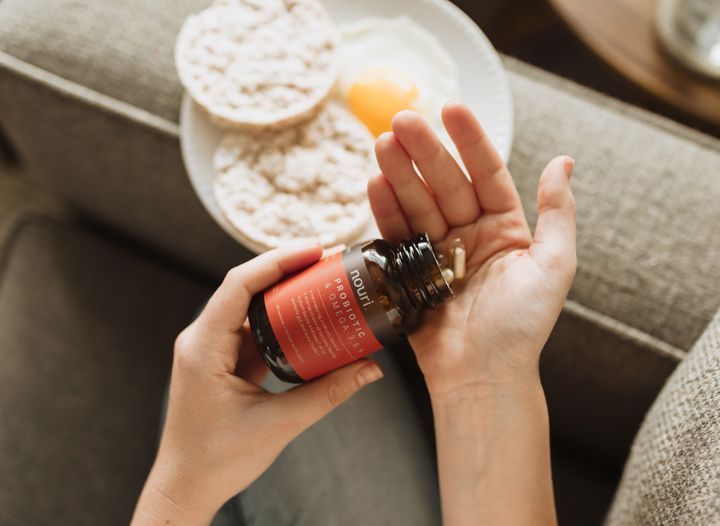
Another thing you can try and do to keep your body healthy in these testing times, is to take some probiotics. Probiotics are great for keeping your body healthy and strong, and full of all the right kinds of bacteria. You can take probiotics as supplements, or you can find them in some healthy, everyday foods such as yoghurt. However, probiotics are not always safe for everyone, such as people with immune disorders or digestive problems, so check this one with your doctor before taking any.
Medicate Carefully
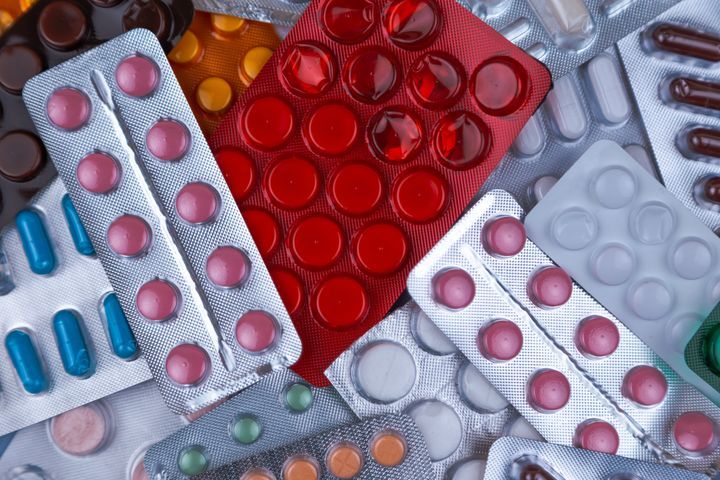
In these uncertain times, it’s good to be stocked up with cold and flu medication, as well as some over the counter pain medications. However, try to avoid using medication that might have a negative effect on your body. It's recommended to check with your doctor before taking any medication.
Have Separate Utensils
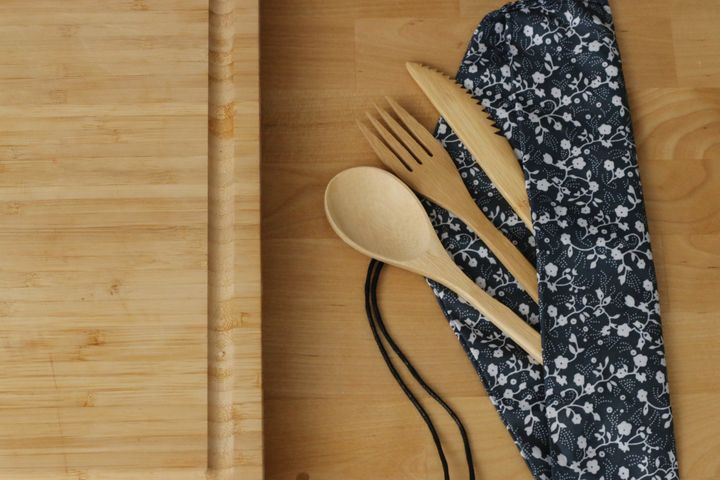
Another key thing you can do to minimize possible contamination is to have separate spoons and serving bowls. Instead of bringing dinner to the table in a large dish, for everyone to help themselves to, set out specific portions on everyone’s plate. If they want more servings, they should use a new spoon to dish out another helping, one that hasn’t touched anyone else’s plate. This way, any possible germs or virus droplets will not make it from anyone’s mouth, into their food, and then into someone else’s food.
Avoid Group Snacks

We know, we know, a bowl of chips and dip is what makes any party. But in these uncertain times, well, firstly we shouldn’t really be having a party at all, but if you do find yourself in a group gathering, definitely stay away from any large bowls of communal snacks. Even at the best of times, this practice can be pretty unsanitary – everyone sticking their hands into the same bowl of snacks. But in these times, when contamination can literally be a life or death issue – it’s even more important not to do it.
Practice Air Kissing

Another key thing you can do to keep everyone safe in these trying times is channel your inner socialite. What do we mean? The air kiss, of course, darling! When we are trying to practice social distancing, it’s so difficult not to be able to give our loved ones a kiss or a hug. But you can still give them a kiss – just kiss the air at least three feet away from them. It might sound silly, but in this difficult times, it will keep you safe – and might even add a touch of humor to the situation.
Turns Out It’s Mostly in the Air

Recent guidance from health authorities has shifted the spotlight onto airborne spread. That means tiny particles released when people breathe, talk or cough are a big deal, not just the stuff on surfaces. So yes, keep washing your hands, but also think about the air you share with others. Treat ventilation and masks as partners to cleaning, not rivals.
Open Windows, Use Filters, Reduce Risk
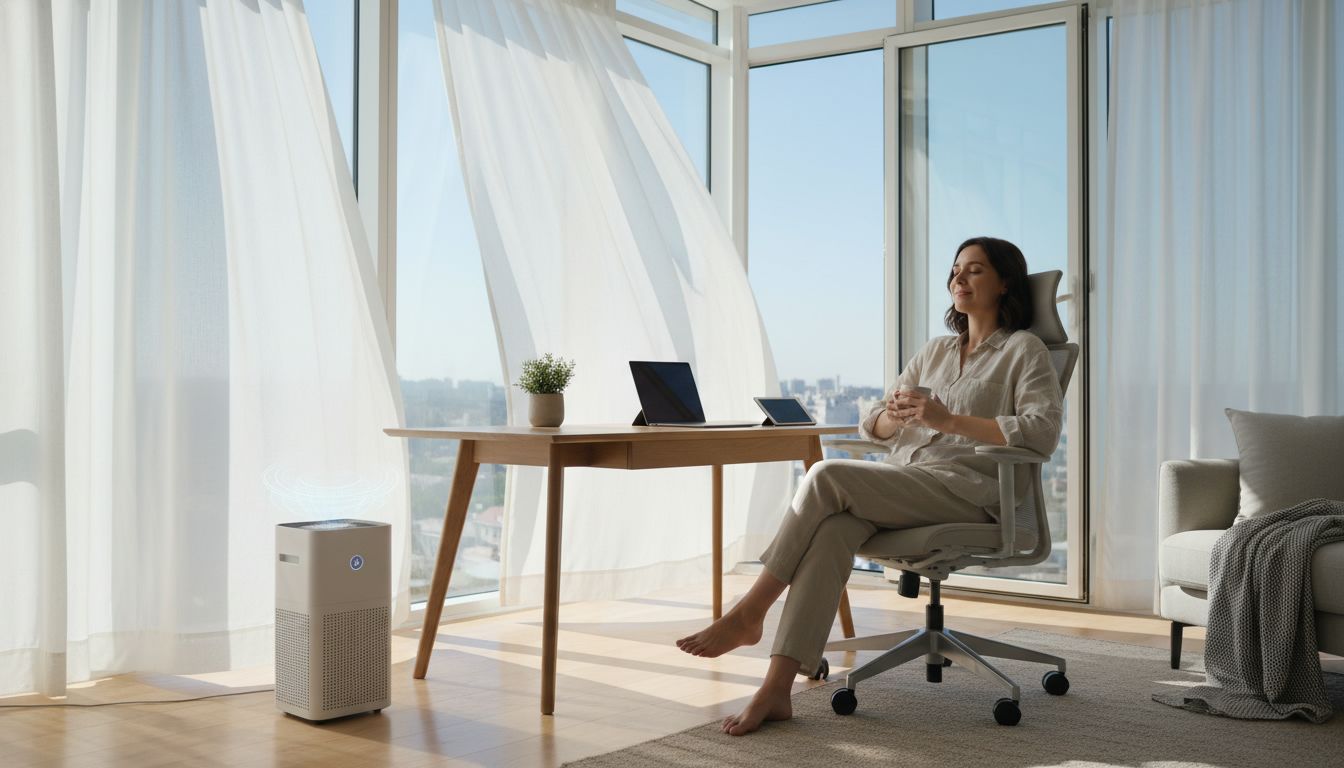
Good ventilation is suddenly front row in keeping people safe. Crack a window, run an exhaust fan, or use a portable HEPA purifier in crowded or stuffy rooms to cut down on airborne particles. These simple moves lower risk and make indoor spaces healthier in general. Think of it as cleaning the air, not just the surfaces.
Masks Work As an Extra Layer
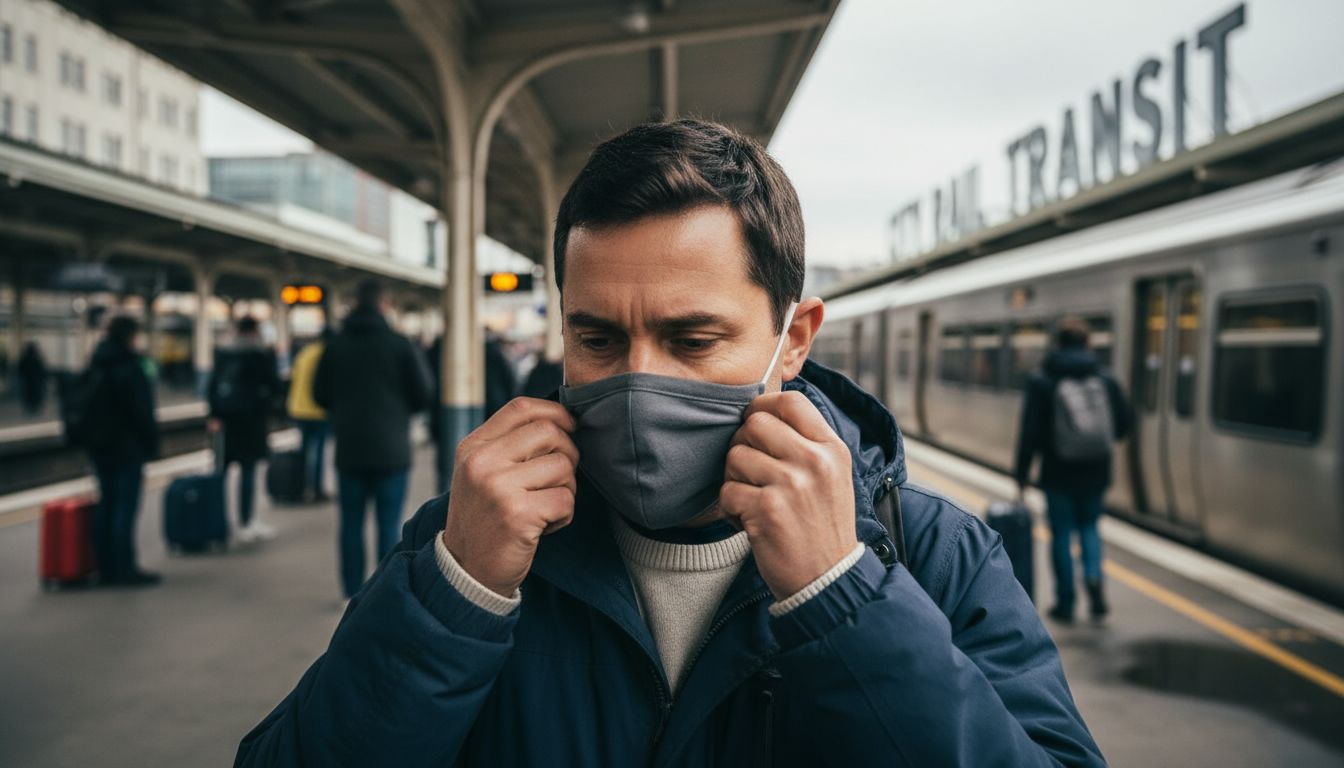
Updated advice treats masks as an extra layer of protection, especially in crowded or poorly ventilated spaces and when someone is unwell. Fit matters more than style, so aim for a snug seal and avoid fiddling with the mask. If you do need one, follow the same routine you learned before: clean hands, cover nose and mouth, discard or clean reusable masks often.
Clean Smart, Not Like There’s No Tomorrow
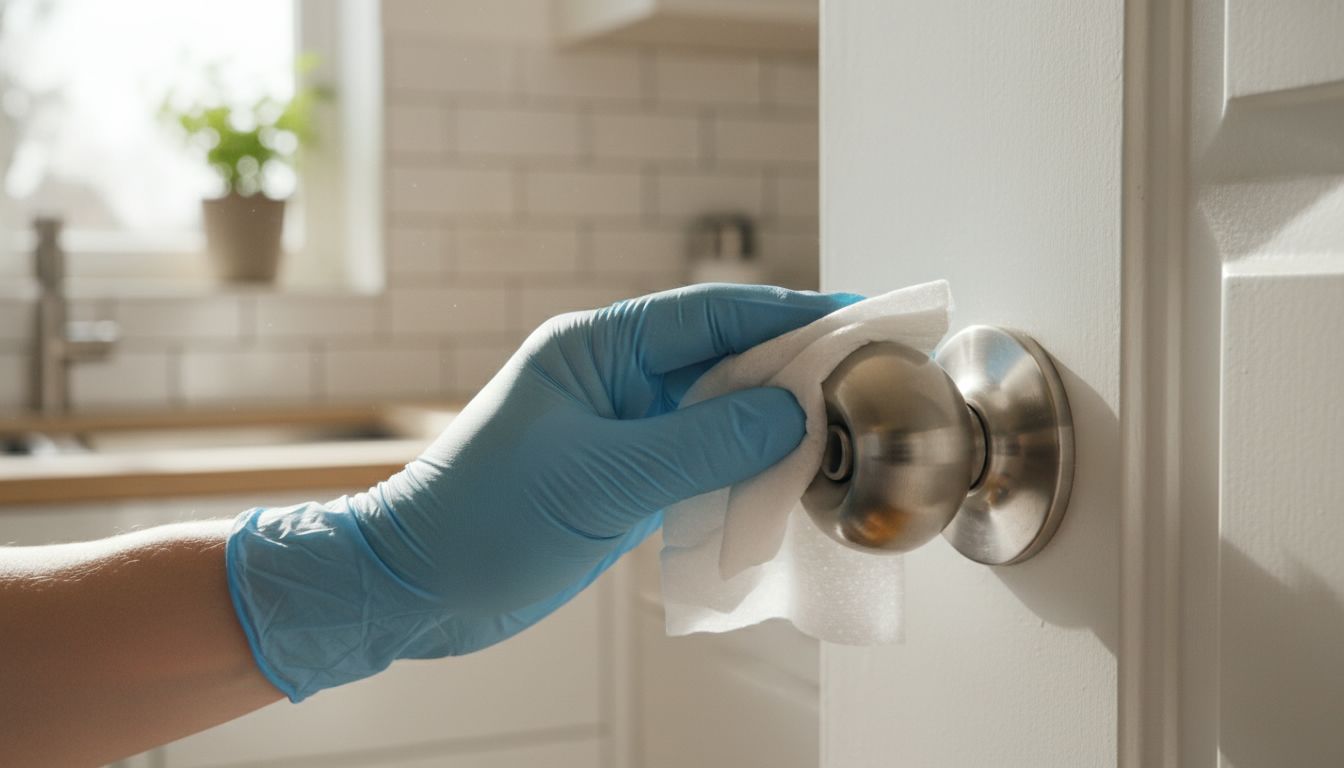
We now know surface transmission is less dominant, but wiping down high-touch spots still makes sense. Focus on doorknobs, railings, countertops and keyboards rather than obsessively scrubbing every surface. And remember what the article already said, harsh cleaners belong on counters, not skin. Use skin-safe soaps and hand products, and keep cleaners away from your face and lungs.
Home, Rest, And Vaccines Belong Together
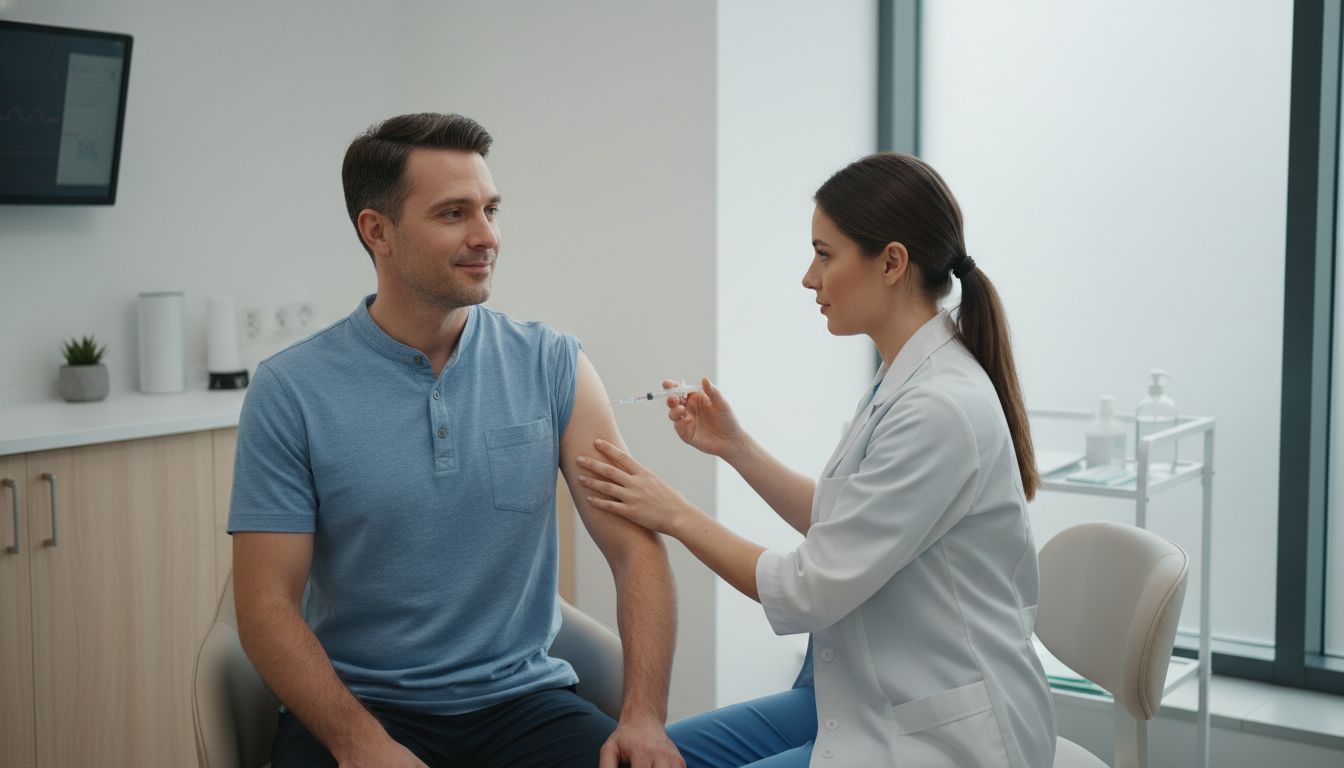
Health authorities now recommend staying home until symptoms improve and you’ve been fever-free without medication for at least a day, then taking extra care for a few more days after you return. Vaccination is also part of the prevention toolbox, helping reduce severe illness from respiratory viruses. So combine the basics we covered earlier with staying home when sick and keeping your shots up to date.
What We Can Learn From This
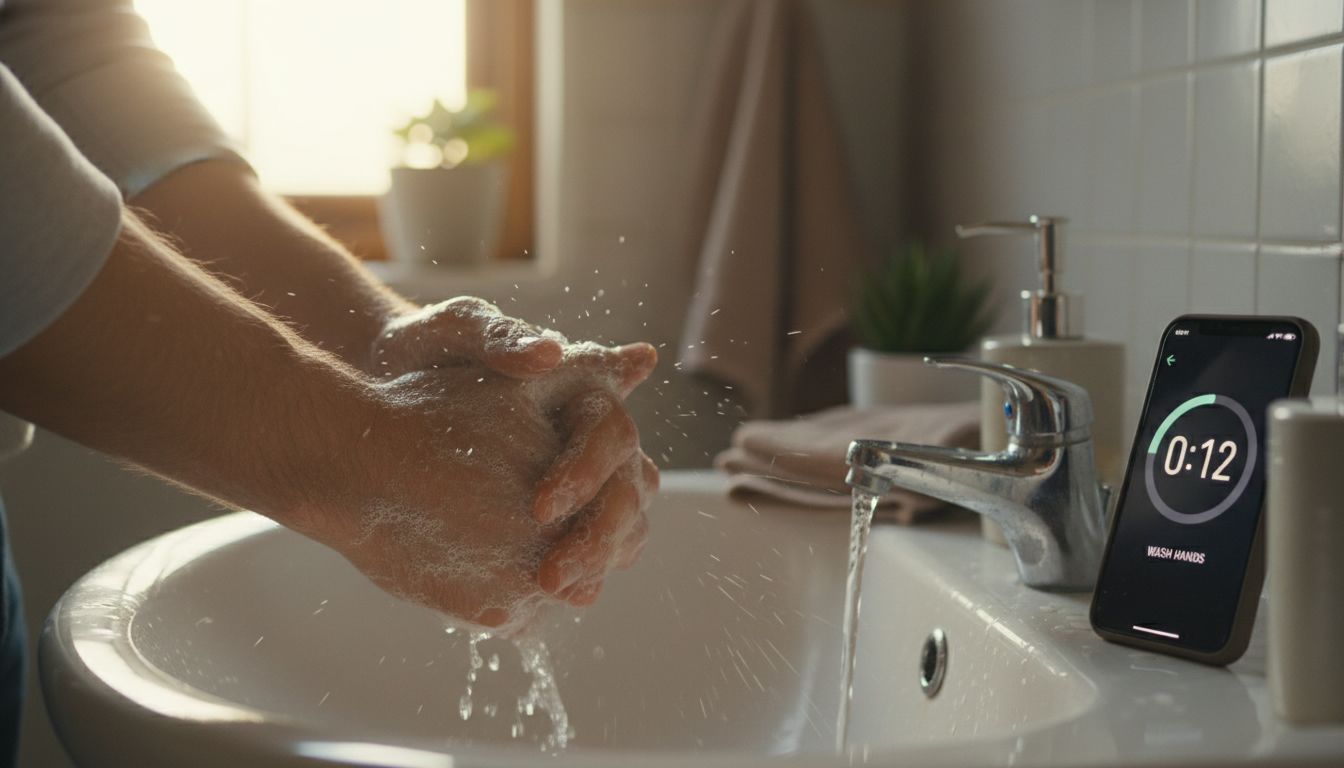
What makes this story remarkable is how often simple steps do most of the work. Wash your hands well, mind the air you share, and keep a mask handy when you need it. Small, steady habits beat frantic scrubbing and panic every time. Treat these measures as normal routine, not a one-off emergency.
Small Habits, Big Payoff
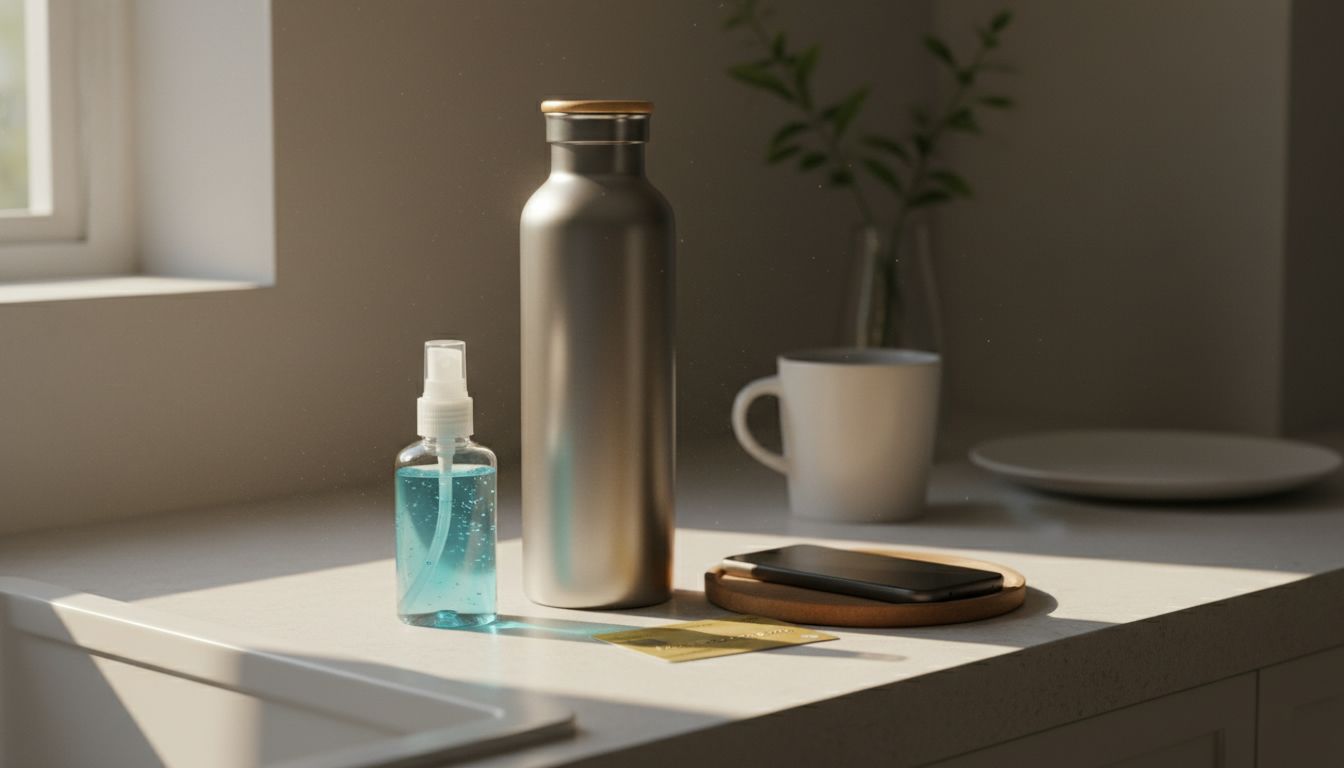
A few tiny actions add up. Carry a small bottle of hand sanitizer, swap to contactless payments where possible, and drink water through the day. None of these are dramatic, but taken together they lower risk and give you control. Consistency wins over perfection.
Choose Smart Cleaning, Not Panic Cleaning
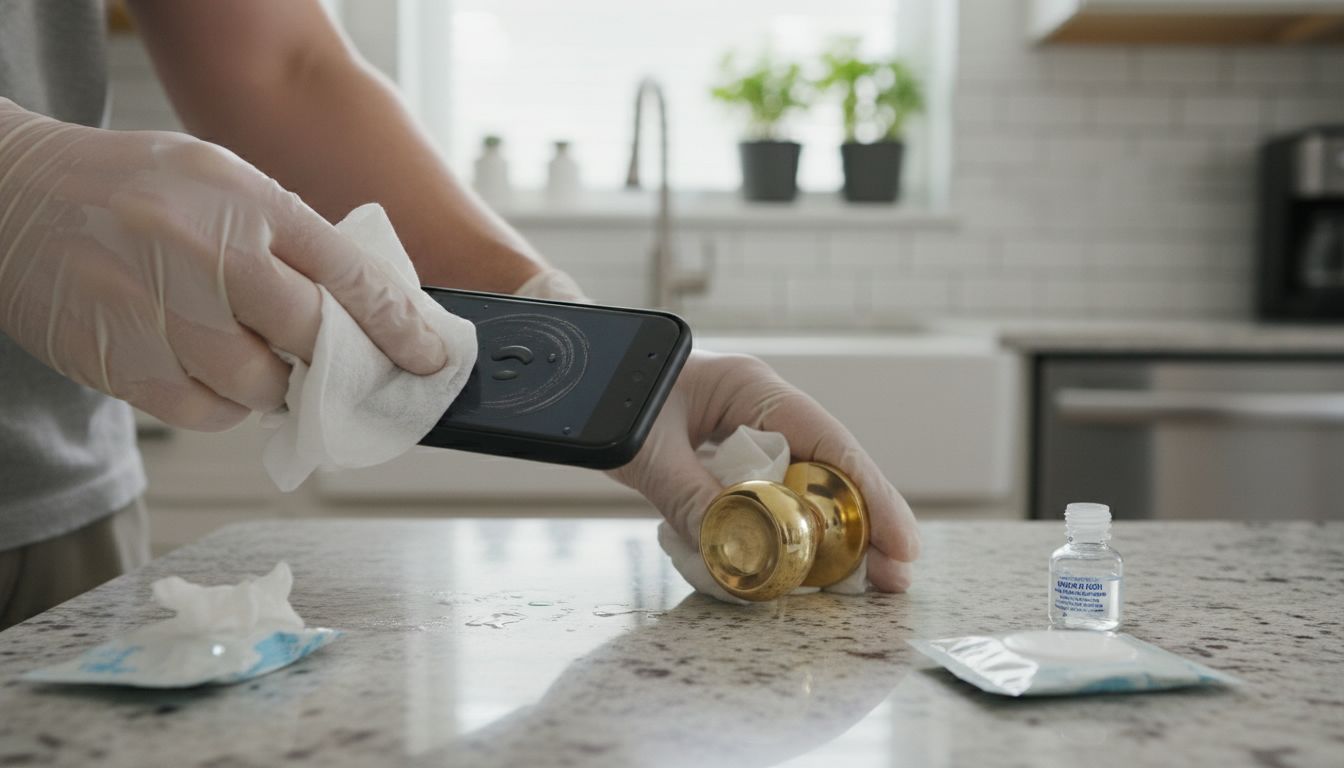
Focus where it matters. Wipe high-touch spots like doorknobs, phones and countertops instead of scrubbing every surface until you burn out. Use strong cleaners on surfaces and gentler products on skin. And keep cleaners away from your face and lungs while you work.
Keep the Air on Your Side
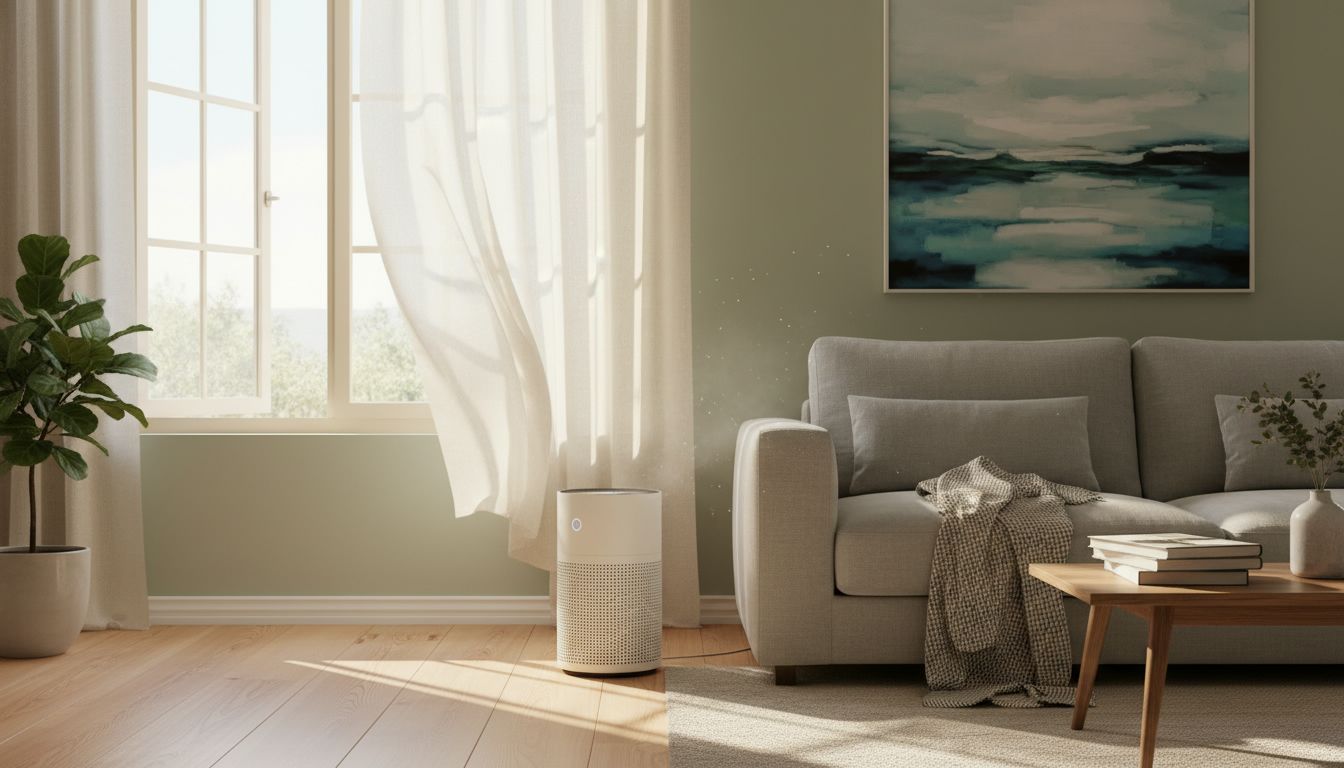
Air matters as much as surfaces. Crack a window, run a fan, or put a HEPA-style purifier in rooms where people gather. Masks and ventilation work together, not against each other. Treat the room itself like part of your hygiene routine.
A Simple Rule to Live By
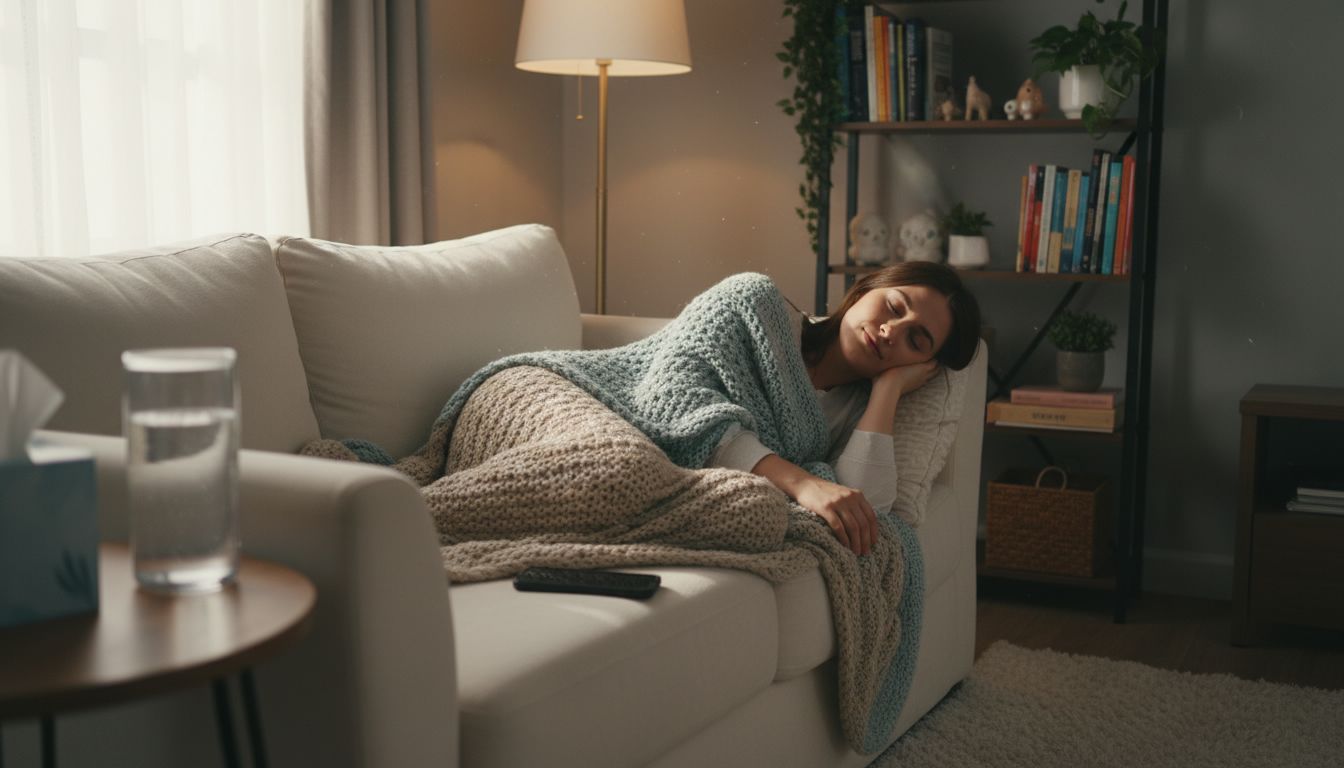
When you feel off, stay home and call your doctor instead of packing a room full of people. Rest, fluids and common sense protect you and others. Keep up routine shots where recommended and stick with the basics the article laid out. The simplest rules will get us through.
Air Quality Gets Real
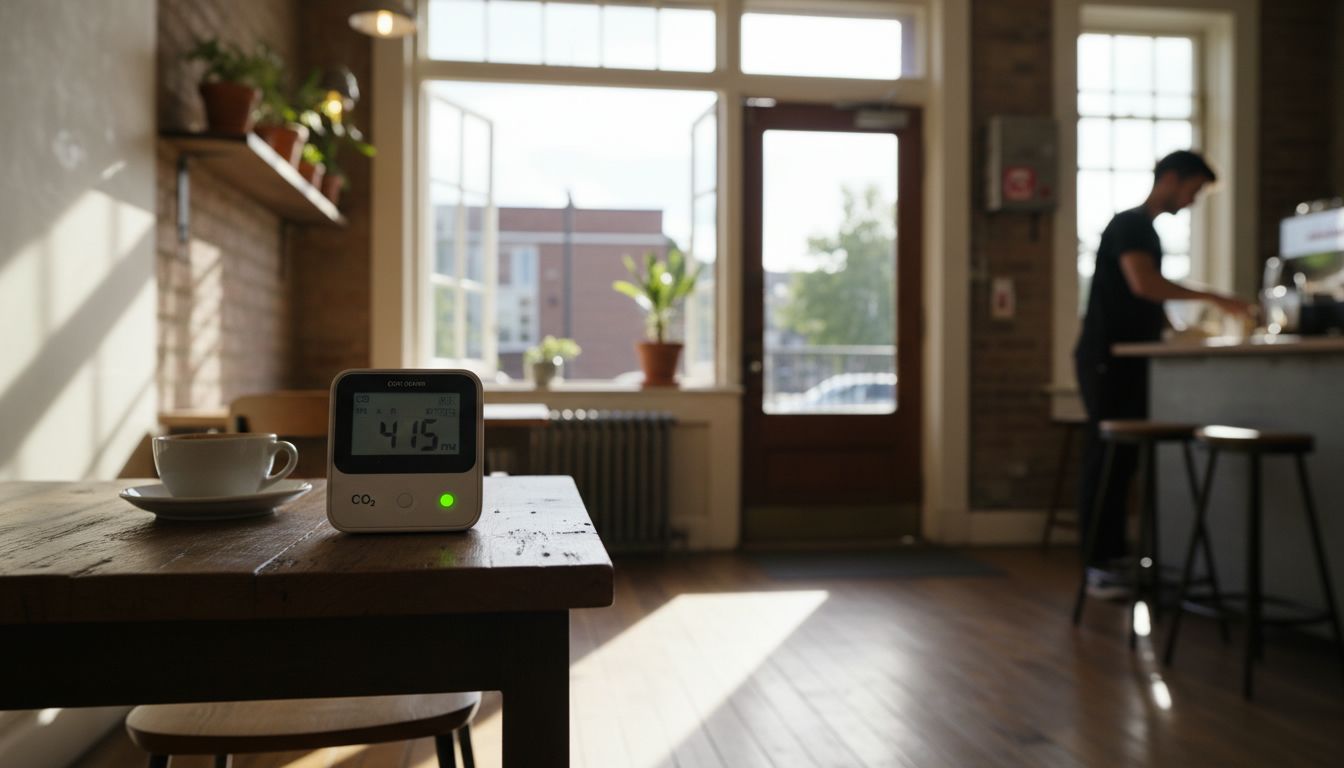
Health authorities are moving from vague advice to concrete air tools. Real-time monitors and simple CO2 meters are being used as a quick proxy for how well a room is exchanging air, so you can tell when a space feels stale and risky. The practical takeaway is simple: if a room is crowded and the numbers creep up, open a window, run a fan or bring in a HEPA purifier. Treat these air checks the same way you treat a sink and soap - part of the routine.
Watch the 800 ppm Line
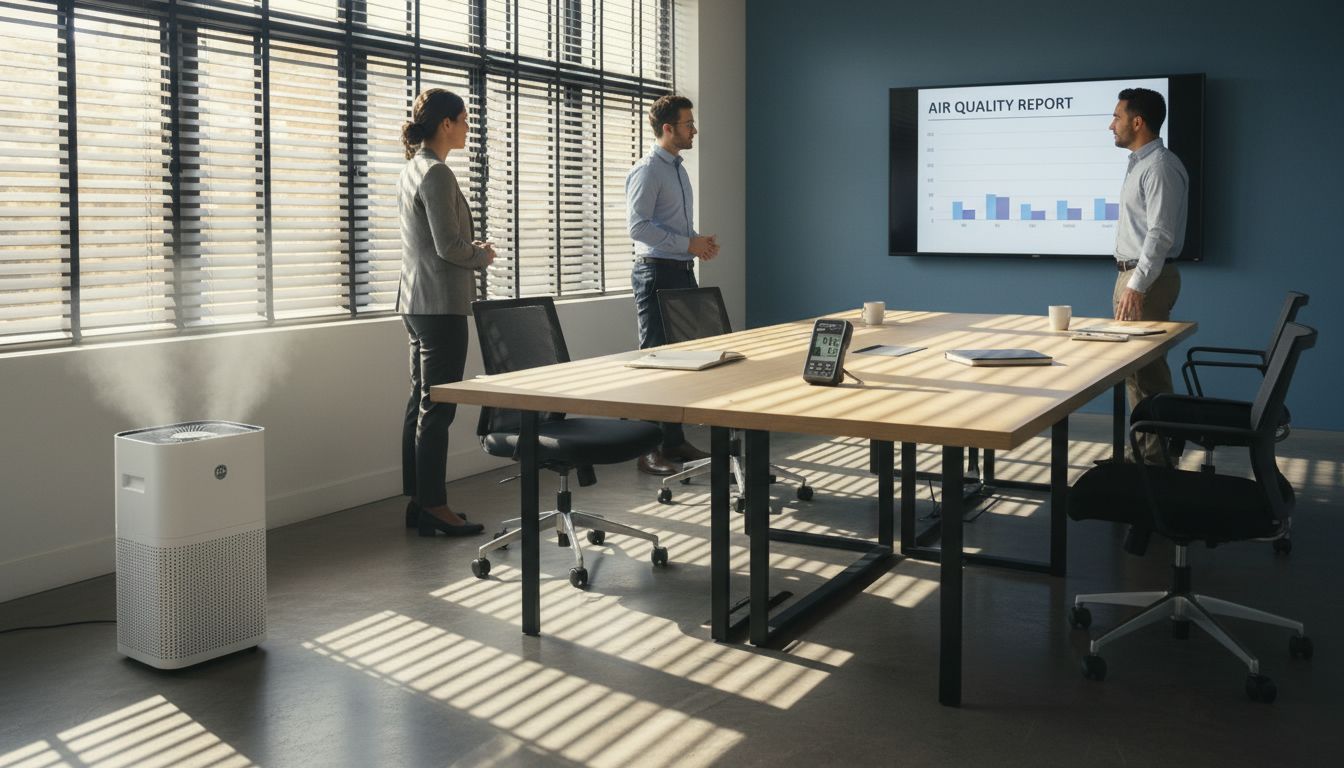
Experts now point to a practical benchmark: about 800 parts per million is a useful threshold to watch as a sign of poor ventilation. If readings hang above that, simple moves cut risk fast - crack a window, turn on an exhaust fan, or run a portable HEPA unit. These fixes are cheap and immediate, and they work best when paired with masks in crowded spots. Think of the number as a nudge to act, not a cause for panic.
Far-UVC: A Quiet Defender

A new layer is appearing in busy public places, something that runs all the time without anyone having to remember it. Far-UVC light, used in occupied corridors and waiting rooms, can inactivate airborne microbes continuously and is designed to be safe for people in the space. It does not replace masks or ventilation, but it adds a real-time, passive shield where crowds gather. Think of it as background protection you don’t have to turn on or off.
Sewers Tell an Early Story
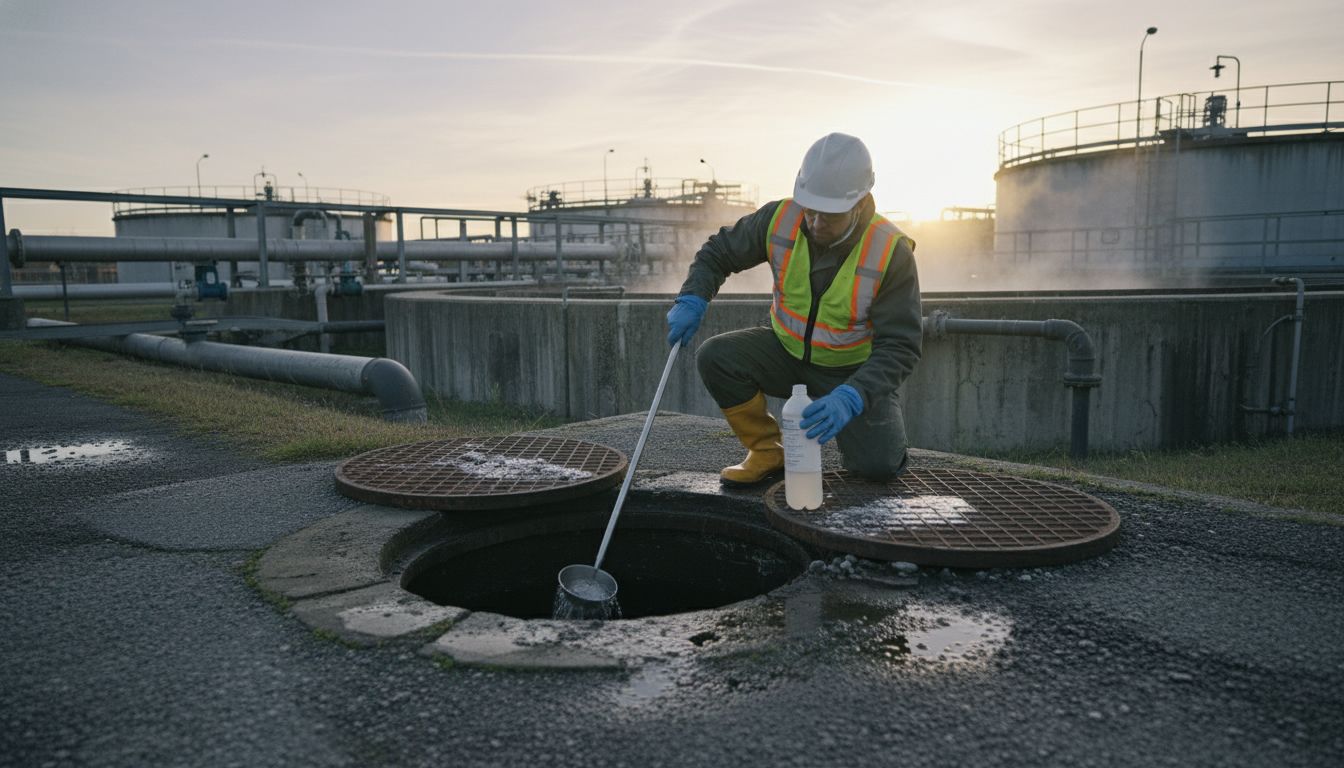
Communities are using wastewater signals to get a head start on outbreaks. Sewage testing can spot rising viral levels days before lots of people show symptoms, giving local agencies and businesses time to boost ventilation, open windows, or recommend tighter masking. For individuals, those early warnings mean you can step up simple habits for a bit longer when the signal turns amber. It’s not dramatic, just smart timing.
Put the Layers Together
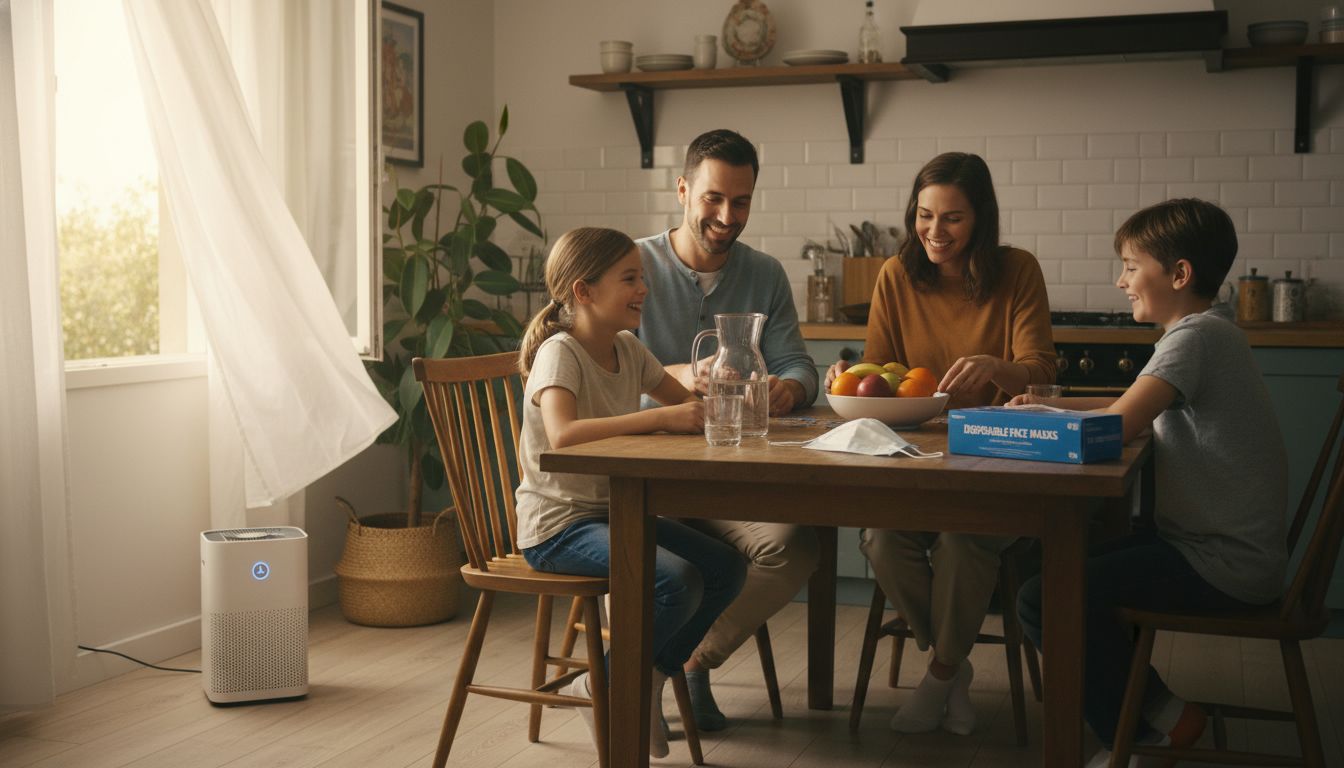
All of this adds up to a layered, practical routine: wash hands, keep a mask handy and mind the air you share, add a HEPA unit or Far-UVC in busy rooms, and use simple CO2 checks or community wastewater alerts to know when to tighten up. Businesses can help by using sealed sanitizer refills and monitoring indoor air, and you can help by staying home when ill and observing a brief five-day transition after symptoms ease. Small, steady habits across these layers are the thing that actually moves the needle.
Global hand hygiene rules have changed
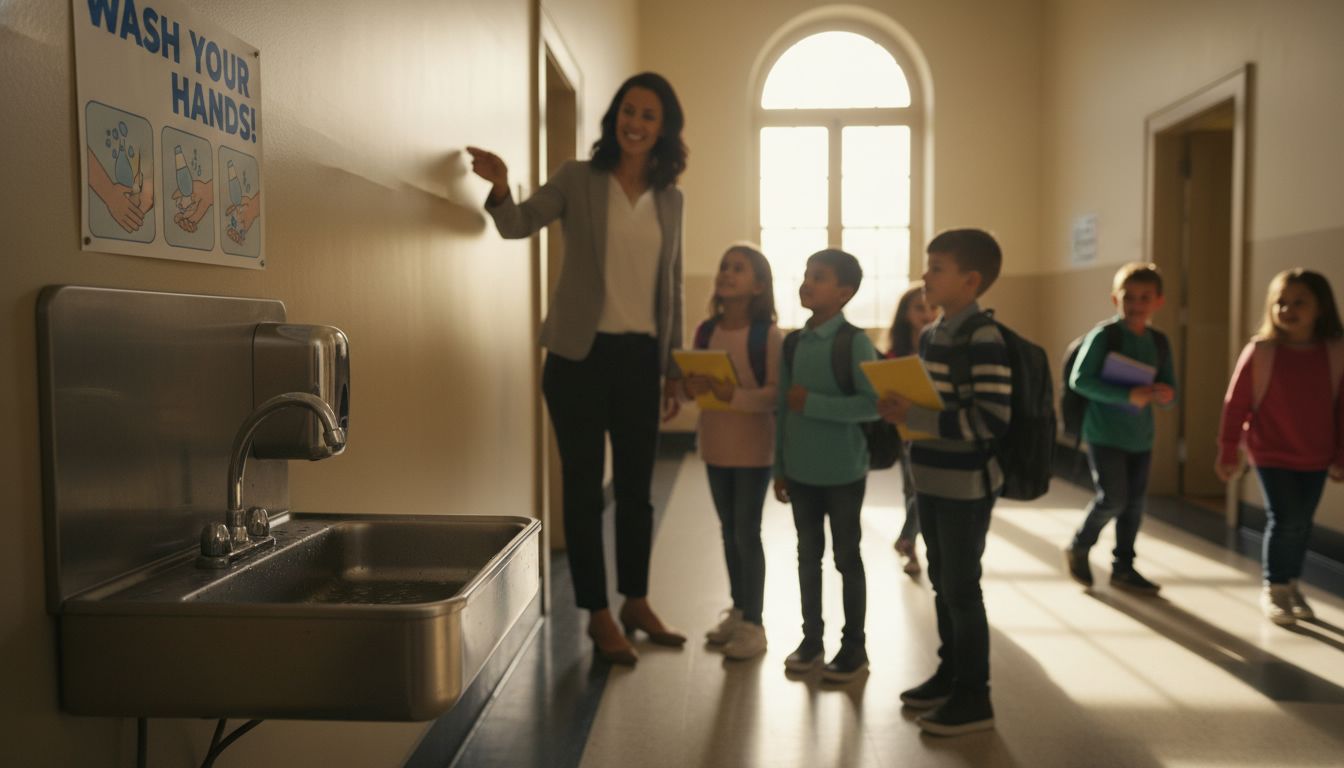
New guidance from major health agencies moves handwashing out of the emergency poster phase and into systems that actually work. The World Health Organization and UNICEF published the first global guidelines for hand hygiene in community settings, urging durable soap, water and automated compliance tracking at schools, workplaces and public sites. That means less one-off sanitizer stations and more reliable infrastructure you can count on, day after day. The shift is practical: build the basics so people can actually stick to them.
The numbers back simple handwashing
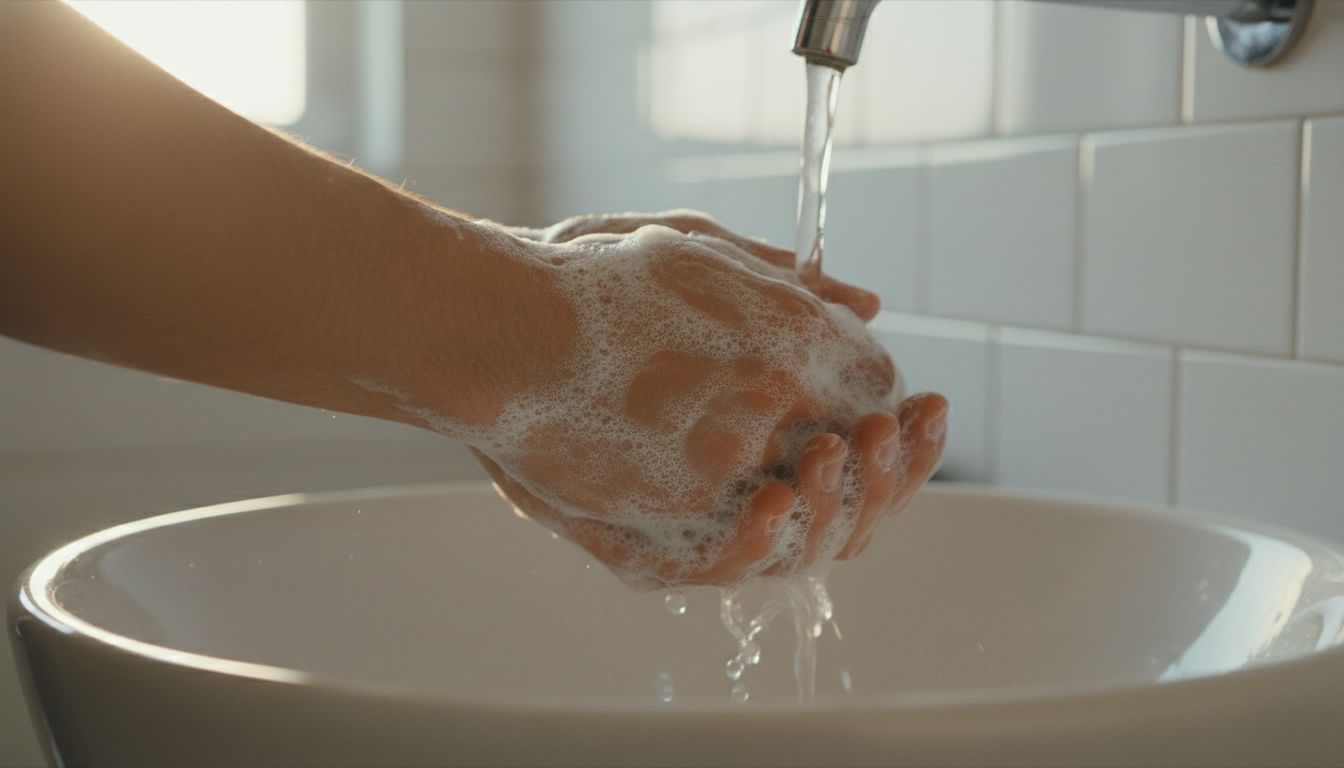
Big-picture studies show ordinary handwashing moves the needle. Regular soap-and-water use cuts diarrheal illnesses by about 30 percent and trims acute respiratory infections by roughly 17 percent, with upper and lower respiratory infections showing notable drops too. Those are not tiny wins. Simple, steady hand hygiene is one of the most cost-effective public health tools we have.
Millions still lack basic handwashing

Despite the benefits, basic hand hygiene access is far from universal. Roughly 1.7 billion people lack basic handwashing services at home, and over 600 million have no handwashing facility at all. Closing that gap is the next big challenge, and experts say meeting global targets will require accelerating infrastructure progress, especially in fragile and low-resource communities.
Facilities are tightening rules
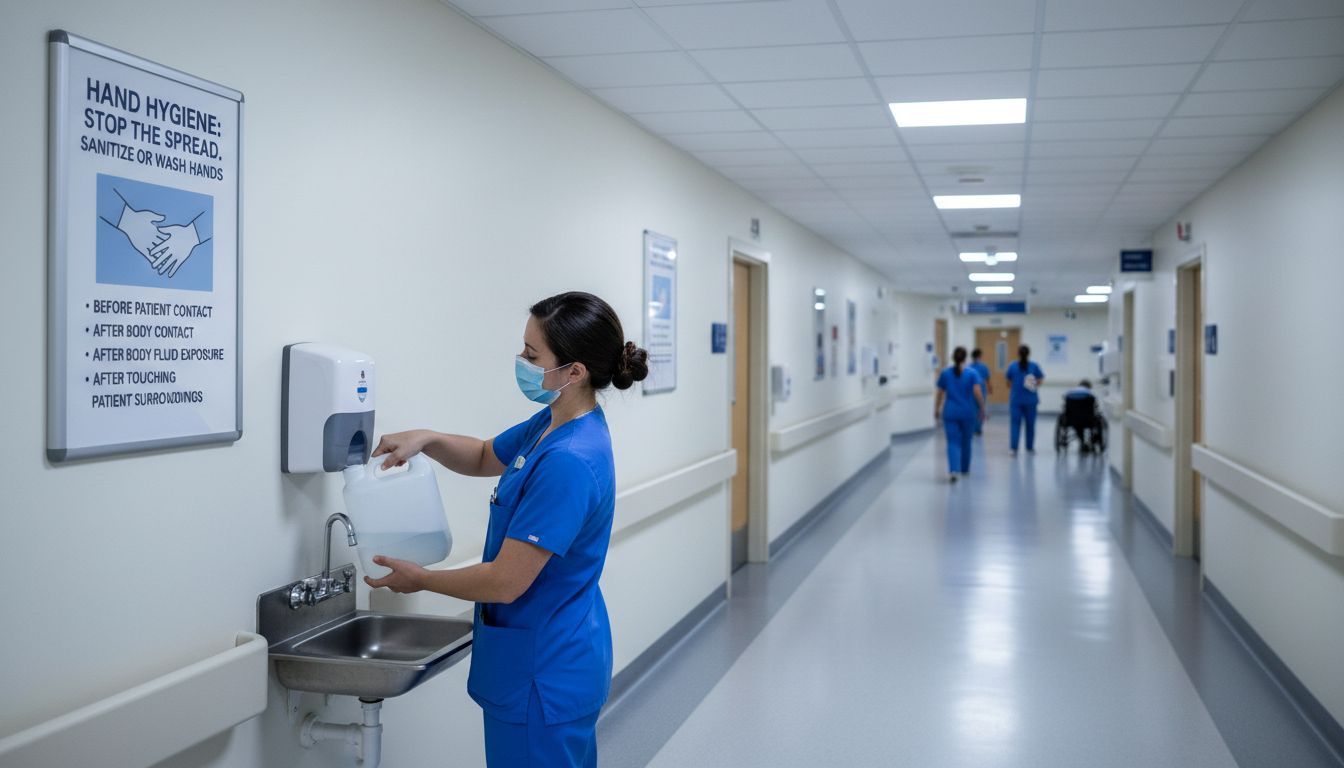
Hospitals, schools and other institutions are moving from suggestions to requirements. Recent regulatory updates call for documented, evidence-based hand hygiene and cleaning procedures, a verified steady supply of soap and sanitizer, and more routine environmental risk assessments. Many places are also adopting electronic monitoring systems that give real-time feedback and help reduce facility-acquired infections when used responsibly.
Use signals to know when to step up
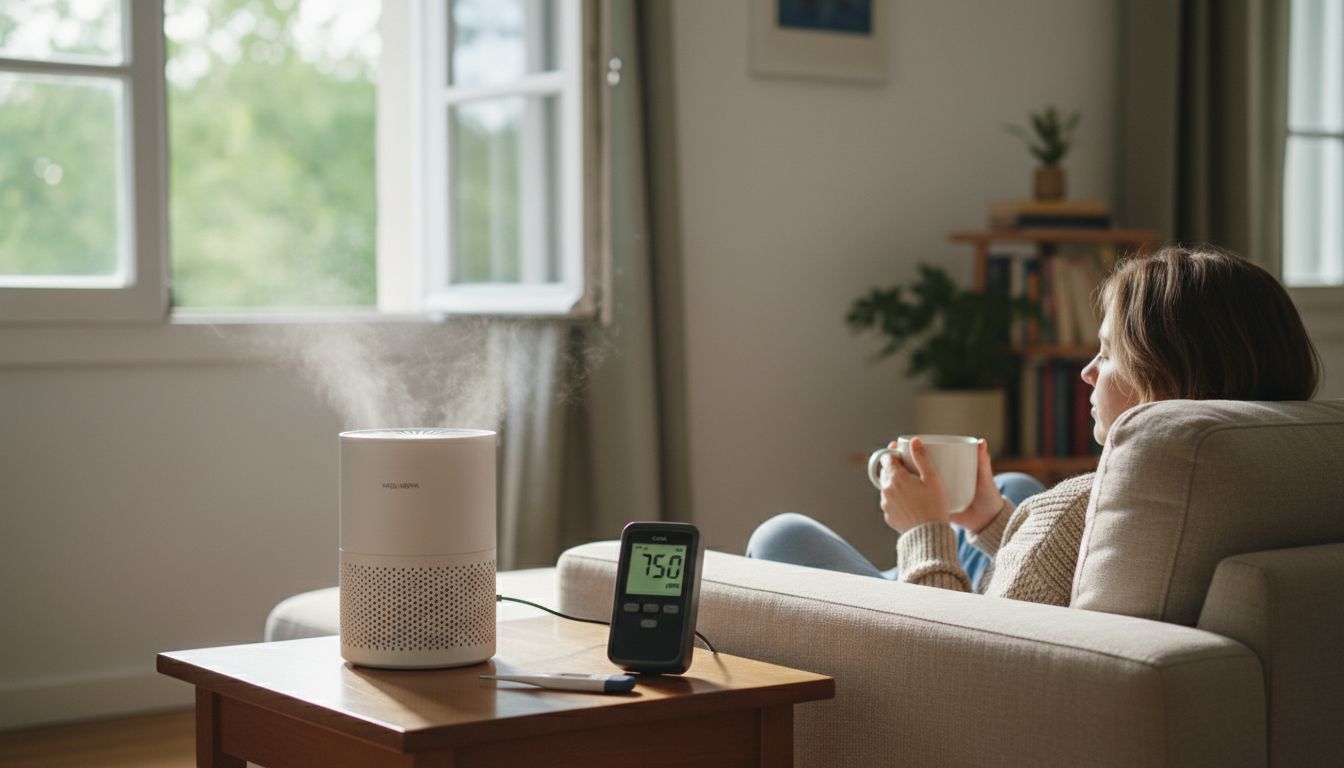
We now have practical tools to time extra precautions. Wastewater surveillance can flag rising viral levels early, and simple CO2 meters act as a quick proxy for stale, poorly ventilated rooms. Public health guidance still recommends staying home until fever-free for at least 24 hours, and some agencies advise wearing a well-fitting mask for about seven days after symptoms start. Together, these data points tell you when to tighten routines and when life can ease up a bit.
Vaccines: the stronger, targeted layer
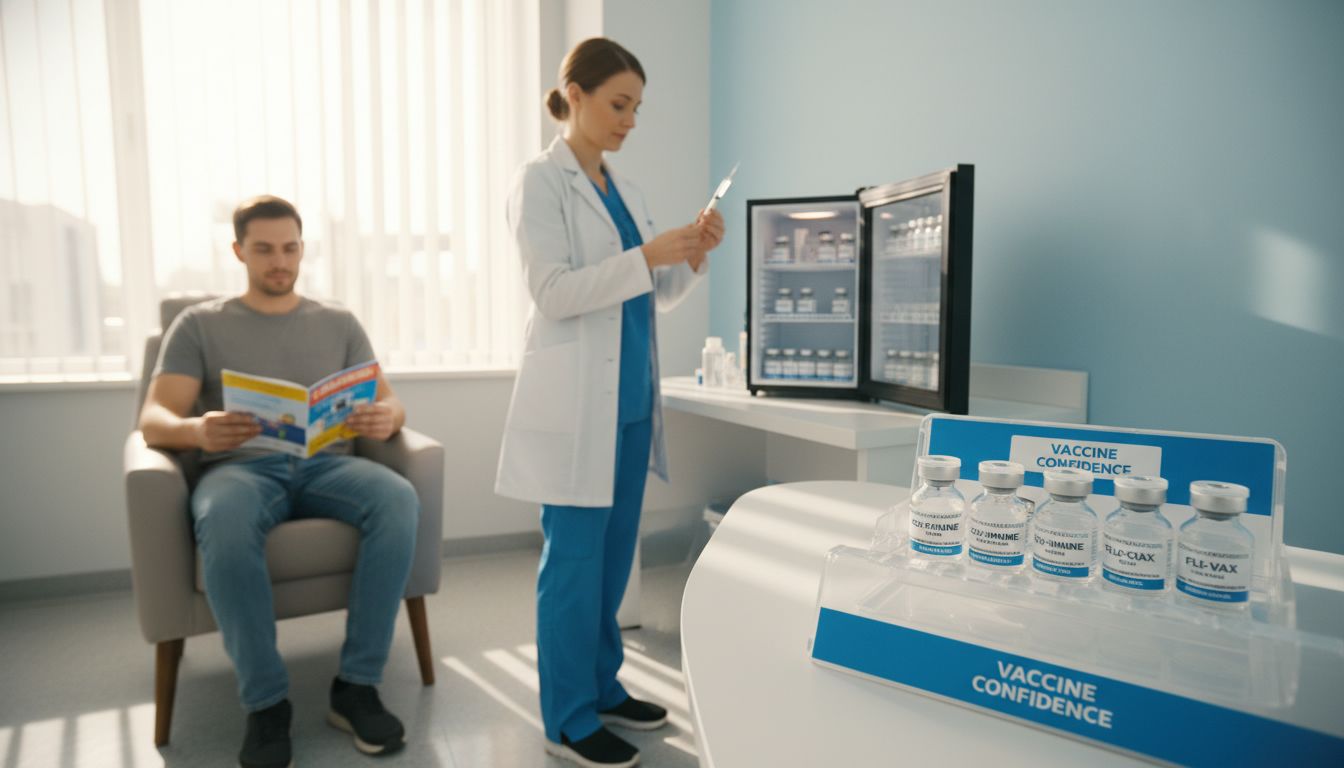
Health providers now pair everyday hygiene with more targeted vaccines to blunt severe illness. Updated seasonal flu shots and enhanced options for older adults, along with current COVID-19 boosters and emerging RSV tools for high-risk groups, all reduce hospitalizations. Talk with your clinician about which shots or antibody options fit your age and risk. Vaccination complements masks, ventilation and hand hygiene, it does not replace them.
Masks: pick fit and filtration over flair
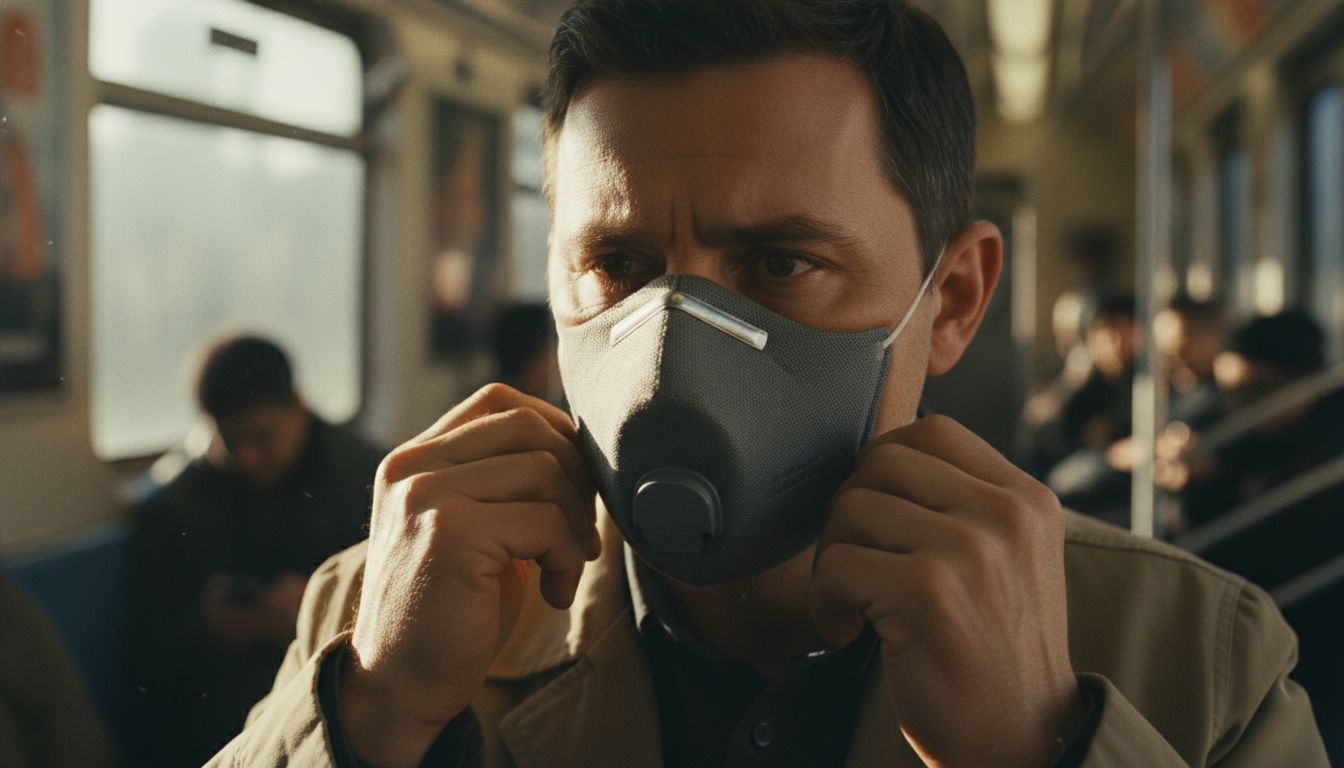
Updated guidance highlights fit and filtration as the real game-changers. Well-fitting respirators outperform loose cloth masks in crowded, poorly ventilated indoor spaces, so choose a mask that seals, not just looks good. Use clean hands when you put it on, avoid touching the front while wearing it, and replace or clean reusable types when damp. Think of a mask as an intentional, situational tool, not a fashion accessory.
CO2 meters: a quick air check
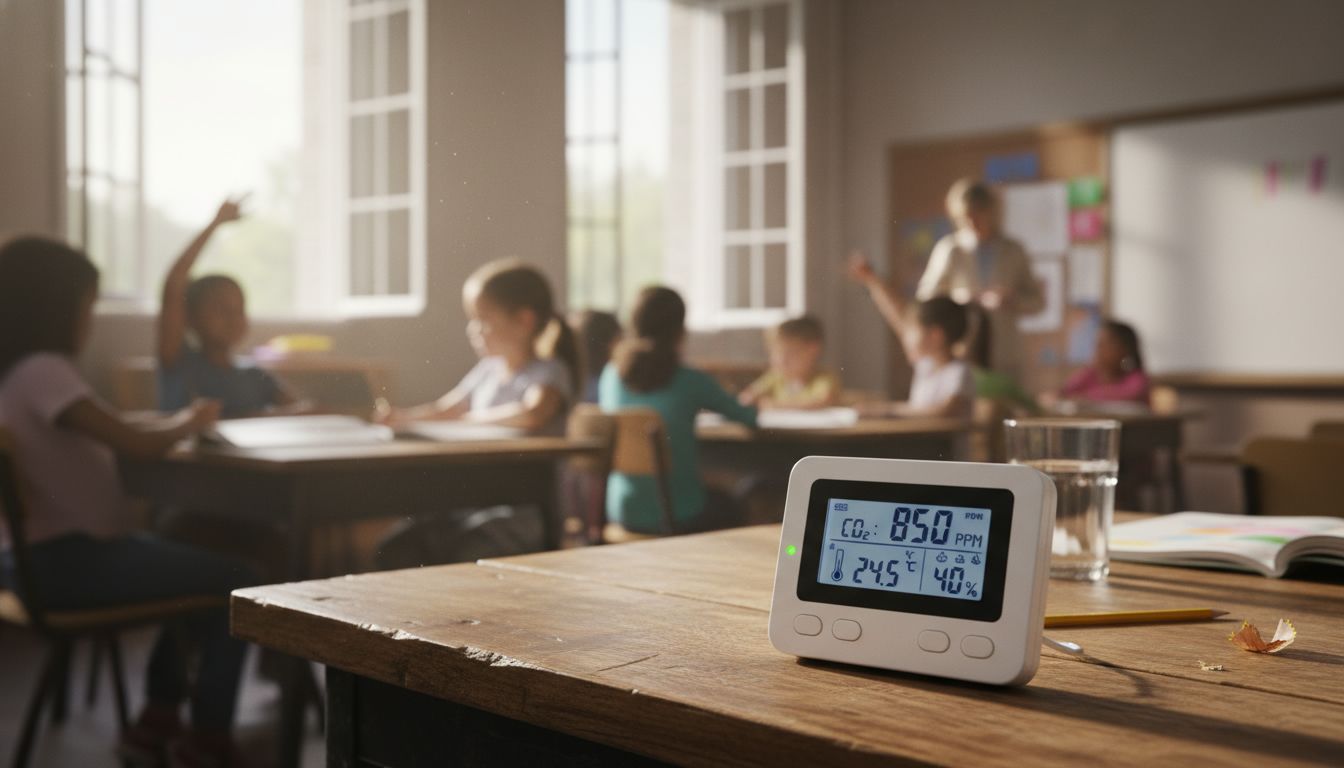
Simple CO2 meters have moved from niche gadget to practical tool for spotting stale air. Around 800 ppm is a useful signal that ventilation needs attention - open a window, run an exhaust fan, or add a portable HEPA purifier. These quick checks give you a real cue to act, especially in crowded rooms where masks and filtration should be used together. Treat the meter like your room thermometer for risk.
Institutions are tightening practical rules
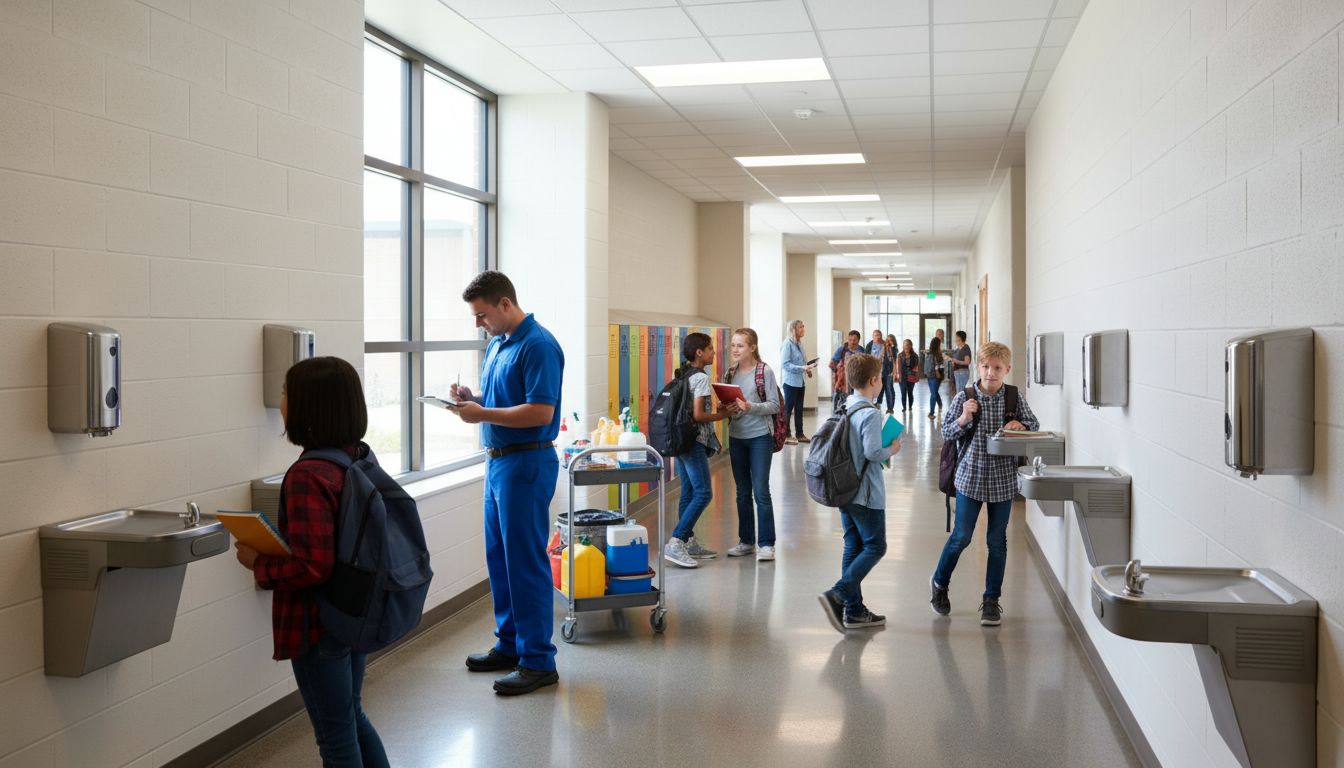
Hospitals, schools and workplaces are shifting from loose suggestions to documented, evidence-based routines. That means steady supplies of soap and sanitizer, clear cleaning procedures for high-touch spots, and routine risk checks so systems actually work day after day. Some places use electronic feedback to help staff stick with the basics without guesswork. The goal is simple: make hygiene easy to do, not a heroic one-off effort.
Plan ahead for spikes, use signals
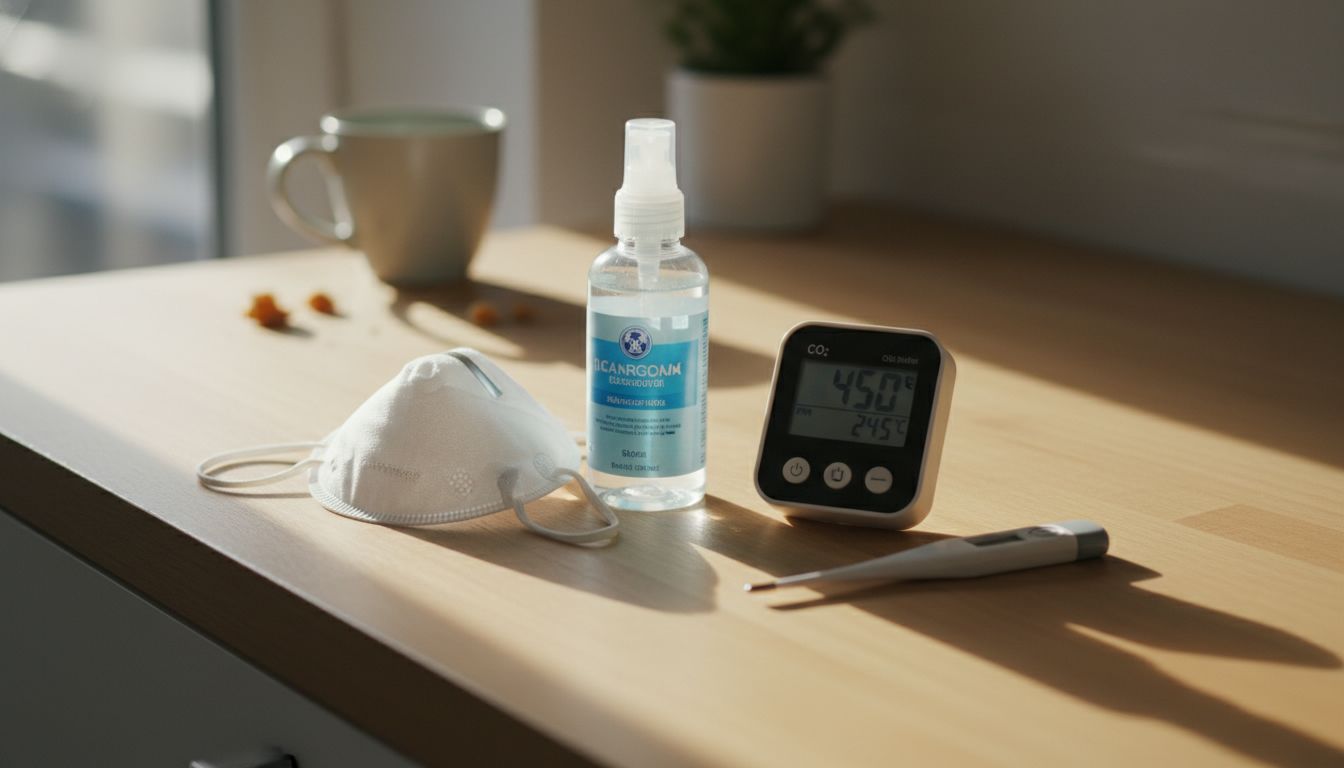
Put a short, repeatable plan in place for when community signals turn amber or red. If wastewater trends rise or CO2 readings stay high in shared spaces, tighten layers: mask indoors, boost ventilation, use HEPA units and delay nonessential outings. Keep a small kit at hand - sanitizer, an extra mask and a thermometer - so you can act fast without scrambling. Simple, timed moves beat last-minute panic.