Why Most TV Reboots Miss The Point
TV favorites get cycled back into service constantly. Studios reboot, revive, and recast, hoping a familiar name and fresher packaging will bring viewers flocking. A few comebacks land, but most strip away the spark that hooked us in the first place. From Frasier to Gossip Girl to Saved by the Bell, many returns trade character and tone for cheap nostalgia and attention-grabbing stunts.
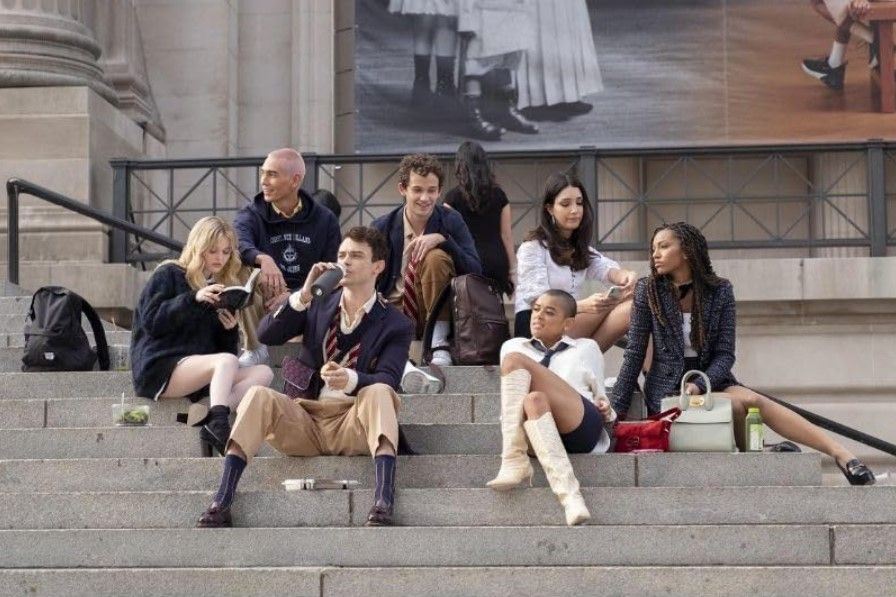
Gossip Girl Lost Its Sharp Hook
The original Gossip Girl thrived on anonymous cruelty and a constant sense of danger. The 2021 version removed that pressure by revealing the mastermind too soon, which flattened later twists. It also recycled familiar plot beats and never fully committed to the promise of a more diverse cast, so the show felt comfortably predictable. Lose the bite and you lose the addiction.
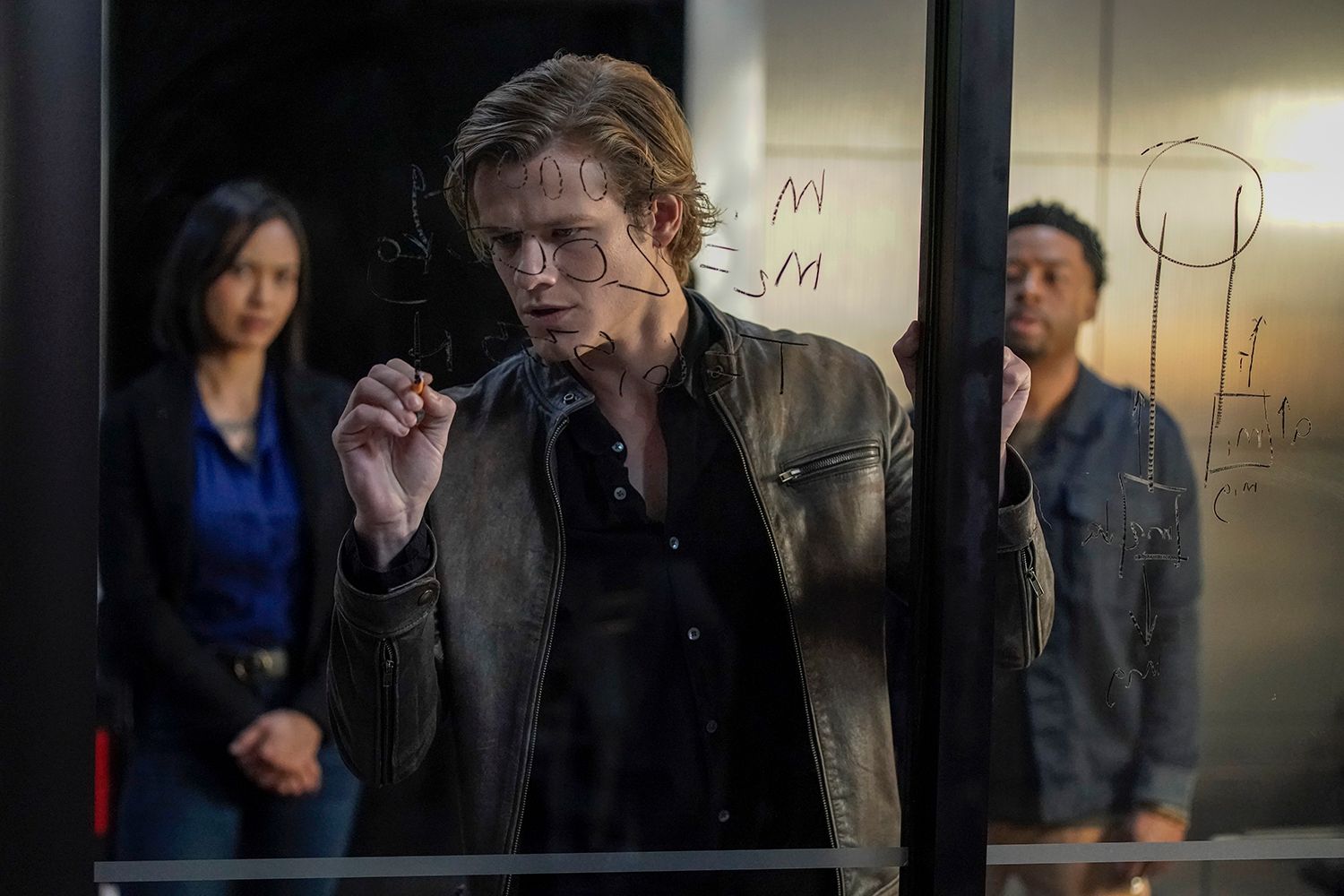
MacGyver Ditched the Clever Fixes
MacGyver was built on low-tech ingenuity and clever problem solving. The 2016 reboot turned up the explosions and wisecracks, swapping inventive fixes for action set pieces. That shift stripped the character of what made him interesting, even if the show kept running for several seasons. Fans wanted a brainy tinkerer, not another punchy action lead.
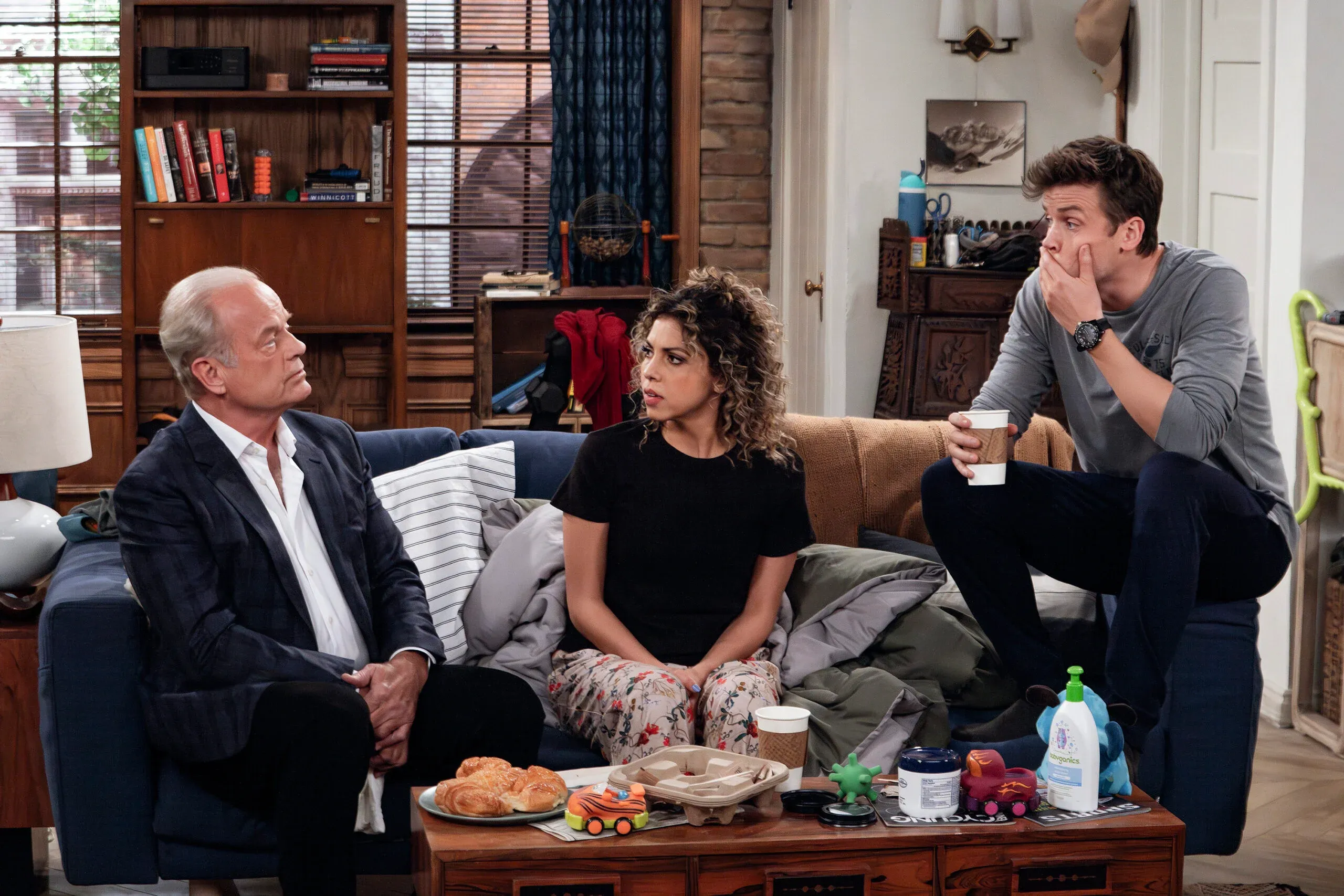
Frasier Revival Lacked the Ensemble Spark
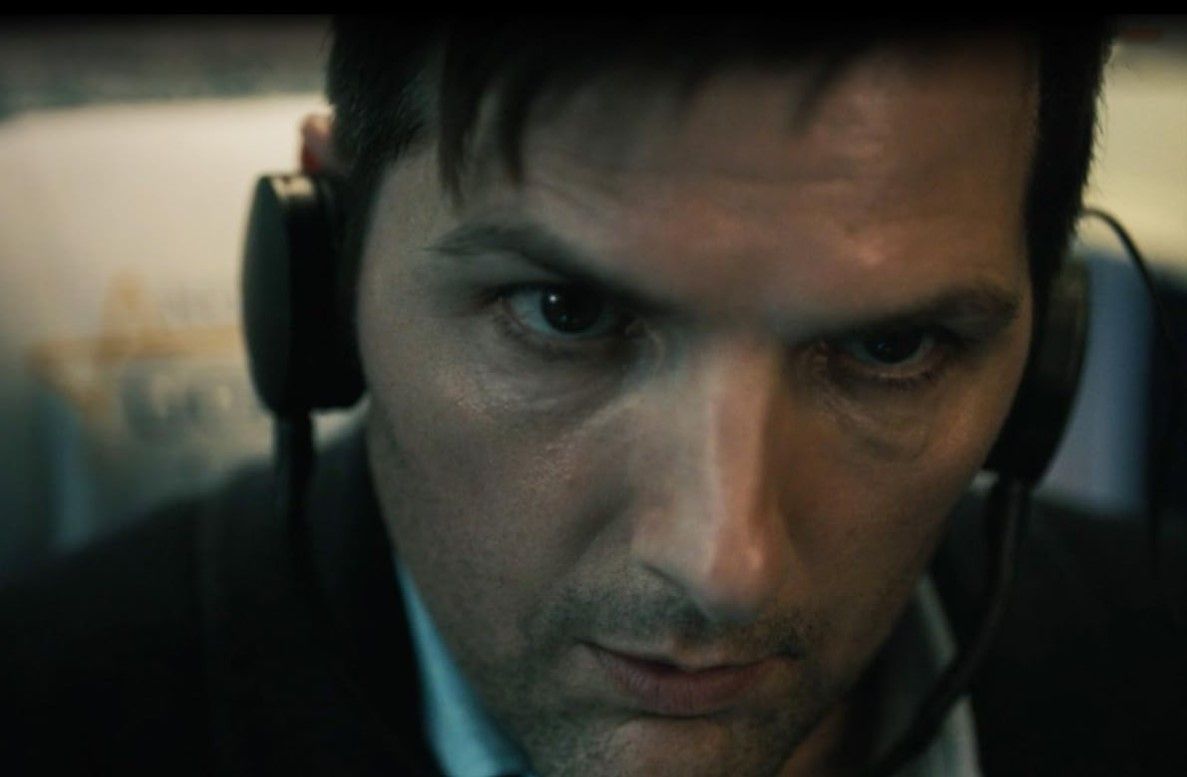
Frasier always landed because of its warm, witty ensemble and easy rhythm. The 2023 revival brought back Kelsey Grammer but sidelined most of the original cast, and the new players never quite clicked. The jokes were still there, but the chemistry that carried the original was missing. Without that blend of warmth and bite, the revival felt hollow.
How Reboots Could Actually Work
Reboots fail for a few repeatable reasons: losing tone, swapping the cast without purpose, or relying on nostalgia instead of fresh storytelling. Start by asking what made the original matter, then update with intention. Hire writers who understand the tone, cast for chemistry, and give characters real room to change. Do that and a revival can surprise you in a good way.
“Magnum P.I.”: Main Character is Too Serious
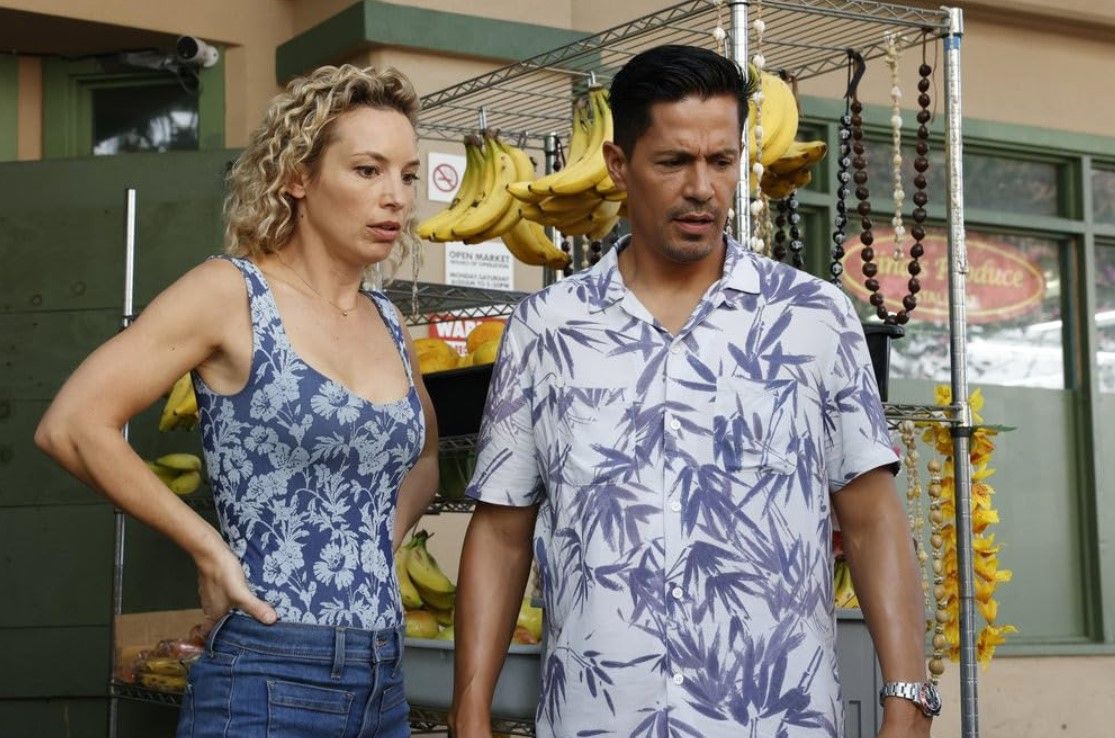
While tons of shows focus on law enforcement and chasing bad guys, the original *Magnum P.I.* created a goofy, loveable character that we all loved to watch fool around and live the tourist life, while also hunting down bad guys. With the new reboot in 2018, Jay Hernandez plays a version of Magnum that’s much more serious. While the reboot is great at portraying the action scenes and crime typical of the show, we’re missing the original personality of the main character.
“24: Legacy”: Different Cast and Context
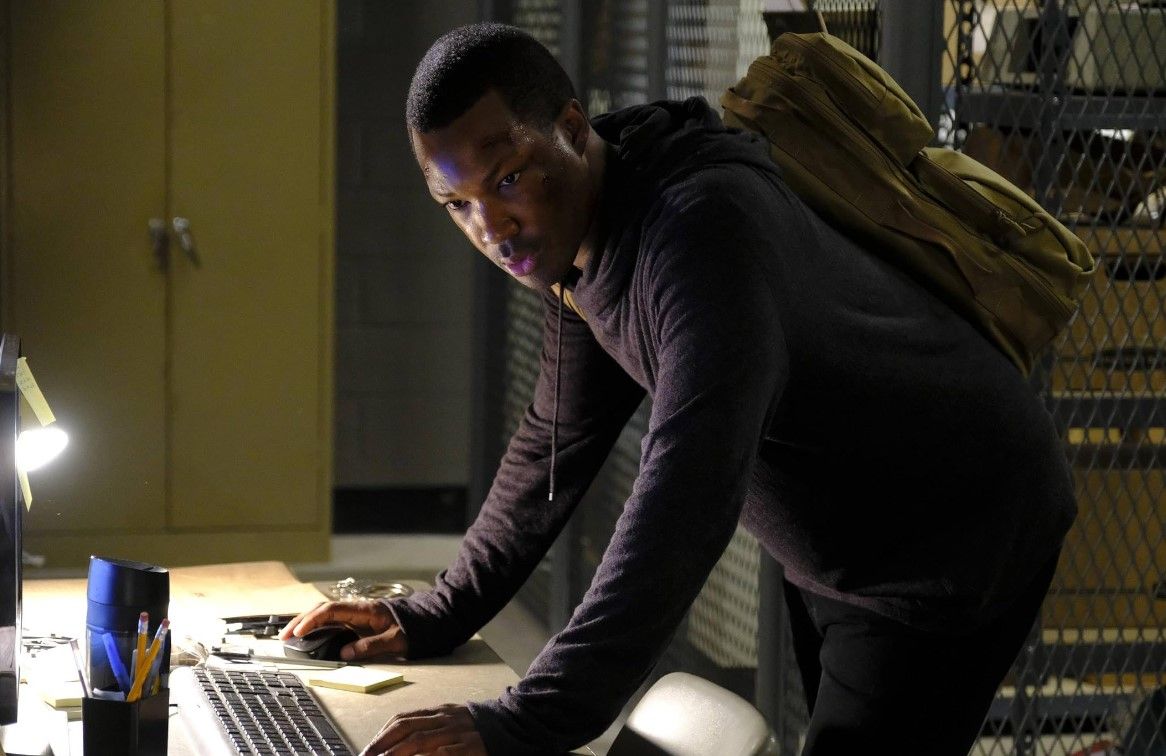
The original *24* series was released just two months after 9/11 occurred, making its terrorist-fighting protagonist grip the attention of audiences everywhere. The context in which the series was made, as well as the personality of Jack Bauer and the relationships between the characters, made this show worth watching. Unfortunately, the 2017 reboot didn't grasp the same essence as the original. By introducing an entirely new cast and making the series accessible to newcomers without requiring knowledge of the original, the reboot lost the sense of continuity and connection that made *24* so compelling.
“Heathers”: Out of Touch With the Times
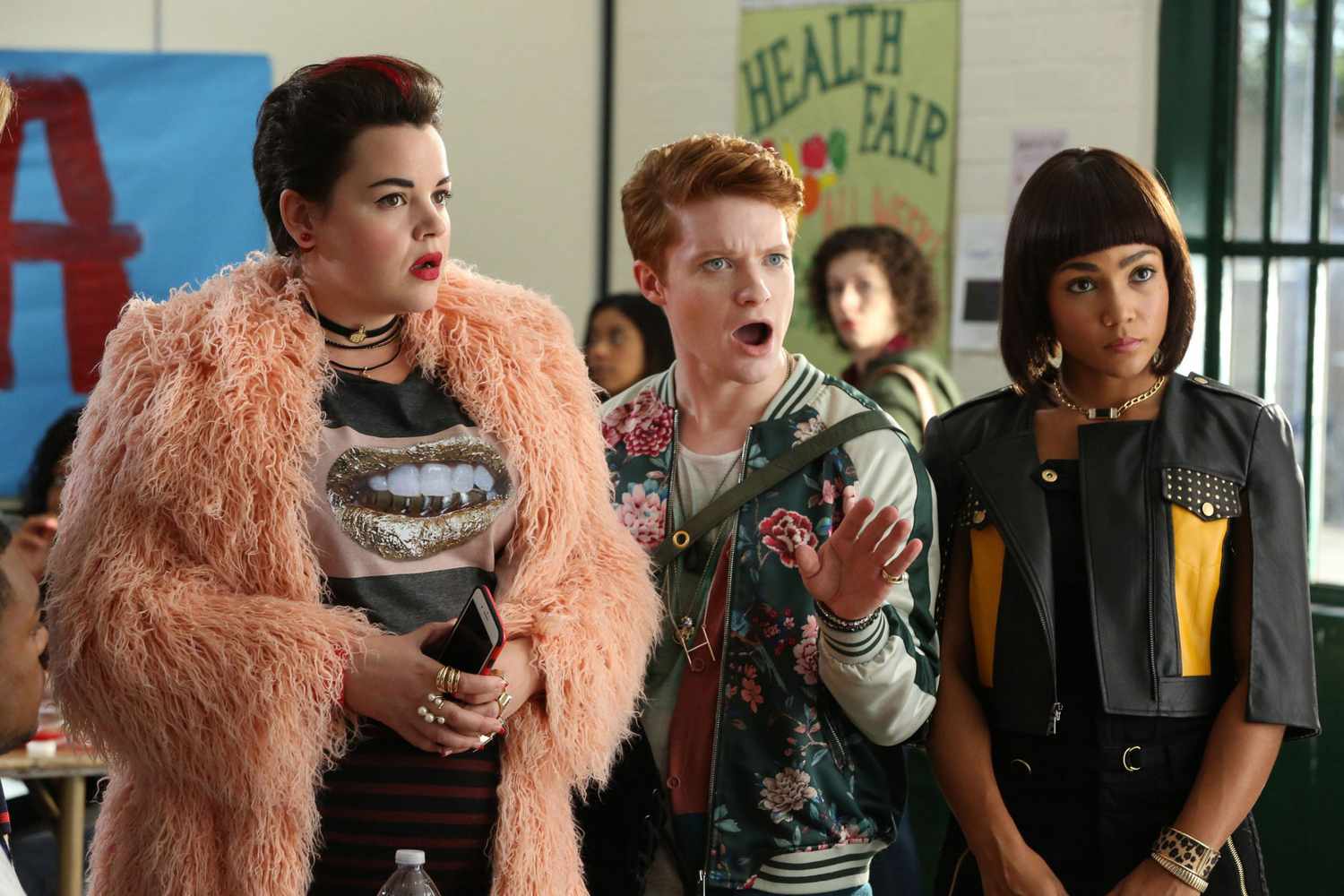
The original cult classic film made in 1989 was made for its time, addressing topics we’ve all experienced—high school bullies, popularity, and insecurities. Made almost 30 years later, the reboot series simply didn’t deliver the same iconic display of revenge as the original. In 2018, times had changed drastically. Not only was death no longer funny in high schools, but the social dynamics made the characters less satirical and more out of touch. Unsurprisingly, the show didn’t do well and was canceled after just one season.
“Velma”: Taking Edgy Too Far
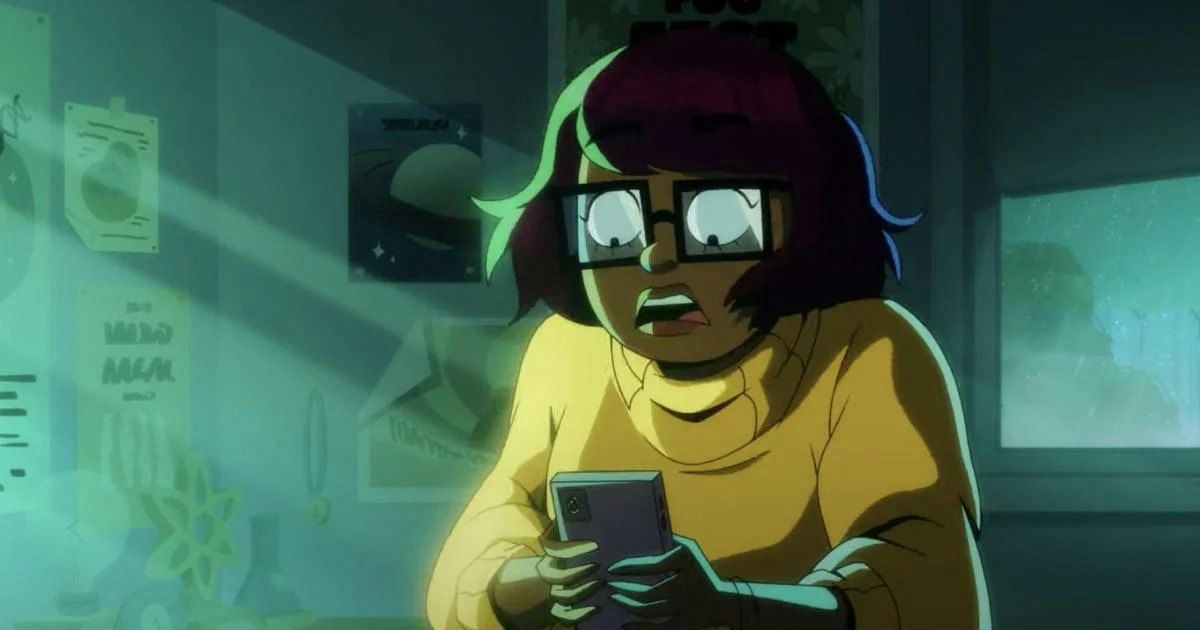
Even though we’ve seen all kinds of versions of *Scooby-Doo* since the gang was introduced back in 1969, *Velma* completely changed the dynamics of the beloved group of teens, and not in a good way. Not only is Scooby Doo nowhere to be found in this spin-off, but the four main characters have lost their typical characteristics and quirks that make them special. With this series aimed mostly toward adults—with the crude humor to match—this spin-off simply doesn't deliver the charm that has drawn in audiences for decades.
“90210”: Couldn’t Compete Against Other Dramas
While the original *Beverly Hills, 90210* was dramatic in a way that kept audiences coming back for more, the reboot in 2008, lacked anything enticing. With so many spinoffs and versions of the original series, *90210* did nothing special, besides bringing back a few of the original cast. With so many other teen dramas offering much more entertaining plots and characters, in new and exciting ways, this spin-off simply didn’t offer the same viewing experience that the ‘90s original did.
“Charlie’s Angels”: Didn’t Get the Point of the First Series
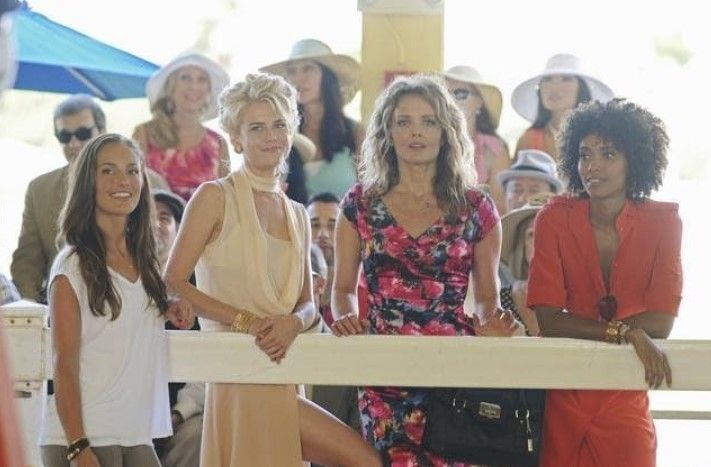
The original *Charlie’s Angels* continues to be iconic, still sparking references decades later and inspiring a reboot series in 2011. However, maybe they should’ve left the original alone since the reboot only lasted for eight episodes before it was cut. While the cast was impressive, the writing sped through plot points and details without actually fleshing any of them out. Lacking the dramatics and flamboyancy that the original did, this series severely missed the mark with their attempt at a reboot.
“Heroes Reborn”: Unmemorable Writing and Characters
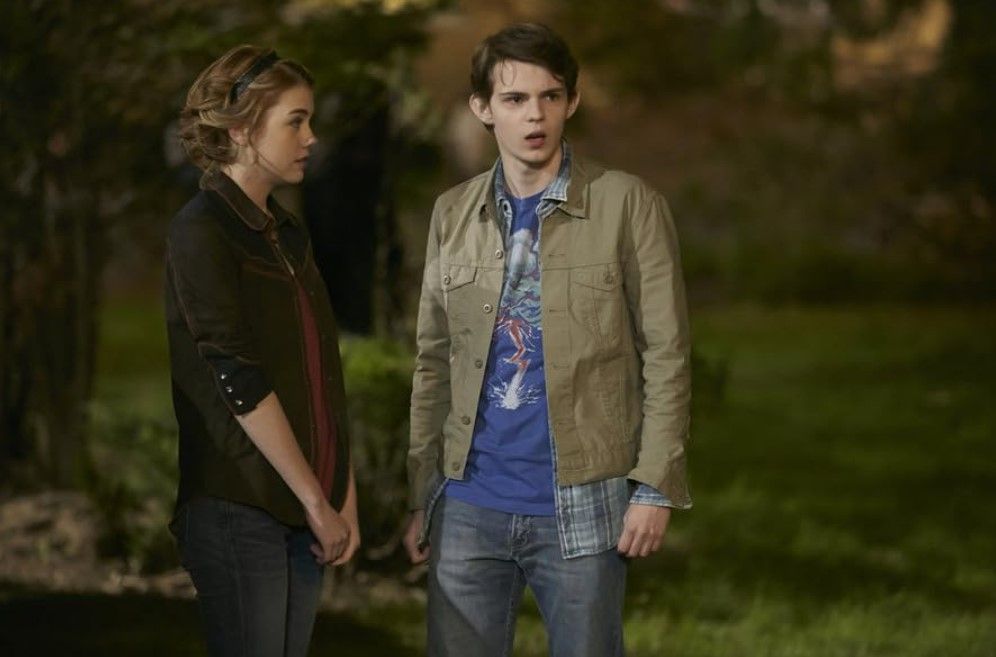
The characters in the original 2006 series of *Heroes* were developed over time, making audiences fall in love with their personalities and their continuously strengthening relationships. However, the 2015 reboot had neither the time nor the priority of making these new characters fan favorites. With only a 13-episode run, there were no scenes, superpowers, or heroes that were memorable or compelling in the reboot, a disappointing fact for those who were obsessed with the original series.
“Dynasty”: Showed Soaps Don’t Have a Place in Modern Times
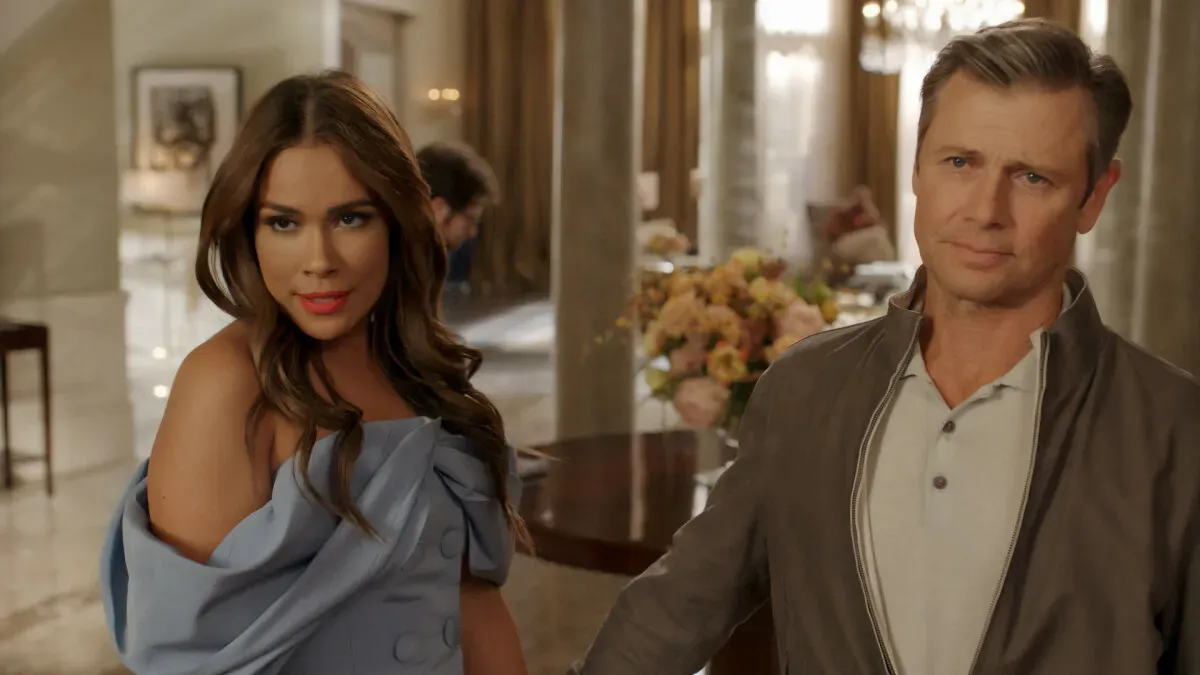
Soap operas were all the rage in the ‘80s and *Dynasty* was one people couldn’t get enough of. With endless drama that seemed never-ending, people were transfixed to their TVs for all 200 episodes of this show. However, the 2017 reboot tried to bring back the same characters and style of the show, while also trying to fit it into a modern context. Unfortunately, with new priorities in entertainment, the show didn’t translate the same way it did before, though it did last five seasons.
“Melrose Place”: Major Continuity Errors
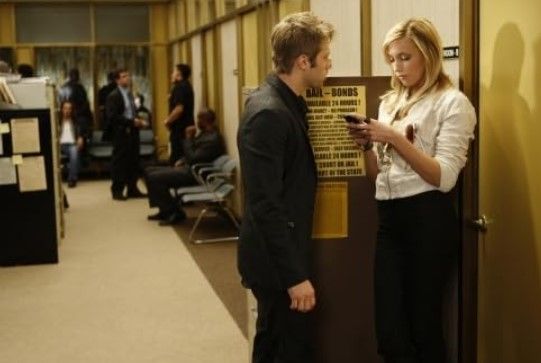
In another attempt to revive the storylines and lifestyles of the characters in *Beverly Hills, 90210*, writers came up with the idea to resurrect a character that had supposedly died in the original series in *Melrose Place*. But this reboot failed to create the same dramatic flair that the original did. With such an outlandish plot—which led to issues in continuity—and a slow pace that left viewers relatively bored, this series lasted for just one season with a low viewer count and even lower ratings.
“Dallas”: Lacking Chemistry in the Cast
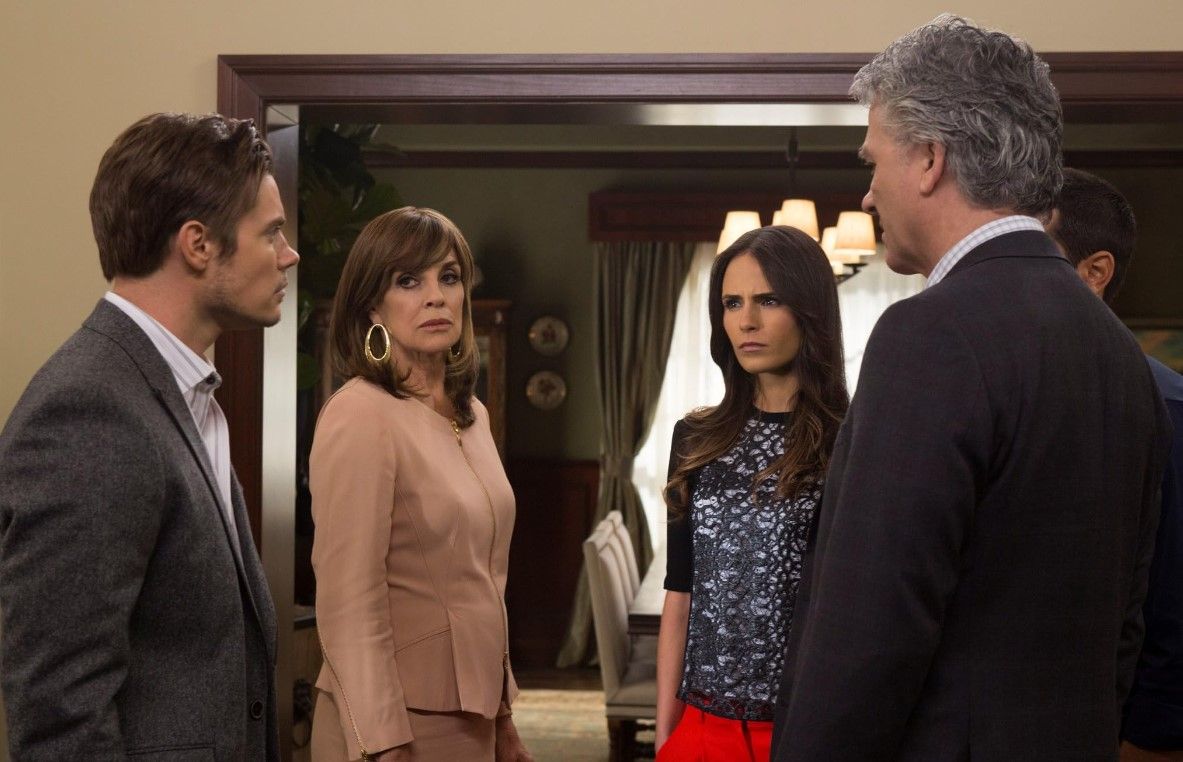
The original *Dallas* series had a loyal fanbase who couldn’t get enough of the dramatics and cliffhangers, all made entertaining and enjoyable by a cast who really knew how to work together. Fans tried to keep an open mind when it came to watching the reboot in 2012, but the next generation of the Ewing family was played by actors who had no chemistry and the characters were unconvincing. With a storyline whose timing was hard to follow and killing off a major character, this reboot didn't get high praise from viewers.
“V”: Bad Timing and Bad Cast
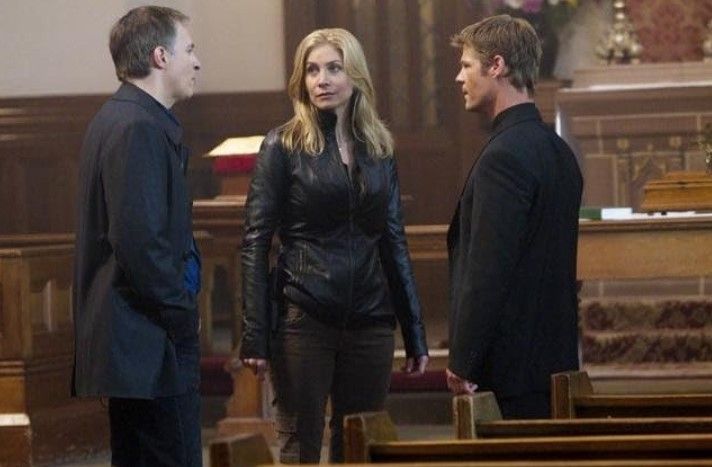
With such an incredible mini-series created in 1984, folks had high expectations when *V* was brought back in 2009. However, only four episodes were released before the show went on a four-month hiatus—which basically guaranteed a failure in ratings. When the show came back, audiences had trouble following the happenings of a cast that really didn’t know what they were doing. (And why was one of the characters kept in a sewer for nine episodes?) By the end of the two seasons, viewers were happy to see an unsuccessful series come to an end.
“Ironside”: Cast Deserved Better Writing
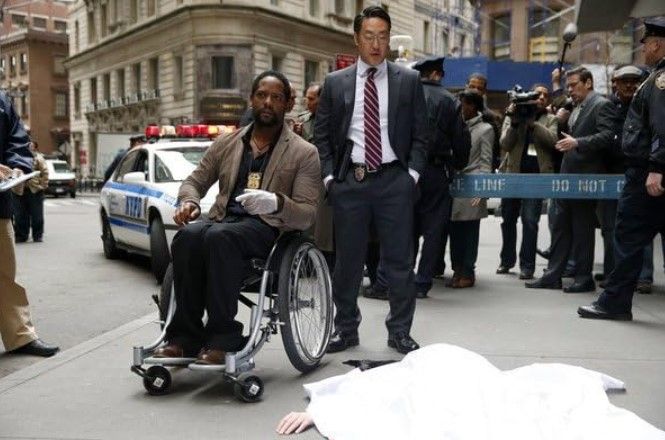
Audiences fell in love with Ironside, the protagonist police consultant of the ‘60s and ‘70s crime drama show of the same name. But when it was brought back in 2013, all it took was four episodes before it was pulled from the air. With bad buzz from the beginning, it wasn’t the cast that was the problem, but the writing that made it a show people couldn’t stand. The idea to remake this show was inspiring, but the execution was more than disappointing.
“Fantasy Island”: Bit of Mystery, A Lack of Imagination
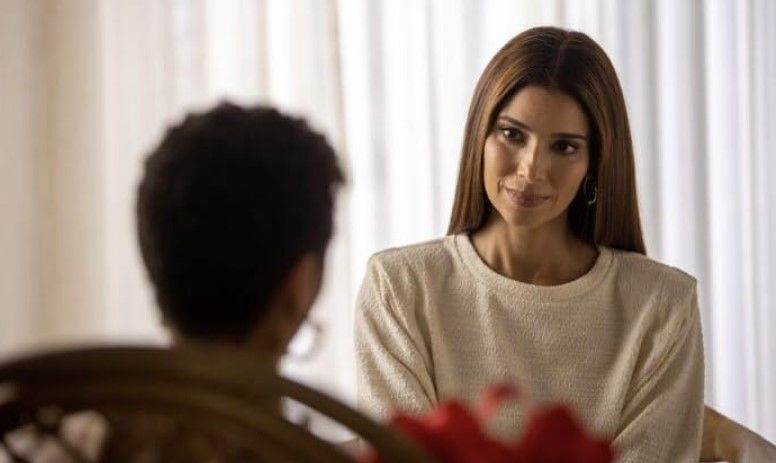
The 1977 series *Fantasy Island* took us on a journey of wishes and unexpected outcomes, reminding us to appreciate our lives. The 2021 version did its best to capture the essence of Mr. Roarke’s magical island, but fell a bit flat. Besides the beautiful scenery and gorgeous cast, the only thing this series truly boasted was a bit of mystery. Critics had trouble with the stories that seemed unimaginative and didn’t add all that much to the franchise, which already suffered failures in their attempts at reboots in the ‘90s. With okay ratings and few viewers, FOX decided to cancel the series after two seasons.
“Bionic Woman”: Writer' Strike Delivered its Final Blow
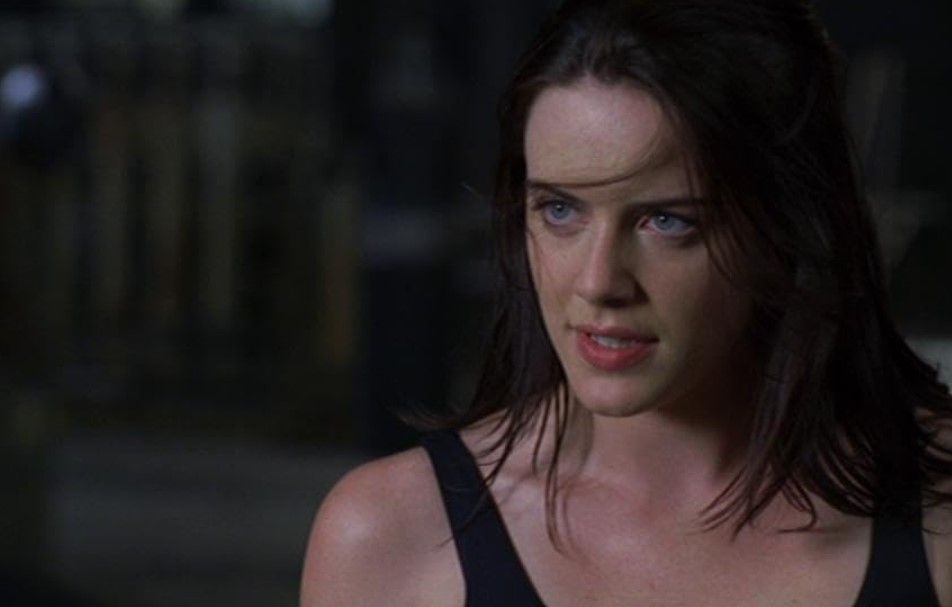
In an attempt to remake the ‘70s hit show *The Six Million Dollar Man*, NBC released *Bionic Woman* in 2007. Much more dramatic and intense than the original, the series proved hard to follow, especially as it passed through many different writers and producers. However, it was the writers’ strike in 2007-2008 that officially brought about the end of the show. The series was never officially canceled, but production never picked back up again.
"The Prisoner": Gloomy and Confusing, Rather Than Mysterious and Original
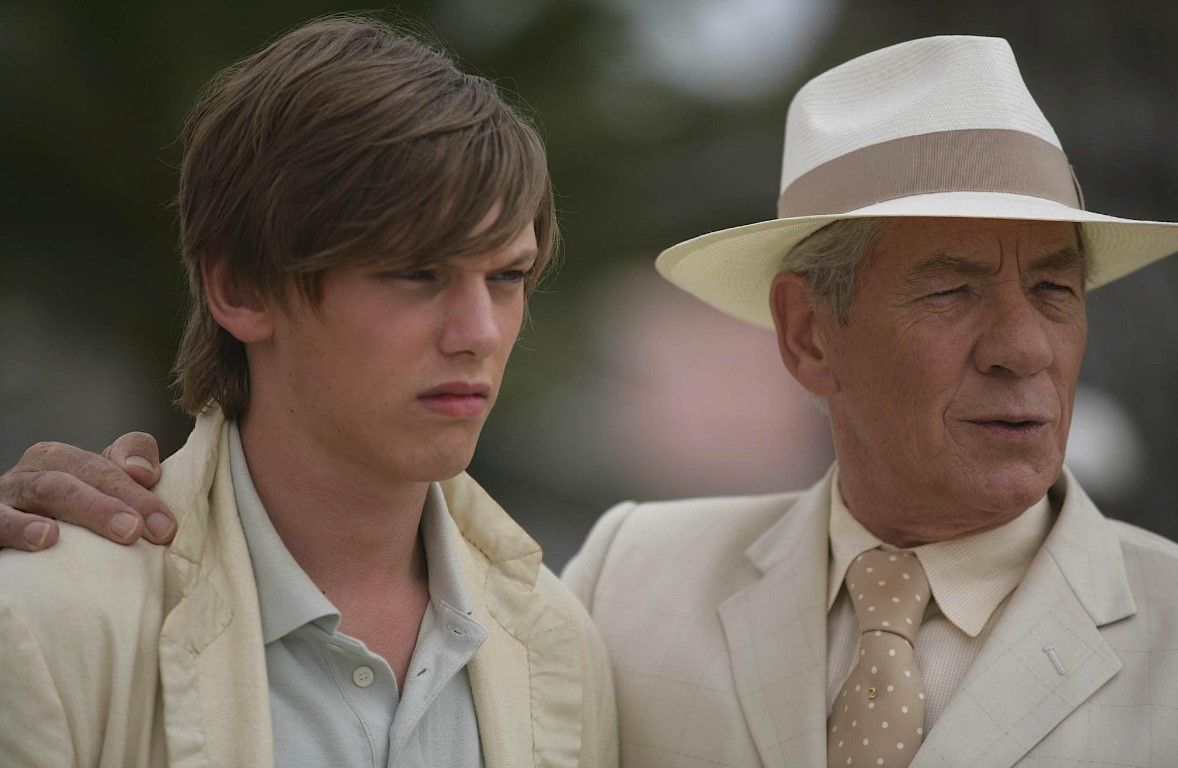
In the 1960s, fans were pleasantly surprised by the exciting and daringly different British sci-fi series *The Prisoner*. As a miniseries that kept fans on the edge of their seat, it’s no wonder that AMC wanted to bring the series into modern times. Even though writers tried to create the same spirit of the ‘60s series, the new storylines seemed confusing, rather than innovative or mysterious. The only thing that truly saved the series at all, according to critics, were the scenes with Ian McKellen. It was a good try, AMC.
“The Twilight Zone": Can’t Hold a Candle to the Original
The original *The Twilight Zone* has continued to be a classic since its release in the ‘50s. There have been attempts at remakes since, and director Jordan Peele decided to try his hand at a reboot in 2019, without much success. While there was some positive feedback for the integration of modern social commentary, most fans had issues with the lack of effort and invention, as well as the somewhat preachy and cheesy nature of the messages. Fans missed the mystery and suspense of the original, and the series ended after 10 episodes.
"Hawaii Five-0": Focus on Action Takes Away From Characters
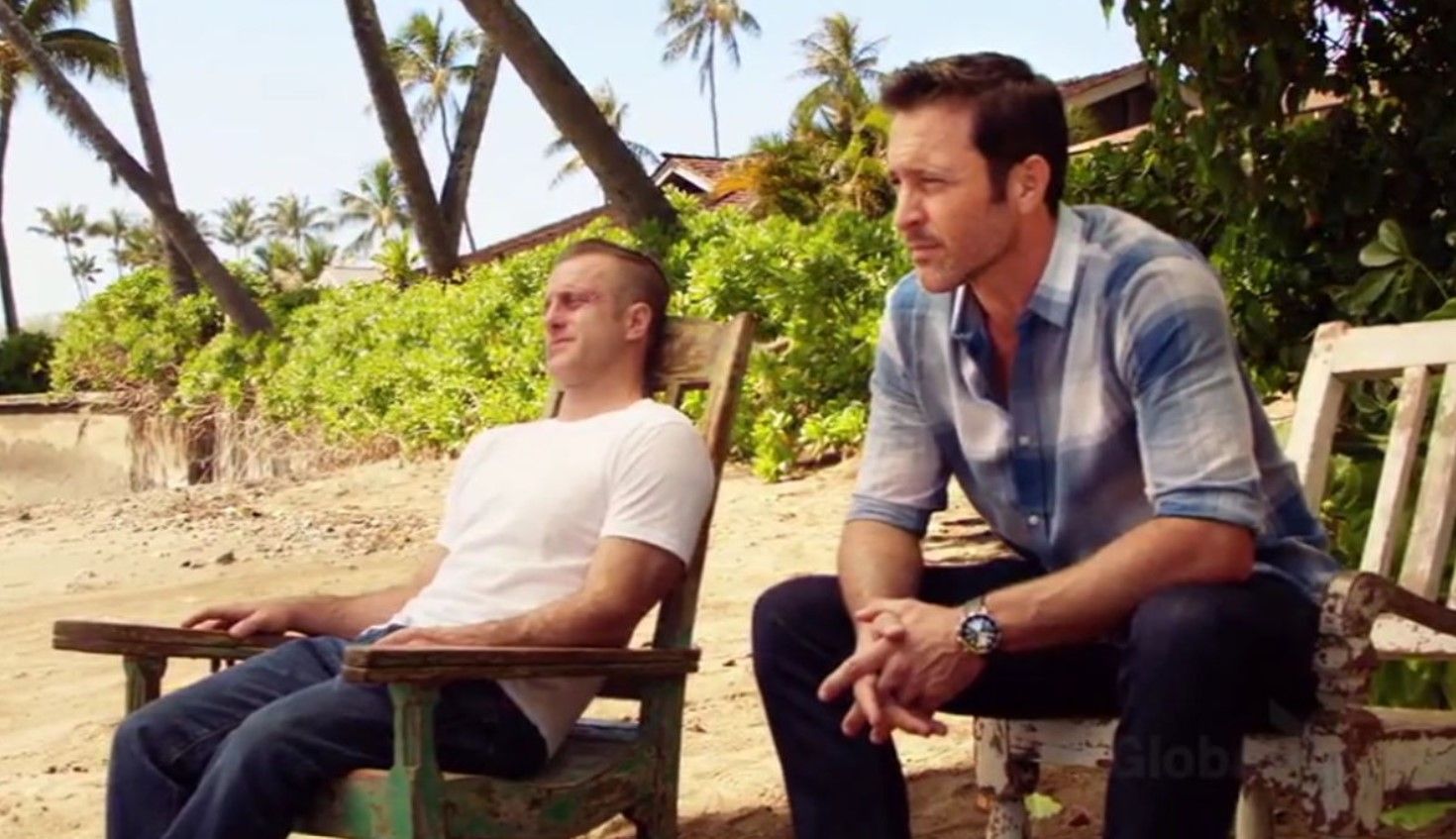
In the 1960s, fans followed the police force located in Hawaii in *Hawaii Five-O*, and in 2010, the series saw a reincarnation in the new show that replaced the “O” with a “0”. Even though there were key differences between the two, for the most part, the reboot received positive reviews and ran for 10 years. However, some critics thought the reboot deviated from the original plotline too much, focusing too much on action sequences and high-stakes crime, rather than the development of characters.
“Knight Rider": Cheesy Attempt of a Reboot
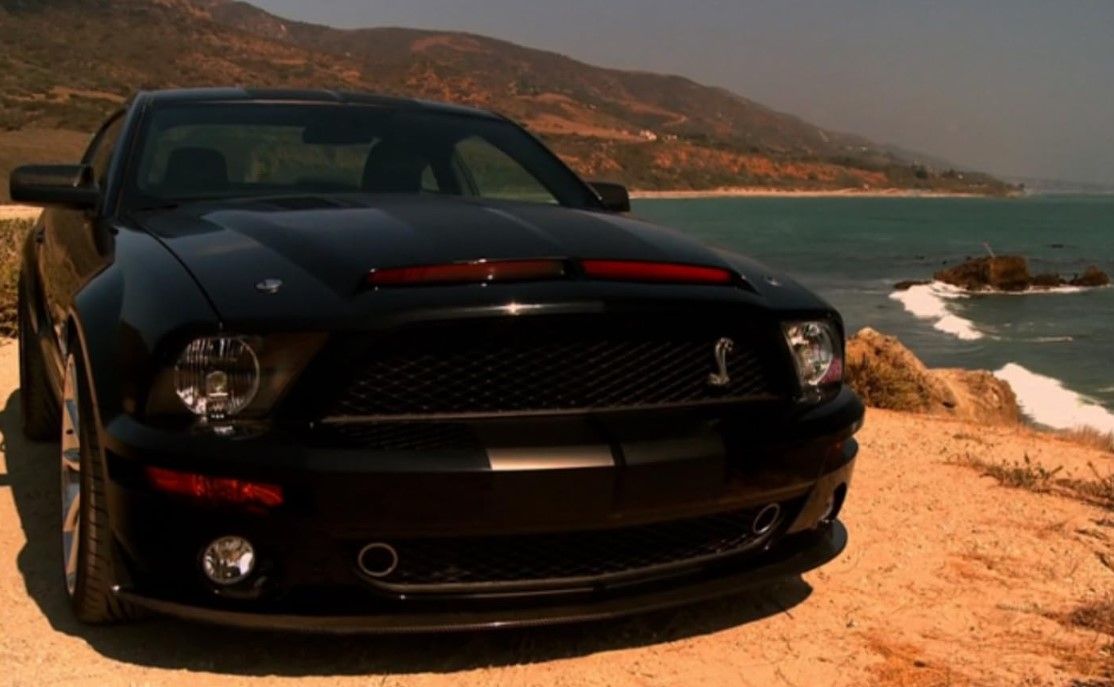
An exciting action series from the ‘80s, *Knight Rider* drew fans in with dramatic crimes and a super cool artificially intelligent car. However, the 2008 reboot took all of these aspects and made it into a cheesy, disappointing version of itself. Fans had trouble resonating with the series and critics were especially harsh on the series, causing its ratings to go down, and its cancellation to quickly follow at the end of the first season.
"Twin Peaks": Disjointed Characters and Missing Storylines
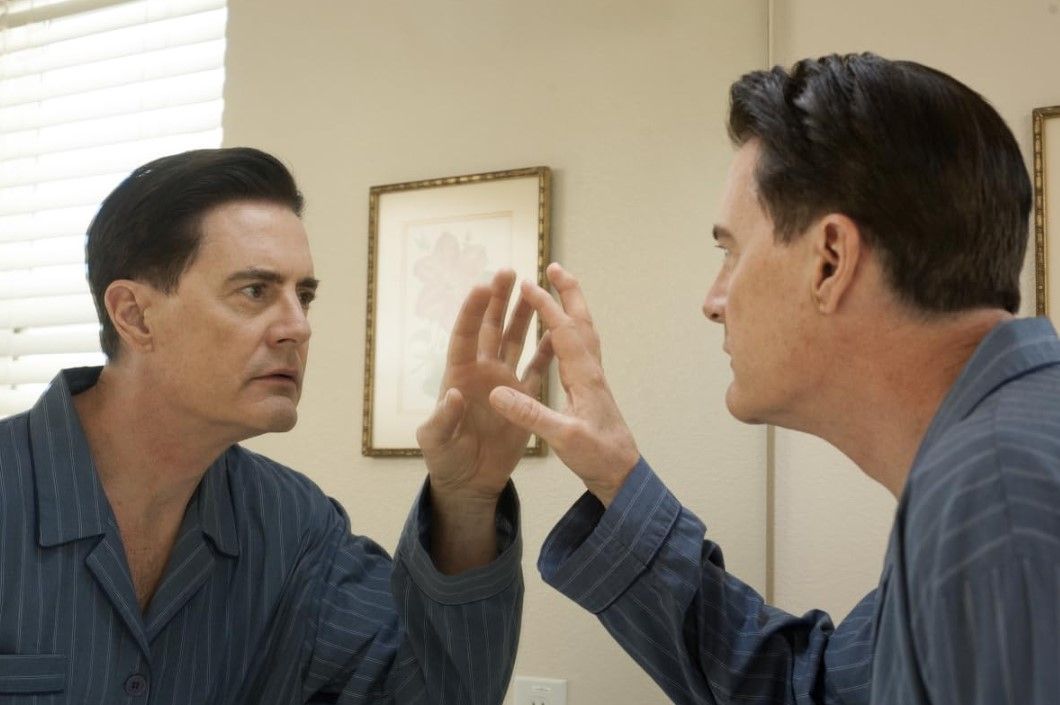
The mystery series *Twin Peaks* gained a cult following when it was released in the ‘90s. The reboot released in 2017, titled *Twin Peaks: The Return* received positive feedback for its storytelling and refreshing originality. However, fans of the original series couldn’t help but miss characters and storylines that weren’t given a chance to finish, and the characters that were included weren't always connected. A bit disjointed, many viewers were disappointed with this return.
"The X-Files": Stuck in the Past
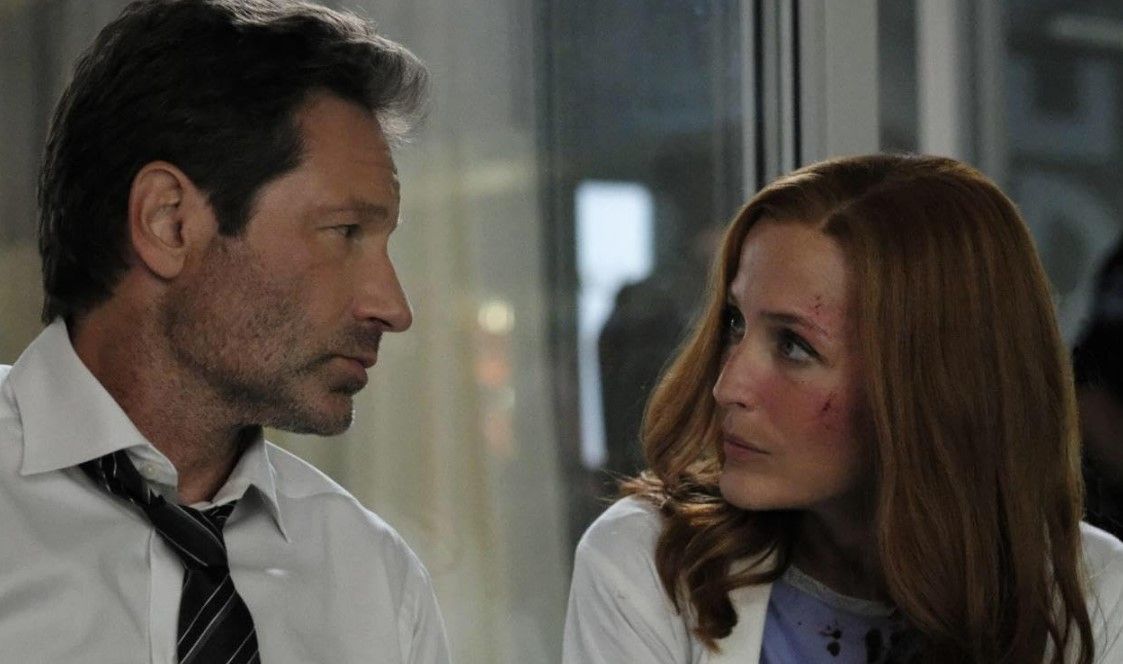
*The X-Files* was a highly enjoyable series first premiering in the ‘90s, following the hidden FBI department that investigated paranormal activity. When the reboot came out in 2016, with the two original stars in the same roles, fans were more than excited for the show to pick up where it left off. However, in this case, the show creators did keep the series much like the first one—which actually works against the show’s ability to hook audiences. Stuck in the past, with slow-moving plotlines and tired ideas, this reboot didn’t bring the same magic the original did.
"The Odd Couple": Forcing the Roles and Laughs
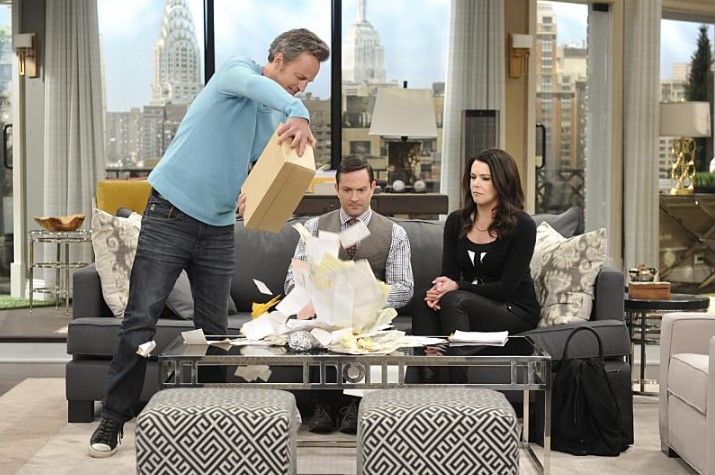
Two divorced men who share an apartment isn't a typical situation, but *The Odd Couple*, a series released in the 1970s that was based on a play, turned this into a successful sitcom. Trying to bring this dynamic into modern times, the 2015 reboot brought Matthew Perry and Thomas Lennon into these roles. However, critics said this version felt even more retro than the original, with the actors simply trying to fit into the caricatures of the original characters. The series lasted three seasons before it was canceled.
"The Magic School Bus Rides Again": Major Changes in Style and Design
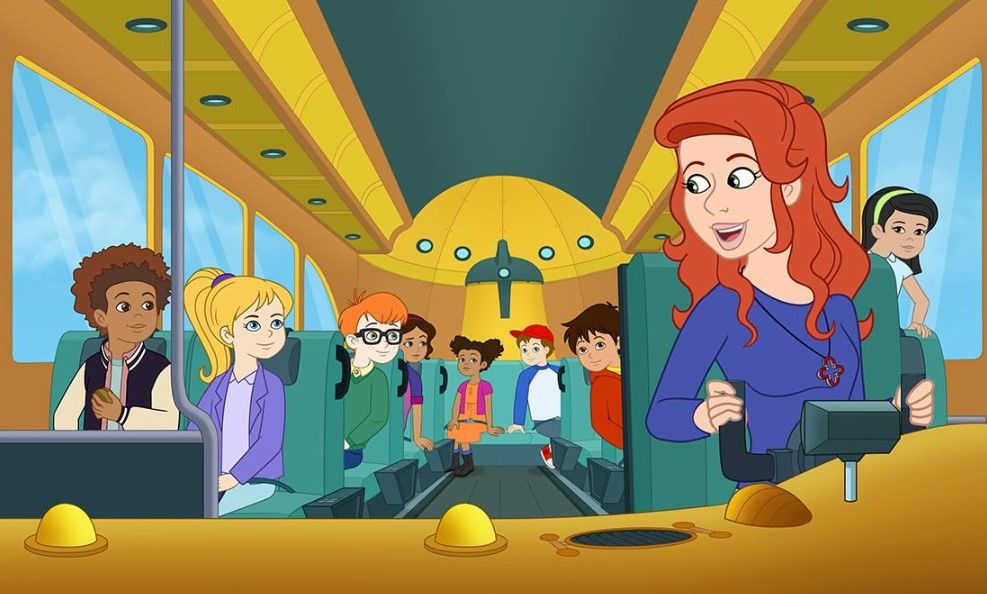
We loved when our teachers put on *The Magic School Bus* during our school years. So, when they announced a reboot would be released in 2017, fans were ecstatic to see Ms. Frizzle and the school bus once again. However, changes to the voices and designs of the characters made fans angry, who greatly appreciated the unique and quirky qualities of the original cartoon. Why on earth did they get rid of Ms. Frizzle’s iconic style?
"Fuller House": Lazy Reliance on Nostalgia
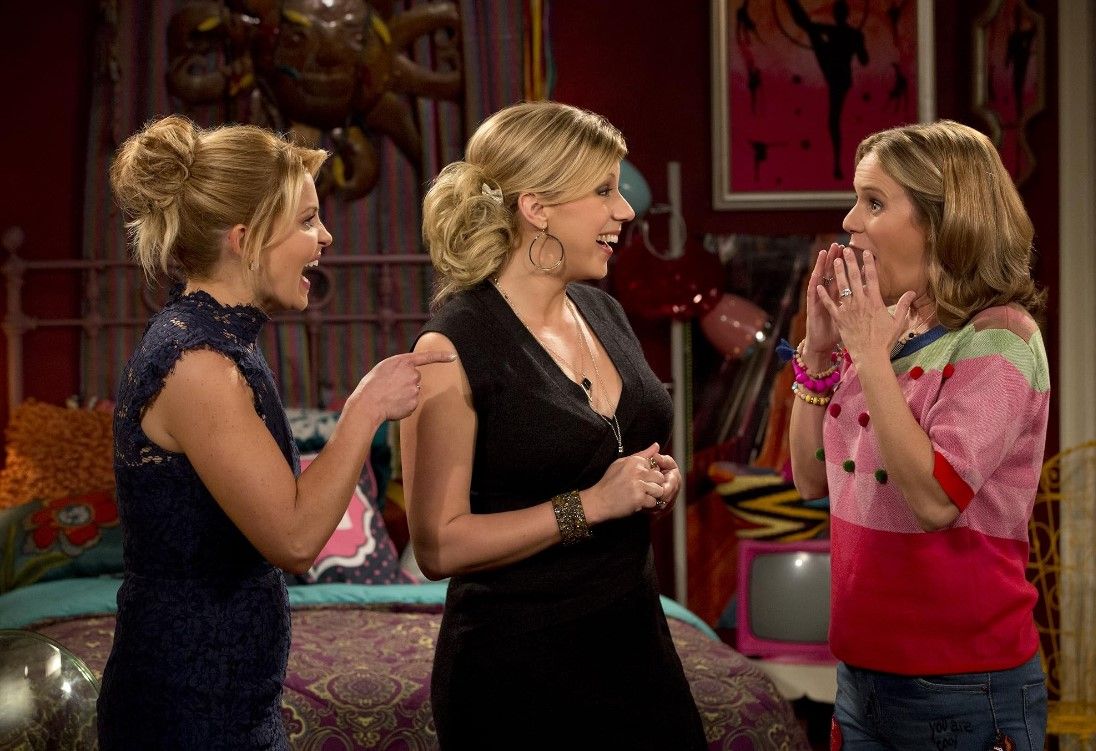
The 1990s sitcom *Full House* was an enjoyable show for the whole family, full of sweet messages and close relationships between characters. When there was an announcement of a reboot, with many of the same characters in their grown-up lives, folks were over the moon. However, the 2016 remake focused far too much on the nostalgic moments of the original while also trying to make adult references and jokes about the main characters. Though fans still watched to appreciate their favorite actors, the jokes and writing were seen as lazy and disappointing.
"Party of Five": Lack of Emotional Depth and Viewers
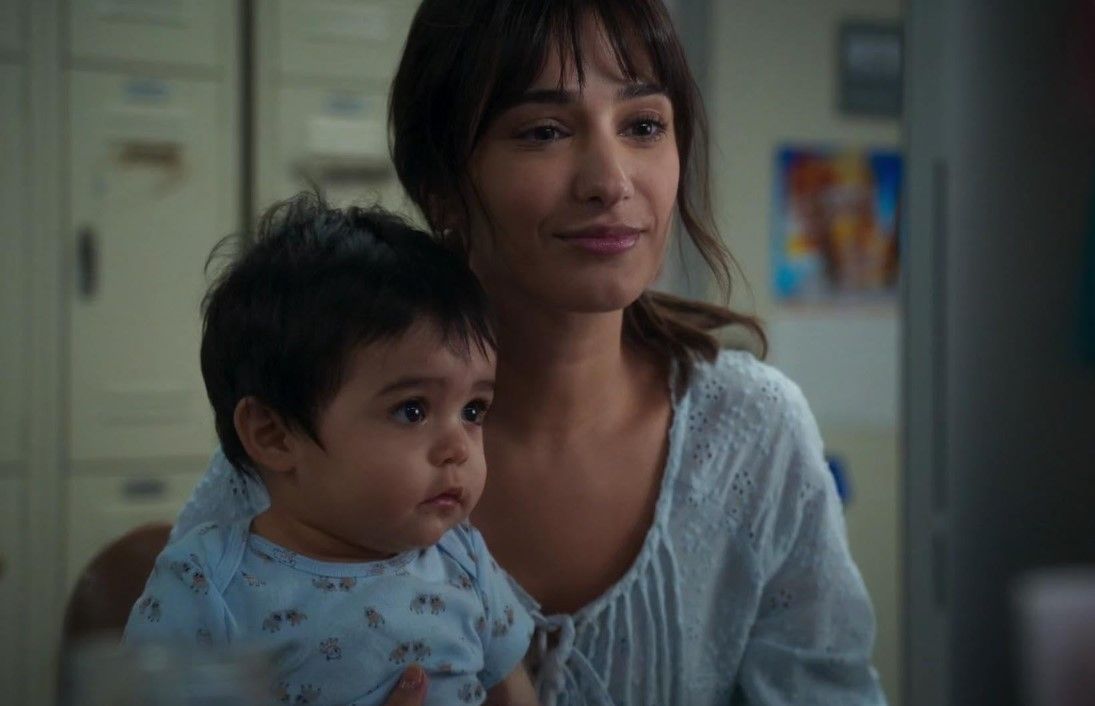
The original *Party of Five* followed five children as they navigated life after their parents died in a car accident. When writers decided to bring back this concept for a series in 2020, they decided to make things a bit more topical. Now, these children must deal with being left behind while their parents are deported to Mexico. While many fans thought the series boasted a good cast and timely themes, others had major issues with the lack of empathetic storytelling. In the end, the show was canceled after only one season due to a lack of viewers.
"Murphy Brown": Hard to Find the Same Relevance
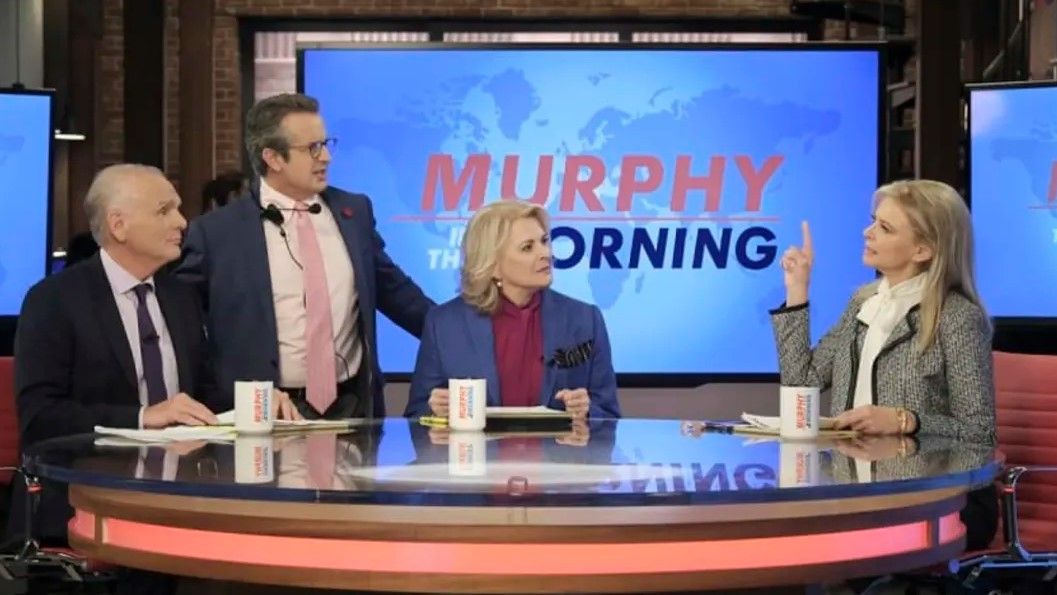
Fans loved the witty journalism of Murphy Brown in the 1980s and 1990s, as she was simply and unapologetically herself. However, bringing back the fan-favorite character to a reboot in the 21st century was risky. In 2018, Candice Bergen returned to the titular role, but the topical themes of the show and the jokes about struggling with technology and modern times felt forced, instead of seamless. Unable to find the same relevance it had before, the revival was canceled after only one season.
"One Day at a Time": Had the Diversity Without the Viewership
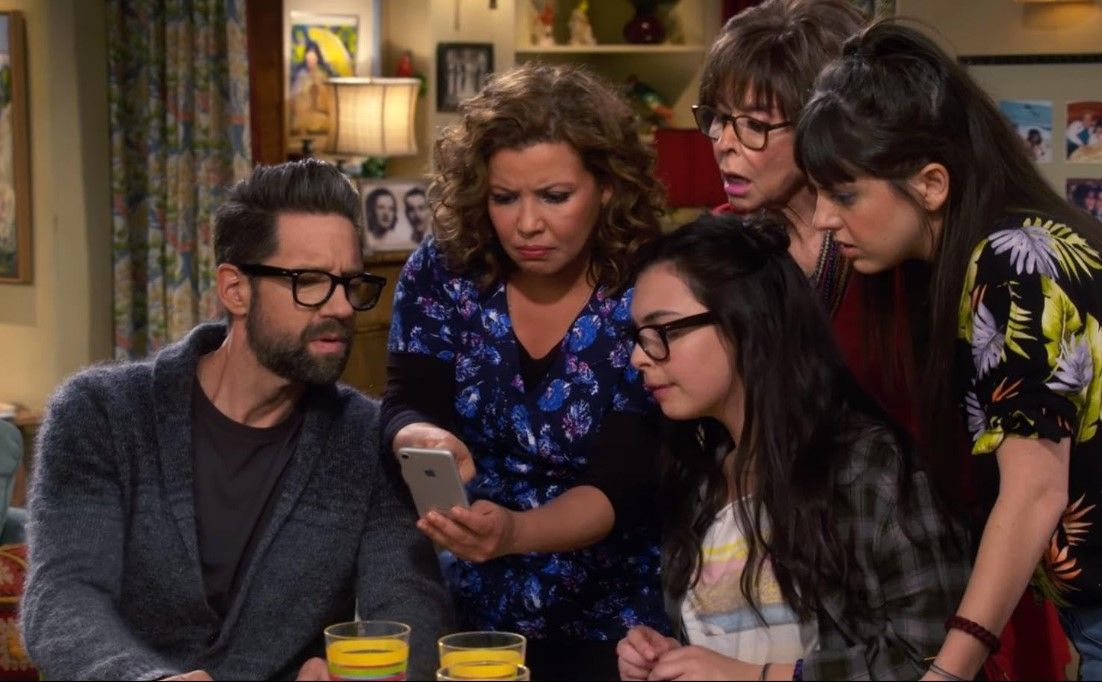
A sitcom about a single mother raising her two children, *One Day at a Time* found popularity in the ‘70s and ‘80s. In the 2017 reboot, the sitcom used the same concept, with a different dynamic. Viewers loved the diversity of the remake, which focused on a Cuban American family, in which the daughter was queer. However, the show didn’t have the same pull as the original did, and without a wider audience to watch it, the show was canceled after three seasons.
"Will & Grace": Fans Weren’t Seeing Anything New
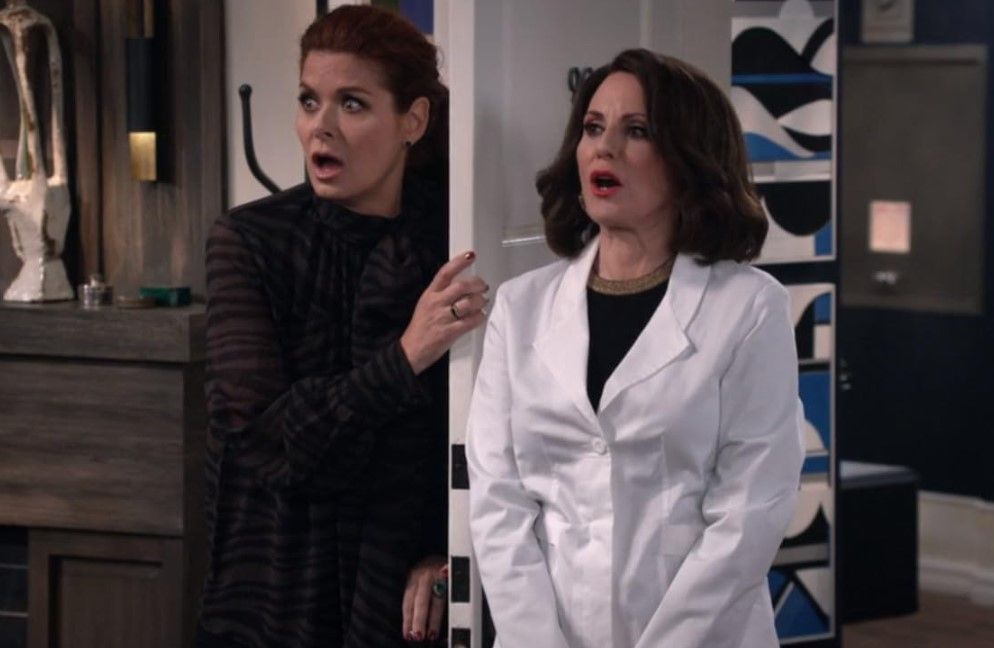
*Will & Grace* had all the makings of a good sitcom, and even some aspects that others had touched on before—like queer men being in the main cast. However, the original series eventually lost ratings and was canceled at the end of its eighth season. Ten years later, they decided to come out with another two seasons. Unfortunately, this time, it was only two seasons before it was yet again canceled. The ratings just weren’t good enough to support another few seasons, especially when fans felt like they weren’t watching anything new happen in the show.
"The Fugitive": Different Key Details and Hasty Writing
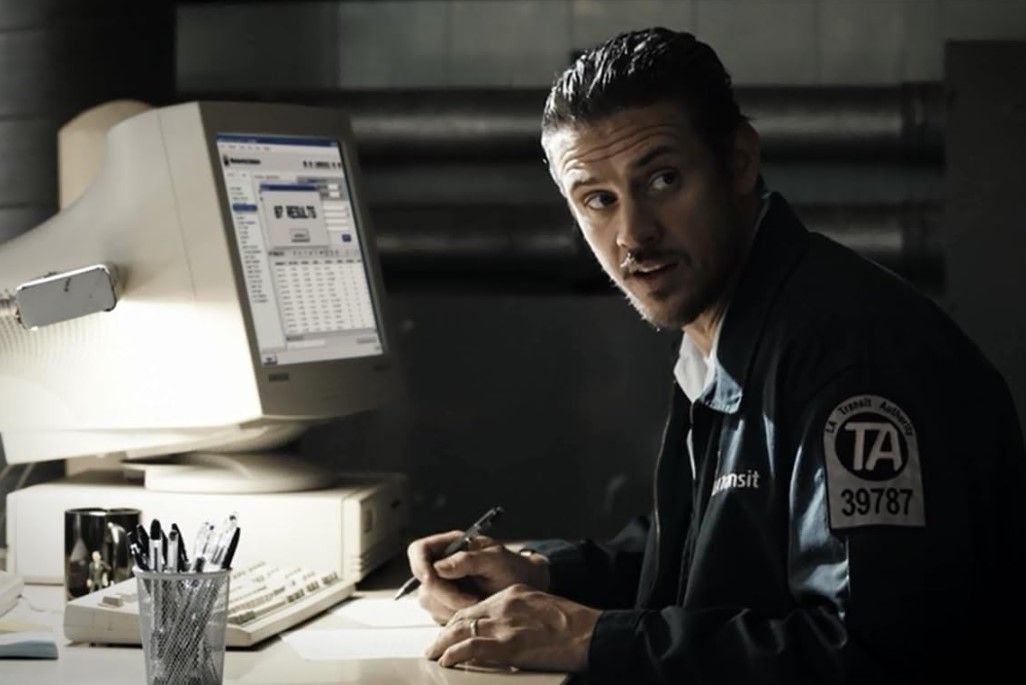
Specific elements like a one-armed man and a man on the run for being falsely accused of murder set the original *The Fugitive* series apart from other thriller dramas. Though a movie and limited series were inspired by the original 1960s series, writers didn’t think it was nearly enough and decided to produce another series in 2020. However, because these previously mentioned important elements weren’t included, and instead were replaced with a hastily constructed conviction and plot, the series wasn’t given the same respect and appreciation as the original.
"Walker, Texas Ranger": Can’t Live Up to Norris’ Legacy and Performance
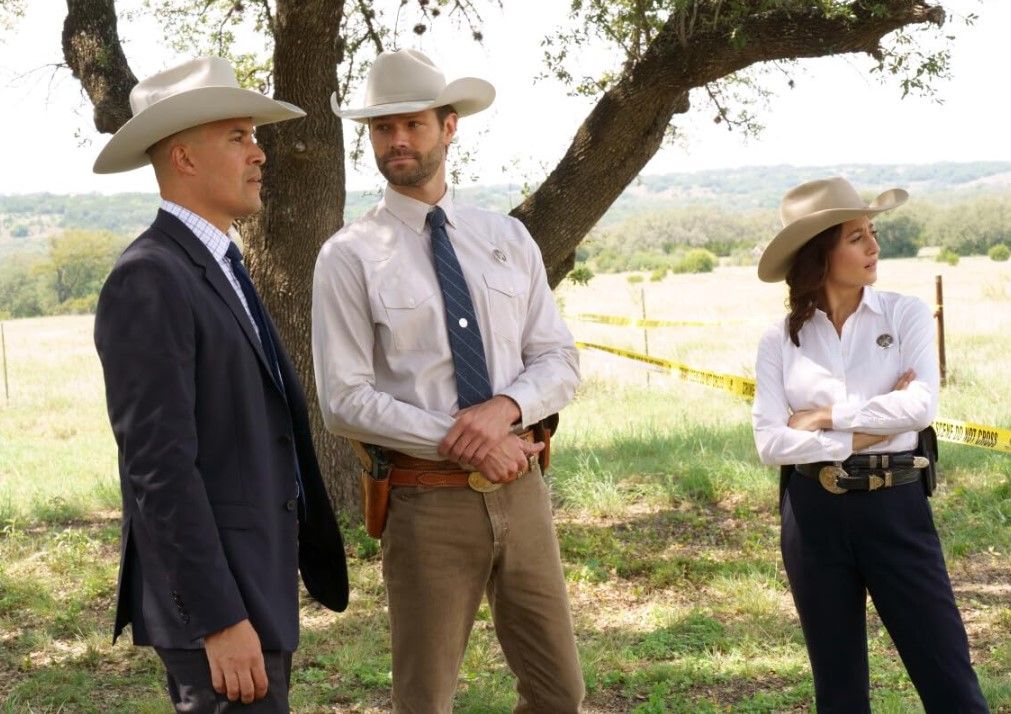
Chuck Norris’ legacy has always preceded him, so it’s no wonder remaking his ‘90s cowboy series would be difficult. However, producers tried anyway, placing Jared Padalecki in the main character’s role and seeing what he could do. Even though audiences liked the main character, the show as a whole has been received as shallow and simple, not implementing the excitement and grace Norris brought to the original. Still, the show is returning for its fourth season, so anything could happen.
“Girl Meets World”: Too Much Nostalgia, Not Enough Viewers
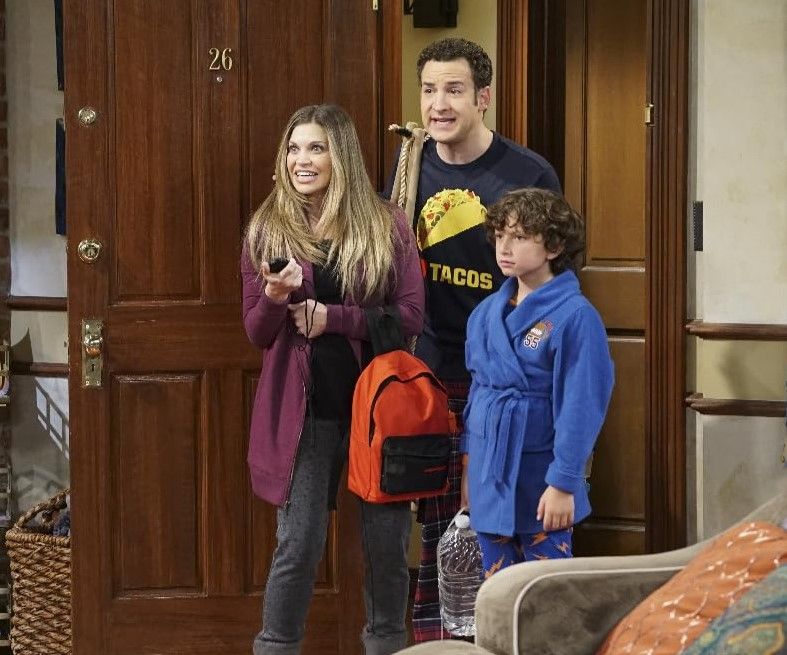
While a sitcom about kids in middle and high school largely spoke to a young audience in the ‘90s, the remake of *Boy Meets World* in 2014 didn’t have the same effect. Most folks enjoyed the prospect of bringing back the original cast, but now with children of their own, the new version of the show called *Girl Meets World*, no longer has the same relevance or appeal to young kids. Plus, there simply weren’t enough viewers drawn in by the sake of nostalgia alone.
“Skins”: U.S. Version Glamorized Themes
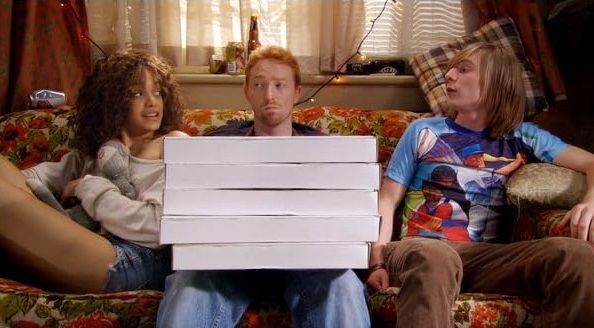
In 2007, *Skins* was released in the UK, and it followed teens through their teenage years while touching on important and controversial topics like mental illness, bullying, and so forth. Wanting to recreate this series, the U.S. released a remake in 2011. However, some of the topics were altered to fit a more polite, less scandalous viewership, and instead glamorized the cast by casting less believable actors into roles that didn’t necessarily fit them.
“Gracepoint”: What’s the Point?
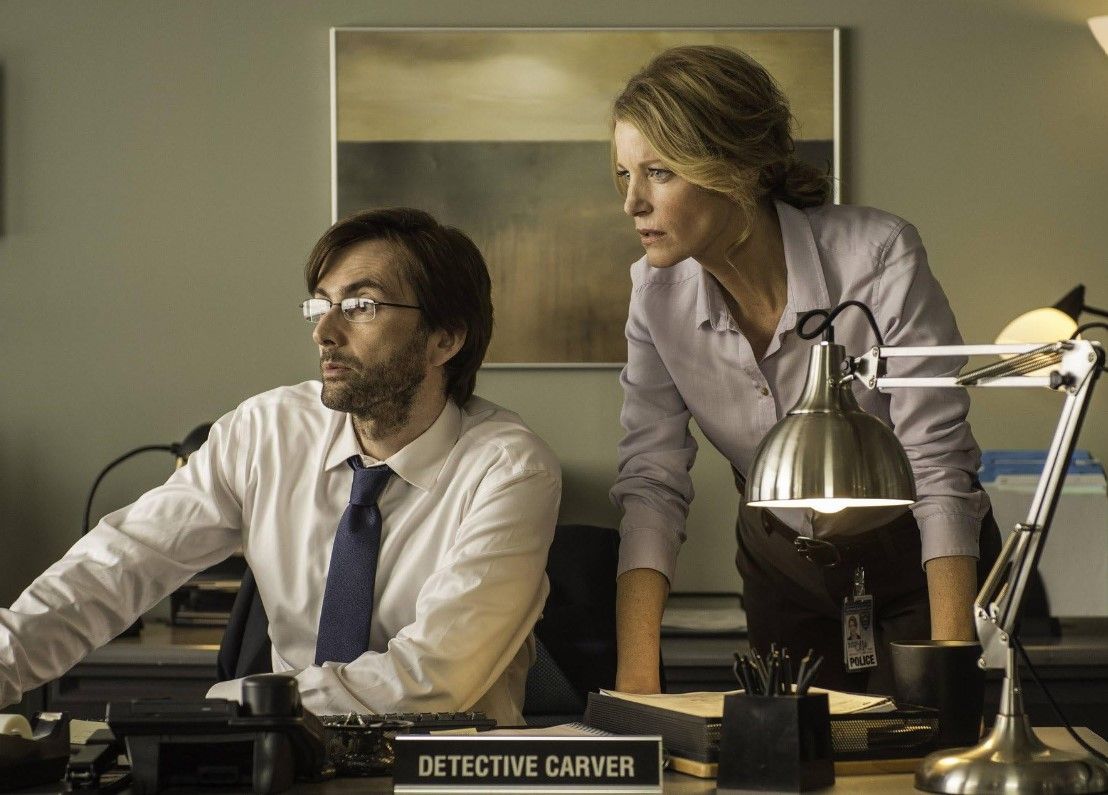
The British crime drama *Broadpoint* saw David Tennant go on a journey to solve crimes and deal with his personal history. So, folks were confused when the same writer, director, and actor, all crossed the Atlantic to make essentially the same series, but in the U.S. With a similar plot and David Tennant speaking in an American accent, audiences were less inclined to watch this version, or at least stick around until the seventh episode, when the plot finally diverges.
“And Just Like That...”: Not the Flirty, Fun Series Fans Were Expecting
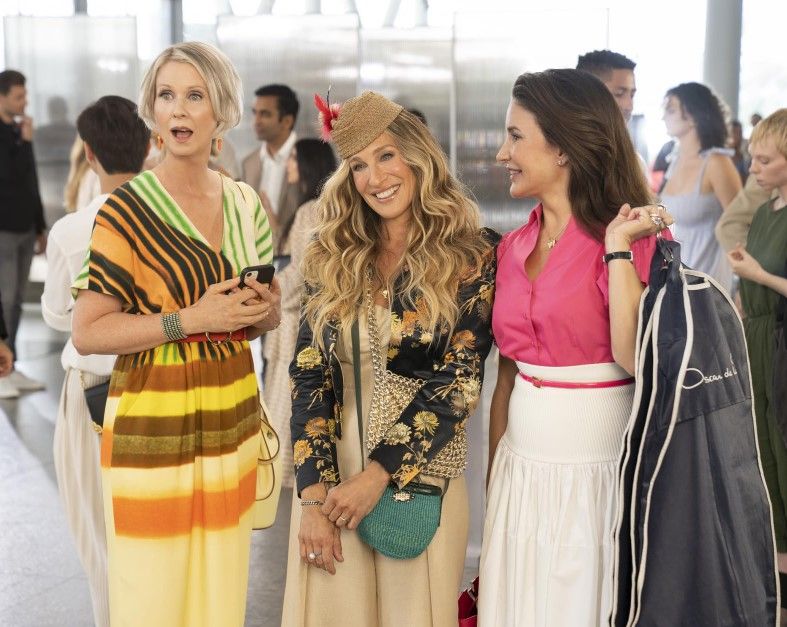
Audiences couldn’t get enough of the four women who kept their dating and personal lives real as they navigated New York City. We’re, of course, talking about *SATC* and the iconic six seasons that it ran on HBO. After waiting 17 years for Carrie Bradshaw’s return to TV, *And Just Like That...* came out to a relatively disappointed audience, who weren’t entirely okay with the way the writers tried to take the 1998 fun and flirty series into the modern-day.
“Saved by the Bell”: Cheesy Doesn’t Have the Same Effect Today
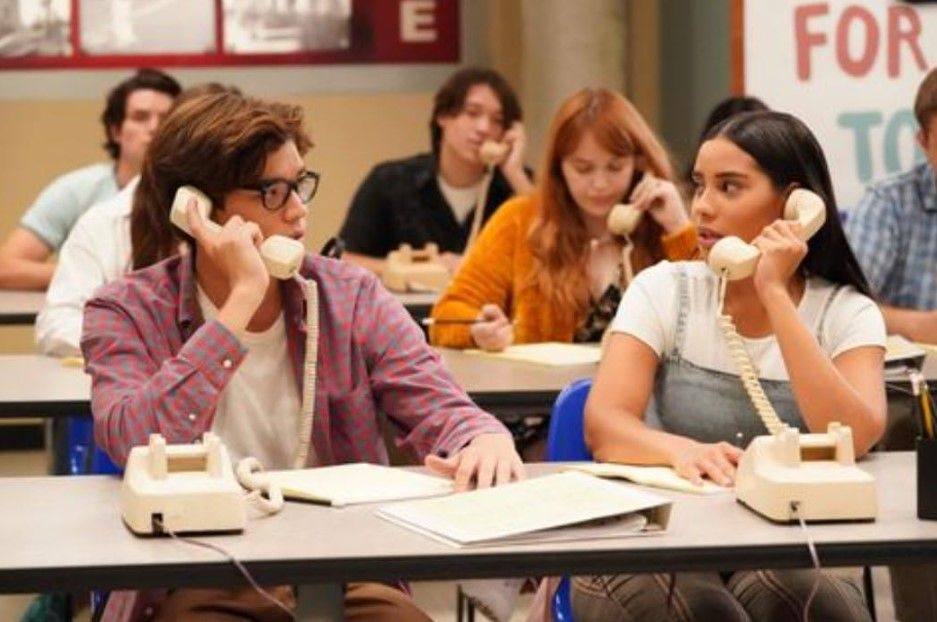
Even though we fell in love with the high school sitcom *Saved by the Bell*, audiences had trouble finding the same amount of humor in the 2020 reboot. While actors from the original cast show up to fans’ enjoyment, their characters are not only written terribly, but the whole series is cheesy and lazy in a way that isn’t all that funny. Sitcoms just don’t hit the same in the 21st century, and this is a prime example.
“Arrested Development”: They Should’ve Stayed Off the Air
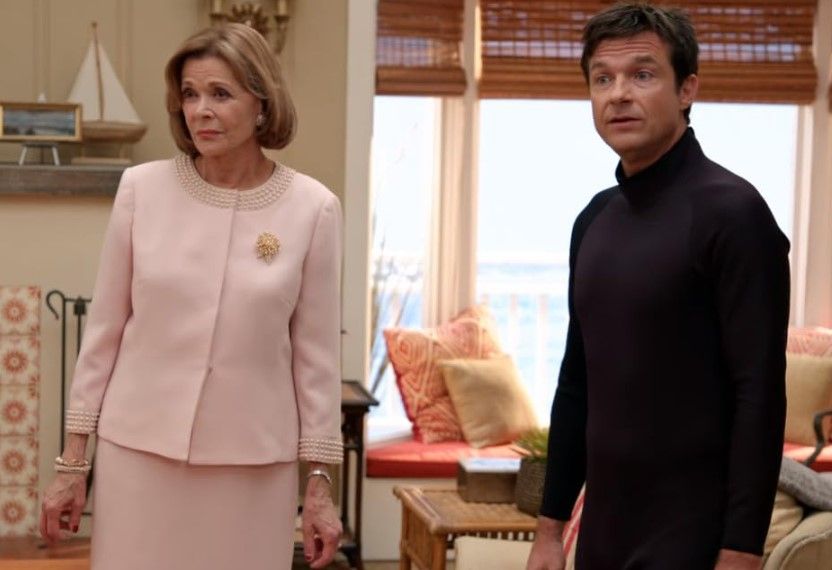
Already a series with trouble keeping viewers and high ratings, *Arrested Development* was actually canceled in 2006 after just three seasons on the air. However, only after it was canceled, did it receive a sort of cult following, prompting Netflix to once again produce new seasons in 2013 and then in 2018. With repetitive stories and a discombobulated way of telling them, fans were once again disappointed by the reboots. The show probably should’ve been kept at three seasons.
What We Can Learn From This
Reboots fail for a handful of repeatable reasons, and that pattern says something about how TV gets made now. Lose the original tone, swap out the cast, or replace heart with headline-grabbing twists and the charm evaporates. Fans want surprise, sure, but they also want the thing they loved to still feel like itself. That balance is harder to find than studios admit, and the misses on this list prove it.
Nostalgia Isn't a Script
Bringing back familiar faces and beats feels safe, but safety is boring if there is no risk in the storytelling. Too many revivals lean on callbacks and wink-wink references instead of earning emotional weight or new ideas. Audiences notice when a show is trading substance for fan service. If you want viewers back, give them reasons beyond memory lane.
Tone Trumps Trendiness
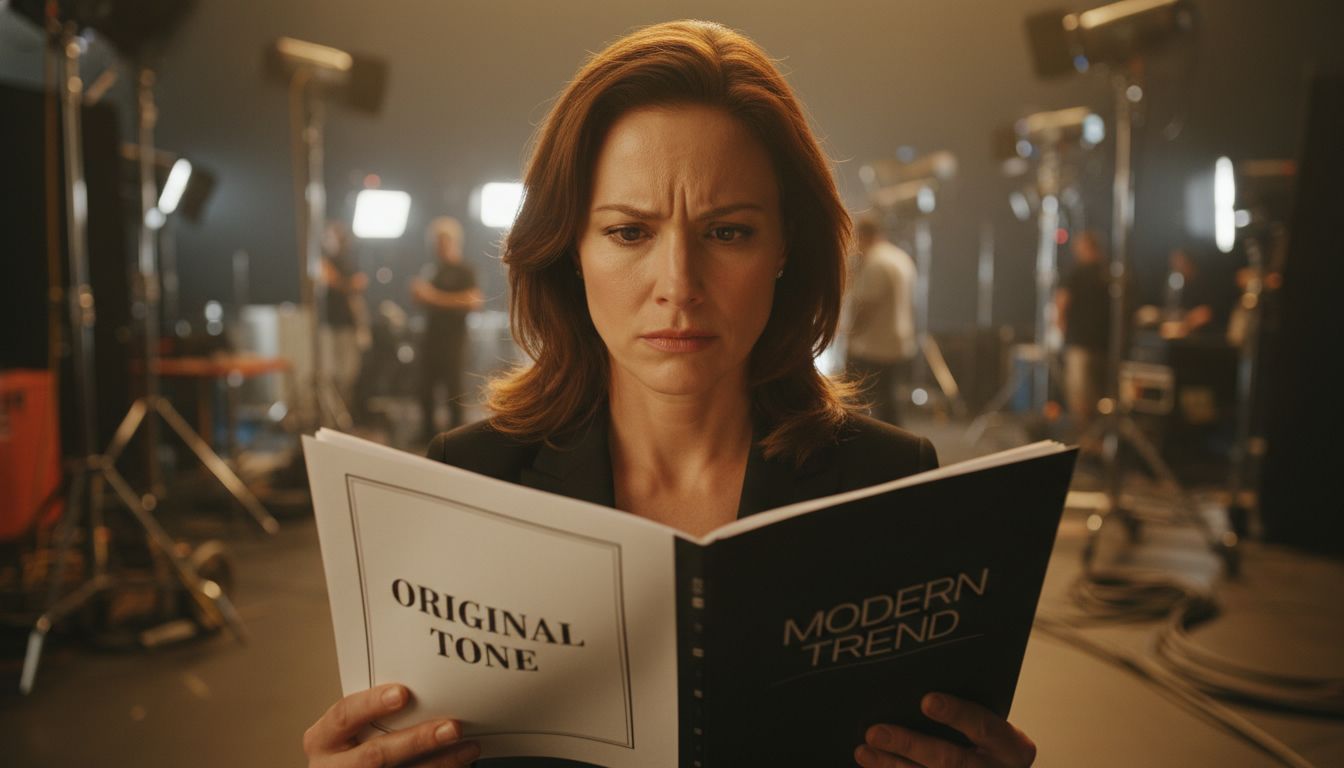
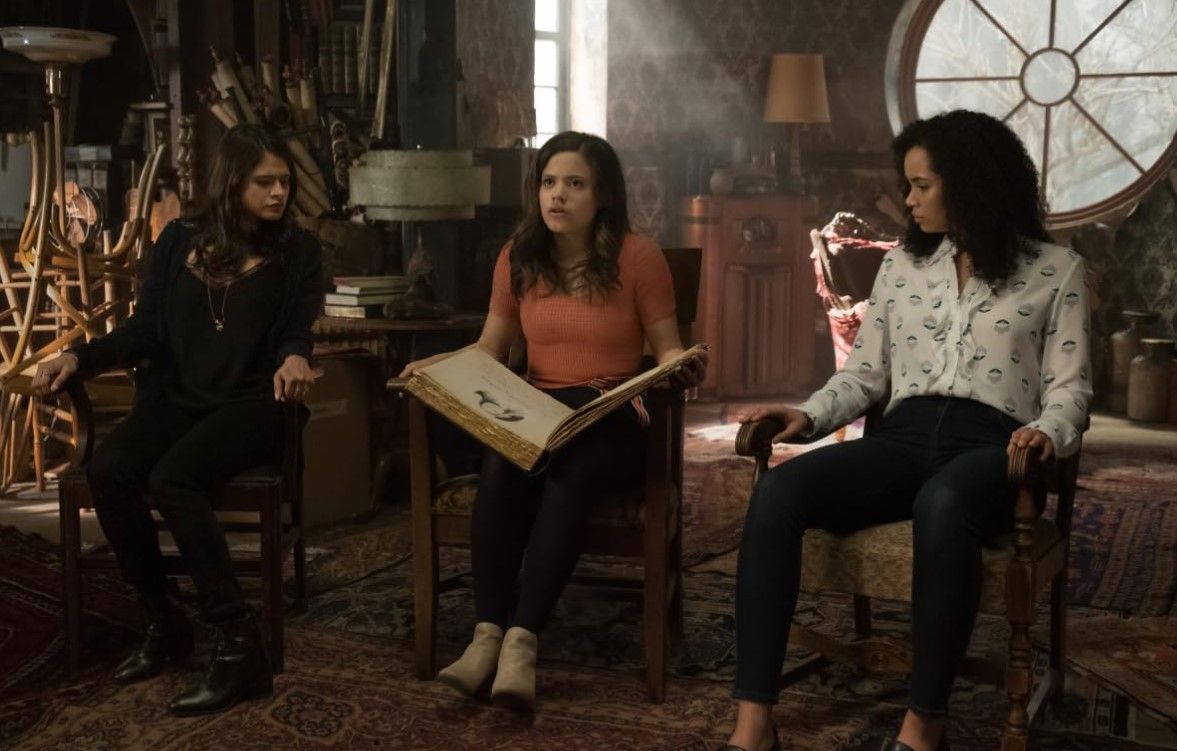
A reboot that swaps the original tone for whatever feels hottest that season usually crashes. Shows that were sly or light-hearted get flattened when remade as grim or preachy, and comedies that try to be edgier often forget what made them funny. That mismatch explains why entries like Charmed and Velma landed with a thud for some viewers. Tone has to be respected, not rewritten to chase headlines.
Why Casting Still Matters
Chemistry is invisible until it isn't there, and casting choices can make or break a revival. Bringing back one familiar face without the rest of the ensemble rarely recreates the old magic, and new actors left to mimic beloved performances often fall short. That's why reboots like Frasier and Saved by the Bell felt off to many viewers. Casting needs purpose, not just name recognition.
A Better Way to Reboot

If producers want revivals that stick, start with respect for what made the original matter and then ask what the story needs now. Update themes and bring fresh voices, but avoid throwing out the fundamentals for trend chasing. Give characters room to grow, and write with care instead of leaning on nostalgia as a crutch. Do that, and a reboot can surprise you in a good way.
Long Story Short
Most reboot failures come down to the same few choices: losing the tone, swapping the cast, or trading heart for headlines. Fans want surprises, sure, but they also want the thing they loved to still feel like itself. Give a show room to grow and the audience will usually follow. Play it safe with nostalgia and you get something forgettable.
When Tone Gets Swapped
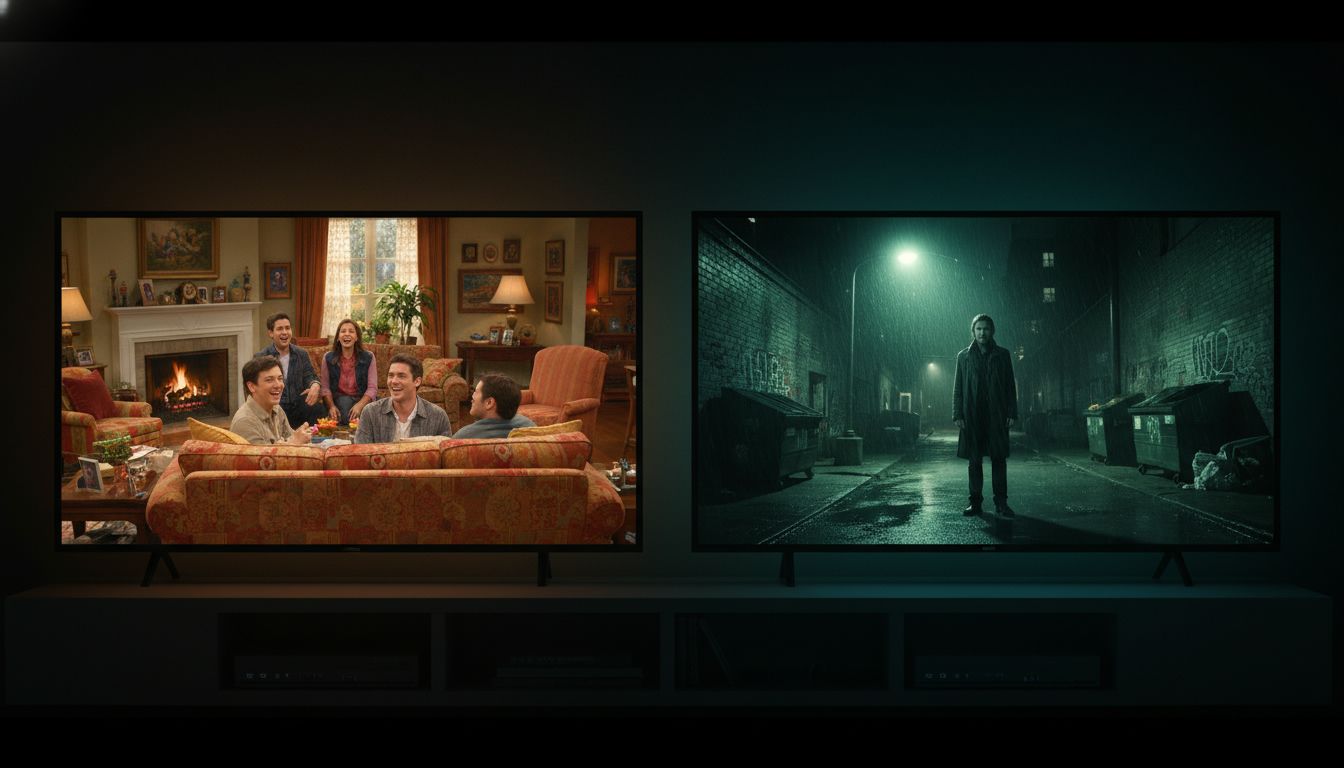
Swap a sly, light-hearted show for grim seriousness and you change the whole point. That shift explains why some reboots felt colder or meaner than the originals. Tone is not a tweak you can fix in casting notes. Respect it, then figure out what new stories it can tell.
Casting Isn’t Just a Name
Bringing back one familiar face without the rest of the ensemble is risky. Chemistry is invisible until it isn’t, and new actors copying old performances rarely spark. Casting should build new dynamics, not just tick recognition boxes. Let actors earn their spots by changing the show for the better.
Nostalgia Needs a Purpose
Callbacks and cameos are fun when they serve the plot, not when they replace it. Too many revivals lean on wink-wink references and forget to earn emotional weight. Fans will forgive changes if the story earns them. If nostalgia is just fan service, viewers will check out fast.
The Streaming Wake-Up Call
The business side has caught up with the creative problem. Streaming platforms are tightening budgets and canceling projects faster, which means revivals have less runway to find their footing. That correction hits reboots hard, because they often need time to rebuild chemistry and tone. Fewer episodes and quicker cancellations expose weak choices sooner.
Nostalgia Fatigue Has Real Costs
Viewers are growing tired of safe callbacks that add nothing new. Audiences ditch revivals that trade substance for cameos and wink-wink moments, and critics have stopped being patient. When nostalgia is the hook but not the spine, shows lose viewers fast and platforms cut them loose. That fatigue has turned brand recognition from a guarantee into a gamble.
Budget Pressure Forces Tough Choices
Money matters more than ever, and reboots often get judged on short-term returns. Networks are trimming development slates and favoring projects that promise immediate viewers and lower risk. That makes risky tonal shifts or slow-burn character work harder to sell. Creators must prove a revival will pay off quickly, or it won't get the chance to grow.
Originals Are Winning Attention Back

Audiences are rewarding fresh ideas and strong, consistent tone over recycled IP. New, high-quality series with clear voices are pulling viewers away from nostalgic reruns. That shift doesn't kill the idea of revivals, but it raises the bar for what a reboot must offer. If a revival can't stand next to bold originals, it will lose the audience quickly.
How Reboots Can Actually Survive

Producers now need sharper plans, not just nostalgia. Respect the original, but pitch a clear, lean story that proves why this version matters today, and how it will reach viewers fast. Test ideas with actual fans, cast for chemistry, and trim the fat so budgets match the ambition. Do that and a revival has a shot even in a tougher market.