From Villains to Headaches: Ranking TV's Most Hated Characters
TV can be pure escape, but some characters make you want to change the channel. For every beloved lead there’s usually a counterpart viewers love to hate, whether it’s classic sitcom foil or the sneering villain on a prestige drama. Sometimes the nastiness is written on purpose, and other times a role just grates so badly it ruins the fun. Ever bailed on a show because one character drove you up a wall? This list lines up the most loathed faces on television, from full-blown villains to those who are just plain unbearable.
Jeremy Jamm, Pawnee's Annoying Councilman
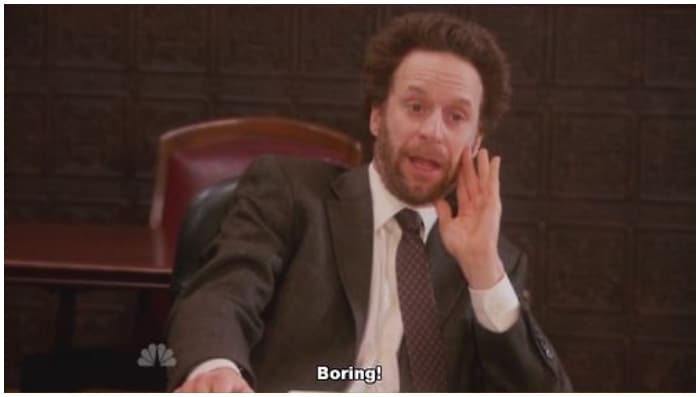
Councilman Jeremy Jamm made Leslie Knope’s life harder at every turn, a small-minded orthodontist who loved playing obstructionist. His condescending, misogynistic vibes and inflated sense of self made him a perfect foil for Pawnee’s earnest progress. Jon Glaser leaned into the awful charm, giving Jamm that unforgettable, smug catchphrase, you just got jammed. A deleted finale scene sending him to work at a hibachi in Florida was the cherry on the cake of his lack of growth.
Jenny Humphrey, From Innocent To Manipulator

Jenny Humphrey began as Dan’s wide-eyed kid sister and quickly morphed into a scheming, attention-hungry presence on Gossip Girl. She chased status and popularity so hard she sabotaged friendships and romantic relationships, including Nate and Serena, and Chuck and Blair. Her hunger to belong led her to make some truly selfish choices, and fans were relieved when she finally graduated and left town. For a while she felt like the show’s most exhausting wild card.
Joffrey: Sadistic King Everyone Hated
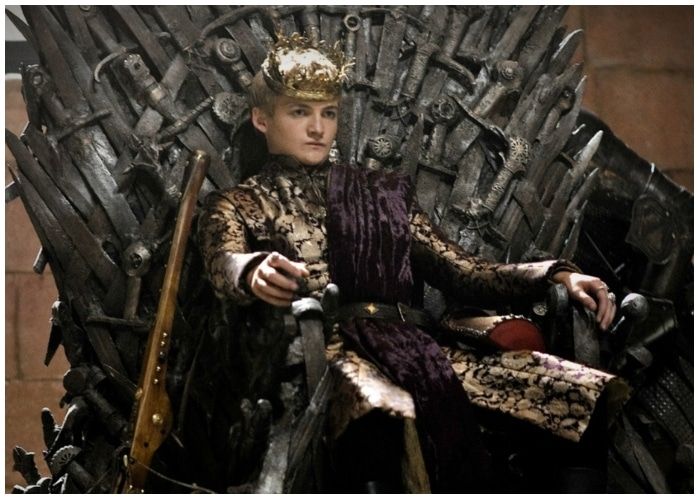
Joffrey Baratheon was the kind of on-screen monster fans loved to hate, a cruel brat who wielded power without the spine to own it. His sadism was matched only by his cowardice, and he leaned heavily on his mother at every turn. The role required an actor who could provoke real disgust, and Jack Gleeson delivered, earning respect for making viewers recoil. Hating Joffrey became part of the Game of Thrones experience.
Andrea's TV Arc, From Hero To Misstep
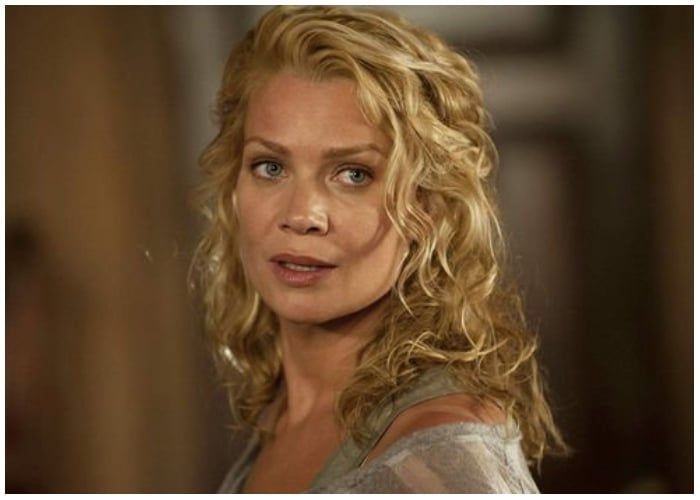
Andrea started life in the comics as a strong, sympathetic figure but her TV incarnation split audiences in two. On The Walking Dead she made baffling choices, falling under the Governor’s spell and betraying Michonne, Rick, and the group. Her stubborn refusal to see his brutality felt like a misread of the character, and that rubbed many viewers the wrong way. The end of her arc left fans wishing the show had handled her transition differently.
Pete Campbell from "Mad Men"
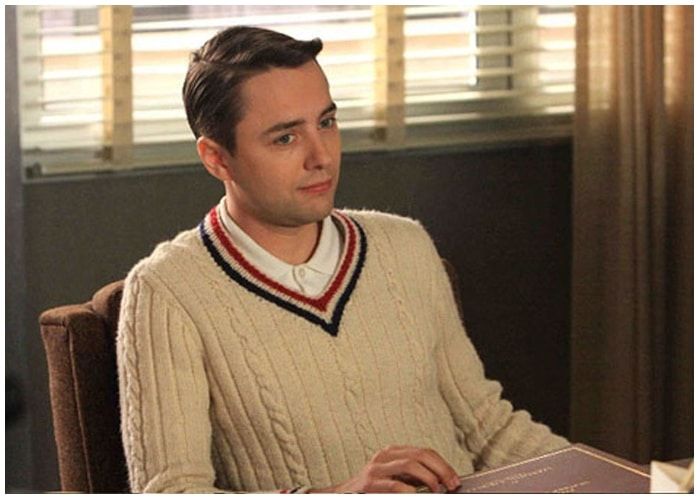
Pete Campbell, a self-centered individual, held a strong belief that he was deserving of everything. Hailing from a prominent upper-class family, he received an education at prestigious institutions like Deerfield Academy in Massachusetts and Dartmouth College. This privileged upbringing instilled in him a perpetual sense of entitlement that persisted throughout his life and professional journey. Pete shamelessly abused his position of power, displaying contempt towards women. His behavior included sneering at them, betraying his spouse, and even perpetrating an assault on the au pair residing next door. Despite his envy and childish actions, Pete manages to maintain his marriage, seemingly unaffected by his transgressions.
Serena Joy in "The Handmaid's Tale"
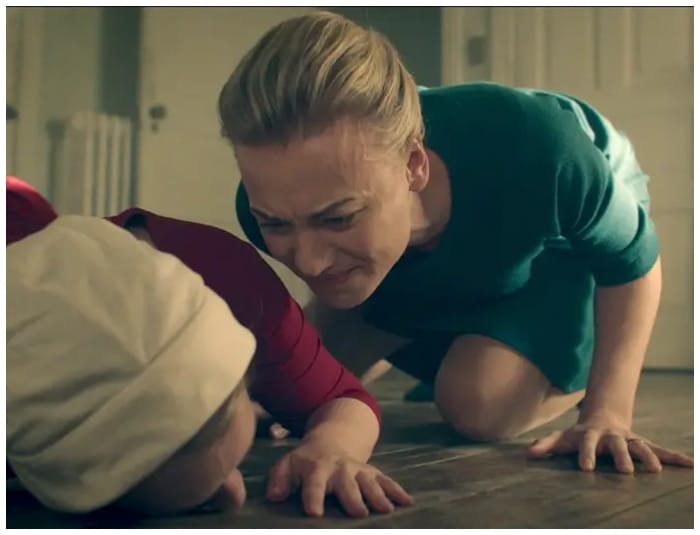
Serena Joy is the Wife of Commander Fred Waterford, who is utilizing June Osborne as Offred in an attempt to overcome their infertility struggles. Despite her stern and unyielding demeanor, Serena possesses a shrewd intellect and unwavering determination. She played a pivotal role in establishing Gilead, driven by her strong opposition to feminism. In the initial seasons of the show, Serena exhibited occasional rudeness, callousness, and cruelty towards Offred and the other household staff. Her sole focus was on achieving motherhood, disregarding any harm caused to others along the way.
Ted Mosby from "How I Met Your Mother"
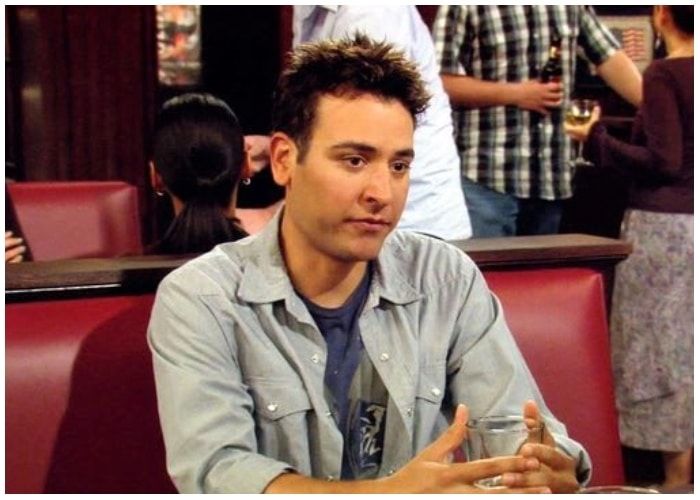
The decline of "HIMYM" and the responsibility falling on Ted Mosby is a widely shared sentiment among fans. Despite being the central character, Ted's relentless pursuit of the perfect woman made it difficult for viewers to support him. This sentiment is further fueled by the fact that, after his wife's passing, he ultimately ends up with Robin, contradicting the entire premise of his search. Additionally, Ted's persistent pursuit of women who rejected him, such as Stella and Robin, has drawn criticism from many viewers. It is worth noting that his declaration of love on their first date with Robin was seen as a significant warning sign.
Dawson Leery from "Dawson's Creek"
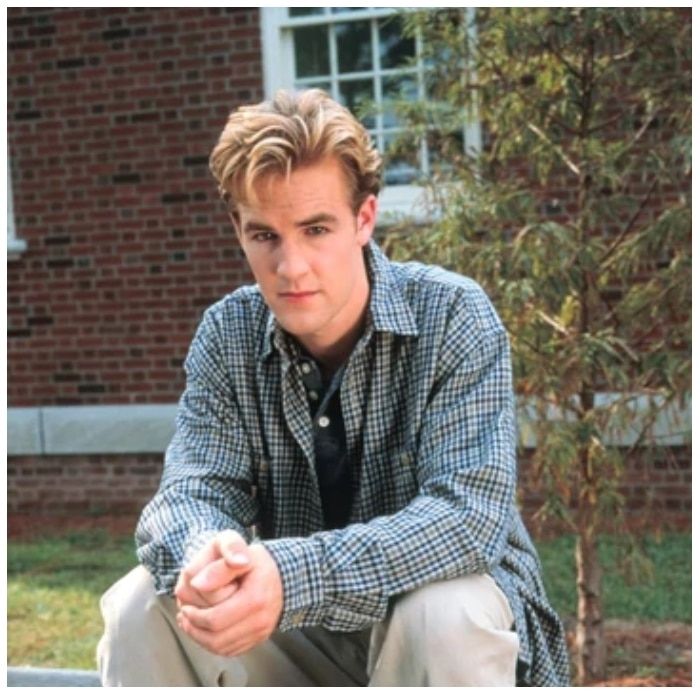
The grieving expression of James Van Der Beek has gained popularity as an internet meme. Within the beloved show named after his character, Dawson Leery is not well-received due to his constant melodramatic complaining about his life. As a result, Dawson fails to meet the criteria of being a likable main character in a teenage drama. Sarit Luban from Broadly describes Dawson as a typical representation of the "Nice Guy" persona seen frequently today. These self-proclaimed sensitive males often feel morally superior and believe they are overlooked in favor of their more traditionally masculine peers. In simpler terms, Dawson is unbearable.
Paige McCullers from "Pretty Little Liars"
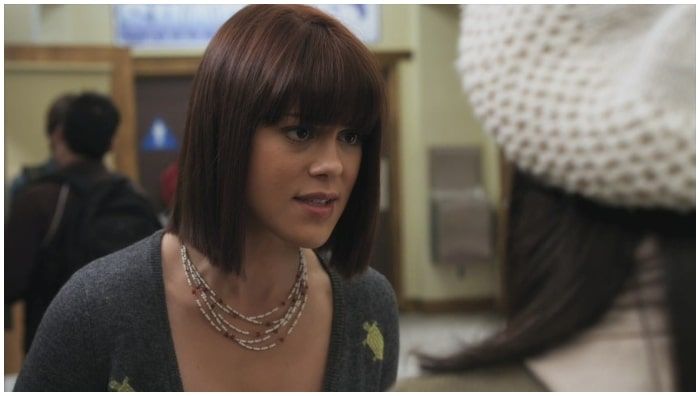
Although Paige wasn't as malevolent as other toxic characters in the drama, she was still intensely disliked by fans. In the past, Paige and Emily were rivals on the swim team, and one incident in season one, where Paige forcefully submerged Emily's head underwater, remains etched in viewers' minds. This act was driven by Paige's suspicion that Emily was vying for her spot on the team. Despite eventually becoming romantically involved, their adversarial relationship persisted. Paige's stubborn nature continued to create problems for Emily and her friends. Eventually, she decided to leave Rosewood and move to California with her family, seeking refuge from the relentless torment of "A."
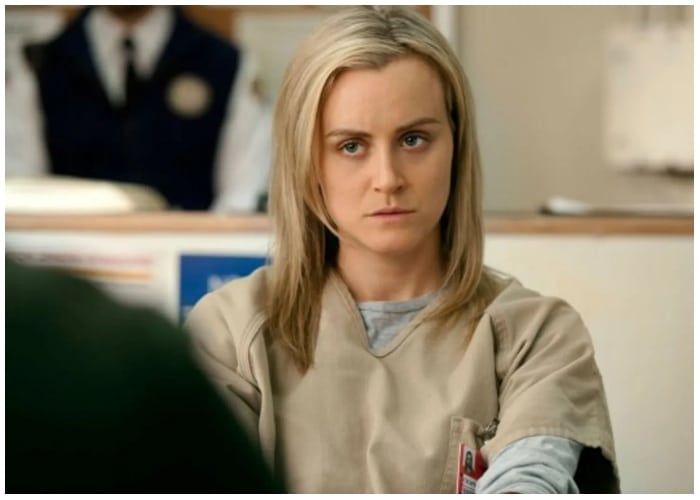
Piper Chapman from "Orange is the New Black"
Initially, Piper entered prison as an entitled and coddled individual, plagued by fear towards others and everything around her. However, rather than evolving into a compassionate and emotionally genuine person as her character developed, she transformed into an even more entitled and complaining individual. Demonstrating her lack of concern for her fellow inmates, Piper callously deserted her former girlfriend, Alex Vause, immediately after their breakup, even though Alex had just received the devastating news of her mother's passing. As her time behind bars progressed, Piper's darker nature emerged, revealing her disposition for being harsh, self-indulgent, and resorting to manipulation in order to fulfill her desires.
Will Schuester from "Glee"
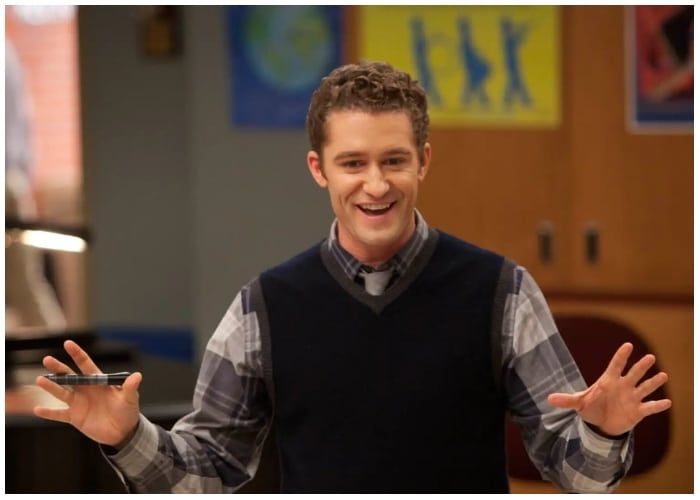
Despite being named teacher of the year at McKinley High in the series opener, Will's abilities as an instructor were heavily criticized by fans. Although he appeared to be a friendly glee club director, many believed he focused more on imposing his own dreams onto the students he mentored. Additionally, some fans felt that he crossed boundaries by showing excessive interest in his students' personal lives. One glaring example of this was his relentless pressure on Finn to join New Directions, going to the extent of coercing him to choose between detention and the club. This behavior was widely regarded as unacceptable and went beyond acceptable limits.
Dawn Summers: Buffy's Sister
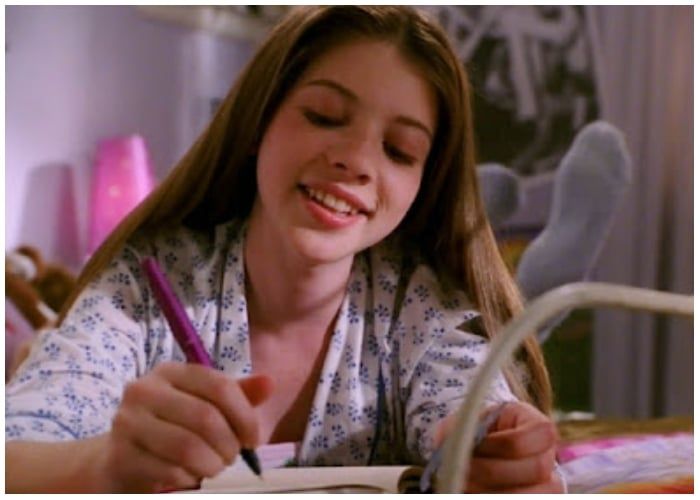
The sudden introduction of Buffy's sister, Dawn Summer, in season five was a shocking surprise for fans. Subsequently, an entire season seemed to revolve around Dawn's presence, emphasizing the need to protect her and highlighting the dangers she faced when alone. Unfortunately, Dawn developed the impression that she was disliked and ignored, a sentiment that we agree with. Instead of concluding her storyline, the show chose to keep her character throughout the remaining seasons. One can only wonder what thrilling events would have unfolded if the show had not been excessively preoccupied with Dawn's storyline.
Michael Scott from "The Office"
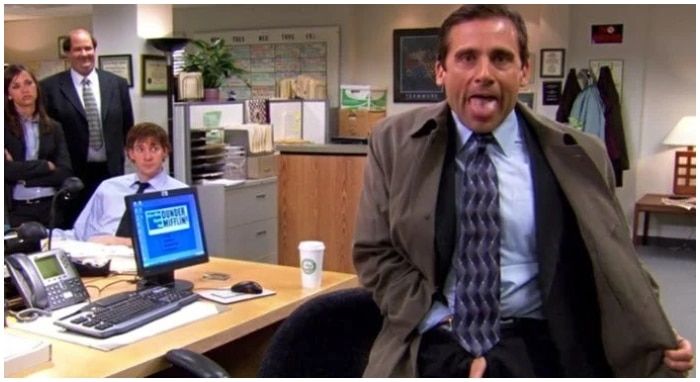
Despite his exceptional salesmanship, Michael Scott is deficient in nearly all other areas, particularly in management skills. He exhibits poor leadership qualities, frequently overstepping boundaries with his staff, assuming undeserved roles, and displaying disrespect. Moreover, his ego is remarkably inflated. In order to evade consequences for his foolish behavior, Michael frequently shifts blame onto his employees as a means of self-preservation. His tendency to engage in light-hearted banter and blur the line between professional and personal relationships is often inappropriate for someone in a managerial position. While his humor may have entertained viewers on TV, he is not someone you would choose to spend time with in real life.
Scrappy-Doo in "Scooby-Doo"
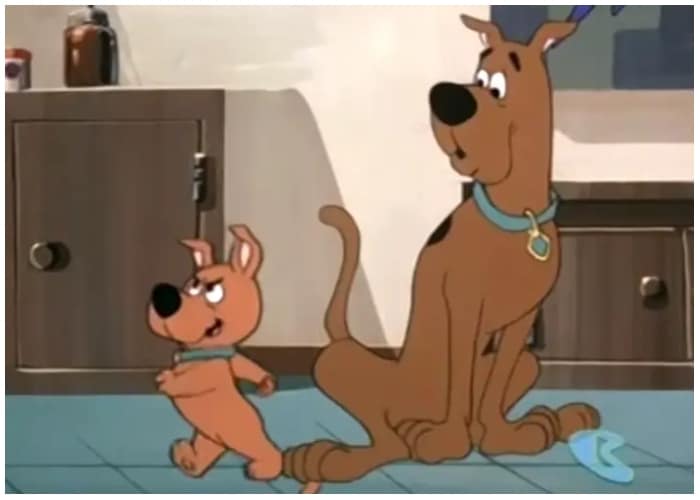
Introduced in 1979, Scrappy-Doo is Scooby-Doo's spirited nephew known for his brawny nature and eagerness to engage in fights. However, his inclusion in the long-established cartoon series has been widely criticized as an example of networks making unpopular alterations to boost ratings. Regarded as an annoying, obnoxious, and arrogant brat, Scrappy-Doo's presence disrupted the dynamics of the show. In fact, a reference is later made to Scrappy being held responsible for Scooby-Doo's decline in the 1980s, prompting the gang to solemnly pledge to never mention Scrappy again.
Kimmy Gibbler in "Fuller House"
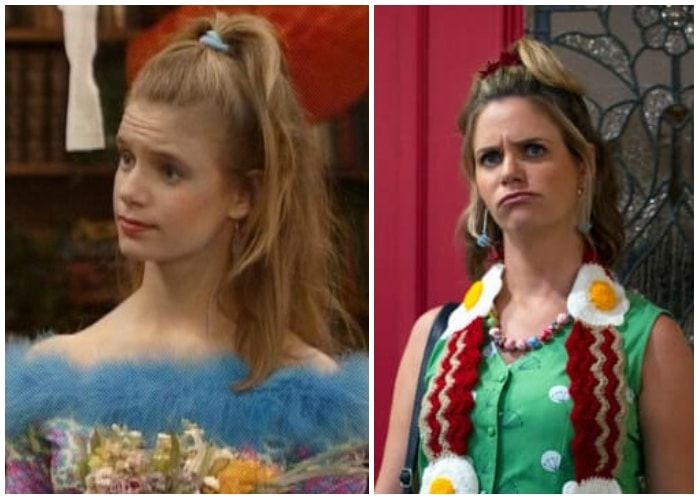
The neighbor of the Tanners is not necessarily terrible, but rather a bit bothersome. Kimmy Gibbler is the kind of friend who overstays her welcome, leading the guys to poke fun at her. The show eventually turned her smelly feet into an ongoing joke. Actress Andrea Barber now confesses that the teasing from three grown men "went a bit too far" on television. When the sequel series premiered on Netflix in 2016, Gibbler came back as the owner of a party planning company, reintroducing her wild and sassy energy to the show. Through two excessively cheesy recurring jokes, she has made her mark on the program.
Ross Geller from "Friends"
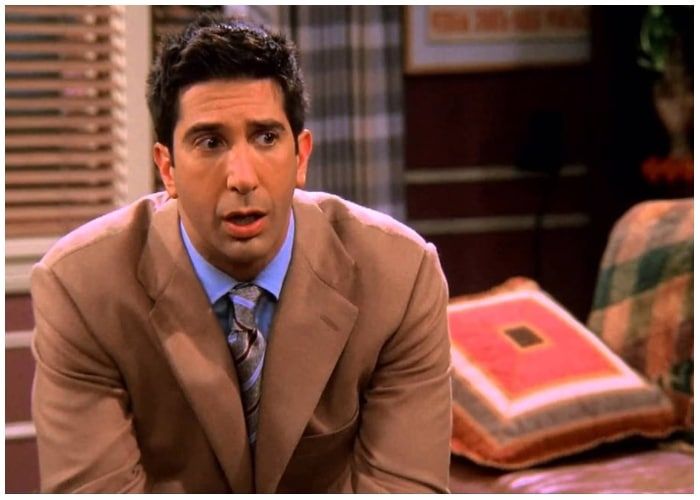
Ross Geller is characterized as a melancholic individual who possesses an unwarranted sense of entitlement and resorts to complaining when his desires are not fulfilled. His demeanor is marked by arrogance, self-absorption, and a tendency towards misogyny. While it is true that women are not obligated to fulfill men's expectations, Ross firmly believes otherwise. He held the belief that Rachel should idolize him, yet he consistently whined, assumed the role of a victim, and undermined Rachel's other relationships. Ross went as far as deceiving Rachel by lying about annulling their marriage, disregarding her emotions solely to avoid the stigma of three failed marriages. Ultimately, he ended up with the woman he did not rightfully deserve.
Madison Sinclair in "Veronica Mars"
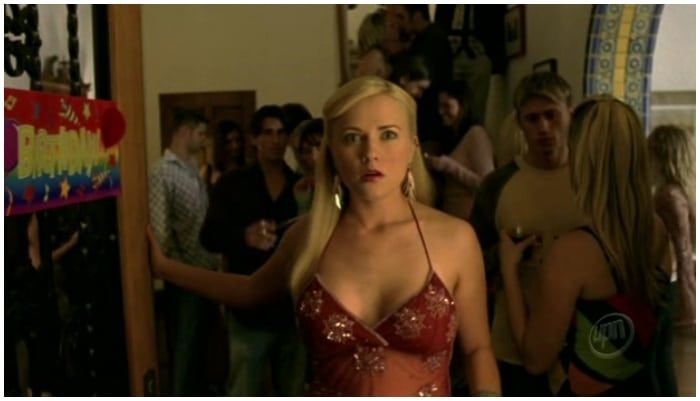
Madison Sinclair, a character from Veronica Mars, was widely regarded as one of the most detestable figures. Throughout the series, she exhibited a menacing demeanor and an air of superiority towards her peers. Not only did she make Veronica's life unbearable, but she also caused distress to others. Her fans despised her for being the catalyst behind Veronica's assault, yet the reason for her animosity towards Veronica remains undisclosed. In the "Veronica Mars" film, Madison's return showcased her continued immaturity, contrasting with Veronica's growth. However, Veronica found some solace when she finally had the opportunity to retaliate by punching Madison in the face.
Ellis Boyd Smashes
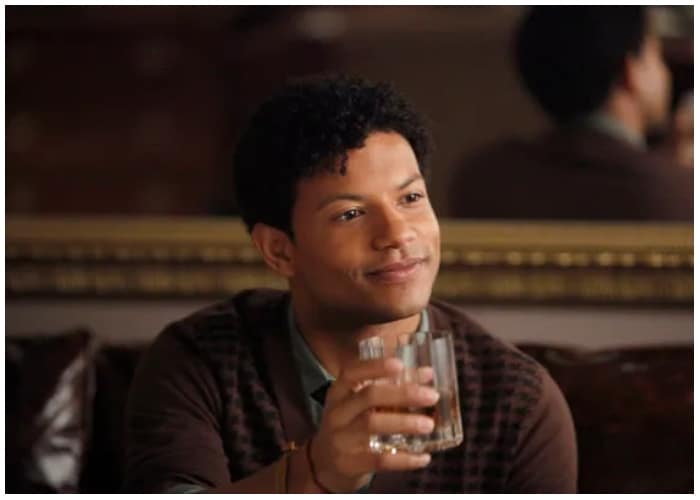
Despite the negative aspects of the struggling TV musical "Smash," some viewers managed to overlook its flaws and instead became captivated by the exaggerated drama it presented. However, one character, Ellis Boyd, proved to be a major source of frustration. His ambitious nature, deceitfulness, lack of trustworthiness, tendency to eavesdrop, and constant need for excessive praise, even for minor achievements, drove many viewers insane. Numerous individuals associated Ellis with the negative stereotypes often attributed to millennials, such as impatience, job-hopping, and a constant desire for instant gratification and feedback. Nevertheless, it is important to note that Ellis is simply a flawed character, irrespective of his generational classification as a millennial.
Sheldon Cooper from "The Big Bang Theory"
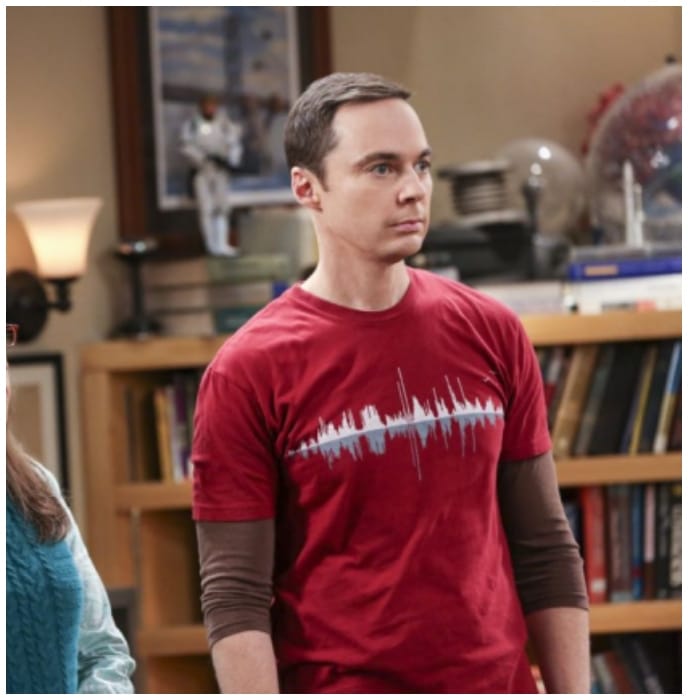
Sheldon Cooper, a fascinating sitcom character for more than ten years, captivates audiences with his brilliance as a scientist. However, his lack of understanding of sarcasm and occasional insensitivity add depth to his character. Despite his egotistical and insensitive tendencies, his friends remain loyal to him. Sheldon's strong ego, arrogance, and tendency to belittle those he considers acquaintances due to his high IQ are evident. His inappropriate, rude, condescending, and unnecessarily mean behavior becomes more apparent upon reflection. Additionally, Sheldon takes pride in frequently boasting about his IQ of 187.
April Kepner in "Grey's Anatomy"
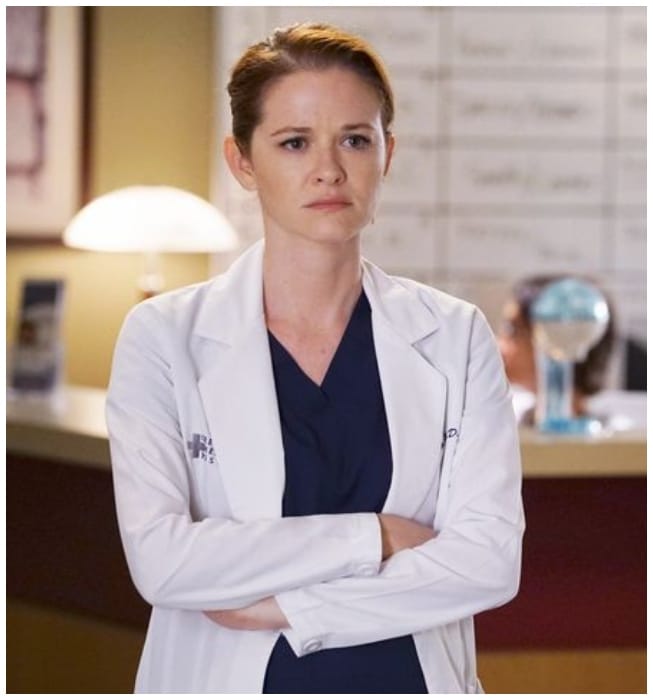
April Kepner, a character from "Grey's Anatomy," is often regarded as one of the show's most bothersome characters. In the early seasons, she lacked intrigue and often reacted erratically to minor occurrences, which was quite vexing. April possessed neurotic and high-strung tendencies, which only heightened her irritation factor, although she couldn't control these traits. When under stress, she would incessantly ramble, causing further annoyance. Ultimately, April's storyline concluded with her marrying Matthew Taylor, the man she had previously abandoned at the altar. While she did show some improvement before her departure from the show, not all viewers found it satisfactory.
Screech Powers from "Saved by the Bell"
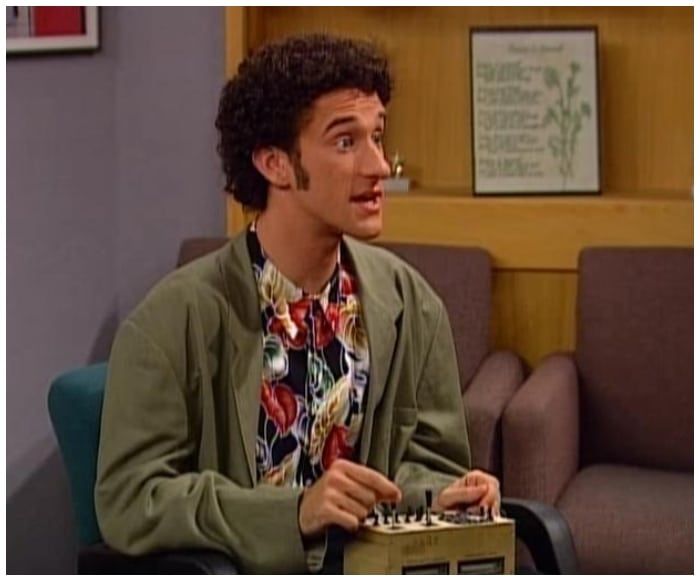
Screech, a character from "Saved by the Bell," is widely regarded as unlikeable, surpassing even the other disliked characters. Fans grew weary of his tiresome antics, especially since he never seemed to grasp a joke. Surprisingly, despite his lack of humor, he was named valedictorian of his graduating class. Oblivious to Lisa's lack of interest in dating him, Screech persistently attempted to win her over, but his efforts were in vain. Even in the spin-offs "Saved by the Bell: The College Years" and "Saved by the Bell: The New Class," Screech remained a poorly received character.
George Costanza from "Seinfeld"
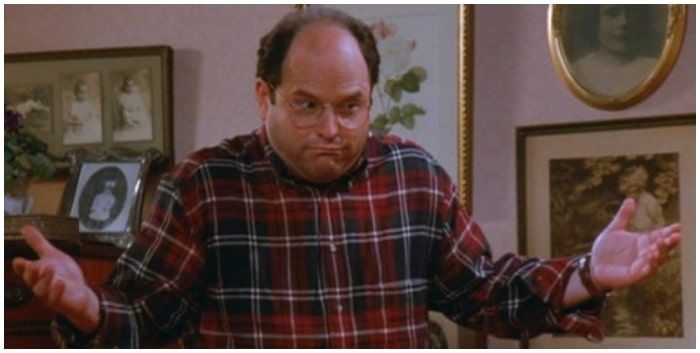
It's a fact that none of the characters in Seinfeld are particularly likable. They engage in appalling behavior, which ultimately leads to their incarceration in the series finale. Among them, George stands out as the most egregious offender. George's actions inadvertently caused the death of his fiancée, Susan, when he opted for the cheapest envelopes for their wedding invitations. Susan tragically succumbed to the poisonous glue on the envelopes she had to lick. Shockingly, George displayed no remorse and instead felt relieved about avoiding marriage. Equally disturbing, his friends showed no concern over this tragic incident.
Eric Forman from "That '70s Show"
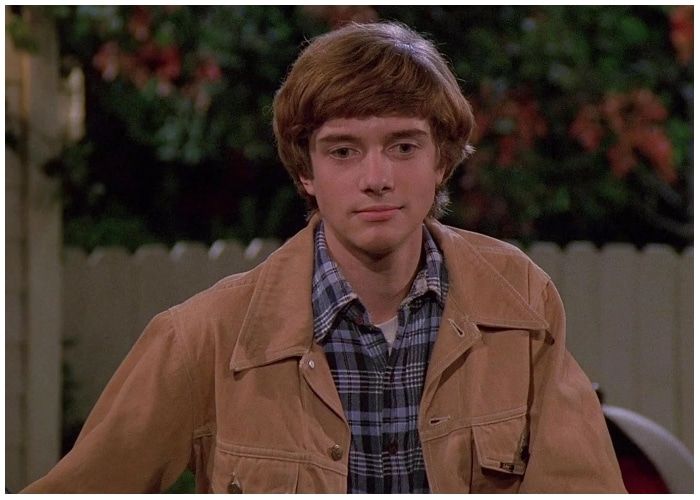
The main character of "That '70s Show," Eric Forman, was the least popular among his group of friends. He displayed traits of laziness, lack of motivation, and obnoxious behavior. His commitment issues were evident when he abandoned Donna during their wedding rehearsal, unable to admit that he couldn't go through with it. Another example of his unlikable nature was his year-long seclusion in the basement after college, unable to decide on his future. The show even continued without him for its final season after Eric left for Africa.
Beans: Equal and Fair
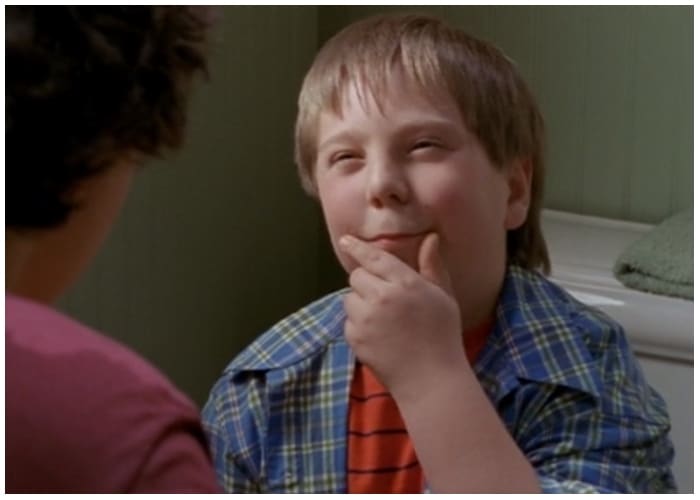
Bernard Aranguren, also known as "Beans," is just as unbearable as that younger sibling who always manages to make you roll your eyes. He is the incredibly annoying kid neighbor of Stevens, who has no qualms about barging into their house uninvited, making himself at home, and stubbornly refusing to leave. Beans has undoubtedly secured his spot among the most infuriating characters in television history. "Even Stevens" holds a special place in the hearts of many millennials, being one of the pioneering Disney Channel original series that left a lasting impression. As the show progresses, Beans transforms into a sidekick for Louis and Twitty, often betraying their trust in their mischievous endeavors.
Ned Flanders from "The Simpsons"

Over time, Ned Flanders on "The Simpsons" transforms into a more bothersome character. Initially, he was Homer's cheerful neighbor, often irritating with his overly optimistic outlook. However, his religious convictions gradually led him to develop a condescending attitude towards those who didn't share his beliefs. When he discovered that Bart and Lisa hadn't been baptized, he took it upon himself to perform the ceremony without their parents' consent, albeit unsuccessfully. It comes as no surprise that Homer composed a song titled "Everybody Hates Ned Flanders" as a testament to his dislike for his neighbor. This song even received a Primetime Emmy nomination for its exceptional music and lyrics.
Marnie Michaels from "Girls"
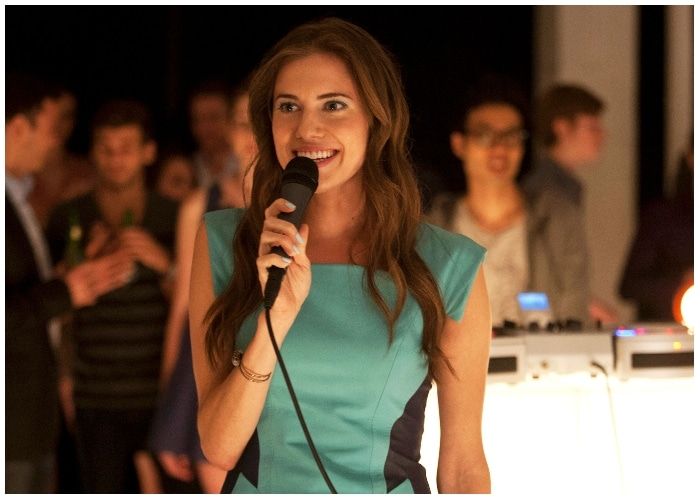
Marnie Michaels was inherently unlikable due to her insatiable need for attention, lack of taste in partners, and complete lack of self-awareness. Her controlling nature has consistently caused trouble and negative experiences for her friends. In season five, Marnie's behavior reached new heights of unpleasantness during her own wedding, making everyone feel uncomfortable. She even drove away her makeup artist, who couldn't bear to be around her any longer. When Ray's friend passed away, Marnie's self-absorption prevented her from being there for him, as she was solely focused on her own life.
Janice Litman from "Friends"
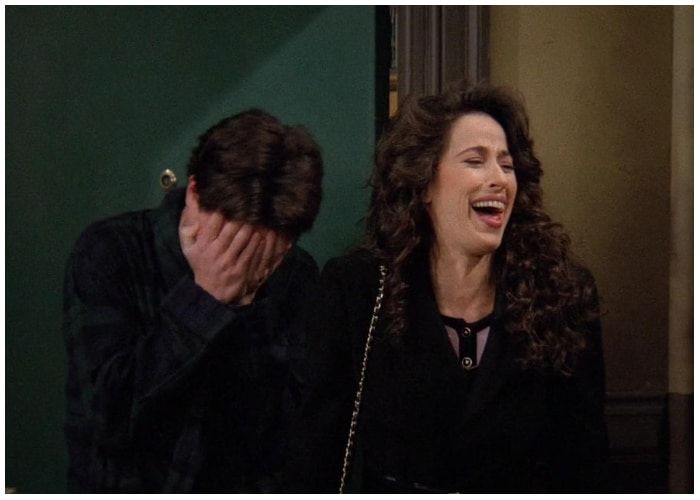
Janice Litman, characterized by her endearingly nasal tone, perfectly fits into our category of adorably vexing characters. Whenever Janice made her appearances on "Friends," she was met with enthusiastic applause, and rightfully so. As Chandler's on-and-off girlfriend for a significant period, she became renowned for her gratingly nasal voice and her trademark exclamation of "OH MY GOD!" Unlike any other supporting character, Janice managed to simultaneously irritate us within the show's universe while also capturing our affections. Despite the Friends gang's persistent dislike towards her, Janice proved to be a kind-hearted, warm, and clever individual, dispelling the notion that she was the monstrous figure they portrayed her to be.
Frasier Crane from "Frasier"
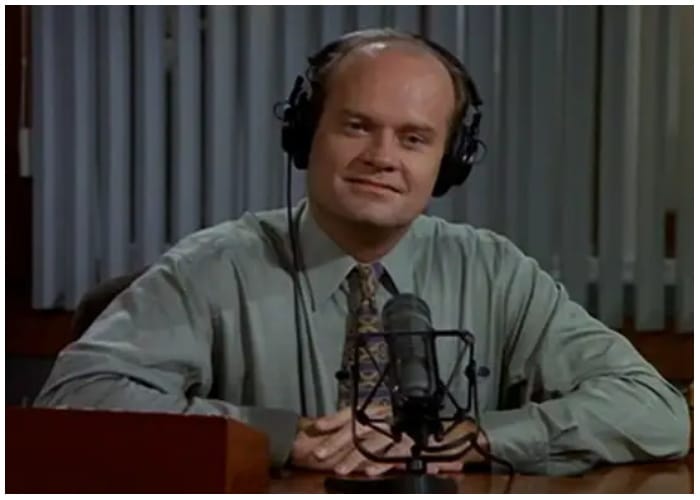
Frasier Crane, initially a recurring character on "Cheers," eventually gained his own show. The spinoff, which aired for 11 seasons, provided ample opportunity for fans to discover that Frasier was far from perfect. In the eyes of other characters, he appeared self-centered, rude, pompous, and snobbish. Among his friends, Frasier developed a reputation for being uptight and arrogant, struggling to connect with individuals who possessed different preferences and personalities. The irony lies in the fact that Frasier's refinement and intellectual prowess rendered him ill-equipped to navigate the complexities of everyday life.
Oliver Trask from "The OC"
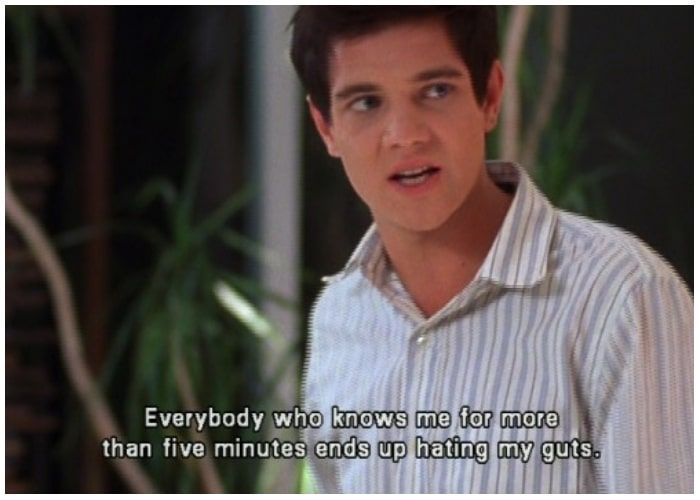
Oliver, a remarkable young antagonist on TV, embodied the epitome of evil. With his cunning skills as a scam artist and a master of deception, he manipulated and controlled everyone in his vicinity. His infatuation with Marissa Cooper drove him to extreme measures, plotting to destroy her relationship with Ryan just to claim her for himself. Going to great lengths, he even changed schools to be nearer to her, arousing suspicion from Ryan and Luke. However, his infatuation soon spiraled into dangerous obsession, as he resorted to stalking Marissa. The situation escalated to a horrifying climax when he aimed a gun at her and threatened to end his own life after she rejected him.
Richard Hendricks stars in "Silicon Valley"
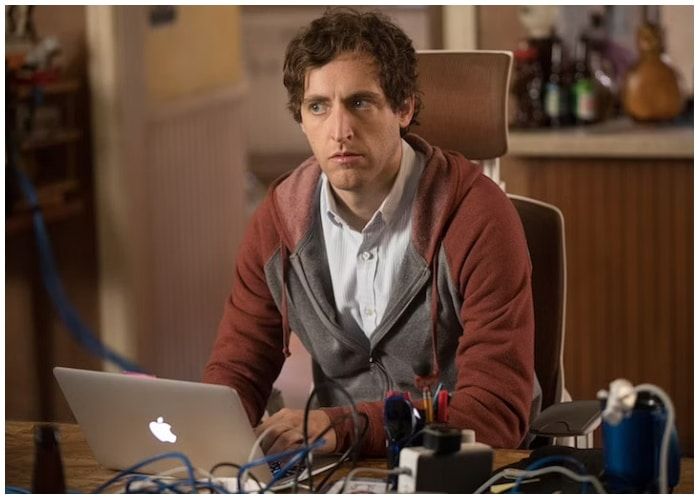
In the HBO series, our support is with Richard, the CEO of Pied Piper, as he navigates the ruthless environment of Silicon Valley. At times, Richard displays empathy, making us hope for his success. However, when things go well for him, he becomes overly confident and takes pleasure in flaunting his achievements to his peers in the IT industry. As fate would have it, a terrible event occurs as a form of karma. Instead of learning from his past mistakes, Richard tends to repeat them. He is flawed and occasionally lashes out at others, as seen during a date with a woman who prefers coding with spaces rather than tabs.
Jake Ballard stars in "Scandal"
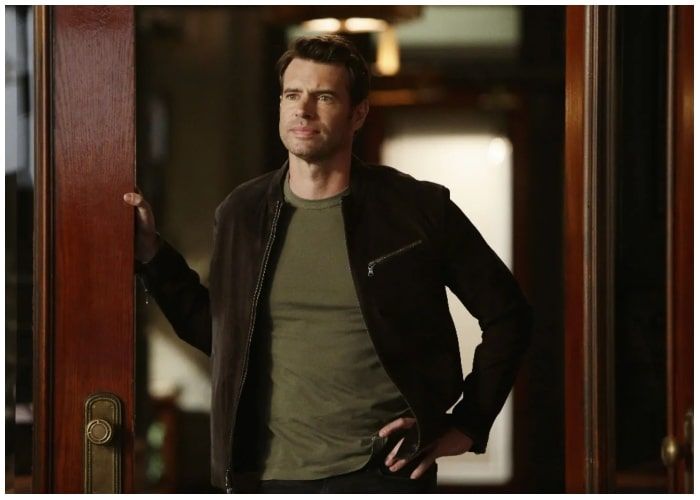
In the TV series Scandal, Jake Ballard was portrayed as a despicable character. Despite professing his love for Olivia, he consistently manipulated her choices to serve his own interests. His behavior was unsettling and reminiscent of a stalker, persistently attempting to undermine Olivia and Fitz's relationship. Jake lacked any moral integrity and had no qualms about resorting to murder as a solution to his problems. Even his eventual imprisonment failed to bring satisfaction to fans of the show.
Paige Jennings stars in "The Americans"
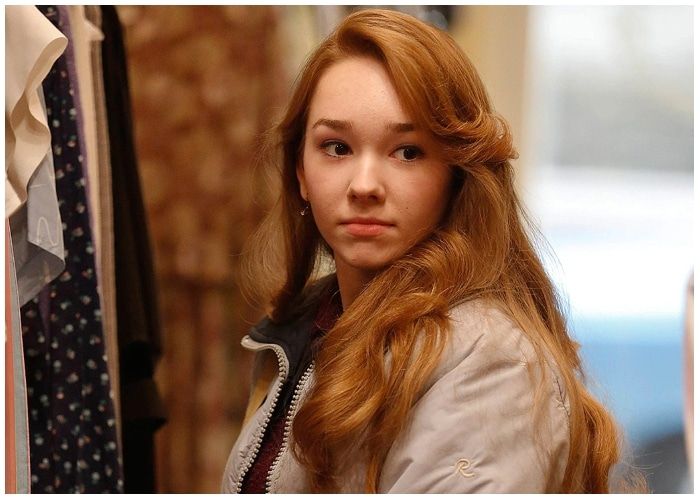
Paige, the eldest among Jennings' children, was widely regarded as obnoxious by numerous fans. In the third season, she began delving into the mysterious late-night absences of her parents. However, her world was shattered when she discovered that her parents were actually Russian spies, leaving her in a state of shock. Overwhelmed by her troubled emotions, she made the risky decision to disclose the true identities of the Jennings to Pastor Tim, endangering everyone involved. Eventually, Paige becomes more involved in the family's clandestine activities, ceasing to jeopardize their safety. Despite this, fans continued to harbor animosity towards her.
Dennis Reynolds from "It's Always Sunny"
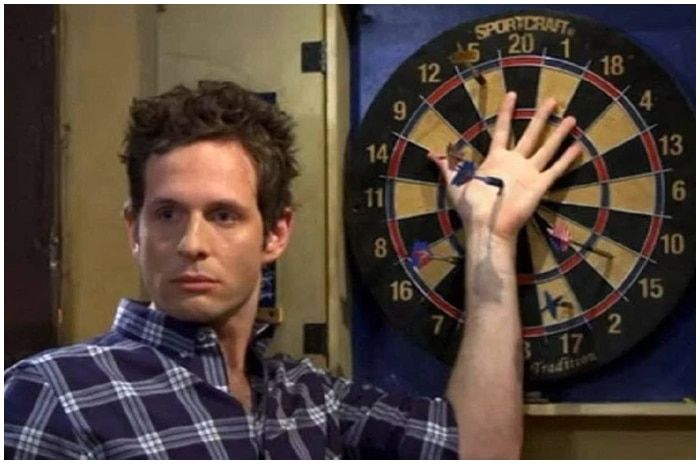
Dennis Reynolds truly stands apart from the rest of the cast in the show, as they are already known for their outrageously cruel and unappealing personalities. However, even amongst this group, Dennis manages to surpass them all in terms of sociopathic tendencies and sadistic behavior, making it quite an impressive feat. His self-centeredness and extreme narcissism are so profound that he lacks any capacity for empathy towards others. Although Dennis may have bid farewell to the series, his memorable and simultaneously cringe-worthy arrogance will forever be etched in our minds.
Dan Scott from "One Tree Hill"
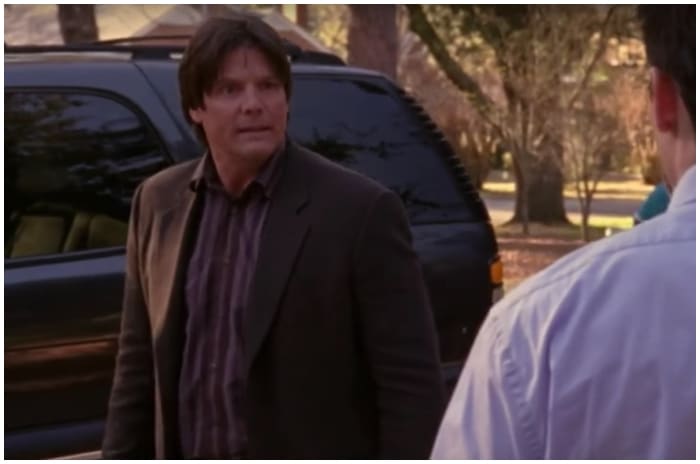
Dan Scott was not just an inadequate father, but also an overall despicable individual. Despite his minimal presence in Lucas' life, he exerted undue pressure on him. Moreover, he displayed a complete lack of respect towards his wife Deb and Lucas' mother Karen. Adding to his reprehensible behavior, Dan's jealousy over Karen's relationship with his brother Keith ultimately resulted in Keith's tragic demise. Due to his abhorrent actions, numerous individuals attempted to take his life on multiple occasions.
Andy Bernard from "The Office"
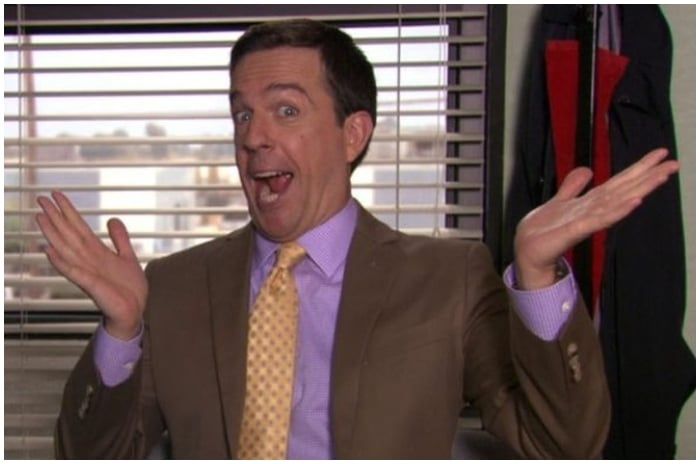
Andrew Bernard’s obsession with Cornell University, toxic insecurities, and anger problems have given us ample material for hilarious comedy. He displays a deep-seated insecurity, likely stemming from a troubled relationship with his parents, while also exhibiting self-centeredness and arrogance. Throughout The Office's nine-season span, Andy has transformed into the most insufferable and egotistical character. Although his clever one-liners have left a lasting impact, they alone cannot redeem him in our eyes.
Angelica Pickles from "The Rugrats"
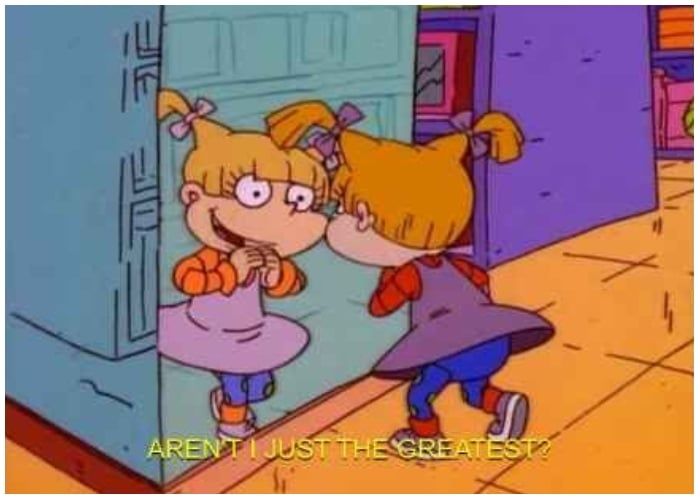
According to a 1998 interview with co-creator Arlene Klasky conducted by The New Yorker, Angelica Pickles was portrayed as a sassy and cruel character who consistently mistreated her cousin Tommy and the other children. She often tried to shift blame onto the babies for the mischief she herself caused. Klasky acknowledged that Angelica's cruel behavior nearly had a negative impact on the show. In response, the creators made some adjustments to her character, making her slightly more amiable, although she still retained her bratty nature.
Miranda Hobbes from "Sex and the City"
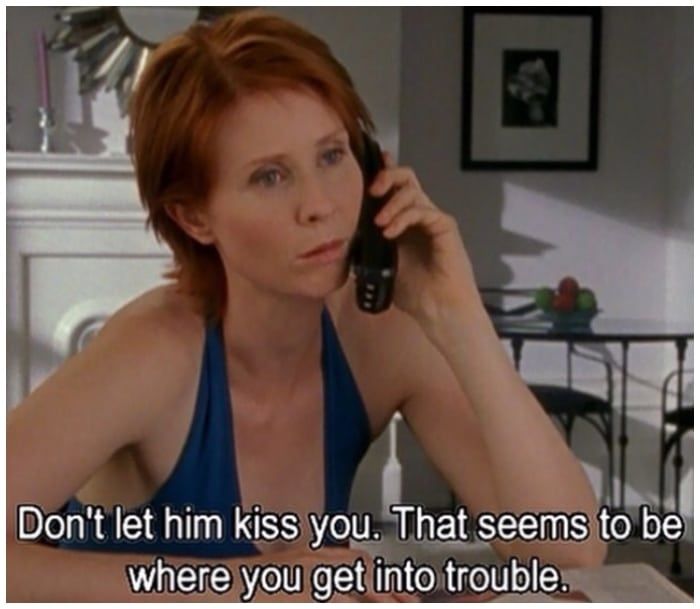
Miranda Hobbes possessed a notable flaw in her tendency to harbor grudges, often choosing to maintain prolonged silence with one of her friends. Such instances of estrangement typically arose when she believed her companions had failed to adhere to her strict set of principles. Her inclination to exert control over others was evident, as she frequently employed it as a means to assert dominance over her friends and former romantic partners.
Rory Gilmore from "Gilmore Girls"
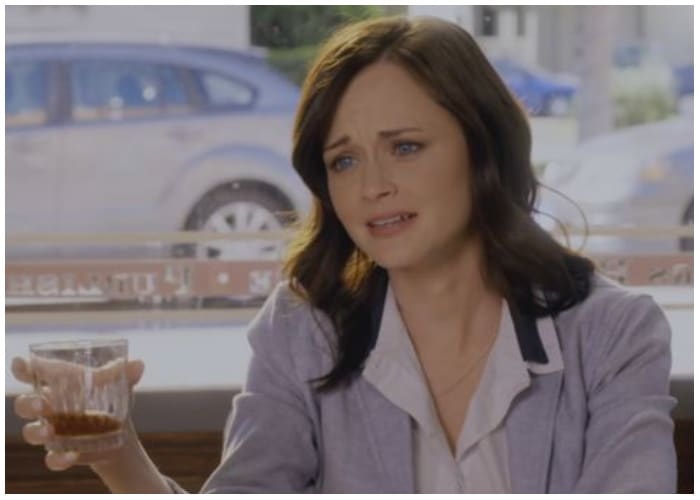
Initially, Rory entered the world of "Gilmore Girls" as an amiable young woman, excelling academically and exhibiting strong moral values. However, as the series unfolded, her character underwent a significant transformation. She transitioned from leading a modest existence to being showered with privileges courtesy of her wealthy grandparents. They footed the bill for her education at an exclusive high school and a renowned university. Yet, after abruptly leaving Yale and engaging in the audacious act of yacht theft, Rory inexplicably severed all ties with her mother, Lorelai, leaving their communication at a standstill.
Nikki and Paulo: "Lost" Duo

The allocation of three entire episodes to the tale of Nikki and Paulo, two seemingly insignificant survivors, left numerous viewers feeling let down. Through a sequence of flashbacks, we gradually uncover the true nature of this couple, revealing them to be morally corrupt individuals. Paulo, a skilled manipulator, commits the heinous act of assassinating a television executive. Together with his actress companion Nikki, they cunningly pilfer $8 million worth of diamonds from him, subsequently devoting their remaining time on the island to an obsessive quest for their hidden treasure.
Looking Back at It All

We made it through 40 characters who tested our patience and tolerance. Some are hated because they are mean on purpose, like Joffrey and Dennis Reynolds. Others are just written into corners, like Dawn Summers or Nikki and Paulo, and frustration follows. Either way, a good show knows how to make you feel something, even if that feeling is pure annoyance.
Why We Root for Bad Behavior
There is a guilty pleasure in watching a character go off the rails. Villains and jerks keep plots moving and give other characters something to react to. Characters like Michael Scott or Sheldon provoke laughs and eye rolls at the same time, and that tension can be oddly satisfying. Fans talk about them long after episodes end, which is exactly what writers want.
When Bad Writing Meets Great Acting

Sometimes the performance is so convincing it doubles the hate. Jack Gleeson as Joffrey and Jon Glaser as Jeremy Jamm are great examples, actors who sell the worst traits so convincingly you forget to separate craft from character. That makes the annoyance feel earned rather than lazy. Bad characters can be a credit to good acting, even when they drive viewers up the wall.
The Redemption Problem On TV

Redemption arcs are tricky and they often fail. Characters like Andrea or Piper get chances to change, but viewers keep tallying old sins and stay skeptical. A believable turn requires time and earned moments, not just a last-minute apology. When shows skip the work, viewers hold a grudge, and the character stays unpopular.
Thanks For The Drama, Not The People

Hating a character is part of being a fan. Those characters fuel water-cooler arguments, memes, and heated group chats. They prove a show can provoke strong reactions, which beats bland indifference. So pick your most despised character and enjoy the ride, even if you would never invite them to dinner.