Behind the Purple Curtain: Hidden Prince Stories
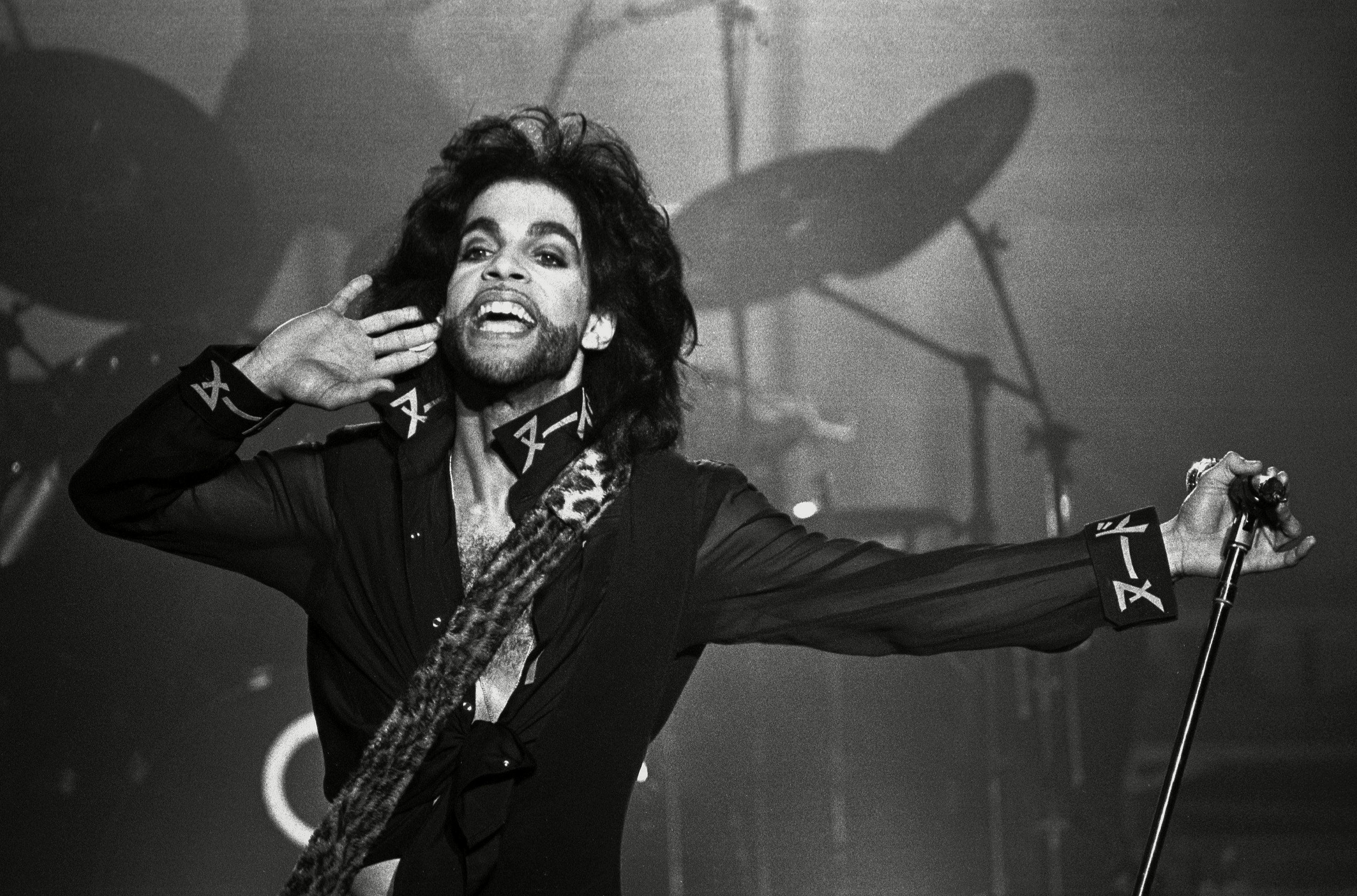
Few artists rewired pop music the way Prince did. From teenage clubs to packed stadiums his presence was impossible to ignore. Across a long, often turbulent career he fought sharp personal and professional battles, and since his sudden death in April 2016 fresh details about the private man behind the purple persona have surfaced. This piece revisits Prince’s life and legacy, focusing on lesser-known chapters that have only recently come out.
From High School Bands to Warner Deal
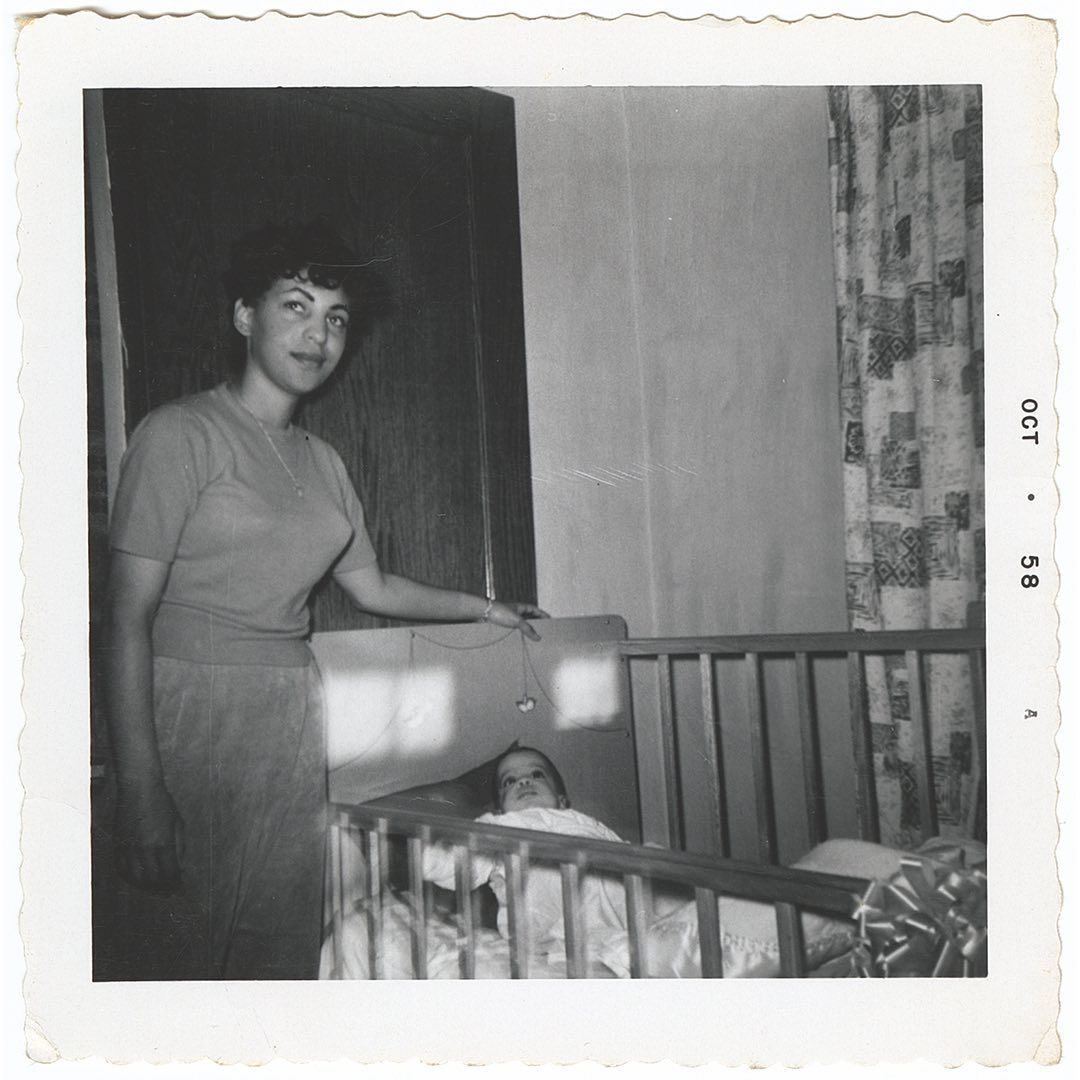
Prince learned his craft in high school outfits like Grand Central, soaking up James Brown, Sly Stone and Jimi Hendrix. A demo tape caught the ear of manager Owen Husney and led to meetings with the Rivkin brothers. At 18 he scored a rare three-album deal with Warner Bros and insisted on playing and producing his own debut. Early chart numbers were modest, but those moves put him on track for a major breakthrough.
The Revolution and the Purple Rain Breakout
Lisa Coleman joined Prince’s live group in 1980 and Wendy Melvoin came on board in 1983, forming The Revolution with Bobby Z. That lineup powered the Purple Rain era and turned Prince into a global superstar. The 1984 film and its soundtrack won an Oscar and cemented his image as a bold, gender-bending performer. Suddenly he was not just a musician but a cultural figure.
Paisley Park, Feuds, and a New Name
Prince built Paisley Park in 1987 as a private studio compound where he could control his work. After The Revolution split he released Sign o' the Times, a lean record that showed a new seriousness. Tension with Warner Bros. over control escalated in the 1990s, leading him to write "slave" on his cheek and in 1993 adopt a symbol as his name. He later formed NPG and issued Emancipation in 1996 to reclaim his independence.
Faith, Loss, Pain, and the Final Act
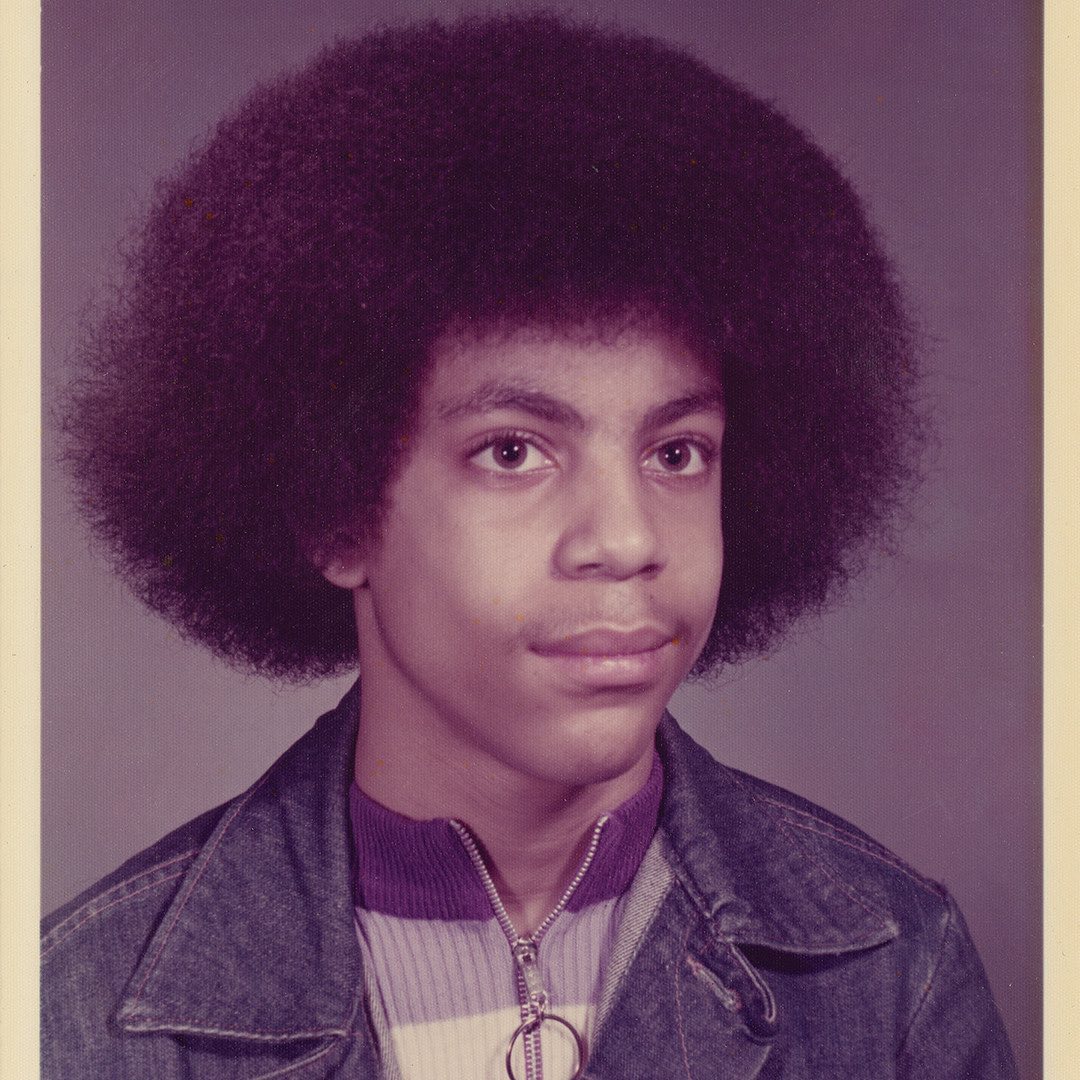
Prince’s private life took a sharp turn in the late 1990s when he married Mayte Garcia and then lost their infant son, Amiir. Those tragedies, and a later conversion to Jehovah’s Witnesses, reshaped his home life and creative rules. Chronic hip pain dogged him for years and reports say medical choices tied to his faith complicated treatment while pain management became risky. When he was found dead at Paisley Park in April 2016 investigators pointed to an overdose, and his estate later revealed vaults of unreleased music that keep his work alive.
Lone Star
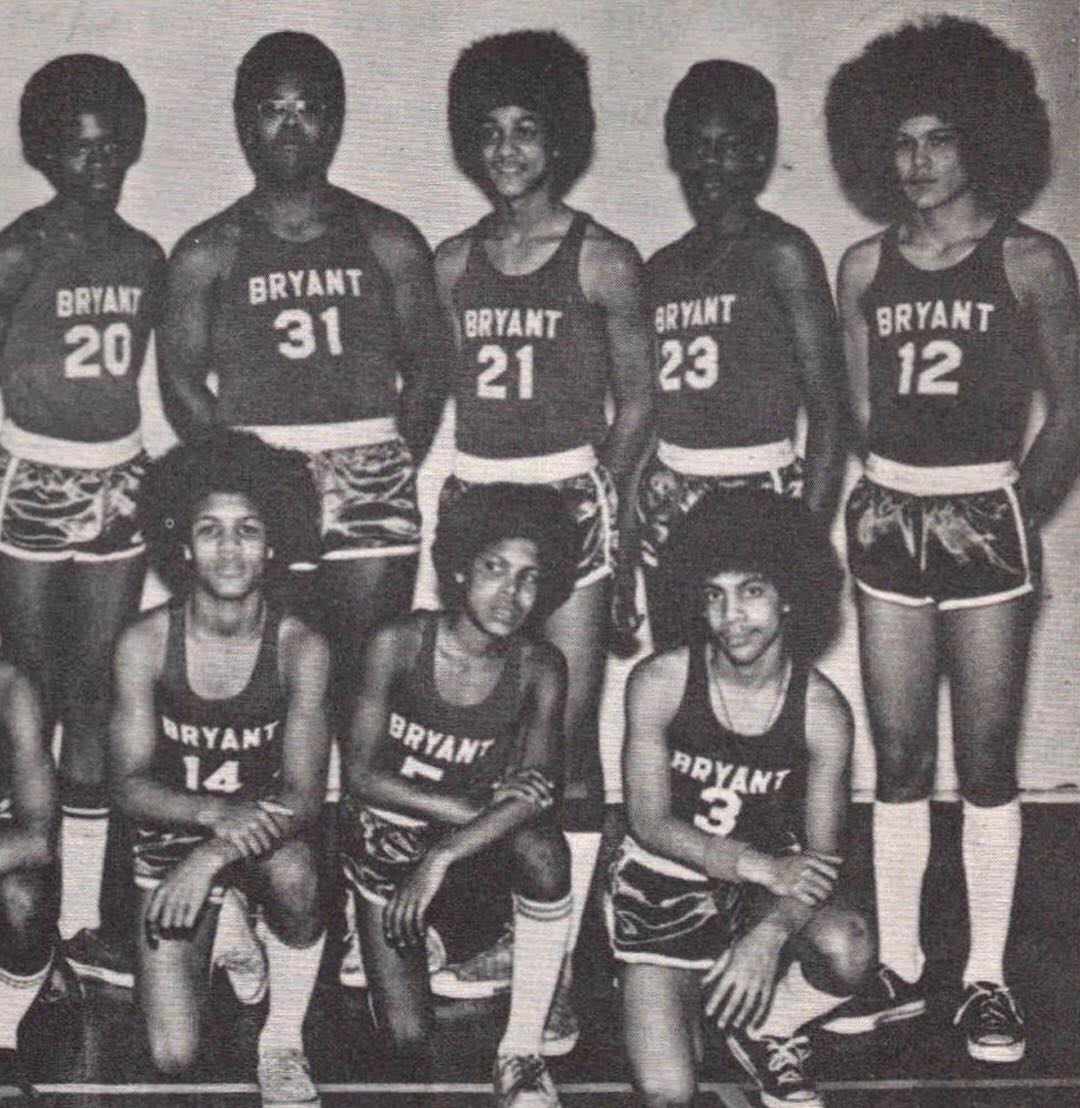
Throughout high school, Prince used sports and music as his escape from everything going on at home. However, instead of joining the school band or taking formal music classes, Prince preferred to do things his own way. Rather than collaborating with others, he preferred to go solo, influenced by what he was hearing on the radio. “He likes Central a great deal, because his music teachers let him work on his own,” *Central High Pioneer* wrote.
Creating Grand Central
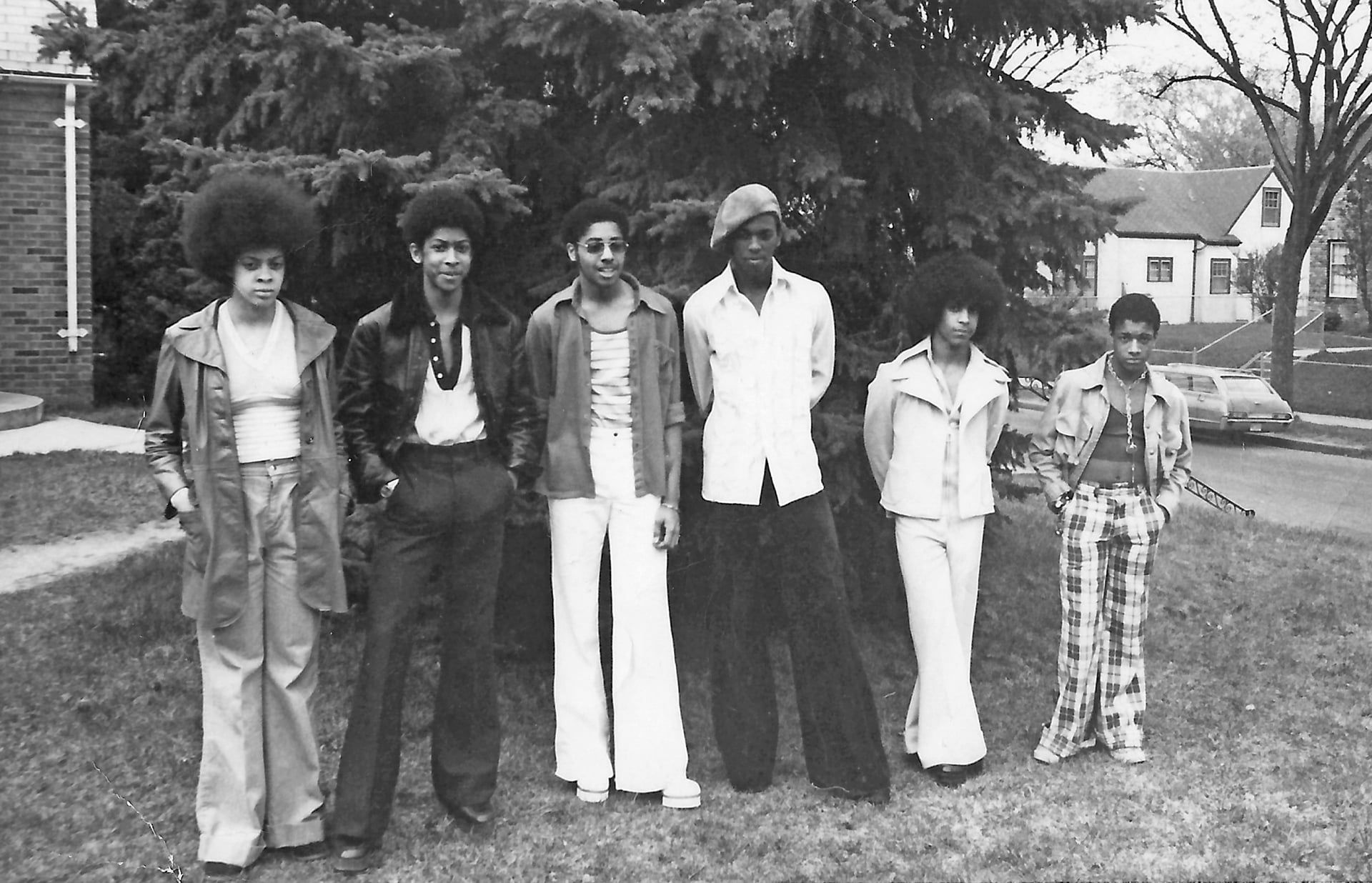
Prince was exposed to a wide range of genres, learning from the best of folk, R&B, soul, and funk. Along with close friend Andre Anderson and his cousin Charles "Chazz" Smith, Prince created his first band, Grand Central, in the early 1970s. They drew inspiration from artists such as James Brown, Sly, and Jimi Hendrix, who later influenced Prince’s unique solo style. Before long, they got booked for performances in high school proms and homecoming dances in the South. However, Grand Central was just one of the many bands Prince formed in high school. Though he didn’t know it yet, he was about to break out of Minnesota in a big way.
Influential Figures
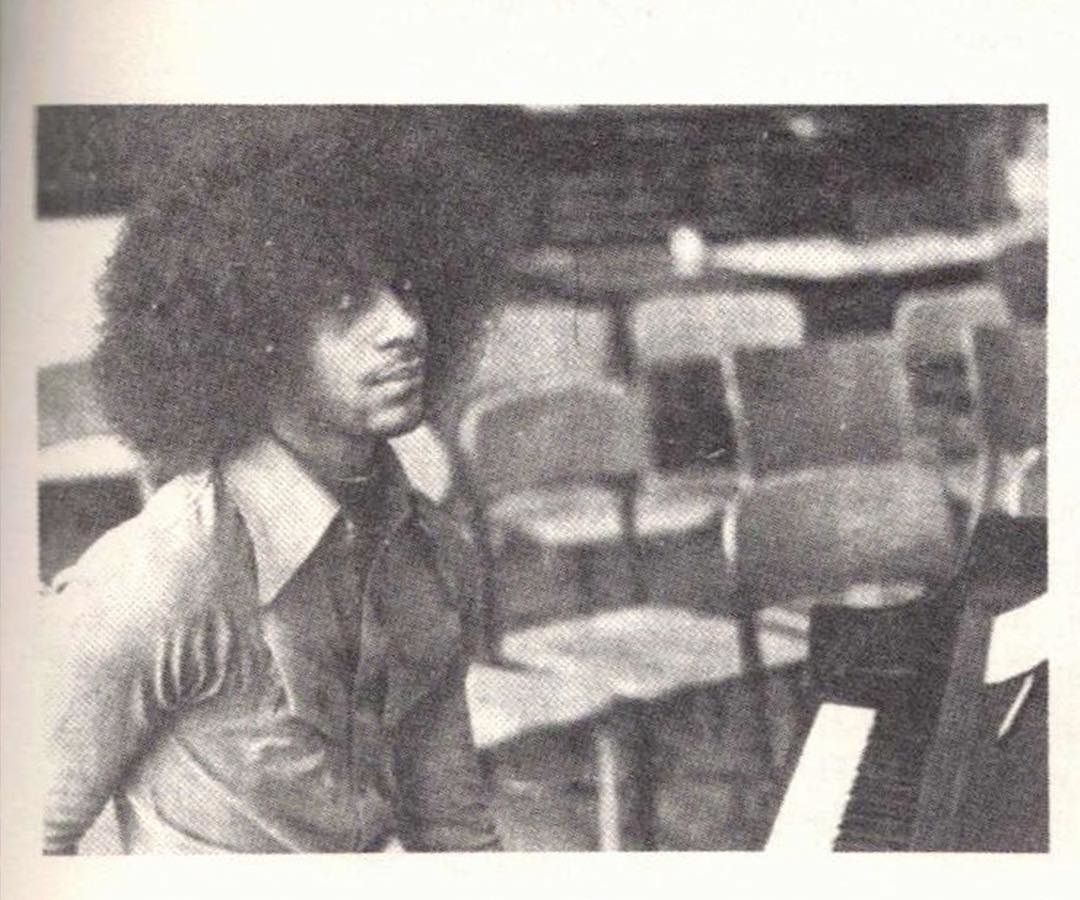
As soon as he finished school, Prince knew he had what it took to get a record deal and hit the ground running. He recorded a demo, with a song named “Soft and Wet”, bringing it to a Minneapolis advertising office where he met a musician named Owen Husney. There was something about Prince that caught his attention and it wasn’t long before he was signing his first management deal. Through Husney, Prince met two brothers who would become key pieces in the puzzle of Prince’s solo career: David and Bobby “Z” Rivkin. They were both mesmerized by the way Prince played every instrument on his tracks.
Historic Deals
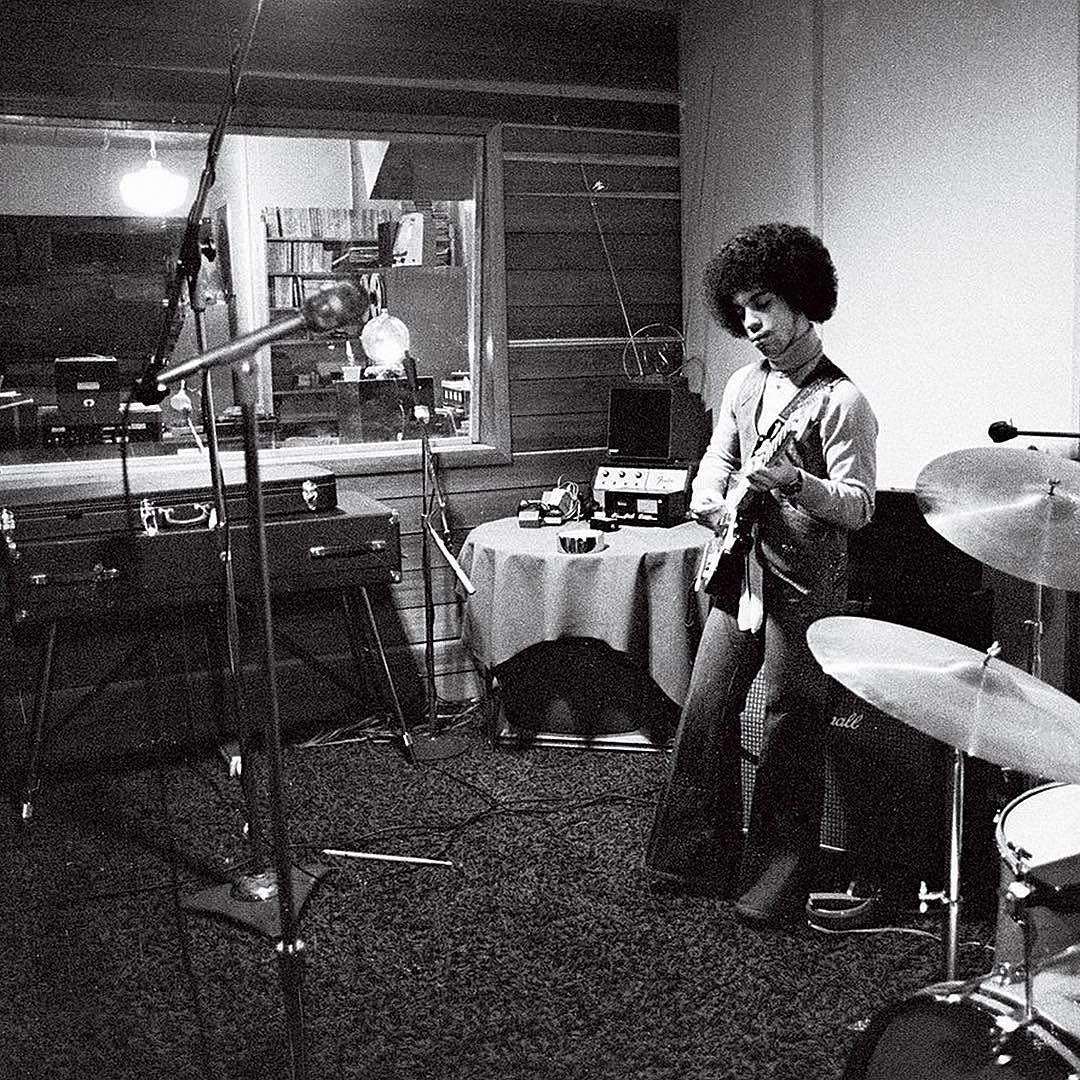
Bobby Rivkin became a close friend and collaborator of Prince’s, who knew he’d be a star right away. “In the first hour I met him I was dazzled, amazed, and captivated—which remained for my entire life,” Rivkin said according to Becomingprince.com. These connections led to Prince’s ground-breaking record deal with Warner Music. In 1977, when he was just 18, Prince was signed to a three-album deal—a bold move for an unfamiliar artist. But Prince was just getting started.
Albums Back to Back
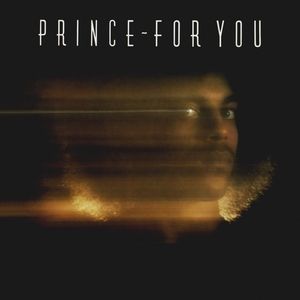
With some negotiation, Prince convinced Warner Bros. to allow him to record all his own instruments and produce his debut album himself, which was practically unheard of for a debut. Despite his big aspirations and momentous start at the young age of 18, Prince was by no means a smash hit right away. With his debut album *For You*, he reached number 163 on the Billboard 200 chart. However, it wouldn't be until 1982 that he would peak in the top 10 with his fifth album *1999*. Before long, he was becoming known for his epic collaborations.
One-Man Band
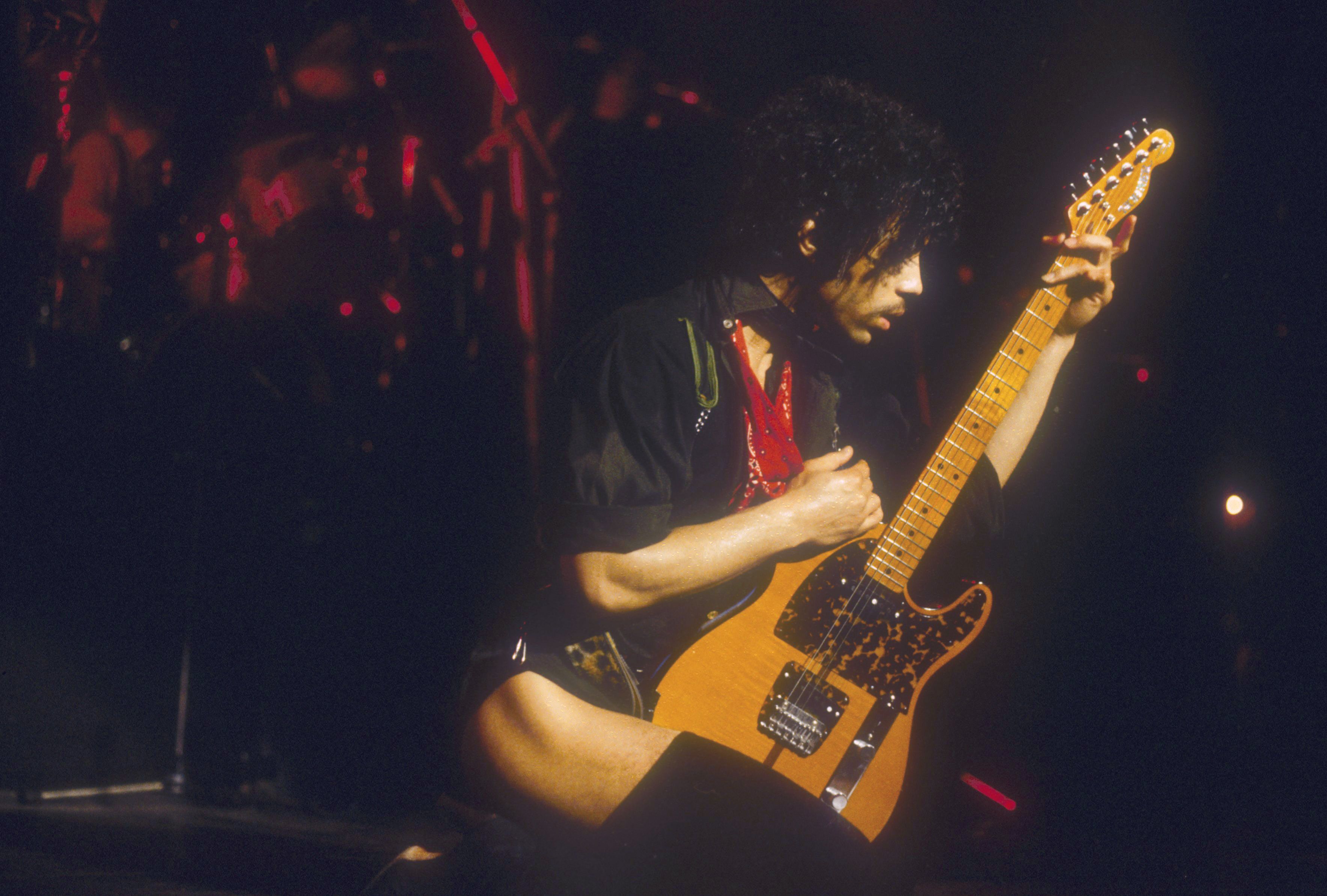
Prince keenly played all his own instruments and produced his own music—he would have done the whole thing by himself if he could. He was talented enough to work as a one-man band, but many would say that the real magic came from his collaborations with women. One of his first major collaborations was with musician Lisa Coleman, who at the age of 19 was already a veteran in the business. While Prince was still playing his own instruments on record, his live shows were a different story—and that’s where Lisa came in.
Starting The Revolution
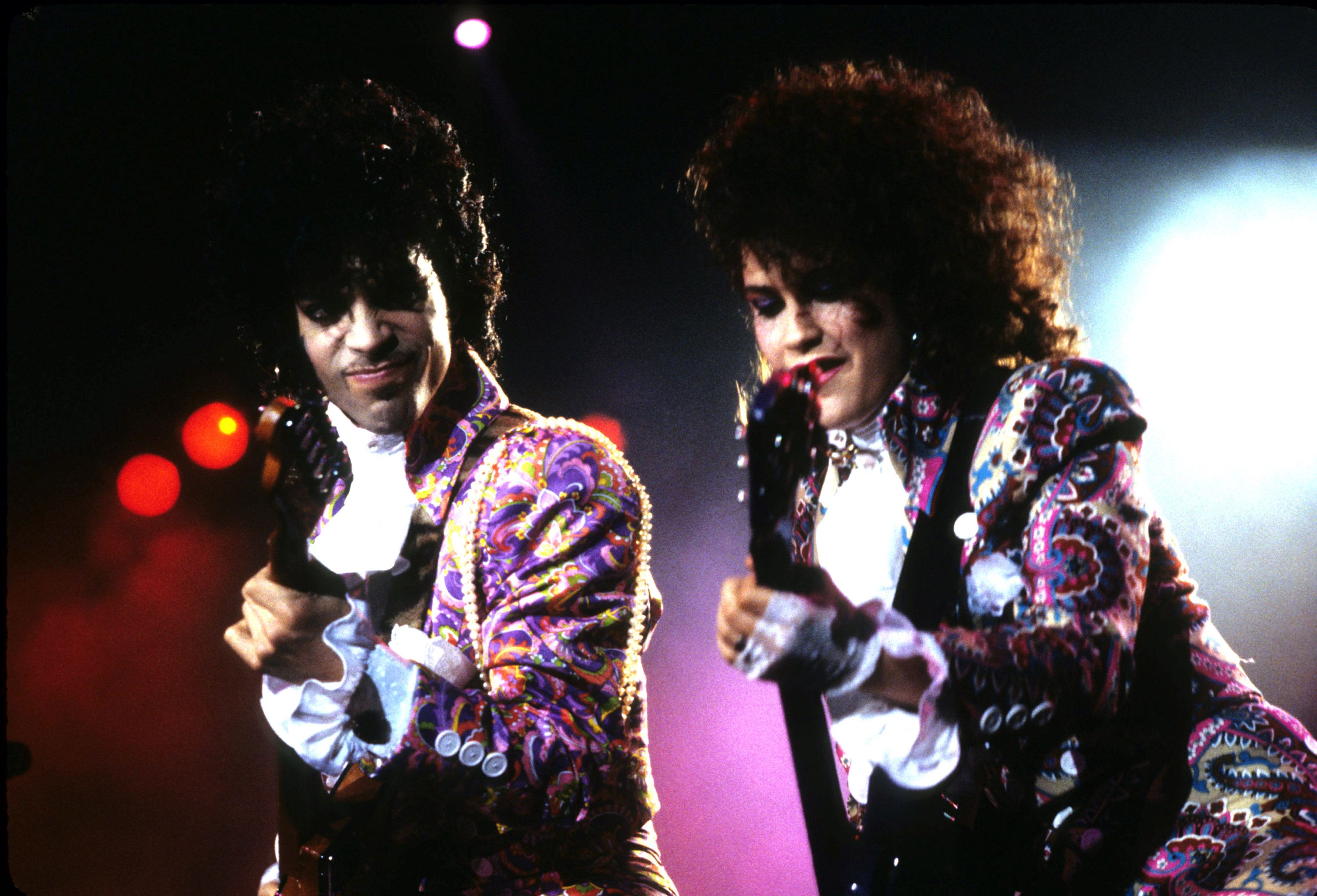
Lisa Coleman first joined Prince on his 1980 tour, and later her vocals and keyboard were essential to the production as his shows went stadium-sized for the 1982 tour of his next album, *1999*. Prince and Coleman collaborated on Prince’s hit songs including “1999”, “Controversy”, “Delirious”, and “Little Red Corvette” on this tour. However, in the midst of success, Prince was busy trying something new—starting a band. Lisa’s girlfriend at the time, Wendy Melvoin, was a keen guitarist and she came on board in 1983. This was the beginning of The Revolution.
Relationship Emerges
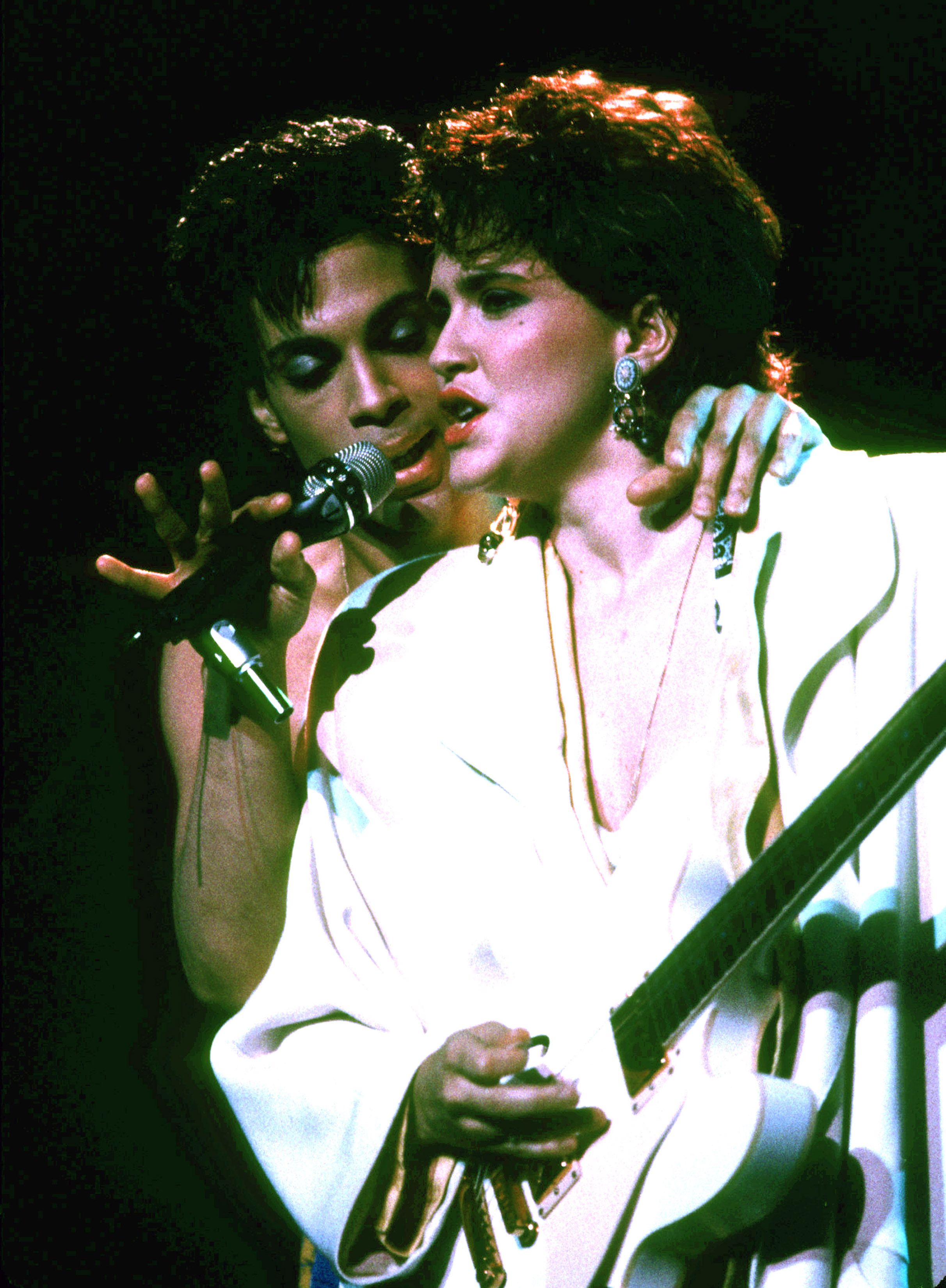
With iconic duo Wendy and Lisa, and his old friend Bobby Rivkin on drums, combined with Prince’s vocals and distinct spunky style, The Revolution was unstoppable. Behind the scenes, Wendy’s twin sister Susannah Melvoin wasn’t a part of the band, but she often attended studio sessions and got to know Prince pretty well. During this time, Susannah and Prince began a relationship that eventually led to an engagement. Rumor has it that the songs "Nothing Compares 2 U", "If I Was Your Girlfriend", "Empty Room", and "Crystal Ball", which Prince penned—even though some were given to other artists to record—were about Melvoin.
"Purple Rain"
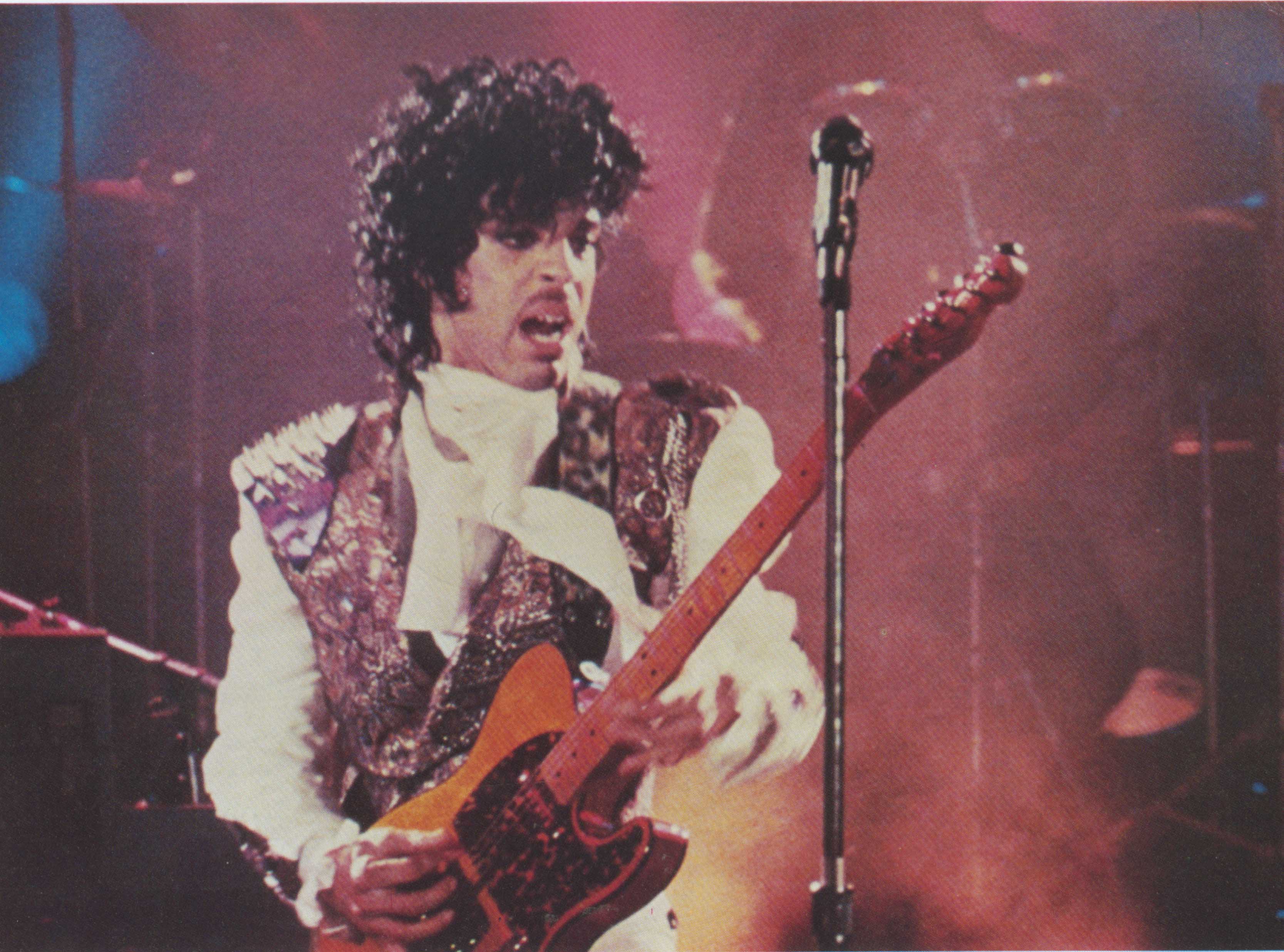
With Prince becoming a household name, everybody wanted to know what he was up to, both professionally and personally. His time with The Revolution peaked in the era that he is probably most well remembered for now—the *Purple Rain* era. While Prince was busy making headlines, winning hearts on and off stage, and making music with his newest backing band The Revolution, it was his sixth album, 1984’s *Purple Rain* that would go on to make the biggest splash.
Movie Star
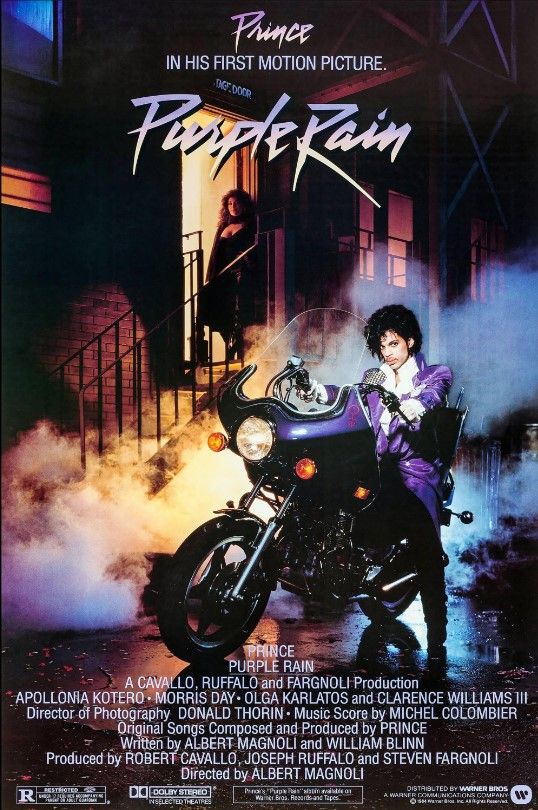
When asked to name one of Prince’s songs or albums, many people would come up with *Purple Rain* first. Not only was it an iconic song and album, but it also became the backdrop for Prince’s acting debut. The film version of *Purple Rain* was a fictionalized retelling of Prince’s own story, developed to showcase his talent—through concert sequences where he is joined by his band The Revolution. The soundtrack album even went on to win the 1984 Academy Award for Best Original Song Score and secured Prince a spot in music history.
Frills and Ruffles
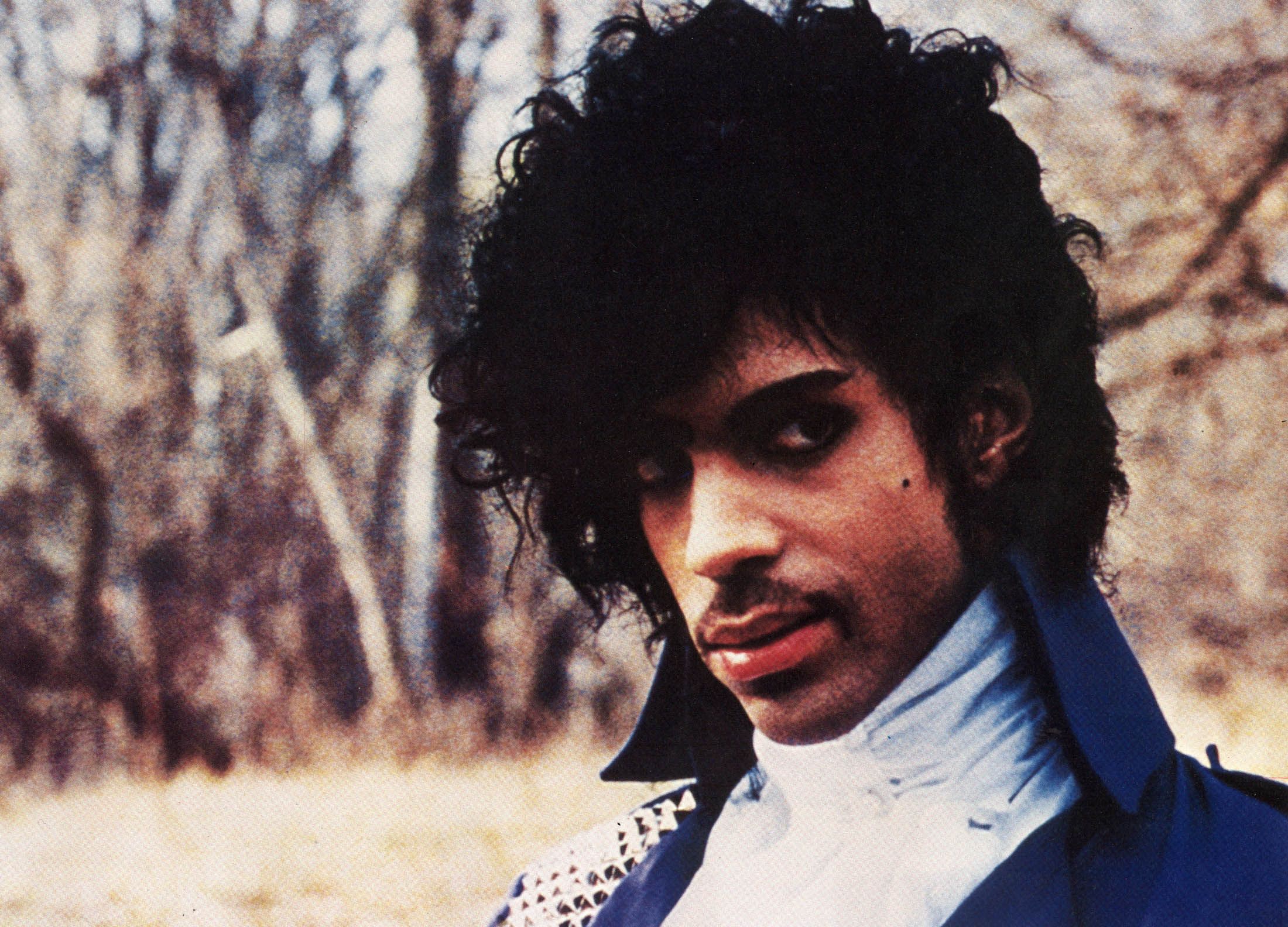
Sporting his trademark ruffles and frills, curly hair, and flowing jackets, Prince was undoubtedly at his most “Prince” in *Purple Rain*. Refusing to be confined by the constructs of gender, clothing, or religion, he became so much more than a recording artist—he was a fully-fledged genre-flipping, gender-bending icon. Following the success of the movie, Prince had new, bigger plans for where his career would take him next.
Creating Paisley Park
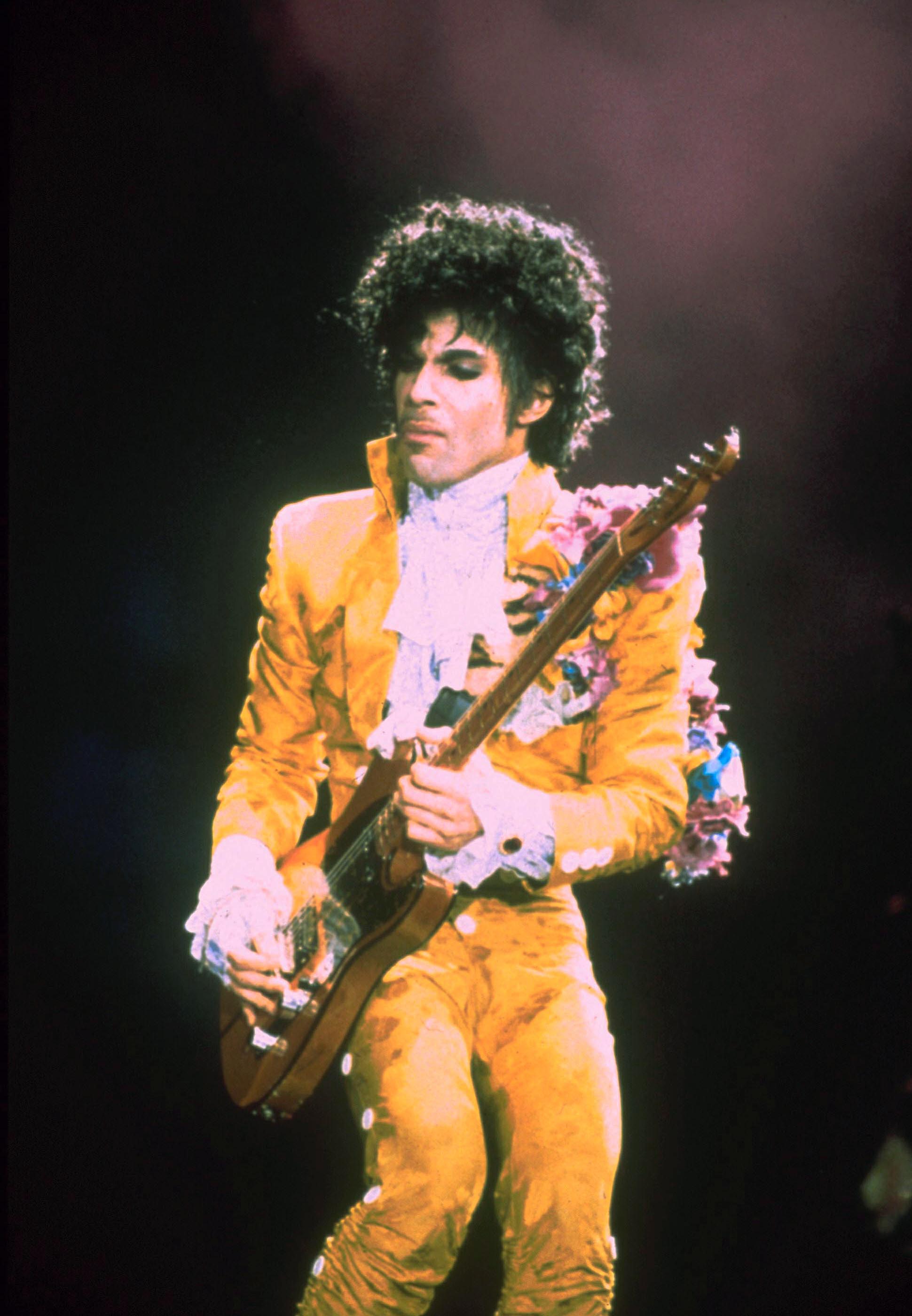
Now known for his mysterious vibe and eccentric persona, Prince was at the height of his fame in the 1980s. Returning to his roots, he had a dream to create a peaceful creative utopia to do the one thing he loved most—making music. In his seventh record, 1984’s *Around the World in a Day*, Prince and The Revolution sang about this utopia in the song “Paisley Park”. Back then, it was just an imagined paradise that “speaks of profound inner peace”, as the song goes, but by 1987, it became a reality.
His Utopia
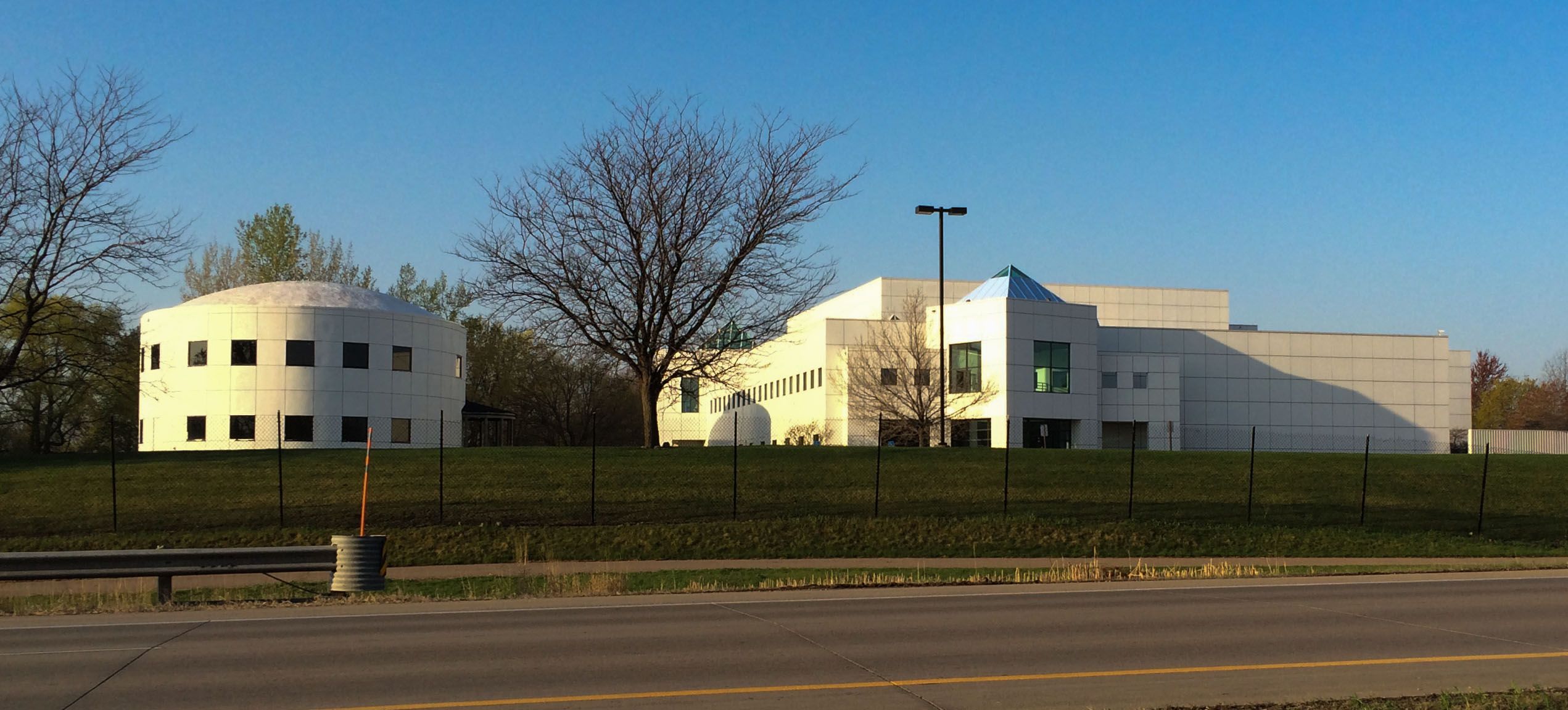
Prince found his utopia in the form of a 65,000-square-foot, $10 million recording complex in Chanhassen, Minnesota, according to *The New Yorker*. He named it, of course, Paisley Park. Originally intended to be a commercial studio property, with huge names like Stevie Wonder, R.E.M., and Madonna all recording there, Prince decided to stop accepting outside clients. He enjoyed a space with control over his own work, and eventually, Prince ended up living there as well as recording there. It was in this writing haven that he created his next project, which many consider to be his magnum opus.
"Sign o’ the Times"
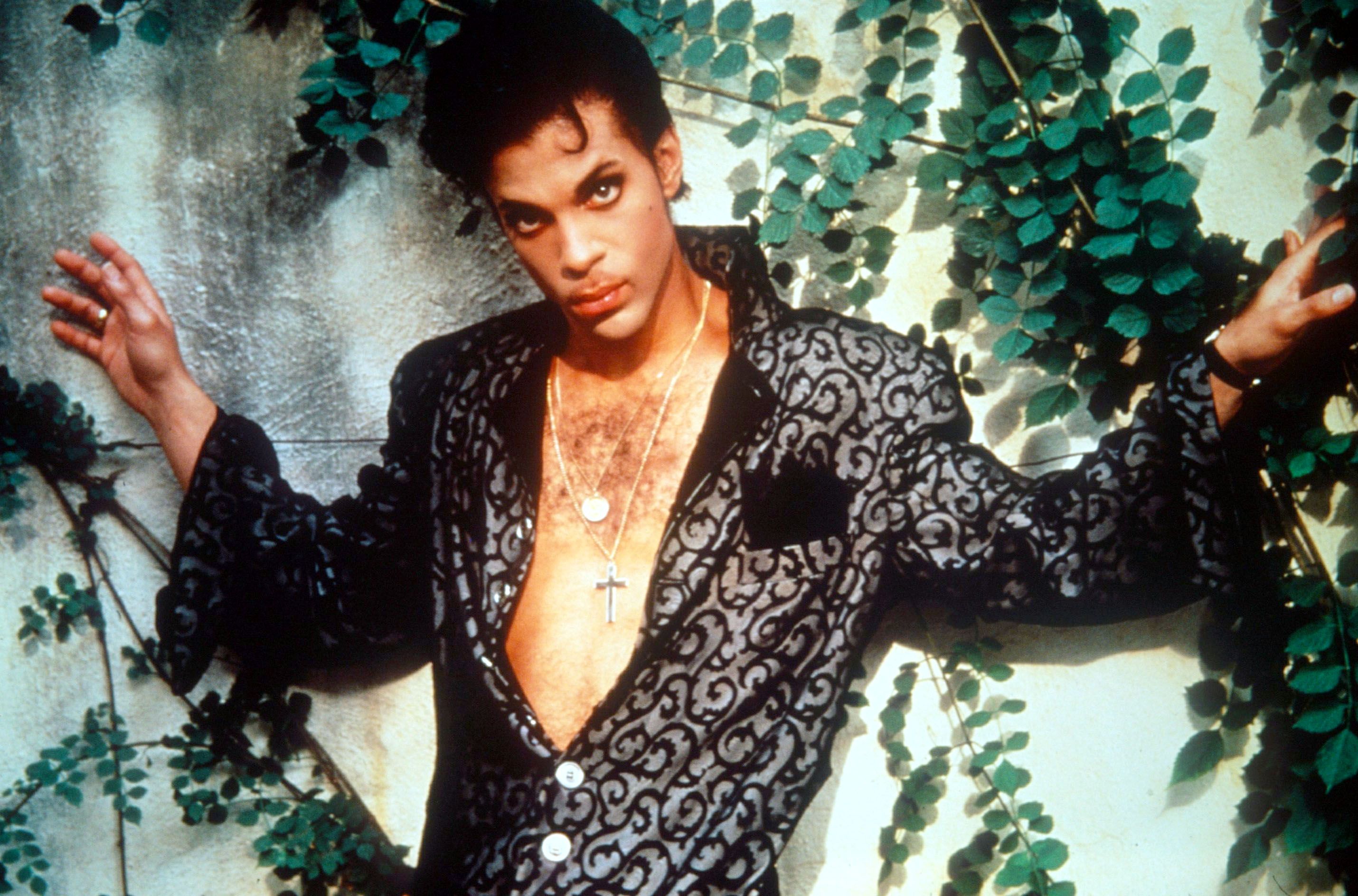
Tensions between Prince and his band, due to his relationship with Wendy’s twin sister Susannah, caused The Revolution to disband in 1986. Afterward, the world waited to see what Prince would release next. In 1987, he released his ninth album *Sign o’ the Times*, which came at a tumultuous time in society as well as in Prince’s world. In this album, Prince engaged in the world around him in a way we’d never seen before, singing about major social and political issues. Even though he earned a reputation for his dislike of talking to the media, with so much music being produced, this album was a way for him to communicate his thoughts and feelings about the world directly to his audience.
Meeting Mayte
By the time 1990 came around, Prince already had enough hit albums in his catalog to embark on his greatest hits concert tour. It was on his 63-show epic stint that he met a 16-year-old belly dancer named Mayte Garcia. At one of his concerts in Germany, Garcia sent a tape of her performance to Prince’s dressing room. At the time, the pair corresponded via email, but that was just the beginning of their story. Their eventual relationship would go on to change Prince’s life.
Record Breaking
In the fall of 1992, there was little talk of Prince’s relationships and it was back to the music. Fresh off the back of his magnum opus project, Prince was in his forties and showed no signs of slowing down. He was still considered an incredibly valuable asset to the music industry. Before long, Prince was signing "the largest recording and music publishing contract in history”, according to the *Los Angeles Times*. It wasn’t his first deal with Warner Bros., but it was his biggest—a $100 million dollar deal.
A Big Deal
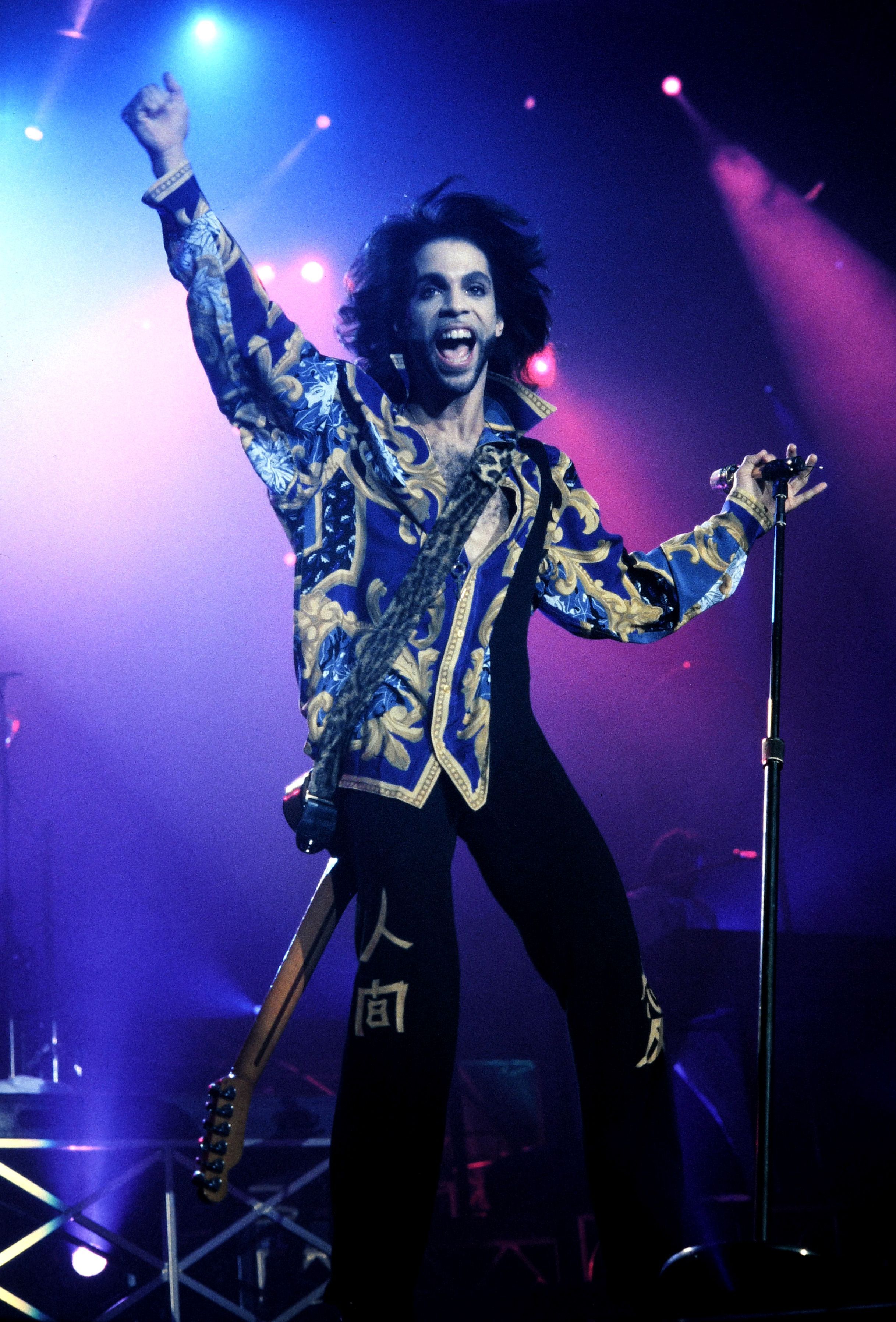
As if a $100 million dollar deal wasn't already impressive enough, it's even more incredible when compared to the other artists who were making headlines at the time. Madonna and Michael Jackson were in all-inclusive contracts worth around $60 million at this point in their careers, as the *Los Angeles Times* reports. But that wasn't the only thing that set Prince’s record-breaking deal apart from the others—he had the unique opportunity to pursue other media pursuits like TV and film separately, at the same time as his music. Even though his career was booming, it wasn’t all smiles for the artist.
Don’t Label Him
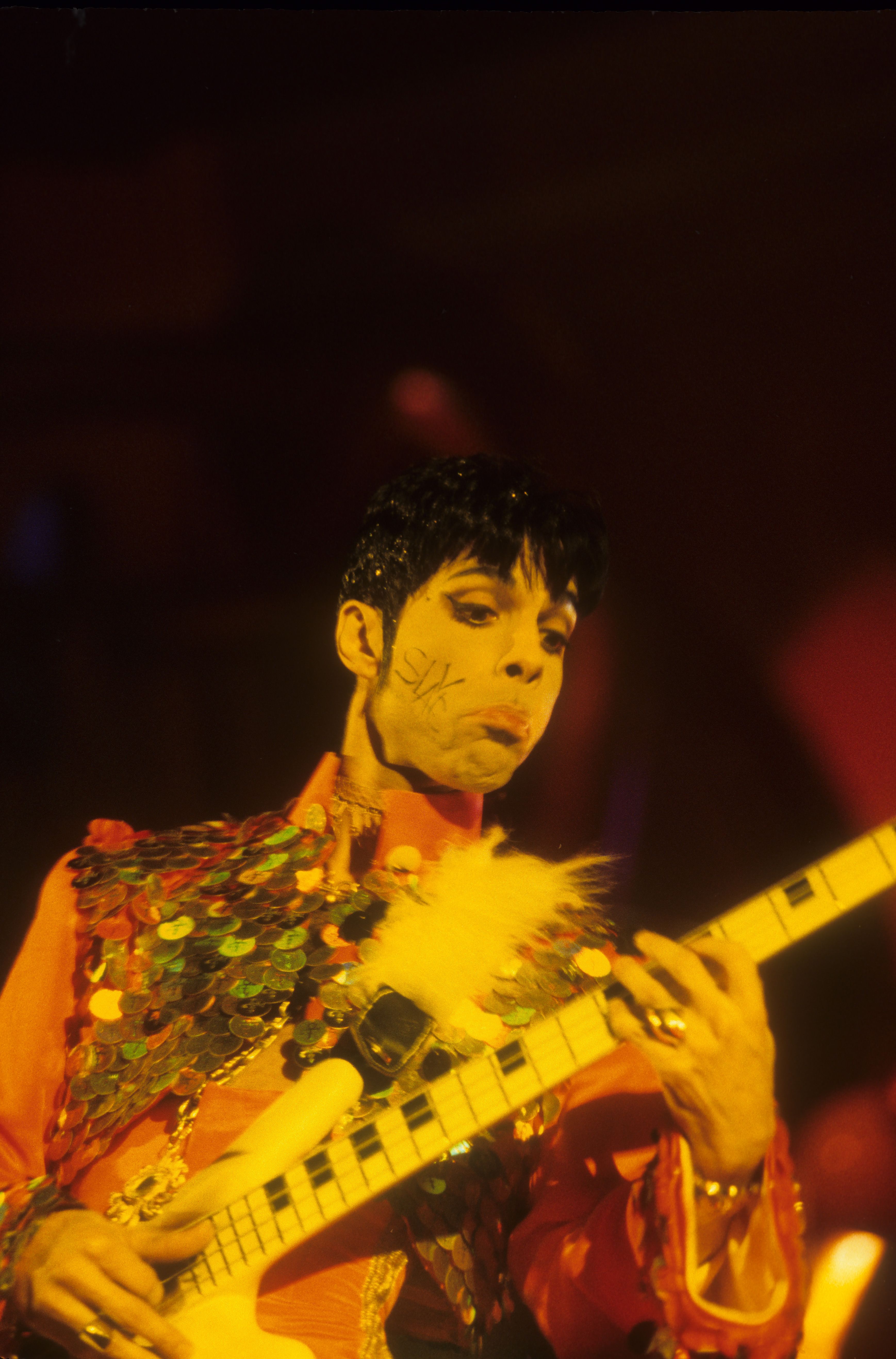
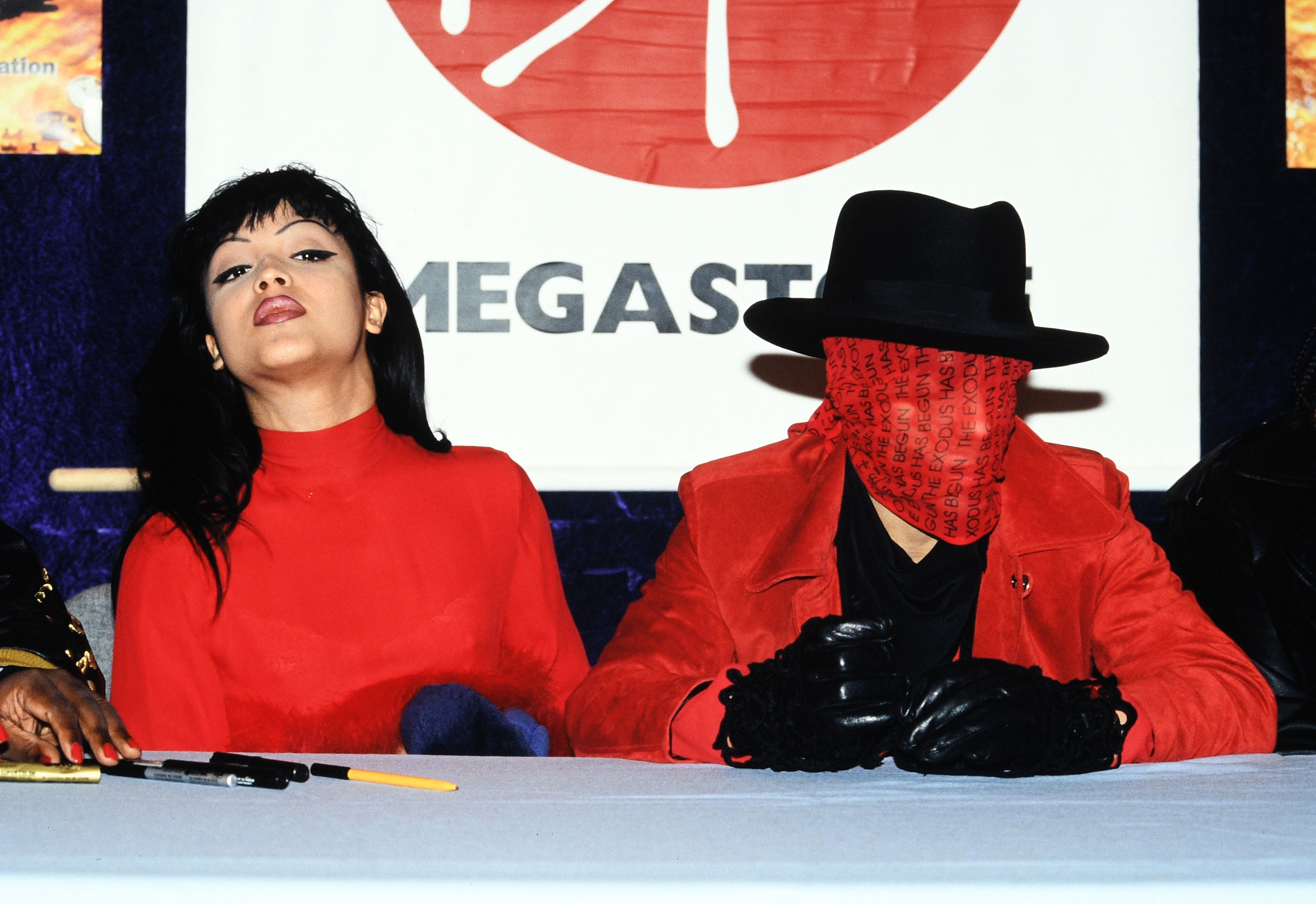
At this point in his career, Prince was a household name and a valuable asset. His label, Warner Bros., was impressed by the sheer speed of him producing music. After all, he had released one album per year consistently. Even still, Warner executives became concerned that his audience might start to lose interest. But for Prince, artistic freedom was just as important as selling records. He didn’t like the idea that record labels owned an artist’s name, music, and everything about them. Prince wanted out of his contract and he wasn’t afraid to show it publicly. As a sign of protest, during his next performances, he had the word “slave” written on his cheek.
The Love Symbol
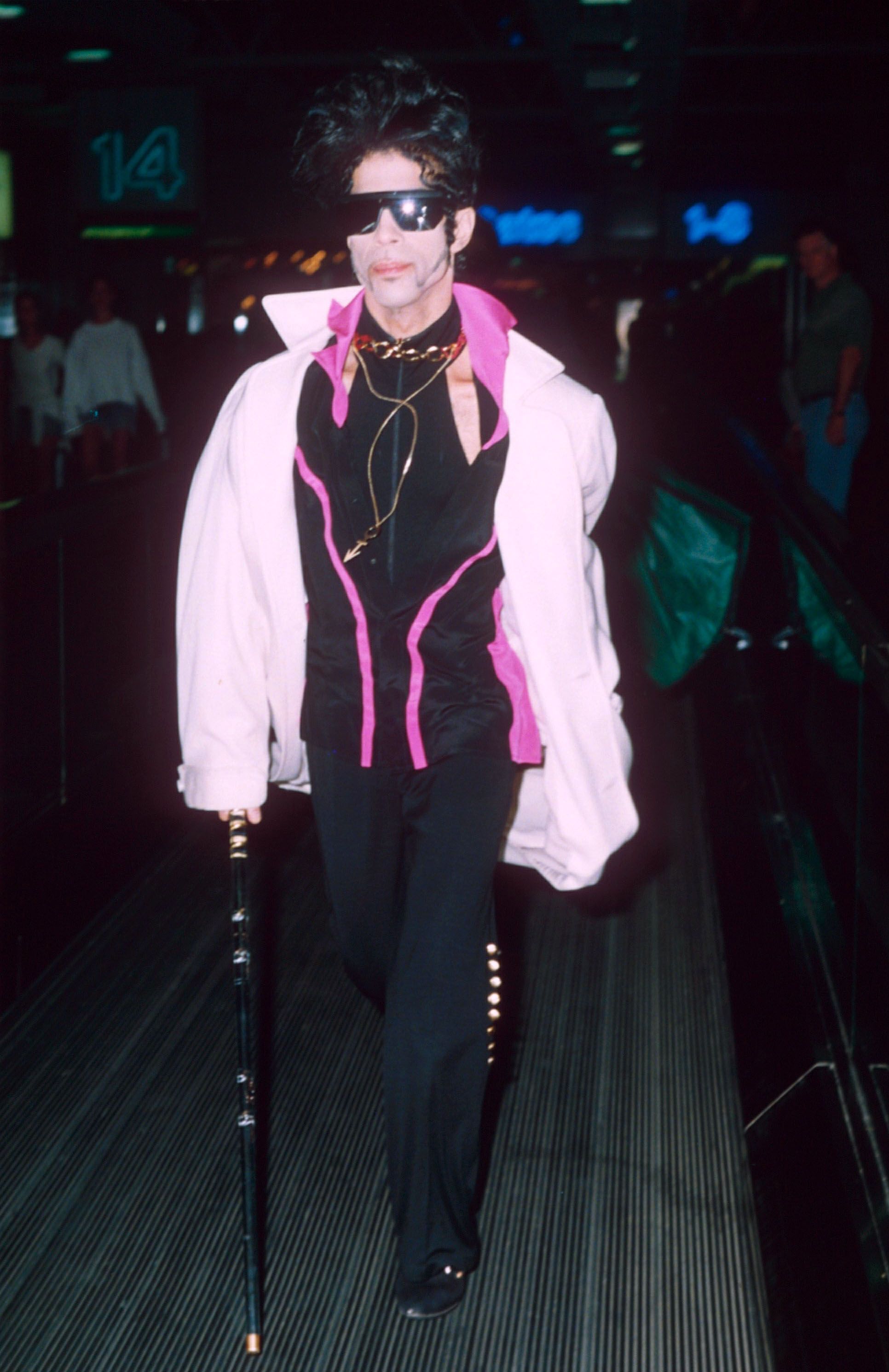
It takes years of hard work and dedication to get to a point of stardom anything like Prince had by the 1990s. But by then, despite all the steps Prince had taken to get to the top, his frustration with his label meant he no longer wanted anything to do with it. He was often mocked for making eccentric statements and changing his image, but the world has still never seen anything like his decision to reinvent himself in 1993—changing his name to an unpronounceable symbol, a combination of the male-female symbols, coined "The Love Symbol".
The Artist Formally Known As...
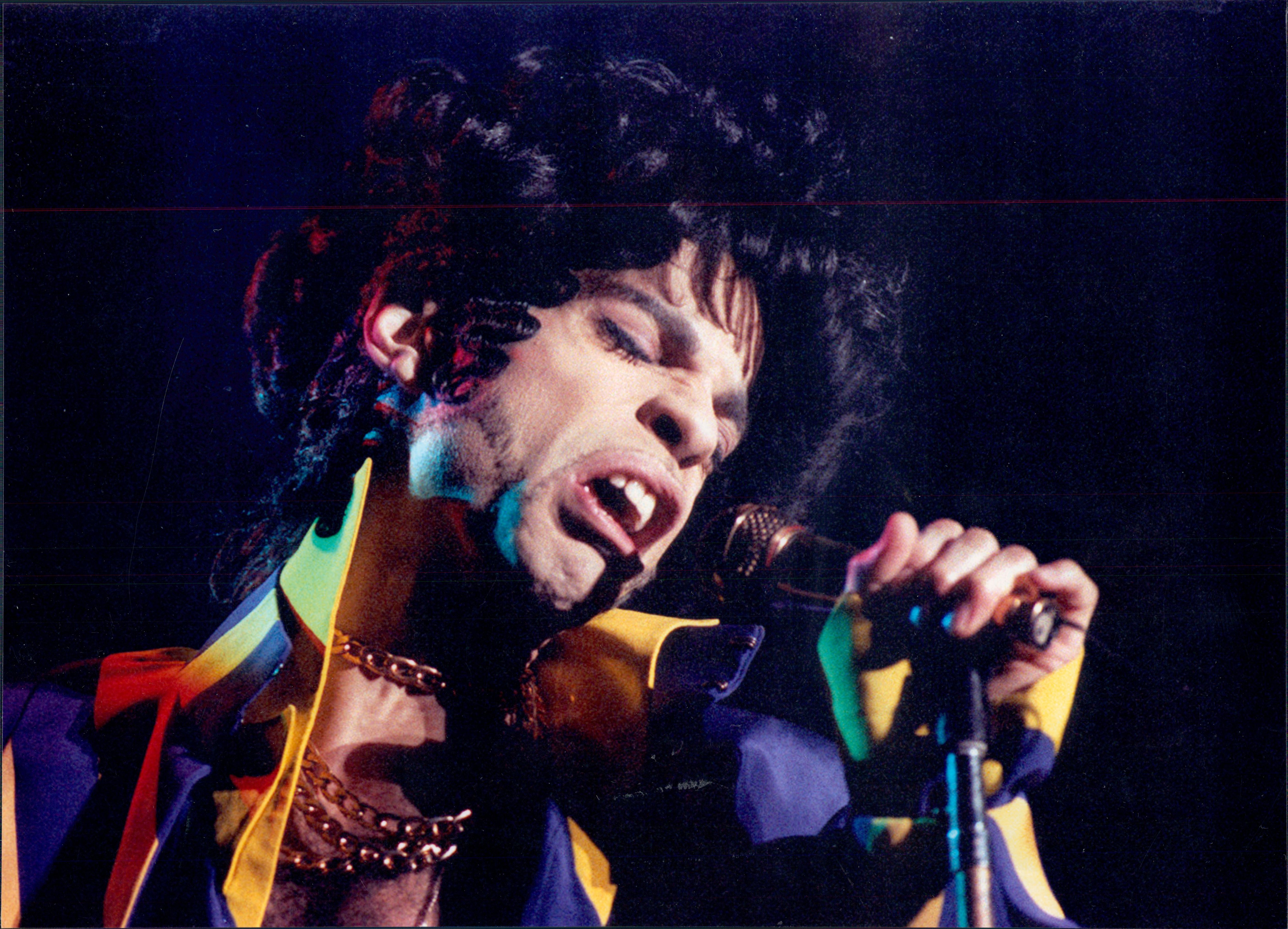
Fans were used to strange moves from Prince, but this one was quite unusual. “It is an unpronounceable symbol whose meaning has not been identified. It’s all about thinking in new ways, tuning in 2 a new free-quency,” Prince explained why he chose the name as *Variety* reported. Of course, the symbol was unpronounceable and didn’t exist on a keyboard, making it difficult to share or discuss him.
What’s in a Name?
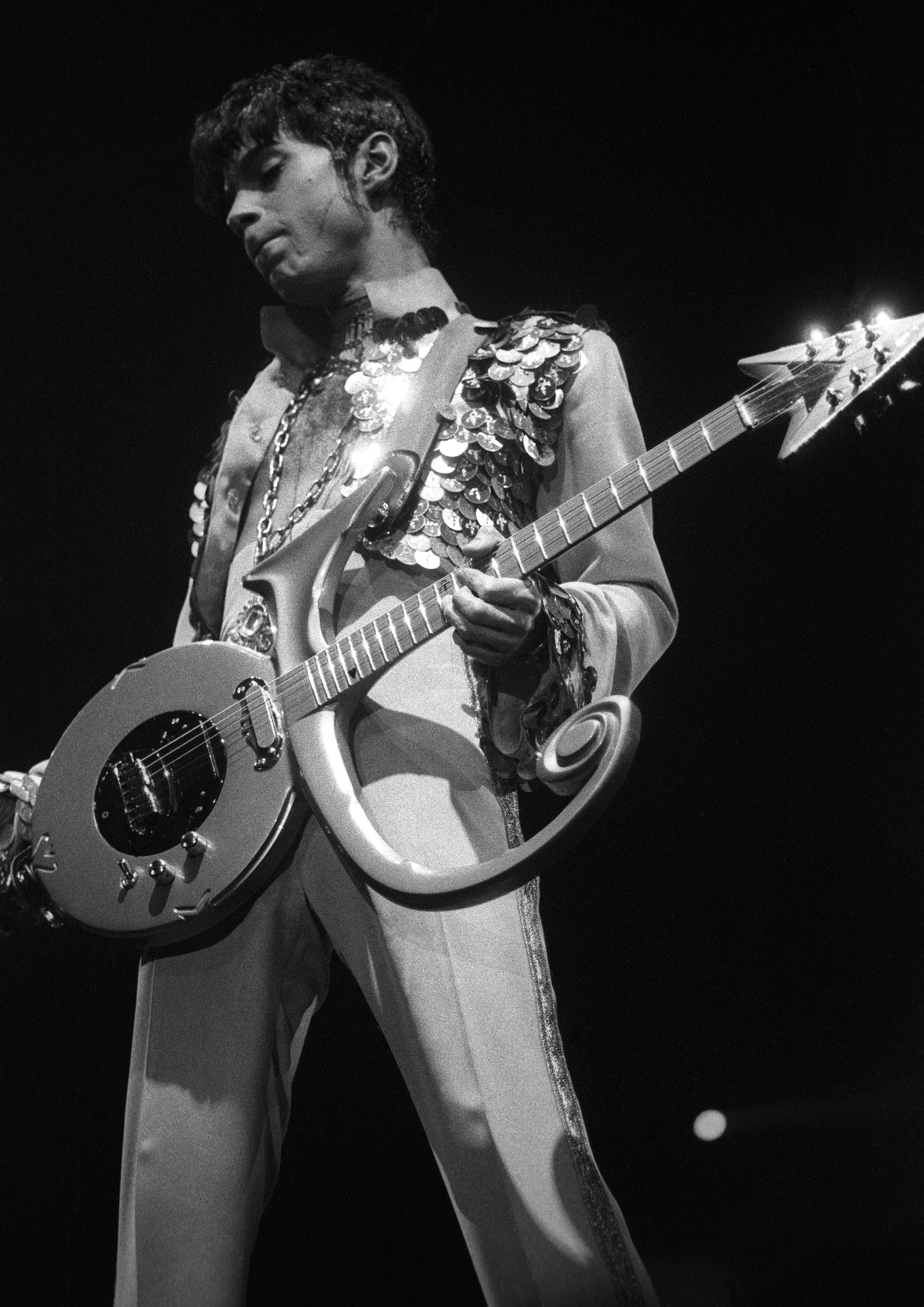
It looked as though his plan was working, as labels and press began referring to him only as "The Artist Formerly Known as Prince". However, not everybody understood or resonated with his decision. All the while, he stuck by his plan—unphased. “OK, the way I am is unpronounceable, but why should I make it easy? So people call me The Artist, The Artist Formerly Known As Prince, Tafkap, why should I put the record straight? I’m amused by it all,” Prince told *Top of the Pops*.
Freedom
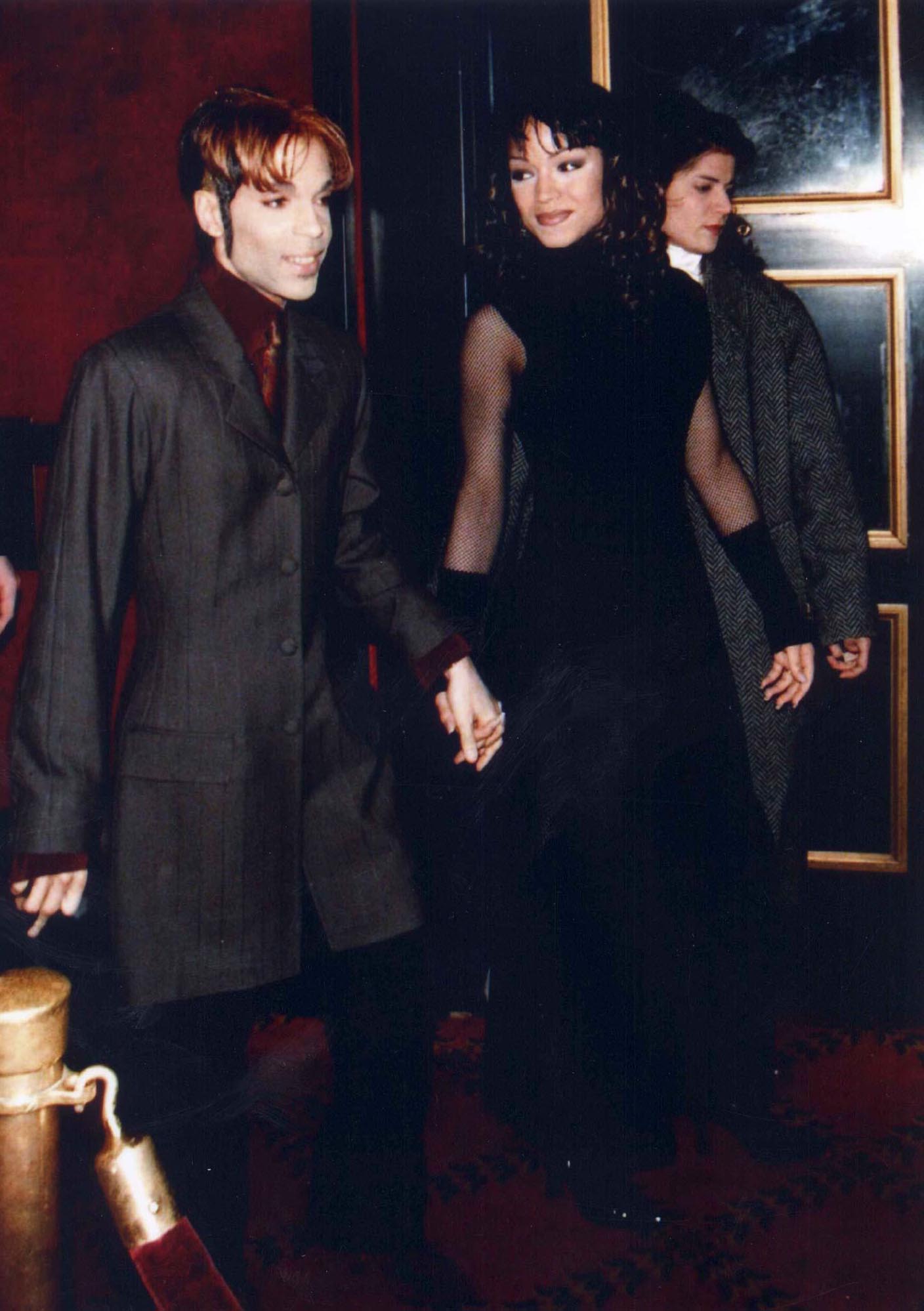
The shaming and controversy surrounding his name change didn’t stop him. Prince set up another label of his own, NPG (New Power Generation) to replace Paisley Park Records. By the time his deal with Warner finally ended, Prince released his next album in 1996, fittingly titled *Emancipation*. His personal life was also going through changes at the same time. On Valentine’s Day of 1996, Prince married Mayte Garcia—she was 22 and he was 37. In October of the same year, Mayte had a son, who they named Amiir—and the birth was reluctantly announced by his record company. However, their time with their son was about to be cut short as tragedy would soon strike.
Tragedy Strikes
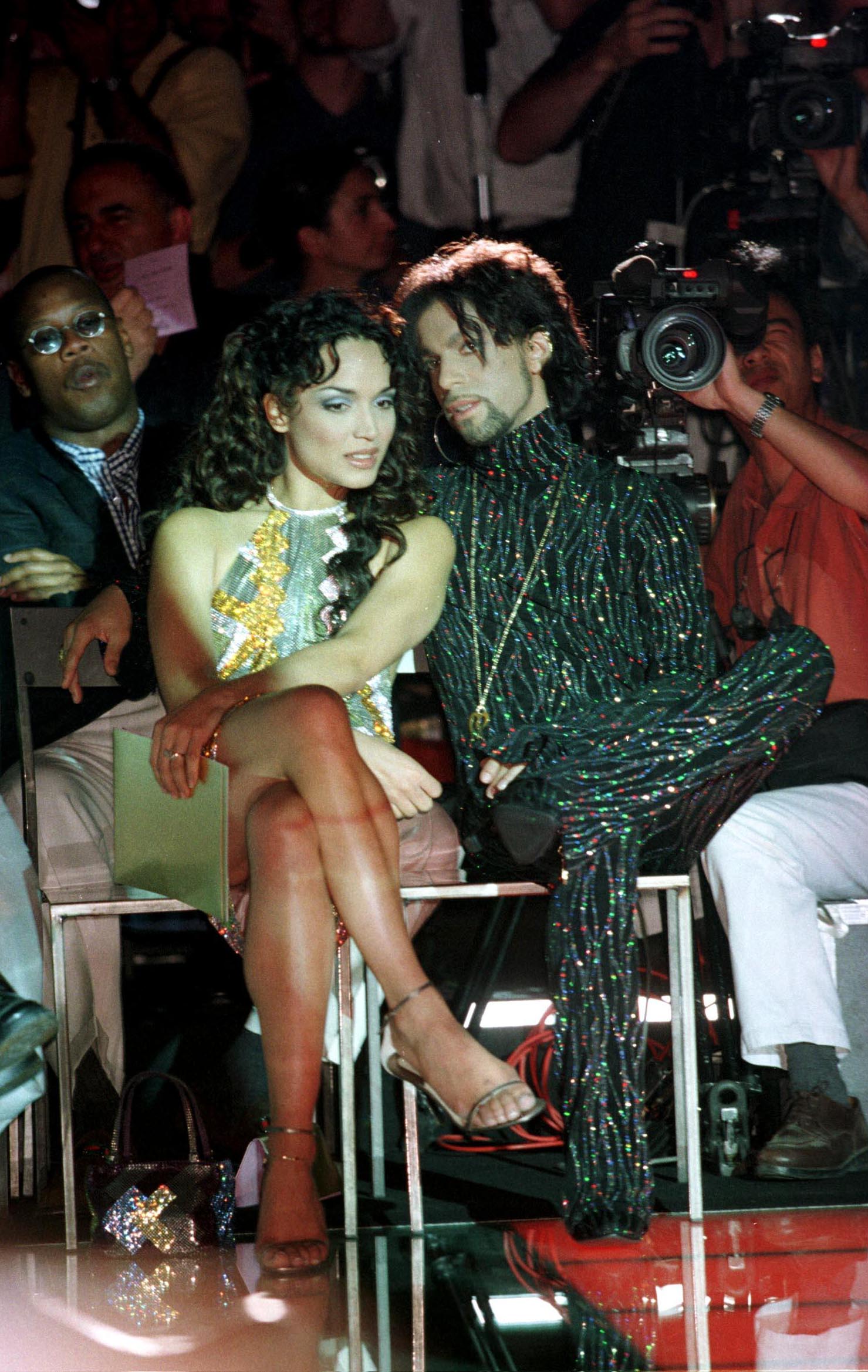
Prince became known for making somewhat of a game out of his love of privacy and evading the media. While promoting his *Emancipation* album, reporters were eager to ask about his new baby, but he didn't give specifics. Rumors began to spiral that the baby was born with birth defects, a fact that was never confirmed. It was later discovered that baby Amiir had lived for just a few days after being born with a skull deformity known as Pfeiffer syndrome. This tragic event would soon signal the breakdown of their marriage.
Love and Loss
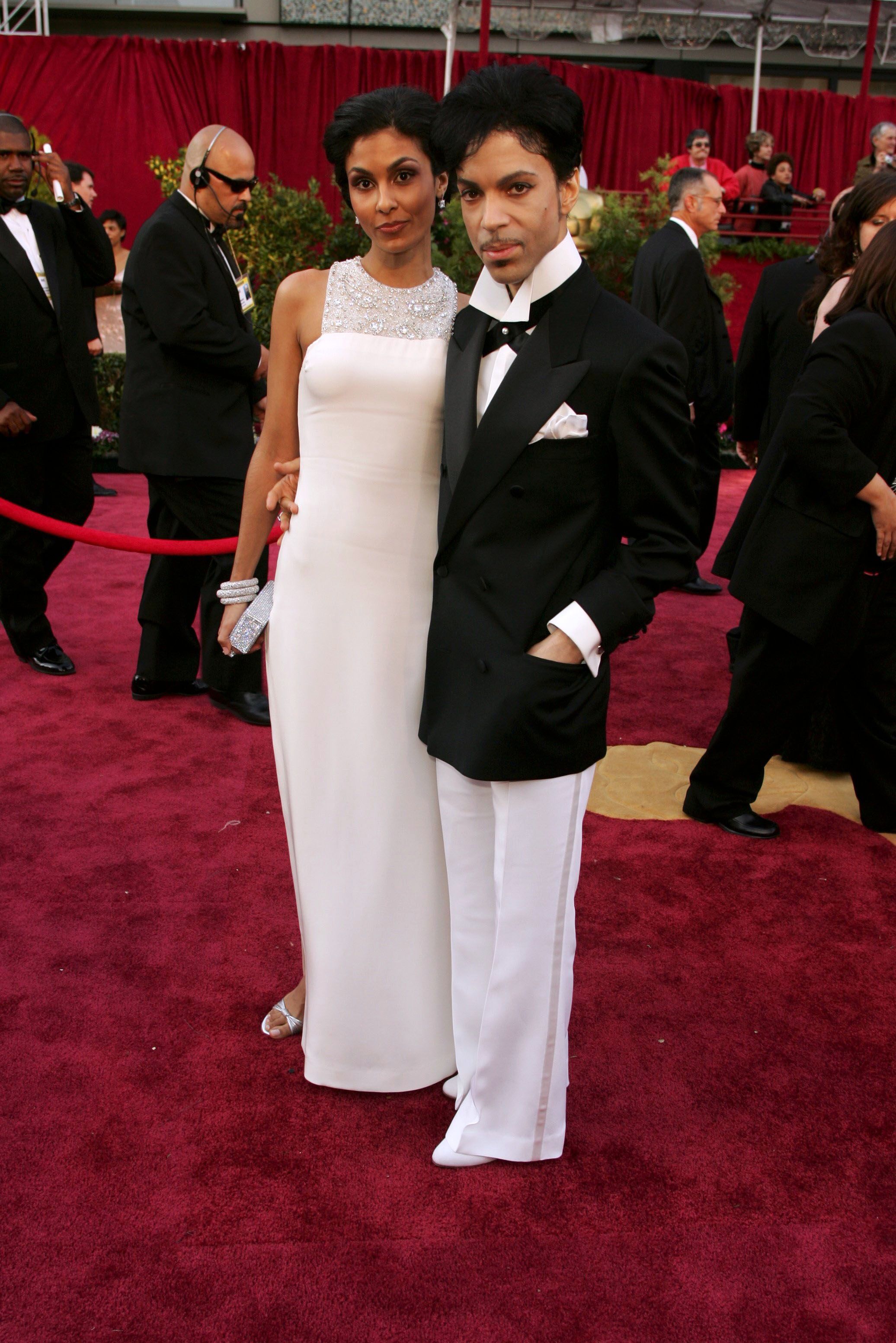
Shortly after their son’s passing, Mayte got pregnant again and miscarried. The losses became too tough to overcome and stay married. “I believe a child dying between a couple either makes you stronger or it doesn’t. For me, it was very, very hard to move forward and for us as a couple I think it probably broke us,” Mayte Garcia shared with *The Mirror*. But the marriage was about to face another obstacle—Prince's newfound faith.
Finding Faith
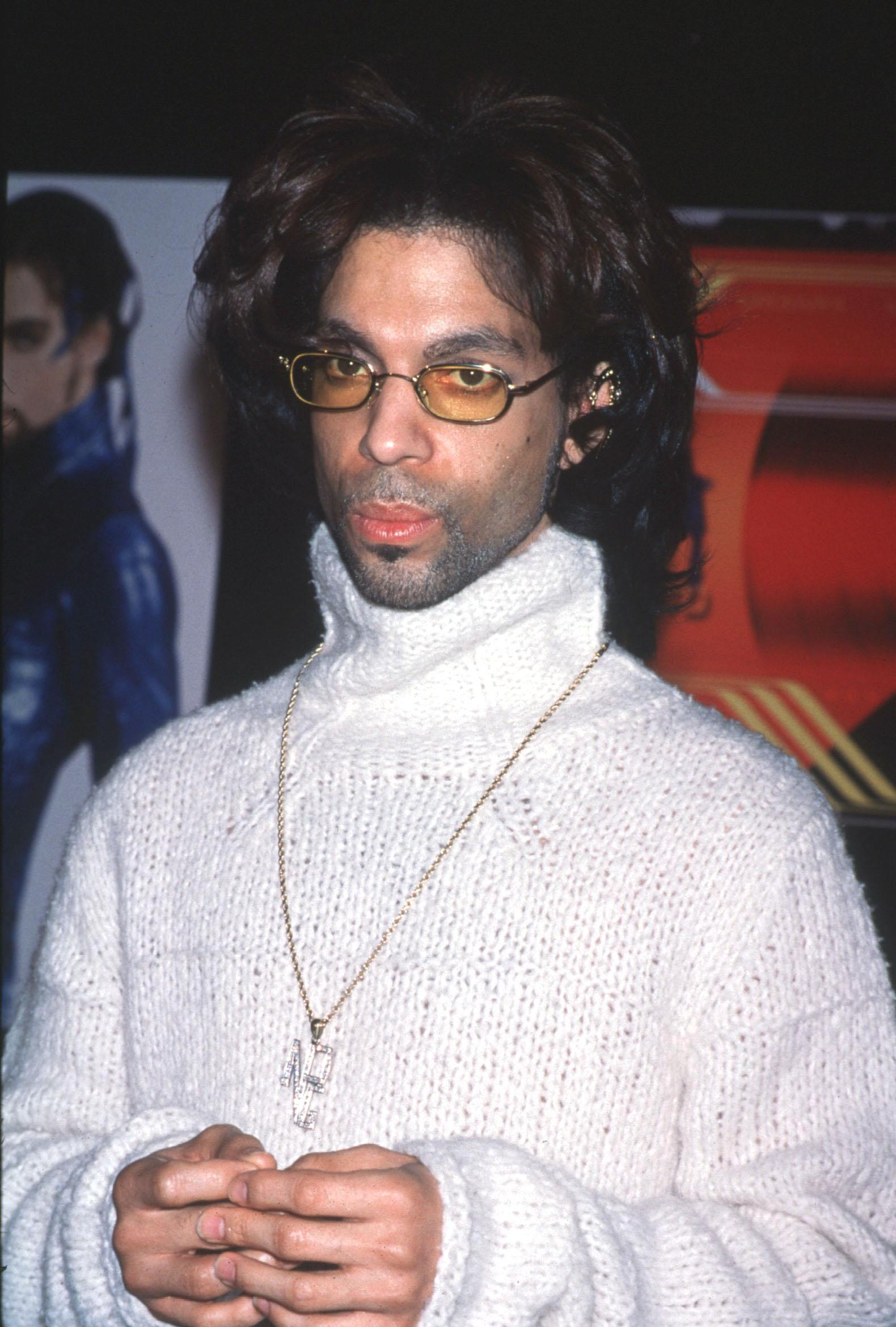
Though his family had always been religious, Prince appeared for most of his career to favor spirituality and meditation over religion. In the early 2000s, he found faith again, becoming a Jehovah’s Witness. He launched into a clean lifestyle and changed the rules at his Paisley Park residence, prohibiting anyone from drinking or smoking. Musicians even had to put money into a “cuss bucket” if they used bad language. Prince continued to release music under various labels and perform multiple different tours throughout the noughties, but it seemed there was a problem lurking under the surface.
Fierce Ally to Women
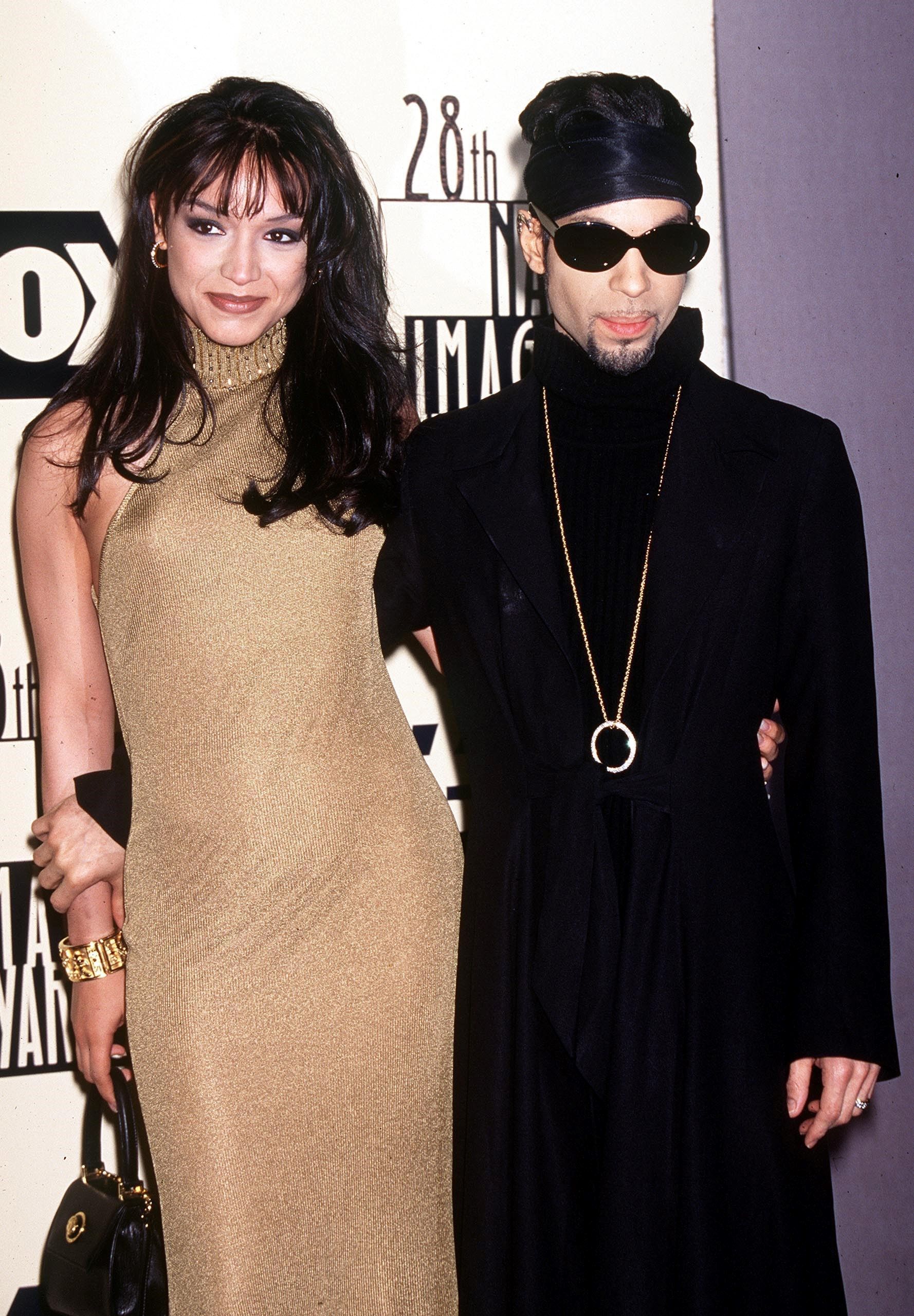
Prince's faith conversion to Jehovah's Witness was influenced by the tragic loss of his first child with Mayte. However, this religious transformation also contributed to the deterioration of their relationship. When Mayte faced the devastating loss of their second child, she not only endured emotional pain, but also encountered physical complications that necessitated surgery. Unfortunately, Prince's religious beliefs conflicted with the idea of undergoing surgical procedures, leading to a lack of support for Mayte's decision. The pair officially divorced in 2000 and just one year later, Prince was married again—this time, to Manuela Testolini, a consultant for his charity foundation.
Unstoppable Momentum
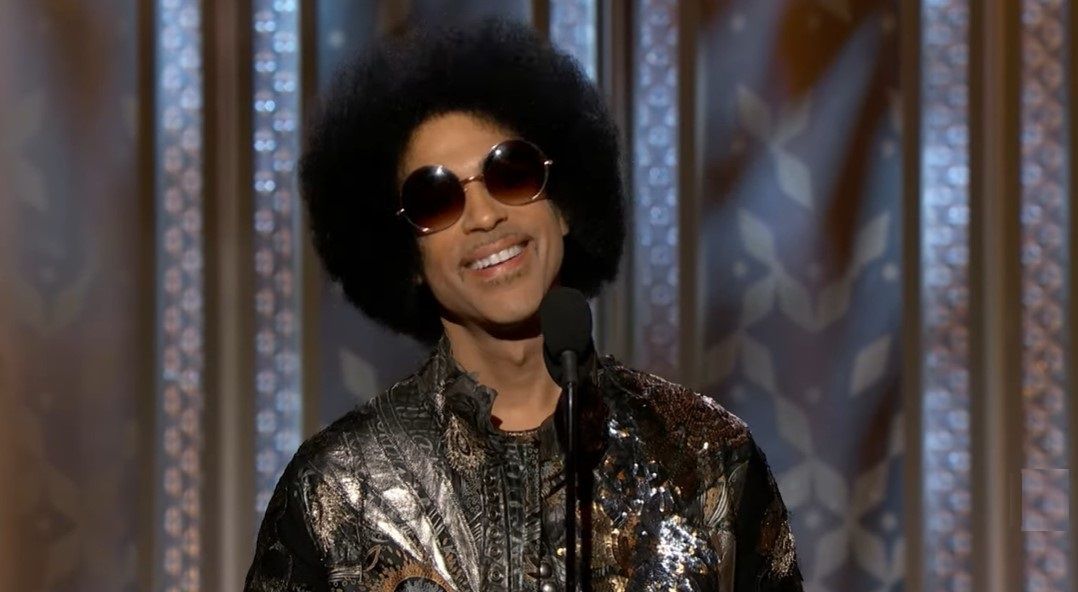
Throughout the early 2000s, Prince proved that he was anything but an '80s star past his prime. He was still doing what he did best, and after signing with Universal Music, released his 31st album. He also divorced his second wife and continued to promote his music simultaneously, whilst managing to dodge questions about his personal life. However, after taking the stage at the 2013 Grammy Awards to present an award, Prince made headlines yet again. He waltzed on stage, sporting a bedazzled cane to complete his outfit. People began to speculate about the famously reclusive musician, trying to figure out if it was simply a fashion accessory or something more.
Covering Up His Pain
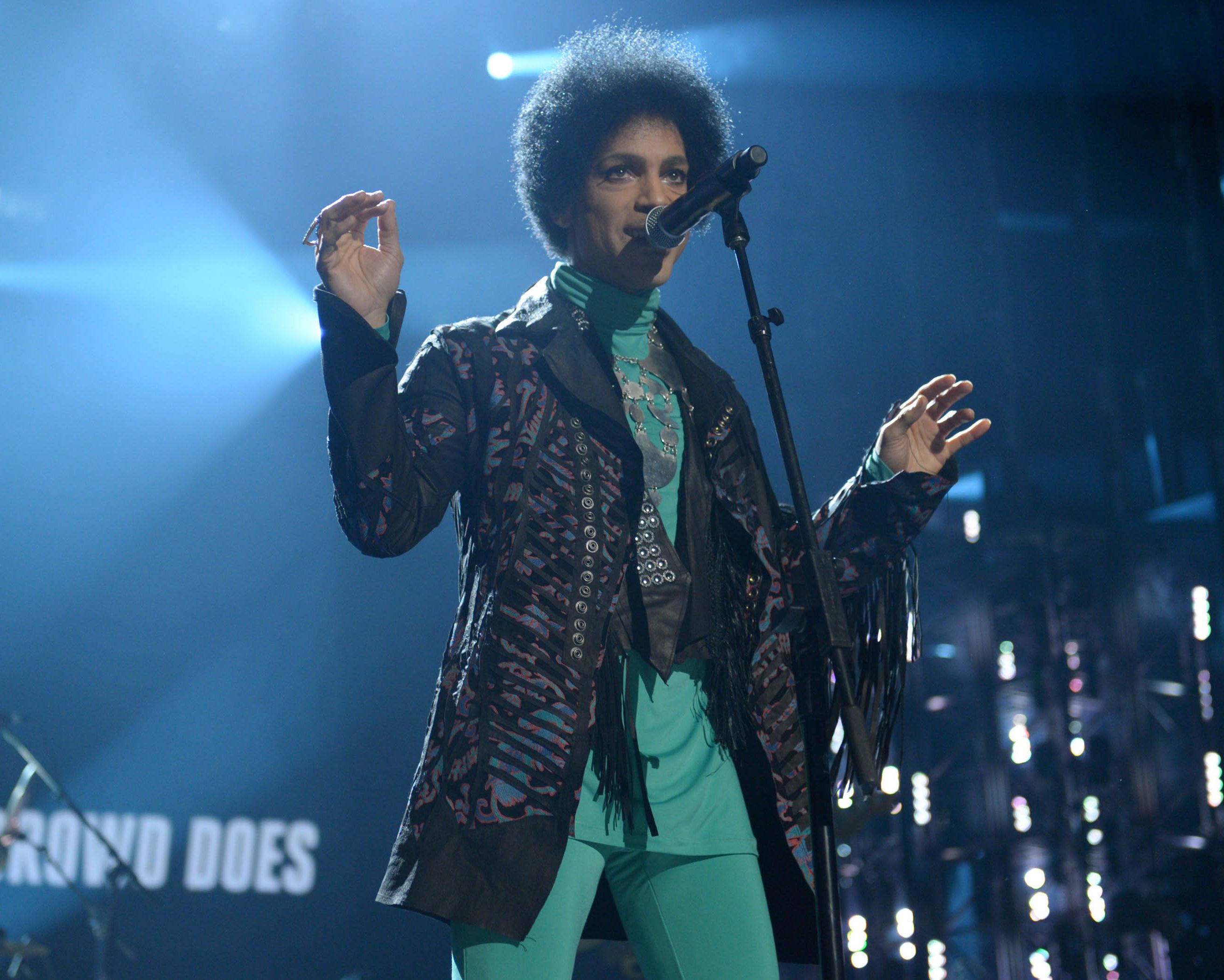
For years, the media has reported that Prince had been suffering from hip issues for decades. “[He] was in pain all the time,” fellow performer, Sheila E., recalled according to *The Guardian*. She also noted that it couldn’t have helped that he constantly jumped off stages in stack heels. According to rumors, due to being a Jehovah’s Witness, he turned down hip surgery because blood transfusions go against their beliefs.
Untimely Passing
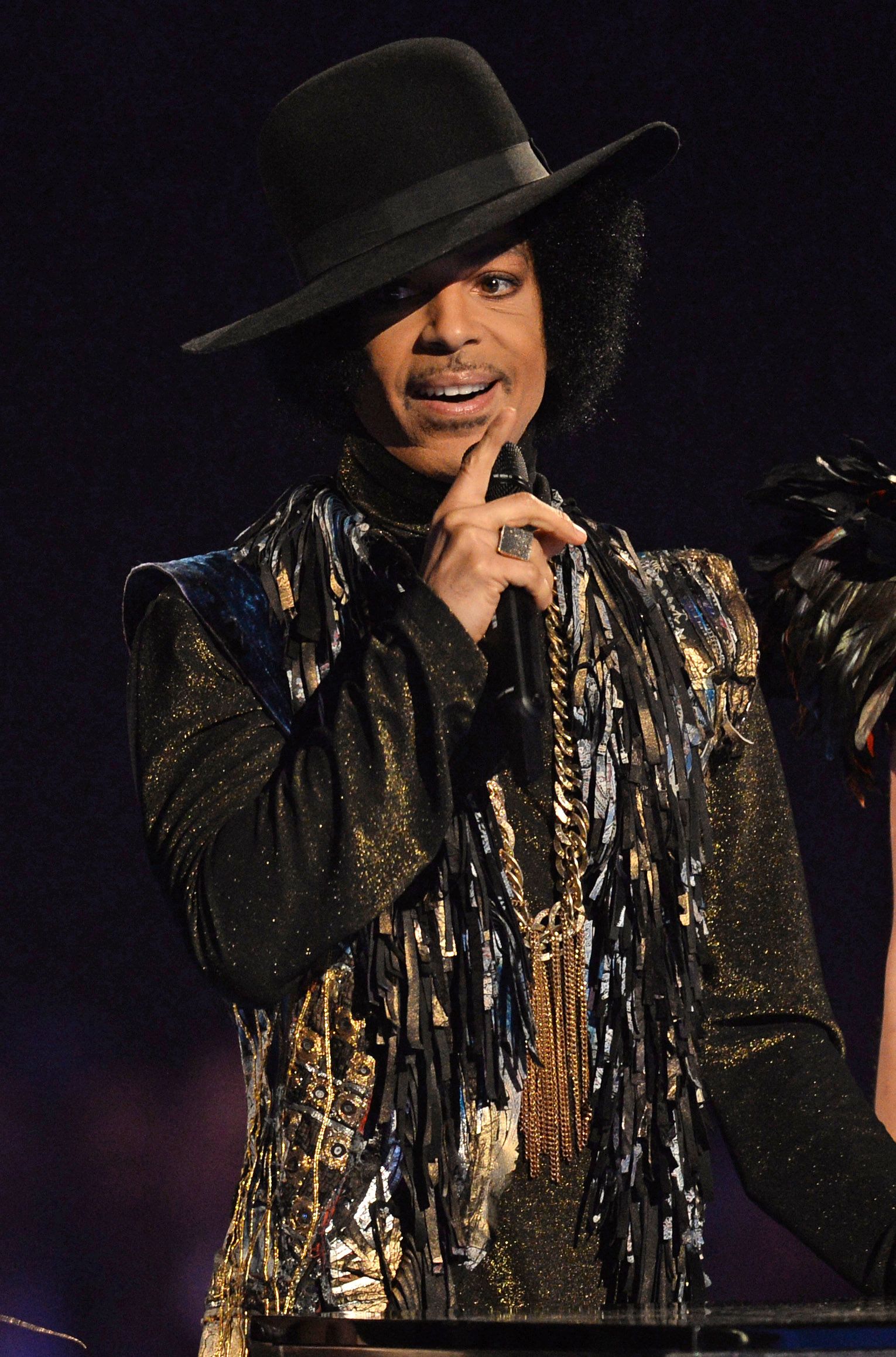
Prince always presented himself as a strict proponent of clean and healthy living, a refreshing change from the Rock and Roll lifestyle we were used to seeing with many musicians in the industry. It's what made his sudden death on April 21, 2016, so shocking. Prince was found dead in the elevator of his Paisley Park home at the age of 57. The cause of his death was not immediately disclosed, sparking suspicions and rumors among his devoted followers and fans. Investigators found that Prince’s cause of death was a drug overdose, which it was believed he was taking for hip pain, as *The New Yorker* reported.
Hiding a Dark Secret
The sudden passing of a legend like Prince was always going to cause a media stir. The man who lived a reclusive and mysterious life sadly had an equally mysterious death and it was only after an investigation into his overdose that it was found that Prince might have been hiding an addiction. Of course, Prince had never spoken out about such issues himself, so it was only through the people in his close inner circle that they could garner any information about his secret life.
Contradictory Existence
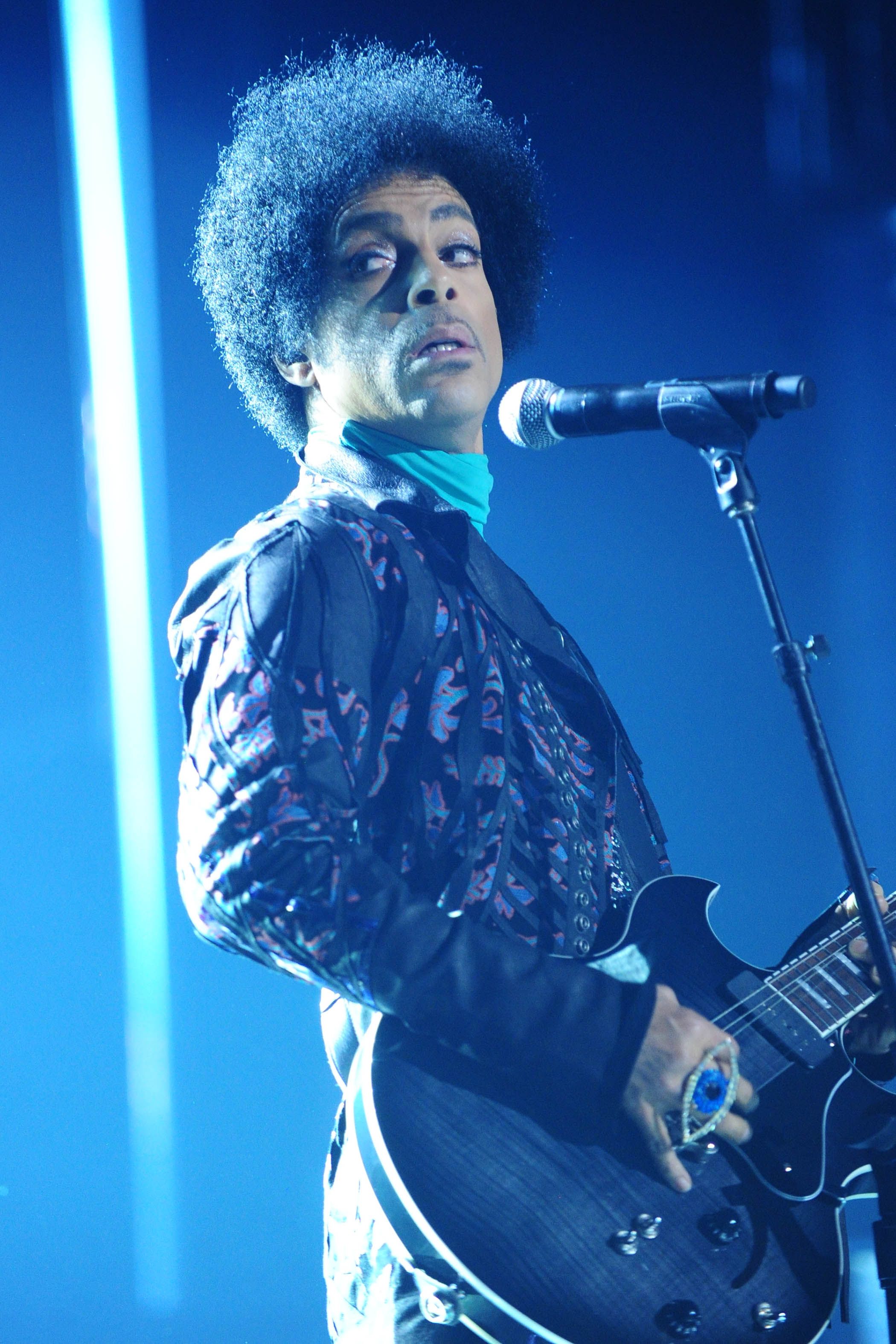
Throughout his career, Prince was known for his uniqueness. He didn’t play by anyone’s rules and followed his own path. It was widely believed that he lived a life of self-discipline, without drinking or engaging in recreational activities, but after his passing, all of that came into question. The *Purple Rain* icon was famously not a fan of doing interviews and preferred to stay mysterious, but following his passing, close people in his personal life have come forward to speak out about the man behind the music. So was he really the peaceful, spiritual character he was made out to be, or was the real Prince a different person altogether?
Remembering Prince
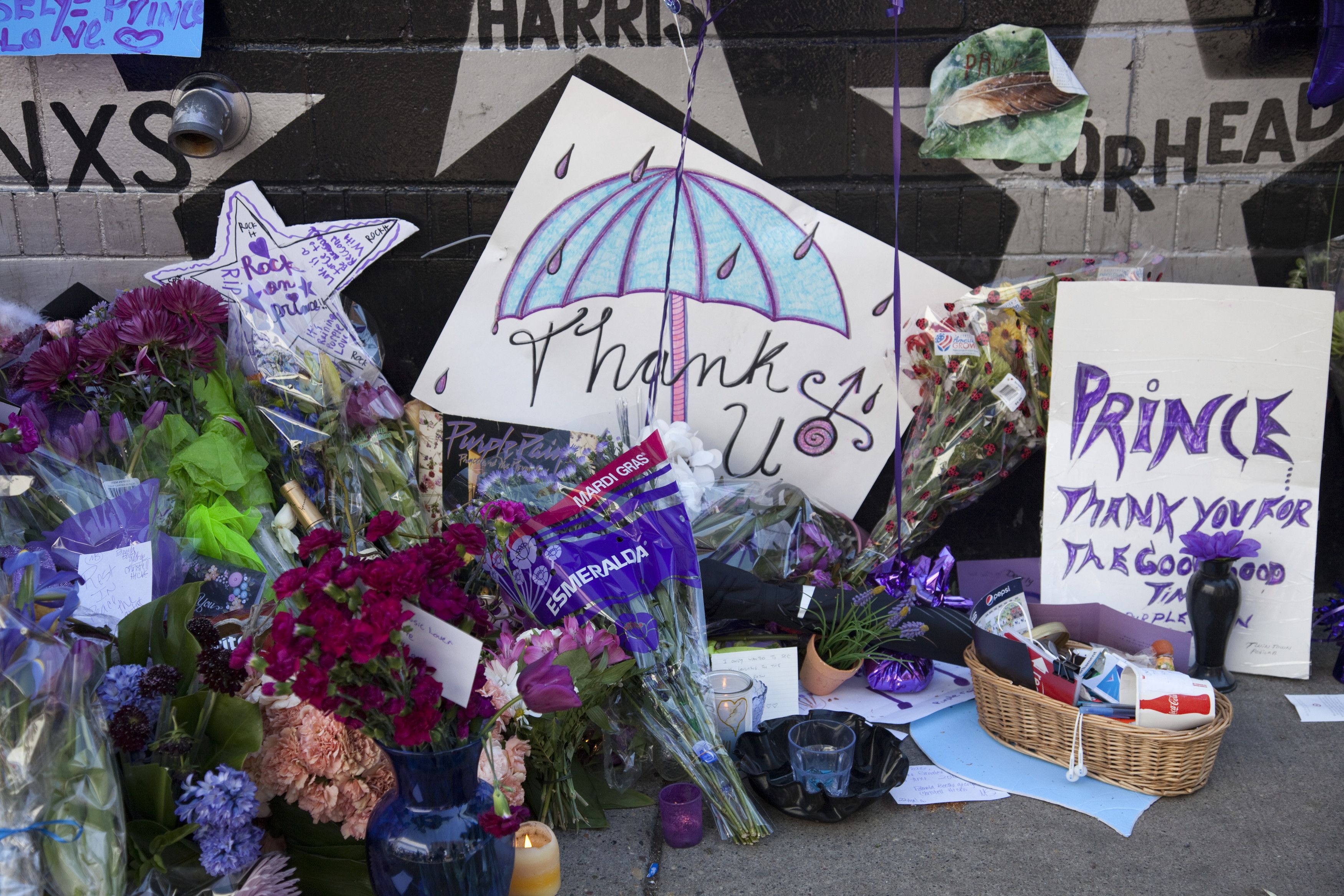
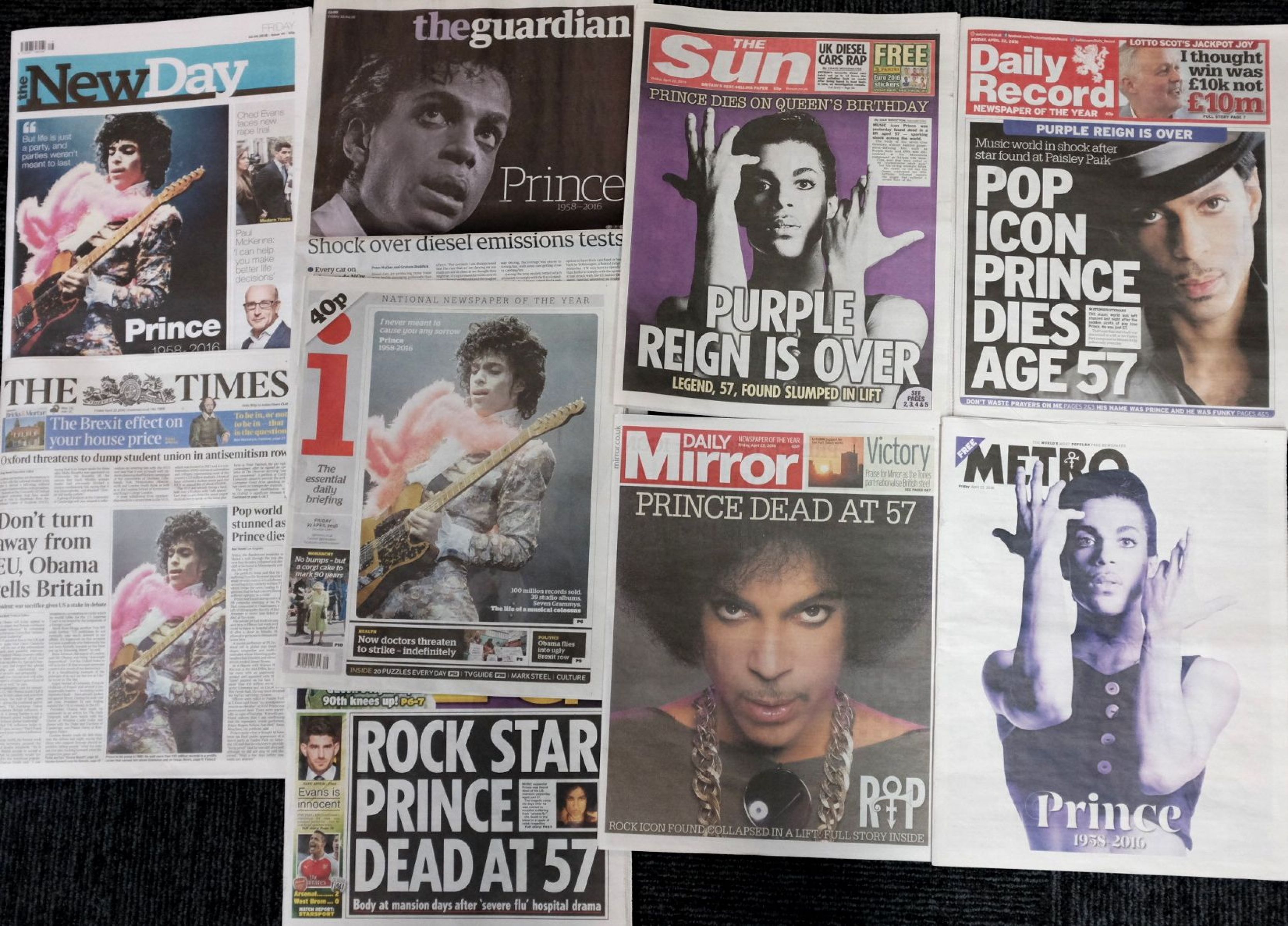
Around the world, people mourned Prince’s death. There were vigils, tributes, and cities lit up in purple. *Saturday Night Live* re-ran his old episodes in his honor, and magazines printed the star on their cover, celebrating his achievements. He was posthumously inducted into the Rhythm and Blues Music Hall of Fame and Pantone created a new shade of purple named “Love Symbol #2” in 2017 in his honor. At his beloved Paisley Park Residence, the archivists of his estate found Prince’s prized underground vault that was literally locked from being accessed by anyone. After drilling it open, they discovered enough unreleased music to release a new Prince album every year for a century.
Not Done Making Music Yet
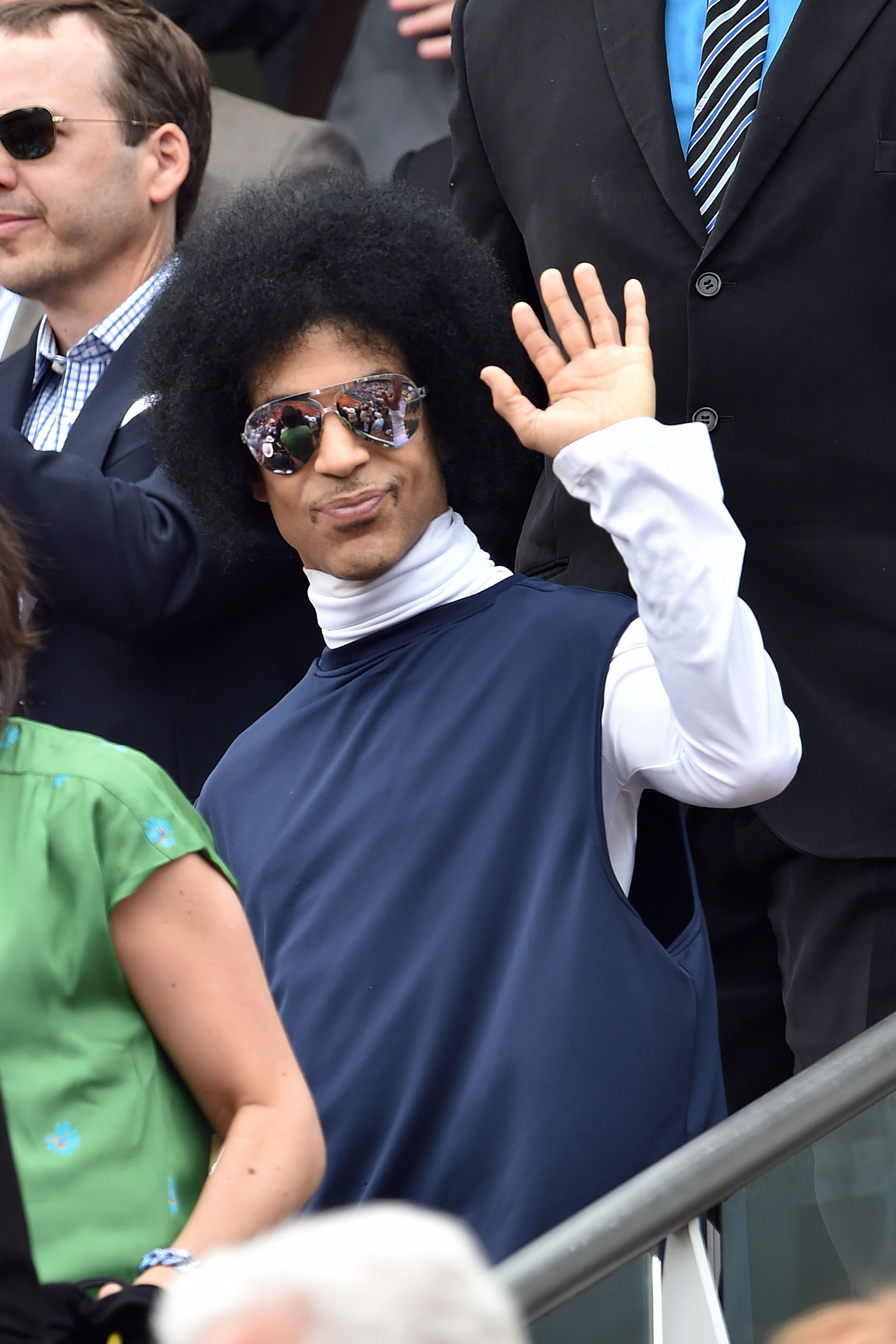
The world was in agreement that Prince passed away too young and far too soon. While he still managed to make an impressive mark on the world of pop culture, there was so much more that was already finished, but hidden away that he didn’t get the chance to share. Even though he is no longer with us, Prince’s music still makes waves in the industry. Thanks to deals and contracts signed years before his death, Prince continued releasing music through his estate. So far he's released two posthumous albums.
Looking Back With Love
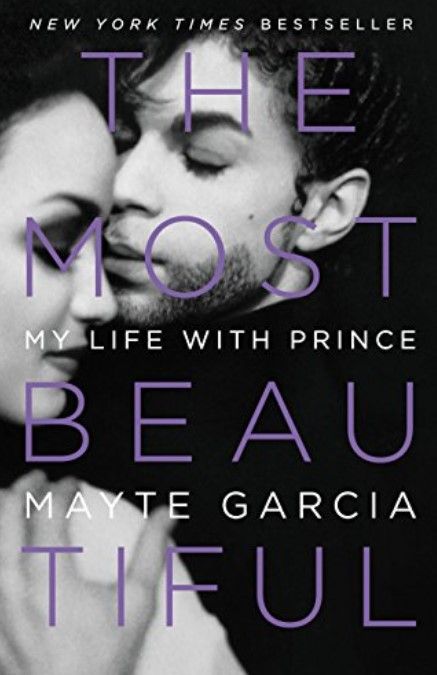
Prince’s first ex-wife, Mayte Garcia, has become a touchstone for Prince fans, especially because she is one of the only people who has opened up about the famously mysterious star. Though their marriage ended, she has always looked back at him with great fondness. In her 2017 memoir *The Most Beautiful: My Life With Prince*, she cleared up rumors about her ex-husband’s lifestyle. “I want to be clear. In all the years we were together, I never actually saw Prince doing drugs. Looking back, I can see it was something else. I didn’t see it then. Maybe because I didn’t want to,” she wrote.
Honoring the High Priest of Pop
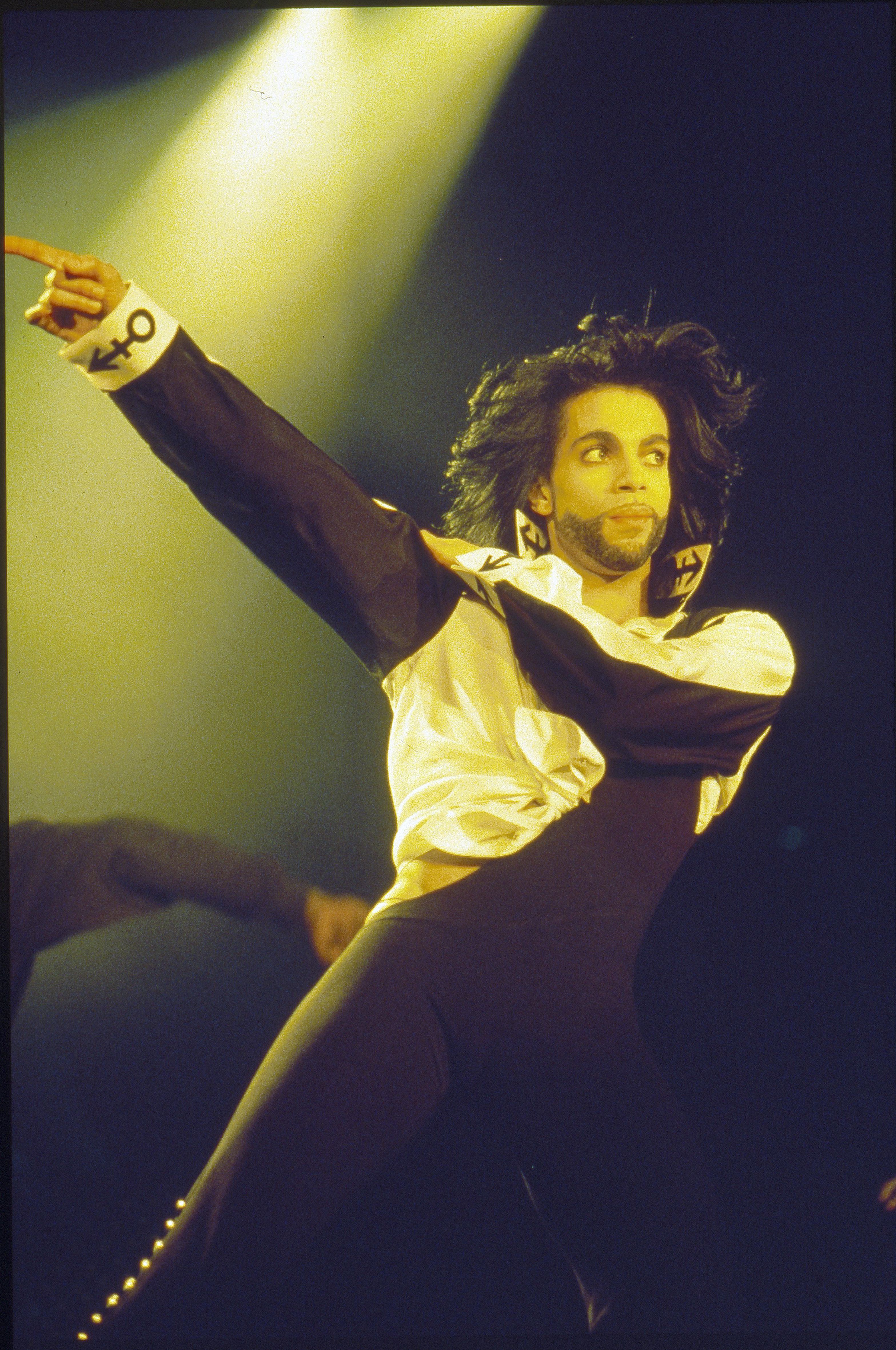
Prince will forever be remembered as one of the most versatile and talented performers of his generation. He transcended the realms of gender and identity in a way that had never been seen before and consistently left the world mesmerized. His artistic freedom and groundbreaking music started a revolution in the music industry. Though he may have tried to remain mysterious, one thing still reigns true—he was adored and admired by all who knew him, whether in his personal life or through his iconic music.
Estate Tied Up in Court
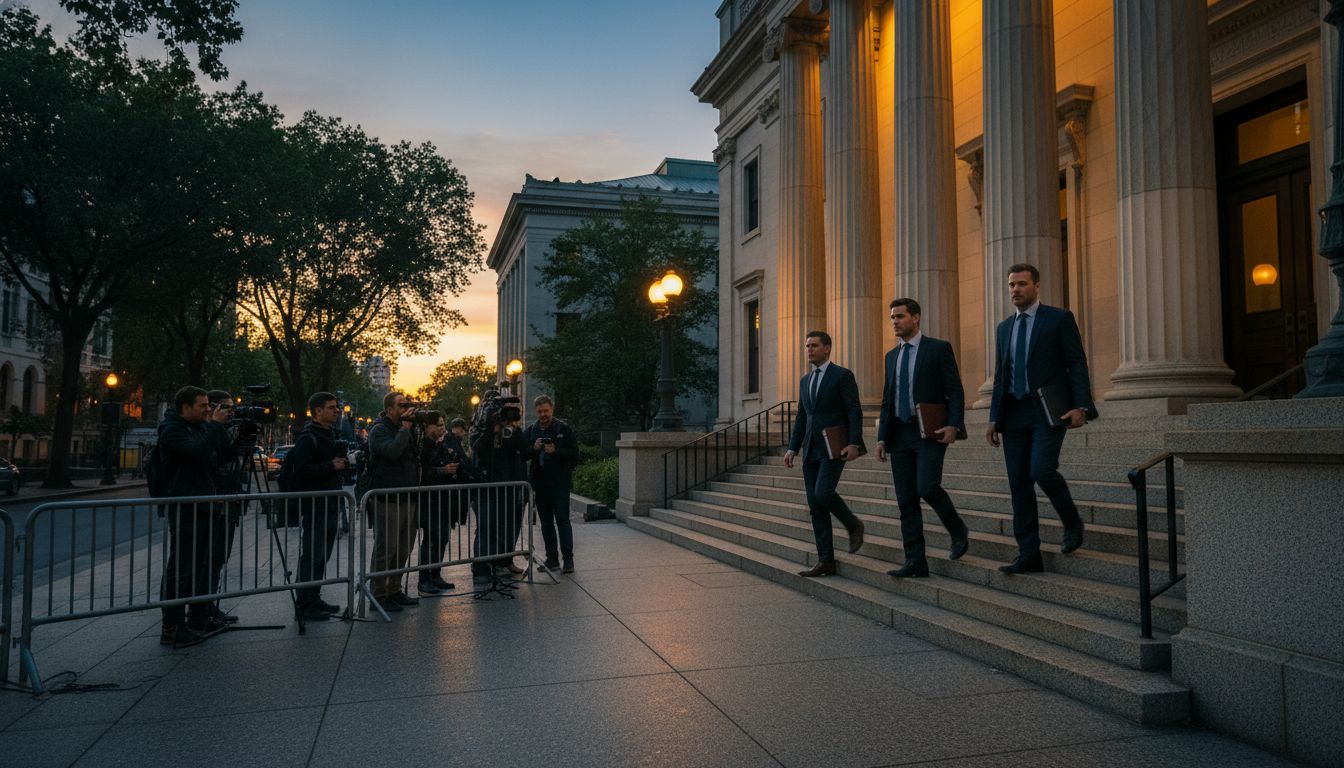
Prince died without a will and his estate has been wrapped up in a long, messy legal fight. Six half-siblings were declared legal heirs and the estate’s valuation became a major point of contention. Some heirs sold portions of the catalog to a music company called Primary Wave, while managers of Prince Legacy LLC later sued other family members, alleging improper attempts to remove them. A judge recently rebuffed those removal efforts, but the dispute shows the settlement is far from tidy.
The Vault Keeps Giving
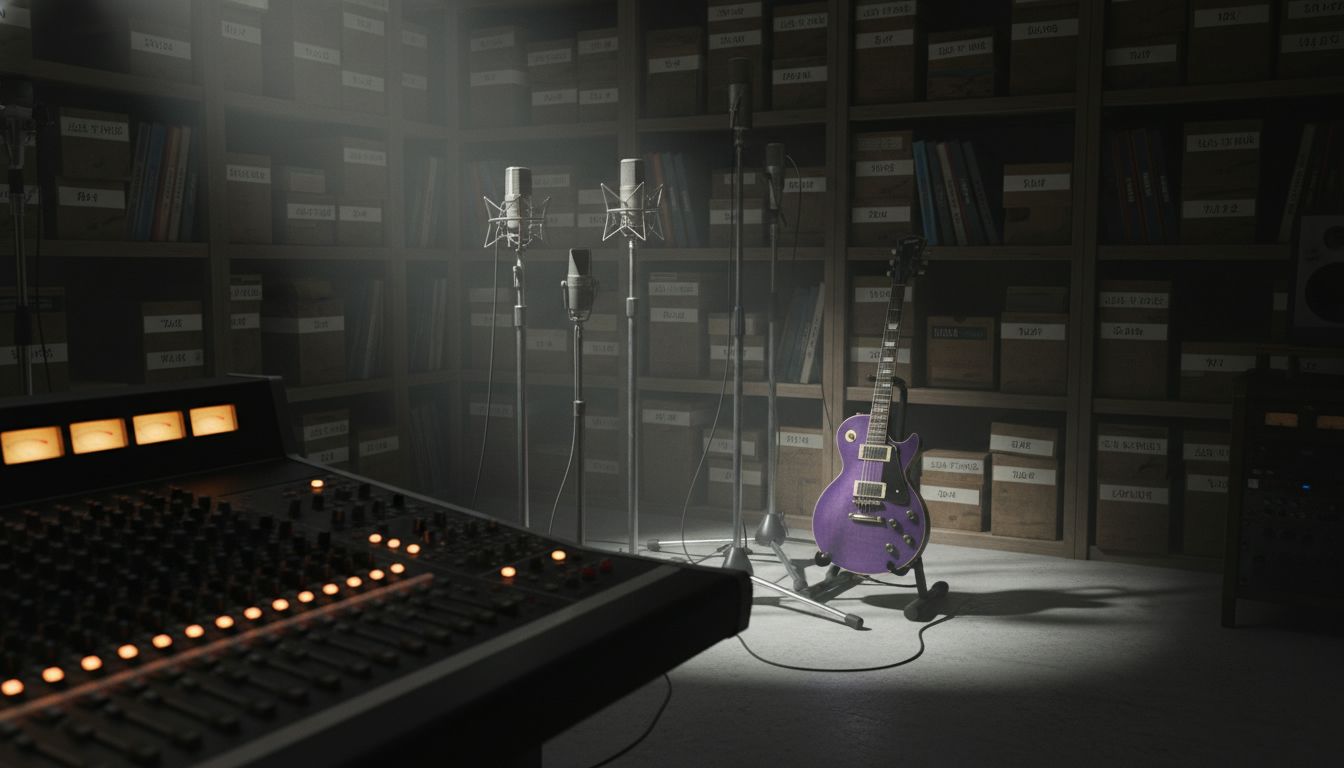
Paisley Park’s sealed vault has turned into a steady source of new releases and surprises. Archivists found thousands of unheard recordings, and the estate has begun issuing projects that had been tucked away, including an album that addressed social issues and other personal recordings Prince saved for later. His vault material means the music keeps arriving, long after his final performance. Paisley Park itself now doubles as a public museum, so fans can see where much of that work was made.
New Details About His Death

Investigations and later unsealed records made the circumstances of Prince’s death clearer while raising fresh questions. Officials found powerful opioid medication at Paisley Park, sometimes in bottles mislabeled as vitamins or aspirin, and evidence showed he was given a rescue drug on his private jet after a passenger was unresponsive. Friends say he left hospital care early and admitted feeling depressed and exhausted, and documents show prescriptions were sometimes handled under another name. Those facts painted a portrait of someone battling pain and vulnerability behind the public persona.
Pain, Belief, and Medical Choices
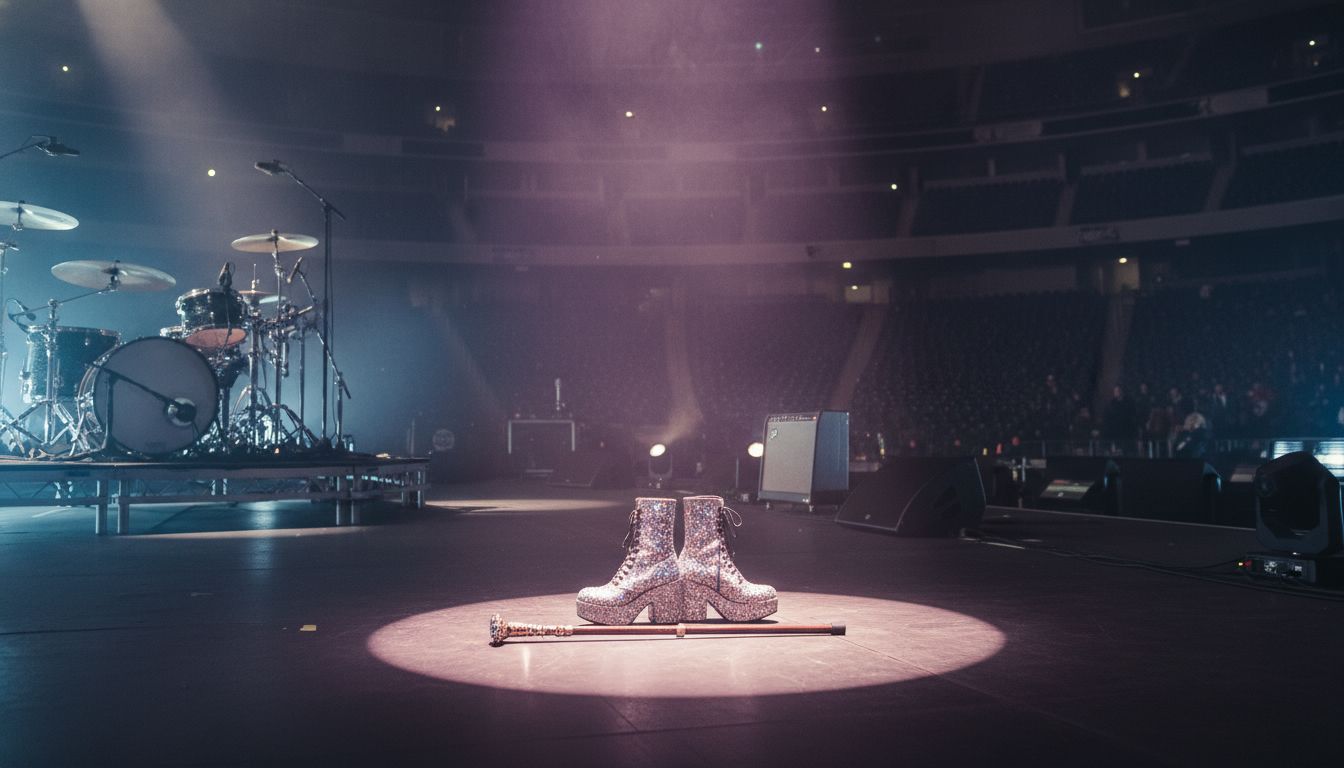
Prince’s chronic hip problems have been part of the story for years, and his religious beliefs complicated medical options. Reports suggest he avoided certain surgeries because of concerns tied to his faith, and that persistent pain likely led to heavy reliance on painkillers. Friends and collaborators recalled seeing him in discomfort even while he performed with ferocious energy. That tension between physical need and personal conviction created a difficult, sometimes hidden struggle.
Legacy Keeps Burning Bright
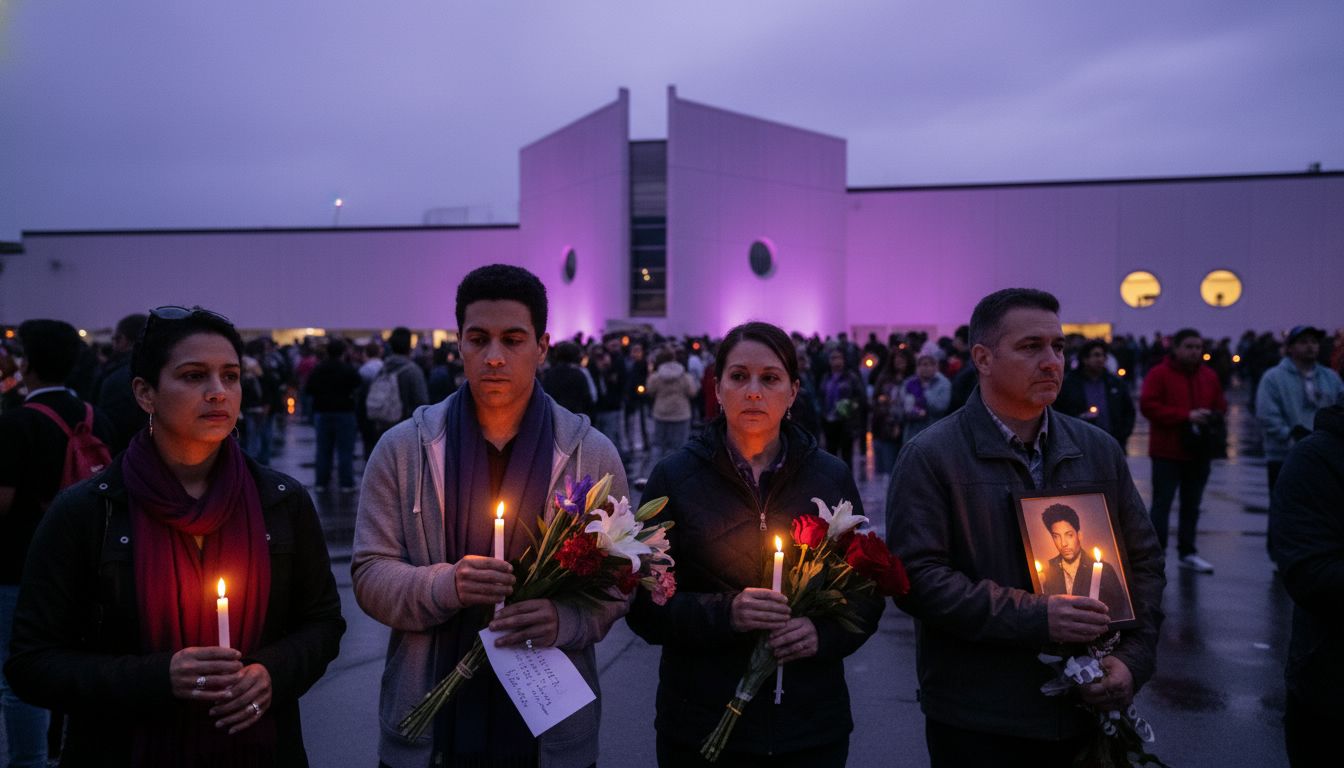
Legal wrangling and new releases do not dim what Prince accomplished or how deeply he influenced music and style. His archive keeps feeding the public with fresh material, and artists still point to his work as a blueprint for freedom and creativity. Paisley Park as a museum and the steady flow of posthumous albums make clear that his voice is still active in the culture. For fans and newcomers alike, the story of Prince is still unfolding.
Estate Finds a New Footing
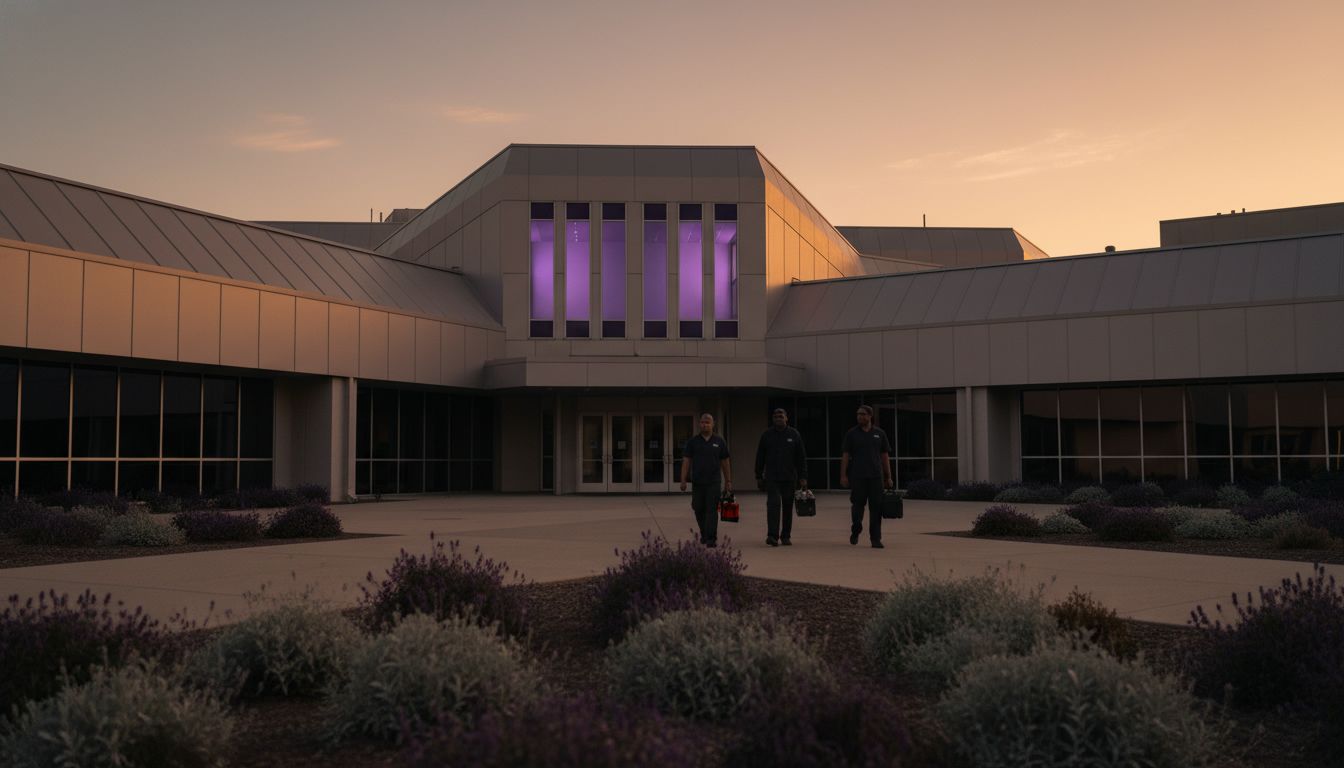
Prince’s legacy has moved into steadier hands. The estate is now managed by two corporations that focus on preserving his music, publishing rights and Paisley Park, without forcing asset sales. That shift has calmed some of the chaos that followed his death and set the stage for more careful curation. Fans should expect the catalog and the property to be treated as a long-term project, not a quick liquidation.
The Vault Keeps Opening
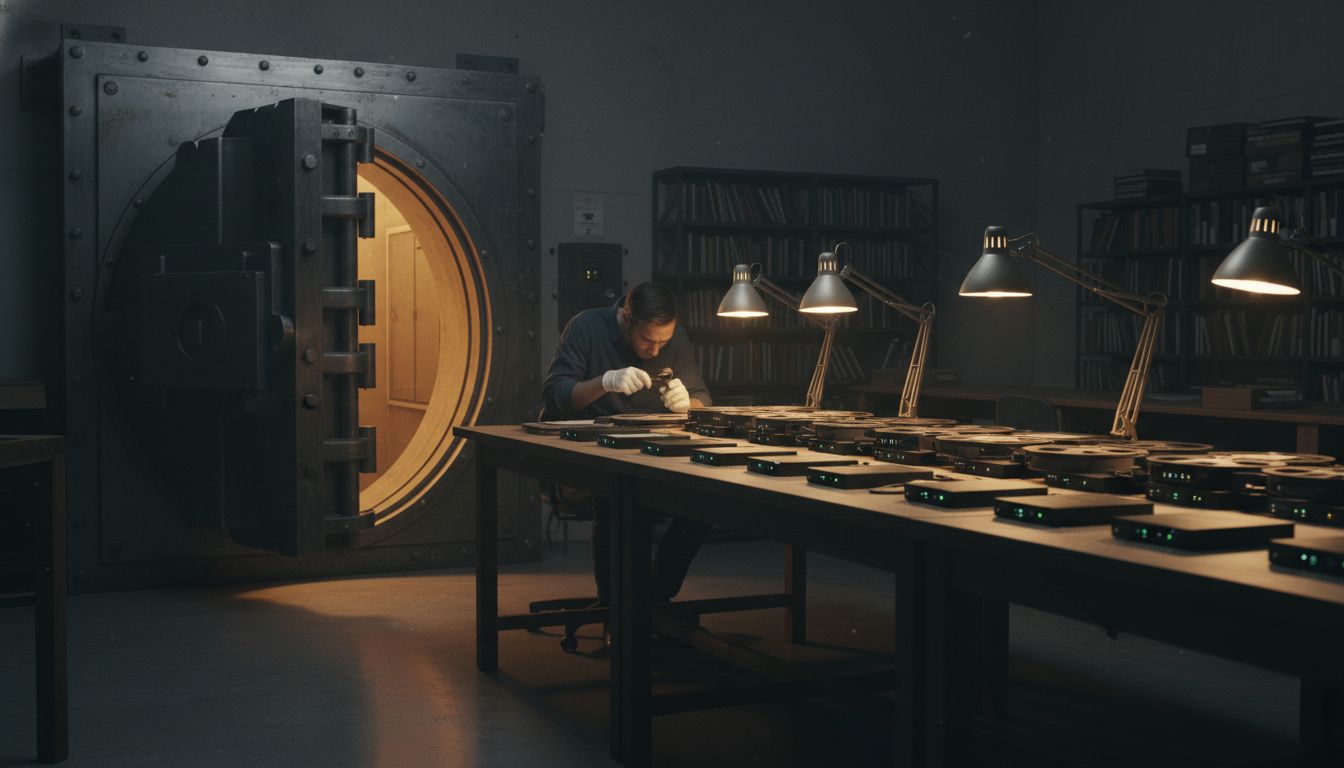
Archivists have been steadily pulling material from Prince’s famously sealed vault and putting it into circulation. More than a hundred recordings that fans never heard before are now public, and the flow shows no sign of stopping. Those releases are being handled with an eye toward context rather than a scramble to sell. The effect is that Prince’s output feels less like a finite archive and more like an ongoing conversation.
A Rare Studio Track Surfaces
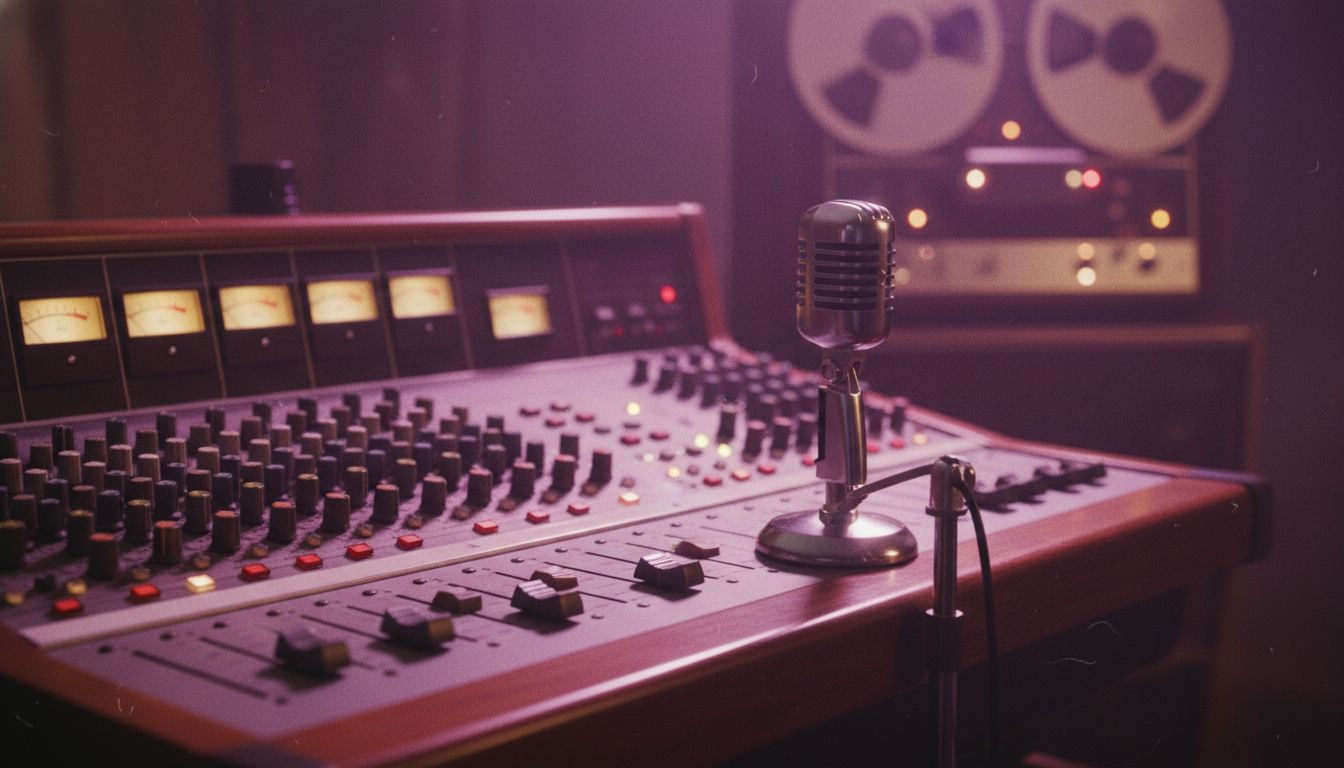
A previously unheard studio recording has been issued recently, arriving like a private note from Prince’s past. The track, released ahead of a larger project coming this summer, reminded listeners how intimate his studio work could be. It also showed the estate is pacing releases to let each piece land on its own. For many fans, one new song feels like a visit to an old friend.
New Photos Show a Softer Side
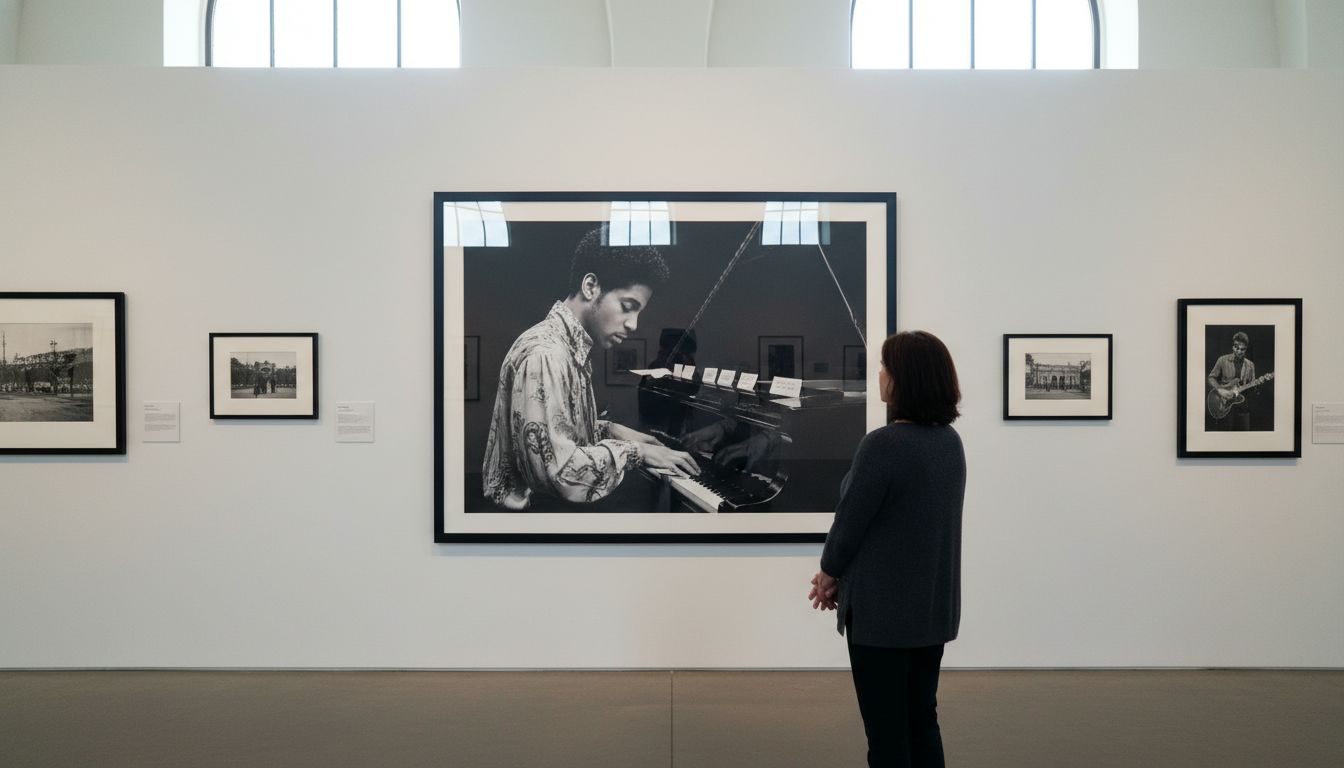
A curated book of photographs approved by Prince before he died has offered fresh, quieter views of his life. The images show candid moments at Paisley Park and scenes that complicate the onstage persona many remember. Because Prince signed off on the selection, the book feels like a deliberate window rather than an accidental leak. Those pictures make him look human in ways that songs alone could not.
Live Celebrations Keep His Circle Together
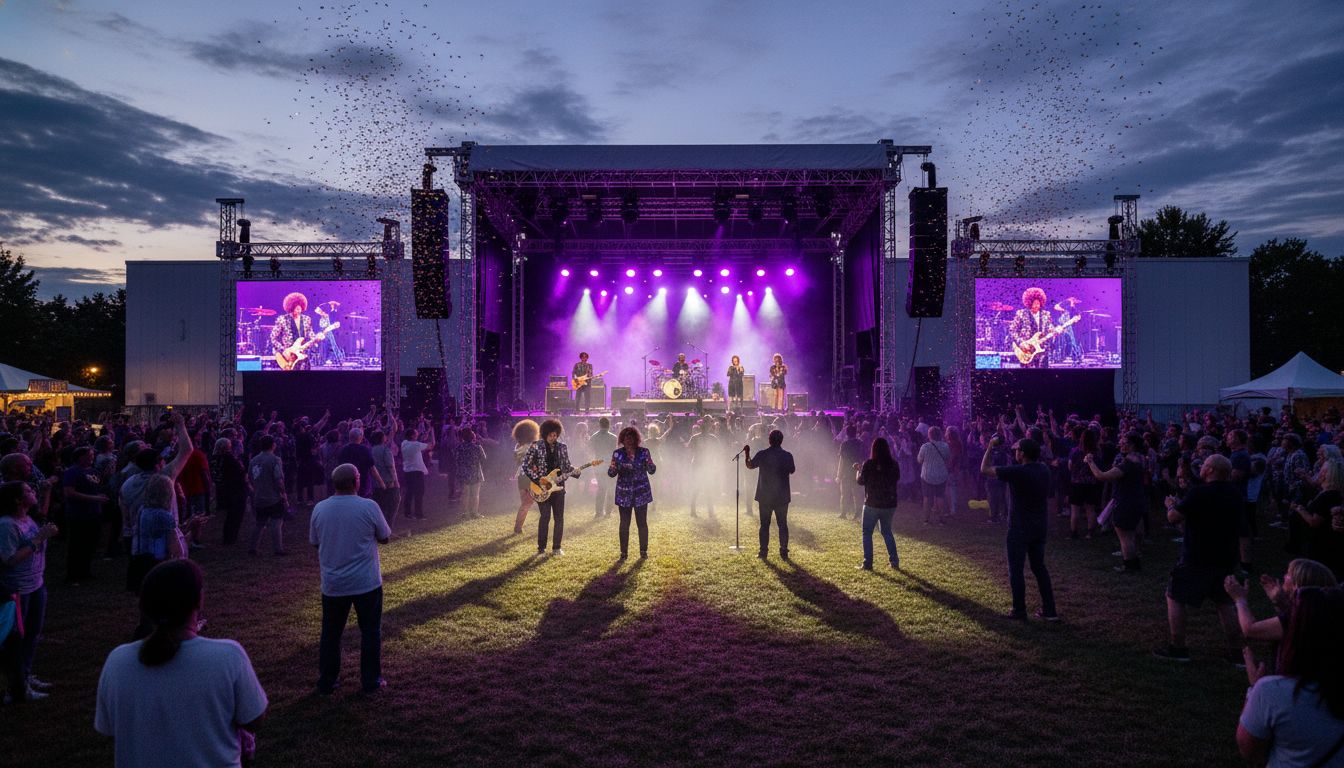
Paisley Park continues to operate as a living center for Prince’s work, with tours, events and an annual celebration that draws past bandmates and fans. Recent gatherings have reunited members of The Revolution and The New Power Generation on stage, giving long-time followers something between a family reunion and a concert. Those moments reinforce that the estate is not just a repository, it is a place where music still happens. For listeners, that makes Prince feel present, not just archived.
Ten-year tribute, citywide and live
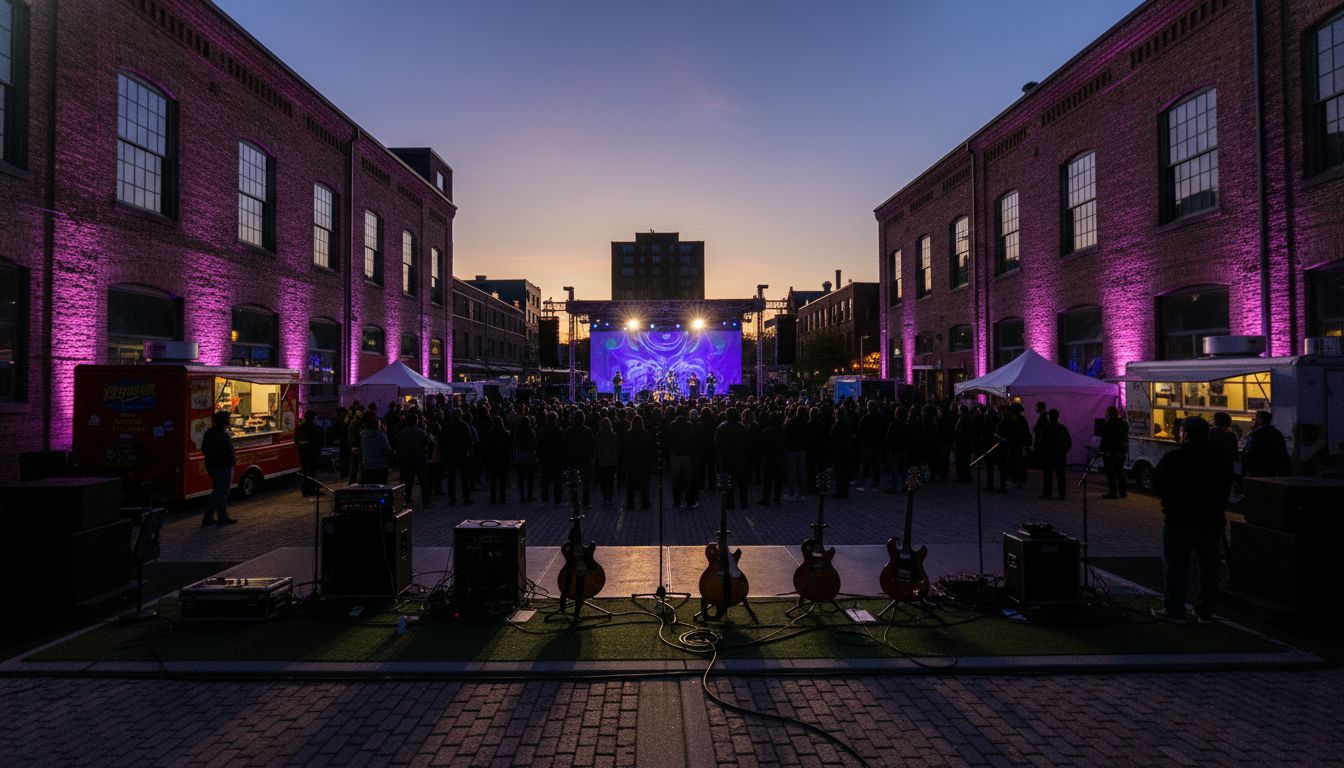
This spring, marking ten years since April 2016, the city and Paisley Park stage a multi-day celebration that looks and sounds like a living reunion. There are listening sessions, screenings and panel conversations with people who actually made the music. The highlight is a big staged night that brings members of The Revolution and The New Power Generation together, with guest appearances by artists who have long been part of Prince’s orbit. The events are meant to honor the music while keeping the focus firmly on careful stewardship, not spectacle.
A lost studio song sees daylight
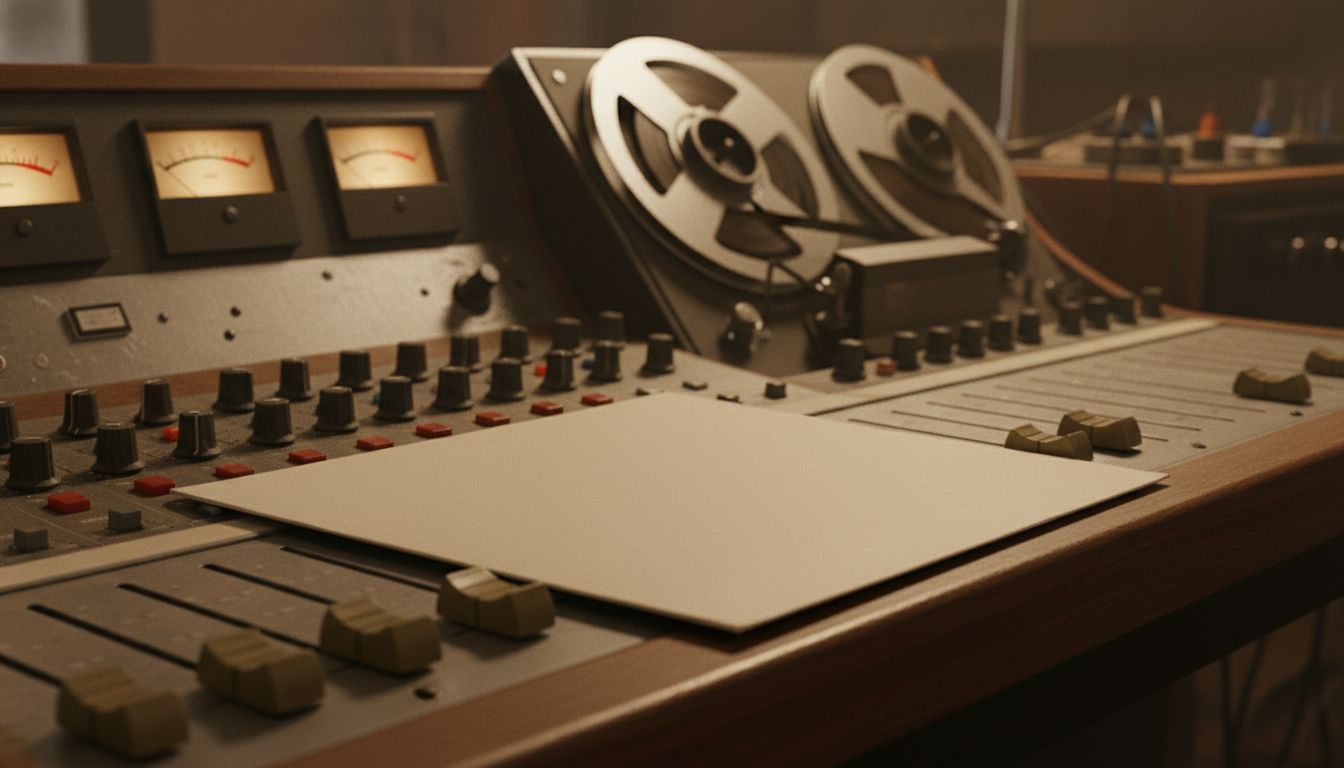
A previously unheard studio track from 1991 surfaced as the first release tied to the anniversary, a song Prince originally wrote for another artist. The single arrived like a note from the vault, short and intimate, and it’s being framed as the opener for a larger original album the estate plans to release later this year. The move shows the estate wants to give each piece air to breathe rather than dump material all at once. Fans heard a familiar craft and restraint, proof the vault still surprises.
Estate draws stricter creative lines
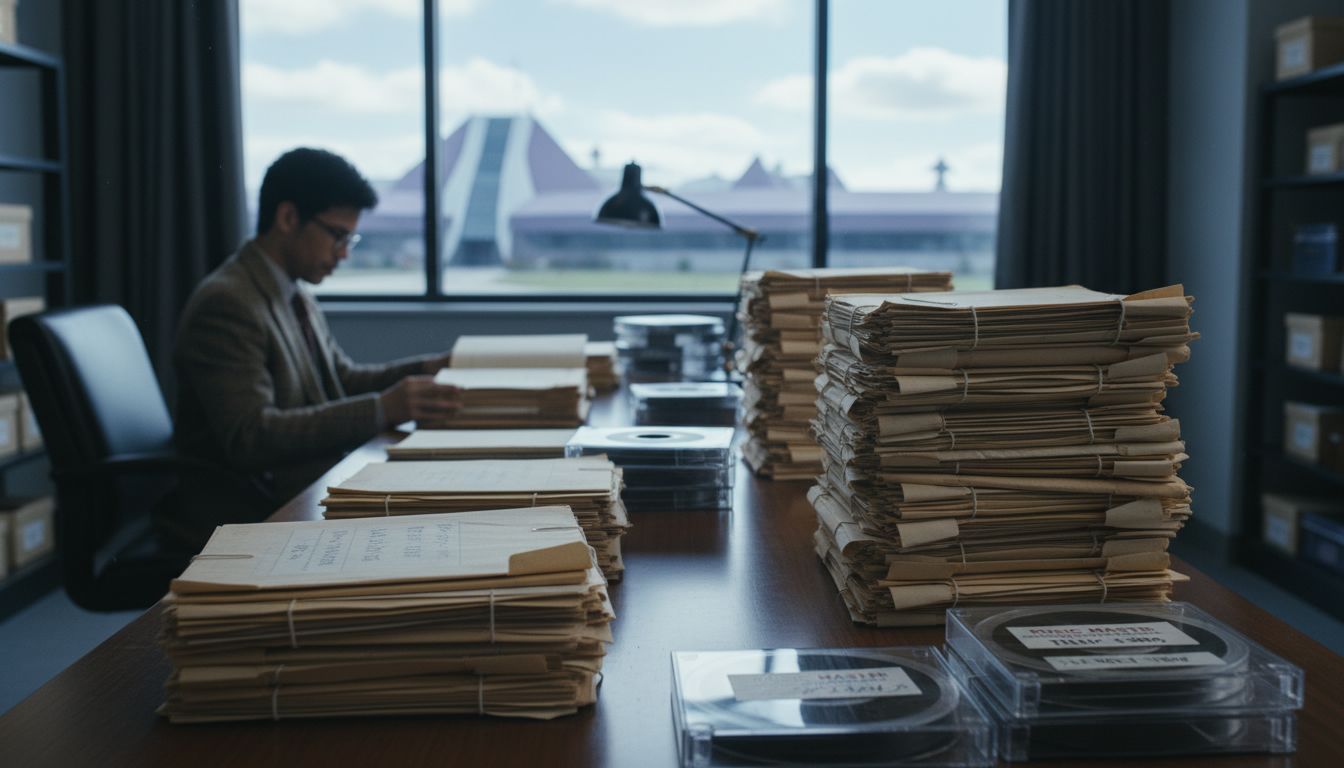
Those who manage Prince’s work have become pickier about how his music and image are used. Requests for samples, placements or new projects are being screened and often turned down if they clash with the legacy being protected. That selective approach sits alongside the decision to keep releasing unreleased material, but it makes clear the estate is curating, not commercializing wholesale. The goal now reads as preservation, with care around context and presentation.
A photo book opens a quieter side
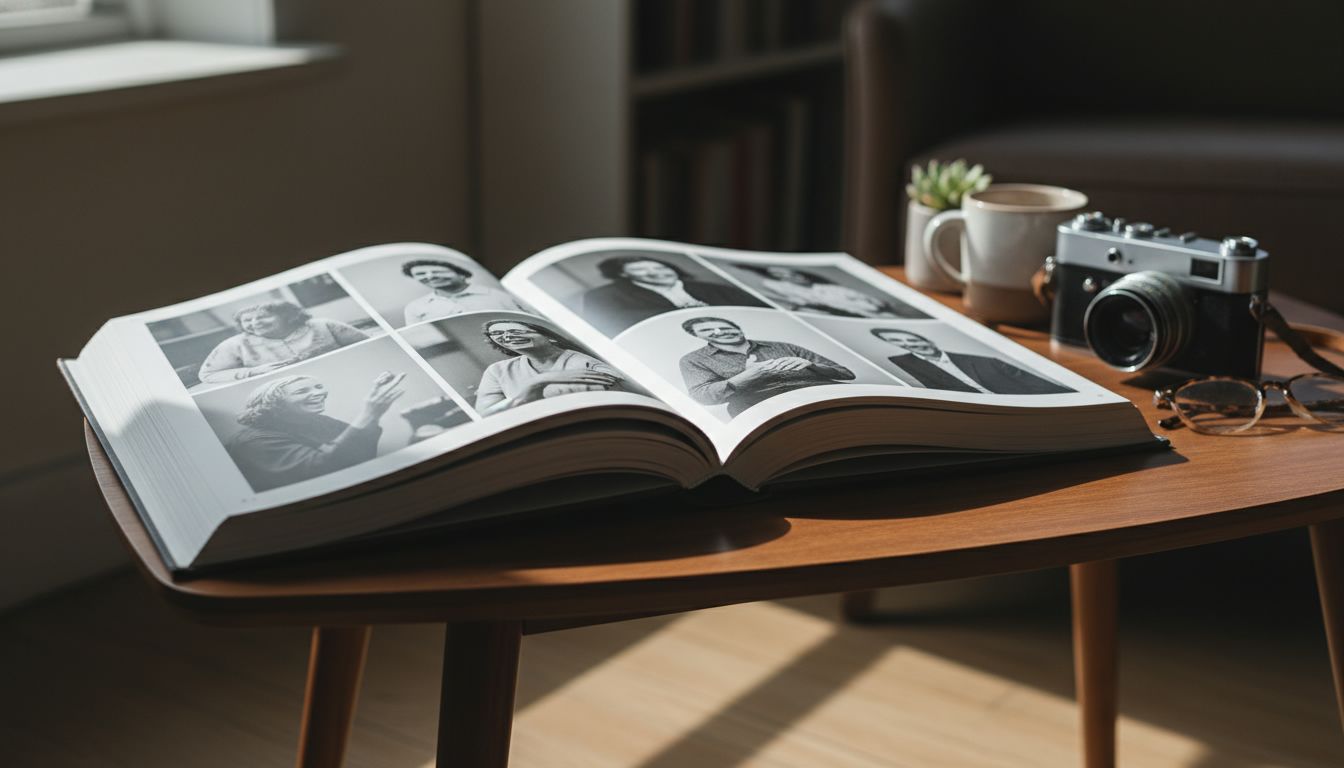
A curated book of photographs, approved by Prince while he was alive, offers quieter, unexpected views of his life at Paisley Park. The images show private moments and behind-the-scenes corners that soften the onstage myth without diminishing it. Because Prince signed off on the selection, the book feels like a deliberate, controlled window into his world. Readers get new glimpses of the man who kept so much to himself.
Vault releases are paced, curated and careful
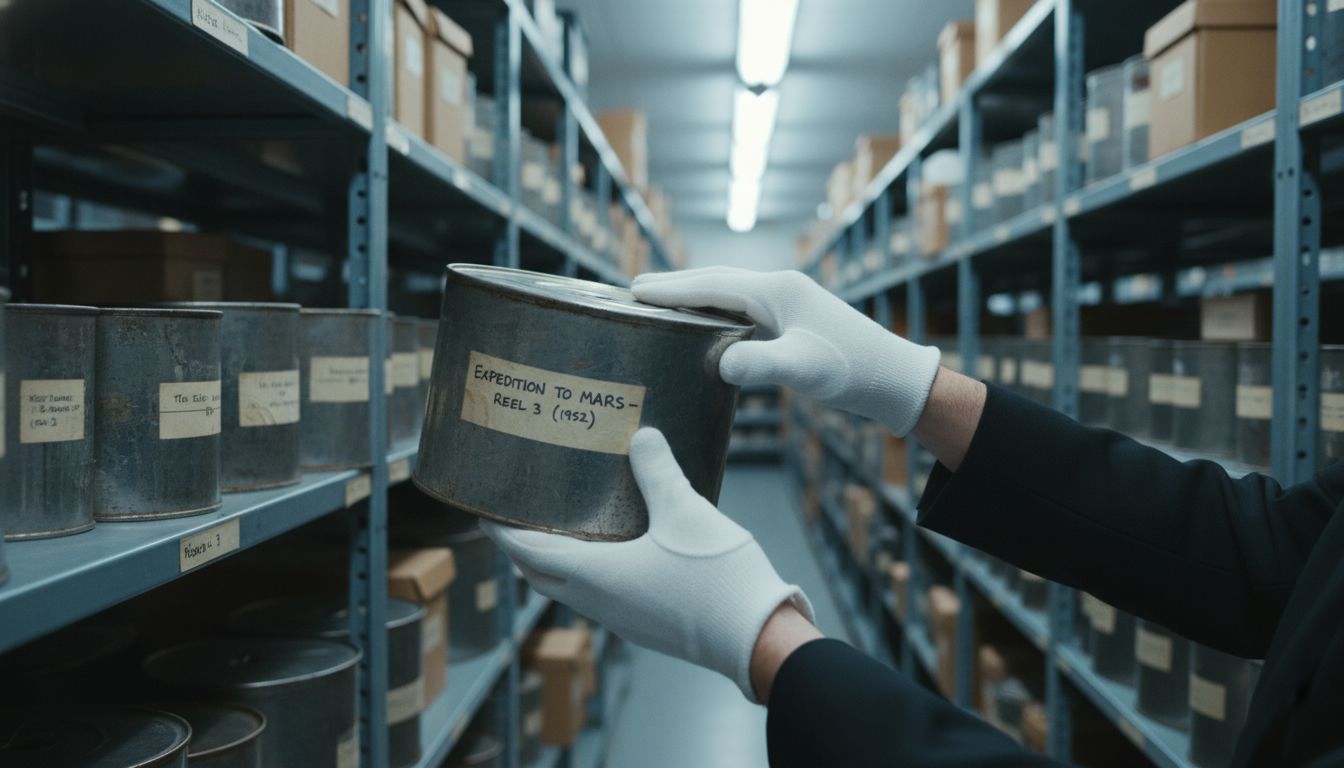
Archivists have continued to pull recordings from the sealed vault, but the releases are paced and presented with context. The estate says a full-length project of original unreleased material will arrive later this year, and early singles and photo projects are meant to set the table. Paisley Park functions as a museum and a working site for listening sessions and live reunions, so these rollouts feel less like quick cash grabs and more like a long-term conversation. For fans, that means there will be more surprises, but on Prince’s terms.