Easter Island Secrets Finally Uncovered
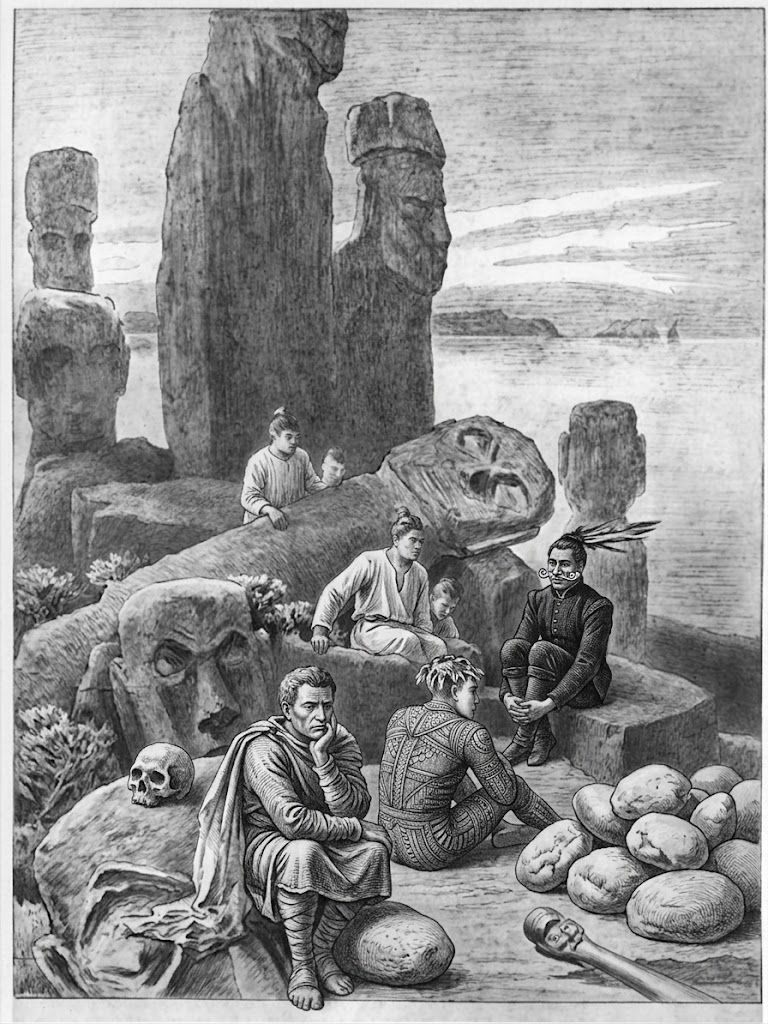
Easter Island sits in the southeastern Pacific and is part of Chile. Small, windswept and thinly settled, the island would be easy to miss on a map if not for the huge stone moai scattered along its shores and slopes. Those carved figures have puzzled visitors and researchers for centuries, but fresh digs and new studies are starting to rewrite what we thought we knew.
Nearly a Thousand Stone Giants On Rapa Nui
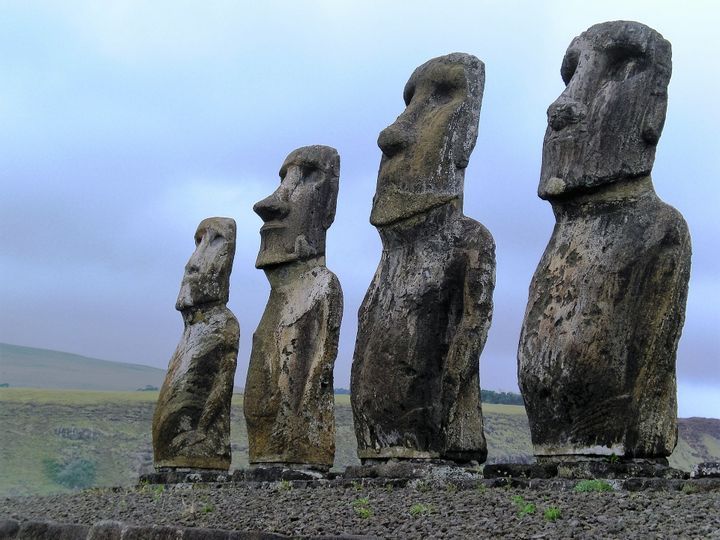
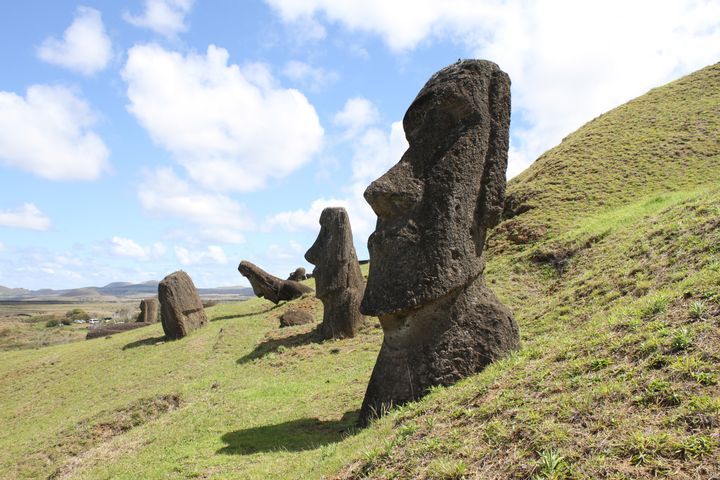
Researchers have identified almost a thousand moai across the island, with 887 catalogued to date. Some stand at coastal platforms, others lie toppled or still half-buried near the quarry where they were carved. The idea that they are only heads is misleading; many moai have full torsos, arms and carved detail that were buried for centuries. Where covered, original paint and incised designs survived much better than the exposed stone.
Torsos, Tattoos and Hidden Carvings
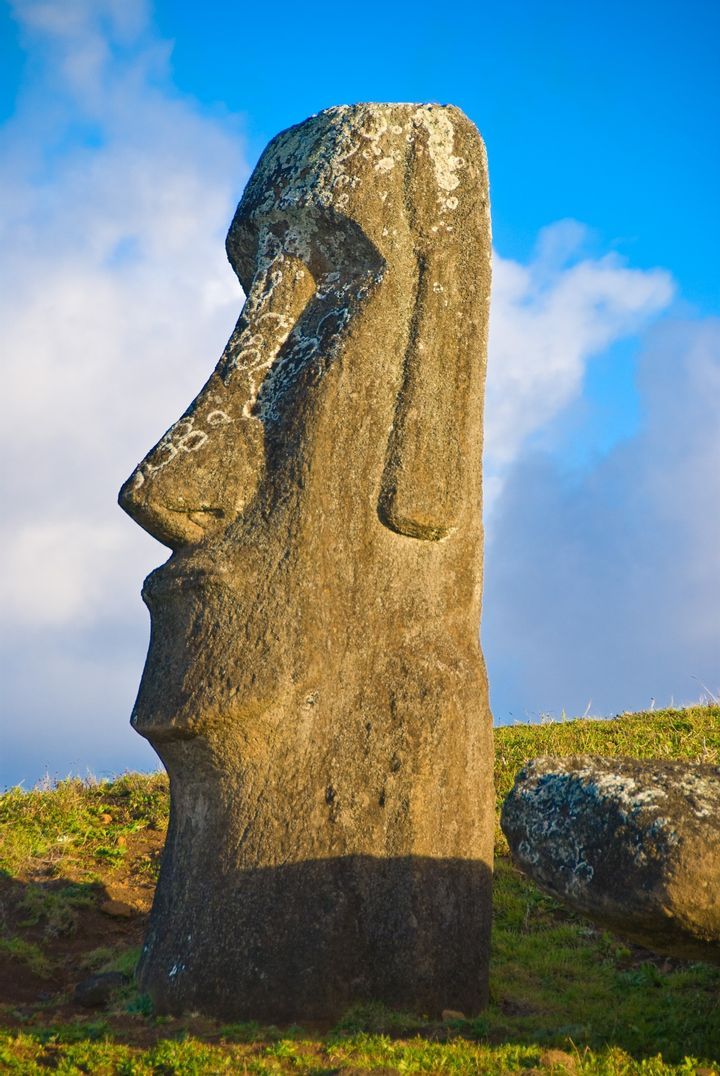
The Easter Island Statue Project, led for decades by Jo Anne Van Tilburg with local partner Cristián Arévalo Pakarati, has uncovered whole bodies under the soil. When statues like Paro were freed, their buried torsos showed carved details and even petroglyphs, such as canoe marks that might point to a carver or an origin. Those finds change how we read the moai, showing them as finished, painted and richly decorated works, not just weathered heads.
They Might Have Walked To Their Sites
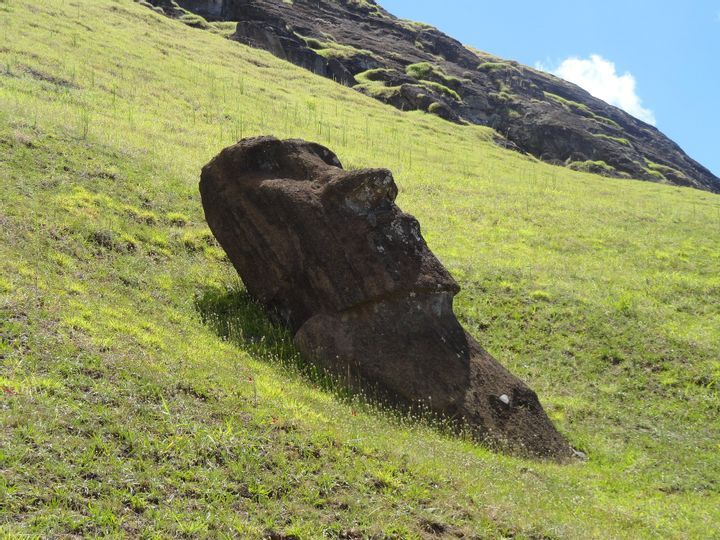
How the islanders moved those massive stones has long been debated. In 1986 Pavel Pavel, working with Thor Heyerdahl, used ropes and teams to rock a statue upright and advance it by tilting it side to side, making it effectively 'walk' along a path. Modern physics tests, models and replica trials give new support to that method, showing the statues are surprisingly stable while moving. That still leaves who organized and paid for the work as an open question.
Rise, Fall and the Island's Modern Challenges
The moai were raised during Rapa Nui's cultural peak, then construction and population collapsed within a few centuries. Evidence points to a mix of causes: severe deforestation, introduced rats, resource overuse, disease and conflict, and by European contact only a few thousand people remained. Today the Rapa Nui National Park is a UNESCO site managed by the Ma'u Henua community and tourism is tightly controlled. New threats such as rising seas and stronger storms now put coastal ahu and moai at risk, forcing hard conservation choices.
How Did They Move Them?
The moai raise many questions, many of them still unanswered.
The biggest question researchers have been asking for years is who the people responsible for them are - but another question is how they got the statues from the quarry to their respective places on the island itself.
One theory states that the statues were carried by hand, while another proposes that logs and ropes were used to roll the statues from one location to the other.
But when researchers tried to put the theories to the test, they encountered something surprising.
The Walking Statues
In 1986, Czech engineer and experimental archaeologist Pavel Pavel was invited by Norwegian explorer and adventurer Thor Heyerdahl to Easter Island, in order to test his theory on how the moai were transported.
An ancient legend stated that the statues walked to their places, and Pavel, upon realizing the statues' design made them exceptionally stable, believed this may have actually been the case, after a fashion.
Using only ropes, pulled by 16 people and one leader, Pavel demonstrated that the statues could be transported fairly quickly by tilting them to one side and then another while they were upright, effectively "walking" them from their place in the quarry to their final destinations.
The Lost Rapa Nui Lost Civilization
It's clear that the moai were erected at the height of the Rapa Nui - that is, Easter Island's native population's - civilization.
It is also clear that after about a century, during which the statues were continuously constructed, the Rapa Nui population all but disappeared.
There are many theories as to where the thousands upon thousands of Rapa Nui had gone, including famine, disease, ecological disaster and migration - but one fact remains; by the time Europeans arrived at Easter Island in 1722, it was inhabited by a mere two to three thousand people, who had largely forgotten the old ways of their ancestors.
To add to the mystery, many of the sites used by the Rapa Nui, including the quarry in which the moai were made, had tools and materials lying around as if they had been abandoned in a hurry.
Were the Moai Created by Aliens?
With the strange circumstances surrounding the discovery of the mostly abandoned Easter Island, coupled with the strange bodily proportions and long, slender fingers of statues, one theory, promoted by Etich von Daniken in his pseudo-scientific book, Chariots of the Gods?: Unsolved Mysteries of the Past, posits that the statues were created by an alien civilization, and linking them with the ancient Pyramids and the Nazca Lines.
Von Daniken's book has since been widely discredited, and there's something to be said about the idea that it's more likely that an extraterrestrial race built the statues over the indigenous people living on the island - but it's an exciting thought, nevertheless.
The Moai Roads
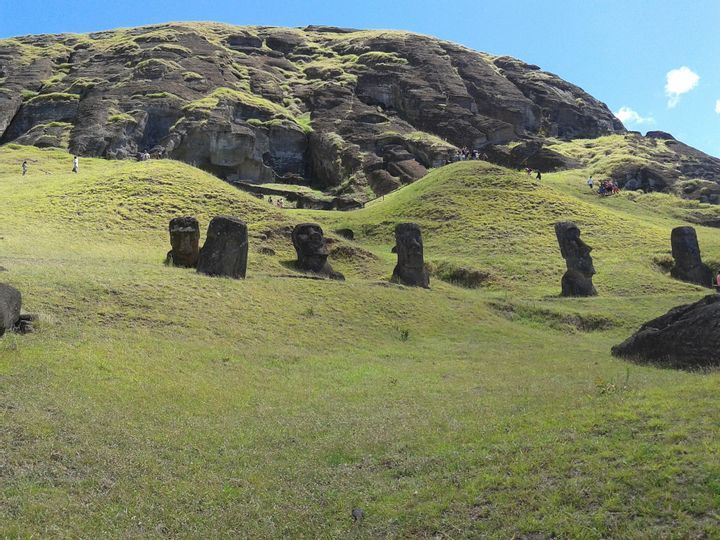
During the exploration of Rapa Nui - that is, Easter Island - the moai statues were found in three distinct locations.
The first - and most plentiful - was the stone quarry on the lower slopes of the Rano Raraku volcano. There, many moai were found in various stages of completion.
The second type of location is the moai's end destinations, usually along the coast, where, with backs turned on the sea, they watch over the ancient settlements and villages of the island.
But between the quarry and the coastlines, many roads leading from the volcano to the rest of the island stretch - and along their sides, moai that were in the process of being transported can be found, lying in various stages of completion.
Just How Old is the Lost Easter Island Civilization?
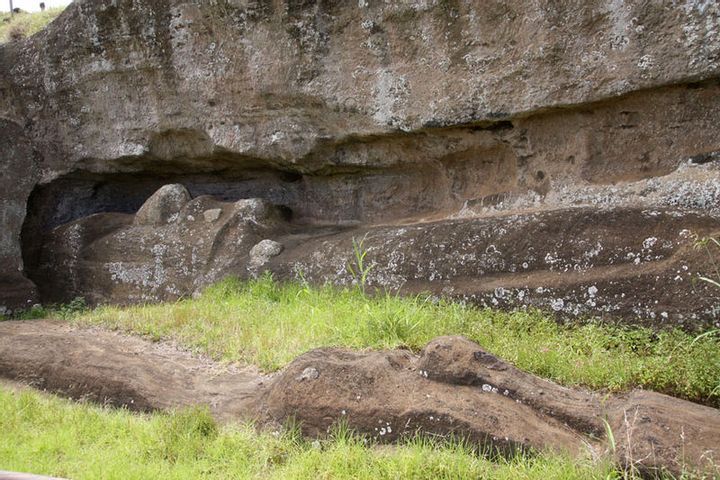
Most researchers believe that Easter Island was settled sometime around the 12th century AD by Polynesian colonists - around the same time the first Hawaiian settlers landed on the island chain's distant shores.
However, some researchers believe that the island has been colonized for much, much longer than that.
Dr. Robert M. Schoch, who believes a large scale, world-spanning civilization existed during the last ice age, thinks that some of the calligraphy found on the island can be dated back to more than 10,000 years.
The Birdman Cult
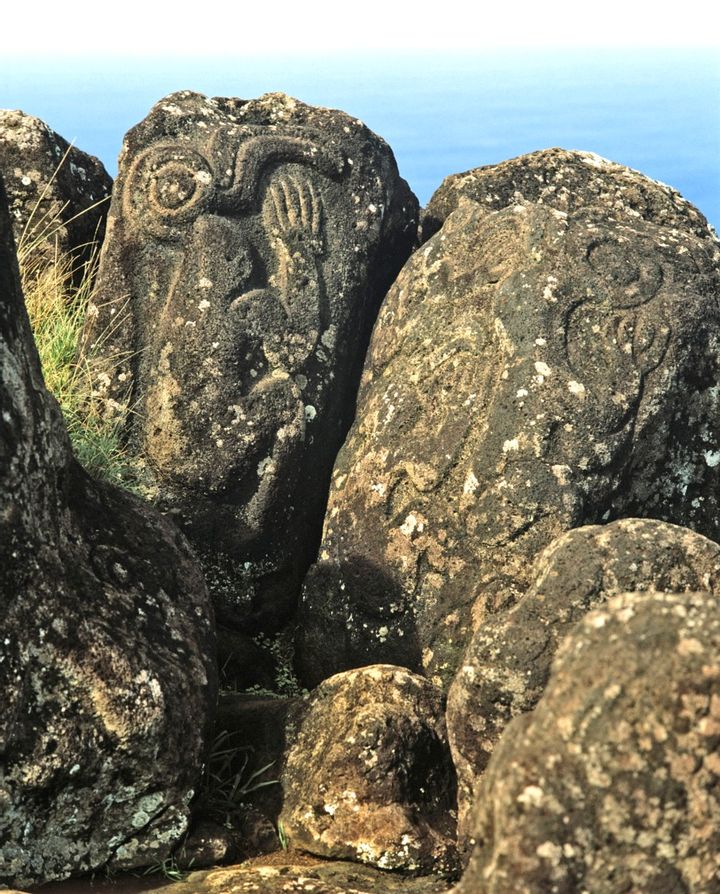
When Europeans first arrived on Easter Island in the 18th century, the local people's belief system had nothing to do with the moai statues.
Instead, they took stock in an elaborate, ceremonial practice which, every year, helped determine which person would embody the ancestors and take on the role of the sacred chieftain.
The ceremony would include swimming to the nearby island of Motu Nui, collecting the first laid egg of the sooty tern of that season, and swimming back to Rapa Nui, climbing the sea cliff on the way to the sacred village of Orongo. The champion who brought back the egg unbroken would then give it to his lord, who would then be made a holy figure for the following year, only eating and sleeping, while his tribe would rule over the rest of the island.
A Special Statue
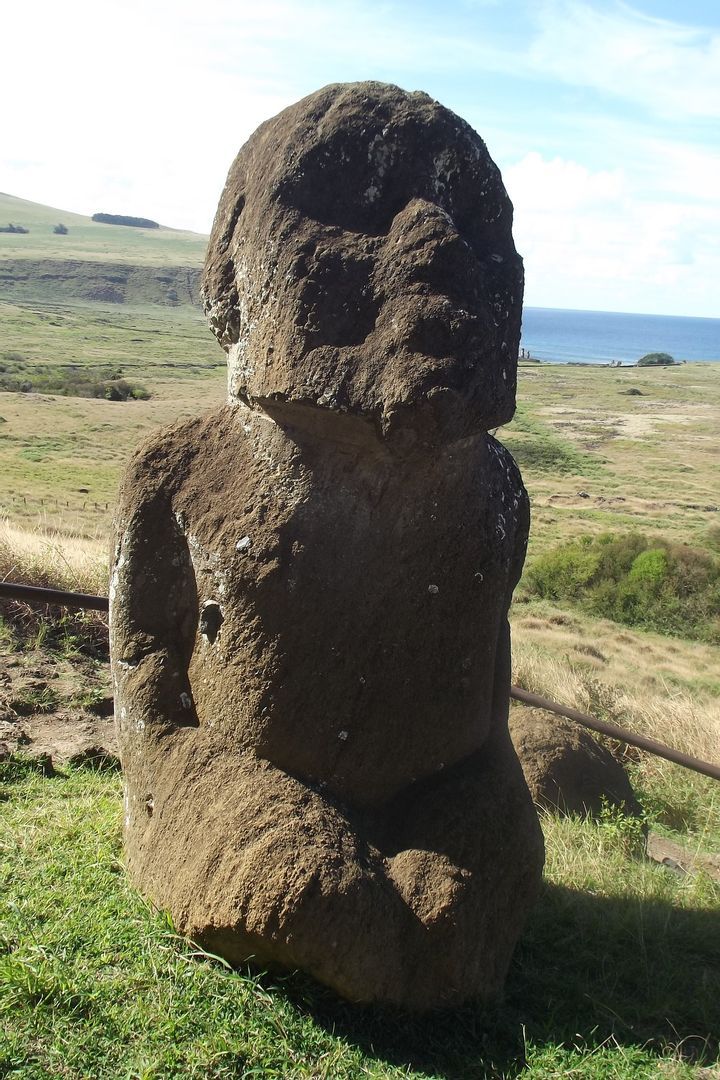
One moai statue on the island stands out among the towering stone monoliths.
Its name is Tukuturi, and it looks quite different from the rest of the moai statues: it is smaller in stature, has a bear, and is sitting in a kneeling position none of the other moai are depicted in.
Nevertheless, it is very familiar to the island residents, as its appearance and posture resemble those of the men and women who formed the chorus in the islands riu festivals.
Made from a different material, some believe it is related to the Birdman Cult, and therefore probably one of the last moai statues to be created before the tradition was completely abandoned.
Choosing Not to Kill
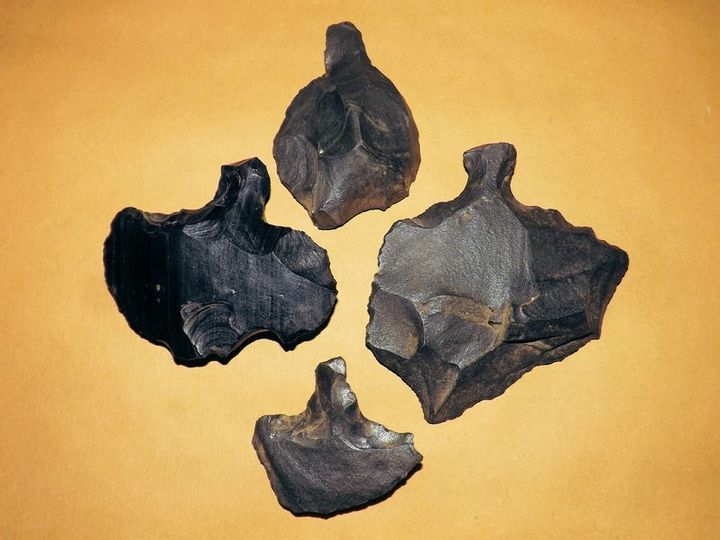
Throughout Easter Island, obsidian tools called mata'a are constantly found by archeologists.
The tools vary in shape and size, and in addition to helping with cutting and scraping vegetables, were also probably used as inefficient weapons.
But why would a culture capable of creating and transporting massive, heavy and intricate statues have inefficient weapons? It's not as if they were incapable of creating more useful knives.
This leads researchers to believe that instead, the Rapa Nui chose to use non-lethal weapons, in an active attempt to reduce the violence on the island.
Takona Body Paint
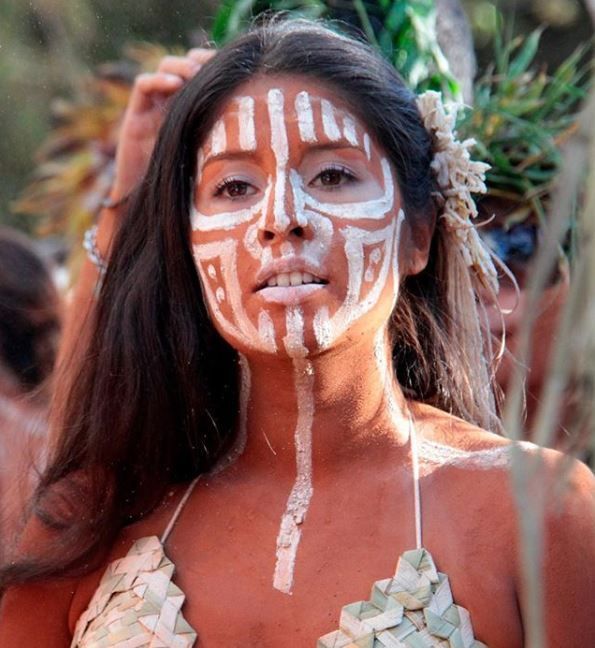
Rapa Nui culture is steeped in tradition, and one of the more prominent practices is the practice of Takona body paint.
Takona body paintings, like tattoos, signify a person's status, position and ancestry on the island, and are worn in dances and other traditional ceremonies.
The Rapa Nui are extremely welcoming to tourists, and often offer visitors the chance to don Takona paint themselves, as a way to further educate interested individuals and to teach them about Rapa Nui tradition.
Getting Off Easy
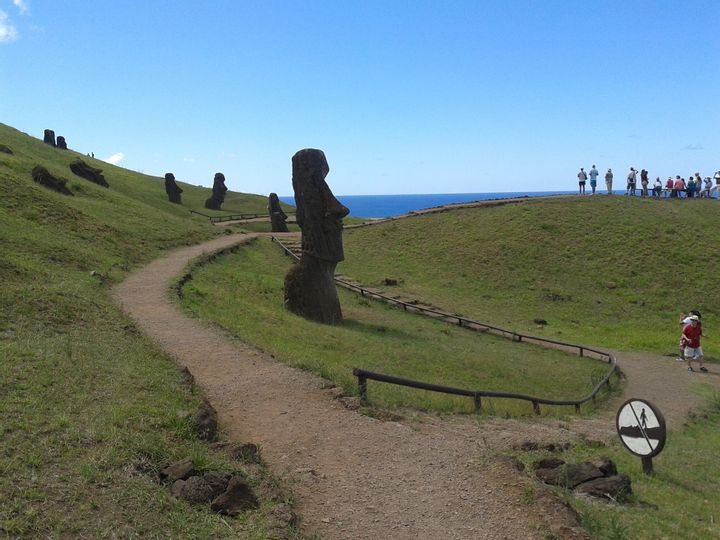
In modern times, Easter Island has become a major tourist destination thanks to the mysterious moai - but while this enriches both the curious tourists and the island's residents, it also comes with its fair share of risks.
Tourists can sometimes be too inquisitive - like in the case of a Finnish man who accidentally broke off one of the moai statues' ears at Anakena Beach.
The tourist was fined $17,000 - but that's a relatively small price to pay for damaging such a historically significant artifact.
Since then, tourist security protocols have become much stricter on the island, ensuring no further damage will be made to the many cultural heritage sites that spot its landscape.
A Cure for Leprosy?
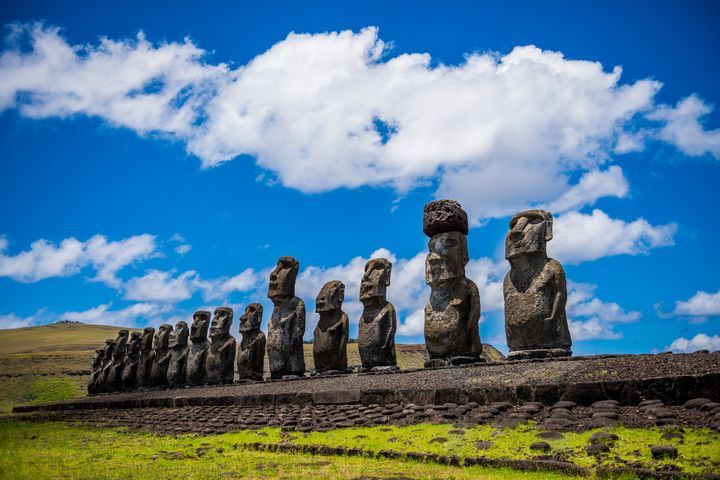
There are many theories about the origin of the moai, and the original reasons for their creation. One theory posits their original purpose was actually medicinal:
Dr. Anneliese Pontius came up with a theory that the islanders’ motivation for creating the statues was to cure leprosy. According to her, they wanted to create 'the perfect specimens' after facing body deformities in their own community. The statues would serve as a model for helping people who suffered from the disease and the deformities that often come with it.
Rapid Advances
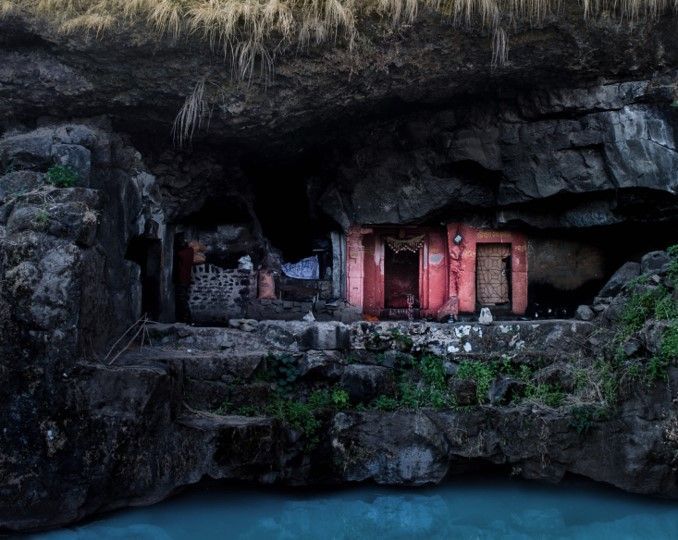
Easter Island is considered to be one of the most removed and distant places in the world, and for centuries its culture and people have remained untouched by the technological advances that have taken place on the continents.
Older people on the island today still remember that their grandparents grew up living in caves, and many islanders were baffled and confused when an airplane flew over the island for the first time.
Even today, the islanders maintain a very traditional lifestyle, and "modern" influences are only just starting to gain a foothold.
Island Tourism
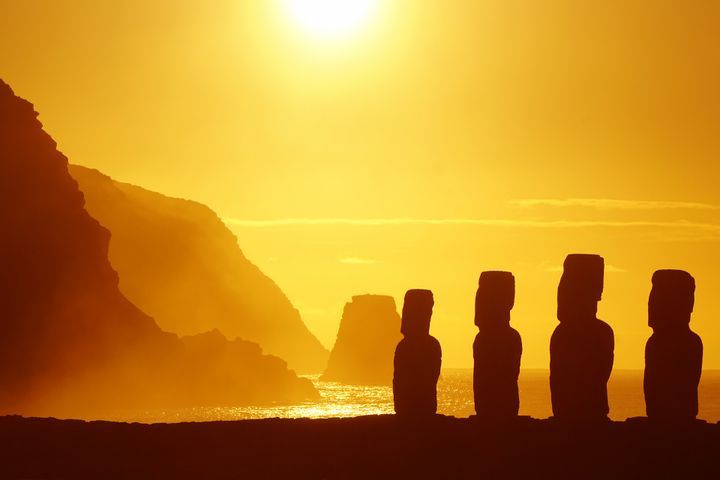
Today, Easter Island has become a major tourist destination, thanks to its dramatic scenery, and, of course, thanks to the mystery of the moai as well.
Tourists flock to the island throughout the year, and in addition to witnessing the rich culture and history of the Rapa Nui people, also get to experience it first hand with the help of some of the local tour guides.
Moi, a Rapa Nui guide, often takes tourists snorkeling and fishing in Ovahe beach, after which the group sits down to cook dinner in the shadow of the moai statues.
That's definitely something to write home about.
Hanga Roa
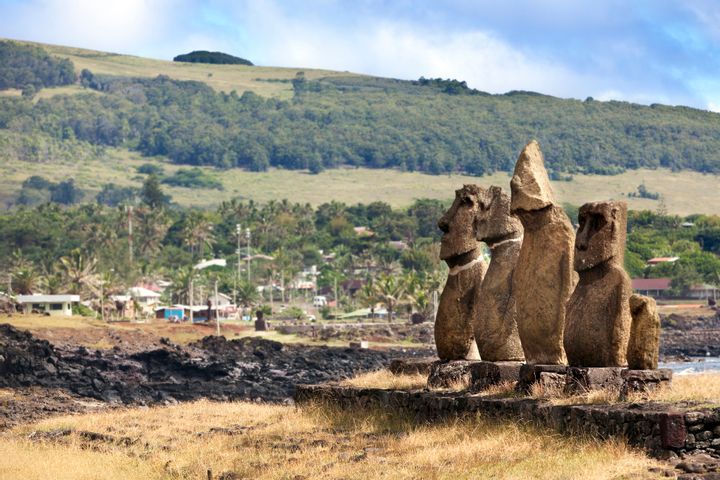
The capital of Easter Island is a small town called Hanga Roa.
Around %87 of the island's population live in the town, and its small bay and airport serve as the main means of transportation on and off the island.
The town has several moai statues nearby, and offers hotels and hostels at different price ranges for tourists - but mostly serves as a springboard from which to explore the rest of the island.
Height of Luxury
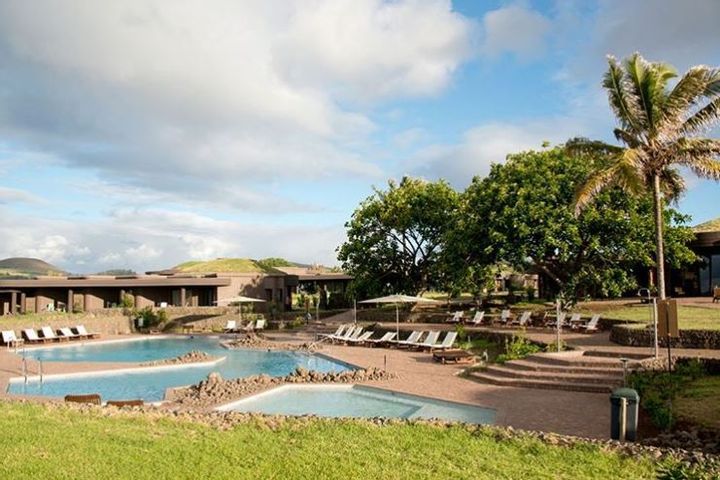
Due to its remoteness, Easter Island is often seen as a somewhat stark and rugged travel destination - but that's not to say you can't enjoy the height of luxury when you visit.
The Hangaroa Eco Village and Spa is the island's first high-end hotel, and it provides its guests with luxurious surroundings, without compromising the island's surrounding environment.
The hotel generates green energy from solar panels and wind turbines placed around it, and offers a unique and relaxing vacation experience for its visitors.
Extreme Deforestation
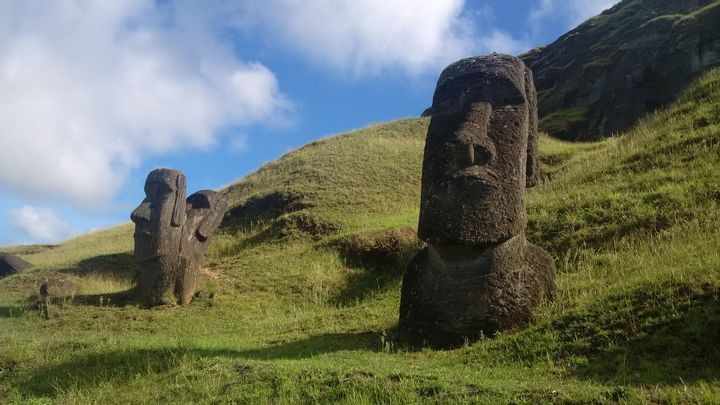
Easter Island's history remains shrouded in mystery, but one event researchers agree on is the extreme deforestation that took place a few centuries ago.
Whether the result of the invasive Polynesian rat species that the original settlers of the island introduced in their ships, or the outcome of land clearing and wood cutting that were needed to sustain the industry needed to create the moai, the island's forest were reduced to almost nothing at all, and that due to the ecological catastrophe, the Rapa Nui community also suffered heavy losses.
A Long Way from Anywhere
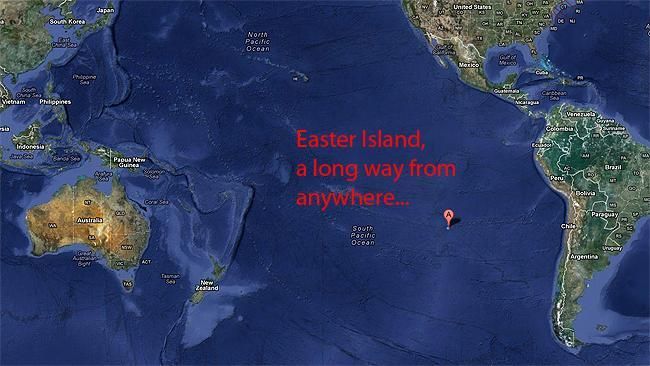
Easter Island is considered one of the most remote locations in the world - and with good reason.
The nearest inhabited area is Pitcairn Island, which is located 1,200 miles away from Easter Island.
The closest mainland is Chile, in South America, which is over 2,300 miles away.
These vast distances make Easter Island so distant, many people report feeling like they're at the edge of the world when they visit the picturesque destination.
The Origin of its Name
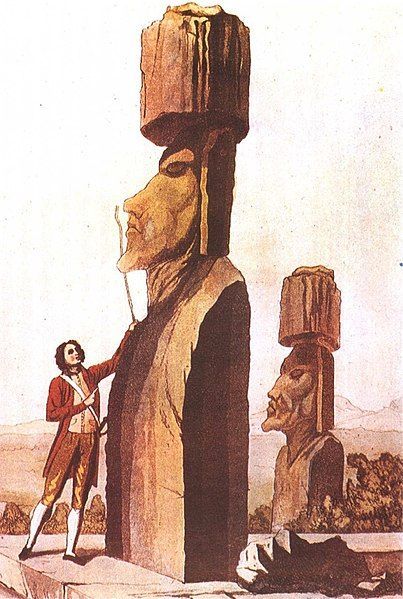
Today, the term Rapa Nui is used to describe the people, the language and the island itself - but the term "Easter Island" is still officially and widely used.
Why "Easter," though? Certainly, there are no Easter bunnies hopping around between the moai statues!
The name "Easter Island" was actually given by the island's first recorded European visitor, the Dutch explorer Jacob Roggeveen, who encountered it on Easter Sunday (5 April) in 1722. He called it Paasch-Eyland , which in 18th century Dutch means "Easter Island" - and the name was later translated into Spanish as Isla de Pascua.
Spiritual Practices
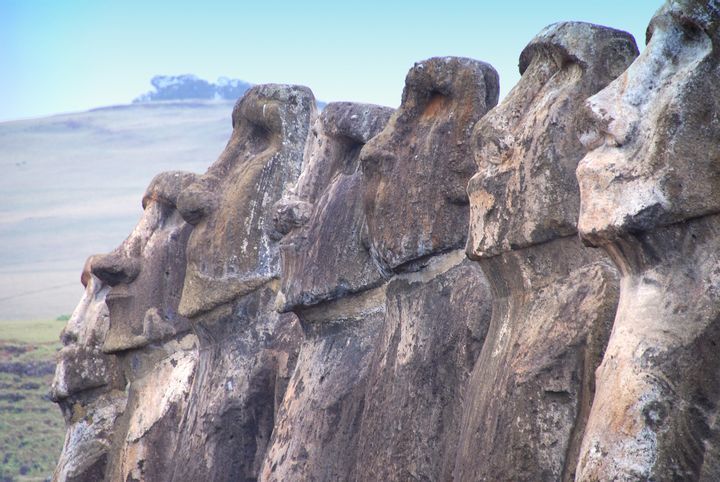
Upon returning to Europe, the Dutch explorer Jacob Roggeveen wrote about his experiences on Easter Island, and described the spiritual practices of the Rapa Nui. He wrote that “they relied, in case of need, on their gods or idols which stand erected all along the sea shore in great numbers, before which they fall down and invoke them.”
This, undoubtedly, is a reference to the moai statues - and thanks to this early account, we also know that there were priests working and tending to people's spiritual needs in the Rapa Nui community.
Who Got there First?
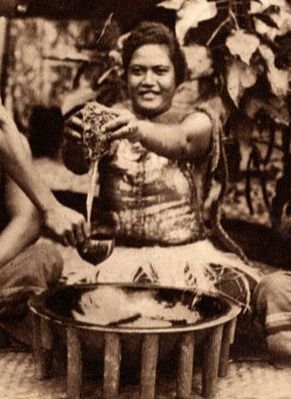
The question of who settled Easter Island first - native South Americans or Polynesians - is a greatly debated issue in the study of Rapa Nui.
For most of the 20th century, researchers believed that the original inhabitants of the island were of South American descent. Recently, however, studies have revealed a different picture, showing the genetic makeup of the Rapa Nui is complicated - and that it is mostly likely that the Polynesians were the ones who settled the island first.
An Island of Many Names
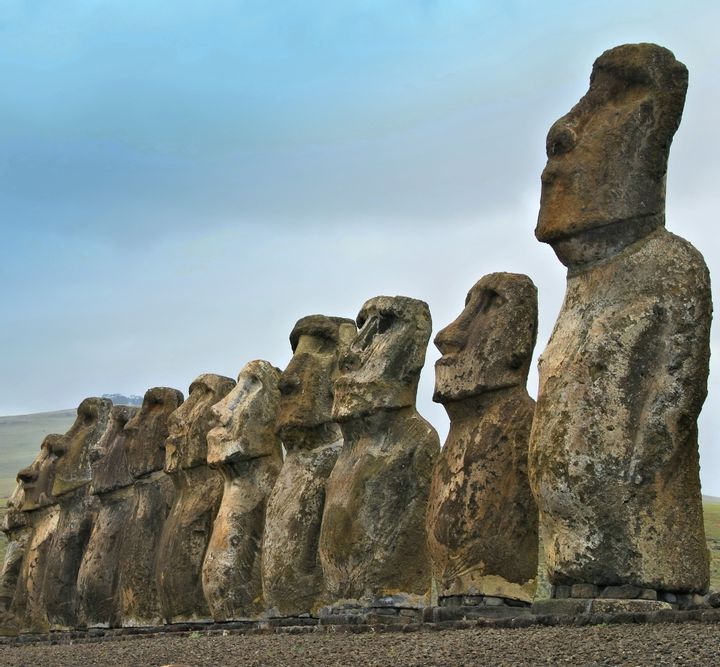
Before the island got its current name, it had a history of different names. The oldest name known is "Te Pito o Te Henua," literally translated “The Center of the World" - or "Navel of the World."
At one point, it was also known as "Mata-Ki-Te-Rani," meaning “Eyes Looking at Heaven."
The term "Rapa Nui" means "Big Rapa," a name that refers to the island's topographic resemblance to the smaller island of Rapa in the Bass Islands of the Austral Islands group.
Tribal Tattoos
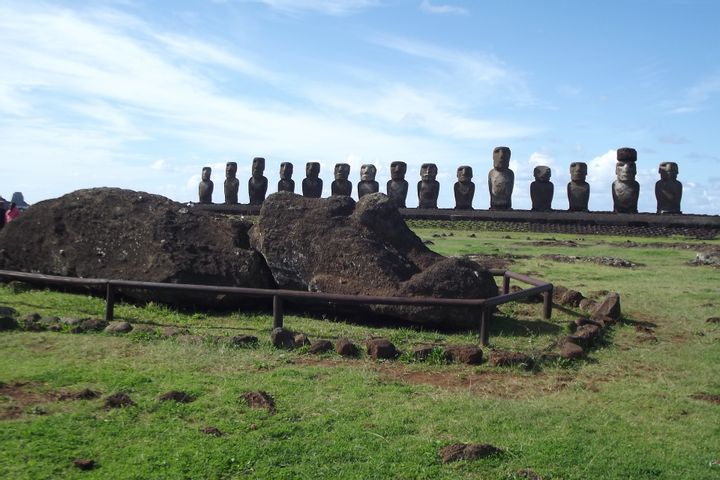
The moai statues are mostly known for their distinctive head shapes, but their buried bodies hide a secret that not many people are aware of: many of the moai statues have tattoos!
The tattoos on the moai correspond to the types of traditional tattoos the native Rapa Nui have decorated their bodies with for centuries, which strengthens the belief of researchers that it was the Polynesian Rapa Nui culture that was responsible for their construction.
Project Director Confirms
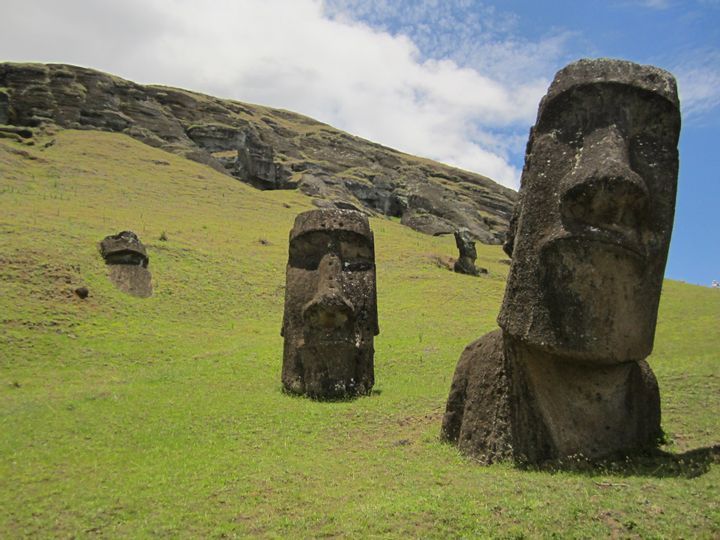
After the first moai statue's body was uncovered, the Easter Island Statue Project director, Jo Anne Van Tilburg, released a statement saying: “Our EISP excavations recently exposed the torsos of two 7m tall statues. Hundreds, perhaps thousands, of visitors to the island have been astonished to see that, indeed, Easter Island statues have bodies! More important, however, we discovered a great deal about the Rapa Nui techniques of ancient engineering.”
Volcanic Island
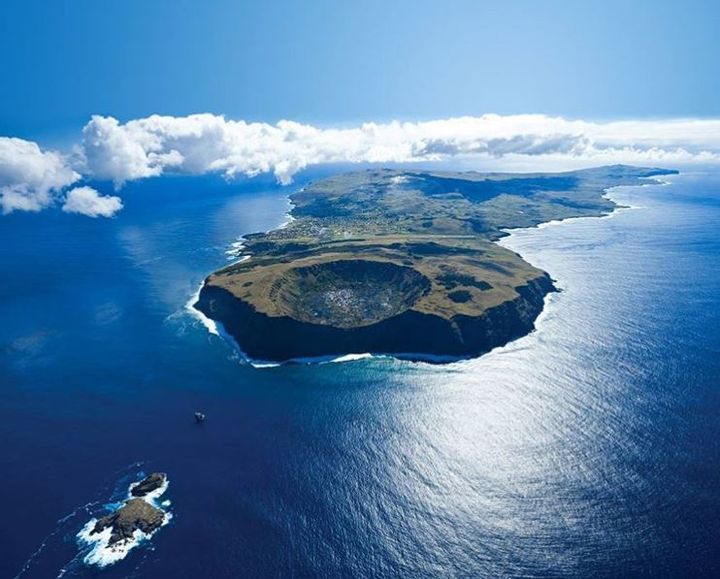
Easter Island was formed, much like the island chain of Hawaii, by the outpour of magma from active volcanoes.
There are three distinct volcanoes on the island, all dormant. The biggest of the three, Terevaka, forms the bulk of the island, while the other two, Poike and Rano Kau, form the eastern and southern headlands which give the island its triangular shape.
Local Diet
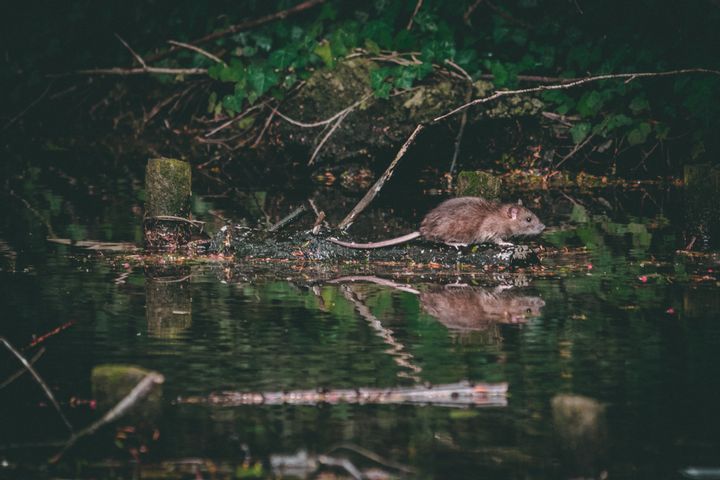
One of the theories behind the deforestation and subsequent shrinking of the island's population states that the Polynesian rats that came to Rapa Nui on the Polynesian boats were responsible for the environmental catastrophe - and that, as a result of the dwindling food sources, the Rapa Nui people turned to eating the rats themselves, turning them into a staple in their diet.
Ecological Disaster
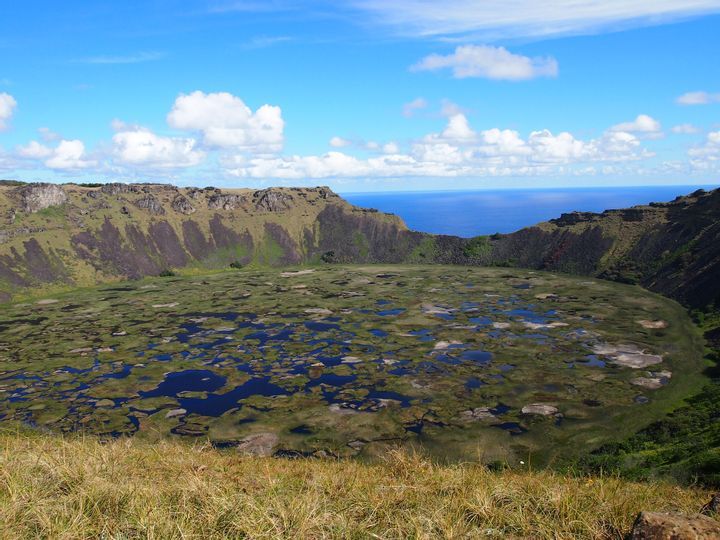
While the exact reason the majority of Easter Island's population disappeared may never be known, researchers believe they were responsible for their own extinction, whether through in-fighting, deforestation, overpopulation or some combination thereof.
Today, Easter Island's stoic moai statues stand as a stark reminder of the lost Rapa Nui civilization - and of the ability of mankind to drive itself to near extinction.
Many people use Easter Island's history as a cautionary tale, reminding us of the need to take good care of our environment.
Who Were the Sculptors?
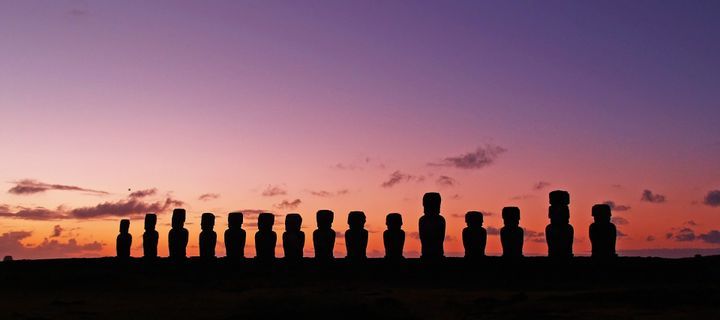
Today, the biggest question about the moai statues remains unanswered to this day: who were the people who constructed these staggering, monolithic creations - and what were their reasons for doing so?
Whether they were specialized guildsmen who have dedicated their lives to perfecting the statue making craft, or people of other professions who created the moai out of some religious drive remains unknown. The island has many more secrets to reveal yet, and researchers are working hard on uncovering them.
The Meaning of the Statues
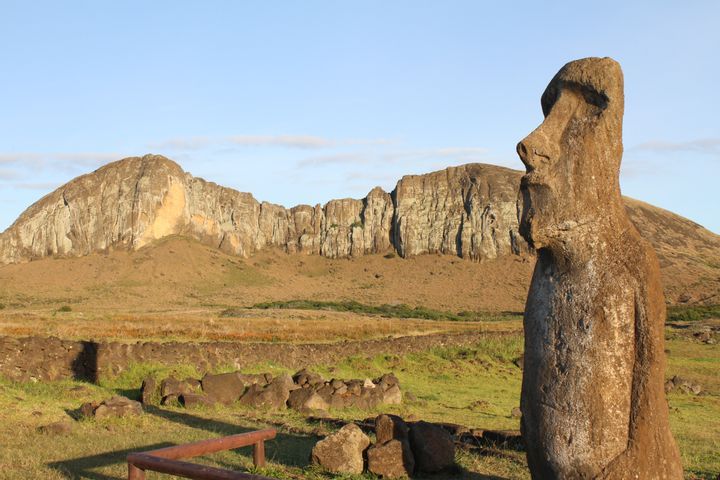
Moai have deep symbolic meanings. According to some archaeologists, they represent power and authority. For the islanders, they were surely more than just symbols. The statues were actually sacred spirits in physical form. There’s a theory that suggests that Moai represent the ancient ancestors who watch the people from the island’s border towards its center, which would explain why the moai face inward, rather than look out to sea.
UNESCO's World Heritage Site
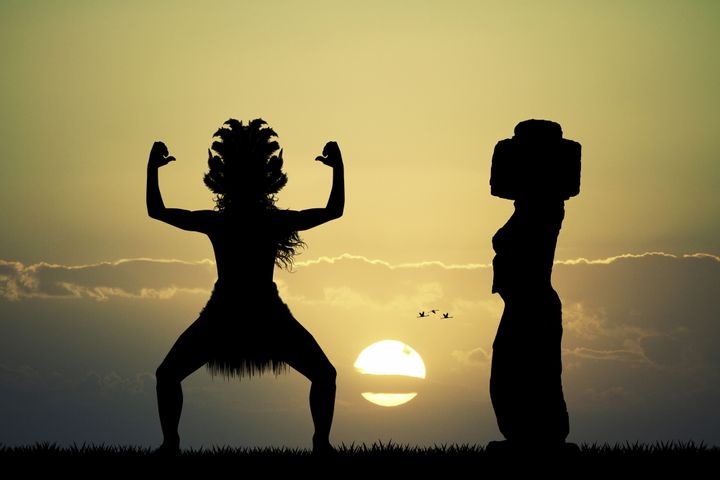
The Rapa Nui National Park, located in the northern end of the island, is on UNESCO’s list of World Heritage Sites. UNESCO granted this status on March 22, 1996, and since then the park's lands have been under the administrative control of the Ma´u Henua Polynesian Indigenous Community, which is the first autonomous institute on the island.
The Rapa Nui natives have, for the first time in over a century, regained authority over their ancestral lands, and use the revenue generated by the park to invest in the island and conserve its heritage.
Hats and Hair
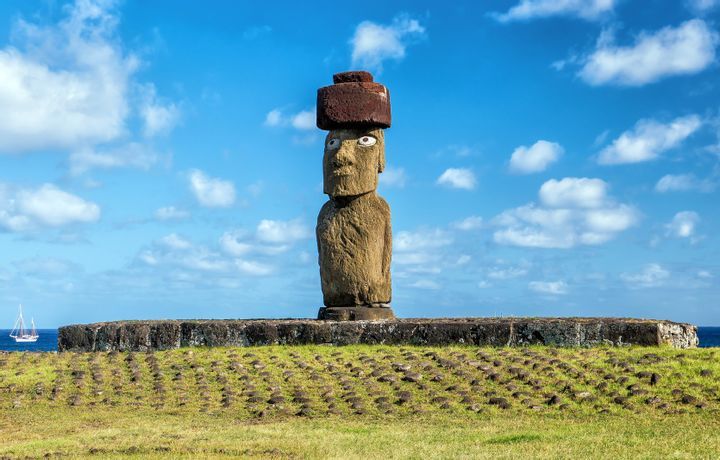
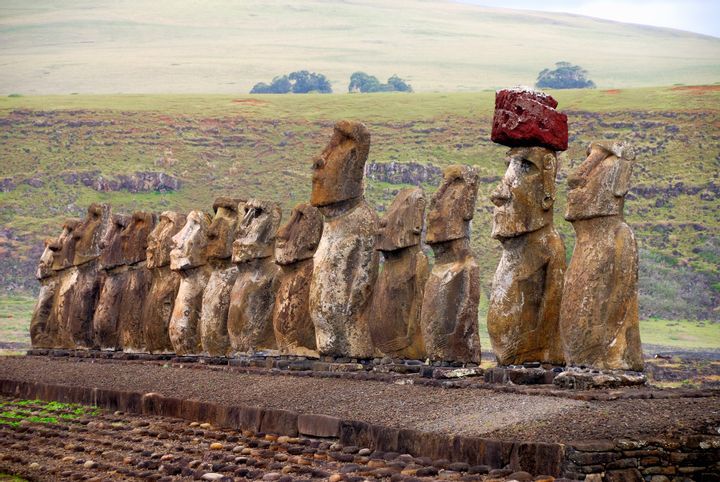
Many of the moai actually had a kind of hat placed on their heads, before the statues were toppled.
Another head-dress the moai have is a kind of top knot, or hairstyle, called "pukao" in the Rapa Nui language.
The Rapa Nui people believe that one's spiritual strength, knowns in their native tongue as "mana," originates in the hair, and so it would make sense that the moai statues would be adorned with elaborate hairstyles.
Other Types of Statues
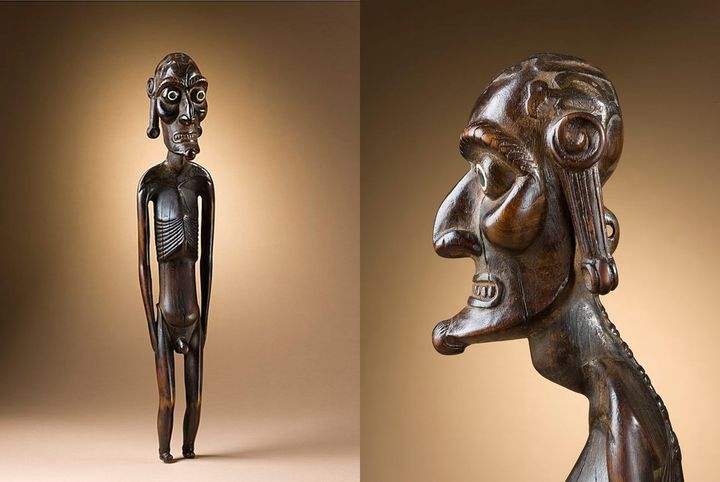
While Easter Island is most famous for its moai statues, the Rapa Nui people also created other, smaller - and much more elaborate - statues as well.
Pictured here are the Rapa Nui's Kavakava figures, which look like thin, lanky men.
The word "Kavakava" means "ribs" in the Rapa Nui language, and the statues are meant to represent a kind of perpetually starving demon.
The Ahu Akivi Legend
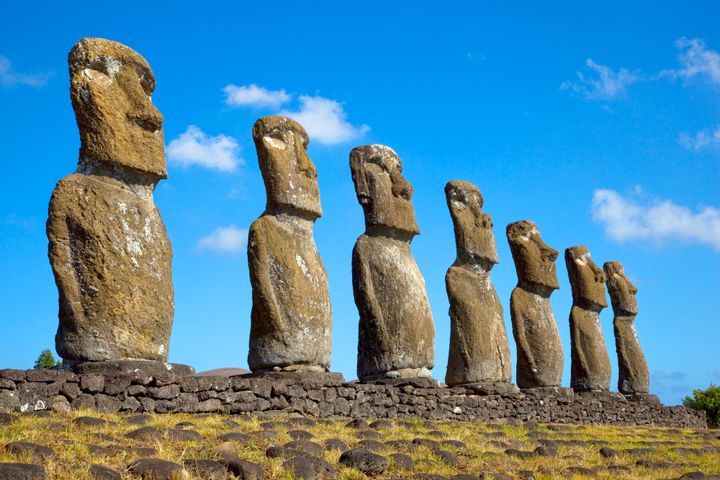
Ahu Akivi is a sacred site on Rapa Nui, in which seven moai statues of the same shape and size are placed in a line, one next to the other. They are situated so that they face the sunset on the spring equinox and away from the sunrise on the autumn equinox, in a clearly astronomically precise position.
Unlike other moai, the Ahu Akivi statues look out to sea, rather than inward and over their village.
A legend states that they are messengers that were ordered to wait for a king to return from his trip at sea.
Knowledge is Key
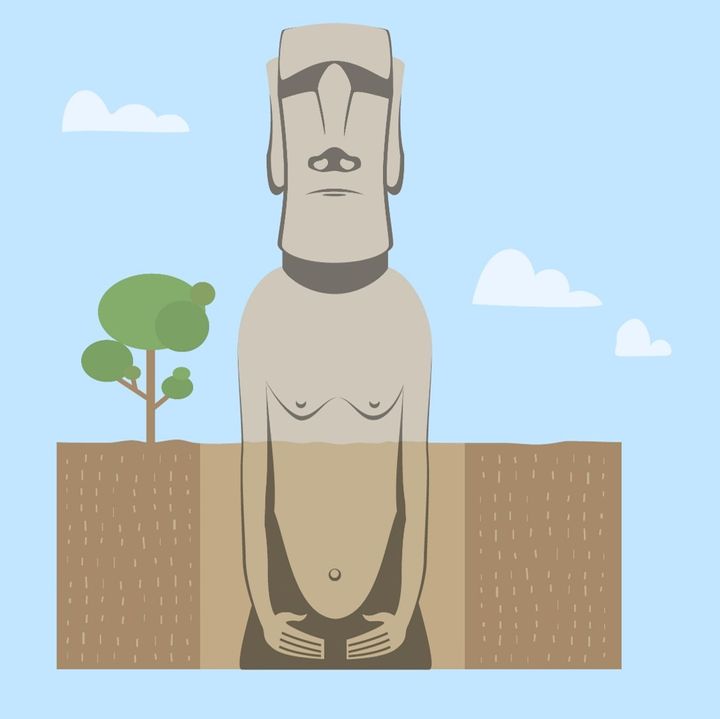
There are many misconceptions about the Moai, who have become quite iconic in pop culture over the years. Dr. Van Tilburg of the Easter Island Statue Project is determined to change that. She once said that “the reason people think they are only heads is there are about 150 statues buried up to the shoulders on the slope of a volcano, and these are the most famous, most beautiful and most photographed of all the Easter Island statues. This suggested to people who had not seen photos of other unearthed statues that they are heads only.”
Diving Off the Coast
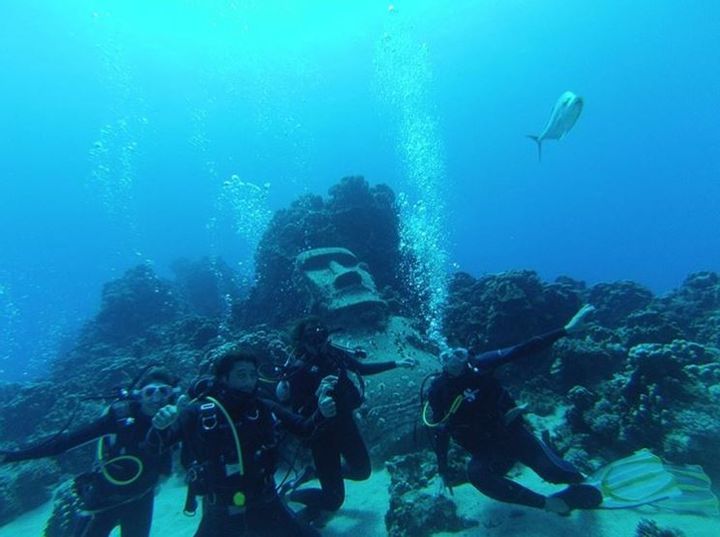
Easter Island's landscape is dotted with partially buried moai statues, but if you put on some SCUBA gear and dive into the surrounding waters, you'll be able to see a moai submerged in a very different way. Twenty-four meters below the surface, a moai statue lies submerged, after a ship that tried to carry it away from the island was wrecked.
The waters around Easter Island make for superb diving, as they are so clear it's possible to dive down to a depth of 60 meters before any visibility is lost.
The Navel of the World
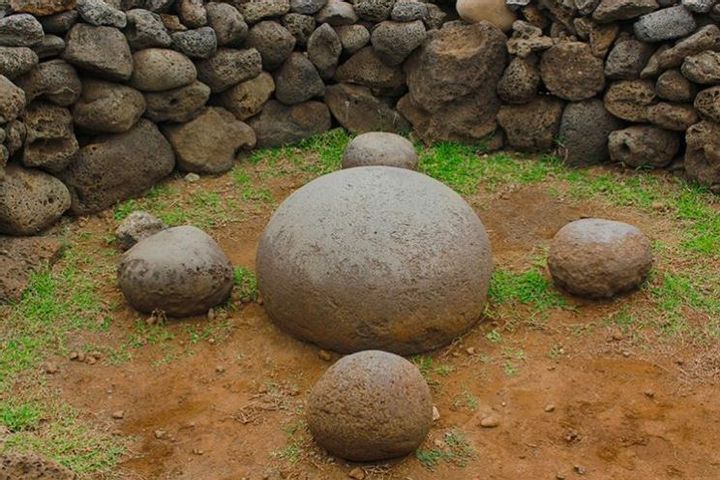
In one of the sacred sites on Easter Island, a sacred stone, approximately 80 centimeters in diameter, can be found.
Called Te Pito Kura in the native Rapa Nui language, which means "navel of the world," the stone is steeped in legend and mysticism.
According to legend, the stone was brought to the island by Hotu Matu'a, the founding kind of the Rapa Nui people, in his boat from the mystical mother land of Hiva.
The stone is believed to concentrate mystical and magnetic energies called mana.
Scientifically speaking, due to its high iron content, the stone warms up more than the stones surrounding it - which causes compasses to behave strangely around it.
Traditional Island Dances
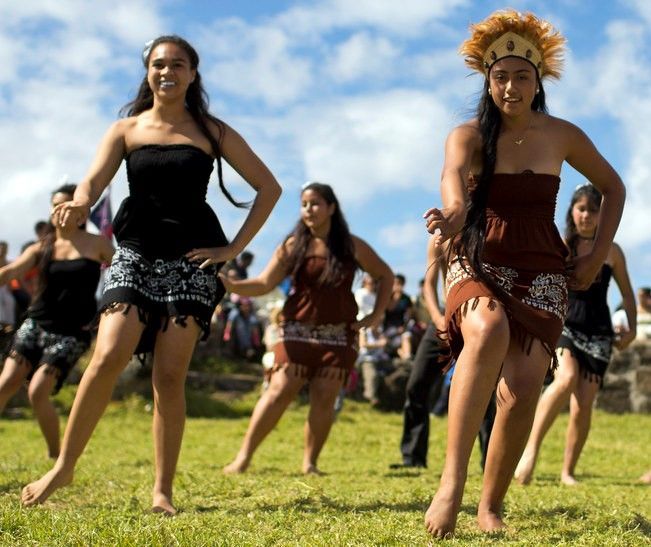
Traditional Rapa Nui dance ceremonies have mostly been lost to time - but the Rapa Nui are part of the Polynesian culture, and many traditional Polynesian practices that have been lost to the Rapa Nui can still be found in other Polynesian islands.
Since Easter Island's Rapa Nui people have made contact with other Polynesian cultures in the mid-20th century, some of Samoan and Tahitian tribal dances were imported back to Rapa Nui, and modified based on the island's culture and language to make for a truly unique dancing tradition.
Umu Pae
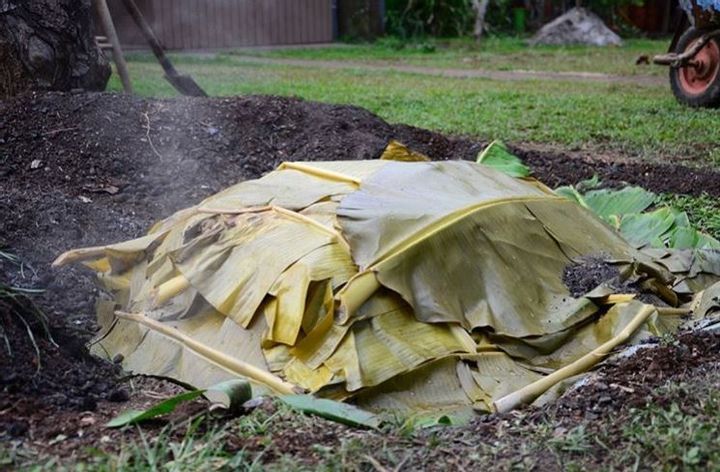
The traditional Rapa Nui method of cooking is called Umu Pae.
An Umu Pae is a kind of stove or oven made of flat stones heated by a woodfire, on which food like fish, meat or vegetables is placed under a tight covering of banana leaves, and left to steam for around two to three hours.
While today various other methods of cooking are used on the island, the Umu Pae is actually still a popular cooking choice.
Puna Pau
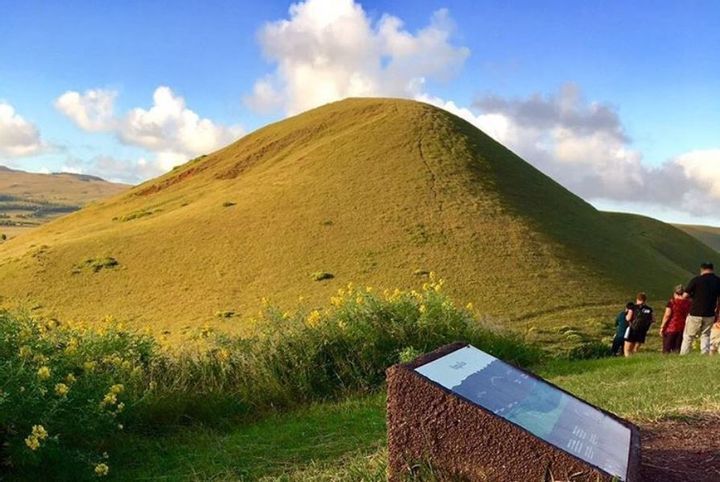
Puna Pau is a small crater on the outskirts of Hanga Roa, Easter Island's capital.
The quarry was the sole source of the red scoria stone that the Rapa Nui used in order to carve the pukao, or topknots, which adorn the heads of some of the moai statues found throughout the island, as well as for some non-standard moai, including the famous Tukuturi statue.
Oronogo, the Ceremonial Village
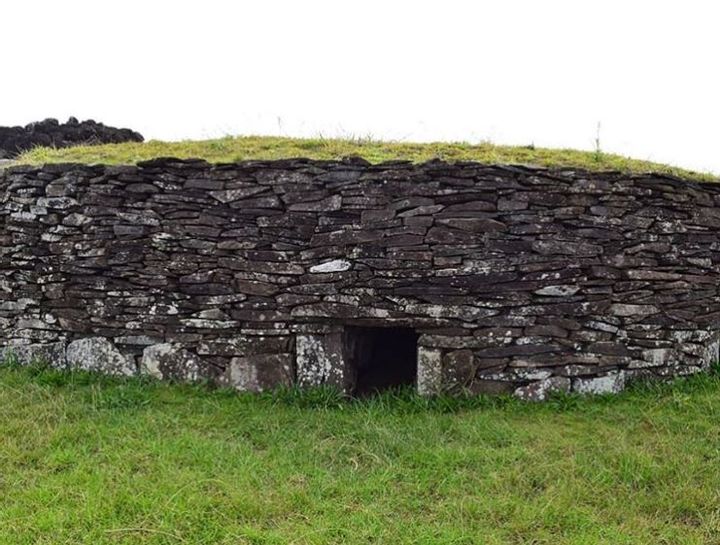
Orongo is a small village located at the southwestern tip of Easter Island.
Consisting of a collection of low, sod-covered, windowless, round-walled buildings with even lower doors, the village sits between a massive, 300-meter-tall cliff face that drops to the ocean on one side, and a steep grassy slope that leads to freshwater marshes on the other.
Oronogo was central to the Birdman cult of the Rapa Nui people, as it was where the eggs taken in the race from the nearby islet of Motu Nui were brought to.
The village is full of petroglyphs depicting the "birdmen" of the ceremony, and is an important archeological site.
Home of Hoa Hakananai
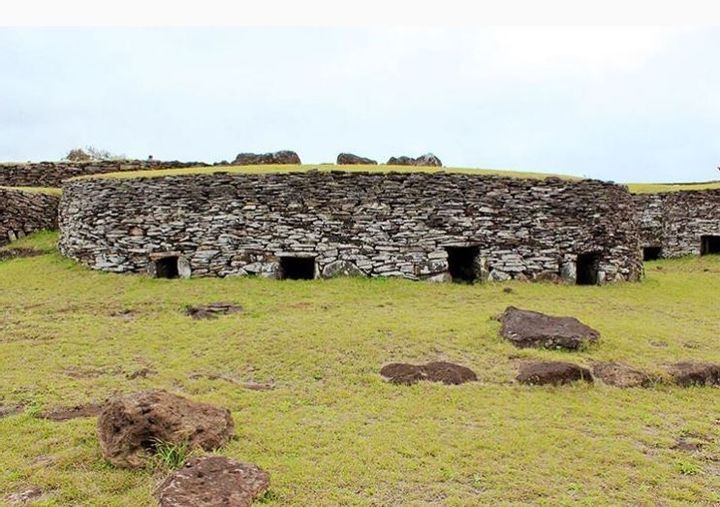
Oronogo fell into disuse in the mid-19th century, after many of the Rapa Nui islanders died from disease, enslaved or converted to Christianity.
The famous Hoa Hakananai moai statue, which now resides in the British Museum, was originally taken from Oronogo.
Today, the site has been restored, and is supported by various funds and grants which safeguard its future as an important archeological and cultural heritage site.
Megalithic Culture
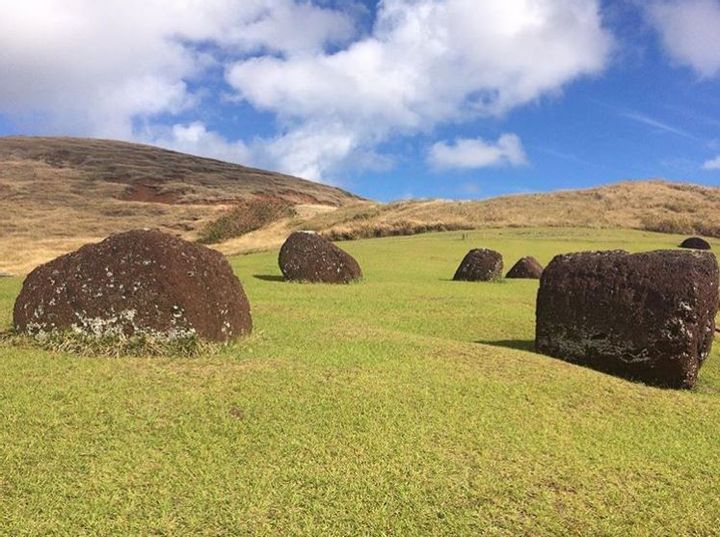
Megaliths are large stone structures, constructed without the use of brick or mortar. Over the course of human history, many cultures have constructed megaliths - from England's Stonehenge to the Ancient Egyptian pyramids, megaliths stand as silent testimonies to ancient cultures long gone.
Easter Island is relatively unique, because its megalithic culture was practiced fairly recently - only, according to some researchers, a few centuries ago.
Because of this, the state of preservation of quarries and megalithic structures is exceptionally good, and can teach us a lot not just about Easter Island culture, but about human history in general.
Ancient Gardening Systems
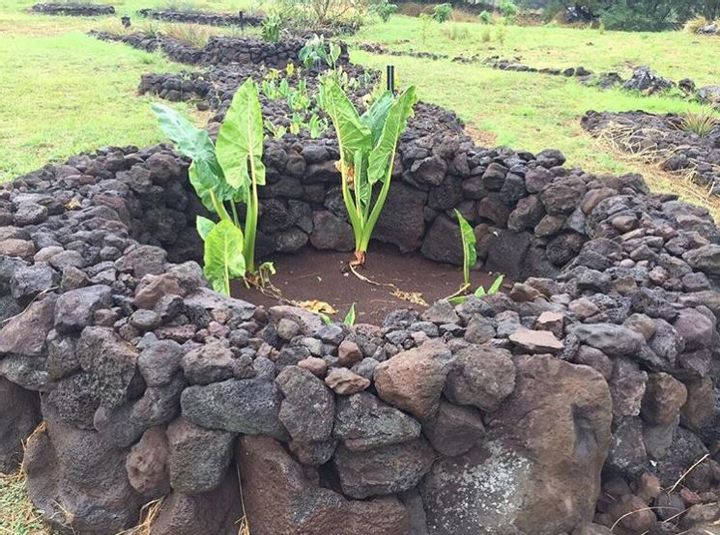
When the Polynesian settlers first arrived on Easter Island, they brought with them many of the plants and vegetables that had made up their diet in their homeland.
These include plantains, yams, yuca roots and sugar cane - crops that were not adapted to the windy, often dry conditions of Rapa Nui.
To grow them, the Rapa Nui people constructed structures called "manavai" - stone enclosures which would protect the crops from the wind and help them retain moisture, and which can still be found around the island today.
Hoa Hakananai’a
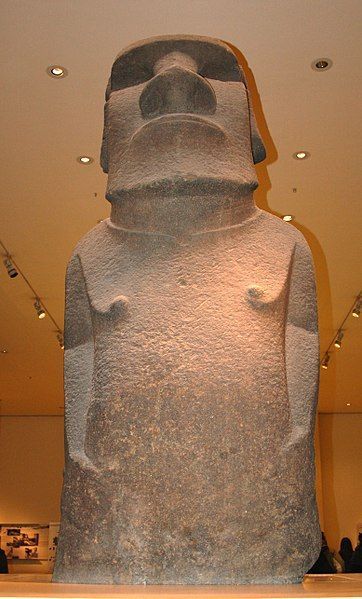
Today, the moai statue known as Hoa Hakananai’a can be found at the British Museum in London, where it has been on display in some form or another since 1869.
The statue was taken from Easter Island by the officers and crew of the British Royal Navy ship, HMS Topaze , and brought to England as a present for Queen Victoria, who suggested it be given to the British Museum.
Widely considered to be a masterpiece of Easter Island sculpture, the governor of Easter Island has recently asked that Hoa Hakananai’a be returned to its home, since it was taken without consent.
New Support for the 'Walking' Idea
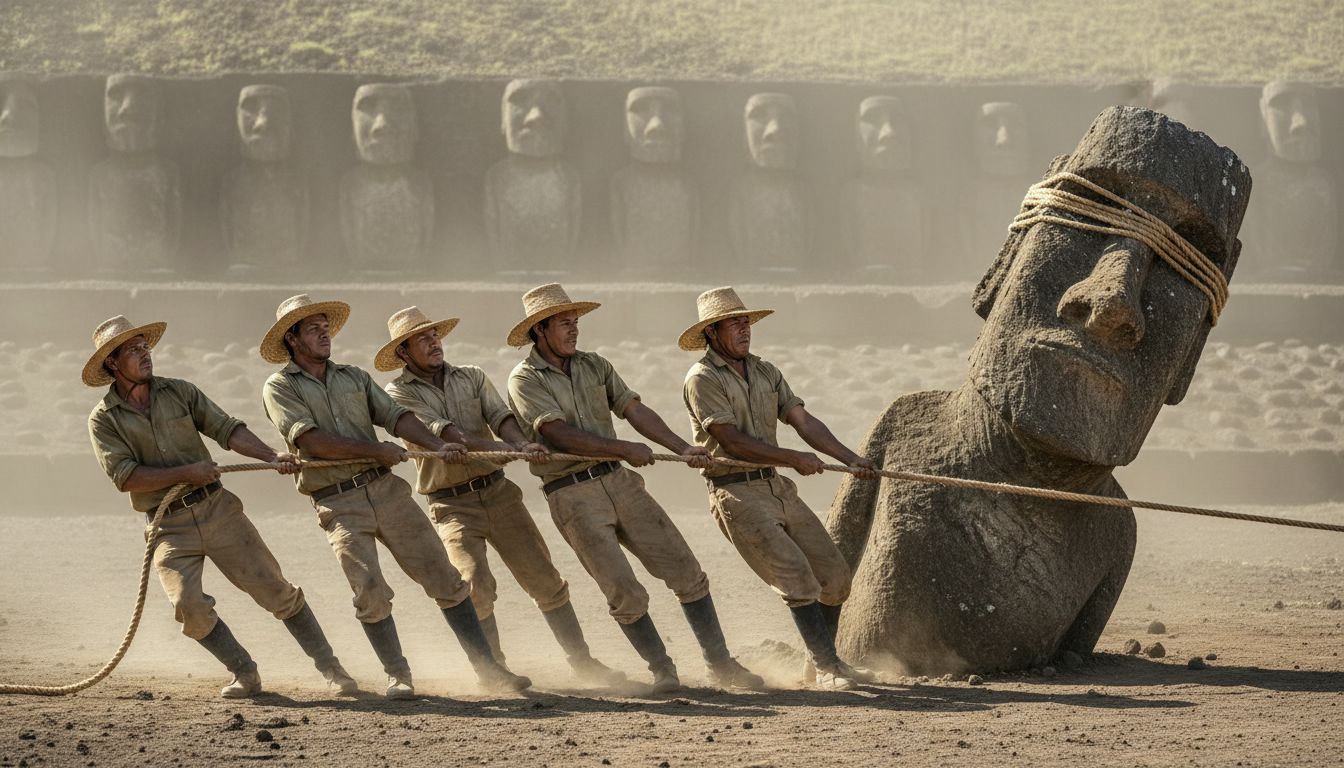
Recent studies give fresh backing to the idea that many moai were moved upright by rocking them side to side with ropes. Lab models, physics work and replica trials show the statues’ shape makes them surprisingly stable while they ‘walk.’ That ties neatly to Pavel Pavel’s field demonstration and helps explain the unfinished figures found along the island roads. It still does not answer who organized the work, but it narrows how the stones could have been moved.
Quarry Reveals Surprising Functions
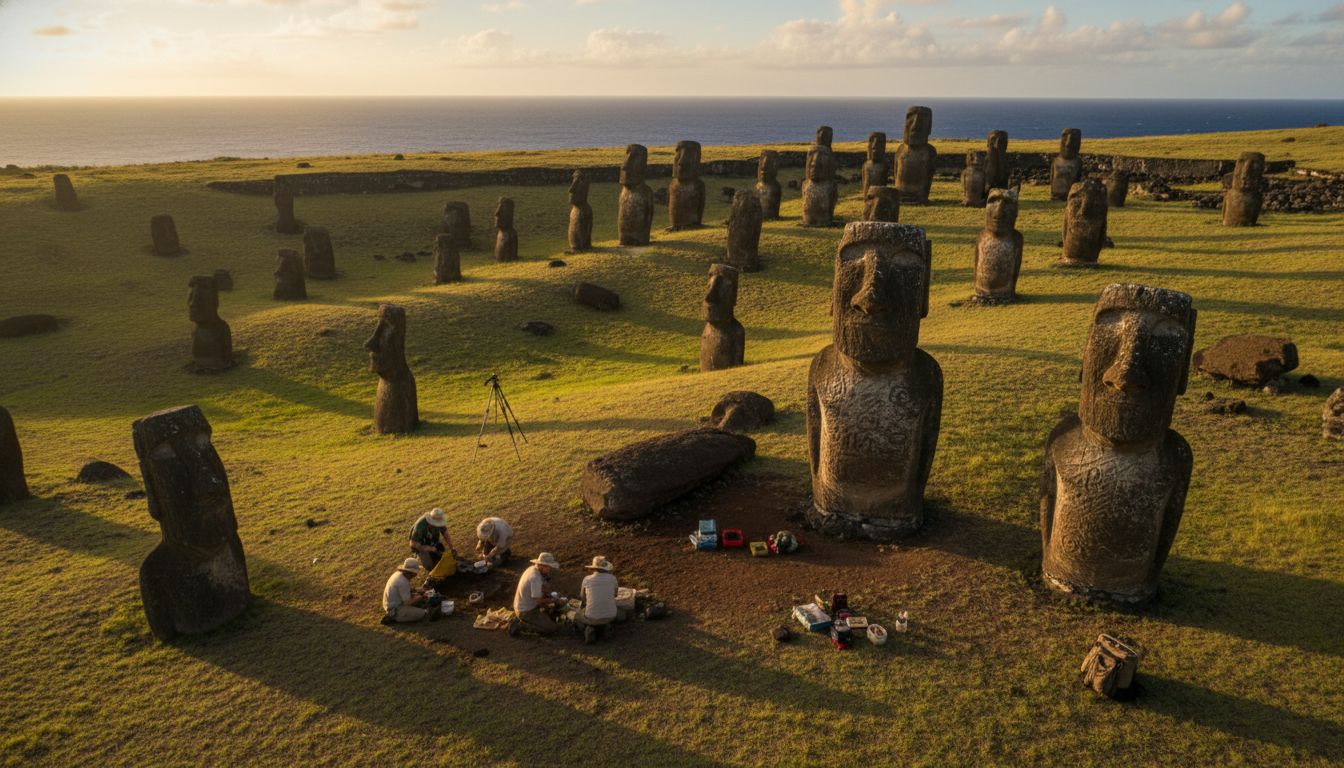
Detailed mapping of the quarry shows more than unfinished heads. Engravings on statue backs and altered soils where some figures stood suggest the quarry was also a ritual or practical landscape linked to farming. Soil tests in those spots show richer growing conditions than surrounding ground, prompting a new idea that some moai placements helped encourage crop growth during hard times. That adds a layer to the statues’ meaning beyond simple monuments.
Hidden Statues Keep Turning Up
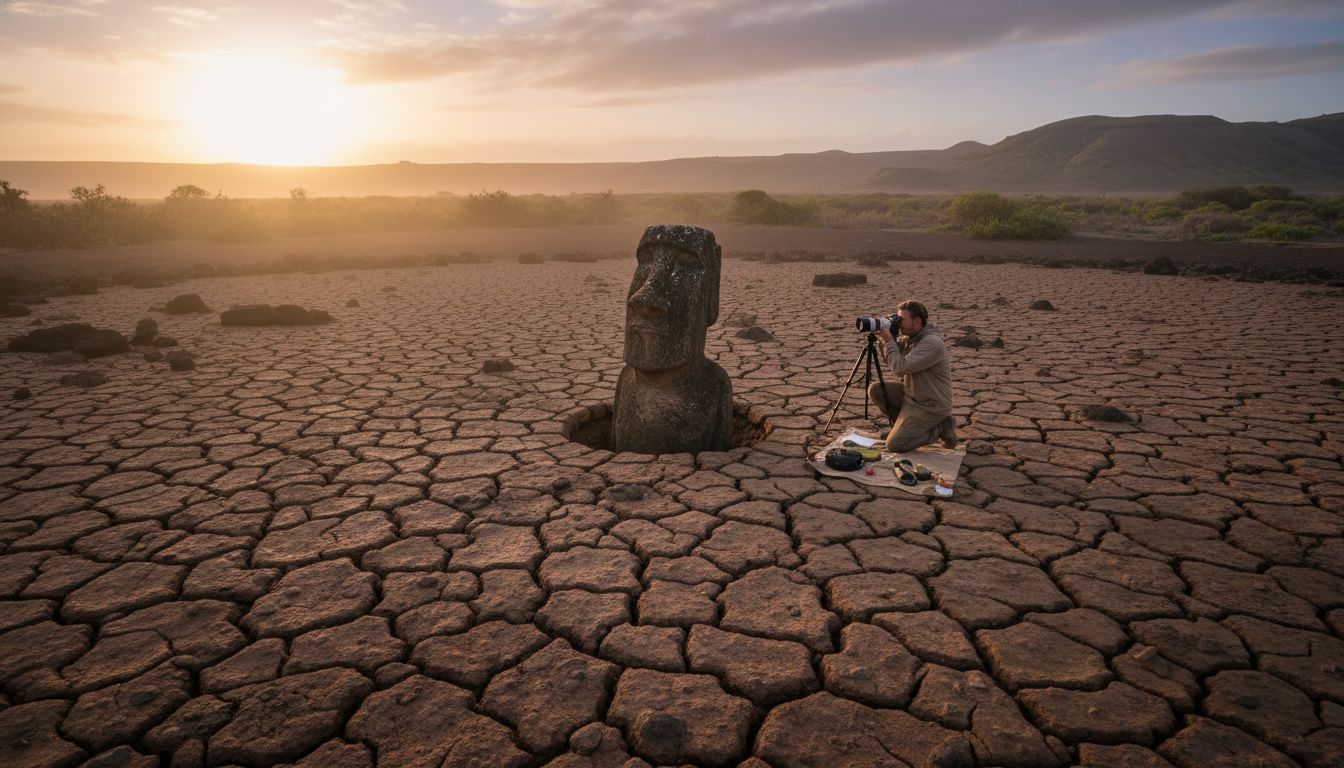
Teams have begun finding moai in unexpected spots, including a full-bodied statue in a drying crater bed once thought empty. Finds like this show the island still holds surprises and that water and sediment changes can reveal or conceal carvings. More such discoveries could appear as the landscape shifts, changing our sense of how many statues exist and where they were placed. Each new moai gives another piece to the puzzle.
Many Hands at Many Workshops
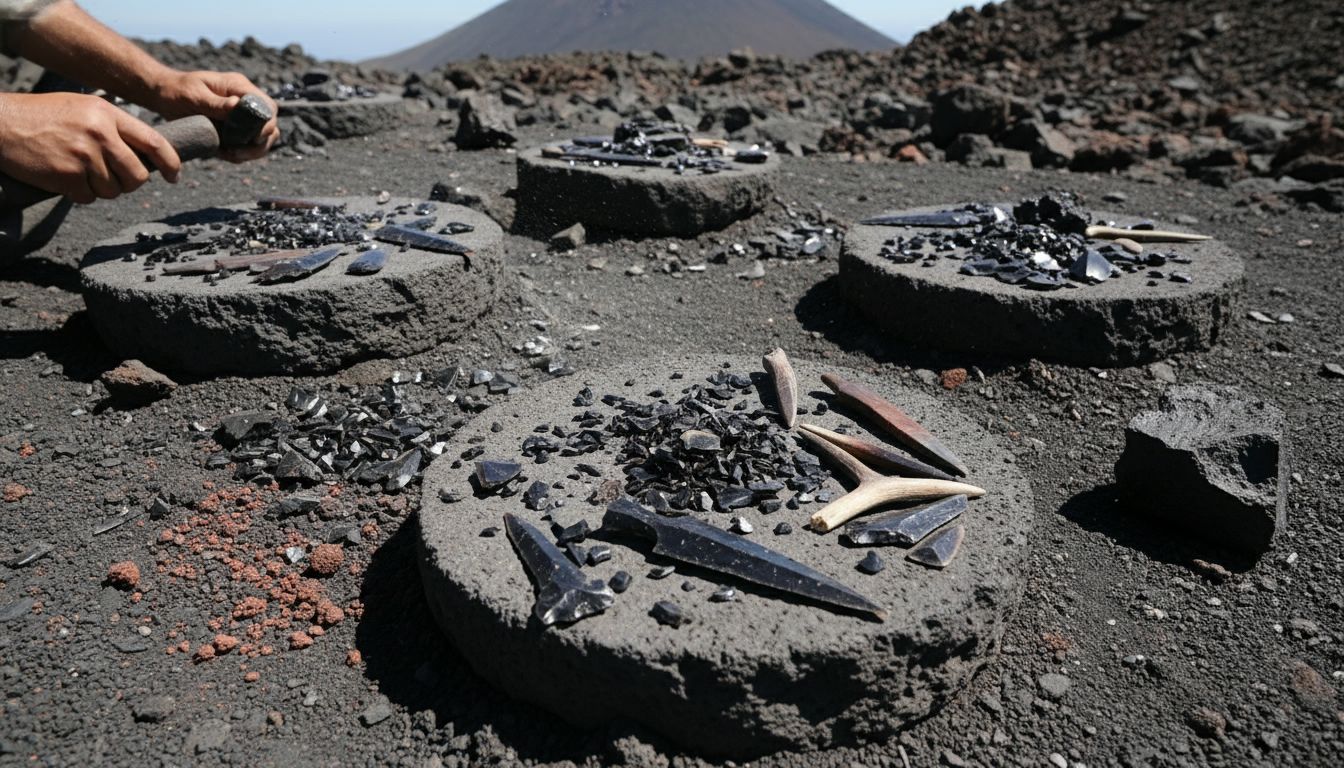
Three-dimensional analysis of carving marks across the quarry points to a more distributed production system. Rather than one central workshop or single elite guild, evidence fits many small groups working at separate benches and stages. That image changes how we imagine social organization on the island, suggesting family units or small teams handled most carving jobs. It still leaves open why the tradition grew so large and then stopped.
Coastal Statues Face New Threats
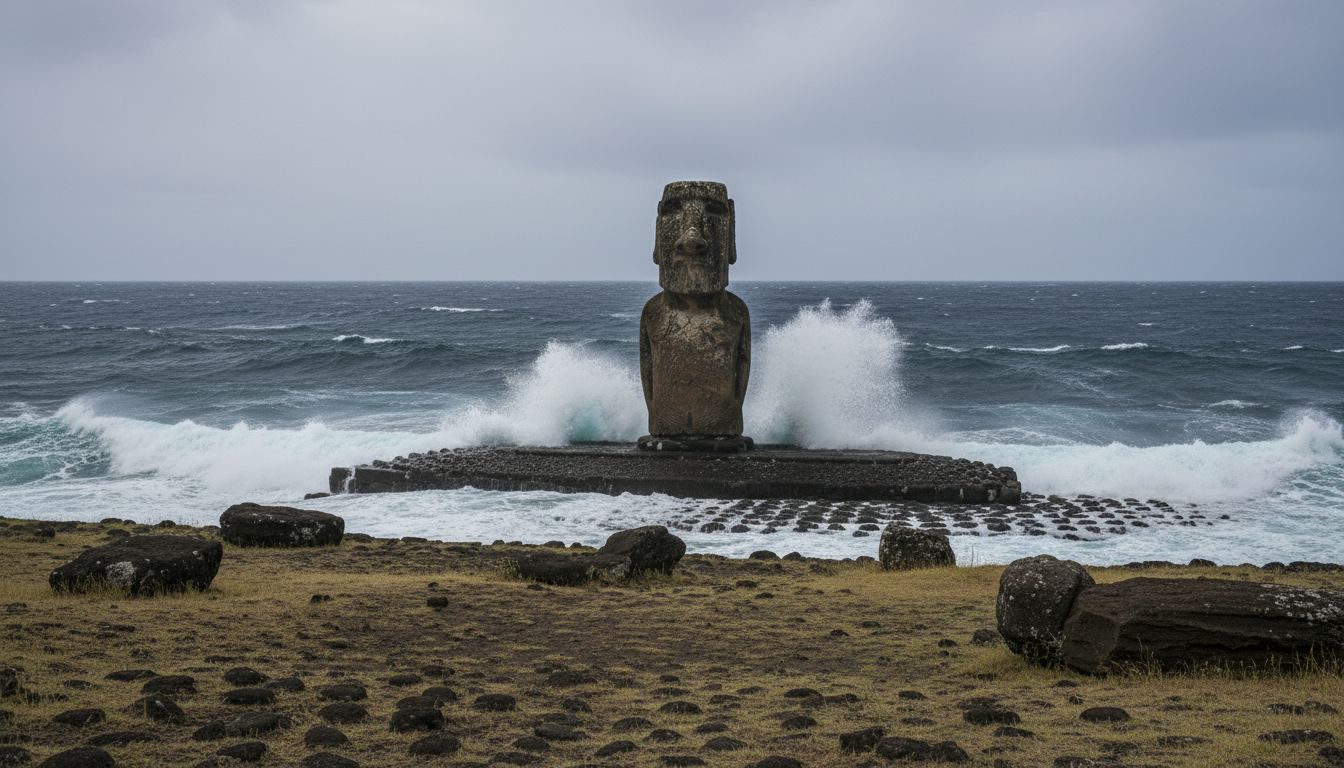
Recent assessments warn that many coastal ahu and their moai are at risk from rising seas and stronger storms. Erosion and higher tides threaten foundations, walking paths and the visitor experience that supports local livelihoods. That makes conservation choices harder for the community that now manages the park, and raises questions about which sites can be protected in place and which may need other interventions. The moai’s future on the shoreline is suddenly a live issue.
Drone Mapping Shows Many Carving Zones
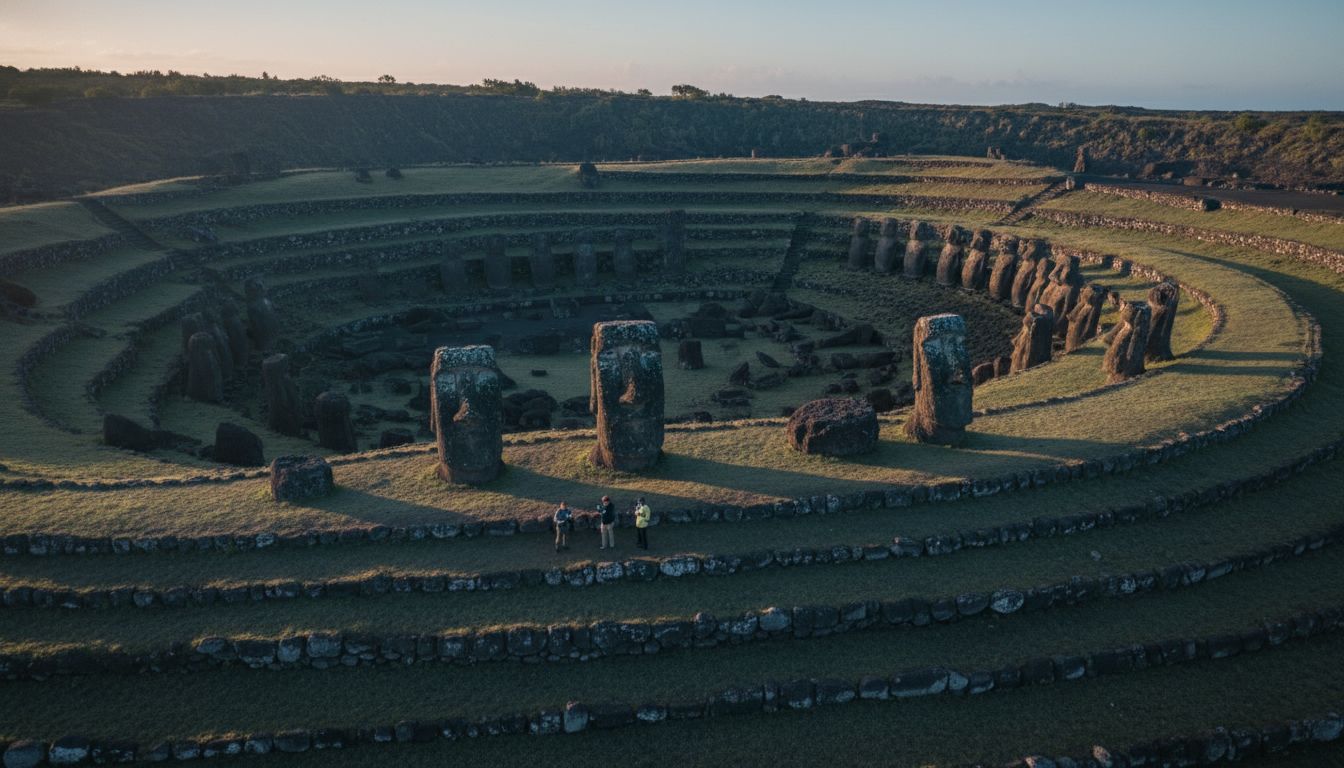
High-resolution mapping from recent field work paints the quarry as a patchwork of workshops. Instead of one big studio, archaeologists now see dozens of distinct carving zones, each with its own tool marks and working benches. That pattern fits the idea of many small teams working across the slopes, not a single elite crew. It changes the way we picture the labor behind the moai.
Physics Tests Bolster the 'Walking' Idea
Laboratory models and fresh replica trials strengthen Pavel Pavel's old field demo. Researchers show the statues' shape makes them stable while teams rock them side to side, so a modest crew with ropes could move a large figure. That matches island accounts that the statues 'walked' and explains unfinished figures left along the roads. The method now has both oral history and mechanics on its side.
Unexpected Finds Keep Popping Up
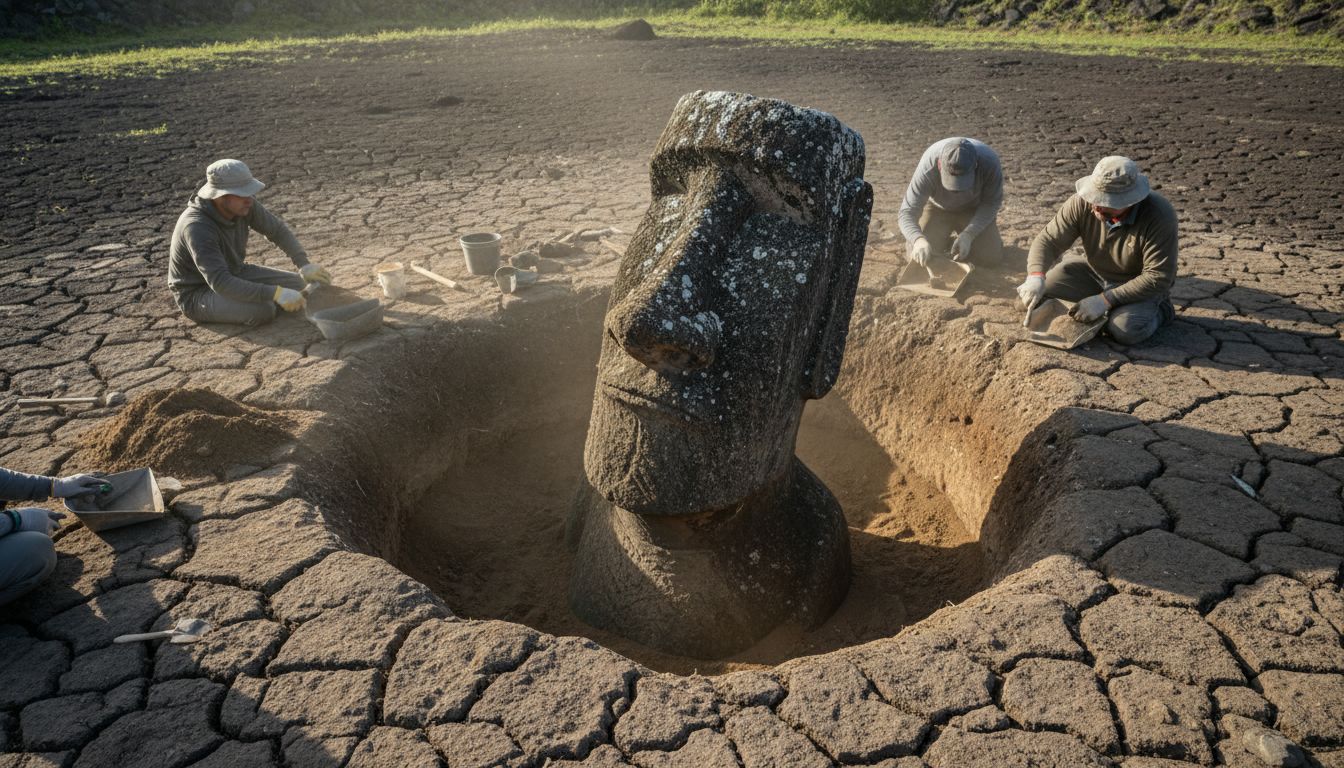
Teams are still finding moai where maps once showed nothing. A recently exposed statue in a dried crater bed is a reminder that shifting water and sediment hide as much as they reveal. Each new discovery fills gaps in the island's story and suggests more carved figures may sleep beneath the soil. The island keeps yielding surprises.
Quarry Stones May Have Helped Crops
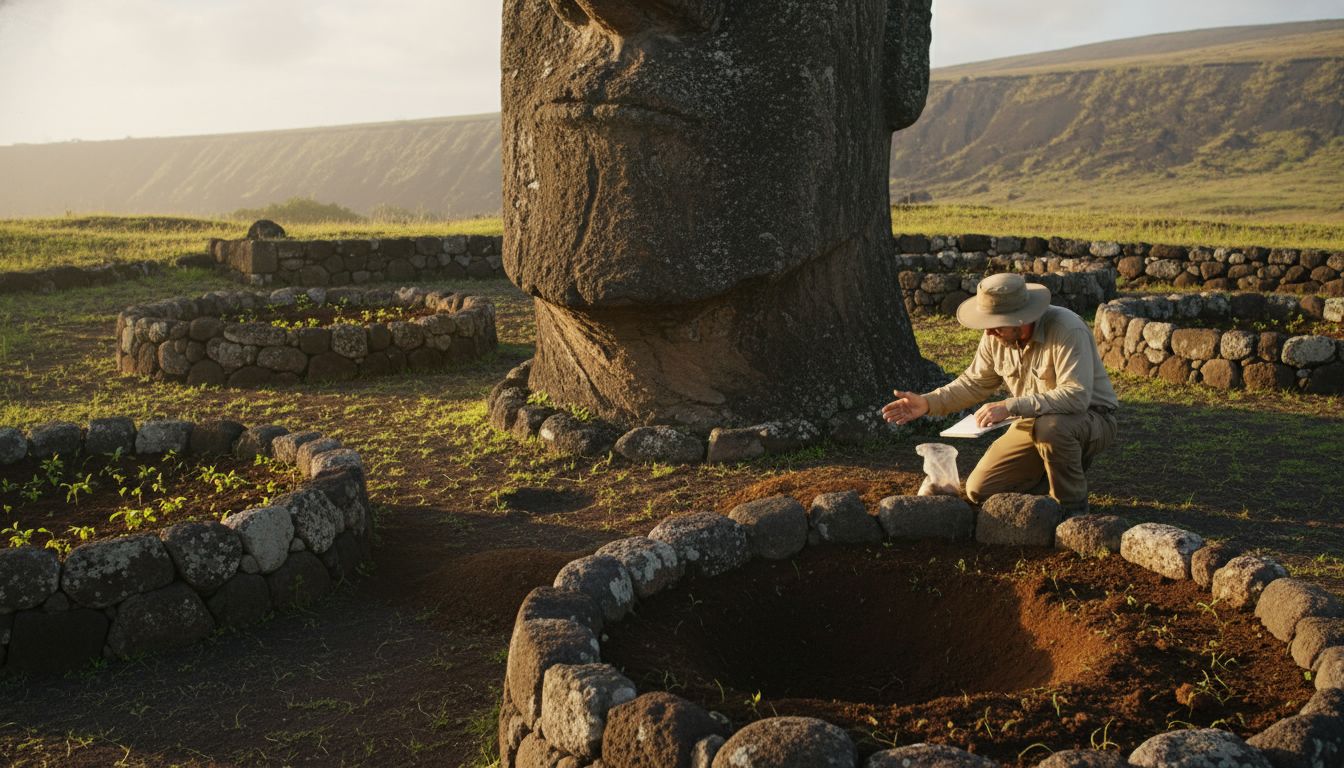
Fresh soil tests and mapping hint that some statue placements improved growing conditions. Spots where moai stood show altered soils and higher fertility, suggesting a link between carved figures and food production. That gives the moai a practical, as well as ceremonial, role during hard times. It layers a new agricultural angle onto their meaning.
Coastal Ahu Face Growing Threats
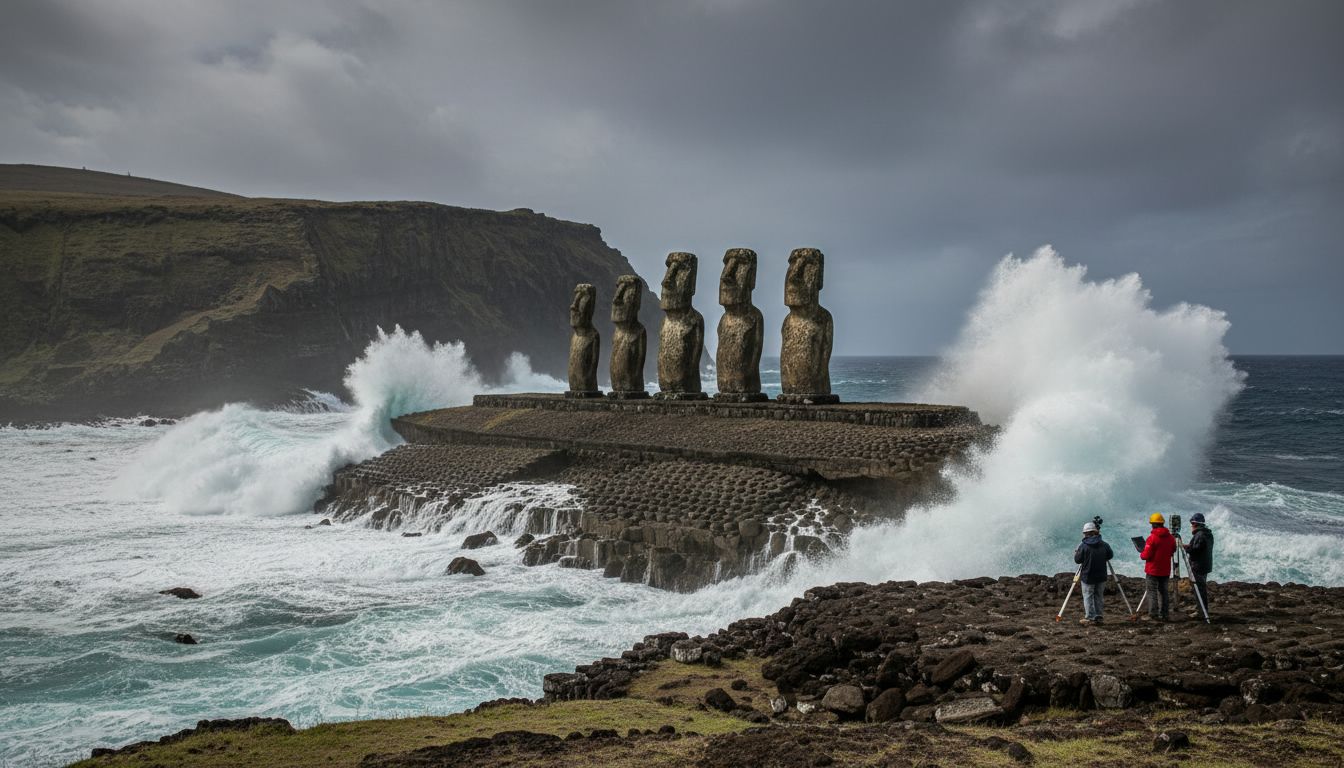
Recent assessments warn that shoreline ahu and their moai are increasingly exposed to erosion and stronger storms. Rising tides undercut platforms and walking paths, forcing hard choices for the Ma'u Henua community that manages the park. Conservation will demand priorities, funding and, sometimes, difficult trade-offs about what can stay in place. The moai's future on the shore is suddenly urgent.